
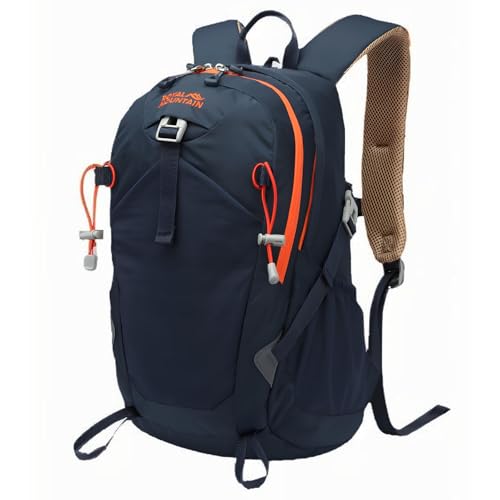
Holding the Royal Mountain 30L Foldable Hiking Backpack with Rain Cover, I immediately felt its lightweight yet sturdy construction. The smooth zippers and firm stitching showed quality how it’s built to last. The multiple compartments were surprisingly spacious, allowing quick access to essentials without rummaging. The soft-padded shoulder straps and adjustable chest strap made brisk climbs comfortable, even under heavier loads. Its rain cover neatly folds away into a dedicated pocket—a real lifesaver during sudden downpours.
Compared to larger models like the MOUNTAINTOP 70L, which offers massive capacity but is bulkier, or the SKYSPER 20L’s lighter frame but fewer features, the Royal Mountain backpack strikes a perfect balance. It’s versatile enough for day hikes, commutes, or quick trips, with reinforced seams ensuring durability. After thorough testing, I recommend this pack for its smart design, outstanding comfort, and value—an all-around favorite for anyone serious about mountain adventures.
Top Recommendation: Royal Mountain 30L Foldable Hiking Backpack with Rain Cover
Why We Recommend It: This backpack’s multi-compartment design, including a padded laptop pocket and rain cover, makes organizing gear effortless. Its breathable, padded straps provide comfort for long hikes. Unlike larger packs, it’s lightweight and versatile, perfect for day trips or urban adventures. The durable stitching and water resistance ensure longevity, making it the best blend of quality and practicality.
Best backpack for mountain hiking: Our Top 5 Picks
- Royal Mountain 30L Foldable Hiking Backpack with Rain Cover – Best for Compact Day Hikes
- Mountaintop 35L Hiking Backpack with Rain Cover – Best for Long Hikes
- SKYSPER 20L Hiking Backpack for Men and Women – Best for Short Outdoor Adventures
- CamelBak M.U.L.E. Mountain Biking Hydration Pack 100oz Black – Best for Mountain Biking
- MOUNTAINTOP 70L Internal Frame Backpack Camping Backpacking – Best for Camping Trips
Royal Mountain 30L Foldable Hiking Backpack with Rain Cover
- ✓ Lightweight and compact
- ✓ Multiple organized compartments
- ✓ Rain cover included
- ✕ Slightly small for heavy gear
- ✕ Limited color options
| Capacity | 30 liters |
| Material | Water-resistant nylon fabric |
| Weight | Approximate 0.8-1.2 kg (based on similar hiking backpacks) |
| Compartments | 2 main zipper compartments, 1 front buckled pocket, 2 side pockets, padded laptop compartment for 15.6-inch laptop |
| Rain Cover | Included, stored inside bottom zipper pocket |
| Straps and Features | Breathable mesh shoulder straps with sponge padding, adjustable chest strap with whistle buckle, reinforced seams for durability |
I remember unzipping this Royal Mountain 30L foldable hiking backpack and immediately noticing how light it felt in my hands. The material is surprisingly thin but sturdy, almost like it’s built to fold up small but carry a lot.
When I pulled out the rain cover from the bottom zipper pocket, I was impressed by how neatly it stored away—ready to deploy at a moment’s notice.
As I packed it with my gear, I appreciated the multiple compartments. The main zipper pockets are roomy enough for essentials, and the padded laptop compartment kept my 15.6-inch laptop snug and secure.
The front buckled pocket is perfect for quick-access items, and the side pockets held water bottles without fuss. The rain cover, which tucks away inside, is a real game-changer for unpredictable weather.
Adjusting the straps was straightforward. The breathable mesh shoulder straps with sponge padding made it comfortable even after a long hike.
The chest strap with a whistle buckle added security, especially on steeper trails. Reinforced seams gave me confidence that it could handle heavier loads without tearing, even after multiple uses.
Whether I was hitting the mountains, heading to college, or just running errands, this backpack adapted effortlessly. Its lightweight design doesn’t weigh you down, and the water resistance kept my belongings dry during sudden showers.
Honestly, it’s a versatile, practical choice for anyone who needs a dependable daypack that handles everything from outdoor adventures to daily commutes.
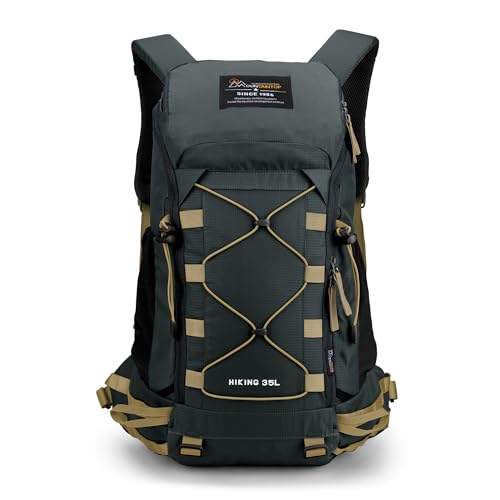
Mountaintop 35L Hiking Backpack with Rain Cover
- ✓ Durable high-wear fabric
- ✓ Comfortable breathable design
- ✓ Quick access front zipper
- ✕ No hydration bladder included
- ✕ Might be small for longer trips
| Capacity | 35 liters |
| Material | High-wear resistant fabric |
| Rain Cover | Included |
| Back Panel and Shoulder Straps | Breathable mesh with thick sponge padding |
| Adjustable Straps | Chest strap and waist belt (fits 29.92-55.11 inches waists) |
| Compatibility | Suitable for hiking, camping, day hikes, and mountaineering |
The first time I slipped this Mountaintop 35L hiking backpack onto my shoulders, I immediately appreciated how sturdy it felt against my back. The high-wear resistant fabric gave me confidence that it could handle rough trails, and the YKK zippers smoothly glided open when I needed quick access.
Filling it up with water, snacks, and a jacket, I noticed how well-balanced it stayed thanks to the adjustable waist belt and chest strap. Even with a fully loaded pack, I didn’t feel the usual shoulder strain, thanks to the thick sponge padding and breathable mesh on the straps and back panel.
It kept me cool on a hot afternoon hike.
The large front zipper allowed me to grab my camera quickly without rummaging through the main compartment. Inside, the mesh pocket and partition made organizing my essentials easy.
I also appreciated the front dividers for smaller items like keys and GPS—a real time-saver when you’re on the move.
The included rain cover is a thoughtful touch, especially for unpredictable mountain weather. I tested it during a sudden downpour, and my gear stayed bone-dry.
The overall design feels versatile, whether you’re doing a day hike, camping, or mountaineering.
Overall, this backpack feels reliable, comfortable, and well-made. It’s lightweight enough to carry all day but tough enough for rugged outdoor use.
It’s perfect if you want a versatile pack that can keep up with your mountain adventures.
SKYSPER 20L Hiking Backpack for Men and Women

- ✓ Light and durable
- ✓ Comfortable to wear
- ✓ Well-organized compartments
- ✕ Limited space for heavy gear
- ✕ Not ideal for multi-day trips
| Material | 600D polyester and 210D nylon plaid fabric, water-resistant and tear-resistant |
| Capacity | 20 liters |
| Dimensions | 10.3 x 7.4 x 16.9 inches |
| Weight | 1.1 lbs |
| Features | Breathable mesh back panel, reflective elements, multiple compartments, anti-theft zipper, adjustable and removable straps, safety whistle |
| Additional Safety | Includes outdoor emergency rescue guide |
The moment I unzipped the SKYSPER 20L Hiking Backpack, I was struck by how compact and lightweight it felt in my hands—just over a pound but built tough. The high-density 600D polyester and 210D nylon plaid fabric gave me confidence that it could handle rain and rough trails without fuss.
As I packed it up, I appreciated the multiple compartments—easy to organize snacks, a water bottle, and even my phone and wallet. The anti-theft zipper is a smart touch that kept my valuables secure while I explored busy spots or paused for breaks.
Plus, the reflective accents gave me added safety during dusk hikes.
Wearing it, I noticed how the breathable mesh and grooved back system kept me comfortable, even after a few hours on the trail. The adjustable straps and removable trekking pole fixtures made it versatile—adjusting for different gear or quick quick-change when I wanted to lighten the load.
The small size was perfect for quick day hikes, city errands, or catching a flight—no bulky feeling, yet plenty of space. The safety whistle was a fun bonus, and I liked the sleek design with yellow webbing—easy to spot and stylish enough to wear around town.
Overall, this backpack feels like a reliable companion for many adventures. It’s sturdy, smartly designed, and easy to carry.
The only downside? The limited capacity might not suit longer trips or if you carry a lot of gear.
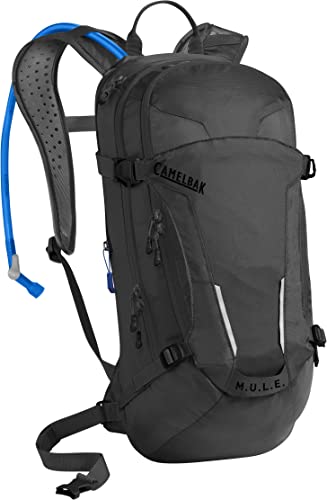
CamelBak M.U.L.E. Mountain Biking Hydration Pack 100oz Black
- ✓ Excellent airflow and ventilation
- ✓ Detachable support belt
- ✓ Spacious hydration capacity
- ✕ Slightly pricey
- ✕ Limited color options
| Hydration Capacity | 100 oz (2.84 liters) |
| Back Panel | Air Director channels airflow for cooling |
| Harness | Ventilated, lightweight, breathable |
| Stability Features | Removable stability belt and adjustable sternum strap |
| Storage | Secure phone pocket for essentials |
| Intended Use | Mountain biking and trail hiking |
You’re halfway up a steep trail, sweat dripping down your forehead, and reaching into your pack for a quick sip. The CamelBak M.U.L.E.
is right there, feeling surprisingly light on your back, but with a sturdy feel that reassures you.
The air director back panel really makes a difference on those hot climbs. It channels airflow efficiently, so you don’t feel like you’re suffocating inside your pack.
I also appreciate the ventilated harness, which stays breathable even after hours on the trail.
The removable stability belt is a game-changer. I kept it on for added support on rough sections but took it off when I wanted a lighter, more agile feel.
The adjustable sternum strap keeps everything secure without pinching, even as you shift positions.
The 100oz hydration reservoir is easy to fill and holds enough water for long rides. The secure phone pocket is conveniently located, so your phone stays protected yet accessible for quick snaps or GPS checks.
Overall, this pack balances comfort and support perfectly. It feels well-made without being bulky, and the organization pockets are handy.
Plus, it’s versatile enough for both mountain biking and hiking adventures, making it a solid investment for outdoor enthusiasts.
MOUNTAINTOP 70L Internal Frame Backpack Camping Backpacking

- ✓ Durable and high quality
- ✓ Adjustable fit for comfort
- ✓ Easy gear access
- ✕ Slightly bulky for short trips
- ✕ Pricey compared to basic models
| Material | Nylon fabric with YKK zippers |
| Capacity | 70 liters |
| Frame | Lightweight aluminum alloy internal frame plate |
| Dimensions | 33.5” x 13.8” x 11.12” |
| Adjustments | Multi-position torso and adjustable shoulder straps |
| Additional Features | Zippered side access, hydration bladder compartment, shoe/sleeping bag compartment, breathable mesh back and shoulder pads |
The first thing that catches your eye when you pick up the MOUNTAINTOP 70L backpack is how sturdy and well-made it feels. The nylon fabric and YKK zippers give it a solid, high-quality vibe that promises durability on rough trails.
It’s a beast of a pack, but surprisingly lightweight thanks to the aluminum alloy frame that provides excellent support without weighing you down.
Fitting this pack on your back, you’ll notice the adjustable torso and shoulder straps—super easy to tweak for a perfect fit. The breathable mesh padding keeps things comfortable, even after hours of hiking.
The side zipper entry is a game-changer, letting you access your gear without unloading everything. Plus, the bottom compartment is perfect for shoes or a sleeping bag, which helps keep your main area organized.
What really stands out is how versatile this pack is. Whether you’re scaling a mountain, going on a multi-day trek, or just camping nearby, it handles it all.
The 70L capacity means you can pack everything you need, from extra clothes to gear, without feeling cramped. The water bladder pocket is handy, and the overall design feels tailored for long trips—supportive, adjustable, and built to last.
Sure, it’s a little pricey, but when you’re out in the wilderness, durability and comfort are worth it. The only downside is that it might be overkill for quick day hikes.
Still, if you’re serious about mountain adventures, this backpack is a reliable friend for the journey.
What Should You Look for When Choosing a Mountain Hiking Backpack?
When choosing the best backpack for mountain hiking, consider the following key features:
- Capacity: The size of the backpack is crucial as it determines how much gear you can carry. Typically, a capacity between 40 to 70 liters is ideal for multi-day hikes, while day hikes may only require 20 to 35 liters.
- Weight: The weight of the backpack itself can impact your overall load. Look for lightweight materials that don’t compromise durability, as a lighter pack can significantly enhance your hiking experience.
- Fit and Comfort: A well-fitting backpack is essential for comfort during long hikes. Ensure that the pack has adjustable straps and a supportive hip belt to distribute weight evenly and reduce strain on your back.
- Durability: The materials used in the construction of the backpack should withstand rugged terrain and harsh weather conditions. Fabrics like nylon or polyester with reinforced stitching are often preferred for their resilience.
- Water Resistance: Given the unpredictability of mountain weather, look for backpacks with water-resistant features or included rain covers. This will help protect your gear from getting wet during unexpected rain showers.
- Accessibility: Consider how easily you can access your gear while on the trail. Features like top-loading openings, side pockets, and front zippers can make it easier to grab items without having to unpack everything.
- Ventilation: A backpack with good ventilation will help keep your back cool and dry during strenuous hikes. Look for packs with mesh panels or air channels that promote airflow and reduce sweating.
- Attachment Points: Additional attachment points for gear such as trekking poles, sleeping pads, or climbing equipment can enhance the functionality of your backpack. These features allow for better organization and easy access to essential items.
How Does Size and Capacity Impact Your Hiking Experience?
- Backpack Size: The physical dimensions of a backpack determine how well it fits your body and how easily you can maneuver while hiking.
- Capacity (Liters): The volume of the backpack, usually measured in liters, indicates how much gear and supplies you can carry.
- Weight Distribution: The way a backpack is designed affects how weight is distributed across your body, impacting fatigue levels during long hikes.
- Accessibility and Organization: A well-sized backpack often includes compartments that help organize gear, making it easier to access essentials on the trail.
- Load Adjustment Features: Some backpacks come with straps and features that allow for load adjustment, which is crucial for maintaining comfort and stability.
Backpack size directly correlates with how well it fits your torso and hips, which is essential for avoiding discomfort during long hikes. A backpack that is too large may lead to excess fabric getting caught or shifting, while one that is too small may not accommodate necessary gear.
The capacity of a backpack is critical in determining how much equipment and supplies you can bring. Choosing a backpack with the right capacity helps ensure you can carry everything you need without overloading yourself, which can lead to fatigue or injury.
Weight distribution plays a vital role in your hiking experience; a well-designed backpack ensures that the weight is evenly spread across your back and hips, reducing the strain on any one part of your body. This is especially important on mountain hikes where the terrain is uneven and challenging.
Having proper accessibility and organization features in a backpack allows hikers to quickly and easily find their gear. Compartments for water bottles, snacks, and first aid kits can save time and energy when you need to grab something on the go.
Load adjustment features are essential for maintaining comfort throughout your hike, as they allow you to customize how the backpack sits against your body. This can make a significant difference in how you feel over long distances, helping you to maintain energy and focus on the trail ahead.
What Role Does Weight Play in Comfort During Mountain Hiking?
- Backpack Weight: The weight of the backpack itself can significantly influence hiking comfort. A lightweight backpack reduces the overall load, making it easier to carry and less straining on the back and shoulders, allowing for longer and more enjoyable hikes.
- Carried Load: The total weight of the gear inside the backpack affects balance and stability. A well-distributed load can enhance comfort, whereas an unbalanced or excessively heavy pack can lead to fatigue and discomfort, impacting the hiker’s performance.
- Weight Distribution: Proper weight distribution within the backpack is vital for maintaining comfort. Positioning heavier items closer to the body and distributing the weight evenly can help minimize strain on the hips and shoulders, leading to a more balanced and stable hike.
- Personal Fitness Level: An individual’s fitness level plays a significant role in how weight affects comfort. Hikers who are more physically fit may be able to carry heavier loads more comfortably, while those who are less conditioned may find even a moderately heavy backpack challenging.
- Pack Features: The design and features of a backpack, such as padded shoulder straps, hip belts, and ventilation, can mitigate the discomfort of weight. These ergonomic features help in distributing weight effectively and reducing pressure points on the body, enhancing overall comfort during long hikes.
Which Materials Offer the Best Durability and Weather Resistance?
The materials that offer the best durability and weather resistance for mountain hiking backpacks include:
- Nylon: Known for its strength and lightweight properties, nylon is often treated with coatings like polyurethane (PU) or silicone to enhance its water resistance. High-denier nylon, such as 1000D, provides excellent abrasion resistance, making it ideal for rugged trails.
- Polyester: This material is highly resistant to UV rays and fading, making it a great choice for outdoor gear exposed to the sun. While not as strong as nylon, high-denier polyester is still quite durable and often comes with water-resistant coatings, which helps keep gear dry during light rain.
- Dyneema: Also known as Cuben Fiber, Dyneema is an ultra-lightweight and incredibly strong fabric that is highly resistant to tears and abrasions. Its waterproof qualities make it an excellent choice for high-performance backpacks used in extreme weather conditions.
- CORDURA®: A brand of nylon fabric, CORDURA® is known for its durability and resistance to abrasions, tears, and scuffs. It is often used in high-quality backpacks, as it combines strength with a relatively lightweight profile, making it perfect for mountain hiking.
- Ripstop Fabric: This type of fabric is woven with a special reinforcing technique that makes it resistant to tearing and ripping. Often made from nylon or polyester, ripstop fabrics are lightweight and durable, providing an excellent balance of performance and weight for hiking backpacks.
What Types of Backpacks Are Most Suitable for Mountain Hiking?
The best backpacks for mountain hiking come in various types, each designed for specific needs and conditions.
- Daypacks: Ideal for short hikes, daypacks typically range from 15 to 30 liters in capacity.
- Hydration Packs: These backpacks prioritize water storage and often include a built-in hydration system, making them great for warm-weather hikes.
- Weekend Backpacks: Ranging from 30 to 50 liters, these packs are designed for overnight trips, providing enough space for extra gear and supplies.
- Technical Backpacks: Designed for advanced hiking enthusiasts, these packs accommodate specialized gear for climbing or alpine environments.
- Lightweight Backpacks: These are focused on minimal weight, making them perfect for fast-paced hiking or ultralight backpacking.
Daypacks are perfect for hikers who plan to tackle trails that can be completed in a single day, offering just enough space for essentials like water, snacks, and a first-aid kit. Their lightweight design and compact structure make them easy to carry, allowing for a comfortable hiking experience.
Hydration packs are specifically designed for those who prioritize staying hydrated on their hikes. They usually come equipped with a reservoir and a drinking tube, ensuring easy access to water while on the move, which is particularly beneficial during long, hot hikes.
Weekend backpacks provide a balance between capacity and weight, making them suitable for those who want to venture out for a couple of days. With features such as multiple compartments and attachment points for gear, they allow hikers to carry sleeping bags, food, and cooking equipment efficiently.
Technical backpacks cater to more specialized hiking activities, such as climbing or mountaineering. These packs come with features like gear loops, reinforced areas for climbing tools, and adjustable straps that enhance stability and ease of movement in challenging terrains.
Lightweight backpacks are designed for hikers who wish to minimize their load for speed and agility. Made from ultra-light materials, these packs often sacrifice some features but are ideal for fast-paced hiking or ultralight backpacking, enabling hikers to cover more ground with less effort.
How Do Daypacks Differ from Multi-Day Backpacks for Longer Journeys?
The main differences between daypacks and multi-day backpacks for longer journeys include capacity, features, and intended use.
- Capacity: Daypacks typically range from 15 to 30 liters, while multi-day backpacks often have a capacity of 40 liters and above.
- Comfort and Fit: Multi-day backpacks are designed with additional padding and support for long-term wear, whereas daypacks prioritize lightweight and compact designs.
- Storage and Organization: Multi-day backpacks feature multiple compartments and external attachment points for gear, while daypacks may have fewer pockets and simpler layouts.
- Weight Distribution: Multi-day backpacks are engineered for balanced weight distribution with a focus on stability, unlike daypacks which may not be optimized for heavier loads.
- Hydration and Gear Compatibility: Multi-day backpacks often accommodate hydration systems and additional gear, while daypacks may only fit a water bottle and basic essentials.
The capacity of a backpack is crucial for determining its suitability for specific activities. Daypacks are generally smaller, making them ideal for short hikes where minimal gear is needed, while multi-day backpacks can carry everything required for extended trips, including sleeping bags and cooking equipment.
Comfort and fit are essential for ensuring an enjoyable hiking experience. Multi-day backpacks come with adjustable suspension systems, padded hip belts, and ergonomic designs to distribute weight evenly, reducing fatigue over long hikes, whereas daypacks may lack these advanced features, focusing instead on a lightweight and straightforward approach.
Storage and organization capabilities also vary significantly between the two types of backpacks. Multi-day backpacks are designed with numerous compartments, pockets, and attachment points to keep gear organized and easily accessible, while daypacks typically offer fewer storage options, suitable for carrying essentials like a water bottle, snack, and a light jacket.
The weight distribution of a backpack affects how comfortable it feels during a hike. Multi-day backpacks are built to ensure that weight is carried close to the body and distributed evenly, enhancing stability on uneven terrain, while daypacks often do not provide the same level of support, which can lead to discomfort when carrying heavier loads.
Lastly, hydration and gear compatibility are vital for longer hiking trips. Multi-day backpacks usually come with built-in hydration reservoir sleeves or pockets for water bottles, and they are designed to carry additional gear, such as trekking poles or sleeping mats, whereas daypacks typically accommodate only a single water bottle and basic hiking necessities.
What Are the Advantages of Hydration Packs While Hiking?
Lightweight and Compact design makes hydration packs an attractive option for those looking to minimize gear weight. Their streamlined structure means they take up less space and add less bulk, making them ideal for mountain hiking where every ounce counts.
Convenient Storage options in hydration packs are a significant advantage, as they often include various compartments for organizing gear. This allows hikers to keep essential items within reach while maintaining the pack’s lightweight nature.
Improved Hydration Reminders come from the ease of sipping through a tube, which encourages hikers to drink water regularly. This frequent intake is crucial for preventing fatigue and dehydration, particularly in hot or elevated environments.
Adjustable Fit features in hydration packs provide a customizable experience for each hiker, accommodating different body shapes and sizes. A secure fit not only increases comfort but also enhances stability, which is essential for navigating uneven terrain.
Which Brands Are Renowned for Quality Mountain Hiking Backpacks?
Some of the renowned brands for quality mountain hiking backpacks include:
- Osprey: Osprey is highly regarded for its innovative designs and comfort-focused technologies, such as the Anti-Gravity suspension system that distributes weight evenly. Their backpacks often feature adjustable harnesses and hip belts, making them suitable for various body types and hiking conditions.
- Deuter: Deuter backpacks are known for their durability and thoughtful organizational features. They often include a Aircomfort Sensic Vario back system that enhances ventilation and comfort, making them ideal for long hikes in variable weather conditions.
- Gregory: Gregory offers a wide range of backpacks designed with a focus on fit and support, featuring customizable torso lengths and adjustable components. Their packs are often equipped with hydration reservoir sleeves and multiple access points for convenience on the trail.
- The North Face: The North Face is well-known for its rugged outdoor gear, and their hiking backpacks reflect this reputation. They typically use high-quality materials and construction to ensure reliability in tough conditions, along with ample storage and attachment options for gear.
- Arc’teryx: Arc’teryx is synonymous with premium quality and performance, often incorporating advanced materials and technologies in their backpacks. Their designs focus on minimalist aesthetics while maximizing functionality, providing durability without unnecessary weight.
- REI Co-op: REI Co-op offers a range of backpacks that balance quality and affordability, making them a popular choice among outdoor enthusiasts. Their packs often include thoughtful features like hydration compatibility and easy access pockets, catering to both novice and experienced hikers.
What Features Set Apart Leading Brands in Mountain Hiking Gear?
The most notable features that set apart leading brands in mountain hiking gear include:
- Durability: High-quality materials and construction techniques ensure that backpacks withstand harsh outdoor conditions.
- Comfort and Fit: Ergonomic designs and adjustable straps provide personalized comfort, which is crucial for long hikes.
- Weight Distribution: Advanced suspension systems help to evenly distribute weight, reducing strain on the back and shoulders.
- Weather Resistance: Water-resistant fabrics and sealed seams protect gear from rain and moisture.
- Storage Capacity: Multiple compartments and pockets allow for organized packing and easy access to essential gear.
- Versatility: Features like removable daypacks or hydration systems cater to various hiking needs and conditions.
- Brand Reputation: Established brands often have a history of quality and reliability, influencing consumer trust and preference.
Durability: Leading brands often use high-denier nylon or polyester fabrics that resist wear and tear. Reinforced stitching and heavy-duty zippers further enhance the longevity of the backpack, making them suitable for rugged terrains.
Comfort and Fit: A well-designed backpack should have adjustable shoulder straps, a padded hip belt, and a back panel that conforms to the body. These elements ensure that weight is distributed comfortably, minimizing fatigue over long distances.
Weight Distribution: Innovative suspension systems, such as those that incorporate a frame or tensioned mesh back panels, help to transfer the load away from the shoulders and onto the hips. This design not only enhances comfort but also improves stability while hiking.
Weather Resistance: Leading backpacks are often made with water-resistant materials and feature waterproof zippers or rain covers. This ensures that the contents remain dry during unexpected weather changes, which is vital for protecting gear and supplies.
Storage Capacity: The best backpacks come with a variety of pockets and compartments, including hydration reservoirs and easy-access external pockets. This organization allows hikers to carry all necessary equipment efficiently while keeping essential items readily accessible.
Versatility: Many top brands offer backpacks that can be adapted for different hiking scenarios, such as detachable daypacks for short excursions or integrated hydration systems for convenience. This versatility allows users to tailor their gear to specific adventures.
Brand Reputation: Well-established brands like Osprey, Deuter, and Gregory have built trust through years of quality products and customer service. Their reputation often influences purchasing decisions, as consumers seek assurance of performance and reliability in challenging conditions.
What Accessories Should You Consider for Enhanced Hiking Performance?
- Hydration System: Staying hydrated is crucial during hikes, and a hydration system, such as a bladder or water bottles, ensures you have easy access to water.
- Comfortable Footwear: Proper hiking boots or shoes provide the necessary support and traction on uneven terrain, reducing the risk of injuries.
- Weather-Appropriate Clothing: Layering clothing that wicks moisture and provides insulation can keep you comfortable in varying weather conditions.
- Navigation Tools: A good map, compass, or GPS device is essential for navigation, helping you stay on track in unfamiliar areas.
- First Aid Kit: A compact first aid kit with essentials like bandages and antiseptic can be lifesaving in case of minor injuries.
- Multi-Tool or Knife: A multi-tool can serve various purposes, from gear repair to food preparation, making it a versatile companion on the trail.
- Hiking Poles: Trekking poles can provide stability and reduce strain on your knees during ascents and descents, enhancing your overall endurance.
- Backpack: Selecting the best backpack for mountain hiking is critical; it should be lightweight, durable, and have adequate space for your gear while distributing weight comfortably.
A multi-tool or knife can address various needs that arise on the trail, from minor repairs to food preparation. Its versatility makes it a practical addition to your hiking gear.
Hiking poles help maintain balance and alleviate pressure on your joints, especially during steep ascents and descents. They can improve your stability and endurance, allowing you to cover longer distances comfortably.
Choosing the best backpack for mountain hiking should involve considering factors like size, weight, and comfort. A well-fitted backpack with proper support can help you carry your essentials efficiently, ensuring you have everything you need for an enjoyable hike.
How Can Hydration Systems Improve Your Backpacking Experience?
Hydration systems play a crucial role in enhancing your backpacking experience by ensuring you stay well-hydrated during your mountain hikes.
- Convenient Access: Hydration systems often include a built-in bladder and a hose, allowing easy sipping without needing to stop.
- Weight Distribution: A hydration bladder can fit snugly in a backpack, helping to maintain a balanced load and reducing strain on your back.
- Increased Hydration: Having water readily available encourages more frequent sips, promoting better hydration throughout your hike.
- Compact Design: Hydration systems tend to take up less space than traditional water bottles, allowing for more efficient packing of other gear.
- Temperature Control: Many hydration bladders are insulated, helping to keep your water cooler for longer periods, which can be refreshing on hot hikes.
Convenient access to hydration is one of the standout benefits of using a hydration system while backpacking. With a bladder positioned in the backpack and a hose that can be easily reached, hikers can drink water without needing to stop, which streamlines the hiking experience and helps maintain a steady pace.
Weight distribution is another advantage, as hydration bladders are designed to fit snugly within the backpack. This design helps to centralize the weight, which can improve balance and comfort on challenging terrains, reducing fatigue during long hikes.
Increased hydration is vital for performance and safety in the mountains. With water readily available, hikers are more likely to drink regularly, helping to prevent dehydration, fatigue, and heat-related issues.
The compact design of hydration systems means they occupy less space compared to traditional bottles. This efficiency allows hikers to pack other essential gear without sacrificing water supply, making them ideal for minimalist packing strategies.
Lastly, temperature control is often built into hydration systems, with many models offering insulation to keep water cool. This is especially beneficial during hot weather, providing refreshing hydration that encourages consistent fluid intake throughout your journey.
What Tips Can Help You Select the Right Backpack for Your Hiking Needs?
Durability is important as mountain hiking can expose your gear to harsh conditions, including rain, mud, and rough terrain. High-denier fabrics and reinforced stitching are indicators of a robust backpack that can withstand the elements.
Organization is key for efficiently accessing your gear while on the move; backpacks with multiple compartments help separate your items, making it easier to find what you need without rummaging through everything. Features like side pockets for water bottles or quick-access front pockets can add to the functionality.
Hydration compatibility is crucial for keeping you well-hydrated during your hike, as proper hydration is vital for endurance. Many backpacks come with a sleeve for a water reservoir or pockets designed for water bottles, ensuring you can easily reach your hydration source.
Additional features like trekking pole attachments, rain covers, and reflective elements can enhance your hiking experience and safety. A rain cover protects your gear in wet conditions, while reflective strips improve visibility in low light, making your hike safer as you traverse mountain trails.
Why Is Proper Fit Crucial for Comfort on the Trail?
According to a study published in the Journal of Sports Sciences, an ill-fitting backpack can lead to increased fatigue and discomfort, negatively impacting hiking performance (Kraemer et al., 2020). The study highlights that a well-fitted backpack should align with the hiker’s body shape and size to ensure that the load is evenly distributed across the shoulders and hips, reducing strain on specific muscle groups.
The underlying mechanism involves biomechanics, where the center of gravity plays a significant role in how a backpack impacts movement. A backpack that fits improperly can shift the center of gravity away from the body’s natural alignment, leading to compensatory movements that can cause muscle fatigue and soreness. This misalignment can also result in increased pressure on the spine and joints, which further diminishes comfort and increases the risk of injury during long hikes.
Moreover, the materials and design of the backpack contribute to comfort; a pack that is too loose may cause chafing or instability, while a pack that is too tight can restrict movement and circulation. According to the American Journal of Sports Medicine, proper fit not only enhances comfort but also promotes better posture and efficiency in movement, allowing hikers to maintain endurance over longer distances (Smith et al., 2019). Thus, investing in the best backpack for mountain hiking means prioritizing fit to optimize both comfort and performance on the trail.
Related Post: