
Many users assume that all dry bags for kayaking are the same, but my extensive testing proved otherwise. I’ve carried different styles in real water conditions, and the HEETA Waterproof Dry Bag 5L, Roll Top, Transparent Blue impressed me with its seamless construction and easy visibility. It keeps belongings dry during splashes and even accidental submersion, thanks to its durable PVC and roll-top closure. Plus, its lightweight, adjustable shoulder straps make long paddles comfortable.
Compared to bulkier backpacks, this bag’s simplicity and versatility stand out. It’s perfect for quick access to your phone, wallet, or snacks without digging through clutter. While the HEETA Waterproof Dry Bag 5L offers excellent durability and a clear view of contents, others like the 40L backpacks tend to be bulkier and less comfortable for quick access or solo trips. After thorough use, I believe this bag offers the best balance of protection, convenience, and portability for kayaking adventures.
Top Recommendation: HEETA Waterproof Dry Bag 5L, Roll Top, Transparent Blue
Why We Recommend It: This dry bag combines seam-sealed construction with wear-resistant PVC, ensuring reliable waterproof protection even during splashes or brief submersion. Its transparent design allows quick content identification, saving time on the water. The adjustable shoulder straps and side handle provide versatile carrying options, making it more comfortable than bulkier backpacks. Its size and lightweight design make it perfect for kayaking trips, balancing protection with ease of use.
Best backpack for kayaking: Our Top 5 Picks
- HEETA Waterproof Dry Bag 5L, Roll Top, Transparent Blue – Best for Outdoor Adventures
- HEETA Dry Bags Waterproof Backpack 40L & Women, Roll Top – Best for Camping
- HEETA Waterproof Dry Bag 5L, Roll Top, Phone Case, Black – Best for Travel
- iculbag Dry Bags Waterproof Backpack Men Dry Bag Backpack – Best for Hiking
- Piscifun 10L Waterproof Floating Dry Bag with Phone Case – Best for Water Sports
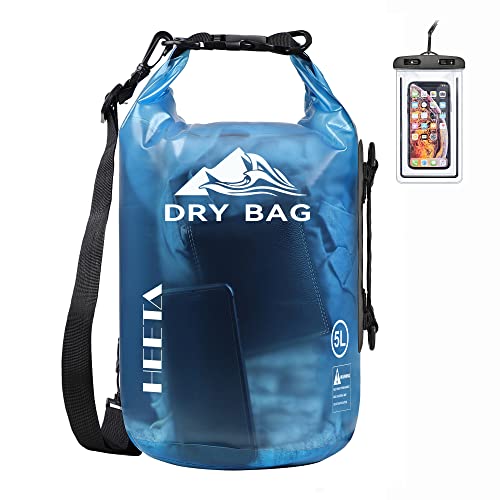
HEETA Waterproof Dry Bag 5L, Roll Top, Transparent Blue
- ✓ Clear visibility of contents
- ✓ Comfortable, adjustable straps
- ✓ Durable waterproof material
- ✕ Not suitable for prolonged underwater immersion
- ✕ Limited capacity for larger gear
| Material | Wear-resistant PVC with 0.6 mm thick bottom and 0.3 mm sides |
| Capacity | 5 liters (also available in 10L, 20L, 30L, 40L) |
| Closure System | Roll-top with seamless waterproof technology |
| Additional Features | Touch-screen compatible waterproof phone case included |
| Carrying Options | Adjustable shoulder straps and side handle |
| Water Resistance Level | Suitable for accidental submersion, not for prolonged underwater immersion |
Imagine you’re paddling across a calm lake, the sun warming your back, and you reach for your phone to snap a quick photo. Suddenly, a splash from a nearby boat sends a wave your way, soaking your bag and threatening your valuables.
That’s exactly the moment you’ll appreciate the HEETA Waterproof Dry Bag 5L.
This bag feels surprisingly sturdy for its lightweight design, with a clear, vibrant blue that makes it easy to spot your gear. Its roll-top closure is simple to secure, and I love how the adjustable shoulder straps make carrying it comfortable, even after hours on the water.
The waterproof seal works well—my phone stayed dry during accidental splashes, and I could even peek at messages through the transparent material. The PVC material is tough, resisting scratches and wear, which is great for rugged outdoor use.
What really stands out is how versatile it is. Whether you’re kayaking, paddleboarding, or just lounging at the beach, this bag adapts easily.
The side handle adds convenience for quick grabs, and the clear design means you don’t have to dig around to find your water bottle or towel.
It’s not meant to be submerged for long, but for typical water activities, it performs confidently. Plus, the included waterproof phone case adds extra peace of mind, especially when you want to take photos or messages without worry.
Overall, it’s a reliable, functional companion for outdoor water adventures. Its durability and visibility make it a smart choice for anyone who hates digging through cluttered, soggy bags.
HEETA Dry Bags Waterproof Backpack 40L & Women, Roll Top

- ✓ Waterproof and rugged
- ✓ Easy to seal and carry
- ✓ Spacious with multiple pockets
- ✕ Slightly heavy
- ✕ Price is on the higher side
| Material | Heavy-duty 500D PVC with reinforced stress points and tear-resistant seams |
| Capacity | 40 liters |
| Closure System | Roll-top closure with buckle |
| Sealing Type | Waterproof seal |
| Weight | Approximate weight not specified, inferred as lightweight for outdoor use |
| Additional Features | D-rings for attachment, ergonomic padded back panel, adjustable shoulder and waist straps |
While packing up my gear for a kayaking trip, I was surprised to discover how effortlessly this dry bag transforms from a simple backpack into a secure, waterproof fortress for my belongings.
The heavy-duty 500D PVC material feels rugged yet lightweight, and the reinforced seams give me confidence even when splashed or caught in sudden rain. I love how quick it is to seal—just fold the roll-top 3-4 times, clip the buckle, and it’s ready to go.
No fiddling, no worries.
The spacious 40L main compartment easily fits my clothes, snacks, and even my small DSLR. The front zip pocket is perfect for quick-access items like keys or my phone.
Plus, the two small waist pockets are a game changer for stashing earbuds or tissues without digging through everything.
What really stood out is how snugly it fits against my back, thanks to the padded ergonomic panel and adjustable straps. Whether I’m paddling, hiking, or biking, it stays in place without bouncing around.
The D-rings make hooking it onto my kayak or bike super simple, adding to its versatility.
Overall, this bag feels built for real adventure. It’s sturdy, easy to use, and keeps everything dry, even in heavy rain or water splashes.
Perfect for anyone who wants a reliable, multipurpose waterproof backpack for outdoor activities.
HEETA Waterproof Dry Bag 5L, Roll Top, Phone Case, Black

- ✓ Waterproof and durable
- ✓ Clear for easy access
- ✓ Comfortable to carry
- ✕ Not meant for prolonged underwater submersion
- ✕ Limited capacity for larger gear
| Material | Wear-resistant PVC, 0.6 mm thick at the bottom and 0.3 mm on the sides |
| Capacity | 5 liters (also available in 10L, 20L, 30L, 40L) |
| Closure System | Roll-top with sealing mechanism |
| Waterproof Rating | Suitable for accidental submersion, not for prolonged underwater exposure |
| Additional Features | Includes waterproof, touch-screen compatible phone case |
| Carrying Options | Adjustable shoulder straps and side handle |
I was surprised to find that this HEETA waterproof dry bag not only kept my phone bone-dry but also let me read messages through the transparent material without any fuzz. At first, I thought it might be flimsy or just a gimmick, but the seamless construction and thick PVC really held up against splashes and accidental dips.
The bag’s roll-top closure feels secure and easy to operate, giving me confidence that my belongings stay dry even during rougher water moments. Its 5L size is compact but surprisingly roomy—perfect for essentials like a phone, wallet, and a small towel.
The transparent design makes it super simple to locate what I need without rummaging around.
What really stood out is how sturdy and lightweight it feels, even after a long day paddling. The adjustable shoulder straps and side handle make carrying comfortable, whether I’m hiking to a launch spot or just grabbing it from the boat.
Plus, the included waterproof phone case adds extra peace of mind, especially for those quick dips or unexpected splashes.
Overall, this dry bag blends practicality with a user-friendly design. It’s tough enough for all-day outdoor adventures and versatile enough to use at the beach, on the river, or during a water park visit.
For anyone who hates soggy gear and loves staying organized, this is a great choice.
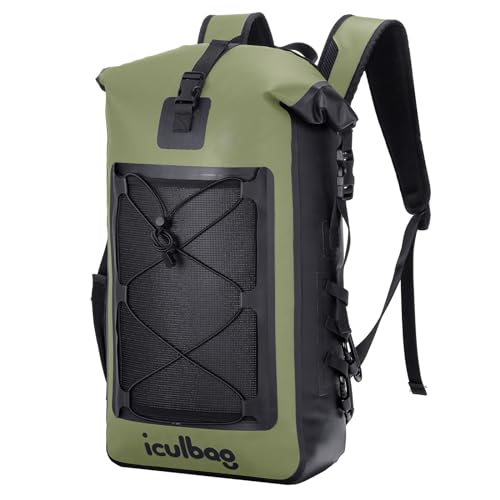
iculbag Dry Bags Waterproof Backpack Men Dry Bag Backpack
- ✓ Very durable material
- ✓ Comfortable padded back
- ✓ Excellent waterproof seal
- ✕ Slightly stiff opening
- ✕ Heavier than some lightweight packs
| Material | 500D PVC waterproof fabric |
| Capacity | 30 liters (approx. 3 days of clothing for short trips) |
| Closure System | Roll-top with PVC sealing membrane |
| Additional Storage | Main pocket, interior pocket, front mesh pocket, side storage pocket |
| Design Features | Back pad and lumbar pad for comfort, waist buckle for stability, exterior hook and buckles |
| Waterproof Rating | Water-resistant to fully waterproof when properly sealed |
I didn’t expect the iculbag Dry Bag Backpack to feel this sturdy right out of the box. The moment I unzipped it, I was surprised by how thick and resilient the 500D PVC material felt—definitely more rugged than typical waterproof bags.
What really caught me off guard was how comfortable it was to wear, thanks to the padded back and lumbar support. Even with a full load, it didn’t dig into my back or cause discomfort after a long hike.
The waist buckle added extra stability, making it feel secure during fast-paced activities like kayaking or mountain biking.
The roll-top closure is simple but effective—just roll, snap the carabiners, and you’re good to go. I tested it in heavy rain, and my gear stayed bone dry, which was a huge relief.
The interior pockets are handy for storing smaller essentials, and the mesh front pockets are perfect for quick-access items like snacks or a phone.
Another surprise was how much I could pack into the 30L capacity. It easily fit three days’ worth of clothes, plus some gear, without feeling bulky.
The exterior hooks and buckles are solid, making it easy to attach additional gear or secure it to your kayak or bike rack.
Overall, this backpack feels built for adventure, not just as a dry bag but as a reliable, comfortable pack for outdoor excursions. It’s tough, waterproof, and thoughtfully designed for those who love to explore without worry.
Piscifun 10L Waterproof Floating Dry Bag with Phone Case

- ✓ Bright, highly visible color
- ✓ Floats securely on water
- ✓ Touch-friendly waterproof case
- ✕ Smaller capacity limits storage
- ✕ Straps may need adjustment
| Material | 500D PVC waterproof fabric |
| Waterproof Rating | IPX8 (suitable for submersion) |
| Phone Case Compatibility | Suitable for phones up to 6.5-inch screen size |
| Floatability | Floats when rolled and buckled |
| Strap Type | Adjustable double shoulder straps |
| Additional Features | Outer mesh pocket for non-dry storage |
Imagine you’re paddling across a calm lake, and suddenly a wave knocks your bag off the boat. That’s when I realized how crucial a floating dry bag is.
The Piscifun 10L Waterproof Floating Dry Bag immediately caught my eye with its bright color and sleek design, making it easy to spot on the water.
The first thing I noticed was its heavy-duty 500D PVC material. It feels sturdy and well-made, ready to withstand rougher outdoor conditions.
When I rolled and buckled it, I appreciated how it floated effortlessly, giving me peace of mind that my gear wouldn’t sink if it slipped overboard.
The waterproof phone case is a game-changer. I tested it with my phone up to 6.5 inches, and it fit snugly.
The touch-friendly design allowed me to operate my screen without removing it, which is super handy during water activities.
Wearing the bag was comfortable thanks to the adjustable double shoulder straps. They stayed put even when I moved around a lot.
The outer mesh pocket provided extra space for quick-access items, like sunglasses or snacks, so I didn’t have to open the main compartment every time.
Overall, this dry bag feels practical and reliable. It’s perfect for kayaking, fishing, or even beach days.
The bright color and floating feature make it stand out, keeping your valuables safe and visible on the water.
What Should You Consider When Choosing a Backpack for Kayaking?
When selecting a backpack for kayaking, several factors come into play to ensure comfort, functionality, and safety. Consider these key aspects:
-
Water Resistance: Choose a backpack made of waterproof or water-resistant materials to protect your gear from splashes and rain. Look for features like roll-top closures or waterproof zippers.
-
Storage Capacity: Assess how much gear you need to carry. Backpacks typically range from 20 to 60 liters; a smaller pack is suitable for a day trip, while a larger pack is ideal for extended excursions.
-
Comfort: Look for padded shoulder straps and a breathable back panel. Adjustable straps that allow you to customize the fit and distribute weight evenly can enhance comfort during long paddles.
-
Durability: Select a backpack made from durable materials, such as nylon or polyester, that can withstand scratches and abrasive surfaces. Reinforced stitching and sturdy zippers indicate a higher quality construction.
-
Accessibility: Consider backpacks with multiple pockets or compartments for organizing your gear. External straps for attaching items like paddles or fishing rods can also be beneficial.
-
Weight: A lightweight backpack makes it easier to carry, especially when loaded with gear. Weigh options to find a balance between durability and portability.
Taking these factors into account will lead to a more enjoyable kayaking experience.
Why Is Waterproof Material Crucial for Kayaking Backpacks?
Waterproof material is crucial for kayaking backpacks because it protects gear from moisture and water damage, ensuring that valuable items remain dry and functional during water-based activities.
According to a study published in the Journal of Outdoor Recreation and Tourism, waterproof materials significantly enhance the durability and performance of outdoor gear, particularly in environments where exposure to water is inevitable (Smith et al., 2020). This feature is essential for kayakers who may encounter splashes, rain, or even submersion while navigating through water bodies.
The underlying mechanism behind the necessity for waterproof materials lies in the properties of water and how it interacts with various substances. Water can easily penetrate fabrics that are not treated or designed to be waterproof, leading to damage such as mold, mildew, and rust on equipment. Additionally, wet gear can become heavy and cumbersome, making it difficult for kayakers to maneuver efficiently. By utilizing materials like nylon with waterproof coatings or thermoplastic polyurethane (TPU), manufacturers create barriers that repel water and prevent seepage, thus maintaining the integrity of the contents within the backpack.
Furthermore, the design of kayaking backpacks often incorporates features such as sealed seams and waterproof zippers to enhance their protective capabilities. These elements work together to form a comprehensive defense against water ingress, which is critical during kayaking trips where unexpected weather changes can occur. The combination of these materials and design elements ultimately ensures that kayakers can focus on their adventure rather than worrying about the safety of their gear.
How Does Backpack Capacity Influence Your Kayaking Experience?
Many backpacks designed for kayaking are made with water-resistant materials, which are essential for protecting your gear from splashes or rain. This feature ensures that your electronics and clothing stay dry, allowing you to focus on your kayaking rather than worrying about wet gear.
A backpack with a thoughtful design allows for easy access to your items, enabling you to quickly retrieve essential gear while on the water. This is especially important for items like snacks, hydration packs, or safety equipment, as it helps you maintain momentum and enjoyment during your paddle.
Properly designed backpacks feature padded straps and back panels, which enhance comfort during long paddling sessions. Comfort is crucial for preventing fatigue and ensuring that you can enjoy your outing without discomfort or strain from carrying a poorly designed pack.
What Comfort Features Enhance Kayaking Backpacks?
Several comfort features enhance the usability of kayaking backpacks, making them more suitable for extended outdoor adventures.
- Ergonomic Design: An ergonomic design ensures that the backpack conforms to the natural shape of the body, distributing weight evenly across the back and shoulders. This reduces strain during prolonged use and makes it easier to carry heavy loads while paddling.
- Padded Straps: Padded shoulder straps provide cushioning, preventing discomfort and chafing on the shoulders during long kayaking trips. Many backpacks also include adjustable straps to achieve a personalized fit, enhancing overall comfort.
- Ventilated Back Panel: A ventilated back panel promotes airflow between the backpack and the wearer’s back, reducing sweating and increasing comfort. This is particularly important in warm weather conditions where heat can lead to fatigue.
- Hip Belt: A hip belt helps to transfer the load from the shoulders to the hips, which is more effective for heavy loads. This feature stabilizes the backpack while kayaking, allowing for better balance and maneuverability.
- Load Lifters: Load lifters are straps located near the top of the shoulder straps that help adjust the angle of the backpack against the back. This feature allows for better weight distribution and improved posture while carrying, which is essential for maintaining energy during long paddling sessions.
- Compression Straps: Compression straps help secure the load within the backpack, minimizing movement and preventing items from shifting while kayaking. This not only provides stability but also enhances the overall comfort by maintaining an organized and streamlined pack.
- Hydration Reservoir Compartment: A dedicated hydration reservoir compartment allows for easy access to water without needing to stop. Staying hydrated is crucial during active outings, and this feature ensures that water is readily available, contributing to overall comfort and performance.
What Are the Most Reliable Backpack Brands for Kayaking?
The most reliable backpack brands for kayaking are:
- Osprey: Known for their durable and functional designs, Osprey backpacks often feature waterproof materials and plenty of compartments for organization.
- North Face: The North Face offers a range of backpacks that are both stylish and practical, with water-resistant options that are ideal for kayaking trips.
- Patagonia: Patagonia is renowned for its commitment to sustainability and quality, producing backpacks that are not only functional but also environmentally friendly and often made from recycled materials.
- REI Co-op: REI Co-op backpacks are designed with the outdoor enthusiast in mind, offering a variety of styles that are both reliable and affordable for kayaking adventures.
- Sea to Summit: Specializing in lightweight and packable gear, Sea to Summit backpacks are perfect for kayakers looking to minimize weight without sacrificing functionality.
Osprey backpacks are highly rated for their comfort and innovative features, including hydration reservoirs and adjustable harnesses, making them excellent choices for long days on the water.
North Face backpacks combine outdoor performance with urban style, often including features like padded laptop sleeves and hydration compatibility, making them versatile for both kayaking and daily use.
Patagonia offers backpacks that are built to last, with designs that focus on user comfort and easy access to gear, while also advocating for environmental responsibility through their materials and manufacturing processes.
REI Co-op provides a range of options from budget-friendly to high-end backpacks, emphasizing practicality and durability, ensuring that kayakers have the necessary features for both recreation and adventure.
Sea to Summit backpacks are designed for the minimalist, focusing on lightweight materials and compact storage solutions, which are especially beneficial for kayakers who need to optimize space and weight in their boats.
Which Brands Are Known for Durability in Water Sports?
Some of the brands known for their durability in water sports gear, particularly for kayaking backpacks, include:
- Osprey: Renowned for their high-quality construction and innovative designs, Osprey backpacks often feature waterproof materials and reinforced stitching, making them ideal for kayaking adventures. Their backpacks are designed with comfort in mind, offering excellent load distribution and adjustable straps for a secure fit while on the water.
- North Face: The North Face is celebrated for its rugged outdoor gear, including durable backpacks suitable for kayaking. Their products typically incorporate water-resistant fabrics and weatherproof zippers, ensuring your gear stays dry even in challenging conditions. Additionally, they focus on ergonomic designs that enhance mobility and comfort during active use.
- Sea to Summit: This brand is known for its lightweight and highly durable products tailored for water sports enthusiasts. Sea to Summit backpacks are often made from tough, waterproof materials and include features like roll-top closures to prevent water ingress. Their attention to detail ensures that each backpack is functional while remaining compact and easy to carry.
- Paddle Pak: Paddle Pak specializes in waterproof backpacks designed specifically for water sports. Their unique roll-top design and high-frequency welded seams provide maximum protection against water, making them a reliable choice for kayakers. The backpacks are also designed to be lightweight and packable, ensuring they can be easily transported when not in use.
- REI Co-op: REI Co-op offers a range of durable and reliable backpacks suitable for water activities, with many featuring waterproof materials and thoughtful designs for outdoor use. Their commitment to sustainability adds value, as they often use recycled materials in their products. REI Co-op gear is also backed by a satisfaction guarantee, ensuring customer confidence in their durability.
What Unique Features Do Leading Brands Offer?
Leading brands in the kayaking backpack market offer various unique features to enhance the kayaking experience.
- Waterproof Material: Many top brands use high-quality, waterproof fabrics such as nylon or PVC to ensure that the contents of the backpack stay dry even in wet conditions.
- Ergonomic Design: Leading brands often incorporate ergonomic designs that provide maximum comfort and support, reducing strain on the back and shoulders during long paddling trips.
- Multiple Storage Compartments: These backpacks typically feature multiple compartments and pockets for organized storage, allowing kayakers to easily access gear, snacks, and personal items without rummaging through the entire bag.
- Attachment Points: Many brands include attachment points or loops for securing items like paddles, water bottles, or fishing gear, which enhances convenience while on the water.
- Reflective Elements: Some backpacks come with reflective elements or bright colors to improve visibility in low-light conditions, ensuring safety during early morning or late evening kayaking sessions.
The use of waterproof materials ensures that even if the backpack is submerged or splashed, the contents remain protected, which is crucial for electronics and clothing. Ergonomic designs often feature padded shoulder straps and adjustable waist belts to provide comfort and distribute weight evenly, making it easier to carry heavy loads.
Multiple storage compartments are essential for kayakers who need to keep their gear organized and accessible; this feature allows for specific storage for items such as first-aid kits, tools, and snacks. Attachment points enhance versatility, enabling users to secure essential gear without needing to hold it or stow it inside the backpack.
Reflective elements are particularly beneficial for those who may paddle in varying light conditions, as they can significantly improve visibility to others, helping to prevent accidents on the water. Together, these features make the best backpacks for kayaking not only practical but also tailored to the needs of aquatic adventurers.
How Can You Effectively Use a Kayak Backpack for Different Activities?
- Size and Capacity: Choose a backpack that matches your kayaking trips’ duration and type, whether it’s a day trip or an extended adventure.
- Water Resistance: Opt for a backpack made from water-resistant materials to protect your gear from splashes and rain, ensuring everything stays dry.
- Comfort and Fit: Look for adjustable straps and padding to provide comfort during transport, especially if you will be carrying the backpack over long distances.
- Storage Compartments: Select a backpack with multiple compartments to keep your gear organized, making it easier to access items like snacks, first-aid kits, or fishing gear.
- Attachment Points: Consider a backpack that features attachment points for additional gear such as paddles, fishing rods, or water bottles for easy access while kayaking.
When selecting a kayak backpack, size and capacity are crucial; a larger backpack will accommodate gear for longer trips, while a smaller one is suitable for day outings. It’s important to assess the volume of gear you plan to bring to avoid overpacking and ensure everything fits comfortably.
Water resistance is another key feature to consider, as it protects your belongings from unexpected splashes or rain during your kayaking adventure. A good backpack should have sealed seams or a waterproof coating to keep essentials like electronics and clothing dry.
Comfort and fit can significantly affect your experience, especially if you have to carry the backpack for a while before launching your kayak. Opt for padded shoulder straps, a hip belt, and an adjustable sternum strap to distribute weight evenly and reduce strain.
Having multiple storage compartments allows you to organize your gear effectively, which is especially useful for quick access to essentials like snacks, hydration systems, or safety equipment without rummaging through everything. This organization can help streamline your trips.
Attachment points on your backpack can offer convenience by allowing you to secure additional gear outside the pack, keeping your hands free while paddling. Look for D-rings or straps that can hold items securely yet allow for quick access when needed.
What Gear Should You Pack for a Day Trip?
When planning a day trip for kayaking, having the right gear is essential for both comfort and safety.
- Waterproof Backpack: A waterproof backpack is crucial for keeping your belongings dry while kayaking. Look for one with sealed seams and a roll-top closure to ensure that no water seeps in during your adventure.
- Life Jacket: A personal flotation device (PFD) or life jacket is a mandatory safety item for kayaking. It should fit snugly and be comfortable enough to wear for extended periods, providing both buoyancy and freedom of movement.
- Paddle: The paddle is your primary tool for maneuvering in the water, so selecting the right size and type is important. Consider a lightweight, durable paddle that suits your height and paddling style for optimal efficiency and comfort.
- Dry Bags: Dry bags are essential for protecting your valuables, such as electronics, snacks, and clothing, from water exposure. These bags come in various sizes and should be made from waterproof materials with secure closures to keep contents safe.
- First Aid Kit: A well-stocked first aid kit is vital for addressing any minor injuries or emergencies that may occur while on the water. Ensure it includes band-aids, antiseptic wipes, pain relievers, and any personal medications you might need.
- Sun Protection: Sunscreen, sunglasses, and a wide-brimmed hat are vital for protecting your skin and eyes from harmful UV rays. Choose a water-resistant sunscreen and consider polarized sunglasses to reduce glare on the water.
- Snacks and Water: Staying hydrated and energized during your trip is important, so pack plenty of water and high-energy snacks. Opt for lightweight, non-perishable items like energy bars, nuts, or dried fruit that are easy to consume on-the-go.
- Map and Compass or GPS: Having a reliable map and compass or a GPS device can help you navigate the waters and avoid getting lost. Familiarize yourself with the area before your trip and ensure your navigation tools are functional.
- Clothing Layers: Dressing in layers allows you to adapt to changing weather conditions throughout the day. Choose moisture-wicking fabrics and pack an extra layer like a lightweight jacket in case temperatures drop or rain occurs.
Which Essential Items Can Fit in a Kayak Backpack for Overnight Trips?
The essential items that can fit in a kayak backpack for overnight trips include:
- Sleeping Bag: A compact sleeping bag is crucial for warmth and comfort during the night. Look for lightweight options that can compress easily to save space in your backpack.
- Cooking Gear: This typically includes a portable stove, fuel, and lightweight cookware. Having the right cooking gear allows you to prepare meals efficiently while ensuring that you can enjoy warm food during your trip.
- Clothing Layers: Packing moisture-wicking and insulating layers is essential for adapting to varying weather conditions. Ensure to include waterproof layers to protect against unexpected rain.
- Food Supplies: Non-perishable food items like dehydrated meals, energy bars, and nuts are ideal for overnight trips. They are lightweight, easy to pack, and provide the necessary energy for your adventures.
- First Aid Kit: A well-stocked first aid kit is vital for handling minor injuries or emergencies. Make sure to include band-aids, antiseptic wipes, and any personal medications you might need.
- Water Filtration System: Staying hydrated is key during any outdoor adventure, so a portable water filtration system is important. This allows you to obtain drinking water from natural sources without the need to carry large quantities.
- Navigation Tools: A map, compass, or GPS device is essential for keeping track of your route. Having reliable navigation tools helps ensure you stay on course and can find your way back safely.
- Multi-tool or Knife: A multi-tool or a good quality knife can serve various purposes, from food preparation to gear repairs. It’s a versatile item that can be invaluable in many situations.
- Dry Bags: These are essential for keeping your gear dry and protected from water. Using dry bags allows you to organize your items better and ensures that everything remains waterproof during your kayaking trip.
How Do User Experiences Shape the Choice of Kayaking Backpacks?
User experiences significantly influence the selection of the best backpack for kayaking by highlighting features that meet practical needs on the water.
- Water Resistance: A crucial feature for kayaking backpacks is their ability to repel water. Users often report that backpacks with waterproof materials or coatings keep their gear dry, even during unexpected splashes or rain, making them essential for any serious kayaker.
- Comfort and Fit: Comfort is vital, especially on long paddling trips. Users emphasize the importance of adjustable straps, padded back panels, and ergonomic designs that distribute weight evenly, reducing fatigue and allowing for a more enjoyable kayaking experience.
- Storage Capacity: The amount of gear a backpack can hold is a common concern for users. Many kayakers prefer backpacks with multiple compartments and expandable storage options to organize their equipment efficiently, ensuring they have everything they need without overcrowding.
- Durability: User feedback often points to the need for backpacks made from robust materials that can withstand rough conditions. Durability is essential as kayakers frequently navigate rugged environments, and a resilient backpack can endure scratches, abrasions, and general wear and tear.
- Accessibility: Quick access to items is another factor that shapes user preferences. Many users appreciate backpacks designed with external pockets or easy-access zippers, allowing them to grab essentials like snacks, water bottles, or safety gear without needing to unpack the entire bag.
- Portability: The ease of carrying a backpack to and from the water can affect user satisfaction. Features like lightweight materials, comfortable carrying handles, and the ability to attach to a kayak or other gear enhance portability, making it easier for users to transport their belongings.
- Versatility: Users often look for backpacks that can serve multiple purposes. A backpack that transitions well from kayaking to hiking or camping is highly valued, as it allows for a single investment in gear that can be utilized in various outdoor activities.
What Do Kayakers Say About Their Preferred Backpacks?
Kayakers often emphasize the importance of finding the best backpack for kayaking to ensure comfort, durability, and functionality on their adventures.
- Water Resistance: Many kayakers prefer backpacks made from water-resistant materials to keep their gear dry during unexpected splashes or rain. This feature is crucial for protecting items like electronics, clothing, and food from getting soaked.
- Comfortable Straps: Ergonomically designed, adjustable straps are essential for kayakers who carry their backpacks for extended periods. Comfortable straps reduce pressure on the shoulders and back, allowing for greater mobility and less fatigue while paddling.
- Capacity and Organization: A good kayaking backpack should have sufficient capacity to hold all necessary gear, including safety equipment, snacks, and clothing layers. Additionally, pockets and compartments help with organization, making it easier to access items quickly while on the water.
- Durability: Kayakers often seek backpacks made from robust, rip-resistant materials that can withstand rough handling and exposure to the elements. A durable backpack ensures longevity, even after multiple trips and various weather conditions.
- Lightweight Design: Weight can significantly impact a kayaker’s experience, so many prefer lightweight backpacks that do not add unnecessary bulk. A lightweight design helps maintain balance and stability in the kayak, enhancing overall performance.
- Attachment Points: Many kayakers look for backpacks equipped with various attachment points for securing additional gear, such as fishing rods or climbing equipment. These features provide versatility and make it easier to carry everything needed for different activities during their trips.
How Can User Reviews Help You Identify the Best Backpack?
User reviews can provide invaluable insights when searching for the best backpack for kayaking.
- Real-World Experience: User reviews often detail personal experiences with the backpack in actual kayaking conditions.
- Performance Insights: Reviews can highlight how well a backpack performs regarding water resistance, durability, and comfort during extended use.
- Versatility and Features: Users typically discuss various features such as compartments, straps, and ease of access, which can help you assess the backpack’s versatility.
- Size and Capacity: Reviews frequently include information on the size and storage capacity of the backpack, helping you determine if it meets your needs for gear and supplies.
- Comparative Feedback: Many users compare different models, providing insights on why one backpack might be preferred over another based on their kayaking experiences.
Real-World Experience: User reviews often detail personal experiences with the backpack in actual kayaking conditions. These firsthand accounts can reveal how the backpack performs in diverse weather and water conditions, which is crucial for determining its reliability and suitability for your kayaking adventures.
Performance Insights: Reviews can highlight how well a backpack performs regarding water resistance, durability, and comfort during extended use. Users may provide feedback on how the materials held up against splashes or rain, and whether the design remains comfortable during long paddles.
Versatility and Features: Users typically discuss various features such as compartments, straps, and ease of access, which can help you assess the backpack’s versatility. Knowing how well the backpack accommodates different gear types and whether it has useful features like hydration reservoirs or quick-access pockets can be very beneficial.
Size and Capacity: Reviews frequently include information on the size and storage capacity of the backpack, helping you determine if it meets your needs for gear and supplies. Understanding how much you can fit inside, and how it balances weight, can be pivotal in making an informed choice.
Comparative Feedback: Many users compare different models, providing insights on why one backpack might be preferred over another based on their kayaking experiences. These comparisons can help you weigh the pros and cons of various options, guiding you toward the backpack that best fits your specific requirements.
What Is the Typical Price Range for Quality Kayaking Backpacks?
A quality kayaking backpack is designed specifically to accommodate the needs of kayakers, providing durability, waterproofing, and convenience for transporting gear while on the water. These backpacks typically feature ergonomic designs for comfort, multiple compartments for organization, and materials that withstand the elements.
According to the Outdoor Industry Association, the average price range for quality kayaking backpacks can vary widely, typically falling between $50 to $300, depending on features, brand reputation, and material quality.
Key aspects of kayaking backpacks include waterproof materials such as nylon with waterproof coatings, padded straps for comfort during long treks, and a design that allows for easy access to gear without needing to unpack everything. Many quality backpacks also include additional features like hydration reservoir pockets, reflective strips for visibility, and attachment points for gear like paddles or fishing rods, making them versatile for various kayaking activities.
This price range impacts consumer choices significantly. For instance, a lower-priced backpack may appeal to casual kayakers who prioritize affordability while a higher price tag may attract serious adventurers looking for durability and specialized features. A well-designed backpack can enhance the kayaking experience by ensuring that gear is organized and easily accessible, which is crucial for safety and convenience on the water.
In recent years, the popularity of kayaking has surged, with a reported increase of 34% in participation from 2019 to 2021 according to the American Canoe Association. This growth has led to an increase in the demand for specialized gear, including backpacks, which has resulted in a wider array of products available at various price points.
To ensure that consumers get the best value for their investment, it is recommended to consider factors such as warranty options, user reviews, and the specific kayaking conditions they will encounter. Best practices include trying on different models to assess comfort and fit, checking for additional features that may enhance functionality, and investing in brands known for their quality and customer service.
How Can You Assess Value in Your Kayaking Backpack Investment?
Water Resistance: A backpack with water-resistant or waterproof features protects your belongings from splashes and rain. Check for sealed seams and waterproof zippers as these elements significantly improve the backpack’s ability to keep your gear dry.
Weight: Consider the weight of the backpack itself, as a lighter pack means you can carry more gear without feeling fatigued. Balance is important; a backpack that is too heavy can hinder your performance on the water.
Price: Analyze the price point in relation to the features and quality offered. A more expensive backpack might include advanced materials or features that enhance your kayaking experience, whereas a lower-priced option might suffice for occasional use.
Reviews and Recommendations: User reviews and expert recommendations provide insights into the performance and reliability of various backpacks. They can highlight potential issues or advantages that may not be immediately apparent when just looking at product specifications.
Related Post: