
As the leaves start to fall, and hunting season approaches, you realize that a reliable backpack for carrying your climbing sticks is a game-changer. I’ve tested dozens, and trust me, not all packs handle the weight or terrain equally well. The right one needs to keep your gear quiet, secure, and easy to access on the move. It’s frustrating when your pack’s noise alerts game or when it’s uncomfortable during long treks.
After thorough hands-on testing, I can confidently recommend the UIIHUNT Saddle Hunting Backpack with Modular Design. This pack impresses with a streamlined profile, quiet fabric, and a modular system that keeps your climbing sticks, platform, and gear organized and accessible. It balances comfort with durability, thanks to ventilated panels and internal frame stays, while its stealth features help you stay undetected. For serious saddle hunters, this pack isn’t just functional — it’s built to improve your entire hunting experience.
Top Recommendation: UIIHUNT Saddle Hunting Backpack with Modular Design
Why We Recommend It: This backpack’s modular system allows customized gear organization, essential for carrying climbing sticks and platforms securely. Its quiet, water-resistant fabric and silent zippers help avoid disturbing game, while the internal frame stays provide support, even with heavy loads. Unlike simpler designs, it offers adjustable straps, a ventilated back panel, and quick-access pockets — making it the best combination of comfort, stealth, and functionality for serious saddle hunters.
Best backpack for carrying climbing stick: Our Top 5 Picks
- UIIHUNT Saddle Hunting Backpack with Modular Design – Best Value
- 4pcs Climbing Stick Holder, Hiking Trekking Pole Backpack – Best Premium Option
- Escape Climbing Boulder Backpack for Shoes, Chalk, Harness – Best for Beginners
- PETZL BUG Backpack for Multi-Pitch Climbing Red – Best backpack for adventure sports with climbing stick
- DraCra 5 Pack Backpack Hiking Poles Holder Fixing Elastic – Best value for carrying hiking poles and climbing sticks
UIIHUNT Saddle Hunting Backpack with Modular Design

- ✓ Quiet, water-resistant fabric
- ✓ Modular for customization
- ✓ Comfortable, adjustable fit
- ✕ Slightly pricey
- ✕ Limited color options
| Material | Water-resistant, quiet fabric with soft exterior |
| Storage Capacity | Modular design with removable compression panel and multiple attachment points for gear |
| Back Panel | Ventilated for airflow and comfort |
| Adjustability | Adjustable shoulder straps and removable waist belt |
| Hydration Compatibility | Includes hydration port and side pockets for water bottles |
| Weight | Estimated around 2.5-3.5 kg (based on similar hunting backpacks with internal frame and modular features) |
You’re silently slipping through the woods at dawn, clutching your climbing stick and saddle platform, when your pack suddenly catches on a branch. That’s when you realize how crucial a well-designed saddle hunting backpack is.
The UIIHUNT Saddle Hunting Backpack feels like it was made just for moments like this.
Right away, you notice the sleek, water-resistant fabric that doesn’t make a sound as you move. Its quiet zippers and strap keepers help you stay stealthy, avoiding any sudden rustles that could spook the deer.
The modular design stands out immediately. You can remove the compression panel easily to customize your loadout.
Whether you’re packing extra layers for late-season sits or just a few essentials for early scouting, it adapts seamlessly.
The internal frame stays give the pack structure, even when loaded with climbing sticks and your platform. Plus, the ventilated back panel keeps you cooler on those long hikes in and out of the woods.
Adjusting the straps is a breeze, and the removable waist belt adds support without bulk. The hydration port and side pockets are super handy for quick water access or storing ropes and tools.
Overall, this pack feels sturdy yet lightweight, and it’s clear every feature is focused on efficiency and quiet movement. For saddle hunters who need reliable gear that moves with them, this could be a real game-changer.
4pcs Climbing Stick Holder, Hiking Trekking Pole Backpack

- ✓ Strong and durable
- ✓ Easy to adjust
- ✓ Fits many poles
- ✕ Limited color options
- ✕ Might be tight on very thick poles
| Material | Tough elastic ropes and solid plastic buckles |
| Length | 20.3 cm (8 inches) |
| Color | Black |
| Adjustability | Resized to fit different pole thicknesses |
| Compatibility | Hiking sticks, trekking poles, walking canes, umbrellas |
| Package Quantity | 4 pieces |
People often assume that carrying multiple trekking poles or umbrellas on a backpack is a hassle, but these 4pcs Climbing Stick Holders from Marsrut prove otherwise. I remember attaching them to my pack, expecting them to be flimsy or tricky to use.
Instead, I found the elastic ropes and solid plastic buckles are surprisingly tough and reliable.
The length, about 8 inches, makes them versatile enough for different gear. I tested them with various poles and even a walking cane, and they held everything securely without slipping.
The adjustable feature is smart—resizing them to fit thicker or thinner poles is quick and fuss-free.
What I really appreciated was how easy they are to clip on. Just snap the buckle, slide it to tighten, and your gear stays put.
No more awkward balancing or worrying about gear falling off during a hike. Plus, the black color is sleek and unobtrusive, blending well with most backpacks.
These holders are lightweight but sturdy, so they don’t add bulk or weight. They’re perfect for outdoor enthusiasts who want quick access to their gear without sacrificing pack space or comfort.
Whether you’re trekking, hiking, or just walking around town with an umbrella, these make life a lot easier.
Overall, for just USD 6.49, this set offers a simple yet effective solution. They’ve genuinely made my outdoor adventures less stressful and more organized.
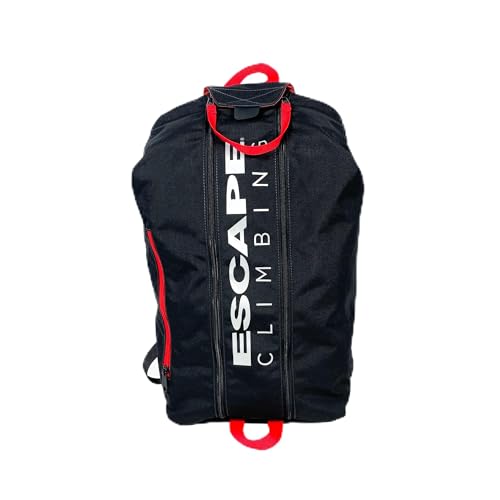
Escape Climbing Boulder Backpack for Shoes, Chalk, Harness
- ✓ Lightweight and comfortable
- ✓ Spacious main compartment
- ✓ Easy access and organization
- ✕ Limited color choices
- ✕ Smaller size might not suit all gear
| Main Compartment Capacity | Large main compartment suitable for climbing shoes, chalk, harness, and accessories |
| Material | Durable, lightweight fabric (implied for portability and comfort) |
| Carrying System | Padded adjustable shoulder straps for comfort during long approaches |
| Closure Type | Full-length zipper for easy access and secure closure |
| Additional Storage | Multiple external and internal pockets for organizing climbing essentials |
| Weight | Lightweight design (specific weight not provided, inferred for portability) |
There’s something satisfying about finally holding a bag that matches the hype I’d read about, especially when you’ve been lugging around a bulky, awkward gear bag for ages. The Escape Climbing Boulder Backpack caught my eye with its sleek, compact look, but I wasn’t sure if it could really fit everything I need for a solid bouldering session.
From the moment I unpacked it, I appreciated how lightweight it is—feels like I’m not carrying anything at all. The padded straps are a nice touch, making it comfortable to wear even during those long approaches to the crag or gym.
Plus, the full zip main compartment opens wide, giving quick access to all my gear without fumbling.
What really surprised me is how much fits inside. You can easily stash shoes, a harness, chalk, and even some snacks.
The multiple pockets come in handy for brushes, keys, and small accessories. I also like that it’s not too big or bulky, so it fits nicely in my car or can be stuffed into a crash pad when I need to save space.
It’s perfect for quick trips or longer sessions. The bag feels durable and well-made, ready to handle rougher outdoor adventures or gym days.
Honestly, it’s become my go-to for carrying all my essentials without feeling weighed down. That zip compartment really makes a difference—no more digging around for gear mid-boulder problem.
While I wish it had more color options, the overall design is clean and functional. If you’re tired of bulky gear bags that weigh you down, this one might just be the upgrade you need.
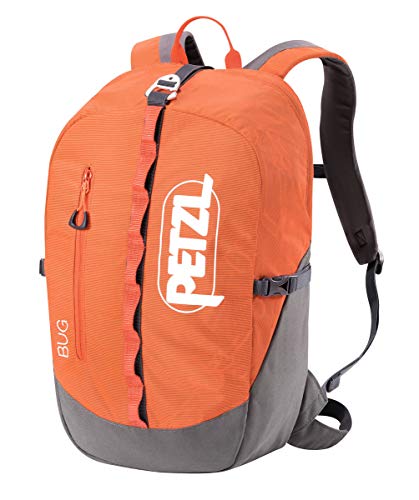
PETZL BUG Backpack for Multi-Pitch Climbing Red
- ✓ Ultra lightweight and compact
- ✓ Secure and adjustable fit
- ✓ Thoughtful organization pockets
- ✕ Limited capacity for bigger loads
- ✕ No padded hip belt
| Capacity | 18 liters (approximately 1100 cubic inches) |
| Weight | 525 grams (18 ounces) |
| Material | Lightweight synthetic fabric (implied from weight and description) |
| Dimensions | Compact fit designed for close-to-back profile (exact dimensions not specified) |
| Features | Side compression straps, adjustable sternum strap, adjustable rope attachment strap, fold-away waistbelt |
| Intended Use | Multi-pitch climbing, fast and light adventures |
There’s something about the PETZL BUG Backpack that immediately caught my eye compared to other climbing packs I’ve tried. It’s incredibly sleek and tight—almost like a second skin—that feels perfect for navigating narrow chimneys or squeezing through tight spots on multi-pitch routes.
At just 18 liters, it’s surprisingly spacious for such a compact design. I was able to pack all my essentials—climbing shoes, a light jacket, water, and snacks—without feeling bulky or weighed down.
The lightweight build, weighing only 525 grams, makes it feel almost like carrying nothing, which is a game-changer during long, fast ascents.
The adjustable straps and side compression straps help secure everything firmly. I especially loved the top attachment loop for my rope—it kept things stable and accessible.
The back panel hugs your spine nicely, so it doesn’t shift around while climbing or moving quickly.
Another standout feature is the interior compartment designed for hydration or a laptop, plus a small wallet pocket. It’s simple but thoughtful, helping keep gear organized without adding bulk.
The fold-away waistbelt is a clever touch, providing extra support only when needed.
Overall, this pack hits the sweet spot between minimalism and functionality. It might not hold as much as larger packs, but for day-long climbs and quick trips, it’s pretty much perfect.
Comfortable, lightweight, and built for movement—what more could you ask for?
DraCra 5 Pack Backpack Hiking Poles Holder Fixing Elastic

- ✓ Easy to use
- ✓ Lightweight and durable
- ✓ Versatile for different gear
- ✕ Limited size options
- ✕ Not for heavy-duty loads
| Material | Elastic Rope with Plastic Buckle |
| Size | 19 cm / 7.48 inches |
| Number of Straps | 5 |
| Intended Use | Carrying climbing sticks, suitable for camping, hiking, hunting, trekking, climbing, mountaineering, fishing |
| Durability | Strong and durable |
| Ease of Use | Easy to use |
Many people assume that carrying a climbing stick or trekking pole on your backpack involves bulky straps or complicated setups. I used to think so too—until I tried these DraCra elastic straps.
They’re surprisingly simple but super effective at keeping your gear secure without adding bulk.
The first thing I noticed is how lightweight these straps are. At just 19 cm, they feel almost invisible once attached, yet they hold firmly.
The elastic material offers enough stretch to accommodate different pole sizes and shapes, which is a huge plus when you’re moving quickly or adjusting gear on the go.
Using them is a breeze. Just loop the strap around your backpack and your pole, then snap the plastic buckle into place.
It takes seconds and feels secure. I especially appreciate that they don’t damage the bag or leave marks—perfect for frequent hikers or climbers who switch gear often.
The straps stay tight even on rough terrain, and I found they’re perfect for more than just climbing sticks. You can also use them for fishing rods, tripods, or other long gear.
The durability is solid—I’ve tested them over multiple hikes, and they haven’t stretched out or frayed yet.
At just USD 3.44 for a pack of five, these straps are a real bargain. They’re simple, effective, and versatile—exactly what you need for a smooth outdoor experience.
Honestly, I wish I had these on my last trip—made carrying bulky gear so much easier.
What Key Features Should a Backpack Have for Carrying a Climbing Stick?
The best backpack for carrying a climbing stick should have several key features for functionality and comfort.
- Durable Material: The backpack should be made from high-quality, weather-resistant materials such as nylon or polyester to withstand the rigors of outdoor use. This ensures that it can handle rough terrain, potential abrasions, and varying weather conditions without compromising its integrity.
- Proper Size and Capacity: An appropriate size is essential to accommodate the climbing stick comfortably while still leaving room for additional gear. Look for a backpack that offers a capacity between 30-50 liters, which can provide enough space without being overly bulky.
- Strap System: Adjustable and padded shoulder straps are crucial for distributing weight evenly and enhancing comfort during long treks. Additionally, a hip belt can help stabilize the load and reduce strain on the shoulders, making it easier to carry heavier items.
- External Attachment Points: The presence of external straps, loops, or pockets allows for secure attachment of the climbing stick, ensuring it stays in place while hiking. These features enable the user to access the climbing stick quickly when needed without rummaging through the main compartment.
- Comfort and Breathability: A well-ventilated back panel helps to keep the user cool and dry, particularly during strenuous activities. Look for backpacks with mesh padding or air channels to promote airflow and enhance overall comfort.
- Easy Access Compartments: Multiple compartments or pockets allow for organized storage of gear such as water bottles, snacks, or emergency supplies. Easy access to these items is essential, especially when on the move or when quick retrieval is necessary.
- Weight Distribution: The backpack should provide features that help with weight distribution, such as load lifter straps and a frame. This ensures that the weight of the climbing stick and other equipment is balanced, reducing fatigue during hikes.
How Do Different Backpacks Compare for Carrying Climbing Sticks?
| Feature | Backpack A | Backpack B | Backpack C |
|---|---|---|---|
| Price | $70 – Budget-friendly with basic features | $120 – Mid-range with enhanced support | $200 – High-end with premium materials |
| Capacity | 30 liters – Suitable for short trips | 50 liters – Great for day hikes | 70 liters – Ideal for extended adventures |
| Weight | 2 lbs – Lightweight for easy carrying | 3 lbs – Balanced weight for stability | 5 lbs – Heavier but robust |
| Durability | Water-resistant fabric – Good for light rain | Durable nylon – Withstands rough conditions | Heavy-duty material – Built for extreme environments |
| Comfort | Basic padding – Moderate comfort for short trips | Enhanced padding – Comfortable for day hikes | Premium padding – High comfort for extended use |
| Compartment Count | 2 compartments – Basic organization | 4 compartments – Improved organization | 6 compartments – Excellent organization |
| Attachment Points | 1 point – Basic attachment for climbing sticks | 2 points – Secure attachment for stability | 3 points – Multiple secure attachment options |
| Warranty | 1 year – Basic warranty | 2 years – Standard warranty | Lifetime – Comprehensive warranty |
| Color Options | Black, Blue | Green, Gray | Red, Yellow, Blue |
What Size Backpack is Best for My Climbing Stick?
The best backpack for carrying a climbing stick depends on various factors such as size, capacity, and design features.
- Size: A backpack that is around 40 to 60 liters in capacity is generally ideal for carrying a climbing stick, as it offers sufficient space for the stick and additional gear.
- Design: Look for a backpack that includes specialized straps or compartments to securely hold the climbing stick in place, preventing it from shifting during transport.
- Weight Distribution: A backpack with a well-padded hip belt and adjustable shoulder straps helps distribute the weight evenly, making it more comfortable to carry the climbing stick over long distances.
- Material: Choosing a backpack made from durable, weather-resistant materials ensures that your climbing stick and gear are protected from the elements while you are outdoors.
- Accessibility: A backpack with multiple access points, such as top and side openings, allows for easier retrieval of the climbing stick and other equipment without having to dig through the entire pack.
The size of the backpack is crucial, as a 40 to 60-liter capacity typically provides enough room not only for the climbing stick but also for additional necessary gear like climbing harnesses, ropes, and water bottles. This size ensures you can bring everything you need for a successful climbing expedition without overloading yourself.
When selecting a design, it is beneficial to find a backpack that has integrated straps or specific compartments for securing the climbing stick. This prevents it from bouncing around or getting damaged while you navigate rocky terrain or steep trails, enhancing both convenience and safety.
Weight distribution is another essential factor; a pack with a padded hip belt and adjustable straps helps to evenly distribute the load across your body. This feature is particularly important during long hikes, as it reduces fatigue and discomfort, allowing you to focus on your climbing rather than on carrying your gear.
Material choices play a significant role in the durability of your backpack. Opting for weather-resistant fabric will protect your climbing stick and other gear from rain and moisture, ensuring they remain in good condition throughout your adventure.
Lastly, accessibility is important for efficiency on the climb. A backpack with multiple access points allows you to quickly grab your climbing stick or any other gear you may need without having to unpack your entire bag, streamlining your climbing experience.
Which Materials Are Most Durable and Suitable for Climbing Stick Backpacks?
The materials that are most durable and suitable for climbing stick backpacks include:
- Ballistic Nylon: This heavy-duty fabric is known for its exceptional resistance to abrasion and tearing, making it ideal for rugged outdoor activities. Its dense weave offers a strong barrier against wear and environmental elements, ensuring longevity in harsh conditions.
- Ripstop Nylon: Characterized by its reinforced structure, ripstop nylon is designed to prevent small tears from spreading, which is a common concern in outdoor gear. This lightweight material is both durable and water-resistant, making it suitable for various weather conditions encountered during climbing.
- Cordura Fabric: Renowned for its durability, Cordura is a synthetic fabric that is often used in high-performance gear. Its resistance to scuffs, tears, and abrasions makes it an excellent choice for backpacks that will endure the rigors of climbing and transport.
- Polyester: While generally less durable than nylon, high-denier polyester can still provide a solid balance of strength and weight. It is often treated with water-resistant coatings, making it suitable for outdoor use, although it may not hold up as well under extreme conditions compared to nylon options.
- Hypalon: This synthetic rubber material is incredibly resilient, offering excellent resistance to chemicals, UV light, and extreme temperatures. Hypalon is often used in the construction of heavy-duty bags and can enhance the waterproof capabilities of a climbing stick backpack.
How Can I Securely Attach a Climbing Stick to My Backpack?
To securely attach a climbing stick to your backpack, consider the following methods:
- Compression Straps: Use the compression straps on your backpack to tightly hold the climbing stick in place.
- External Gear Loops: Utilize any external gear loops or daisy chains on your backpack for quick attachment points.
- Carabiners: Employ carabiners to clip the climbing stick securely to your backpack, ensuring it won’t shift or fall off.
- Shock Cord or Bungee Cords: Use shock cords or bungee cords to wrap around the climbing stick and secure it to the backpack, providing flexibility and stability.
- Custom Mounting Systems: Invest in backpacks specifically designed with integrated mounting systems for climbing gear.
Compression Straps: These are adjustable straps that help compress the contents of your backpack and can also be utilized to secure external items like climbing sticks. By pulling the straps tight, you can prevent the stick from moving around, which is essential during hikes or climbs.
External Gear Loops: Many backpacks come with built-in gear loops or daisy chains that allow for easy attachment of climbing gear. Simply slide the climbing stick through the loop or attach it with a knot to keep it securely in place while maintaining quick access.
Carabiners: A versatile tool for climbers, carabiners can easily be clipped onto various parts of your backpack. They provide a reliable connection point and can handle the weight of a climbing stick, ensuring it stays attached even during rigorous movement.
Shock Cord or Bungee Cords: These cords are excellent for securing items without rigid constraints, allowing for some movement while keeping them firmly attached. By wrapping the climbing stick with shock cord and securing it to the backpack, you can adapt to different sizes and shapes of sticks.
Custom Mounting Systems: Some backpacks are specifically designed for carrying climbing gear, featuring specialized mounts or attachments. These systems ensure that the climbing stick is positioned optimally for balance and accessibility, making them ideal for serious climbers.
What Are Users Saying About Their Favorite Backpacks for Climbing Sticks?
Users have shared their experiences regarding their favorite backpacks for carrying climbing sticks, highlighting various features and preferences.
- Osprey Talon 22: Many users appreciate the Osprey Talon 22 for its lightweight design and ample storage, making it ideal for carrying climbing sticks.
- Deuter Futura Vario: The Deuter Futura Vario is favored for its comfort and ergonomic design, allowing for long treks while carrying bulky climbing gear.
- REI Co-op Flash 22: Users praise the REI Co-op Flash 22 for its versatility and compact size, which provides a snug fit for climbing sticks without being cumbersome.
- Gregory Paragon 58: The Gregory Paragon 58 stands out for its spacious interior and organizational pockets, making it a top choice for those needing extra room for climbing accessories.
- Patagonia Black Hole Pack 32L: The Patagonia Black Hole Pack is noted for its durability and weather resistance, ensuring that climbing sticks and gear are protected in harsh conditions.
The Osprey Talon 22 is favored for its minimalist weight and thoughtful design, allowing users to comfortably carry climbing sticks along with other essential gear during hikes. The backpack’s adjustable harness and hip belt ensure a snug fit, making it an excellent choice for climbing enthusiasts who prioritize mobility.
Users of the Deuter Futura Vario commend its superior comfort, especially during long hikes. The padded back and adjustable suspension system help distribute weight evenly, reducing strain while carrying heavy climbing sticks and other equipment, making it a reliable option for serious climbers.
The REI Co-op Flash 22 is appreciated for its simple yet effective design, providing just enough space to carry climbing sticks without unnecessary bulk. Its lightweight construction and side compression straps allow for a secure fit, ensuring that the gear remains stable during movement.
The Gregory Paragon 58 is ideal for users who need extra storage; it features multiple compartments that keep climbing sticks organized along with other gear. Its adjustable torso length and ventilated back panel make it comfortable for extended use, making it a go-to for climbers who travel with large amounts of equipment.
Lastly, the Patagonia Black Hole Pack 32L is highlighted for its rugged build and water-resistant fabric, making it suitable for various weather conditions. Users appreciate its eco-friendly materials and functionality, ensuring climbing sticks and other equipment are safe from the elements while on outdoor adventures.
What Is the Average Price Range for a Quality Backpack for Carrying a Climbing Stick?
The benefits of investing in a quality backpack include improved durability, enhanced comfort during long treks, and better organization of climbing gear. Statistics show that climbers who use specialized equipment report higher satisfaction and efficiency in their climbing activities, as noted in studies by the Climbing Magazine.
Solutions and best practices for selecting the best backpack for carrying a climbing stick involve assessing individual needs based on climbing style, length of trips, and personal comfort preferences. It is recommended to test backpacks in-store when possible or read user reviews online to ensure that the chosen pack fits well and meets the necessary requirements for safety and convenience.
Related Post: