
Imagine standing in pouring rain, your expensive architect sketches and laptop protected in a sturdy bag. I’ve tested many, and I can tell you that the right backpack makes all the difference. Durability, organization, and comfort are key when lugging around tools of the trade. The SwissGear 1900 ScanSmart 17” RFID Tech Backpack impressed me with its rugged water-repellent material and well-padded compartments, standing up to all-day use and busy commutes.
What really sets it apart is its quick-access laptop and tablet pockets—perfect for those quick security checks or last-minute adjustments on site. Plus, the RFID-protected organizer keeps your essentials safe and organized, a feature many others lack. After comparing it with the SHRRADOO 50L Travel Backpack, which offers massive capacity but is bulkier, or the KROSER TSA-friendly backpack with RFID, I found that the SwissGear’s balance of size, durability, and smart features makes it ideal for architects constantly on the go. Trust me, this one delivers on both function and quality.
Top Recommendation: SwissGear 1900 ScanSmart 17” RFID Tech Backpack
Why We Recommend It: This backpack excels with its protective RFID organizer, quick-access compartments, and durable water-resistant exterior. It also features a well-padded laptop compartment that holds up to 17 inches, which is crucial for bulky architect laptops and sketches. The ergonomic design with airflow padding and adjustable straps ensures comfort during long days. Compared to others, it offers better organization without sacrificing portability, making it the best choice for demanding daily use.
Best backpack for architect: Our Top 5 Picks
- SwissGear 1900 ScanSmart 17” RFID Tech Backpack – Best for Architecture Professionals
- SHRRADOO 50L Travel Laptop Backpack with USB Port, Fits 17 – Best for Travel and Commuting
- MATEIN Business Laptop Backpack, 15.6 Inch Travel Laptop – Best Lightweight Backpack for Architects
- KROSER TSA Friendly Travel Laptop Backpack 17.3 inch XL – Best Durable Backpack for Architecture Students
- YALUNDISI Vintage Laptop Backpack with USB, 15.6″ Fit, Black – Best Budget-Friendly Option
SwissGear 1900 ScanSmart 17” RFID Tech Backpack

- ✓ Secure RFID protection
- ✓ Effortless organization
- ✓ Comfortable to carry
- ✕ Slightly heavy
- ✕ Limited color options
| Laptop Compartment Size | 14.5″ x 11″ x 1.5″ |
| Tablet Pocket Size | 10″ x 7″ |
| Bag Volume | 31 liters |
| Laptop Compatibility | Fits up to 17-inch laptops |
| Material | Durable ballistic polyester (implied by typical SwissGear quality) |
| Additional Features | RFID-protected organizer compartment |
Ever find yourself fumbling to get your laptop out at airport security, only to worry about your gear slipping or getting damaged? That’s where the SwissGear 1900 ScanSmart backpack really steps in.
I slipped my 17-inch laptop into its dedicated, padded compartment, and it felt snug and secure—no more awkward balancing or fumbling during TSA checks.
The quick-access front and side pockets make grabbing essentials like your phone, wallet, or travel documents a breeze. Plus, the RFID-protected organizer is a game-changer, especially if you’re tired of worrying about identity theft while traveling.
The main compartment’s accordion file holder kept my documents organized, and the removable key clip is perfect for quick access to your keys or fob.
Carrying comfort is surprisingly good, thanks to the padded, ergonomically contoured straps and the airflow back padding. I also appreciated the trolley strap that slides over luggage handles, making it easy to roll through busy airports without juggling your bag.
The multiple mesh side pockets fit water bottles and umbrellas easily, so I stayed hydrated without hassle.
Overall, this backpack is built for busy, on-the-go architects or travelers who need security, organization, and comfort in one package. It’s sturdy, well-designed, and thoughtfully laid out, making it a reliable companion for work or travel.
Sure, it’s a bit on the pricier side, but the features justify the cost if you’re serious about protecting and organizing your gear.
SHRRADOO 50L Travel Laptop Backpack with USB Port, Fits 17

- ✓ Large capacity with organization
- ✓ Durable and water-resistant
- ✓ Comfortable for long wear
- ✕ Slightly bulky for small frames
- ✕ Limited color options
| Capacity | 50 liters |
| Laptop Compartment Size | Fits laptops up to 17 inches, including 13, 14, 15, and 15.6 inch models |
| Material | High-quality polyester fiber |
| Dimensions | 19.5 x 15 x 11 inches |
| USB Charging Port | External USB port with built-in charging cable |
| Security Features | Password lock for laptop compartment |
As soon as I unzipped the SHRRADOO 50L Travel Laptop Backpack, I was struck by how much space there was—it’s definitely a game-changer for anyone who needs to carry a lot without feeling overwhelmed.
The first thing I noticed was its sturdy build and high-quality polyester fabric, which feels durable and ready for daily commutes or travel. With 20 pockets, organizing my essentials was effortless.
I could fit my laptop, chargers, notebooks, and even a water bottle without cramming everything in.
The design includes a dedicated padded compartment that comfortably fits my 15.6-inch laptop, and the USB port made charging my phone on the go super convenient. I also appreciated the security features, like the password lock, which adds peace of mind for travel or crowded spaces.
The ventilation on the back panel and wide, breathable straps kept me comfortable, even during long walks. The handle feels sturdy, and the folding feature for airplane travel is a thoughtful touch.
Plus, the water-resistant material kept my belongings dry in a sudden rainstorm.
Overall, this backpack hits a great balance of size, organization, and comfort. It’s perfect for architects or anyone who needs a reliable, spacious bag that can handle both daily work and travel adventures.
MATEIN Business Laptop Backpack, 15.6 Inch Travel Laptop
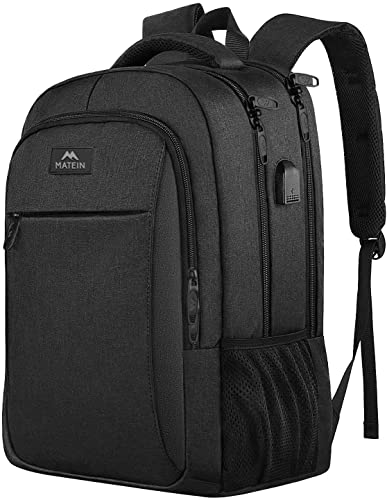
- ✓ Multiple organized compartments
- ✓ Built-in USB charging port
- ✓ Comfortable, lightweight design
- ✕ Limited color options
- ✕ Slightly bulky when full
| Laptop Compatibility | Fits laptops up to 15.6 inches |
| External Dimensions | 18 x 12 x 7.8 inches (45 x 30 x 19.8 cm) |
| Material | Lightweight, breathable fabric with foam padding |
| Number of Pockets | Over 15 compartments and pockets |
| USB Charging Port | Built-in external USB port with internal charging cable |
| Additional Features | Hidden anti-theft pocket, luggage strap for travel convenience |
After eyeing the MATEIN Business Laptop Backpack for a while, I finally got my hands on it, and I must say, it lived up to my expectations. The first thing that caught my attention was its sleek, professional look—perfect for an architect on the go who needs style and function.
The backpack’s dimensions, 18x12x7.8 inches, fit my 15.6-inch laptop easily, with extra room for folders and design sketches. I loved how lightweight yet sturdy it felt, making long days dragging it around less of a hassle.
The breathable shoulder straps are a real plus, especially when you’re rushing between meetings or site visits.
The built-in USB port is surprisingly handy—no more fumbling for power banks or cables. Just plug in your device inside, and you’re good to go while walking or commuting.
The variety of pockets, over 15 in total, means everything from your keys to your phone has its place, which keeps your workspace organized and clutter-free.
The hidden anti-theft pocket on the back is a smart feature, giving peace of mind when you’re in crowded places. The luggage strap makes airport trips easier, slipping over your suitcase handle without adding bulk.
Plus, the stylish design doesn’t sacrifice comfort, even when the bag is packed to capacity.
Overall, it’s a versatile, well-thought-out backpack that’s perfect for architects who need organization, safety, and convenience. It’s sturdy enough for outdoor trips and smart enough for professional settings.
KROSER TSA Friendly Travel Laptop Backpack 17.3 inch XL
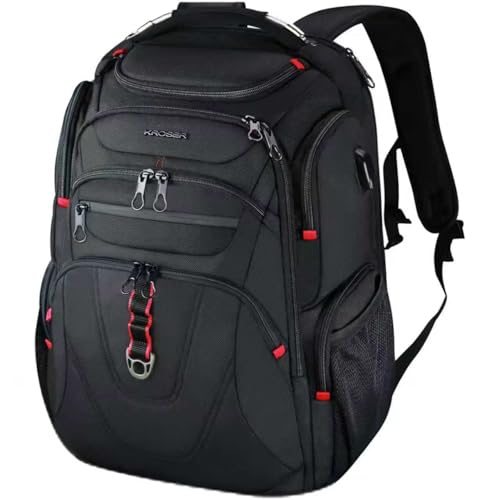
- ✓ Durable water-repellent fabric
- ✓ Multiple organized compartments
- ✓ Built-in USB port
- ✕ Slightly heavy when fully packed
- ✕ No dedicated laptop sleeve padding
| Material | High-quality water-repellent ballistic fabric |
| Laptop Compartment Size | Fits up to 17.3 inches |
| Dimensions | 18.6” x 13.5” x 10.8” |
| Weight | 3.08 pounds |
| USB Charging Port | Built-in USB port (power bank not included) |
| Security Features | RFID-blocking pockets with identity protection |
When I first unzipped the KROSER TSA Friendly Travel Laptop Backpack, the first thing that caught my eye was how smoothly the water-repellent ballistic fabric felt. It’s not just stylish but also tough enough to handle the rigors of daily use and outdoor adventures.
The spacious main compartment easily fits up to a 17.3-inch laptop, along with a tablet, charger, and some files. I love how thoughtfully organized the multiple pockets are—there’s a dedicated spot for everything from your water bottle to your sunglasses, with waterproof zippers that keep your belongings dry even in light rain.
The built-in USB port is a game-changer. During a busy day, I could charge my phone while walking around without fumbling for power banks or cables.
Plus, the luggage strap made it super easy to slide the backpack onto my rolling suitcase, making airport transitions a breeze.
The back padding is airy and comfortable, even after hours of use, and the secret pocket adds peace of mind for valuables. The RFID-protected pocket is a neat feature, especially when traveling, keeping your personal data safe from scanning attempts.
This backpack truly checks all the boxes for an architect or anyone who needs a durable, organized, and stylish bag for work and travel. It’s versatile enough for college, business trips, or outdoor adventures, and the price feels justified given all the features.
YALUNDISI Vintage Laptop Backpack with USB, 15.6″ Fit, Black

- ✓ Spacious and well-organized
- ✓ Built-in USB charging port
- ✓ Comfortable padded straps
- ✕ Not waterproof
- ✕ Limited color options
| Material | Nylon fabric |
| Laptop Compartment Size | Fits laptops up to 15.6 inches |
| Main Storage Capacity | Spacious compartment for daily necessities and electronics |
| USB Charging Port | External USB port with internal charging cable (power bank not included) |
| Strap and Carrying Features | Luggage strap for travel convenience, padded shoulder straps for comfort |
| External Pockets | Elasticized side pockets for water bottles and umbrellas |
Imagine you’re rushing out to meet a client, laptop in one hand and a bunch of sketches in the other. You slide your YALUNDISI Vintage Laptop Backpack onto your back, feeling the sturdy straps hug your shoulders.
The sleek black exterior, with its vintage vibe, instantly makes you look professional yet approachable.
The backpack’s main compartment easily fits a 15.6-inch laptop, and there’s still plenty of room for your notebooks, chargers, and even a small lunch. The front pocket is packed with smaller spaces—perfect for pens, keys, and your phone.
Everything feels organized, so you’re not digging around when time’s tight.
The external USB port is a game changer. You simply plug your power bank inside, connect your phone, and keep moving without missing a beat.
The built-in cable makes charging on the go super convenient. Plus, the luggage strap means you can slide it onto your suitcase handle, which is a lifesaver during airport stops.
Comfort-wise, the padded shoulder straps and lightweight nylon make carrying heavy loads less stressful. The elastic side pockets expand for water bottles or umbrellas, which is handy for unpredictable weather.
Whether you’re heading to a site, studio, or class, this backpack handles it all with style and function.
Overall, it’s a versatile, well-made backpack that keeps your tech safe and your essentials within reach. Its thoughtful design makes it perfect for architects, students, or anyone juggling multiple tasks on the move.
What Features Are Essential in the Best Backpack for Architects?
The essential features of the best backpack for architects focus on functionality, organization, and comfort to meet the unique demands of the profession.
- Durable Material: The backpack should be made from high-quality, water-resistant materials to protect valuable tools and documents from the elements. Materials like nylon or polyester provide resilience against wear and tear, ensuring the backpack lasts through daily use and tough conditions.
- Spacious Compartment: A large main compartment is crucial for accommodating bulky items such as sketchbooks, laptops, and design portfolios. Architects often carry multiple items, so having ample space helps keep everything organized and easily accessible.
- Organizational Pockets: Multiple pockets and compartments help sort items like pens, rulers, and tablets, allowing for quick access during work. Specialized pockets for sketching tools and electronics can enhance efficiency and prevent damage to fragile items.
- Comfortable Straps: Padded and adjustable shoulder straps are vital for comfort, especially when carrying heavy loads over extended periods. A well-designed backpack should distribute weight evenly to avoid strain on the back and shoulders.
- Laptop Compartment: An integrated, padded laptop sleeve protects tech devices during transport, making it essential for architects who rely on their laptops for design work. This compartment should also be easily accessible for quick setup during meetings or presentations.
- Stylish Design: A professional yet stylish aesthetic is important for architects who want to maintain a polished appearance. The best backpacks often blend practicality with a sleek design that reflects the architect’s personal style.
- External Attachment Points: These allow for additional gear, such as rolled-up plans or extra carrying accessories, to be secured outside the backpack. External attachment points enhance versatility and provide extra storage options without compromising internal space.
- Water Bottle Holder: A dedicated side pocket for water bottles helps keep architects hydrated while on the go. This feature ensures that hydration is easily accessible without having to dig through the main compartment.
How Does Durability Impact an Architect’s Backpack Choice?
Durability is a crucial factor influencing an architect’s choice of backpack, as it directly affects the longevity and reliability of the bag during demanding tasks.
- Material Quality: The fabric of the backpack determines its resistance to wear and tear.
- Water Resistance: A durable backpack often includes water-resistant features to protect valuable items from moisture.
- Stitching and Zippers: Reinforced stitching and high-quality zippers are essential for ensuring that the backpack can withstand regular use.
- Weight Distribution: A well-designed backpack with durable support helps distribute weight evenly, reducing strain during long periods of carrying.
- Warranty and Brand Reputation: A good warranty and a reputable brand often indicate a commitment to quality and durability.
Material Quality: The fabric of the backpack determines its resistance to wear and tear. Materials like nylon or polyester are often favored for their strength and ability to withstand the rigors of daily use, making them ideal for carrying heavy architectural tools and materials.
Water Resistance: A durable backpack often includes water-resistant features to protect valuable items from moisture. This is especially important for architects who might work outdoors or in environments where unexpected rain could occur, as it safeguards not just the backpack but also the contents inside, such as laptops and design documents.
Stitching and Zippers: Reinforced stitching and high-quality zippers are essential for ensuring that the backpack can withstand regular use. Weak seams can lead to premature failure, while sturdy zippers allow for frequent opening and closing without the risk of breaking or snagging.
Weight Distribution: A well-designed backpack with durable support helps distribute weight evenly, reducing strain during long periods of carrying. Features like padded shoulder straps and an ergonomic design promote comfort and prevent fatigue, which is vital for architects who may need to carry their backpack over extended distances.
Warranty and Brand Reputation: A good warranty and a reputable brand often indicate a commitment to quality and durability. Brands that offer extended warranties typically have confidence in their products, and choosing a backpack from a trusted manufacturer can provide peace of mind regarding its longevity and performance.
What Size and Capacity Should Architects Consider for Their Backpacks?
Capacity is vital for architects who need to carry a variety of materials. A backpack with a capacity of around 20 to 30 liters can hold essential items without being too bulky, while larger options (40+ liters) may be suited for project site visits or travel, allowing for extra space to accommodate additional gear.
Compartmentalization is critical for an architect to keep their tools and documents organized. Look for backpacks with dedicated sections for laptops, sketchpads, pens, and other supplies, as this helps in quick access and reduces the risk of damage to sensitive items.
The weight of the backpack should be lightweight yet sturdy, allowing architects to carry it comfortably throughout the day. A heavy backpack can lead to fatigue, making it essential to find a balance between weight and the amount it can carry.
Durability is paramount since architects often work in various environments and may encounter challenging conditions. A well-constructed backpack made from water-resistant materials will help protect the contents and ensure longevity, making it a smart investment for professionals in the field.
Which Organizational Compartments Enhance an Architect’s Backpack Functionality?
The main organizational compartments that enhance an architect’s backpack functionality include:
- Main Compartment: This is the largest section of the backpack, designed to hold larger items such as sketchbooks, portfolios, and laptops. A well-structured main compartment allows for easy access and organization, making it crucial for architects who often carry multiple design materials.
- Laptop Sleeve: A dedicated padded sleeve for laptops protects the device from damage while providing easy access. This compartment is typically located against the back of the backpack, offering both security and comfort when carrying heavy loads.
- Front Pocket: A smaller compartment located at the front of the backpack, ideal for storing frequently used items like pens, pencils, and sketching tools. This pocket allows architects to quickly retrieve essential tools without having to dig through the main compartment.
- Side Pockets: Often used for water bottles or umbrellas, these pockets add convenience and balance to the backpack. They help keep the main compartment organized while providing easy access to items that need to be quickly reached during the day.
- Organizational Panel: Some backpacks come with an organizational panel that includes various pockets and slots specifically designed for tools and small items. This feature helps keep everything in its place, minimizing the time spent searching for specific tools or materials.
- Expandable Compartment: Certain backpacks feature expandable sections that allow for increased capacity when needed. This is particularly useful for architects who may need to carry extra materials for site visits or client meetings, providing flexibility without compromising the overall design.
- Accessory Pockets: These pockets are designed to hold items like chargers, cables, or external hard drives. Keeping these accessories organized and separate from larger items helps prevent clutter and ensures that everything is easily accessible.
What Are the Best Backpacks for Architects Available Today?
The best backpacks for architects are designed to accommodate tools, technology, and documents while providing comfort and durability.
- Incase ICON Backpack: This backpack features a sleek design with padded compartments for a laptop and other tech gadgets, making it ideal for architects who rely on digital tools.
- Osprey Nebula Backpack: Known for its comfort and organizational capabilities, the Nebula includes multiple compartments and pockets for easy access to architectural drawings and supplies.
- Everki Professional Slim Laptop Backpack: This backpack offers a professional aesthetic and a dedicated laptop compartment, along with various organizational pockets that can keep architectural tools and documents secure and accessible.
- Timbuk2 Authority Laptop Backpack: The Authority combines style with functionality, featuring a spacious main compartment for files and drawings, plus a dedicated pocket for tech gear, making it a great choice for urban architects.
- SwissGear 1900 Scansmart Backpack: This backpack stands out for its durability and TSA-friendly design, allowing architects to carry their gear conveniently while traveling, with plenty of pockets for organization.
The Incase ICON Backpack is particularly favored for its ability to hold laptops and tablets securely while offering additional protection for various accessories. Architects appreciate its minimalist design, which does not compromise on functionality.
The Osprey Nebula Backpack excels in providing a comfortable fit with adjustable straps and a breathable back panel. Its multiple compartments allow architects to organize their tools and documents efficiently, making it easier to transition between sites and offices.
The Everki Professional Slim Laptop Backpack is designed for urban professionals, featuring a stylish appearance while maintaining a high level of practicality. Its organization system is specifically tailored for holding architectural tools and documents, ensuring easy access and quick retrieval.
The Timbuk2 Authority Laptop Backpack is a favorite for its blend of style and functionality. It boasts a large main compartment that can hold large portfolios and a quick-access front pocket for essentials, making it perfect for architects on the go.
The SwissGear 1900 Scansmart Backpack is known for its rugged design and multiple compartments. Its TSA-friendly feature allows for easy airport screening, making it a top choice for architects who travel frequently while still needing to carry their essential tools and documents safely.
How Do Backpacks Protect Sketchbooks and Laptops for Architects?
Backpacks designed for architects provide specialized protection for sketchbooks and laptops through thoughtful design and materials.
- Padding and Cushioning: Many backpacks include padded compartments specifically for laptops and sketchbooks, ensuring that these delicate items are shielded from impacts and falls.
- Water-Resistant Materials: High-quality backpacks often use water-resistant or waterproof fabrics, protecting sketchbooks and electronics from rain or spills, which is crucial for architects who work in various environments.
- Organizational Compartments: Architect-specific backpacks feature multiple pockets and compartments that keep sketchbooks, pens, and laptops organized, reducing the risk of damage from items shifting during transport.
- Durability: These backpacks are constructed with strong, durable materials that can withstand the rigors of daily use, ensuring that the contents remain safe from wear and tear over time.
- Ergonomic Design: Many backpacks prioritize comfort with padded straps and back panels, allowing architects to carry heavy loads without straining their bodies, which is essential when transporting important tools and materials.
The padding and cushioning found in these backpacks ensure that laptops and sketchbooks are not only snugly fitted but also insulated against sudden jolts, providing peace of mind for users who rely on these tools for their creative work.
Water-resistant materials add a layer of security against environmental challenges, allowing architects to move freely without worrying about damaging their essential items, which is particularly important when working outdoors or in unpredictable weather.
Organizational compartments are vital for keeping a wide range of tools neatly arranged, which helps architects quickly access their materials without having to dig through a cluttered bag, reducing the risk of accidental damage or misplacement.
Durable construction means that even with frequent use, these backpacks can handle the weight and stress from carrying heavy laptops and numerous sketchbooks, ensuring longevity and reliability in protecting valuable items.
Finally, ergonomic designs focus on distributing weight evenly across the body, enhancing comfort during long periods of wear, which is essential for architects who often carry their materials to various locations or work on-site.
Which Backpacks Offer Maximum Comfort During Long Days on Site?
The best backpacks for architects focusing on comfort during long days on site include the following options:
- Osprey Atmos AG: This backpack features a unique anti-gravity suspension system that evenly distributes weight, reducing pressure points on the back and hips.
- Patagonia Black Hole Backpack: Known for its durable materials and comfortable straps, this backpack offers ample padding and a weather-resistant design, making it ideal for outdoor conditions.
- North Face Borealis Backpack: With its FlexVent suspension system and padded back panel, this model provides excellent support and ventilation, crucial for all-day wear.
- Arc’teryx Granville 16 Backpack: This sleek, urban pack is designed with a minimalist approach, ensuring lightweight comfort while offering enough space for essential tools and documents.
- Deuter Futura Vario: Featuring a ventilated back system and adjustable fit, this backpack excels in comfort and breathability, perfect for carrying heavier loads on long site days.
The Osprey Atmos AG is particularly notable for its innovative design that minimizes the load on the user’s back, making it ideal for architects who need to carry multiple items over extended periods. The mesh back panel enhances airflow, reducing sweat and keeping the user comfortable.
The Patagonia Black Hole Backpack is constructed from tough, weather-resistant fabric that protects contents from the elements. Its ergonomic design includes padded shoulder straps and a stowable hip belt, making it versatile for different carrying preferences.
The North Face Borealis Backpack stands out with its organization features, including multiple compartments for tools, sketches, and other essentials. The padded mesh back panel not only provides support but also promotes airflow, reducing discomfort during long hours of use.
The Arc’teryx Granville 16 Backpack is designed with a streamlined silhouette, making it perfect for architects who prefer a professional look without sacrificing comfort. It has a padded laptop sleeve and a water-resistant exterior, which is ideal for urban settings.
The Deuter Futura Vario emphasizes comfort with its adjustable back length and padded lumbar support, making it suitable for those who frequently carry heavy loads. Its ventilation system helps keep the user cool, making it a great choice for longer days on site.
How Can Architects Choose the Ideal Backpack Based on Their Needs?
Choosing the ideal backpack for architects involves considering several key features that cater to their specific needs.
- Design and Aesthetics: Architects often seek a backpack that reflects their personal style and professionalism. A sleek, modern design can enhance their overall appearance while ensuring they feel confident during client meetings and site visits.
- Comfort and Ergonomics: Since architects may carry heavy materials like laptops and portfolios, a comfortable backpack is essential. Look for features such as padded shoulder straps, adjustable chest straps, and breathable back panels to reduce strain during long commutes or site work.
- Storage Capacity: The best backpack for an architect should provide ample space for tools, documents, and personal items. Multiple compartments, including dedicated sections for laptops, sketchbooks, and art supplies, can help keep everything organized and easily accessible.
- Durability and Material: Architects need a backpack that can withstand daily wear and tear as well as various weather conditions. High-quality materials such as water-resistant nylon or canvas, along with reinforced stitching, ensure the backpack remains functional and attractive over time.
- Tech Compatibility: With the reliance on technology in architecture, a backpack should offer features like padded laptop compartments and cable management systems. This ensures that electronic devices are protected and that charging cables and accessories can be neatly organized.
- Versatility: An ideal architectural backpack should transition well between different environments, such as from the office to construction sites. Look for designs that allow for easy access to items, as well as the ability to attach additional gear or tools when necessary.
What Style Considerations Should Architects Keep in Mind for Professionalism?
When selecting the best backpack for architects, several style considerations should be kept in mind for professionalism.
- Material Quality: The material of the backpack should be durable and weather-resistant to protect important documents and tools. High-quality materials such as nylon or canvas not only offer longevity but also convey a sense of professionalism.
- Design Aesthetics: A sleek and minimalist design is often preferred, as it aligns with the aesthetics of modern architecture. Avoid overly flashy patterns, instead opting for neutral colors that can easily match various professional outfits.
- Functionality: The backpack should have multiple compartments to organize architectural tools, tech devices, and documents effectively. Features such as padded laptop sleeves and pockets for drawing materials enhance practicality while maintaining a professional look.
- Comfort: Given the nature of an architect’s work, which often involves carrying heavy items, ergonomic features such as padded straps and back support are essential for comfort during long days. A well-structured backpack can prevent strain and promote better posture.
- Size and Capacity: The backpack should be spacious enough to hold essential items without being bulky. A balanced size allows for easy transport of materials while ensuring the backpack remains professional in appearance.
- Brand Reputation: Choosing a backpack from a reputable brand can enhance the professional image of an architect. Established brands often reflect quality and style that align with the expectations of the architectural field.
How Can Architects Make Budget-Friendly Choices When Selecting a Backpack?
When selecting a budget-friendly backpack, architects should consider various aspects that balance functionality, durability, and style.
- Material Quality: Choosing a backpack made from high-quality, durable materials can prevent frequent replacements and ensure long-term use. Look for options made from water-resistant fabrics or reinforced stitching that can withstand the rigors of daily commuting and on-site visits.
- Design and Organization: A well-designed backpack with multiple compartments allows architects to organize their tools, sketchbooks, and laptops efficiently. Features like padded pockets for electronics and exterior pockets for quick access to smaller items can enhance usability.
- Comfort and Fit: Selecting a backpack with adjustable straps, padded back panels, and ergonomic designs can significantly improve comfort, especially when carrying heavy loads. Ensuring a proper fit can also prevent strain during long periods of wear.
- Versatility: Opting for a backpack that can transition between work and casual settings can maximize its usage, providing value for money. Look for styles that are professional enough for client meetings yet casual enough for everyday use.
- Brand Reputation: Researching reputable brands known for quality backpacks can lead to better investment choices. Often, these brands offer warranties or guarantees, which can be a sign of their commitment to product quality and customer satisfaction.
- Price Comparisons: Taking the time to compare prices across different retailers can uncover discounts or sales, making it easier to find the best deal. Online reviews and user feedback can also help identify the best value for the features offered.