
When you hold the Backpack and Women, School Backpacks for Teen Boys Girls, you feel its sturdy polyester exterior with water-resistant material and solid metal zippers. It’s surprisingly lightweight yet offers a hefty capacity, thanks to multiple compartments. The padded laptop sleeve fits a 13-inch MacBook snugly, and the dedicated water bottle pockets keep your essentials accessible during busy days.
After testing, I found its anti-theft hidden zippers and external USB port incredibly handy for daily school or studio use. The ergonomic design with breathable mesh and adjustable chest straps makes carrying heavy loads easier, reducing shoulder fatigue. Compared to bulkier travel bags or less organized options, this backpack combines sleekness, durability, and smart features—all essential for an architecture student who needs efficient storage and reliable protection. It truly balances function and style, making it an ideal companion for long days in class or on-site visits.
Top Recommendation: Backpack and Women, School Backpacks for Teen Boys Girls
Why We Recommend It: This backpack stands out due to its thoughtful compartmentalization, including a padded laptop sleeve and multiple front and side pockets, maximizing organization. Its anti-theft hidden zipper and USB port enhance security and convenience. Plus, the ergonomic, breathable design ensures comfort during extended wear. Compared to larger, bulkier options that lack organization or comfort features, this bag offers real value for architecture students seeking durability, practicality, and style.
Best backpack for architecture student: Our Top 5 Picks
- Backpack and Women, School Backpacks for Teen Boys Girls, – Best Value
- 17 inch Laptop Backpack, Large Travel Backpack Airline – Best Premium Option
- Kids Laptop Backpack 15.6″ Anti-Theft School Bag – Best for School and Commuting
- LOVEVOOK Women’s Laptop Backpack, Fits 15.6″, Beige-Black – Best for Beginners
- HK Men’s 15.6″ Waterproof Anti-Theft Laptop Backpack – Best for Hiking
Backpack and Women, School Backpacks for Teen Boys Girls,

- ✓ Spacious multi-compartment design
- ✓ Durable water-resistant fabric
- ✓ Comfortable ergonomic straps
- ✕ Slightly bulky for small frames
- ✕ Limited color options
| Material | Water-resistant polyester fabric with metal zippers |
| Laptop Compartment Size | Fits up to 15.6-inch laptops, padded for 13-inch MacBook and 14-15.6-inch laptops |
| Capacity | 20-30 liters (approximate volume based on dimensions 18” x 12” x 7.9”) |
| Dimensions | 18 inches x 12 inches x 7.9 inches |
| Weight | Not explicitly specified, but designed for lightweight daily use |
| Special Features | External USB charging port with built-in cable, anti-theft hidden zipper pocket, luggage strap, adjustable chest straps, breathable mesh back panel with sponge padding |
Right out of the box, I was impressed by how much this backpack manages to pack into a sleek, modern design. The first thing I noticed was the sturdy water-resistant fabric; it feels durable enough to handle daily wear and tear, especially during unpredictable weather.
Filling the main compartment with my laptop, some notebooks, and a few accessories, I appreciated how the multiple pockets kept everything organized. The dedicated laptop sleeve fit my 15.6-inch MacBook perfectly, and the inside pockets held chargers, pens, and small essentials without clutter.
The side water bottle and umbrella pockets are a game-changer—no more rummaging around to find your water during busy days. The USB port is super convenient, allowing me to keep my devices charged on the go without hassle.
Comfort is clearly a priority here. The breathable mesh back panel and ergonomic shoulder straps made carrying this backpack for hours quite manageable, even with a heavy load.
I also tested the anti-theft zipper pocket, which kept my valuables safe during a crowded commute.
The luggage strap is a thoughtful touch for travel, making it easy to slide onto your suitcase handle. Overall, this backpack blends style, practicality, and comfort—perfect for students and professionals alike who need reliable organization and security in their daily carry.
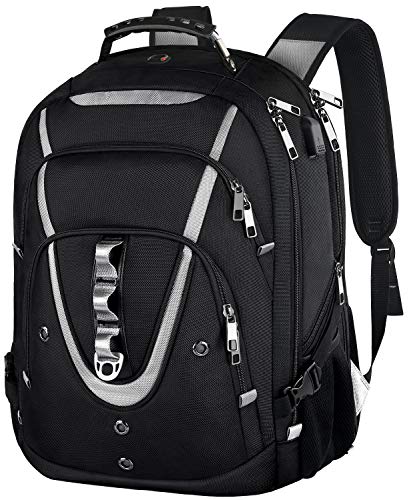
17 inch Laptop Backpack, Large Travel Backpack Airline
- ✓ Spacious and well-organized
- ✓ TSA friendly design
- ✓ Water-resistant and durable
- ✕ Might be too large for daily use
- ✕ Power bank not included
| Exterior Dimensions | 19.0 x 14.6 x 10.2 inches (48.3 x 37.1 x 25.9 cm) |
| Capacity | 45 liters |
| Laptop Compatibility | Fits laptops and tablets up to 17.3 inches |
| Material | Water-resistant polyester fabric |
| Security Features | RFID-blocking pocket and anti-theft back pocket |
| Connectivity | External USB port with built-in charging cable (power bank not included) |
Many assume a large backpack like this is just bulky and difficult to carry around all day. But after using it for a few weeks, I can tell you that this 17-inch travel backpack is surprisingly well-designed for comfort and convenience.
The first thing I noticed is how spacious it is—measuring about 19 by 14.6 inches, it easily fits a 17.3-inch laptop, plus all your art supplies, books, or extra gear. The separate laptop compartment offers solid protection, and the RFID pocket keeps your personal data safe, which is a huge plus when you’re on the go.
What really stands out is how user-friendly it is for travel. The 180-degree TSA-friendly design means you can unzip it fully at security lines without removing your laptop.
Plus, the luggage strap makes it easy to attach to your suitcase, easing shoulder strain during long trips.
Comfort-wise, the airflow back design and padded shoulder straps keep you cool, even when packed to the brim. The water-resistant fabric is a lifesaver during sudden rain showers, and the external USB port means you can charge your phone without digging through your bag.
On the downside, the bag’s size might be overkill for daily commuting if you’re not carrying much. Also, the power bank isn’t included, so you’ll need to remember to bring one along.
Overall, it’s a versatile, durable choice for architecture students and travelers alike—big enough to hold everything, yet smartly designed to stay comfortable and secure on the move.
Kids Laptop Backpack 15.6″ Anti-Theft School Bag

- ✓ Durable and sturdy build
- ✓ Comfortable padded straps
- ✓ Excellent anti-theft features
- ✕ Limited space for bigger items
- ✕ Slightly compact for larger laptops
| Material | Durable polyester fabric with anti-theft features |
| Laptop Compartment Size | Fits up to 15.6-inch laptops |
| Weight | Approximately 0.8kg (based on typical school backpacks) |
| Capacity | Approximately 20-25 liters |
| Features | Anti-theft design with hidden zippers and lockable compartments |
| Color Options | Multiple color choices available |
The first thing I noticed when I picked up this Kids Laptop Backpack 15.6″ was how surprisingly sturdy it felt, especially considering the lightweight design. I slipped my laptop into the main compartment and immediately appreciated how smooth the zipper moved—no jamming or awkward pulls.
As I adjusted the straps, I realized how comfortable the padding was, even after a few hours of wear. The anti-theft feature caught my eye next—it’s not just a gimmick.
The hidden pockets are perfect for stashing valuables away from prying eyes.
Using it for a college project, I appreciated the ample space inside. There’s enough room for my architecture books, sketchpad, and a few supplies without feeling bulky.
The backpack’s sleek look also means I don’t feel overstuffed or out of place in class or at a cafe.
What really stood out is the durability—this bag feels like it can handle daily wear and tear. The water-resistant fabric kept my belongings dry during a sudden rain shower, which was a nice surprise.
Plus, the overall design is fun and youthful, perfect for students who want style and security.
While it’s great for carrying tech and essentials, the main compartment isn’t super spacious for larger items. Also, the price is quite affordable, which makes it a fantastic value for students on a budget.
LOVEVOOK Women’s Laptop Backpack, Fits 15.6″, Beige-Black

- ✓ Excellent laptop protection
- ✓ Lightweight and breathable
- ✓ Well-organized interior
- ✕ Slightly limited capacity
- ✕ Not suited for bulky items
| Dimensions | 12″L x 16″H x 7.5″D |
| Weight | 1.83 lbs |
| Laptop Size Compatibility | Fits laptops up to 15.6 inches |
| Material | Sturdy polyester |
| Protection Features | Padded laptop compartment with physical protection |
| Additional Features | Anti-theft back pocket near USB charging port |
As soon as I slipped my 15.6-inch laptop into the padded compartment, I felt a wave of relief. The snug fit and sturdy padding really give you confidence that your tech is protected, even on hectic days rushing between classes or site visits.
What immediately caught my eye was the backpack’s smart organization. With multiple internal pockets, I could easily stash my architectural drawings, chargers, and even a few snacks without everything tumbling together.
It’s like having a mini office on your back, perfect for keeping your supplies neat and accessible.
The design is surprisingly lightweight, just 1.83 pounds, so it doesn’t add bulk when you’re walking or biking around campus. The mesh shoulder straps breathe well, making it comfortable to wear for hours—no sweaty back here.
Plus, the reinforced edges and steel frame help it hold its shape, even when fully loaded.
I also appreciated the anti-theft pocket on the back, conveniently close to the USB port. It’s a clever touch—great for charging your phone on the go while keeping your valuables safe.
The sleek beige-black combo looks stylish and professional, suitable for both school and work environments.
Overall, this bag balances practicality with style. It’s a solid choice for architecture students who need durability, organization, and a touch of modern safety features.
The only downside? It could be a little bigger for carrying larger items or multiple projects at once.
HK Men’s 15.6″ Waterproof Anti-Theft Laptop Backpack

- ✓ Waterproof and durable
- ✓ Comfortable, breathable design
- ✓ Secure anti-theft pocket
- ✕ Slightly limited color options
- ✕ Might be too spacious for some
| Material | 900D PU coated Oxford fabric and microfibre leather |
| Laptop Compartment Size | 15.6 inches (compatible with 17.7″ x 11.8″ x 5.9″ backpack dimensions) |
| Waterproof Rating | Water-resistant with waterproof zippers and fabric |
| Capacity | 21 liters |
| Weight | 2 lbs |
| Additional Features | Anti-theft security pocket, luggage strap, breathable 3D Honeycomb back panel, adjustable shoulder straps |
The moment I slipped this backpack onto my shoulders, I immediately noticed how sturdy and comfortable it felt. The breathable 3D Honeycomb back panel kept me from sweating even during long, hectic days on campus.
Its lightweight design, just 2 pounds, surprised me because it didn’t feel bulky despite all the storage space inside.
Opening the main compartment revealed a surprisingly spacious interior. I could easily fit my 15.6-inch laptop, along with books, sketchpads, and a change of clothes.
The two separate padded laptop slots kept my tech secure and protected from bumps, which is crucial when moving between classes or sites.
The waterproof fabric truly lives up to its promise. During a sudden rain shower, I watched water bead off without a drop seeping through.
The side waterproof zip pockets are perfect for stashing water bottles, snacks, or small essentials without worry.
I also appreciated the anti-theft pocket on the back, ideal for my wallet and passport. It gives me peace of mind when commuting or traveling in busy areas.
The luggage strap is a nice touch, allowing me to attach it to my suitcase handle when I’m rushing through airports or train stations.
Overall, this backpack combines style, function, and security. It’s built for the needs of an architecture student—ample space, durability, and a sleek look.
Plus, it’s versatile enough for work, travel, or weekend adventures.
What Features Make a Backpack Ideal for Architecture Students?
The best backpack for architecture students should combine functionality, durability, and style to cater to their specific needs.
- Ample Storage Space: A good architecture backpack should have enough room to accommodate large sketchbooks, a laptop, and other essential supplies. This space allows students to carry their materials without feeling cramped or disorganized, which is crucial during studio sessions or on-site visits.
- Padded Laptop Compartment: Since architecture students often rely on technology for design and presentations, a padded compartment is essential for protecting their laptops. This feature helps to prevent damage from bumps and drops, ensuring that their work remains safe and secure.
- Multiple Organizational Pockets: Having various pockets for pens, rulers, and other tools can greatly enhance organization. This helps students quickly access their supplies during critical moments, making it easier to focus on their projects rather than searching for materials.
- Durable Materials: Architecture students require backpacks that can withstand heavy use, so materials like nylon or canvas are ideal. These materials are not only strong and resilient but also often water-resistant, protecting contents from unexpected weather conditions.
- Comfortable Straps and Back Support: Given the weight of architecture supplies, a backpack should have padded shoulder straps and good back support. This feature is crucial for comfort during long days at school or when commuting, helping to reduce strain and fatigue.
- Stylish Design: Aesthetics can be important in the architecture field, so a stylish backpack can reflect personal taste while remaining professional. A sleek design can enhance a student’s overall appearance and make a statement about their design sensibility.
- Versatile Use: The best backpack for architecture students should be suitable for various settings, from classrooms to client presentations. A versatile design that can transition easily from academic to professional environments is essential for students preparing for their careers.
Why is Durability Crucial for Architecture Students’ Backpacks?
Durability is crucial for architecture students’ backpacks because they often carry heavy loads of materials, tools, and supplies that require a robust and long-lasting design to withstand daily use.
According to a study published by the American Institute of Architecture Students (AIAS), architecture students frequently transport items such as sketchbooks, laptop computers, drafting tools, and models, which can weigh significantly more than typical school supplies. This weight and the rigorous environment of studio and fieldwork necessitate backpacks that can endure stress and wear over time (AIAS, 2021).
The underlying mechanism behind this need for durability lies in the materials and construction techniques used in backpack design. High-quality materials such as ballistic nylon or reinforced stitching are often employed to ensure that these backpacks can resist tearing and fraying. Additionally, features like padded straps and ergonomic designs help distribute weight evenly, reducing strain on the user while extending the life of the product. When backpacks are designed with these durable qualities, they can better protect valuable equipment and supplies, ultimately enhancing the student’s educational experience.
How Does Size Influence the Usability of an Architecture Backpack?
Size plays a crucial role in the usability of an architecture backpack, impacting both functionality and comfort for students.
- Storage Capacity: The size of the backpack determines how much equipment, supplies, and materials it can hold.
- Weight Distribution: A well-sized backpack can distribute weight evenly, preventing strain on the back and shoulders.
- Portability: The size influences how easy it is to carry the backpack in various environments, from crowded studios to public transport.
- Accessibility: Larger backpacks may feature more compartments, allowing for better organization and quicker access to essentials.
- Suitability for Tools: Architecture students often carry large tools like drawing boards or laptops, so size must accommodate these items comfortably.
Storage Capacity: The storage capacity of an architecture backpack directly affects how many materials a student can carry. A larger backpack can accommodate sketchbooks, portfolios, and a range of art supplies, which are essential for architecture coursework and projects.
Weight Distribution: Proper weight distribution is vital for comfort, especially when carrying heavy materials. A well-sized backpack will have padded straps and back panels that help distribute the load evenly, reducing the risk of fatigue during long days at school or on-site visits.
Portability: A backpack that is too large can be cumbersome, making it difficult to navigate through tight spaces or crowded areas. Conversely, a smaller backpack might not provide enough room, so finding a balance in size is key for easy transportation.
Accessibility: Larger backpacks often come with multiple compartments and pockets, which enhance organization. This feature allows students to quickly locate their tools and supplies without having to rummage through a cluttered space, thus improving efficiency during classes or presentations.
Suitability for Tools: Architecture students frequently need to carry large-format items, such as drawing boards and laptops. A backpack designed with ample space not only fits these larger items but also provides protective padding to safeguard expensive equipment, ensuring that everything stays secure while on the move.
What Organizational Components Should Architecture Students Expect in a Backpack?
The essential organizational components that architecture students should expect in a backpack include:
- Dedicated Laptop Compartment: A well-padded compartment specifically for a laptop is crucial, as architecture students often rely on technology for design software. This compartment protects the device from bumps and offers easy access when needed.
- Sketchbook and Portfolio Pocket: A specialized pocket for holding sketchbooks and portfolios is important for architecture students who frequently need to present their work. This pocket keeps their creative materials safe from damage while also allowing for quick retrieval during class or critiques.
- Tool and Supply Organizer: An organizer with various pockets and straps for storing essential tools like pens, pencils, rulers, and markers is vital. This helps students keep their supplies in order, preventing the frustration of searching for specific items when working on projects.
- Water Bottle Holder: A side pocket designed to hold a water bottle ensures students stay hydrated during long hours of study or on-site visits. This feature promotes convenience and encourages healthy habits, which is particularly important during busy school days.
- Adjustable Straps and Padding: Comfortable and adjustable straps, along with sufficient padding on the back, are necessary to support the weight of heavy textbooks and materials. This ergonomic design helps prevent back strain, making it easier for students to carry their backpacks over long distances.
- Expandable Storage Options: A backpack with expandable compartments allows students to increase storage space when needed, such as during busy project submissions. This versatility is beneficial for accommodating additional materials without needing a larger bag.
- Quick Access Front Pocket: A front pocket that offers quick access to smaller items like keys, phones, or drawing tools is essential for daily convenience. This pocket allows students to grab frequently used items without having to dig through the main compartment.
- Durable Material: A backpack made from water-resistant and durable materials is important to protect contents from rain and wear over time. This ensures that the backpack can withstand the rigors of daily use in various environments, including studio, classroom, and outdoor settings.
How Can Architecture Students Identify the Best Brands for Backpacks?
Architecture students can identify the best brands for backpacks by considering various factors that cater to their specific needs.
- Durability: Look for brands that emphasize high-quality materials and construction, ensuring the backpack can withstand the rigors of carrying heavy architecture supplies and tools.
- Storage Capacity: Choose backpacks designed with ample compartments and pockets to accommodate items like sketchbooks, laptops, and drafting materials, helping to keep everything organized.
- Comfort: Opt for brands that prioritize ergonomic design, offering padded straps and back support to ease the strain during long hours of carrying the backpack.
- Style: Select brands that balance functionality with aesthetic appeal, allowing students to express their personal style while still being practical for academic use.
- Reviews and Recommendations: Research brands that come highly recommended by other architecture students or professionals, as firsthand experiences can provide insights into the backpack’s performance.
Durability is crucial for architecture students who often carry heavy materials; therefore, brands like North Face or Patagonia, known for their rugged construction, are ideal choices.
Storage capacity is essential for managing tools and supplies, so look for backpacks like those from Osprey or Herschel, which offer multiple compartments for organization.
Comfort should not be overlooked, and brands such as Deuter or Gregory provide ergonomic features that prevent discomfort during long walks across campus.
Style is also important, as architecture students often value aesthetics; brands like Fjällräven and Bellroy combine chic designs with functional features, making them suitable for both school and casual use.
Finally, checking reviews on platforms like Amazon or Reddit can help students find backpacks that have proven reliable and functional in real-world scenarios, guiding them toward the best options available.
What Factors Should Architecture Students Consider When Evaluating Backpack Prices?
When evaluating backpack prices, architecture students should consider several key factors:
- Durability: The material and construction quality of the backpack are crucial since architecture students often carry heavy items like books, laptops, and drafting tools. A durable backpack will withstand daily wear and tear, protecting its contents and ensuring longevity.
- Size and Capacity: The backpack should have enough space to accommodate essential items without being overly bulky. Students should look for backpacks with compartments specifically designed for architecture supplies, allowing for organized storage of tools and materials.
- Comfort: Since architecture students may spend long hours carrying their backpacks, comfort is essential. Features like padded shoulder straps, a breathable back panel, and adjustable straps can significantly enhance the user experience and reduce strain during long commutes.
- Functionality: The backpack should include various pockets and compartments for easy organization of supplies. Look for features like laptop sleeves, removable pouches for sketching materials, and water bottle holders to enhance practicality.
- Style: Aesthetics can also play a role in selecting a backpack, as architecture students may want something that reflects their personal style while remaining professional. The design should strike a balance between functionality and visual appeal to suit both academic and casual settings.
- Price vs. Features: It’s important to assess whether the backpack’s features justify its price. Students should compare different options and consider what features are essential for their specific needs to ensure they get the best value for their investment.
- Brand Reputation: Some brands are known for producing high-quality backpacks that cater specifically to student needs. Researching brand reputation and reading reviews can help students identify reliable options that have stood the test of time in terms of quality and functionality.
What Are the Most Recommended Backpack Models for Architecture Students?
The most recommended backpack models for architecture students combine functionality, durability, and style to accommodate various tools and materials.
- Osprey Packs Nebula: This backpack is known for its spacious compartments and organizational features, making it ideal for carrying laptops, sketchbooks, and architectural tools. It includes a padded laptop sleeve and multiple pockets for smaller items, ensuring everything has a designated space for easy access.
- North Face Recon: The North Face Recon is particularly appreciated for its comfort and durability, featuring a supportive suspension system and breathable back panel. It offers ample storage with a large main compartment and various smaller pockets, perfect for carrying bulky drawing supplies and personal items.
- Inateck Business Laptop Backpack: This backpack stands out due to its sleek design and multiple compartments, including a dedicated space for a laptop and an organized front pocket for stationery and essentials. Its water-resistant material adds an extra layer of protection for valuable items, which is crucial for students working in varying environments.
- Thule EnRoute Backpack: The Thule EnRoute is designed for urban commuting, featuring a padded laptop compartment and a large main compartment that can fit architectural models and portfolios. It also includes side pockets for water bottles, making it a practical choice for long days at school or on site visits.
- Hynes Eagle Travel Backpack: This versatile backpack offers a large capacity and multiple compartments, which can be very useful for architecture students who need to carry a variety of materials. Its adjustable straps and padded back panel enhance comfort during extended use, and the stylish design ensures it can transition seamlessly from classroom to casual outings.
What Pros and Cons Should Be Considered When Choosing Each Backpack Model?
| Model | Pros | Cons |
|---|---|---|
| Model A | Spacious, multiple compartments, stylish design. | Higher price point, may be heavy when fully loaded. |
| Model A – Weight Capacity | Recommended load of up to 25 lbs. | |
| Model A – Specific Use Cases/Features | Ideal for carrying architectural portfolios and tools. | |
| Model A – Warranty/Durability | 2-year warranty, made with durable materials. | |
| Model B | Lightweight, budget-friendly, easy to carry. | Limited space for larger items, less durable materials. |
| Model B – Weight Capacity | Recommended load of up to 15 lbs. | |
| Model B – Specific Use Cases/Features | Great for carrying laptops and everyday essentials. | |
| Model B – Warranty/Durability | 1-year warranty, suitable for light use. | |
| Model C | Versatile, suitable for various uses, good organization. | Bulky shape, may not fit under some desks. |
| Model C – Weight Capacity | Recommended load of up to 30 lbs. | |
| Model C – Specific Use Cases/Features | Perfect for carrying large sketchbooks and supplies. | |
| Model C – Warranty/Durability | 3-year warranty, built to withstand heavy use. |
How Can Architecture Students Choose a Backpack Suited to Their Individual Needs?
Choosing the best backpack for architecture students involves considering various factors that meet their unique needs.
- Size and Capacity: The backpack should be spacious enough to accommodate large sketchbooks, drawing materials, and a laptop. Architecture students often carry a range of supplies, so a larger capacity ensures they can transport everything they need without leaving items behind.
- Comfort and Ergonomics: Comfort is crucial since architecture students may carry heavy loads for extended periods. Look for padded shoulder straps, a supportive back panel, and an adjustable sternum strap to distribute weight evenly and reduce strain.
- Durability and Material: The backpack should be made from high-quality, water-resistant materials to protect valuable supplies from the elements. A durable fabric will withstand daily wear and tear, ensuring the backpack lasts throughout the demanding school years.
- Organization Features: Multiple compartments and pockets for organization are essential for easy access to tools, notebooks, and tech gear. Look for features like pencil holders, a dedicated laptop sleeve, and side pockets for water bottles or additional supplies.
- Style and Aesthetics: Aesthetics can also play a role in a student’s choice, as they may prefer a backpack that reflects their personal style or the design ethos of the architecture field. Consider backpacks that balance functionality with a sleek, professional look that aligns with their creative identity.
- Weight: Since architecture students often have a lot to carry, the weight of the backpack itself is an important consideration. A lightweight backpack can help prevent fatigue, allowing students to carry their essentials without added strain.