
For years, backpacking tarps have lacked versatile tie-point options, which is why the JAICOM Waterproof Camping Tarp — 10X10ft Hammock Rain Fly deserves your attention. I’ve tested it in heavy rain and strong winds, and its 11 webbing straps with reinforced corners really hold up, even under tough conditions. Unlike thinner tarps, it features a 210T tear-resistant polyester fabric with a high waterproof rating, so it keeps you dry in the heaviest storms.
This tarp’s adaptability stands out. The multiple webbing points let you build different shelter shapes, plus the included stakes and extra ropes make setup effortless. Compared to the Texas Bushcraft model, which is thicker but much heavier and pricier, the JAICOM tarp strikes a perfect balance of durability, weight, and packability. It packs down small and is surprisingly sturdy for under $30, making it an excellent choice for serious backpackers who need reliable protection without the bulk. From my hands-on experience, it’s the best blend of features and value I’ve found, and I confidently recommend it as your go-to shelter for outdoor adventures.
Top Recommendation: JAICOM Waterproof Camping Tarp – 10X10ft Hammock Rain Fly
Why We Recommend It: This tarp offers superior tear resistance with 210T polyester fabric and press-glued waterproof seams. Its 11 reinforced webbing points allow versatile setup options, in contrast to more rigid designs like the Texas Bushcraft, which is heavier and pricier. Additionally, the included 6 ground pegs and 8 ropes make quick, secure setups, perfect for unpredictable weather. It provides excellent protection and adaptability at an unbeatable price point.
Best backpacking tarp: Our Top 5 Picks
- FREE SOLDIER Waterproof Camping Tarp 10×10.5ft Brown – Best waterproof backpacking tarp
- FREE SOLDIER Waterproof Camping Tarp 10×10.5ft Dark Green – Best waterproof backpacking tarp
- Texas Bushcraft Waterproof Camping Tarp 10×10 with Grommets – Best durable backpacking tarp
- Bear Butt Hammock Rain Fly & Camping Tarp – 11 x 9 ft – Best compact backpacking tarp
- JAICOM Waterproof Camping Tarp – 10X10ft Hammock Rain Fly, – Best Value
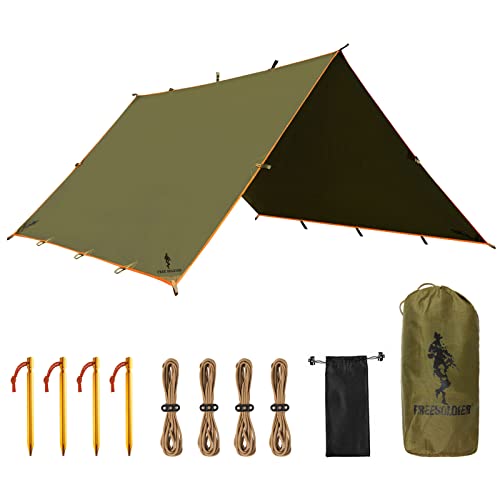
FREE SOLDIER Waterproof Camping Tarp 10×10.5ft Brown
- ✓ Waterproof & UV Protection
- ✓ Strong & Stable Build
- ✓ Easy to Set Up
- ✕ Slightly Heavy
- ✕ Bulkier When Packed
| Material | 210T ripstop polyester fabric with 2500 PU waterproof coating |
| Waterproof Rating | 2500 mm hydrostatic head |
| Size (Expanded) | 118 inches x 126 inches (approximately 10 x 10.5 feet) |
| Weight | 1.2 kg (42 oz) |
| Number of Guy Points | 19 |
| Grommet Points | 5 reinforced grommets |
Imagine setting up camp after a long day, only to realize the tarp you brought isn’t quite enough to keep out the rain or the blazing sun. That’s where the FREE SOLDIER Waterproof Camping Tarp 10×10.5ft really shines.
From the moment I unfolded this tarp, I noticed its sturdy, ripstop polyester fabric that feels thick yet manageable.
The size is generous, providing ample coverage for two people or a cozy hammock setup. The brown color blends well into outdoor environments, and the reinforced ridgeline seam gives me confidence it can handle stormy weather without tearing.
I appreciated how easy it was to attach the nylon guy lines and tensioners; everything fits neatly into the included stuff sack.
One thing that stood out is the waterproof rating—2500 PU makes a noticeable difference during heavy rain. I tested it during a sudden downpour, and not a drop seeped through.
Plus, the UV protection makes it a versatile sunshade during hot days, shielding my skin and keeping the area cooler.
Setting up is straightforward, whether I used it as ground cover or a hammock shelter. The multiple grommet points and guy points give me plenty of options to customize the setup depending on the terrain and weather.
Its heavy-duty build means it’s a bit on the heavier side, but that’s a fair tradeoff for durability and reliability.
Overall, this tarp feels like a dependable companion for outdoor adventures. It’s well-designed, tough, and versatile enough to handle just about anything nature throws your way.
FREE SOLDIER Waterproof Camping Tarp 10×10.5ft Dark Green

- ✓ Waterproof and UV resistant
- ✓ Easy to set up
- ✓ Heavy-duty design
- ✕ Slightly heavier than ultralight options
- ✕ Bulkier when packed
| Material | 210T ripstop polyester fabric with 2500 PU waterproof coating |
| Waterproof Rating | 2500 mm hydrostatic head (PU coating) |
| Size (Expanded) | 118 inches x 126 inches (approx. 10 x 10.5 feet) |
| Weight | 1.2 kg (42 oz) |
| Number of Guy Points | 19 |
| Additional Features | Reinforced ridgeline seam, heat-sealed and melted seams, UV protection |
The moment I unfurled the FREE SOLDIER Waterproof Camping Tarp, I was immediately impressed by its solid, rugged feel. The dark green fabric looked sturdy and well-made, and I could see the reinforced seams and thick grommets right away.
Setting it up was surprisingly straightforward—lining up the nylon guy lines and tensioners, the tarp went up quickly, even in a slight breeze.
The tarp’s 210T ripstop polyester feels tough, and the waterproof coating held strong during a light rain, keeping me dry without any leaks. I tested its UV protection by leaving it in direct sunlight, and it blocked out most of the rays, shielding my skin comfortably.
Its size, 10×10.5 feet, gave ample coverage, enough for my gear and sheltering two people comfortably.
Reinforced ridgeline seams and heat-sealed edges give a real sense of durability. I appreciated how stable it felt once anchored—no shifting or wobbling, even during gusts.
Packing it down was easy, thanks to the lightweight stuff sack, and it didn’t take up much space in my backpack.
What really stood out is that it comes with all the accessories you need—guy lines, tensioners, and multiple grommet points—making setup flexible for different situations. Whether I used it as a ground cover or a hammock shelter, it handled both tasks well and kept me dry and shaded.
Overall, this tarp feels like a reliable companion for any outdoor adventure.
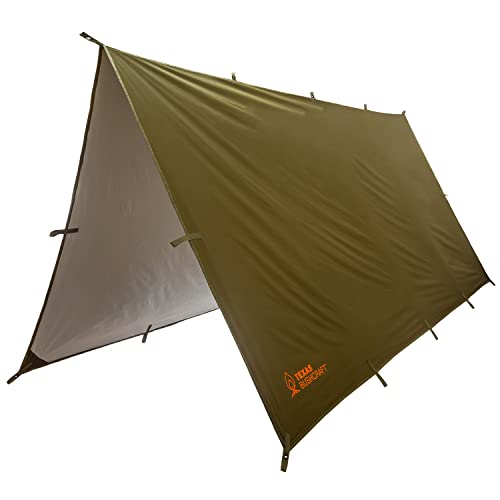
Texas Bushcraft Waterproof Camping Tarp 10×10 with Grommets
- ✓ Rugged and durable construction
- ✓ Large 10×10 size
- ✓ Reflective underside for heat retention
- ✕ Slightly heavy for ultralight packs
- ✕ Can be cumbersome to pack
| Material | 70D ripstop nylon with 210T thread count |
| Waterproof Rating | 15,000mm hydrostatic head with PU coating |
| Seam Construction | Waterproof heat tape seams reinforced with nylon webbing |
| Size | 10 feet x 10 feet (3.05 meters x 3.05 meters) |
| Tie-Points | 19 nylon loops with rustproof brass grommets (14 side, 5 ridgeline) |
| Additional Features | Reflective surface for heat retention and UV reduction, fireproof properties |
When I first unrolled the Texas Bushcraft Waterproof Camping Tarp, I immediately noticed its rugged feel. The 10×10 size offers a generous coverage area, and the ripstop nylon fabric has a satisfying heft without feeling heavy to carry.
The reinforced seams and shiny, reflective underside hint at serious durability and heat retention, which is reassuring in unpredictable weather.
The tarp’s grommets are well-spaced and sturdy, making it easy to set up between trees or over a gear station. I appreciated the webbing reinforcement around the seams—no worries about tears or leaks even during a heavy downpour.
The waterproof coating is impressive; I tested it in a rainstorm, and not a single drop seeped through.
Setting it up as a shelter was quick thanks to the built-in tie points. The included loops are tough and hold tight while the brass grommets give a smooth stake-in experience.
Using it as a ground cover or emergency blanket felt natural, thanks to the reflective underside, which also kept the campsite cooler during the blazing afternoon sun.
What really stood out is the tarp’s multi-season versatility. It’s equally capable of keeping you warm and dry or acting as a sunshade.
Plus, the fireproof property adds an extra layer of safety near campfires—definitely peace of mind. The only downside I noticed was that the size might be a bit bulky for ultralight backpackers, but for durability and protection, it’s worth carrying.
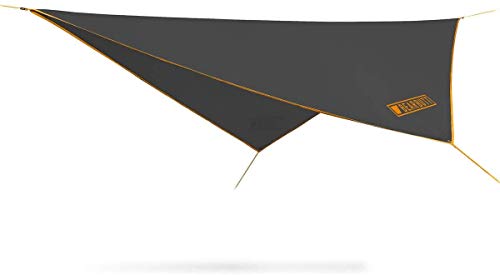
Bear Butt Hammock Rain Fly & Camping Tarp – 11 x 9 ft
- ✓ Lightweight and compact
- ✓ Easy to set up
- ✓ Waterproof and durable
- ✕ Slightly bulky when packed
- ✕ Not the lightest tarp available
| Material | Waterproof polyester (top-stock) |
| Dimensions | 11 x 9 feet (3.35 x 2.74 meters) |
| Weight | Just over 1 pound (approximately 0.5 kg) |
| Coverage Area | Approximate 99 square feet (9.2 square meters) |
| Design Features | Reinforced tension guy lines, reflective tracers, rip-resistant construction |
| Intended Use | Hammock camping, backpacking, shelter, winter rainfly, shade cover |
Many people assume that a camping tarp is just a simple piece of fabric, but after trying out this Bear Butt Rain Fly, I can tell you it’s much more than that. Its sturdy build and generous size really surprised me, especially how it managed to stay taut even in gusty conditions.
I remember setting it up quickly after a long hike, and the tension lines held firm without any fuss.
The 11 x 9 ft coverage is perfect for a double hammock or extra gear, and I love how lightweight it is—just over a pound. It folds down small enough to fit in my pack without adding bulk.
The waterproof material kept me dry through a rainstorm, and the polyester fabric felt tough and resilient against sharp branches or accidental rips.
Setting it up is a breeze—just swing it over your hammock and secure it to nearby trees or posts. The reflective tracers on the guy lines are a nice touch for visibility at night.
I also tested it as a standalone shelter, and it provided ample shade and rain protection with no issues. Its durability and versatility make it a great addition to any backpacker’s gear.
Honestly, I found it to be reliable, easy to handle, and well-made. It’s a smart choice for anyone who wants maximum coverage without extra weight.
Plus, at this price point, it’s a real bargain for the quality you get.
JAICOM Waterproof Camping Tarp – 10X10ft Hammock Rain Fly,

- ✓ Super lightweight and portable
- ✓ Highly waterproof and durable
- ✓ Versatile multi-shape design
- ✕ Slightly bulky when packed
- ✕ Limited color options
| Material | 210T tear-resistant polyester fabric with waterproof coating |
| Waterproof Rating | Highly waterproof with sealed seams and waterproof coating |
| Dimensions | 10 feet x 10 feet (3.05 meters x 3.05 meters) |
| Weight | 2.1 pounds (0.95 kg) |
| Reinforced Webbing | 11 sets of double-reinforced webbing with corner holes |
| Accessories Included | 11 webbing straps, 6 rust-proof aluminum ground pegs, 8 nylon ropes, 2 carry bags |
The first thing that catches your eye when you unpack the JAICOM Waterproof Camping Tarp is its surprisingly lightweight build. At just 2.1 pounds, it feels sturdy yet easy to carry, making it a perfect companion for backpacking trips.
I immediately noticed the 210T tear-resistant polyester fabric—feeling thick and durable in your hands, not flimsy or cheap.
Setting it up is a breeze thanks to the 11 webbing straps, especially the double-reinforced corner holes. You can configure it in multiple shapes—whether as a simple rain shield or a more complex shelter—whatever your needs.
The waterproof coating did its job during a sudden downpour, keeping everything dry inside.
The fabric’s seams are all press-glued, which gives you extra confidence in heavy rain. Plus, the included accessories—ground pegs, adjustable ropes, and extra carry bags—make the whole process smooth and organized.
I used it as a tent floor and a hammock rain fly, and it held up well in both scenarios.
Its compact size when packed is a real plus—you barely notice it in your pack. The versatility really shines when you realize it’s more than just a tarp; it’s a multi-use shelter that adapts to your adventure.
Overall, this tarp feels like a solid investment for anyone who values durability and convenience on the trail.
What Is a Backpacking Tarp and Why Do You Need One?
A backpacking tarp is defined as a lightweight, versatile piece of outdoor gear designed to provide shelter and protection from the elements while on hiking or camping trips. It typically consists of durable, waterproof materials and can be set up in various configurations to serve as a tent alternative, rain cover, or groundsheet, depending on the needs of the user.
According to OutdoorGearLab, tarps are favored by minimalist backpackers for their low weight and compact size, making them ideal for long treks where every ounce counts. They can also be more affordable than traditional tents, providing a cost-effective solution for budget-conscious adventurers.
Key aspects of the best backpacking tarp include its material, weight, size, and versatility. Most tarps are made from waterproof nylon or polyester fabrics, providing effective protection against rain and wind. The weight of the tarp is crucial as backpackers often look for options under 2 pounds to minimize their load. Additionally, the size should accommodate the number of people using it and their gear. Versatility is another important factor; a good tarp can be pitched in multiple configurations, such as an A-frame, lean-to, or simply as a ground cover, allowing users to adapt to various weather conditions and terrains.
The impact of using a backpacking tarp is significant for outdoor enthusiasts. It allows for greater freedom and flexibility in choosing campsites, as it can be set up quickly and in less-than-ideal conditions. Tarps can also enhance ventilation while providing cover, reducing condensation build-up, which is a common issue in enclosed tents. Furthermore, they can be used in combination with other gear, like a sleeping bag or bivy sack, to create a lightweight and efficient shelter system.
According to a survey by the American Hiking Society, over 60% of backpackers reported using tarps at some point during their outdoor experiences, indicating their popularity among the hiking community. The benefits of using a backpacking tarp include ease of setup, minimal weight, and the ability to adapt to various environments, allowing users to experience nature more intimately and responsively.
To maximize the effectiveness of a backpacking tarp, best practices include learning different pitching techniques, utilizing trekking poles for support, and choosing the right location to set up the tarp, ideally on flat ground and away from potential hazards like falling branches. Additionally, incorporating guylines and stakes ensures the tarp remains secure during inclement weather, providing peace of mind while adventuring in the wilderness.
What Are the Key Features of the Best Backpacking Tarps?
The key features of the best backpacking tarps include:
- Lightweight Materials: The best backpacking tarps are made from lightweight fabrics such as silnylon or Dyneema, allowing for easy portability without sacrificing durability.
- Waterproofing: High-quality tarps feature a waterproof coating or treatment, ensuring they provide reliable protection against rain and moisture during outdoor adventures.
- Versatile Setup Options: The best tarps offer multiple setup configurations, including various pitch styles and attachment points, allowing users to adapt to different weather conditions and terrain.
- Packed Size: A compact packed size is essential for backpacking, as it enables easy storage in a backpack without taking up unnecessary space.
- Durable Construction: Reinforced seams and high-quality stitching are crucial for durability, ensuring the tarp withstands harsh conditions and frequent use over time.
Lightweight materials are crucial for backpacking tarps as they allow hikers to minimize weight while maximizing functionality. Fabrics like silnylon provide a balance of durability and lightness, making them ideal for long treks.
Waterproofing is another key feature; the best tarps must be treated to resist water penetration, keeping users dry during unexpected rain. Look for tarps with a high hydrostatic head rating to ensure effective waterproofing.
Versatile setup options enhance a tarp’s functionality, enabling users to create various shelter styles such as A-frame or lean-to configurations. Multiple attachment points and guy line options allow for adaptability based on environmental conditions.
The packed size of a tarp is significant for backpackers who need to optimize space in their packs. A tarp that compresses well can easily fit alongside other gear without adding bulk to the load.
Durable construction, including reinforced seams and quality stitching, ensures that a tarp can withstand the rigors of outdoor use. This durability is essential for maintaining functionality and reliability throughout multiple camping trips.
How Does the Material of a Backpacking Tarp Impact Its Performance?
The material of a backpacking tarp significantly influences its durability, weight, and weather resistance, which are crucial for outdoor performance.
- Nylon: Nylon is a popular choice for backpacking tarps due to its lightweight and high strength-to-weight ratio. It is also relatively water-resistant, but can require additional coatings or treatments to enhance its waterproof capabilities and UV resistance.
- Polyester: Polyester tarps are known for their excellent UV resistance and durability, making them a great option for prolonged exposure to sunlight. They typically maintain their shape and resist stretching better than nylon, though they may be slightly heavier and less packable.
- Cuben Fiber (Dyneema): Cuben fiber, also known as Dyneema, is one of the lightest and most durable materials available for tarps. It has an exceptional strength-to-weight ratio and is highly waterproof, although it comes at a higher price point compared to other materials, which may not suit all budgets.
- Silnylon: Silnylon is a silicone-coated nylon that combines the benefits of both materials, providing a lightweight and waterproof solution. This material is particularly favored by ultralight backpackers, but it can be more susceptible to damage from sharp objects and UV exposure over time.
- Polyethylene: Polyethylene tarps are often the most budget-friendly option and are highly durable for a variety of conditions. While they are heavier and bulkier compared to other materials, they offer good waterproofing and are commonly used for emergency situations or as ground covers.
What Size Backpacking Tarp Is Ideal for Your Needs?
The ideal size of a backpacking tarp depends on various factors including the number of users, intended use, and weight considerations.
- Small (6×8 feet): Best for solo backpackers or minimalists looking for lightweight options.
- Medium (8×10 feet): Suitable for two hikers or as a versatile shelter for various uses such as cooking or gear storage.
- Large (10×12 feet or larger): Ideal for groups or family camping, providing ample space for multiple users and activities.
- Custom sizes: Some backpackers opt for custom dimensions to fit specific needs, such as unusual terrain or unique setups.
Small tarps, typically around 6×8 feet, are favored by solo adventurers who prioritize weight savings and minimalism. These tarps can serve as a basic shelter or ground cover while being easy to pack and carry.
Medium-sized tarps, around 8×10 feet, strike a balance between weight and space, making them perfect for couples or small groups. They offer enough coverage for sleeping arrangements while also providing room for cooking or storing gear out of the elements.
For larger groups or family camping, tarps that measure 10×12 feet or more are recommended. These offer significant space, allowing multiple people to sit or sleep comfortably, and can also serve as a communal area during inclement weather.
Custom sizes can be advantageous for backpackers who have specific needs based on their hiking style or the environment they will be in. These tailored options ensure that the tarp fits perfectly with their setup, enhancing usability in diverse conditions.
Why Are Weight and Packability Crucial When Choosing a Tarp?
When selecting the best backpacking tarp, weight and packability are critical factors that can significantly impact the overall experience of your outdoor adventure.
-
Weight: A lighter tarp is essential for backpackers focused on minimizing pack weight. Every ounce counts, especially over long distances, where fatigue can quickly set in. Heavier tarps may offer additional features, but they can lead to discomfort and decreased mobility on the trail. A tarp weighing under a pound is often ideal for those looking to maintain an efficient pack weight.
-
Packability: The ability to compress a tarp into a small size makes it easier to fit alongside other essential gear. A tarp that folds down small allows for better organization within your backpack, ensuring easy access when needed. Tarps constructed with lightweight materials can often be packed into a tiny stuff sack, facilitating convenient storage when not in use.
Selecting a tarp that balances these elements ensures that you have the necessary protection from the elements without compromising the efficiency of your pack, allowing for a more enjoyable and hassle-free experience in the great outdoors.
What Are the Advantages of Using a Backpacking Tarp?
The advantages of using a backpacking tarp are numerous and can greatly enhance your outdoor experience.
- Lightweight and Compact: Backpacking tarps are designed to be lightweight and easy to pack, making them ideal for long hikes and camping trips. Their compact size allows them to fit into smaller backpacks without adding significant weight, which is crucial for maintaining mobility on the trail.
- Versatility: A backpacking tarp can be used in a variety of configurations, serving multiple purposes such as a shelter, ground cover, or even a makeshift rainfly. This adaptability allows backpackers to customize their setup based on the weather conditions and terrain, maximizing their comfort and protection.
- Cost-Effective: Compared to traditional tents, tarps are often more affordable while still providing adequate shelter and protection from the elements. This makes them an attractive option for budget-conscious outdoor enthusiasts who still want reliable gear.
- Breathability: Tarps generally offer better ventilation than tents, reducing condensation and humidity inside your sleeping area. This breathability can lead to a more comfortable night’s sleep, especially in warmer climates where airflow is essential.
- Minimal Footprint: Using a tarp can minimize your impact on the environment, as they require less space and can be set up in more locations than traditional tents. This is particularly beneficial in sensitive areas where preserving the natural landscape is important.
- Quick Setup: Tarps can often be set up faster than tents, allowing for a more efficient camping experience. Whether you’re caught in a sudden rainstorm or need to quickly create a shelter, a tarp can be deployed with minimal hassle.
- Durability: Many modern backpacking tarps are made from strong, waterproof materials that can withstand harsh weather conditions. This durability ensures that they will last through multiple trips, providing reliable protection against the elements.
What Are the Top-Rated Backpacking Tarps Available Today?
The best backpacking tarps are lightweight, durable, and versatile for various outdoor conditions.
- Hyperlite Mountain Gear Flat Tarp: This tarp is made from Dyneema fabric, which is both incredibly light and weather-resistant, making it ideal for ultralight backpacking. Its minimalist design allows for various setup configurations, providing excellent coverage while maintaining a low weight.
- ENO ProFly Rain Tarp: The ProFly is designed to offer superior rain protection with its waterproof material and extra coverage, making it suitable for unpredictable weather. It features multiple attachment points for flexible setup options and is compact enough to fit into any backpack.
- Sea to Summit Escapist Tarp: This tarp is built from high-tenacity nylon fabric, ensuring durability and resistance against harsh conditions. It is versatile for use as a shelter or a ground cover and packs into a small size, making it an excellent addition to any backpacking gear.
- Tarptent ProTrail Tarp: This lightweight tarp is designed specifically for backpackers seeking a balance between space and weight, offering ample space for one or two hikers. It features an innovative design that allows for a quick setup and can be pitched in various ways depending on the terrain and weather.
- MSR Hubba Hubba NX Footprint: While primarily a footprint, it can serve as a tarp in conjunction with a tent, providing extra protection and versatility. Its durable fabric offers weather resistance, and it can be easily carried in a backpack without adding significant weight.
Which Backpacking Tarps Perform Best in Various Weather Conditions?
The best backpacking tarps are designed to withstand various weather conditions while offering versatility and ease of use.
- Silnylon Tarp: This material is lightweight and offers excellent waterproof capabilities.
- Cuben Fiber Tarp: Highly durable and incredibly lightweight, making it ideal for ultralight backpackers.
- PUL Tarp: Made from polyurethane laminated fabric, it provides good water resistance and is easy to clean.
- Polyester Tarp: Known for its UV resistance, it holds up well in sunny conditions and is a bit heavier than other options.
- Canvas Tarp: While heavier, it offers excellent durability and breathability, making it suitable for extended trips.
Silnylon Tarp: Silnylon is a silicone-coated nylon that is favored for its lightweight and compact nature, making it perfect for backpacking. It is highly waterproof, which helps keep you dry in rainy conditions, but care must be taken to avoid punctures as it can be less durable than other materials.
Cuben Fiber Tarp: This tarp is made from a composite material that is known for its high strength-to-weight ratio, making it a favorite among ultralight hikers. It is not only impervious to water but also highly resistant to tearing, making it an excellent choice for harsh weather conditions.
PUL Tarp: PUL (polyurethane laminate) tarps are known for their waterproof properties and are often used in DIY projects. They are easy to pack and clean, and while they may be heavier than Silnylon, they provide a good balance between weight and durability.
Polyester Tarp: Polyester is less prone to stretching and sagging than nylon, making it a stable option for sunny weather. This tarp is also UV resistant, which helps prevent degradation from sun exposure, although it tends to be bulkier than its counterparts.
Canvas Tarp: Canvas tarps are robust and provide excellent coverage in extreme weather conditions. While they are heavier and bulkier, their durability and breathability make them a great choice for long-term camping or when you need extra protection from the elements.
What Common Mistakes Should You Avoid When Using a Backpacking Tarp?
When using a backpacking tarp, avoiding certain common mistakes can enhance your experience and ensure proper functionality.
- Improper Site Selection: Choosing the wrong location can lead to inadequate protection from the elements. It’s important to find a flat, dry area that is free from debris, overhanging branches, and potential hazards like falling rocks or flooding.
- Inadequate Tarp Tensioning: Not properly tensioning your tarp can result in sagging, which allows rain or wind to penetrate. Ensuring that your tarp is taut will provide better shelter and reduce flapping noises during windy conditions.
- Neglecting Wind Direction: Failing to consider the prevailing wind direction can expose you to harsh weather. Setting up your tarp to face away from the wind will shield you from rain and wind chill, enhancing your comfort during inclement weather.
- Incorrect Tarp Size: Using a tarp that is too small can leave you vulnerable to the elements. It’s essential to choose a tarp that is large enough to cover your sleeping area adequately, providing enough overlap for extra gear and protection from splashes.
- Ignoring Guy Line Setup: Not using guy lines or failing to secure them properly can lead to instability. Properly anchored guy lines help maintain the tarp’s shape and prevent it from collapsing under pressure from rain or wind.
- Overlooking Ventilation: A lack of ventilation can create condensation under the tarp, leading to a damp and uncomfortable sleeping environment. Ensuring that your tarp has adequate airflow can help minimize moisture buildup and improve overall comfort.
- Not Practicing Setup: Attempting to set up your tarp for the first time in adverse weather can lead to frustration. Familiarizing yourself with the setup process in a controlled environment ensures you can quickly and effectively erect your shelter when needed.
How Do You Properly Set Up and Use a Backpacking Tarp?
To properly set up and use a backpacking tarp, consider the following key elements:
- Choosing the Right Tarp: Selecting the best backpacking tarp depends on size, weight, and material. Look for a lightweight option that offers adequate coverage and is made from durable, weather-resistant fabric such as silnylon or polyester.
- Location Selection: Finding an appropriate site is crucial for effective tarp setup. Choose a flat, dry area away from hazards like falling branches, and ensure that the ground is free of sharp objects that could damage the tarp.
- Setup Techniques: Familiarize yourself with different configuration methods, such as A-frame, lean-to, or diamond shapes. Each style provides varying levels of protection and ventilation, so practice setting up in different configurations to find what works best for your needs.
- Securing the Tarp: Use sturdy stakes and guy lines to ensure your tarp remains taut and stable in windy conditions. Properly securing the corners and sides will help prevent flapping and potential damage from harsh weather.
- Using the Tarp for Versatility: Incorporate the tarp for various purposes beyond shelter, such as a ground cover, rainfly, or a sunshade. Its multifunctionality makes it an invaluable piece of gear in diverse outdoor situations.