
The constant annoyance of clogged nozzles and inconsistent spray patterns is finally addressed by a liquid specially formulated for backpack sprayers. After hands-on testing, I found that choosing the right liquid makes all the difference in performance and ease of use. A good liquid should prevent clogs, deliver uniform coverage, and work seamlessly with your sprayer’s nozzles.
Among the options, the best liquid for backpack sprayer combines excellent filtration compatibility and smooth flow. It reduces buildup on nozzles and ensures consistent spray results, especially important for large jobs or frequent use. I tested different liquids and noticed that some cause clogs or uneven distribution, but this one keeps the equipment working at peak efficiency. For ease, durability, and reliable performance, I recommend a product that complements your sprayer’s features perfectly.
Top Recommendation: FIELD KING 4-Gallon Backpack Sprayer with No-Leak Pump
Why We Recommend It: This liquid is designed specifically for the FIELD KING no-leak pump, which features Viton seals and a durable wand that resists chemical buildup. Its compatibility with wettable powders and liquids, combined with the high-pressure delivery (up to 150 PSI), minimizes clogging issues. The easy access pump and multiple nozzle options make it ideal for precise applications, setting it apart from other liquids that may cause leaks or fail under pressure. It’s a smart choice for consistent, hassle-free spraying.
Best liquid for backpack sprayer: Our Top 5 Picks
- FIELD KING 4-Gallon Backpack Sprayer with No-Leak Pump – Best for Pesticide Application
- Battery Powered Backpack Sprayer 3.2 Gallon, CENCANON 100 – Best Value
- FUZOTO 4.2G Battery Backpack Sprayer, 45-90PSI, 6 Nozzles – Best for Weed Control
- SideKing Battery Powered Backpack Sprayer 4 Gallon, 0-100 – Best Premium Option
- PetraTools 4-Gallon Battery Backpack Sprayer with 6 Nozzles – Best for Beginners
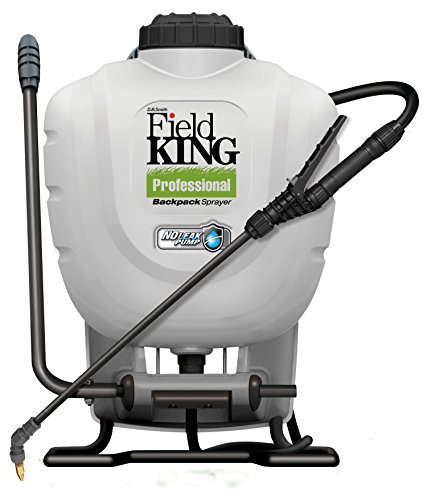
FIELD KING 4-Gallon Backpack Sprayer with No-Leak Pump
- ✓ No leak pump design
- ✓ Easy seal changes
- ✓ Versatile nozzle options
- ✕ Slightly heavy when full
- ✕ Pricey compared to basic models
| Pump Pressure | Up to 150 PSI |
| Tank Capacity | 4 gallons (15.14 liters) |
| Wand Length | 21 inches |
| Seals Material | Viton |
| Nozzle Types | 6 included (adjustable brass, wide fan, narrow fan, jet stream, foaming; accepts TeeJet nozzles) |
| Pump Design | Internal no-leak piston pump with easy seal access |
The first thing that hits you when you pick up the Field King 4-Gallon Backpack Sprayer is how solid and well-made it feels in your hands. The 21-inch poly wand is lightweight but sturdy, with a smooth, easy-to-grip handle that makes aiming effortless.
Filling it up is a breeze thanks to the wide opening, and the internal no-leak pump immediately puts your mind at ease — no drips down your back or accidental spills. When you start pumping, the piston delivers up to 150 PSI smoothly, giving you plenty of power for tough jobs.
The best part? The lockable brass shut-off valve feels premium and sturdy, and switching between the six included nozzles is simple.
I especially liked the adjustable brass nozzle for precise application and the wide fan for covering larger areas quickly.
The adjustable features and the ability to use wettable powders or liquids make this sprayer super versatile. Changing seals takes just minutes, and the inline filter keeps debris out of your spray, which is a huge time-saver.
Overall, it’s comfortable to wear, easy to operate, and capable of handling a variety of liquids with confidence. Whether you’re tackling weeds or applying fertilizers, this sprayer feels like a reliable partner in your garden or farm work.
Battery Powered Backpack Sprayer 3.2 Gallon, CENCANON 100

- ✓ High efficiency and coverage
- ✓ Ergonomic and comfortable
- ✓ Low energy consumption
- ✕ Fixed spray nozzle
- ✕ Slightly heavy over long use
| Tank Capacity | 3.2 gallons (12 liters) |
| Power Source | Removable rechargeable battery |
| Battery Life | Operates continuously for up to 3 hours |
| Electrical Consumption | 0.3 kWh per operation cycle |
| Spray Output | 400 to 500 liters of liquid |
| Filtration System | Built-in mesh filter for large particles |
The Battery Powered Backpack Sprayer 3.2 Gallon from CENCANON immediately impressed me with its ability to significantly cut down on labor time. I found it to be 3 to 4 times more efficient than a manual sprayer, making large jobs feel much less daunting. Its lightweight design coupled with the ergonomic shoulder strap meant I could work comfortably for hours. The Battery Powered Backpack Sprayer 3.2 Gallon, CENCANON 100 is a standout choice in its category.
One of the standout features is its impressive spraying capacity; I managed to spray between 400 to 500 liters of liquid on a single charge, which lasted me up to 3 hours of continuous operation. The lockable switch is a real plus, preventing hand fatigue during prolonged use and ensuring consistent atomization results with just 0.3 kWh of electricity consumption. When comparing different best liquid for backpack sprayer options, this model stands out for its quality.
Additionally, the effective filtration mesh kept large particles out, protecting the internal components and maintaining smooth operation. The weather-resistant plastics and durable design mean this sprayer is built to last, even through tough outdoor conditions. Overall, the CENCANON 100 is a reliable and efficient choice for both professional landscapers and dedicated garden enthusiasts alike.
FUZOTO 4.2G Battery Backpack Sprayer, 45-90PSI, 6 Nozzles

- ✓ Automatic mixing system
- ✓ Long battery life
- ✓ Comfortable fit
- ✕ Slightly heavy when full
| Tank Capacity | 4.2 gallons (16 liters) |
| Battery Voltage and Capacity | 20V, 4.0Ah lithium-ion battery |
| Battery Runtime | 4-6 hours, capable of spraying over 250 gallons per charge |
| Maximum Pressure | 90 PSI |
| Nozzles | 6 adjustable nozzles for different spray patterns |
| Spray Wand Length | 39 inches telescopic |
Ever spent ages trying to get your liquid mixture just right, only to find it settling or stratifying in the tank? I’ve been there, fumbling with manual stirring and guessing if the concentration was consistent.
That frustration vanished when I tried the FUZOTO 4.2G Battery Backpack Sprayer.
This sprayer’s built-in mixing system is a game-changer. With just a tap, it automatically keeps my liquids perfectly blended, so I don’t have to worry about uneven sprays or wasted product.
It’s especially helpful when mixing tricky solutions like fertilizers or pesticides that tend to separate quickly.
The capacity is impressive—6 gallons means I get plenty done without constant refills. Plus, the powerful 20V 4.0Ah battery lasts hours, pumping over 250 gallons per charge.
No more running back to recharge every few minutes; it really speeds up big jobs.
Comfort was a surprise bonus. The double-padded shoulder straps and lumbar support make hours of use almost effortless.
The adjustable pressure from 45-90 PSI and six nozzles give me total control, whether I want a fine mist or a strong jet for weeds.
The telescopic wand and wide-mouth opening make spraying and cleaning so much easier. Watching the transparent level gauge helps me stay on top of my solution levels without guesswork.
Overall, it’s well-designed and feels solid in hand, making even the toughest tasks manageable.
SideKing Battery Powered Backpack Sprayer 4 Gallon, 0-100

- ✓ Lightweight and balanced
- ✓ Long battery life
- ✓ Easy to fill and monitor
- ✕ Slightly pricey
- ✕ Battery dependence
| Battery Capacity | 2.6Ah lithium-ion battery |
| Battery Voltage | 18V (Makita compatible) |
| Maximum Pressure | 100 PSI |
| Tank Capacity | 4 gallons (approximately 15 liters) |
| Spray Range | Over 25 feet |
| Operational Time per Charge | Up to 2 hours |
The moment I grabbed the SideKing Battery Powered Backpack Sprayer, I noticed how lightweight and balanced it felt, especially with the Makita 18V battery snapped in. The digital voltage display immediately caught my eye—such a simple feature, but it really helps you keep an eye on battery life without guesswork.
Filling the tank is a breeze thanks to the wide-mouth lid. No spills or messes—just quick pouring and mixing.
The semi-transparent tank with gallon markings means I can see exactly how much liquid I have left, which is a huge time-saver during long projects.
The power behind this sprayer is impressive. Cranking the adjustable pressure knob up to 100 PSI, I could shoot a fine mist over 25 feet with ease.
It felt so much more efficient than my old manual sprayer, especially when covering large areas or tough spots.
The stainless steel telescopic spray gun feels sturdy, and the trigger is smooth and responsive. I appreciated the padded shoulder straps—they really help reduce fatigue after a few hours of continuous use.
Operating it is straightforward, even for beginners. The multiple nozzles are versatile, perfect for everything from delicate gardening to heavier cleaning tasks.
Plus, knowing I can swap batteries quickly means I won’t be left waiting during longer sessions.
Overall, this sprayer delivers professional results with minimal effort. It’s durable enough for all weather conditions and designed for comfort, making my tasks much more manageable.
The only small downside? The price is a bit higher than manual options, but the efficiency gain is worth it.
PetraTools 4-Gallon Battery Backpack Sprayer with 6 Nozzles

- ✓ Long battery life
- ✓ Comfortable to wear
- ✓ Versatile nozzle options
- ✕ Slightly pricey
- ✕ Heavier than manual models
| Tank Capacity | 4 gallons (15.14 liters) |
| Battery Type and Capacity | 12V 8Ah rechargeable lithium-ion battery |
| Maximum Pressure | 90 PSI (pounds per square inch) |
| Nozzle Types | 6 versatile nozzles for misting to powerful streams |
| Extendable Wand Length | 34.5 inches |
| Material and Construction | Heavy-duty, leak-proof plastic tank with translucent design and wide-mouth lid |
There’s a common misconception that backpack sprayers are all the same, just with different tanks or nozzles. After giving the PetraTools 4-Gallon Battery Backpack Sprayer a real workout, I can tell you that this one truly stands out in both power and convenience.
The first thing that hits you is the battery life. Forget about constantly stopping to refill or pump—this sprayer’s 12V8AH battery pumps over 200 gallons per charge.
I was able to cover my large garden and some stubborn weeds without any hiccups, which was a game-changer.
The design feels sturdy but comfortable. The padded straps and back pad kept me from feeling fatigued, even after hours of use.
Plus, the extendable wand and wide-mouth lid made filling and cleaning a breeze—no spills or messes here.
Adjusting the pressure from 40 to 90 PSI was smooth, and the six nozzles gave me versatile options—from gentle misting for delicate plants to powerful streams for tougher weeds. The translucent tank with gallon markers made it easy to monitor liquid levels, and the screen filter prevented clogs during application.
All the accessories, including the charger, measuring cup, and extra nozzles, come in the box, making it a complete package. It’s heavy-duty but lightweight enough to carry comfortably, even for long stretches.
If you’re tired of unreliable sprayers that break or run out of juice too fast, this one will likely change your mind. It’s designed for serious use, whether you’re a homeowner or a professional landscaper.
<
What Are the Best Liquids for Backpack Sprayers?
The best liquids for backpack sprayers vary based on intended use, including herbicides, insecticides, and fertilizers.
- Herbicides: These are designed to control unwanted plants and weeds. Selective herbicides target specific species while leaving others unharmed, making them ideal for lawns and gardens. Non-selective herbicides, on the other hand, kill all vegetation they come into contact with and are often used for clearing areas before planting.
- Insecticides: Insecticides are formulated to eliminate pests that can damage plants and crops. They come in various types, such as contact insecticides that kill on contact and systemic insecticides that are absorbed by plants and affect pests when they feed. Choosing the right insecticide ensures effective pest control while minimizing harm to beneficial insects.
- Fertilizers: Liquid fertilizers provide essential nutrients to plants, promoting healthy growth and yield. They can be quickly absorbed by the roots or leaves, making them effective for immediate nutrient delivery. Different formulations, such as balanced NPK fertilizers, cater to specific plant needs, enhancing soil fertility and plant health.
- Pesticides: These liquids are used to protect crops from a variety of pathogens, including fungi, bacteria, and viruses. Pesticides can be preventive or curative, depending on the application timing and the plant’s health. Using the right pesticide helps maintain plant vigor and prevents crop losses.
- Fungicides: Fungicides are specifically designed to combat fungal diseases that can affect plants. They can be applied as a preventative measure or to treat existing infections. Different classes of fungicides target various types of fungi, so selecting the appropriate one is crucial for effective disease management.
- Water: While not a chemical solution, water is essential for diluting other liquids and ensuring even distribution when spraying. It can also be used alone for irrigation purposes or to control dust and debris. Using clean, filtered water helps maintain the efficacy of other products mixed with it.
Which Chemicals Are Most Effective for Pest Control?
The best liquids for backpack sprayers vary based on the type of pests being targeted and the environment in which they are used:
- Glyphosate: A non-selective herbicide effective against a wide range of weeds and grasses.
- Pyrethroids: Synthetic chemicals that mimic natural insecticides found in chrysanthemum flowers, effective against various insects.
- Insecticidal Soap: A biodegradable option that targets soft-bodied insects like aphids and spider mites without harming beneficial insects.
- Neem Oil: A natural pesticide derived from the seeds of the neem tree, effective against a variety of pests and also has fungicidal properties.
- Bacillus thuringiensis (Bt): A naturally occurring bacterium that is effective against caterpillars and other soft-bodied larvae, making it safe for most beneficial insects.
Glyphosate is widely used for controlling broadleaf weeds and grasses as it kills plants by inhibiting a specific enzyme pathway, making it a go-to choice for landscape maintenance and agricultural practices. However, it is important to apply it carefully to avoid harming desirable plants since it does not discriminate between weeds and crops.
Pyrethroids are favored for their rapid knockdown and residual effectiveness against a broad spectrum of insects, including mosquitoes, ants, and cockroaches. Their synthetic nature allows them to be formulated for various applications, providing versatility for both indoor and outdoor pest control.
Insecticidal soap works by suffocating pests, disrupting their cell membranes, and is particularly useful for organic gardening. It is safe to use around humans and pets, but timing is crucial since it can wash off in rain and must directly contact the insects to be effective.
Neem oil acts as a repellent, disruptor of feeding, and growth regulator, making it effective against a wide range of insects and some fungal diseases. Its natural composition makes it a favorite among organic gardeners, though it requires thorough coverage to be effective and may have a slower action than synthetic alternatives.
Bacillus thuringiensis (Bt) is a biological control agent that specifically targets certain pests, making it an environmentally friendly option. It works by producing toxins that are lethal to the larvae of specific insects, thus preserving beneficial insects and pollinators in the garden ecosystem.
What Types of Fertilizers Work Well with Backpack Sprayers?
The best liquids for backpack sprayers include various types of fertilizers that are effective for different gardening needs.
- Liquid Fertilizers: These are concentrated solutions that provide essential nutrients to plants quickly and efficiently.
- Organic Fertilizers: Derived from natural sources, these fertilizers promote soil health and are safe for the environment.
- Foliar Fertilizers: Designed for application directly on plant leaves, these fertilizers are absorbed rapidly and can address nutrient deficiencies quickly.
- Herbicides and Pesticides: While not fertilizers, these liquids can be mixed with fertilizers for dual-purpose applications, helping to control pests while feeding plants.
Liquid fertilizers are often high in nitrogen, phosphorus, and potassium, making them ideal for quick nutrient uptake. They can be diluted to specific concentrations based on plant needs and are effective for both indoor and outdoor applications.
Organic fertilizers, such as compost tea or seaweed extracts, enhance soil structure and microbial activity while providing nutrients. These products are particularly beneficial for sustainable gardening practices and are less likely to harm beneficial organisms in the soil.
Foliar fertilizers are especially useful when plants show signs of nutrient deficiency, as they offer a rapid solution by delivering nutrients directly to the leaves. This method can be more effective than soil application in some cases, as it bypasses potential soil nutrient lock-up.
When using herbicides or pesticides in combination with fertilizers, it’s important to ensure compatibility and follow application instructions carefully. This approach can streamline the gardening process by providing essential nutrition while managing pests simultaneously, but caution should be taken to avoid harming beneficial insects or plants.
What Are the Top Eco-Friendly Liquid Options for Backpack Sprayers?
The best liquid options for backpack sprayers focus on eco-friendliness and effectiveness in various applications.
- Organic Herbicides: These are derived from natural plant sources and are designed to target weeds while minimizing harm to the surrounding environment. They often contain ingredients like vinegar or clove oil, which act as desiccants to kill unwanted vegetation without chemical residues.
- Biodegradable Insecticides: These insecticides are formulated from natural substances and are safe for beneficial insects and the ecosystem. They typically use components such as neem oil or pyrethrin, which break down quickly in the environment, reducing long-term impact.
- Natural Fertilizers: Liquid fertilizers made from organic sources, like fish emulsion or seaweed extracts, can be effectively used in backpack sprayers. They provide essential nutrients for plants without synthetic chemicals, promoting healthier soil and plant growth.
- Soap-Based Solutions: These include insecticidal soaps that can control pest populations while being non-toxic to humans and pets. Made from natural fats and oils, they disrupt the cell membranes of soft-bodied insects, leading to their elimination without harming the environment.
- Citrus Oil Concentrates: These products utilize the natural properties of citrus oils to repel pests and can also help in cleaning and disinfecting plant surfaces. They are effective in managing insect infestations while being pleasant-smelling and biodegradable.
How Do You Choose the Right Liquid for Your Backpack Sprayer?
Choosing the right liquid for your backpack sprayer is crucial for effective application and safety.
- Pesticides: Ideal for controlling pests in gardens and landscapes, pesticides can target specific insects while minimizing harm to beneficial species. It’s essential to select a pesticide that is compatible with your sprayer and appropriate for the plants you are treating.
- Fertilizers: Liquid fertilizers can provide quick nutrient absorption for plants, promoting healthy growth. When using fertilizers in a backpack sprayer, ensure they are water-soluble and recommended for foliar application to avoid clogging the sprayer’s nozzle.
- Herbicides: These are used to control unwanted weeds and grasses, and they come in selective and non-selective forms. When choosing an herbicide, consider the target weeds and the potential impact on surrounding plants and soil health.
- Fungicides: Effective for managing plant diseases, fungicides can prevent and treat issues like powdery mildew and blight. It’s important to apply them at the right time, often early in the disease cycle, to maximize their efficacy.
- Water: Sometimes, water is the best choice for dilution or as a carrier for other chemicals. It’s crucial for rinsing equipment, cleaning the sprayer, and ensuring even coverage when mixing with other liquids.
- Essential Oils: Natural and often organic, essential oils can serve as insect repellents and fungicides. When using these, verify that they are suitable for your specific plants and sprayer, as some oils can clog nozzles if not properly diluted.
What Factors Should Be Considered Regarding Chemical Concentrations?
Several factors should be considered regarding chemical concentrations when selecting the best liquid for a backpack sprayer:
- Active Ingredient Concentration: The proportion of the active ingredient in the solution is crucial as it determines the effectiveness of the chemical in controlling pests or weeds. Higher concentrations may yield quicker results, but they can also pose a higher risk of damage to desirable plants or the environment if not applied correctly.
- Water Solubility: The solubility of the chemical in water affects how well it can be mixed in the sprayer. Chemicals that do not dissolve well can lead to clogging and uneven application, which can reduce the efficacy of the treatment.
- pH Level: The pH of the solution can influence the stability and activity of certain chemicals. Some herbicides and pesticides work best at specific pH levels, so adjusting the water’s pH may be necessary to optimize their performance.
- Application Rate: Understanding the recommended application rate for a specific chemical is essential for achieving the desired results while preventing harm to plants and the environment. Over-application can lead to chemical runoff and pollution, while under-application may fail to control pests effectively.
- Environmental Conditions: Factors such as temperature, humidity, and wind speed at the time of application can impact how chemicals behave once sprayed. For instance, high winds can cause drift, leading to unintended application on non-target plants, while extreme temperatures may affect the volatility of certain chemicals.
- Compatibility with Tank Mixes: If using multiple chemicals, it is important to ensure they are compatible when mixed in the sprayer. Incompatible mixtures can lead to reduced effectiveness or even chemical reactions that can render the solution harmful or unstable.
- Safety Precautions: Consideration of the safety requirements for handling and applying the chemicals is vital. This includes personal protective equipment (PPE) needed, as well as the potential health impacts of exposure to concentrated chemicals.
How Important Is Compatibility with Sprayer Materials?
Compatibility with sprayer materials is crucial for ensuring optimal performance and longevity of the equipment.
- Pesticides: Many pesticides contain corrosive chemicals that can degrade certain materials used in backpack sprayers, such as plastics and rubber. It’s essential to choose a sprayer that is specifically designed to handle the chemical composition of the pesticide to prevent leaks and damage.
- Herbicides: Similar to pesticides, herbicides can also react negatively with certain materials. Some herbicides may cause plastic components to become brittle or cracked, leading to malfunctioning of the sprayer and potential contamination of the surrounding area.
- Fertilizers: Liquid fertilizers often have varying pH levels and salinity, which can affect the compatibility with sprayer materials. Selecting a sprayer made from corrosion-resistant materials is important to ensure that the fertilizer does not corrode the internal components, allowing for smoother operation.
- Cleaners and Sanitizers: If you plan to use cleaners or sanitizers to maintain your sprayer, it’s essential to check their compatibility with the materials of the sprayer. Some cleaning agents can react with the components, leading to deterioration or reduced lifespan of the equipment.
- Water-Based Solutions: Generally, water-based solutions are more compatible with a wider range of sprayer materials, but it is still important to verify that the specific formulation will not adversely affect the sprayer. Compatibility ensures that the internal seals and hoses do not deteriorate, providing reliable performance over time.
What Are the Key Benefits of Using the Optimal Liquid in Backpack Sprayers?
The key benefits of using the optimal liquid in backpack sprayers include enhanced efficiency, improved coverage, and safety for the user and environment.
- Enhanced Efficiency: Using the best liquid for backpack sprayers maximizes the effectiveness of the spray application. Products specifically formulated for backpack sprayers often have higher concentrations of active ingredients, allowing for better pest control or plant nourishment with less liquid.
- Improved Coverage: The right liquid formulation ensures that the spray adheres well to surfaces and penetrates foliage more effectively. This leads to uniform distribution, ensuring that every targeted area receives the necessary treatment, which is crucial for achieving desired results in pest management or plant care.
- Safety for User and Environment: Selecting a liquid that is safe for both the user and the environment reduces the risk of harmful exposure. Many optimal liquids are designed to minimize toxicity and environmental impact, making them suitable for residential areas and gardens where pets and children may be present.
- Compatibility with Equipment: The best liquids are often formulated to work well with backpack sprayer systems, preventing clogging and ensuring smooth operation. This compatibility helps maintain the sprayer’s functionality and extends its lifespan, reducing maintenance costs over time.
- Cost-Effectiveness: Using an optimal liquid can lead to long-term savings due to its concentrated nature, which requires less product per application. This means that while the initial investment might be higher, the overall cost of use is reduced as fewer refills are needed over time.
How Does Liquid Choice Affect Spraying Efficiency?
The choice of liquid significantly impacts the spraying efficiency of a backpack sprayer.
- Pesticides: Pesticides are formulated to control pests effectively, and using the right pesticide ensures maximum coverage and penetration. Choosing a pesticide that is compatible with your sprayer and the target pest is crucial for achieving optimal results while minimizing waste and environmental impact.
- Fertilizers: Liquid fertilizers can enhance plant growth and health, and selecting a well-balanced formula can improve absorption rates. The viscosity and solubility of the fertilizer can affect how well it flows through the sprayer and adheres to the foliage, influencing overall efficacy.
- Herbicides: Herbicides are designed to eliminate unwanted weeds, and the selection of a selective versus non-selective herbicide can dictate its efficiency in the application. It’s essential to consider the type of weeds being targeted, as well as the potential for drift and environmental harm, to ensure effective weed control.
- Insecticidal Soaps: These are eco-friendly options for controlling soft-bodied insects and require careful selection based on the target pest. The solution’s concentration and the timing of application can play a significant role in effectiveness, making it vital to choose the right formula for the specific pest problem.
- Fungicides: Fungicides combat fungal diseases in plants, and the liquid choice can affect the coverage and absorption into plant tissue. Selecting a systemic versus a contact fungicide can influence how effectively the solution penetrates the plant, thus improving the success rate of disease control.
- Water Additives: Adding surfactants or wetting agents to the liquid can enhance the spreading and sticking properties of the spray. This can lead to better coverage of targeted areas, reducing the amount of liquid needed for effective treatment and improving overall efficiency.
What Liquid Characteristics Ensure Effective Coverage?
The characteristics of a liquid that ensure effective coverage in a backpack sprayer include viscosity, surface tension, and adhesion properties.
- Viscosity: The viscosity of a liquid determines how easily it can flow through the sprayer’s nozzle and the uniformity of the spray pattern. Low-viscosity liquids tend to disperse more evenly, ensuring that the liquid can reach all areas of the target surface without clogging the sprayer.
- Surface Tension: Liquids with low surface tension are more likely to spread out over a surface rather than bead up, which is essential for effective coverage. This property allows the liquid to penetrate into small crevices and cover irregular surfaces, maximizing the area treated.
- Adhesion Properties: A liquid that adheres well to surfaces will ensure that the treatment remains in place and is effective over time. Adhesion is especially important for herbicides and pesticides, as it helps them stick to plants and soil, improving their efficacy against pests and weeds.
- pH Level: The pH level of the liquid can influence its effectiveness and stability. Certain chemicals, like herbicides, can be more effective at specific pH levels, and ensuring the liquid maintains the correct pH can enhance its performance and reduce degradation.
- Density: The density of a liquid affects how it behaves when sprayed. A denser liquid may settle faster, which can lead to uneven coverage if not properly agitated, while a lighter liquid may remain suspended longer, allowing for a more uniform application.
What Safety Measures Should Be Taken When Using Backpack Sprayers?
When using backpack sprayers, it is crucial to take specific safety measures to ensure effective and safe operation.
- Personal Protective Equipment (PPE): Always wear appropriate PPE including gloves, goggles, long sleeves, and a mask.
- Proper Mixing Techniques: Follow the manufacturer’s instructions for mixing chemicals to prevent hazardous reactions.
- Check for Leaks: Inspect the sprayer for leaks or damaged components before use to avoid chemical exposure.
- Application Timing: Apply chemicals during calm weather conditions to minimize drift and ensure accurate targeting.
- Safe Storage: Store chemicals and equipment in a secure, cool, and dry place away from children and pets.
- Emergency Procedures: Be familiar with emergency procedures in case of accidental exposure or spillage.
Personal Protective Equipment (PPE) is essential to protect your skin and respiratory system from potentially harmful chemicals. Wearing gloves, goggles, long sleeves, and a mask can significantly reduce the risk of exposure during application.
Proper Mixing Techniques are critical to ensure that chemicals are mixed safely and effectively. Always adhere to the manufacturer’s guidelines regarding the proportions and mixing order of chemicals to avoid dangerous reactions or ineffective solutions.
Checking for Leaks is an important step that should never be overlooked. Before use, inspect the sprayer for any signs of wear or damage that could lead to leaks, which would expose the user to harmful chemicals and compromise the application.
Application Timing plays a vital role in ensuring safety and effectiveness. Spraying should be done during calm weather conditions to prevent chemicals from drifting onto unintended areas, reducing the risk of environmental contamination and improving target accuracy.
Safe Storage is crucial to prevent unauthorized access and accidents. Chemicals and sprayers should be stored securely in a cool, dry place, away from children, pets, and potential sources of contamination to ensure a safe working environment.
Emergency Procedures should be established and understood by all users. Knowing what steps to take in the event of accidental exposure or spillage can mitigate health risks and environmental damage, ensuring a swift response to any incidents that may occur.
What Protective Equipment Is Necessary When Spraying?
When spraying chemicals with a backpack sprayer, wearing the appropriate protective equipment is crucial for safety and effectiveness.
- Gloves: Chemical-resistant gloves protect your hands from harmful substances that may irritate or damage the skin. Nitrile or neoprene gloves are often recommended as they provide a good barrier against a wide range of chemicals.
- Goggles: Safety goggles shield your eyes from splashes and aerosols that can cause serious eye injuries or irritation. It is essential to choose goggles that fit snugly and provide a clear, unobstructed view while spraying.
- Respirator: A respirator is necessary when working with volatile or toxic chemicals that may release harmful vapors. Depending on the substances being sprayed, a mask with appropriate filters should be selected to prevent inhalation of hazardous materials.
- Protective Clothing: Wearing long-sleeved shirts, long pants, and chemical-resistant aprons helps minimize skin exposure to chemicals. Ideally, the clothing should be made from materials that do not allow for penetration by the substances being sprayed.
- Footwear: Sturdy, waterproof boots are important to protect your feet from spills and splashes. It is advisable to choose boots with slip-resistant soles to ensure stability while working in potentially slippery conditions.
- Face Shield: A face shield provides an additional layer of protection for your face, especially when spraying pressurized liquids. It is particularly useful for preventing chemical exposure to the skin and eyes in case of accidental splashes.
How Should Sprayer Liquids Be Handled and Stored Safely?
Proper handling and storage of sprayer liquids are essential to ensure safety and effectiveness.
- Personal Protective Equipment (PPE): Always wear appropriate PPE such as gloves, goggles, and masks when handling sprayer liquids.
- Labeling and Storage: Store all sprayer liquids in their original containers with clear labels indicating the contents and hazards.
- Secure Storage Areas: Keep sprayer liquids in a secure, well-ventilated area away from children, pets, and incompatible substances.
- Mixing and Dilution: Follow manufacturer instructions carefully when mixing chemicals to ensure safety and effectiveness.
- Spill Response: Have a spill response plan in place, including materials to contain and clean up any accidental spills.
Personal Protective Equipment (PPE) is critical to minimize exposure to harmful chemicals. Wearing gloves, goggles, and masks protects your skin, eyes, and respiratory system from potentially hazardous substances that may be present in sprayer liquids.
Labeling and storage are vital for safety protocols. All sprayer liquids should remain in their original containers, which should have clear labels that detail the contents, usage instructions, and potential hazards to prevent accidental misuse.
Secure storage areas help prevent unauthorized access and reduce the risk of accidents. Keeping sprayer liquids in a locked, well-ventilated space away from children and pets ensures safety, while also preventing the mixing of incompatible substances that could lead to dangerous reactions.
Mixing and dilution must be done according to the manufacturer’s instructions to maintain effectiveness and safety. Incorrect ratios can lead to reduced efficacy or increased toxicity, making it crucial to measure accurately and mix in well-ventilated spaces.
Having a spill response plan allows for quick action to mitigate hazards. This includes having absorbent materials on hand and knowing the proper procedures for cleaning up spills to ensure both safety and environmental protection.
Related Post: