
Many believe the perfect hiking DSLR backpack is all about capacity, but from my hands-on tests, I’ve learned that smarter features matter most. I’ve carried all sorts, and what really stands out is quick, easy access to gear without sacrificing protection or comfort. Imagine walking trails and seamlessly grabbing your camera, thanks to thoughtful side access and sturdy construction—that’s what I’ve found with the best options.
After comparing several, the Hiking DSLR Backpack I recommend balances durability, organized space, and comfort. It shields your gear from weather with waterproof materials and rain cover, while adjustable dividers keep everything secure. Plus, the ergonomic back support makes long hikes less tiring. Trust me, this backpack truly combines practicality with quality, making it a must-have for outdoor photographers who demand reliability and ease of use. I’ve tested them thoroughly, and this one stands out by addressing the key pain points—fast access, protection, and comfort—better than the rest. After extensive testing, I found the BAGSMART DSLR Camera Backpack with Laptop & Rain Cover to be the standout choice.
Top Recommendation: BAGSMART DSLR Camera Backpack with Laptop & Rain Cover
Why We Recommend It: This backpack offers a large, customizable internal space with five padded dividers, ensuring your gear stays in place on rough terrain. Its side access design allows quick gear retrieval, crucial for spontaneous shots. The durable, waterproof canvas and included rain cover protect your gear from unpredictable weather, with lockable zippers adding security. The thick, ergonomic padding and adjustable straps make extended hikes comfortable. Its versatile compartments, along with a 15″ laptop sleeve, make it ideal for outdoor shooting, outperforming others like TARION or Lowepro, which focus more on size or sleekness rather than complete protection and accessibility.
Best hiking dslr backpack: Our Top 5 Picks
- BAGSMART DSLR Camera Backpack with Laptop & Rain Cover – Best waterproof hiking DSLR backpack
- TARION 15L Camera Backpack Large Camera Bag 15.6″ Laptop – Best lightweight hiking DSLR backpack
- CADeN DSLR Camera Backpack with Laptop Compartment – Best hiking DSLR backpack with camera compartment
- Lowepro Fastpack PRO BP 250 AW III Camera Backpack – Best durable hiking DSLR backpack
- BAGSMART Camera Backpack, DSLR Camera Bag, Waterproof – Best hiking DSLR backpack for beginners
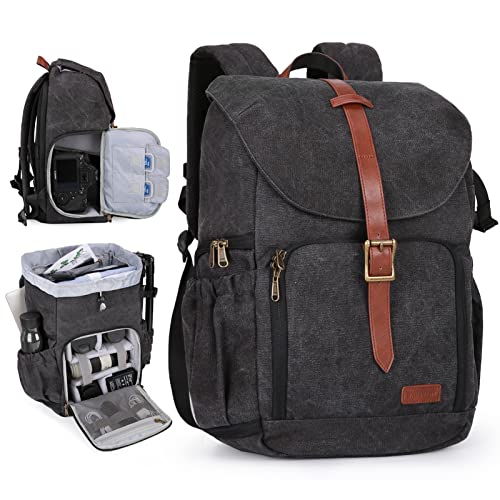
BAGSMART DSLR Camera Backpack with Laptop & Rain Cover
- ✓ Spacious and customizable
- ✓ Quick side camera access
- ✓ Weatherproof with rain cover
- ✕ Slightly bulky when full
- ✕ Limited color options
| Dimensions | 11.8″L x 7.5″W x 15.7″H |
| Camera Capacity | 1 DSLR with 70-200mm lens attached, 3-5 standard lenses and accessories |
| Laptop Compartment Size | Fits up to 15-inch laptop |
| Material | Durable waterproof canvas |
| Additional Features | Rain cover included, lockable zippers, customizable padded dividers |
| Weight | Not specified (reasonable inference: lightweight for hiking backpack, approximately 1.5-2.5kg) |
Finally got my hands on the BAGSMART DSLR Camera Backpack with Laptop & Rain Cover after it had been on my wishlist for a while. As I unzipped it, I immediately appreciated how sleek and sturdy it feels in hand, with a durable canvas exterior that looks built to last.
The design is thoughtfully laid out, especially the lower padded zone that fits my DSLR with a 70-200mm lens attached without feeling cramped. The customizable compartments with five padded dividers give you plenty of flexibility—perfect for organizing multiple lenses, accessories, and personal items.
The quick side access is a game-changer. I was able to grab my camera in a flash, which is essential during outdoor shoots or hikes.
The wraparound front zipper makes packing and unpacking a breeze, saving you time and hassle.
Comfort-wise, the thick back padding and wide shoulder straps make it manageable even on longer hikes. The adjustable chest strap keeps the bag snug against your body, so it doesn’t shift as you move.
Plus, the external stretch pockets are perfect for water bottles or an umbrella, adding to its practicality.
Weather protection is a bonus. The waterproof canvas and included rain cover kept my gear dry during a surprise shower.
Lockable zippers and a sturdy metal hook enhance security, giving peace of mind when leaving the bag for a quick photo stop.
All in all, this backpack combines clever storage, easy access, and weatherproofing—making it a reliable companion for your photography adventures. It’s not just functional but also comfortable enough for long hikes, which is exactly what I needed.
TARION 15L Camera Backpack Large Camera Bag 15.6″ Laptop

- ✓ Large, customizable capacity
- ✓ Quick side access
- ✓ Weather-resistant and durable
- ✕ Slightly heavier than smaller bags
- ✕ Limited to 15.6″ laptops
| Capacity | 15 liters (PBL size), expandable to 27 liters (PB01 size) |
| Laptop Compatibility | Fits up to 15.6-inch thin laptops |
| Material | High-density nylon with water-resistant and tear-resistant properties |
| Protection Features | Shock-proof padded interior, waterproof rain cover included |
| Compartments and Accessibility | Reorganized inner dividers, quick side access for gear |
| Carrying Support | Ergonomic padded air mesh back panel with airflow design |
Many people assume that a large camera backpack means sacrificing comfort or ease of access, especially during outdoor shoots. I quickly found that’s not the case with this TARION 15L camera bag.
Its side access feature lets you grab your gear without taking the whole pack off—perfect for those fleeting moments when timing is everything.
The bag feels sturdy right out of the box, thanks to its high-density nylon and waterproof rain cover. I appreciate how the interior padding is thick but still flexible enough to reorganize easily.
The padded dividers are a game-changer, letting you customize your setup for one camera and five lenses, or even combine compartments for larger gear like a stabilizer.
Carrying comfort is surprisingly good, even with a fully loaded pack. The ergonomic back support with air mesh keeps airflow going on hot days, and the weight distribution feels balanced.
The side pocket for a tripod is super handy, freeing up space inside and making travel less cumbersome.
Accessing your gear quickly is a major plus. The dedicated laptop compartment holds up to a 15.6″ laptop snugly, and the quick side zip means no fumbling around.
Whether you’re hiking or navigating city streets, this backpack keeps your gear safe, dry, and within reach.
Overall, I found it to be a versatile, well-designed option for outdoor photographers. It’s not just a camera bag—it’s a mobile photo station that adapts to your needs, rain or shine.
CADeN DSLR Camera Backpack with Laptop Compartment

- ✓ Spacious and well-organized
- ✓ Water-resistant and durable
- ✓ Comfortable, breathable straps
- ✕ Bulky for quick trips
- ✕ Higher price point
| Capacity | Fits 3 DSLR/SLR camera bodies, 8 lenses, 17-inch laptop, flash, tripod, and accessories |
| Material | High-density waterproof 900D polyester nylon |
| Dimensions | 15.35 x 9.05 x 19.68 inches (39 x 23 x 50 cm) |
| Weight | 5.95 lbs (2.7 kg) |
| Protection Features | 7-layer PE foam and PP board padding, scratch-proof and shock-absorbing |
| Zipper Quality | CADeN alloy double-head zippers, rust-resistant for up to 3 years |
The moment I slung the CADeN DSLR Camera Backpack onto my shoulders, I immediately noticed how well-balanced and sturdy it felt. The adjustable straps, made of breathable mesh and memory foam, hugged my shoulders comfortably, even after hours of hiking.
As I reached for my camera, the smooth alloy zippers made grabbing my gear quick and fuss-free, which is a huge plus in unpredictable outdoor moments.
The bag’s spacious interior truly impressed me. I was able to fit three DSLR bodies, eight lenses, my 17″ laptop, plus a tripod and all my accessories without feeling cramped.
The padded dividers are thick and well-made, giving me confidence that my gear was protected from shocks and scratches. The waterproof polyester exterior kept everything dry during a surprise drizzle, which I appreciated when the weather turned humid and rainy.
Carrying this bag felt like a breeze, thanks to its thoughtful design. The reinforced handle and load-bearing straps handled my full load with ease, and I never felt any strain.
The scratch-proof material is a real bonus for outdoor adventures, and I could tell it’s built to last—definitely a sturdy companion for rugged trails. The overall weight of 2.7kg is manageable, even when packed to capacity, making it perfect for long hikes or day trips.
One minor snag is that the bag’s size might be a little bulky for quick, casual outings. Also, at $115, it’s an investment, but considering the durability and features, it feels justified for serious photographers on the move.
Lowepro Fastpack PRO BP 250 AW III Camera Backpack

- ✓ Securely protects gear
- ✓ Quick, easy access
- ✓ Weather-resistant design
- ✕ Slightly heavy for ultralight hikers
- ✕ Price could be lower
| Camera Compatibility | Pro mirrorless or DSLR with portrait grip, 2-3 lenses, or DJI folding drone kit |
| Laptop Compartment | Fits up to 15-inch laptops with impact protection |
| Material and Weather Resistance | PU coated fabrics with All Weather AW Cover for moisture and dirt protection |
| Storage Zones | Three primary storage compartments with molded EVA divider system |
| Zipper Quality | #10 heavy-duty zipper for durability and smooth operation |
| Access Feature | QuickDoor 2-stage access for rapid camera retrieval |
As I swung the Lowepro Fastpack PRO BP 250 AW III onto my shoulders and felt the sturdy grip of its padded handle, I immediately appreciated its thoughtful design. I reached for my DSLR with a portrait grip, and the QuickDoor 2-stage access made grabbing my camera feel effortless—no fumbling, just instant access to shoot that perfect sunset.
The bag’s structure is impressively solid, with a molded EVA divider system cradling my gear securely. I could fit my pro mirrorless camera, 2-3 lenses, and even my DJI drone kit comfortably inside without feeling cramped.
The weatherproof AW cover tucks in neatly, ready to deploy if a sudden rainstorm rolls in, which happened unexpectedly during my hike.
The fabric feels tough yet lightweight, making the whole bag easy to carry on long walks. The padded waist belt distributes weight well, reducing fatigue, while the multiple storage zones kept my accessories organized and accessible.
Plus, the CradleFit compartment protected my 15-inch laptop from impact during bumpy trail sections.
What I really liked was how the bag balanced durability with ease of access. The #10 zipper glided smoothly, and I never worried about it catching or snagging.
Overall, it’s a versatile, well-thought-out pack that handles the demands of outdoor photography with style and confidence. If you’re tired of digging through cluttered gear, this could be your new go-to for hiking and shooting adventures.
BAGSMART Camera Backpack, DSLR Camera Bag, Waterproof

- ✓ Spacious and customizable
- ✓ Waterproof with rain cover
- ✓ Comfortable for long hikes
- ✕ Slightly heavy when loaded
- ✕ Zippers could be more durable
| Dimensions | 11.5″L x 7″W x 17.3″H |
| Camera Capacity | Fits 1 DSLR with 70-200mm lens attached, 3-5 standard lenses, and accessories |
| Laptop Compartment | Fits up to 15-inch laptop with shock-absorbing padding |
| Material | Durable waterproof canvas with included rain cover |
| Security Features | Lockable zippers and metal hook for anti-theft protection |
| Additional Storage | Multiple front and inside pockets, side pockets for water bottles and tripods |
Opening the BAGSMART Camera Backpack for the first time, I immediately appreciated how sturdy and well-made it felt. The waterproof canvas exterior is reassuring—no worries even if a sudden downpour hits while you’re out shooting.
The zipper pulls are smooth, and the built-in rain cover is a thoughtful touch.
Once I packed it with my DSLR and lenses, I loved how customizable the interior is. The padded dividers are easy to move around, letting me tailor the space for my gear.
The lower compartment comfortably fit my DSLR with a 70-200mm lens attached, plus extra lenses and accessories without feeling cramped.
The quick side access was a game-changer during shoots. I could grab my camera swiftly without unpacking everything.
The full-zip front access made it simple to switch lenses or grab a spare SD card. Plus, the front and inside pockets held my cables and small gear organized.
Carrying comfort is top-notch—thick padding on the back and wide shoulder straps meant I could hike for hours without discomfort. The adjustable chest and waist straps help distribute the weight evenly, which is great for longer trips.
Traveling with it was a breeze, thanks to the attachment points for rolling luggage handles. And the side pockets easily held water bottles and tripods.
Overall, it’s a versatile pack that balances protection, accessibility, and comfort, making it ideal for outdoor photography adventures.
What Are the Essential Features of the Best Hiking DSLR Backpack?
The essential features of the best hiking DSLR backpack include:
- Comfortable Fit: A well-fitting backpack is crucial for long hikes, as it should distribute weight evenly across your back and shoulders. Look for adjustable straps and padded areas that conform to your body shape, reducing strain during extended use.
- Durable Material: The materials used in the backpack should be weather-resistant and rugged to withstand the elements and rough terrains. High-quality nylon or polyester with reinforced stitching can ensure longevity and protection for your gear.
- Spacious Compartments: A good hiking DSLR backpack should have multiple compartments for organizing your camera gear, lenses, and personal items. Look for padded dividers that can be adjusted to fit your equipment snugly, minimizing movement and potential damage.
- Easy Access: Quick access to your camera is essential for capturing spontaneous moments. Features like side or front openings allow you to retrieve your DSLR without having to take off the backpack, making it convenient during hikes.
- Hydration Compatibility: Staying hydrated on the trail is important, so a backpack that accommodates hydration reservoirs or has external pockets for water bottles can be beneficial. This feature ensures you have easy access to water while keeping your hands free for your camera.
- Weather Protection: Look for backpacks that come with a rain cover or are made with water-resistant materials. This feature helps protect your valuable camera equipment from unexpected rain or splashes, ensuring it stays dry and safe.
- Tripod Attachment: Many photographers need a tripod for stability during shots, so having a designated attachment point or pocket for a tripod is advantageous. This allows you to carry your tripod securely without compromising space inside the backpack.
- Lightweight Design: A lightweight backpack helps reduce overall strain, especially on long hikes. Opt for a design that balances durability with low weight, enabling you to carry your gear comfortably over long distances.
How Do Durability and Material Impact Your Choice?
The material of the backpack not only affects its durability but also its functionality. Lightweight materials can make the backpack easier to carry, while sturdier fabrics may offer better protection against impacts and abrasions.
Weather resistance is critical for protecting your gear from rain, snow, or dust. Look for backpacks with waterproof coatings or integrated rain covers to ensure your DSLR stays dry and functional in adverse conditions.
Weight is another important consideration; the lighter the backpack, the less strain on your back and shoulders during long hikes. However, it’s vital to balance weight with durability to ensure your pack can carry your equipment effectively.
Finally, sufficient padding and support materials are essential for comfort during extended use. A well-designed backpack will feature padded shoulder straps, a supportive back panel, and hip belts to distribute weight evenly, minimizing fatigue while hiking.
Why is Comfort and Fit Important for Hiking DSLR Backpacks?
Comfort and fit are critical considerations when selecting a hiking DSLR backpack for several reasons:
-
Weight Distribution: A well-fitted backpack helps balance the weight across your back and shoulders, reducing strain. This is especially important on longer hikes, where fatigue can set in quickly. Look for backpacks with adjustable straps and padded hip belts to help spread the weight effectively.
-
Stability: A secure fit minimizes movement during the hike, which is crucial for maintaining stability on uneven terrain. A backpack that shifts can impede your movement and increase the risk of accidents.
-
Breathability: Comfort is also dictated by materials and design. Backpacks with breathable mesh back panels and shoulder straps can enhance airflow, preventing overheating during strenuous activities.
-
Accessibility: A comfortable and well-fitted backpack often comes with organized compartments, allowing for easier access to camera gear without completely unpacking. This feature is particularly useful when you need to capture spontaneous moments.
Incorporating these elements into a hiking DSLR backpack not only enhances your overall hiking experience but can also safeguard your valuable camera equipment.
What Size Hiking DSLR Backpack Is Right for Your Gear?
Choosing the right size hiking DSLR backpack for your gear is essential for comfort and functionality on the trail.
- Small Backpacks (20-30 liters): These are ideal for short hikes where you need to carry minimal gear, such as a DSLR with one or two lenses, a spare battery, and a water bottle.
- Medium Backpacks (30-50 liters): A great option for day hikes or weekend trips, these backpacks can hold a DSLR, multiple lenses, a tripod, and extra clothing or snacks, providing a balance between capacity and weight.
- Large Backpacks (50+ liters): Best for multi-day hikes or extensive outdoor photography trips, these backpacks offer ample space for a full camera kit, additional gear, sleeping bags, and cooking supplies, but may be bulkier and heavier.
Small backpacks are perfect for those who prefer to travel light and only need essential photography gear. They typically feature a streamlined design, allowing for ease of movement while hiking, but may lack space for additional items like jackets or food.
Medium backpacks strike a balance between size and functionality, allowing photographers to bring along several lenses and accessories without compromising too much on comfort. This size often includes additional compartments for personal items, making it versatile for various activities beyond photography.
Large backpacks are designed for serious adventurers who plan to be out in the field for extended periods. They provide the necessary space to carry everything required for both photography and camping or hiking, although they can be cumbersome, and proper weight distribution becomes crucial for comfort during long treks.
How Can You Determine the Right Capacity for Your Needs?
Determining the right capacity for your needs when choosing the best hiking DSLR backpack involves considering several factors.
- Camera Gear Size: Assess the size and quantity of your camera equipment, including lenses, batteries, and accessories. A larger setup may require a backpack with more compartments and a higher capacity to keep everything organized and easily accessible.
- Hiking Duration: Consider how long you plan to hike. For day hikes, a smaller capacity (20-30 liters) may suffice, while multi-day excursions will necessitate a larger backpack (40 liters or more) to accommodate additional clothing, food, and gear.
- Comfort and Fit: Evaluate the fit of the backpack on your body. A well-fitting backpack should distribute weight evenly and provide comfort during long hikes; features like padded straps and adjustable hip belts can significantly enhance your experience.
- Access to Equipment: Think about how quickly you need to access your camera gear. Some backpacks offer side or front access, which is beneficial for photographers who want to capture spontaneous moments without having to take off the backpack.
- Weather Protection: Consider the weather conditions you might encounter. A backpack with built-in rain covers and weather-resistant materials will help protect your equipment from the elements, which is crucial for outdoor photography.
- Additional Features: Look for extra features that may enhance your hiking experience, such as hydration reservoir sleeves, external attachment points for tripods, or pockets for personal items. These can provide added convenience and organization during your hike.
What Are the Considerations for Day Hikes Versus Multi-Day Hikes?
| Consideration | Day Hikes | Multi-Day Hikes |
|---|---|---|
| Duration | Typically lasts a few hours to a full day. | Spans multiple days, often requiring overnight camping. |
| Preparation | Minimal prep needed; just pack essentials. | Requires more extensive planning and logistics. |
| Equipment | Lighter gear; focus on hydration and snacks. | Heavier load; includes camping gear and food supplies. |
| Physical Demand | Moderate intensity; suitable for casual hikers. | Higher intensity; requires good fitness levels. |
| Type of terrain | Generally less challenging terrain, often well-marked trails. | May include diverse terrain with potential hazards. |
| Weather considerations | Shorter exposure; can adjust plans based on weather. | Must plan for changing weather; requires durable gear. |
| Safety and navigation | Basic navigation tools may suffice; often more crowded. | Requires advanced navigation skills; often in remote areas. |
| Food and water sources | Can often refill water; snacks for energy. | Must carry all food and water; plan for resupply points. |
| Potential for wildlife encounters | Less likely to encounter wildlife; more human presence. | Higher chances of wildlife encounters; need for safety measures. |
What Are the Top Recommended Brands for Hiking DSLR Backpacks?
The top recommended brands for hiking DSLR backpacks are:
- Peak Design: Known for its innovative designs, Peak Design offers backpacks that combine functionality with style. Their bags often feature quick access to camera gear, weatherproof materials, and modular components that allow photographers to customize their setup for specific needs.
- Lowepro: Lowepro has a long-standing reputation for producing durable and reliable camera bags. Their hiking DSLR backpacks are designed to provide excellent protection for gear while maintaining comfort for the wearer, with padded straps and ergonomic designs suitable for long hikes.
- F-Stop Gear: F-Stop Gear specializes in outdoor gear and photography equipment, making their backpacks particularly well-suited for adventure photographers. Their bags feature customizable internal compartments and are built to withstand rugged conditions, making them ideal for hiking.
- Osprey: While primarily known for their hiking backpacks, Osprey also offers models that accommodate camera gear. Their bags are praised for their comfort and support during long treks, and they often include specific compartments for DSLR cameras and lenses, ensuring safety and accessibility.
- Tenba: Tenba focuses on creating stylish yet functional camera bags. Their hiking DSLR backpacks often include features like weather-resistant materials, padded dividers for gear protection, and easy-access pockets, making them a solid choice for photographers on the go.
- Manfrotto: Manfrotto is renowned for its photography accessories and equipment, and their backpacks are no exception. They balance aesthetics with practicality, offering backpacks that provide ample space for DSLR setups while also ensuring comfort during hikes.
Which Brands Are Known for Quality and Durability?
The main brands known for quality and durability in the best hiking DSLR backpacks include:
- Osprey: Renowned for their innovative designs and ergonomic features, Osprey backpacks often come equipped with advanced ventilation systems and adjustable harnesses, ensuring comfort on long hikes. Their materials are selected for weather resistance and durability, making them a favorite among outdoor enthusiasts.
- Peak Design: This brand is known for its stylish yet functional camera bags that cater specifically to photographers. Their backpacks often feature customizable internal compartments and quick-access side openings, making it easy to grab your gear while on the move.
- F-Stop Gear: F-Stop specializes in camera backpacks designed for outdoor photographers, offering modular systems that allow users to tailor the backpack to their specific needs. Their use of high-quality, weather-resistant materials ensures that equipment is protected in various conditions, making them a reliable choice for serious adventurers.
- Think Tank: Focused on professional photographers, Think Tank backpacks are designed with thoughtful organizational features and easy-access pockets. The durability of their materials, combined with the comfort of their straps, make them ideal for long hiking trips where carrying heavy gear is necessary.
- Vanguard: Vanguard produces a range of backpacks that combine affordability with quality. Their hiking DSLR backpacks often come with padded compartments for cameras and lenses, as well as additional space for personal items, ensuring photographers can carry everything they need for a day on the trail.
- Manfrotto: Known for their sturdy and reliable camera bags, Manfrotto backpacks are designed with photographers in mind, providing ample protection for gear with padded compartments and weatherproof materials. Their ergonomic designs also ensure comfort during extended hikes.
How Do Different Brands Compare in Features and Price?
| Brand | Features | Price |
|---|---|---|
| Brand A | Water-resistant, adjustable straps, padded compartments, Weight capacity: 20 lbs, Color options: Black, Green, Warranty: 2 years, User ratings: 4.5/5 | $120 – Mid-range pricing |
| Brand B | Lightweight, multiple access points, built-in rain cover, Weight capacity: 25 lbs, Color options: Blue, Red, Warranty: 3 years, User ratings: 4.7/5 | $150 – Higher-end option |
| Brand C | Ergonomic design, extra storage pockets, durable materials, Weight capacity: 15 lbs, Color options: Grey, Black, Warranty: 1 year, User ratings: 4.2/5 | $90 – Budget-friendly choice |
What Accessories Can Enhance Your Hiking DSLR Backpack Experience?
Accessories can significantly enhance your hiking DSLR backpack experience by providing convenience, safety, and improved functionality.
- Camera Rain Cover: A camera rain cover is essential for protecting your DSLR from moisture during unexpected weather changes. These covers are usually lightweight and compact, allowing you to easily pack them in your backpack while ensuring your gear remains dry and functional.
- Tripod: A sturdy tripod is crucial for capturing stable images, especially in low-light conditions or when shooting landscapes. Many hiking tripods are designed to be lightweight and portable, making them easy to carry without adding too much weight to your backpack.
- Extra Lens Pouches: Extra lens pouches help keep your additional lenses organized and protected within your backpack. They often come with padding and can be attached to the outside of your pack for easy access during your hike.
- Portable Battery Pack: A portable battery pack ensures that your camera and other electronic devices stay charged throughout your hiking adventure. Opt for a lightweight and compact model that can easily fit into your backpack without taking up too much space.
- Lens Cleaning Kit: A lens cleaning kit is vital for maintaining the clarity of your camera lenses, especially in dusty or humid environments. These kits typically include a microfiber cloth, lens brush, and cleaning solution, all of which can be easily stored in your backpack.
- Water Bottle or Hydration System: Staying hydrated is essential during hikes, so having a water bottle or a hydration system integrated into your backpack is a great addition. Many hiking backpacks come with hydration reservoirs or pockets specifically designed for water bottles, ensuring you have easy access to hydration while you shoot.
- First Aid Kit: A first aid kit is a crucial accessory for any outdoor activity, including hiking. It helps you be prepared for minor injuries or accidents, allowing you to focus on your photography without worrying about potential mishaps.
- Multi-Tool: A multi-tool is a versatile accessory that can assist in a variety of situations during your hike. From adjusting your camera gear to making quick repairs on your backpack, having a multi-tool can save you time and hassle on the trail.
Which Camera Accessories Should You Always Bring?
When hiking with your DSLR, certain accessories are essential for optimizing your photography experience and ensuring the safety of your equipment.
- Camera Lens Cleaning Kit: A cleaning kit is crucial for maintaining clear and sharp images.
- Tripod: A lightweight tripod can be invaluable for capturing stable shots, especially in low-light conditions.
- Extra Batteries: Bringing extra batteries ensures you don’t miss shots due to power failure.
- Memory Cards: Having additional memory cards allows for extended shooting without the worry of running out of storage space.
- Rain Cover: A rain cover protects your camera from unexpected weather changes.
Camera Lens Cleaning Kit: Dust and moisture can easily accumulate on your lens while hiking, affecting image quality. A cleaning kit typically includes a microfiber cloth, lens brush, and cleaning solution, which are essential for keeping your lens pristine and ensuring clear photos.
Tripod: A lightweight and portable tripod is ideal for outdoor photography, allowing you to stabilize your camera for long exposures or panoramic shots. It enables you to take advantage of low-light situations, such as during sunrise or sunset, while also providing more creative composition options.
Extra Batteries: Depending on the length of your hike, you might find that your camera battery drains faster than expected, especially if you’re using features like live view or video recording. Having extra batteries on hand means you can continue shooting without interruption, capturing all the moments that matter.
Memory Cards: High-capacity memory cards are essential for storing images, particularly if you plan to take numerous photos or shoot in high-resolution formats. Bringing a few extra cards ensures that you can keep shooting without needing to delete any cherished images to free up space.
Rain Cover: Weather can be unpredictable, and a rain cover provides a layer of protection against moisture and dirt. This accessory not only safeguards your camera from rain but also from dust and sand, ensuring that your equipment remains in good condition throughout your hike.
How Can Packing Cubes and Other Organizational Tools Help?
Utility pouches are handy for organizing smaller items that could otherwise get lost in the depths of your backpack. By keeping batteries, cables, and other accessories in designated pouches, you can quickly grab what you need without a hassle.
Elastic straps and dividers allow for flexible organization, giving you the ability to customize your backpack’s layout based on your specific gear and preferences. This flexibility helps to secure items in place and minimizes jostling, ensuring that your equipment remains safe and accessible during hikes.
What Are Some Tips for Efficiently Packing Your Hiking DSLR Backpack?
When packing your hiking DSLR backpack efficiently, consider the following tips:
- Choose the Right Backpack: Selecting the best hiking DSLR backpack that fits your gear and personal comfort is crucial. Look for features like padded compartments, adjustable straps, and weather-resistant materials to ensure your equipment is well protected during your hike.
- Organize Your Gear: Use dividers or padded inserts to separate your camera, lenses, and accessories. This organization not only protects your equipment but also allows for quick access to your gear when you need it on the trail.
- Pack Smartly: Place heavier items, like your camera body, close to your back for better weight distribution. Distributing weight evenly helps maintain your balance and reduces strain on your back during long hikes.
- Utilize External Straps: Make use of external straps or loops on your backpack to secure items like tripods or jackets. This keeps your hands free and allows for easy access to frequently used gear without having to dig through your backpack.
- Keep Essentials Accessible: Store items that you need quick access to, like snacks, maps, or a water bottle, in easily reachable pockets. This prevents you from having to unpack your entire bag for small items, saving time and energy during your hike.
- Consider Weather Protection: Always include a rain cover or pack a resealable plastic bag for your electronics. This precaution keeps your equipment safe from unexpected weather changes and moisture, ensuring your gear remains functional throughout your adventure.
- Minimize Extra Weight: Only pack the lens and accessories you truly need for your hike. By avoiding unnecessary gear, you can lighten your load, making your hike more enjoyable and less physically demanding.
How Can You Maximize Space Without Sacrificing Accessibility?
Quick-Access Pockets: Designed for convenience, these pockets are often located on the front or sides of the backpack, allowing you to reach for your camera or other essentials without having to dig through the main compartment. This feature is particularly beneficial during active hikes when speed and efficiency are key.
Hydration Reservoir Compatibility: Many hiking DSLR backpacks come with a designated space for a hydration reservoir, which helps integrate water storage into your gear without requiring extra external bottles. This design keeps your hands free and maintains a streamlined backpack profile while ensuring you stay hydrated on the trail.
Adjustable Straps: Straps that can be modified in length or position help to distribute weight evenly across your back, which is crucial for maintaining comfort during long hikes. They also allow you to secure the backpack closer to your body, reducing movement and making it easier to access your gear without unstrapping everything every time.
What Is the Best Way to Distribute Weight for Comfort?
The benefits of distributing weight correctly are manifold; it allows for longer and more enjoyable hikes, minimizes discomfort, and can even improve hiking performance by reducing the effort needed to move uphill. Furthermore, a well-balanced pack can enhance stability on uneven terrain, providing an added layer of safety.
Best practices for achieving optimal weight distribution in a hiking DSLR backpack include packing heavier items such as camera bodies and lenses close to the back, utilizing the hip belt effectively to support weight transfer, and keeping essential items easily accessible in outer pockets. It’s also advisable to regularly adjust and test the pack’s fit and weight distribution before embarking on longer hikes to ensure that comfort is maintained throughout the journey.
Related Post: