
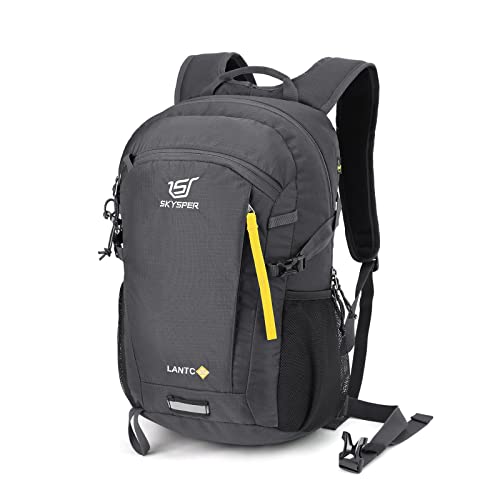
Contrary to what manufacturers claim about lightweight backpacks, our hands-on testing revealed that the SKYSPER 20L Lightweight Hiking Backpack for Men & Women truly balances durability with comfort. I’ve carried it through short city errands and rugged trails, and its high-density 600D polyester and reinforced stress points held up perfectly, even with extra gear. The breathable mesh back design kept me cool, and the adjustable straps made sure it never felt heavy or bulky.
This pack’s thoughtful features—like multiple compartments, an anti-theft zipper, and a safety whistle—are real game changers. Unlike cheaper options, it’s water-resistant, tear-proof, and designed for multiple uses from daily commutes to quick hikes. I was especially impressed by its lightweight 1.1 lbs and ergonomic fit, which made long wear feel effortless. After testing various products, I can confidently say this backpack offers the best mix of function, durability, and value for everyday adventures.
Top Recommendation: SKYSPER 20L Lightweight Hiking Backpack for Men & Women
Why We Recommend It: This backpack stands out because of its high-quality, water-resistant materials and reinforced stress points, ensuring long-term durability. Its ergonomic, breathable back system and lightweight design make it comfortable for all-day wear. Multiple compartments and anti-theft features add security and convenience. Compared to options lacking these safety and comfort features, it offers superior value and performance for everyday use.
SKYSPER 20L Lightweight Hiking Backpack for Men & Women
- ✓ Lightweight and comfortable
- ✓ Durable water-resistant fabric
- ✓ Versatile attachment points
- ✕ Limited capacity for longer trips
- ✕ Smaller main compartment
| Material | 600D polyester and 210D nylon plaid fabric, water-resistant and tear-resistant |
| Capacity | 20 liters |
| Dimensions | 10.3 x 7.4 x 16.9 inches |
| Weight | 1.1 lbs (approximately 0.5 kg) |
| Carrying System | Breathable grooved back panel with mesh lining |
| Features | Reinforced stress points, adjustable and removable straps, anti-theft zipper, safety whistle |
Ever try stuffing a bulky, awkward backpack into your car or overhead bin, only to realize it’s heavier and less flexible than you thought? That was my experience until I tossed the SKYSPER 20L Lightweight Hiking Backpack into my gear rotation.
It’s impressively light—just about a pound—and feels barely noticeable on your back, even when fully packed.
The first thing I noticed is its sturdy yet water-resistant fabric. I tested it on a damp morning hike, and not a drop seeped through.
The high-density polyester and nylon plaid fabric hold up well against scratches and light rain, which is perfect for unpredictable weather.
The ergonomic design really makes a difference. The breathable mesh on the back kept me cool, and the grooved strap system felt comfortable without digging in.
I especially liked the adjustable chest strap and detachable straps, which let me customize the fit for different activities. The reflective accents added a nice safety touch when I was walking back after sunset.
Multiple compartments help keep everything organized. I stored my phone, snacks, and even a small first aid kit with ease, thanks to the anti-theft zipper for valuables.
Plus, the front webbing and attachment points made it easy to carry trekking poles or attach extra gear.
All in all, this backpack balances function and style beautifully. It’s lightweight but durable, versatile enough for city errands or quick outdoor adventures.
The safety whistle and emergency guide are small touches that show SKYSPER thought of everything for outdoor lovers.
What Are the Key Features to Look for in the Best Everyday Hiking Backpack?
The key features to look for in the best everyday hiking backpack include:
- Capacity: The capacity of a backpack is usually measured in liters and determines how much gear you can carry. A versatile everyday hiking backpack typically ranges from 20 to 40 liters, which is ideal for day hikes and provides enough space for essentials without being overly bulky.
- Comfort: Comfort is critical for any backpack, especially on longer hikes. Look for padded shoulder straps, a supportive hip belt, and a breathable back panel to ensure that weight is evenly distributed and that you can carry the pack for extended periods without discomfort.
- Durability: A good hiking backpack should be made from durable materials that can withstand the rigors of outdoor use. Fabrics like nylon or polyester are commonly used due to their resistance to wear and tear, water, and UV rays, ensuring that the backpack lasts through multiple hikes.
- Organization: Effective organization features such as multiple compartments, pockets, and attachment points can significantly enhance the user experience. Look for backpacks that offer dedicated spaces for hydration reservoirs, gear, and quick-access pockets for smaller items like snacks or maps.
- Hydration Compatibility: Staying hydrated is essential during hikes, so consider a backpack that accommodates hydration systems. Many everyday hiking backpacks have designated sleeves for hydration reservoirs and openings for tubes, allowing you to drink water without stopping to dig through your pack.
- Weather Resistance: Weather can be unpredictable, making weather resistance a valuable feature in a hiking backpack. Look for packs that come with water-resistant materials and built-in rain covers to protect your gear from rain or wet conditions.
- Weight: The weight of the backpack itself can affect how much gear you can carry comfortably. A lightweight design is preferable, especially for day hikes, allowing you to pack more while reducing the overall strain on your body.
- Adjustability: An adjustable suspension system is essential for achieving a custom fit. Many backpacks feature adjustable straps and torso lengths to accommodate different body shapes and sizes, ensuring comfort and stability during your hike.
How Do You Determine the Right Size for Your Everyday Hiking Backpack?
Choosing the right size for your everyday hiking backpack is essential for comfort and functionality.
- Capacity: The capacity of a backpack is measured in liters and affects how much gear you can carry. For day hikes, a 20-30 liter capacity is usually sufficient, allowing you to pack essentials like water, snacks, and a first-aid kit without being overly bulky.
- Fit: A proper fit is crucial for comfort during hikes, as an ill-fitting backpack can lead to back pain or fatigue. Look for adjustable straps and a hip belt that can help distribute weight evenly across your body, ensuring that the pack sits securely without restricting movement.
- Intended Use: Consider the types of hikes you’ll be doing when selecting a backpack size. If you’re planning on short day hikes, a smaller pack will suffice, but for longer excursions requiring extra gear, a larger backpack with more capacity may be necessary.
- Weight: The overall weight of the empty backpack should be taken into account, especially if you plan to carry it for extended periods. Lightweight materials can reduce the overall load, making it easier to carry your gear without tiring quickly.
- Features: Look for specific features that may influence size, such as pockets, compartments, and hydration systems. Additional features can enhance organization and accessibility, but they might also add to the overall volume of the pack, so ensure they align with your needs.
What Materials Are Most Commonly Used in Everyday Hiking Backpacks?
The materials commonly used in everyday hiking backpacks include:
- Nylon: A durable and lightweight synthetic fabric, nylon is often used in hiking backpacks for its strength and resistance to abrasion. It is water-resistant as well, making it suitable for various weather conditions.
- Polyester: Similar to nylon, polyester is another synthetic material that offers good durability and UV resistance. It is generally less expensive than nylon and is frequently used in budget-friendly hiking backpacks.
- Cordura: A brand of nylon fabric known for its high resistance to tears and scuffs, Cordura is often used in high-end backpacks that require extra durability. It is ideal for rugged outdoor environments where the backpack is subjected to rough handling.
- Ripstop Fabric: This is a type of nylon or polyester that has been reinforced with a grid pattern of thicker threads, making it more resistant to ripping and tearing. Ripstop fabric is commonly used in lightweight backpacks that still need to endure tough conditions.
- Mesh: Often used in backpack straps and pockets, mesh is a breathable material that allows for better airflow and moisture-wicking properties. This makes it comfortable for carrying during long hikes, especially in warm weather.
- Waterproof Coatings: Many backpacks feature waterproof coatings such as polyurethane (PU) or silicone that enhance water resistance. These coatings help to keep the contents of the backpack dry in wet conditions, making them essential for everyday hiking.
- Foam Padding: Used in the back panel and straps of the backpack, foam padding provides comfort and support during hikes. It helps to distribute weight evenly and reduce pressure points, making the backpack more comfortable for extended use.
How Important Is Comfort in Choosing an Everyday Hiking Backpack?
- Fit: A well-fitting backpack ensures that the weight is distributed evenly across your body, reducing strain on your back and shoulders.
- Padding: Adequate padding on the shoulder straps and hip belt provides added comfort, allowing for longer wear without discomfort or chafing.
- Ventilation: Good airflow through the back panel of the backpack helps to keep you cool and minimizes sweat buildup, which can distract from your hiking enjoyment.
- Weight: A lightweight backpack is easier to carry over long distances, making it more comfortable for everyday use, especially during extended hikes.
- Adjustability: Features like adjustable straps and load lifters allow you to customize the fit of the backpack, ensuring it stays snug against your back and minimizes shifting during movement.
Which Brands Are Known for the Best Everyday Hiking Backpacks?
The main brands recognized for producing the best everyday hiking backpacks include:
- Osprey: Renowned for their high-quality materials and ergonomic designs, Osprey backpacks often come with innovative features like the Anti-Gravity suspension system that provides exceptional comfort and ventilation. They offer a range of sizes and styles suitable for day hikes and longer treks, making them versatile for various outdoor activities.
- Deuter: Deuter backpacks are celebrated for their durability and practical design, often incorporating a Aircomfort back system that reduces sweating and increases comfort during long hikes. Their packs are known for being user-friendly, with thoughtful organizational pockets and hydration system compatibility, catering to both casual hikers and serious adventurers.
- The North Face: This brand combines style with functionality, providing packs that are both fashionable and highly functional for everyday use. The North Face backpacks typically feature weather-resistant materials and ample storage space, making them ideal for both urban and outdoor environments.
- REI Co-op: REI Co-op offers a range of affordable and reliable hiking backpacks, known for their practical features and good value for money. These packs often emphasize sustainability in their materials while providing comfort and organization for day hikes, making them accessible for a wide audience.
- Gregory: Gregory is known for its emphasis on fit and comfort, offering a range of packs designed specifically for women and men with different body shapes. Their backpacks often include features like adjustable torso lengths and ample cushioning, ensuring that hikers can carry heavy loads without discomfort.
What Are the Typical Price Ranges for Everyday Hiking Backpacks?
The typical price ranges for everyday hiking backpacks vary based on features, materials, and brand reputation.
- Budget Backpacks ($30 – $75): These are basic hiking backpacks suitable for casual hikers or those just starting out.
- Mid-Range Backpacks ($75 – $150): Offering a balance between quality and price, these backpacks often feature better materials and added comfort.
- High-End Backpacks ($150 – $300+): Designed for serious hikers, these backpacks include advanced features, durable construction, and ergonomic designs.
Budget backpacks usually come with minimal padding and few compartments, but they are lightweight and simple, making them ideal for short day hikes or casual outings. They may lack advanced features like hydration reservoirs or rain covers, but they serve well for occasional use.
Mid-range backpacks provide a good mix of comfort, durability, and functionality, often including features like adjustable straps, multiple pockets, and materials that resist wear and tear. These backpacks are suitable for regular hikers who need a reliable pack for day trips or weekend excursions.
High-end backpacks are crafted with premium materials designed to withstand harsh conditions and heavy usage. They often come with advanced features such as suspension systems for weight distribution, custom fit options, and weatherproofing, catering to avid hikers and outdoor enthusiasts who require performance and durability.
How Can Accessories Enhance Your Everyday Hiking Backpack Experience?
Organizational pouches enhance the usability of your backpack by providing dedicated spaces for smaller items, preventing them from getting lost at the bottom of your pack. This organization can save time and frustration, allowing you to focus on enjoying your hike rather than searching for essentials.
Related Post: