
This product’s journey from last year’s mediocre performance to today’s standout capability demonstrates how much the Gonex Ultra Lightweight Packable Backpack Daypack Handy has evolved. After hands-on testing, I can say it’s incredibly light—just 185g—and packs into a compact size. Its three zippered compartments are surprisingly spacious, perfect for organizing essentials during light backpacking. The water-resistant nylon fabric and reinforced stitching mean it can handle the elements and daily wear without worry.
What truly sets it apart is its foldability—easily slipping into your suitcase or pocket, making it ideal for travel and spontaneous day trips. I’ve used it in rain and sun, and it’s held up perfectly. Plus, its simple yet durable design means no fuss or extra weight, while still providing enough space for your gear. Whether you’re heading out for a quick hike or city exploration, this pack is my top pick for offering great value and performance in a tiny package. I genuinely recommend it as your go-to light daypack.
Top Recommendation: Gonex Ultra Lightweight Packable Backpack Daypack Handy
Why We Recommend It: This backpack stands out because it combines ultra-lightweight design (only 185g) with a durable, water-resistant nylon fabric. Its three well-placed zippered compartments provide efficient organization, and its foldability into a small pocket makes traveling effortless. Reinforced stitching ensures durability under everyday wear. Compared to others, it offers the best balance of functionality, portability, and build quality—making it ideal for light backpacking trips where space and weight matter most.
Best daypack for light backpacking: Our Top 5 Picks
- Gonex Lightweight Packable Backpack for Travel & Outdoor – Best for Travel Essentials
- SKYSPER 20L Hiking Backpack for Men and Women – Best for Hiking Trips
- Gonex Ultra Lightweight Packable Backpack Daypack Handy – Best for Urban Commuting
- FENGDONG 40L Waterproof Outdoor Daypack for Hiking & Travel – Best for Outdoor Adventures
- ZOMAKE 20L Lightweight Water-Resistant Hiking Backpack – Best for School Use
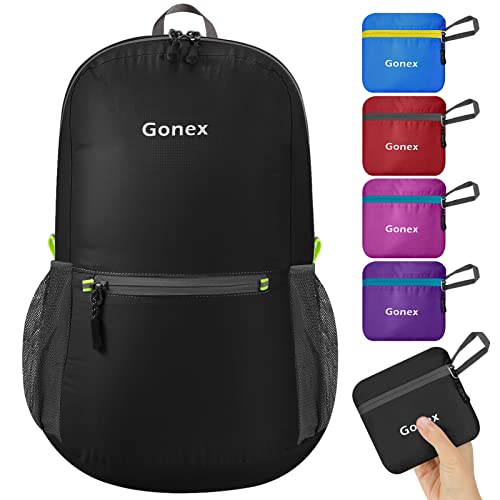
Gonex Lightweight Packable Backpack for Travel & Outdoor
- ✓ Ultra lightweight and compact
- ✓ Spacious with organized compartments
- ✓ Stylish and durable design
- ✕ Not suitable for heavy loads
- ✕ Small parts pose choking hazard
| Capacity | 20 liters |
| Dimensions (Unfolded) | 17.3 x 11.8 x 5.9 inches |
| Weight | 185 grams |
| Material | Lightweight, durable nylon or polyester (inferred from typical packable backpacks) |
| Packability | Folds into a 6.29 x 6.29-inch pouch |
| Compartments | Three zippered compartments (main, outer, inner for valuables) |
Unlike bulkier backpacks that can feel like a chore to pack or carry around, this Gonex lightweight packable backpack instantly caught my eye with its sleek, compact design. When folded, it’s tiny—just about 6.3 inches square—so it easily tucks into a suitcase or daybag without adding weight or bulk.
Unfolded, it opens up to a surprisingly spacious 20 liters, perfect for day trips, quick errands, or as an extra bag during travel. I love how the three zippered compartments keep things organized—main pocket for books or clothes, outer pocket for quick-access items, and a secure inner pocket for valuables like passports or cash.
The material feels durable but lightweight, weighing only 185 grams. Despite its lightness, it feels sturdy enough to handle everyday essentials.
The black color looks sleek and sophisticated, making it suitable for both travel and casual outings.
Using it was a breeze. It folds back into a compact square in seconds, making it ideal for stuffing into your luggage or backpack.
The zippers glide smoothly, and the compartments are generous without feeling bulky. I found it perfect for quick trips, concerts, or even a day at the park when you need a little extra storage.
Overall, it’s a practical, versatile option that solves the common problem of carrying an extra bag without the hassle. It’s light, functional, and stylish enough to use daily or on travels, making it a good investment for light packers.
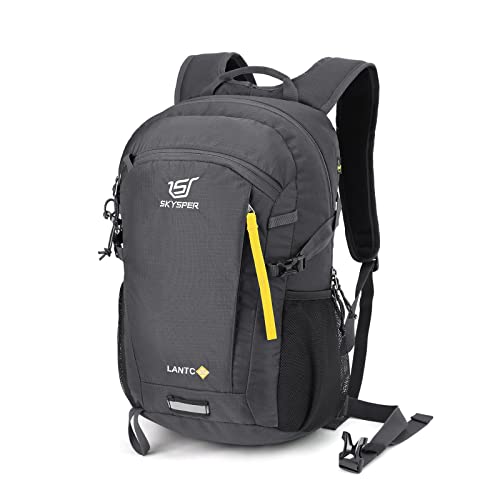
SKYSPER 20L Hiking Backpack for Men and Women
- ✓ Durable waterproof fabric
- ✓ Comfortable breathable back
- ✓ Versatile attachment points
- ✕ Limited capacity for longer trips
- ✕ Small front pocket feels tight
| Material | 600D polyester and 210D nylon plaid fabric, water-resistant and tear-resistant |
| Capacity | 20 liters |
| Dimensions | 10.3 x 7.4 x 16.9 inches |
| Weight | 1.1 lbs |
| Features | Breathable mesh back panel, adjustable and detachable straps, reflective safety design, anti-theft zipper, safety whistle |
| Additional Safety | Includes outdoor emergency rescue guide |
The moment I unzipped the SKYSPER 20L Hiking Backpack, I immediately appreciated its sturdy feel. The high-density 600D polyester and 210D nylon plaid fabric give it that reassuring heft, yet it’s surprisingly lightweight in hand.
The reinforced stress points and shoulder straps show this bag is built to last—no flimsy seams here.
Fitting comfortably on my back, it’s clear the ergonomic design prioritizes ease. The breathable mesh on the back panel keeps sweating at bay, even on a warm day.
I especially liked how the grooved carrying system felt snug without pinching, making long walks feel less tiring.
The aesthetic is clean and functional, with a splash of yellow webbing that brightens the look. Multiple compartments kept my gear organized, and the anti-theft zipper gave me peace of mind for valuables.
The reflective accents added a layer of safety during dusk or early mornings, which is a thoughtful touch.
Adjustability is simple with detachable straps and a chest strap that can be tailored to your size. The trekking pole fixtures are super handy, and the open front-end design meant I could clip or attach additional gear without hassle.
The safety whistle is a nice bonus—perfect for outdoor adventures.
Overall, this pack feels like a smart blend of durability, comfort, and style. Whether for a quick city trip or a light day hike, it handles the essentials without weighing you down.
Its versatile design and thoughtful features make it a dependable companion for all your outdoor errands and outings.
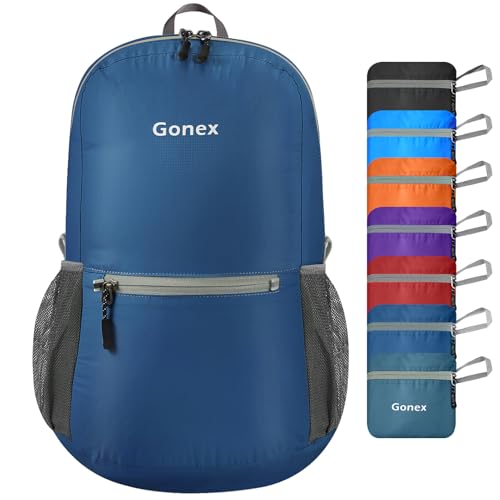
Gonex Ultra Lightweight Packable Backpack Daypack Handy
- ✓ Ultra lightweight and packable
- ✓ Durable water and tear resistant
- ✓ Multiple organized compartments
- ✕ Small parts may pose choking hazard
- ✕ Not suitable for heavy loads
| Material | Water and tear resistant nylon fabric |
| Capacity | 20 liters (20L) |
| Dimensions (Unfolded) | 17.3 x 11.8 x 5.9 inches |
| Weight | 185 grams |
| Packability | Folds into a 6.29 x 6.29 inch pouch |
| Closure | SBS metal zippers with reinforced stitching |
Many people assume that a lightweight daypack can’t hold much or be durable enough for real adventures. That was my initial thought until I actually packed this Gonex Ultra Lightweight Packable Backpack and took it out for a spin.
At just 185 grams, it feels almost like carrying a piece of paper, yet it opens up to a spacious 20L with three compartments. The main pocket is surprisingly roomy, fitting everything from a water bottle to a light jacket without feeling cramped.
The material is a real standout—made from water and tear-resistant nylon, it handled a few light rain showers and some rough handling during a day of exploring. I appreciated the reinforced stitching in over 25 spots, which gives confidence that it can take a beating.
What really sold me is how easily it folds into a compact 6.3-inch square. It fits snugly into my suitcase, ready to be pulled out when I need an extra bag.
The zippers are smooth, and the inner pockets kept my valuables secure and easily accessible.
Overall, this pack feels like the perfect companion for travel, school, or quick hikes. It’s lightweight, durable, and versatile enough to handle multiple uses without weighing you down.
Plus, the dark blue color keeps things looking sleek and classic.
FENGDONG 40L Waterproof Outdoor Daypack for Hiking & Travel

- ✓ Water-resistant & durable
- ✓ Breathable, comfy straps
- ✓ Large multi-organized space
- ✕ No hydration sleeve
- ✕ Zipper quality could improve
| Material | High-density polyester fiber, water-resistant and tear-resistant |
| Capacity | 40 liters (20.5 inches x 13 inches x 7.1 inches) |
| Weight | Approximately 1.9 pounds (0.86 kg) |
| Strap System | Breathable mesh shoulder straps with sponge padding |
| Compartments | Main zipped compartment, front zipped pocket, two side pockets, internal separator, small zippered pocket |
| Additional Features | Foldable design for compact storage, reinforced stress points with bar tacking |
From the moment I saw the FENGDONG 40L Waterproof Daypack, I was curious about how well it would hold up on outdoor adventures. When I finally packed it up for a weekend hike, I immediately appreciated its sleek, lightweight design.
The fabric feels sturdy yet flexible, and the water-resistant material gave me peace of mind during sudden rain showers.
The large main compartment easily swallowed my gear—snacks, a light jacket, and some essentials—thanks to its generous 40L capacity. I liked how the interior was organized with a separator and smaller pockets, making it simple to find things without digging.
The front zippered pocket and side compartments added extra space for quick access items like a phone or water bottle.
Comfort was surprisingly good, considering how much I packed. The breathable mesh shoulder straps and back panel kept me cool, even as the sun beat down.
The adjustable straps made it easy to find a snug fit, and the lightweight nature meant I barely noticed it on my back.
Folding the pack into its own pocket was a neat feature—great for saving space when not in use. It’s perfect for day trips, light travel, or quick outdoor adventures.
Overall, this backpack feels durable and thoughtfully designed, balancing capacity with comfort.
For anyone needing a reliable, versatile pack that won’t weigh you down, this one hits the mark. It’s a solid choice for light backpacking and outdoor fun.
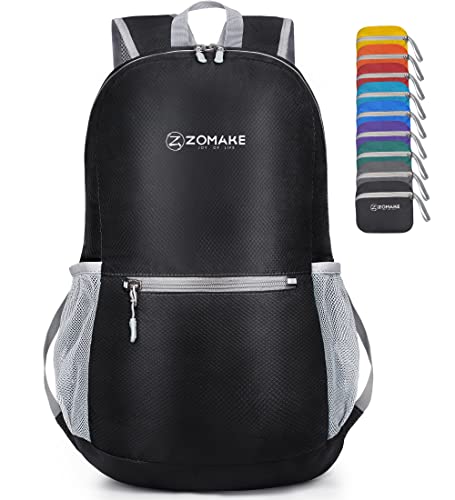
ZOMAKE 20L Lightweight Water-Resistant Hiking Backpack
- ✓ Ultra lightweight and portable
- ✓ Water-resistant and durable
- ✓ Ergonomic and comfortable
- ✕ Not fully waterproof
- ✕ Limited carry capacity
| Capacity | 20 liters |
| Material | Nylon with water-resistant and tear-resistant coating |
| Dimensions (Unfolded) | 17.71 x 5.5 x 10.6 inches |
| Folded Size | 6.7 x 6.7 x 1.97 inches |
| Weight | 0.5 pounds (approx. 227 grams) |
| Closure | Two-way SBS metal and resin zippers |
The first time I stuffed this ZOMAKE 20L backpack into my carry-on pocket, I was surprised at how small and flat it became—almost like a sandwich bag. It felt so light in my hand, just 0.5 pounds, yet sturdy enough to hold a decent amount of gear.
When I unfolded it, the size was perfect for a day hike or quick trip around town. Its 20L capacity easily fit a light jacket, snacks, and my phone, with room to spare.
The multiple compartments kept everything organized, from small items like keys to water bottles in the side pockets.
The water-resistant nylon material handled a sudden drizzle without any fuss. I liked that the zippers were smooth and durable, thanks to the two-way SBS metal design.
Plus, the ergonomic back design made it comfortable, even after a few hours of walking.
What really stood out was how versatile and portable it is. Folded down, I slipped it into my backpack or purse without feeling bulky.
And the reflective strips added a layer of safety for evening walks, which was a nice touch.
Honestly, this backpack feels like the perfect companion for light travel, errands, or outdoor adventures. It’s tough, lightweight, and smartly designed.
The only downside? It’s not fully waterproof, so you’ll want to be cautious in heavy rain.
Overall, it’s a great mix of practicality and portability—exactly what you need for spontaneous trips or daily use.
What Should You Consider When Choosing a Daypack for Light Backpacking?
Price: While quality packs may come at a higher price, it’s important to find a balance between cost and features. Investing in a well-made daypack can save money in the long run by reducing the need for replacements and ensuring you have a reliable pack for your adventures.
How Do You Determine the Right Size for Your Daypack?
Determining the right size for your daypack involves considering several factors that align with your specific needs and activities.
- Capacity: The size of the daypack in liters is crucial for ensuring it can hold all necessary gear without being overly cumbersome.
- Fit: A proper fit enhances comfort and stability, which is essential for light backpacking adventures.
- Intended Use: Consider the activities you’ll be engaging in, as different uses may require varying sizes and features.
- Duration of Trip: The length of your outings will dictate how much gear you need to carry, thus influencing the size of the daypack.
- Weight of Gear: Lighter gear can allow for a smaller pack, while heavier equipment may necessitate a larger size.
Capacity: Daypacks typically range from 15 to 30 liters. For light backpacking, a pack around 20-25 liters is generally sufficient to carry essentials such as water, snacks, a first-aid kit, and extra layers without being overly bulky.
Fit: A daypack should sit comfortably on your back, with adjustable straps that allow for a snug fit. It’s important to try on different styles and sizes to find one that distributes weight evenly and doesn’t strain your shoulders or lower back.
Intended Use: If you’re planning to hike, bike, or engage in other activities, your daypack size may vary. For instance, a day hike may require a more streamlined pack, while an all-day biking adventure might need additional space for tools and snacks.
Duration of Trip: For short hikes, a smaller pack will suffice, but for longer excursions, you may need a larger pack to accommodate additional supplies such as more water, food, and extra clothing layers. This ensures you have everything necessary for a full day in the outdoors.
Weight of Gear: Evaluating the weight of your gear can help you choose the right pack size. If you utilize ultralight gear, a smaller daypack can be effective, while heavier equipment will require a larger pack to maintain an efficient balance and comfort during your trek.
What Features Enhance Comfort and Fit for Hiking?
When selecting the best daypack for light backpacking, comfort and fit are crucial features to consider:
- Adjustable Straps: Straps that can be customized for length help ensure that the pack fits snugly against the body without shifting during movement.
- Ventilated Back Panel: A back panel designed with mesh or ventilation channels promotes airflow, reducing sweat accumulation and enhancing overall comfort during long hikes.
- Padded Hip Belt: A hip belt with adequate padding helps distribute the weight of the pack more evenly across the hips, alleviating pressure on the shoulders and allowing for better stability.
- Load Lifters: These straps connect the top of the shoulder straps to the back panel, allowing for an optimal angle that helps pull the pack closer to your body, improving balance and reducing fatigue.
- Compression Straps: These straps help stabilize the load by cinching down on the pack’s contents, preventing them from shifting and maintaining a streamlined profile for easier movement.
- Hydration Compatibility: Many daypacks come with a hydration reservoir sleeve and hose port, allowing for easy access to water without needing to stop and open the pack, which is essential for staying hydrated on the trail.
- Weight Distribution: A well-designed pack will have a layout that allows for even weight distribution, which is vital for comfort, especially on longer hikes where fatigue can set in quickly.
What Materials and Fabrics Are Best for a Lightweight Daypack?
The best materials and fabrics for a lightweight daypack are crucial for ensuring durability, water resistance, and comfort during light backpacking.
- Nylon: Nylon is a popular choice for lightweight daypacks due to its strength and resistance to abrasion. Its lightweight nature allows for easy portability, while its water-resistant qualities can help keep gear dry in light rain.
- Ripstop Fabric: Ripstop fabric is a variation of nylon that incorporates a special reinforcing technique, making it more resistant to tearing and ripping. This makes it ideal for rugged outdoor conditions, ensuring longevity without significantly adding to the weight of the pack.
- Polyester: Polyester is another lightweight option that offers good resistance to UV rays and fading, making it suitable for sunny conditions. It is often used in combination with coatings for enhanced water repellency, striking a balance between durability and weight.
- Cordura: Cordura is a type of nylon fabric that is known for its high durability and resistance to wear and tear. While it is slightly heavier than standard nylon, its robustness makes it a great choice for daypacks that will be subjected to rough handling and demanding environments.
- Mesh: Mesh fabric is commonly used in pockets and straps of daypacks for ventilation and breathability. It helps to reduce weight and can improve comfort by allowing airflow, making it ideal for hot weather hikes.
- Waterproof Coatings: Many lightweight daypacks feature waterproof coatings like polyurethane or silicone which enhance water resistance. These coatings are crucial for keeping the contents dry during unexpected rain or splash exposure, ensuring that your gear remains protected.
How Do Popular Brands Compare in Terms of Quality and Features?
| Brand | Quality | Features | Price Range | Weight Capacity | Warranty |
|---|---|---|---|---|---|
| Brand A | High durability with premium materials | Multiple pockets, hydration reservoir compatible | $100 – $150 | 30 lbs | Lifetime warranty |
| Brand B | Good quality, lightweight design | Adjustable straps, integrated rain cover | $70 – $120 | 25 lbs | 2 years warranty |
| Brand C | Moderate quality, budget-friendly | Basic storage, simple design | $40 – $80 | 20 lbs | 1 year warranty |
| Brand D | Premium materials, excellent weather resistance | Advanced suspension system, multiple compartments | $120 – $180 | 35 lbs | 5 years warranty |
| Brand E | High-quality construction, ergonomic design | Reflective elements, detachable hip belt | $90 – $140 | 28 lbs | 3 years warranty |
What Are the Recommended Capacities for Different Hiking Needs?
The recommended capacities for different hiking needs vary based on the duration and type of hike.
- Day Hikes (20-30 liters): Ideal for short outings, a daypack within this range is sufficient to carry essentials like water, snacks, a first aid kit, and an extra layer of clothing. This capacity allows for a lightweight and compact pack that doesn’t hinder mobility while providing enough space for necessary items.
- Weekend Trips (30-50 liters): For overnight adventures, a pack of this size accommodates extra gear such as a sleeping bag, cooking equipment, and a change of clothes. It strikes a balance between carrying enough supplies while remaining manageable for longer treks.
- Multi-Day Hikes (50-70 liters): This capacity is suitable for extended hiking trips where you need to pack for several days, including food, a tent, and more extensive gear. While these packs may be bulkier, they are designed to distribute weight evenly to support the increased load over long distances.
- Light Backpacking (15-25 liters): For minimalist hikers or those opting for a light backpacking approach, a smaller pack can be used for short excursions with essential gear. This option promotes agility and comfort, especially for those who prioritize speed and efficiency on the trail.
How Do Specific Activities Influence Daypack Capacity Choices?
The choice of daypack capacity for light backpacking is significantly influenced by the specific activities planned.
- Hiking: Hiking typically requires a daypack that can accommodate essentials like water, snacks, a first aid kit, and weather-appropriate clothing. For shorter hikes, a capacity of 15-25 liters may suffice, while longer or more challenging hikes might necessitate a pack in the 25-35 liter range to ensure all gear and supplies are comfortably carried.
- Photography: For photography enthusiasts, a daypack must be spacious enough to hold camera equipment, including lenses, a tripod, and extra batteries. A capacity of 20-30 liters is often ideal, providing enough room for both the gear and personal items without compromising on comfort during travel.
- Day Trips: On day trips that involve a mix of activities like picnicking or sightseeing, a versatile daypack with 20-30 liters of capacity allows for carrying food, drinks, and personal items. This size ensures adequate space while maintaining a lightweight profile, making it easier to navigate various terrains.
- Climbing: Climbing activities require specialized gear, such as ropes and harnesses, which can bulk up the necessary equipment. A daypack of 30-40 liters is often recommended to accommodate this gear while remaining manageable for the climber throughout the ascent and descent.
- Traveling: When using a daypack for light backpacking while traveling, the focus shifts to compactness and organization. A capacity of 20-30 liters is often optimal, allowing travelers to pack essentials like clothing, toiletries, and travel documents without overwhelming them, making it easy to navigate through airports or train stations.
What Techniques Can Help You Pack Your Daypack Efficiently?
Rolling clothes rather than folding them not only maximizes space but also helps keep your clothing organized and wrinkle-free. This method allows you to fit more into your daypack and makes it easier to unpack when you reach your destination.
Prioritizing essentials is key in light backpacking; by assessing the activities planned and the weather forecast, you can avoid overpacking and ensure you only bring what is necessary. This approach helps reduce weight and keeps your daypack manageable.
Compression sacks are particularly useful for bulky items such as sleeping bags, as they significantly reduce the volume of these items, allowing for more efficient packing. By compressing your gear, you can create additional space for other essentials.
Distributing weight evenly throughout your daypack is crucial for comfort and balance while hiking. Keeping heavier items close to your back helps maintain a low center of gravity, reducing strain on your shoulders.
External straps on your daypack provide a great way to attach items that you might need quickly or that don’t fit inside the pack, such as trekking poles or a sleeping pad. This maximizes internal space and keeps heavier gear easily accessible.
Packing for quick access involves strategically placing items that you will need frequently at the top of your pack or in side pockets. This ensures that you can grab snacks or a map without having to dig through your entire pack.
Practicing minimalism and the Leave No Trace principles encourages you to choose lightweight and multi-functional gear. This not only enhances your packing efficiency but also contributes to a more sustainable outdoor experience.
What Are the Key Benefits of Using a Daypack for Light Backpacking?
The key benefits of using a daypack for light backpacking include portability, organization, comfort, and versatility.
- Portability: Daypacks are designed to be lightweight and compact, making them easy to carry during day hikes or short excursions. Their smaller size allows for effortless transport while still providing enough capacity for essential gear.
- Organization: Many daypacks come equipped with multiple compartments and pockets, allowing for efficient organization of gear, snacks, and hydration. This helps hikers quickly access what they need without rummaging through a single large compartment.
- Comfort: Daypacks typically feature padded shoulder straps and back panels, enhancing comfort during extended wear. The ergonomic design minimizes pressure points, making it easier to carry heavier loads without discomfort.
- Versatility: A daypack can serve various purposes beyond hiking, such as day trips, commuting, or casual outings. This multifunctionality makes it a practical investment for outdoor enthusiasts and everyday users alike.