
When consulting with seasoned backpackers about the perfect 10° quilt, one piece of advice kept coming up: durability and versatility matter most. Having tested dozens, I can say that the VIAM Outdoors 10° Camping Quilt with Hood & Footbox stands out. It’s lightweight—just under 2 pounds—and packs down small, making it a joy to carry on multi-day trips. The dual insulation options, either high-end duck down or synthetic, offer reliable warmth and wet-weather performance. The design features, like a zippered footbox and removable hood, let you customize comfort fast, whether you’re chilly at night or need extra ventilation. In real-world use, I found it keeps its loft and warmth even in damp conditions thanks to the hydrophobic down and synthetic options. It also fits well across different body types due to three size options, and the included compression sack makes packing effortless. For the value, comfort, and adaptability, this quilt truly outperforms other 10° options I’ve tested. Trust me, this one’s a game-changer for winter backpacking.
Top Recommendation: VIAM Outdoors 10° Camping Quilt with Hood & Footbox
Why We Recommend It: This quilt excels with its combination of high-quality insulation options—ethically sourced duck down with hydrophobic treatment or durable synthetic—ensuring warmth and wet-weather resistance. Its versatile features, like a zippered footbox and removable hood, allow tailored comfort. The varying sizes accommodate different body types, and the ultralight design with a compression sack makes it ideal for backpacking. Tested thoroughly, only this quilt offers such a robust mix of warmth, packability, and adaptability for cold-weather adventures.
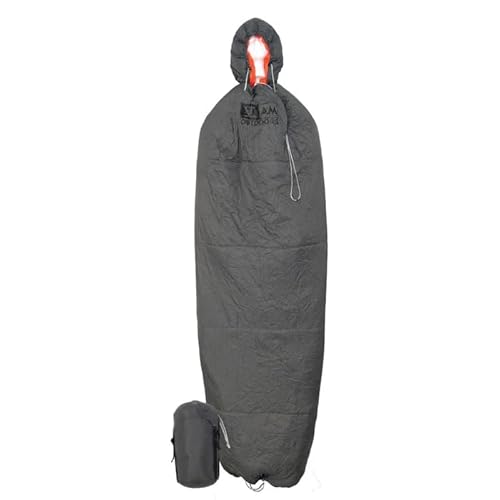
VIAM Outdoors 10° Camping Quilt with Hood & Footbox
- ✓ Ultra-light and packable
- ✓ Versatile design features
- ✓ High-quality insulation
- ✕ Slightly pricey
- ✕ Synthetic is heavier
| Insulation Type | 850FP ethically sourced duck down with hydrophobic treatment or Dupont synthetic insulation |
| Temperature Rating | 10°F (approximate comfort temperature for cold-weather camping) |
| Weight | 1lb 13oz (down) or 2lb 8oz (synthetic) |
| Size Options | Regular (72″), Long (78″), Xtra Long (84″) with 58″ width |
| Features | Zippered footbox, removable hood, drawstrings at neck and footbox, removable pad straps |
| Packability | Includes compression stuff sack and mesh storage bag |
As I pulled the VIAM Outdoors 10° Camping Quilt out of its stuff sack, I immediately noticed how light it felt—less than two pounds for the down version, yet it looked incredibly plush. The sleek, matte fabric has a smooth texture, and the subtle stitching hints at quality craftsmanship.
The included mesh bag and compression sack make packing up feel effortless, and the size options—Regular, Long, and Xtra Long—mean you’ll get a snug fit no matter your height.
Unzipping the quilt reveals a well-designed footbox with a sturdy zipper that glides smoothly, and the removable hood adds versatility. The drawstrings at the neck and footbox let you dial in your comfort without fuss, which is perfect when temperatures drop unexpectedly.
The pad straps are a smart addition, securing your quilt to your sleeping pad so you won’t wake up tangled.
Using it on a chilly night, I appreciated how warm and cozy I felt, thanks to the high-quality insulation—either 850FP down or Dupont synthetic, both retaining heat well even if it gets damp. The quilt drapes nicely over my sleeping bag or directly on my pad, and the adjustable features mean I could customize the fit easily.
It’s surprisingly compact for a 10° quilt, making it a great choice for backpackers who need lightweight gear that still performs in cold weather.
Overall, this quilt feels like a smart blend of comfort, versatility, and portability. It’s built for serious outdoor adventures without weighing you down.
The only minor downside is that the synthetic version is a bit heavier, but it offers excellent wet-weather performance. Whether you’re camping, hunting, or backpacking, this quilt keeps you warm and adaptable in the wild.
What Makes a 10 Degree Quilt an Essential Gear for Backpackers?
A 10-degree quilt is a crucial piece of gear for backpackers, providing warmth and comfort in cold conditions while maintaining a lightweight profile.
- Insulation Type: The insulation used in a 10-degree quilt greatly impacts its warmth-to-weight ratio.
- Weight: Backpackers prioritize lightweight gear, and a 10-degree quilt is designed to be compact and easy to carry.
- Packability: The ability to compress a quilt into a small size is essential for backpacking, making storage and transport easier.
- Versatility: A 10-degree quilt can often be used in various camping situations, adapting to different temperatures and environments.
- Comfort: The design of a quilt typically allows for more freedom of movement compared to traditional sleeping bags, enhancing sleep quality.
The insulation type in a 10-degree quilt can vary, with options like down or synthetic materials. Down insulation provides excellent warmth with minimal weight but can lose its insulating properties when wet. Synthetic insulation, while slightly heavier, retains warmth even when damp, making it a reliable choice for unpredictable weather conditions.
Weight is a critical factor for backpackers who strive to minimize their pack load. A 10-degree quilt is engineered to be lightweight without compromising on warmth, allowing hikers to cover long distances without feeling burdened by their gear.
Packability refers to how small a quilt can be compressed for storage in a backpack. A good 10-degree quilt can be stuffed into a compact size, freeing up space for other essential gear and making it easier to manage during long treks.
Versatility is another important aspect, as a 10-degree quilt can serve multiple purposes, from summer camping in cooler regions to winter backpacking trips. Many quilts feature adjustable designs, allowing users to modify the level of warmth and comfort based on the conditions they encounter.
Finally, comfort is enhanced in a quilt due to its open design, which allows for greater freedom of movement. Unlike a traditional sleeping bag that can feel restrictive, a well-designed quilt lets backpackers shift positions easily, contributing to a more restful sleep after a long day on the trail.
What Key Features Should You Look for in a 10 Degree Quilt?
When searching for the best 10 degree quilt for backpacking, consider these key features:
- Insulation Type: The type of insulation significantly impacts the quilt’s warmth and weight. Down insulation is typically lighter and more compressible, providing excellent warmth-to-weight ratio, while synthetic insulation offers better moisture resistance and is easier to care for, though it may be heavier.
- Weight: For backpacking, keeping your gear lightweight is crucial. Look for quilts that weigh under 3 pounds to ensure they are manageable while trekking, as heavier quilts can lead to discomfort and fatigue over long distances.
- Packing Size: The ability to pack down small is essential for backpacking. A good 10 degree quilt should compress well into a small stuff sack, allowing for easy storage in your backpack without taking up excessive space.
- Temperature Rating: Ensure the quilt is rated for 10 degrees Fahrenheit, but also consider factors like your personal comfort level and the expected climate conditions. Some quilts may perform differently based on the design and materials, so checking user reviews can provide additional insights.
- Draft Collar and Cinch System: A draft collar helps retain warmth by preventing cold air from entering the quilt, while an adjustable cinch system allows you to seal the quilt around your body for better insulation. Features like these enhance comfort and efficiency in cold conditions.
- Durability: The materials used in the quilt should be robust enough to withstand the rigors of backpacking. Look for high-quality fabrics that resist tears and abrasion, ensuring longevity during your outdoor adventures.
- Versatility: Some quilts can convert into a sleeping bag or have the option to be used in conjunction with other sleeping gear. This versatility can be beneficial for varying camping conditions and personal preferences.
- Price: While not a feature of the quilt itself, budget considerations are important. Compare options within your price range, but remember that investing in a higher-quality quilt may provide better performance and longevity.
How Does Weight Impact Your Backpacking Experience?
When backpacking, the weight of your gear significantly affects your overall experience. A lighter load can lead to better mobility, more energy, and greater enjoyment of the journey. Here’s how weight plays a crucial role:
-
Energy Conservation: Carrying heavy gear drains your stamina quickly. A lighter backpack allows for longer hikes and less fatigue, especially on multi-day trips.
-
Speed and Efficiency: With less weight, trekkers can maintain a quicker pace, navigate trails more easily, and respond to changes in terrain with improved agility.
-
Packability and Organization: Lighter materials often lead to smaller, streamlined packs. A well-organized pack reduces the time spent searching for essentials and enhances overall efficiency.
-
Comfort: Heavier gear can lead to discomfort, increasing the risk of chafing and soreness. Lightweight options like a 10-degree quilt balance warmth and pack size, ensuring restful sleep at night without added bulk.
Choosing the best 10-degree quilt is essential; it offers warmth and minimizes weight, enhancing your backpacking experience while keeping your pack light.
What Insulation Materials Provide the Best Warmth and Comfort?
The best insulation materials for warmth and comfort in a 10-degree quilt for backpacking include:
- Down Insulation: Down insulation is derived from the soft feathers of ducks or geese and is known for its exceptional warmth-to-weight ratio. It compresses easily, making it ideal for backpacking, but it loses insulating properties when wet unless treated with a water-resistant finish.
- Synthetic Insulation: Synthetic insulation, such as polyester fill, mimics the properties of down and provides good warmth even when wet. It is typically heavier than down but is often more affordable and easier to care for, making it a popular choice for budget-conscious backpackers.
- Ultralight Insulation: Ultralight insulation materials are designed for serious backpackers looking for the lightest option possible, such as Climashield or Thermolite. These materials can provide excellent warmth while minimizing pack weight, but may come at a higher cost and require careful handling to maintain loft.
- Microfiber Insulation: Microfiber insulation features extremely fine fibers that trap heat effectively and offer good compressibility. It often combines the benefits of both down and synthetic materials, making it a versatile choice for various weather conditions.
- Natural Fibers: Natural fibers, like wool or cotton, can be used in some insulation products, although they are less common in high-performance backpacking quilts. These materials are breathable and moisture-wicking, but they may not provide the same level of warmth as down or synthetic options in extreme conditions.
Which Are the Best 10 Degree Quilts Recommended for Backpacking?
The best 10-degree quilts for backpacking combine warmth, lightweight materials, and packability for optimal outdoor performance.
- Enlightened Equipment Revelation Quilt: This quilt is known for its excellent warmth-to-weight ratio and customizable options, allowing users to choose materials and features that suit their needs.
- Katabatic Gear Flex 22 Quilt: Renowned for its high-quality down insulation, this quilt offers exceptional warmth and compressibility, making it a favorite for ultralight backpackers.
- REI Co-op Magma 15 Quilt: A well-rounded option providing a balance of warmth and affordability, it features water-resistant down and a durable exterior fabric suitable for various conditions.
- Therm-a-Rest Vesper 20 Quilt: This quilt boasts a unique design that allows for versatility in temperatures, and its synthetic insulation performs well in damp conditions, ensuring warmth even when wet.
- Western Mountaineering Alpinlite Quilt: This premium quilt is made with high-quality down and offers remarkable warmth and lightweight construction, making it ideal for cold weather adventures.
- Big Agnes Fish Hawk Quilt: With a focus on comfort, this quilt features a unique design for better foot and shoulder coverage and is filled with down insulation that provides ample warmth without excess weight.
- Sea to Summit Trailhead TS 20 Quilt: This quilt features a synthetic fill that offers good thermal efficiency and is designed to be versatile in various temperatures while remaining easy to pack.
- Montbell Spiral Down Hugger Quilt: Known for its innovative design that conforms to the body, this quilt maximizes warmth and minimizes cold spots, making it a great choice for chilly nights.
- Zpacks 20° Sleeping Bag/Quilt: This versatile piece can be used as a sleeping bag or quilt, featuring high-quality down insulation and an ultralight design that appeals to minimalist backpackers.
- Naturehike Ultralight Down Sleeping Bag: A budget-friendly option, this quilt offers decent insulation and compressibility, making it a good choice for those looking to save weight without sacrificing too much warmth.
How Do Prices of 10 Degree Quilts Vary Across Brands?
- Brand A: Typically priced at the lower end of the spectrum, Brand A offers affordable options that use synthetic insulation. These quilts are lightweight and provide decent warmth for budget-conscious backpackers, but may not perform as well in extreme conditions compared to higher-end models.
- Brand B: Mid-range pricing characterizes Brand B, which focuses on a balance between quality and cost. Their 10-degree quilts often feature down insulation, making them warmer and more compressible, suitable for those seeking a blend of performance and price.
- Brand C: Known for premium products, Brand C’s 10-degree quilts are among the most expensive on the market. These quilts often utilize high-quality down insulation, advanced water-resistant treatments, and innovative designs that maximize warmth and minimize weight, making them ideal for serious backpackers.
- Brand D: This brand provides unique features at a competitive price point, such as customizable options or modular designs. While their 10-degree quilts might not be the top choice for ultralight backpackers, they offer good value for those who prioritize versatility and comfort during their outdoor adventures.
- Brand E: Specializing in niche markets, Brand E offers 10-degree quilts that cater to specific outdoor activities, such as mountaineering or winter camping. Their products tend to be more expensive due to specialized materials and construction techniques designed to withstand extreme conditions.
What Are the Advantages and Disadvantages of Using a 10 Degree Quilt vs. a Sleeping Bag?
| Feature | 10 Degree Quilt | Sleeping Bag |
|---|---|---|
| Weight | Lighter and more suitable for backpacking due to less material. | Typically heavier due to extra insulation and fabric used. |
| Packability | Compresses smaller, taking up less space in a backpack. | Bulkier and may not pack as tightly. |
| Warmth | Can provide adequate warmth but less thermal efficiency in extreme cold. | Generally offers better thermal efficiency with a snug fit. |
| Versatility | More versatile for varied temperatures; can be used as a blanket. | Less versatile; primarily designed for sleeping only. |
| Temperature Rating | Designed for temperatures down to 10°F. | Various ratings available; typically ranges from 0°F to 20°F depending on model. |
| Weight Range | Typically weighs between 1-3 lbs. | Typically weighs between 2-5 lbs. |
| Price Range | Generally between $150-$300. | Generally between $100-$400. |
| Durability | Often made with durable materials, but can be sensitive to punctures. | Usually more robust due to thicker fabric, but can be heavier. |
| Ease of Use | Quick to set up and adjust, but may require a sleeping pad for optimal warmth. | Typically easy to use with zippers, but can be restrictive for movement. |
What Factors Should You Consider When Selecting the Right 10 Degree Quilt for Your Trip?
When selecting the best 10 degree quilt for backpacking, several factors should be taken into account to ensure comfort and performance during your trip.
- Insulation Type: The insulation material can significantly impact warmth, weight, and packability. Down insulation offers excellent warmth-to-weight ratio and compressibility but can be more expensive and less effective when wet, while synthetic insulation provides good warmth even when damp and is often more affordable.
- Weight: Since backpacking requires carrying your gear over distances, the weight of the quilt is crucial. Look for quilts that balance warmth and weight, ideally under two pounds, to ensure you can hike comfortably without being bogged down.
- Packability: The ability to compress the quilt into a small size is essential for backpackers. Quilts with compressible insulation allow for easy packing into a backpack, leaving more room for other gear, and can contribute to a lighter overall load.
- Temperature Rating: Ensure the quilt is rated for the conditions you expect to encounter. A 10 degree rating is appropriate for colder nights, but consider if you tend to sleep cold or warm, as personal preferences and conditions can affect how warm you feel inside the quilt.
- Shape and Design: The shape of the quilt can affect comfort and warmth retention. Mummy-shaped quilts provide better heat retention with a snug fit, while rectangular designs offer more room but may allow for more heat loss, so choose based on your sleep style and preferences.
- Durability: The materials used in the quilt’s construction should be durable enough to withstand the rigors of backpacking. Look for high-quality fabrics and stitching that can endure wear and tear, especially if you plan to use the quilt frequently over rough terrain.
- Features: Additional features such as draft collars, cinch cords, and foot boxes can enhance warmth and comfort. These features help to reduce heat loss and adjust the quilt to your specific needs during varying weather conditions.