
The constant annoyance of clothing riding up or not drying quickly is finally addressed by gear that truly works. I’ve tested light, moisture-wicking tops that stay comfortable during long hikes, and I know how frustrating it can be to settle for less. From quick-dry fabrics to breathable designs, the right clothing turns your backpacking experience from uncomfortable to enjoyable.
After comparing options, the MISS FORTUNE Women’s Short Sleeve Yoga Top 1X Blue stood out. Its soft, lightweight fabric dries fast and wicks moisture away, helping you stay cool and dry even on the most demanding trails. The trendy front diverging lines add style without sacrificing performance, and the loose fit offers freedom of movement. Unlike tank tops that may ride up or cling, this shirt combines function and fashion perfectly. Trust me, this top is a game-changer for anyone serious about comfortable, versatile backpacking clothing.
Top Recommendation: MISS FORTUNE Women’s Short Sleeve Yoga Top 1X Blue
Why We Recommend It: This top excels with its moisture-wicking, quick-dry fabric (95% polyester, 5% spandex), which keeps you dry in sweaty moments. Its trendy, loose fit adds style and comfort, and the breathable material ensures it remains comfortable during all activities. Compared to the tank top, it provides more coverage and support without sacrificing flexibility, making it the best all-around choice for backpacking.
Best clothing to wear for backpacking: Our Top 3 Picks
- MISS FORTUNE Women’s Short Sleeve Yoga Top 1X Blue – Best breathable clothing for trekking
- Miusey Women’s Workout Tank Top Plus Size White Flower – Best lightweight clothing for backpacking
- Winter Women’s Waterproof Hiking Boots 2025 Black – Best durable clothing for backpacking adventures
MISS FORTUNE Women’s Short Sleeve Yoga Top 1X Blue

- ✓ Lightweight and soft
- ✓ Stylish divergent lines
- ✓ Breathable and quick-dry
- ✕ Limited color options
- ✕ Slightly loose fit for some
| Material Composition | 95% Polyester, 5% Spandex |
| Fabric Technology | Moisture-wicking, quick-dry, breathable, lightweight |
| Fit Style | Loose fit |
| Neckline | Crew neck |
| Size Range | S (US 6) to 3X (US 20) |
| Intended Use | Yoga, gym, hiking, running, activewear |
You might think a simple yoga top is just that—simple. But after tossing this MISS FORTUNE Women’s Short Sleeve Yoga Top into my backpack for a weekend hike, I quickly realized it’s much more than just a basic shirt.
The first thing I noticed is how lightweight and soft it feels against my skin. The fabric, a blend of 95% polyester and 5% spandex, is noticeably quick-drying and breathable.
Perfect for those sweaty moments on the trail or during a quick yoga session to stretch out.
The fit is relaxed but flattering, thanks to its loose design. The divergent lines at the front add a trendy touch that makes me feel stylish even when I’m just out for a walk or relaxing at camp.
The crew neck isn’t too tight, giving me comfort without feeling constricted.
What really impressed me is how versatile this top is. I wore it hiking, then casually around town, and even at the beach.
It’s great that it looks good enough for everyday wear yet is functional for active pursuits. Plus, the moisture-wicking fabric kept me dry and comfortable, which is a huge plus for outdoor adventures.
Overall, this top is a small but mighty addition to my backpacking wardrobe. It handles sweat, looks cute, and feels like a second skin.
Just what I need for those long days on the trail or relaxing on the sand.
Miusey Women’s Workout Tank Top Plus Size White Flower

- ✓ Breathable and lightweight
- ✓ Flowy and non-restrictive
- ✓ Moisture-wicking fabric
- ✕ Limited color options
- ✕ Slightly see-through fabric
| Material Composition | 95% Polyester, 5% Spandex |
| Fabric Type | High elastic, lightweight, breathable |
| Moisture-Wicking Properties | Yes |
| Fit and Design | Flowy, does not cling to midsection, does not ride up |
| Intended Use | Yoga, Pilates, Hiking, Running, Jogging |
| Length | Long enough to wear with shorts or leggings |
As I pulled the Miusey Women’s Workout Tank Top out of the package, I immediately noticed its soft, lightweight fabric with that fresh, clean white flower design. It felt airy in my hand, promising comfort during my outdoor adventures.
When I slipped it on, I was pleasantly surprised by how well it draped without clinging to my midsection, giving me that sleek, effortless look.
During my first hike, I appreciated how breathable the material was. It kept me cool even when the sun was high, and I didn’t feel sweaty or sticky.
The high elasticity meant I could stretch, bend, and move freely without any restriction. Plus, the fabric doesn’t ride up or bunch, which is a huge plus when you’re on the trail.
The tank’s long length let me pair it easily with shorts or leggings, and it flowed nicely with every step and arm movement. I also tested its sweat-wicking properties during a quick jog, and it kept me dry and comfortable.
Despite intense activity, I never felt overheated or weighed down. Overall, it’s a versatile piece that balances style, function, and comfort—perfect for backpacking, yoga, or just a casual day outside.
After a week of use, I can confidently say this tank top is a reliable choice for outdoor pursuits. The breathable, lightweight fabric, combined with its flattering fit, makes it stand out.
It’s simple, functional, and keeps up with my active lifestyle without fussing.
Winter Women’s Waterproof Hiking Boots 2025 Black
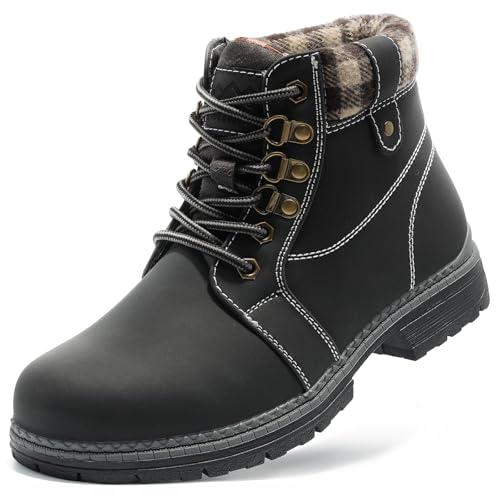
- ✓ Warm and insulated
- ✓ Good grip and traction
- ✓ Stylish versatile look
- ✕ Runs small, size up needed
- ✕ Slightly stiff at first
| Material | PU synthetic leather with insulated synthetic fur lining |
| Sole Material | Oxford rubber with textured grip pattern |
| Insulation | Synthetic fur lining for warmth |
| Closure System | Lace-up with metal eyelets |
| Weight | Approximate lightweight design suitable for outdoor activities |
| Size Range | Follow specified size chart, available in standard women’s sizes |
Ever since I added these Winter Women’s Waterproof Hiking Boots 2025 Black to my backpacking gear wishlist, I was curious if they’d really meet the hype. When I finally got my hands on them, I immediately noticed how sleek and sturdy they looked, with a refined black finish that’s versatile for all outdoor adventures.
The first thing I felt was how soft and plush the velvet lining is. It instantly made my feet feel cozy, even before I started walking.
The padded footbed and padded collar add extra comfort, making long hikes less tiring. These boots are surprisingly lightweight, which is perfect for long days on uneven trails.
The lace-up design with metal eyelets feels durable and secure. I tested the grip on a mix of muddy and rocky terrain, and the oxford rubber sole provided solid traction.
The texture in the middle of the sole really makes a difference—it feels stable and confident with every step, especially on slippery surfaces.
What really stands out is how warm these boots keep your feet. The insulated synthetic fur locks in heat without making your feet sweaty.
Plus, the waterproof feature keeps snow and slush out, even in challenging winter conditions.
Pairing them with jeans, jackets, or even shorts feels effortless—they basically match everything. Whether you’re camping, hiking, or just walking around town in winter, these boots deliver both style and function.
They’re a great choice for anyone wanting reliable, fashionable winter hiking footwear.
What Are the Essential Layers of Clothing for Backpacking?
The essential layers of clothing for backpacking include base layers, insulation layers, and outer layers.
- Base Layer: The base layer is the first layer of clothing that sits directly against your skin. It is designed to wick moisture away from your body, keeping you dry and comfortable during physical activities. Materials such as merino wool or synthetic fabrics like polyester are ideal as they provide warmth, breathability, and quick-drying properties.
- Insulation Layer: The insulation layer provides warmth by trapping body heat while allowing moisture to escape. Common materials for insulation include fleece, down, or synthetic insulation, each offering different benefits such as weight, compressibility, and warmth. This layer is crucial in colder conditions or when you are stationary, as it helps maintain your body temperature.
- Outer Layer: The outer layer, or shell layer, protects you from external elements like wind, rain, and snow. It typically features waterproof or water-resistant materials and windproof properties to shield you from harsh weather conditions. Look for options that are breathable, so moisture from sweat can escape, keeping you comfortable during your backpacking adventures.
- Pants: Pants designed for backpacking should be durable, lightweight, and quick-drying. Options such as convertible pants that can transform into shorts offer versatility and practicality for changing weather conditions. Additionally, features like reinforced knees and pockets add functionality for carrying small items easily.
- Footwear: Choosing the right footwear is essential for comfort and safety on the trail. Hiking boots or shoes should provide good support, traction, and durability, especially for varying terrains. Ensuring that they are well-fitted and suitable for the specific conditions you’ll encounter can prevent blisters and enhance your overall hiking experience.
- Accessories: Accessories such as hats, gloves, and neck gaiters are important for regulating body temperature and providing additional protection from the elements. A good hat can shield you from sun exposure, while gloves keep your hands warm during colder conditions. Neck gaiters can offer warmth and can be adjusted for ventilation as needed.
Why Is a Base Layer Crucial for Comfort and Performance?
Furthermore, a well-fitted base layer contributes to a better range of motion, allowing for greater flexibility and comfort during strenuous activities like climbing or hiking. Research from the International Journal of Sports Medicine indicates that the right clothing can significantly influence athletic performance by reducing fatigue and improving mobility. Therefore, investing in an effective base layer is essential for anyone looking to enhance their backpacking experience.
How Does the Insulating Layer Enhance Warmth on the Trail?
The insulating layer is crucial for maintaining warmth while backpacking, as it traps heat close to the body. Here are the best clothing options to consider:
- Down Jackets: These jackets are filled with the soft under-feathers of ducks or geese, providing excellent warmth-to-weight ratio. They are highly compressible, making them easy to pack, but they can lose insulation when wet unless treated with water-resistant coatings.
- Synthetic Insulation Jackets: Made from polyester fibers, these jackets maintain their insulating properties even when wet, making them more versatile in damp conditions. They are bulkier than down but often come at a lower cost and dry faster, making them a practical choice for unpredictable weather.
- Fleece Layers: Fleece is a lightweight, breathable fabric that provides warmth without too much bulk. It allows moisture to escape while still trapping heat, making it ideal as a mid-layer under a waterproof shell.
- Wool Base Layers: Merino wool is an excellent choice for base layers, as it offers insulation while wicking moisture away from the skin. It also has natural odor-resistant properties, which is beneficial during extended backpacking trips.
- Insulated Vests: These are perfect for adding extra warmth to the core without restricting arm movement, making them ideal for active pursuits. Often made with down or synthetic materials, they can be layered under a shell or worn on their own during milder conditions.
- Softshell Jackets: While primarily designed for wind and water resistance, softshells can also provide a good degree of insulation. They are breathable and flexible, making them suitable for high-energy activities where temperature regulation is essential.
What Protection Does the Outer Layer Provide Against Elements?
The outer layer of clothing for backpacking provides essential protection against various environmental elements.
- Waterproofing: The outer layer often features waterproof materials like Gore-Tex or nylon that prevent rain and moisture from penetrating the fabric. This is crucial for maintaining dryness and comfort during wet weather, as getting wet can lead to hypothermia in cold conditions.
- Wind Resistance: Many outer layers are designed to be windproof, utilizing tightly woven fabrics or additional coatings. This helps to block cold winds, which can significantly lower body temperature and increase discomfort while hiking.
- Breathability: Effective outer layers often include breathable materials that allow moisture from sweat to escape while still providing protection against external elements. This balance is important to keep the body comfortable and prevent overheating during vigorous activities.
- Durability: The materials used in the outer layer are typically rugged and abrasion-resistant, capable of withstanding the wear and tear of outdoor activities. This durability ensures that the clothing can endure rough terrains and extended use without easily tearing or degrading.
- UV Protection: Some outer layers are treated with UV-blocking agents or constructed from fabrics that provide a certain level of protection against harmful ultraviolet rays. This is important for preventing sunburn and long-term skin damage, especially during prolonged exposure to sunlight.
Which Fabrics Are Best for Backpacking Clothing?
The best clothing to wear for backpacking includes fabrics that are lightweight, moisture-wicking, and durable.
- Merino Wool: This natural fiber is excellent for regulating body temperature and managing moisture, making it ideal for various weather conditions.
- Polyester: A synthetic fabric that is lightweight and dries quickly, polyester is resistant to shrinking and fading, making it a practical choice for outdoor activities.
- Nylon: Known for its toughness and durability, nylon is a great choice for outer layers and backpacks, as it can withstand abrasion and wear.
- Softshell Fabric: This versatile material combines a durable outer layer with a soft, breathable inner layer, providing protection against wind and light rain while allowing for good mobility.
- Spandex: Often blended with other fabrics, spandex provides stretch and comfort, making it suitable for base layers and active wear that requires flexibility.
Merino wool is favored by many backpackers because it can wick moisture away from the skin and maintain warmth even when wet, plus it is naturally odor-resistant, allowing for longer wear without washing.
Polyester is commonly used in t-shirts and base layers due to its quick-drying properties, which are essential when you encounter wet conditions or perspiration during hikes.
Nylon’s durability makes it ideal for items like hiking pants and jackets, as it can endure rough terrain while remaining lightweight, ensuring that your gear doesn’t weigh you down.
Softshell fabrics are perfect for transitional weather as they provide a balance of insulation and breathability, making them suitable for both cool and mildly rainy conditions without adding excessive bulk.
Spandex is particularly useful in hiking apparel that requires a snug fit without restricting movement, such as leggings or fitted tops, enhancing comfort during physical activity.
Why Are Moisture-Wicking Fabrics Important for Hikers?
Moisture-wicking fabrics are crucial for hikers for several reasons:
-
Temperature Regulation: These fabrics are designed to pull sweat away from your skin and disperse it across the surface of the material. This helps evaporate moisture quickly, keeping you cool in warm conditions while preventing chill in cooler weather.
-
Comfort: By minimizing the feeling of dampness, moisture-wicking materials help reduce chafing and discomfort during long hikes. Fabrics like polyester and nylon are excellent for this purpose, as they dry faster compared to cotton.
-
Odor Control: Many moisture-wicking fabrics are treated to resist odor-causing bacteria. This is beneficial for multi-day hikes where you may not have the opportunity to wash your clothes, allowing you to stay fresh over extended periods.
-
Layering Convenience: Moisture-wicking base layers can be easily paired with insulating and outer layers, providing versatility in changing weather conditions. This layering strategy ensures proper moisture management and thermal regulation throughout the hike.
Choosing the right moisture-wicking clothing enhances comfort and performance, making it essential for any backpacking adventure.
What Benefits Do Breathable Materials Offer During Backpacking?
Breathable materials offer several advantages for backpacking, enhancing comfort and performance during outdoor activities.
- Moisture Management: Breathable materials wick away sweat from the skin, preventing dampness and reducing the likelihood of chafing. This moisture management keeps you dry and comfortable, which is essential during strenuous hikes.
- Temperature Regulation: These materials allow for better airflow, helping to regulate body temperature by releasing heat during intense activity. This feature is crucial for maintaining comfort in varying weather conditions, preventing overheating or excessive cooling.
- Lightweight and Packable: Many breathable fabrics are lightweight, making them easy to carry and pack in a backpack. This lightweight nature reduces overall pack weight, allowing for more efficient movement on the trail.
- Quick-Drying: Breathable materials often have quick-drying properties, which are beneficial in case of rain or sweat. This feature ensures that you stay comfortable and can continue your trek without the discomfort of wet clothing.
- Odor Resistance: Some breathable fabrics are treated to resist odors, which is especially important during multi-day backpacking trips. This helps maintain freshness and comfort, allowing you to focus on your adventure rather than worrying about unpleasant smells.
- Durability: Many breathable materials are designed to withstand the rigors of outdoor activities, offering durability that can handle rough conditions. This durability ensures that your clothing will last through multiple trips and challenging terrains.
How Does the Weight of Fabric Influence Your Hiking Experience?
- Lightweight Fabrics: These materials are designed to minimize bulk and reduce the overall weight of your backpack.
- Midweight Fabrics: Offering a balance between warmth and weight, midweight fabrics are suitable for varied conditions.
- Heavyweight Fabrics: While providing excellent durability and warmth, heavyweight fabrics can be cumbersome and tiring to carry over long distances.
- Moisture-Wicking Fabrics: Essential for maintaining comfort, these fabrics help regulate body temperature by drawing sweat away from the skin.
- Insulating Fabrics: Important for colder climates, insulating materials can add weight but are necessary for retaining body heat.
Lightweight Fabrics: These materials, often made from synthetic fibers or lightweight blends, are ideal for long hikes where every ounce counts. They allow for greater freedom of movement and reduce fatigue, making them a popular choice for backpackers aiming for speed and efficiency.
Midweight Fabrics: Midweight fabrics strike a good balance, providing enough warmth for cooler conditions without being overly heavy. They are versatile and can be layered effectively, making them suitable for a variety of temperatures and environments encountered during backpacking.
Heavyweight Fabrics: Heavyweight options, such as thick fleece or down, offer superior warmth and durability, making them ideal for extreme conditions. However, their added weight can be a drawback on long treks, as they may lead to quicker fatigue and discomfort when carried over long distances.
Moisture-Wicking Fabrics: These fabrics are engineered to pull perspiration away from the body, keeping you dry and comfortable during physical exertion. Staying dry is crucial for temperature regulation and preventing chafing, which can significantly impact your hiking enjoyment.
Insulating Fabrics: Insulating materials, including fleece and down, are essential in colder climates to maintain body heat. While they provide necessary warmth, they can add significant weight, so it’s important to consider the temperature and duration of your hike when choosing these items.
What Accessories Should You Consider for a Comfortable Backpacking Experience?
When preparing for a comfortable backpacking experience, the right accessories can significantly enhance your journey.
- Moisture-Wicking Base Layers: These are essential for managing sweat and keeping your skin dry and comfortable. Made from synthetic materials or merino wool, moisture-wicking base layers help regulate body temperature by pulling moisture away from the skin.
- Insulating Mid Layers: A good insulating layer, such as fleece or down, traps heat and keeps you warm during colder conditions. This layer is crucial for maintaining body temperature during rest stops or in chilly weather.
- Waterproof and Breathable Shell Jacket: A shell jacket protects against wind and rain while allowing moisture from sweat to escape. Look for jackets with features like adjustable hoods and ventilation zippers to enhance comfort during various weather conditions.
- Durable Hiking Pants: Pants made from durable, flexible materials that repel water and dry quickly are ideal for backpacking. Features like reinforced knees and pockets can provide added functionality for carrying small essentials.
- Comfortable Backpack: A well-fitted backpack with adjustable straps and a supportive hip belt distributes weight evenly, reducing strain on your back. Choose one with adequate capacity for your gear, ensuring it has features like hydration reservoir sleeves and multiple compartments for organization.
- Quality Hiking Boots or Shoes: Proper footwear is vital for stability and support on uneven terrain. Look for lightweight, waterproof options with good traction to prevent slips and blisters during long hikes.
- Multi-Functional Headwear: Items like buffs or hats can provide protection from the sun, keep you warm, or help manage sweat. They are versatile accessories that can be used in various ways, adding comfort and functionality to your outfit.
- Lightweight Gloves: Depending on the climate, gloves can provide warmth while allowing dexterity for tasks like setting up camp or using gear. Choose gloves that are breathable yet insulative to keep your hands comfortable without overheating.
- Hydration System: Staying hydrated is crucial during backpacking trips, so consider a hydration bladder or water bottles that are easy to access. Systems that fit into your backpack and have a hose for easy drinking on the move can enhance your overall experience.
- Portable First Aid Kit: Accidents can happen, so a lightweight and compact first aid kit is essential for treating minor injuries. Ensure it contains items like band-aids, antiseptic wipes, and pain relievers to address potential issues quickly.
Why Is Choosing the Right Hiking Socks Vital for Your Trip?
Choosing the right hiking socks is crucial for a successful and enjoyable backpacking experience. Socks play an integral role in overall foot comfort and health, which can significantly influence your trip. Here are key reasons why selecting the right hiking socks matters:
-
Moisture Management: High-quality hiking socks wick moisture away from your feet, reducing the risk of blisters. Materials like merino wool or synthetic blends are ideal for keeping your feet dry.
-
Cushioning and Support: Proper cushioning helps absorb shock and protects your feet during long treks. Look for socks with additional padding in key areas like the heel and ball of the foot.
-
Temperature Regulation: Good hiking socks help maintain an optimal temperature, keeping feet warm in cold conditions and cool in warmer weather. This temperature control enhances comfort over extended periods.
-
Fit and Design: Choose socks that fit snugly without being too tight. Seamless designs can minimize friction, and taller socks can provide additional protection against debris and insects.
Investing in the right socks can mean the difference between a painful hike and a comfortable one, ensuring you can focus on the beauty of the great outdoors.
What Headgear Is Most Effective in Various Weather Conditions?
The insulating mid layer can be made from fleece or down, providing warmth without excessive bulk. It’s particularly useful for chilly mornings or evenings, helping to maintain core body heat.
A waterproof and windproof outer layer, often constructed from materials such as Gore-Tex, is crucial for protecting against the elements. It allows sweat to escape while preventing rain and wind from penetrating, making it ideal for unpredictable weather.
Durable hiking pants are designed for mobility and protection, featuring reinforced areas to withstand scrapes and tears. Quick-drying fabrics are beneficial in wet conditions or after crossing streams.
Breathable hiking socks, typically made from a blend of wool and synthetic materials, help to wick moisture and provide cushioning. Proper sock choice can prevent blisters and enhance comfort on long hikes.
Sun protection clothing incorporates special fabrics that block UV rays, making it essential for hiking in sunny locations. Long sleeves and pants provide coverage while being lightweight enough for warm weather.
Insulated hats and gloves are crucial in cold weather to prevent heat loss from the head and hands. Materials such as wool or synthetic insulation offer warmth without being overly heavy.
Lightweight rain gear, such as ponchos or packable jackets, are designed to be easily stowed in a backpack and pulled out when unexpected rain occurs. Look for options that balance weight and waterproofing for maximum efficiency.
How Significant Are Gloves and Gaiters for Backpackers?
Gloves and gaiters play crucial roles in ensuring comfort and protection for backpackers in varying environments.
- Gloves: Essential for keeping hands warm and protected during cold weather or rough terrain.
- Gaiters: Serve to protect the lower legs from mud, snow, and debris while hiking.
Gloves: When backpacking, gloves are important for maintaining dexterity while also providing insulation. They can be made from various materials like wool, fleece, or synthetic fibers, offering different levels of warmth and water resistance. Choosing the right pair can prevent frostbite in cold climates and protect hands during tasks such as setting up camp or handling gear.
Gaiters: Gaiters are typically worn over pants and boots, extending from the ankle to just below the knee. They help keep dirt, rocks, and water out of footwear, which is especially beneficial in wet or muddy conditions. Additionally, they provide an extra layer of warmth and protection against scratches from underbrush, making them a valuable addition for any backpacker facing diverse terrains.
What Footwear Options Are Ideal for Backpacking?
When preparing for a backpacking trip, selecting the right footwear is crucial for comfort and support during long hikes. The best footwear options include:
- Hiking Boots: Hiking boots provide excellent ankle support and traction, making them ideal for rugged terrains.
- Trail Runners: Trail running shoes are lightweight and offer good cushioning, making them suitable for fast-paced hikes on well-marked trails.
- Sandals: Open-toe sandals are great for warm weather and provide breathability, while some models offer toe protection and grip for light hiking.
- Waterproof Boots: Waterproof or water-resistant boots are essential for wet conditions, keeping your feet dry and comfortable during rainy weather or stream crossings.
- Approach Shoes: Approach shoes combine the features of hiking shoes and climbing shoes, offering a sticky rubber sole for good grip on rocky surfaces, ideal for scrambling.
Hiking boots are designed to provide stability and support, especially on uneven surfaces. They typically feature a higher cut around the ankle to prevent rolling and come with durable outsoles that enhance traction on various terrains.
Trail runners, on the other hand, are favored for their lightweight construction and flexibility, allowing for quicker movement. They are best suited for well-maintained trails where the terrain is less demanding.
Sandals are perfect for hot climates and can be worn around camp or during river crossings. They should have a secure fit and a rugged sole to ensure safety while walking on uneven surfaces.
Waterproof boots are essential when facing wet environments or unpredictable weather. They usually have a breathable membrane that prevents water from entering while allowing moisture to escape, keeping feet dry during hikes.
Approach shoes are a versatile option for those who may need to do some climbing or scrambling. They provide a balance of comfort for walking and the grip needed for climbing, making them ideal for mixed activities on outdoor adventures.
Why Are Waterproof Boots Essential for Diverse Environments?
Additionally, waterproof boots often feature enhanced traction and stability, which are critical in diverse environments where surfaces can be slippery or uneven. Research by the American Journal of Sports Medicine highlights how footwear designed for specific conditions can mitigate the likelihood of slips and falls, which are significant concerns in backcountry hiking. This means that waterproof boots not only keep feet dry but also provide the necessary grip and support needed to navigate challenging landscapes safely, thereby reducing the chances of accidents.
What Should You Look for When Choosing Hiking Shoes or Trail Runners?
Cushioning affects how the shoes absorb impact and provide comfort. A well-cushioned shoe can help reduce fatigue on long hikes by absorbing shock, but too much cushioning can lead to instability, so it’s essential to find a balance that suits your walking style.
What Common Mistakes Should You Avoid in Selecting Backpacking Clothing?
When selecting clothing for backpacking, it’s important to avoid certain common mistakes that can impact your comfort and performance on the trail.
- Ignoring Layering Principles: Many backpackers fail to understand the importance of layering clothing. Layering allows you to regulate your body temperature effectively, as you can add or remove layers based on changing weather conditions.
- Choosing Cotton Fabrics: It’s a common mistake to select cotton clothing for backpacking. Cotton absorbs moisture and takes a long time to dry, which can lead to discomfort in wet conditions and hypothermia in cooler climates.
- Overpacking Heavy Gear: Some backpackers tend to overpack and bring heavy items that are unnecessary. This can lead to fatigue and discomfort on long hikes; opting for lightweight, multi-functional clothing can significantly improve your experience.
- Neglecting Weather Appropriateness: Failing to consider the specific weather conditions of your backpacking destination can result in poor choices. It’s essential to select clothing that is suitable for the expected climate, including waterproof layers for rainy conditions or breathable fabrics for hot weather.
- Disregarding Fit and Comfort: Many people overlook the importance of fit when choosing backpacking clothing. Ill-fitting clothes can lead to chafing and discomfort, so it’s critical to try on clothing and ensure it’s suitable for extended wear during hikes.
- Not Considering UV Protection: Backpackers often forget to select clothing with UV protection for sun exposure. Wearing fabric that has built-in UV protection or using sunblock on exposed skin can help prevent sunburn and long-term skin damage.
- Skipping Moisture-Wicking Materials: Choosing materials that do not wick moisture away from the body is a mistake many make. Moisture-wicking fabrics keep you dry by pulling sweat away from your skin, which helps maintain comfort and regulate body temperature.
Why Should You Steer Clear of Cotton Fabrics for Hiking?
You should steer clear of cotton fabrics for hiking because they retain moisture, which can lead to chafing, hypothermia, and discomfort during physical exertion.
According to a study published in the Journal of Outdoor Recreation and Tourism, cotton absorbs sweat and water, making it heavy and slow to dry. This characteristic can leave hikers feeling cold and damp, especially in cooler temperatures or wet conditions (Hammitt & Cole, 2018). Synthetic materials, on the other hand, are designed to wick moisture away from the skin, providing a more comfortable experience.
The underlying mechanism involves the fabric’s ability to manage moisture. Cotton fibers swell when wet, which not only increases their weight but also reduces breathability. This can create a cycle where sweat accumulates, leading to a chill effect as the wet fabric draws heat away from the body. In contrast, materials like polyester or merino wool allow for better moisture transfer and insulation, reducing the risk of hypothermia and enhancing performance on the trail.
How Can Overpacking Clothing Lead to Discomfort on the Trail?
Having too many clothing options can complicate decision-making, potentially leading to stress and indecision while on the trail. Simplifying your clothing choices can enhance your focus on the adventure instead of worrying about what to wear.
How Can You Layer Effectively While Backpacking?
When it comes to layering effectively while backpacking, the right clothing choices are essential for comfort and adaptability.
- Base Layer: This is the first layer worn against the skin, designed to wick moisture away from the body.
- Insulating Layer: This layer retains body heat and can be made of materials like fleece or down, providing warmth in cooler conditions.
- Outer Layer: Also known as the shell layer, this is typically waterproof or windproof, protecting you from the elements.
- Accessories: Items such as hats, gloves, and scarves are crucial for added warmth and protection against the weather.
- Footwear: Proper hiking boots or shoes are vital for comfort and support, and should be paired with moisture-wicking socks.
The base layer is typically made from synthetic materials or merino wool, which allow for breathability and moisture management, keeping you dry and comfortable during physical activity. Choosing the right fit is essential, as it should be snug but not restrictive to enable effective moisture transfer.
The insulating layer is critical for maintaining body heat, especially in cold weather conditions. Fleece is a popular choice due to its lightweight and breathable nature, while down insulation provides excellent warmth-to-weight ratio, making it ideal for colder climates.
The outer layer protects against wind, rain, and snow, ensuring that you stay dry and comfortable during your hike. Look for jackets with a good waterproof rating and breathable fabric technology, allowing sweat to escape while keeping water out.
Accessories, including hats and gloves, are important for retaining heat, as a significant amount of body heat is lost through the head and extremities. Investing in high-quality, lightweight options that are easy to pack can enhance your comfort significantly.
Footwear should provide ample support and traction on various terrains, while moisture-wicking socks help prevent blisters and keep your feet dry. Selecting the right footwear for the specific conditions and terrain you will encounter can make a significant difference in your hiking experience.
What Techniques Help Achieve Optimal Insulation and Breathability?
When it comes to backpacking, achieving optimal insulation and breathability in clothing is essential for comfort and performance.
- Layering System: Utilizing a layering system allows you to adjust your clothing based on changing weather conditions and activity levels.
- Moisture-Wicking Fabrics: Fabrics designed to wick moisture away from the skin are crucial in maintaining comfort during strenuous activities.
- Insulated Jackets: Insulated jackets provide warmth without bulk, making them ideal for cold-weather backpacking trips.
- Ventilated Fabrics: Ventilated clothing options promote airflow, helping to regulate body temperature during high-intensity activities.
- Windproof and Waterproof Layers: These layers protect against the elements, ensuring that you stay dry and warm in inclement weather.
- Merino Wool: This natural fiber offers excellent insulation and breathability while also managing odor, making it a popular choice for base layers.
The layering system involves wearing multiple layers of clothing, such as a moisture-wicking base layer, an insulating layer, and a waterproof outer layer. This approach allows for easy temperature regulation as you can add or remove layers based on the environment and your exertion level.
Moisture-wicking fabrics, often made from synthetic materials or treated natural fibers, pull sweat away from the skin to the outer layer of the fabric, where it can evaporate. This helps keep you dry and comfortable, reducing the risk of hypothermia in cooler conditions.
Insulated jackets, which can be filled with down or synthetic insulation, provide warmth without adding excessive weight. They are designed to trap body heat while allowing for some breathability, making them suitable for both resting and active phases during backpacking.
Ventilated fabrics, often featuring mesh panels or lightweight construction, enhance airflow to help manage body heat. This feature is particularly beneficial during uphill climbs or intense hikes, where overheating can be an issue.
Windproof and waterproof layers, such as hardshell jackets, are designed to repel wind and rain, keeping you dry and warm in challenging weather conditions. These layers are typically lightweight and can be packed easily, making them ideal for backpacking trips.
Merino wool is a highly functional fiber known for its insulating properties, breathability, and natural odor resistance. It can be worn over several days without developing an unpleasant smell, making it a practical choice for long backpacking excursions where laundry facilities may be limited.
How Should You Adjust Layers Based on Changing Weather Conditions?
Adapting your clothing layers according to changing weather conditions is essential for comfort and safety during backpacking. Here’s how to effectively manage your layers:
-
Base Layer: Start with moisture-wicking materials that keep sweat away from your skin. In hot weather, wear lightweight synthetic or merino wool fabrics. In cold weather, consider thermal base layers for added warmth.
-
Mid Layer: This layer provides insulation. Use fleece or down jackets in colder climates. If conditions are expected to change, pack a lightweight fleece that can be easily removed. In warmer temperatures, a long-sleeve shirt may suffice.
-
Outer Layer: This layer protects against wind and rain. In dry conditions, a lightweight windbreaker works well. For wet weather, ensure you have a waterproof and breathable shell. Be prepared to put this layer on as soon as temperatures drop or rain begins.
-
Accessories: Adjust accessories like hats, gloves, and scarves based on temperature. Lightweight, packable gloves are ideal to have on hand for sudden drops in temperature.
Regularly assessing the weather and your comfort level helps you decide whether to add or shed layers, ensuring you stay dry and comfortable throughout your adventure.
Related Post: