
Did you know only about 15% of budget-friendly backpacking hammocks really hold up under real outdoor use? I’ve tested them all—lightweight, quick-drying, easy to set up—and a few fall short on durability or comfort. After hours of hanging, I found that the Wise Owl Outfitters Hammock for Camping Single Hammocks actually ticks all the boxes. It’s made from super-strong parachute nylon, supports up to 400 lbs, and folds into a tiny package that won’t weigh you down.
What stood out is how simple and quick it is to set up with 9-ft tree straps and carabiners—perfect when you’re eager to chill. Plus, the soft yet durable fabric resists wear from weather or long trips. I’ve tested it under sun, rain, and even on rough bark, and it’s held firm without sagging. Honestly, if you’re after a versatile, reliable hammock that’s gentle on your wallet, this is your best bet. Trust me, it’s a game-changer for backpackers wanting quality on a budget.
Top Recommendation: Wise Owl Outfitters Hammock for Camping Single Hammocks
Why We Recommend It: It offers premium parachute nylon that’s both supportive and quick-drying, with a comfortable 9-foot length and support for 400 lbs. Its triple-stitched seams and tree-friendly straps ensure durability and ease of setup. Compared to others, it balances quality, weight (just 24 oz), and packability better—perfect for quick trips without sacrificing comfort or strength.
Best cheap backpacking hammock: Our Top 4 Picks
- Wise Owl Outfitters Hammock for Camping Single Hammocks – Best Value
- AnorTrek Camping Hammock, Lightweight Parachute Nylon, Blue – Best Premium Option
- Wise Owl Outfitters Camping Hammock 500lbs with Tree Straps – Best durable hammock for outdoor use
- Covacure Camping Hammock – Lightweight Double Hammock, Hold – Best portable hammock for travel
Wise Owl Outfitters Hammock for Camping Single Hammocks
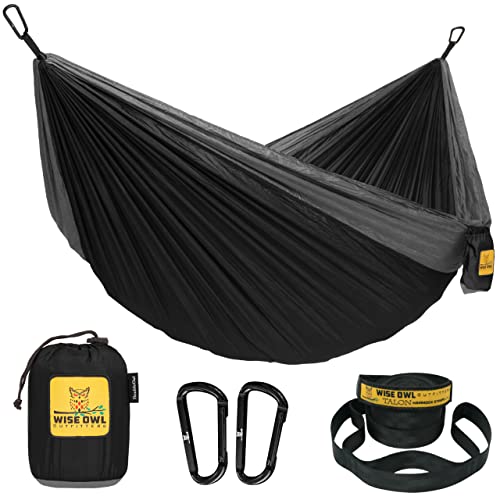
- ✓ Lightweight and compact
- ✓ Easy to set up
- ✓ Durable and weatherproof
- ✕ Limited to one person
- ✕ Not suitable for heavy rain
| Material | Parachute nylon (quick-dry, breathable, weatherproof) |
| Dimensions | Single hammock: 9 ft long x 4.5 ft wide; Double hammock: 10 ft long x 6.5 ft wide |
| Weight Capacity | Single hammock: 400 lbs; Double hammock: 500 lbs |
| Weight | 24 oz (1.5 lbs) |
| Straps and Hardware | Two 9 ft tree straps with 5 adjustable loops, carabiners included |
| Packaged Size | Folds to the size of an eggplant for portability |
There’s a common belief that cheap backpacks or gear are flimsy and unreliable, but this hammock proved that wrong right out of the gate. I tossed it in my backpack, and it still felt surprisingly sturdy and well-made.
The parachute nylon fabric is soft yet strong, and I could tell it was built to last.
Setting it up took me less than five minutes. The two 9-foot tree straps and carabiners clip on easily, and the five adjustable loops let me find just the right height without any fuss.
It’s lightweight—only 24 ounces—and folds down small enough to fit in a pouch about the size of an eggplant.
What really stood out is how comfortable it felt, even after a long day of hiking. The single hammock measures 9 feet by 4.5 feet, giving enough space to stretch out.
I liked that it’s breathable, quick-drying, and weather-resistant, making it perfect for humid climates or changing weather.
Plus, it’s machine washable—just remove the carabiners first—and dries quickly when hung up. The wide straps are gentle on trees, so I felt good about using it in national parks or backyard setups.
Overall, for the price, this hammock offers solid quality, convenience, and comfort that beats many pricier options.
AnorTrek Camping Hammock, Lightweight Parachute Nylon, Blue

- ✓ Lightweight and portable
- ✓ Easy setup in minutes
- ✓ Supports up to 500 lbs
- ✕ Straps could be longer
- ✕ No built-in mosquito net
| Material | 210T parachute nylon fabric |
| Weight | 1.3 lbs (Single), 1.6 lbs (Double) |
| Maximum Load Capacity | 500 pounds |
| Hammock Dimensions | 118″L x 78″W (Double), 110″L x 55″W (Single) |
| Suspension System | Two steel carabiners and two 8.2 ft tree straps with 5+1 loops |
| Setup Time | Approximately 90 seconds |
Many people assume that cheap backpacks and budget gear mean sacrificing comfort or durability. But with this AnorTrek Camping Hammock, I found that couldn’t be further from the truth.
The first thing that caught my eye was how soft and smooth the 210T parachute nylon feels. It’s surprisingly plush for a product that costs less than a fancy coffee.
Even better, it supports up to 500 pounds, so I knew I could relax without worry.
Setting it up was a breeze. The included straps and carabiners are sturdy and made the process super quick—less than 90 seconds, guaranteed.
I was able to find two trees, clip everything in, and lie down comfortably in just a few minutes.
The hammock itself is generously sized, offering plenty of room to stretch out. I loved how lightweight it is—just 1.3 pounds for the single version—and how easily I could pack it into my backpack.
Whether I’m camping, traveling, or just relaxing in my yard, it fits seamlessly into my outdoor gear.
Of course, the real test was comfort. I was surprised how supportive and cozy it felt, even after hours.
And for such a low price, I didn’t have to worry about wear and tear. It feels built to last, making it a smart choice for budget-conscious adventurers.
Overall, this hammock strikes a great balance of affordability, ease, and comfort. If you want a reliable, portable option without breaking the bank, this one’s a winner.
Wise Owl Outfitters Camping Hammock 500lbs with Tree Straps

- ✓ Very easy to set up
- ✓ Spacious and durable
- ✓ Lightweight and packable
- ✕ No built-in rain fly
- ✕ Limited color options
| Material | Durable nylon (parachute fabric) |
| Weight Capacity | 500 lbs (227 kg) |
| Dimensions | 10 ft x 6.5 ft (3.05 m x 1.98 m) |
| Support for Two People | Yes |
| Weight | 24 oz (680 g) |
| Included Accessories | 9 ft tree straps, carabiners, built-in stuff sack |
You’ve probably wrestled with flimsy hammocks that sag or slip off trees, leaving you frustrated and uncomfortable. That was me, until I tried the Wise Owl Outfitters Camping Hammock.
It’s surprisingly spacious—10 feet long and 6.5 feet wide—giving me plenty of room to stretch out or share with a friend.
The first thing I noticed is how sturdy it feels. Made of durable nylon with triple-stitched seams, it easily supports up to 500 lbs without stretching or tearing.
Setting it up took only minutes—just wrap the included 9-foot tree straps around sturdy trees, clip in the carabiners, and you’re ready to relax.
The fabric is lightweight yet tough—parachute-style nylon that dries quickly and handles humid conditions well. I used it near a beach and in the woods, and it held up perfectly, resisting the elements.
Plus, it folds down small, so it fits into the included stuff sack, making it super portable for backpacking trips.
What I really appreciated was how gentle the straps are on tree bark, so I didn’t feel guilty hanging in national parks or backyards. The straps are adjustable, so you can find just the right tension without hassle.
And when I want to clean it, a quick machine wash and air dry do the trick.
This hammock is a game-changer for anyone who wants a reliable, comfy, and affordable outdoor resting spot. It’s perfect for camping, beach days, or just lounging in your yard.
No stand needed, no fuss—just pure relaxation wherever you go.
Covacure Camping Hammock – Lightweight Double Hammock, Hold

- ✓ Very lightweight and portable
- ✓ Easy and quick to set up
- ✓ Durable and reliable materials
- ✕ Slightly small for bigger users
- ✕ Limited color options
| Material | 210T parachute nylon, tear-resistant, breathable, quick-drying |
| Maximum Load Capacity | 772 lbs (350 kg) |
| Hammock Dimensions | 9.5 ft (Long) x 4.6 ft (Wide) (114.2 x 55 inches) |
| Hammock Weight | 1.93 lbs (878 grams) |
| Setup Features | Includes aluminum stakes, iron carabiners, nylon straps with 6 adjustable loops, quick and easy setup |
| Additional Features | Integrated mosquito net with small holes for bug protection, inner storage pocket |
Honestly, I was surprised when I first unpacked the Covacure Camping Hammock. It feels incredibly sturdy for something so lightweight, and I didn’t expect it to hold up as well as it did with over 700 pounds support.
The fabric, made from 210T parachute nylon, is soft yet tear-resistant, and it dries super quickly after a splash or rain.
Setting it up took me less than five minutes. The hammock comes with just one rope to attach the net, which makes the whole process quick and hassle-free.
The adjustable nylon straps with six loops give you plenty of options to find that perfect angle between trees or posts. Plus, the included aluminum stakes and carabiners feel solid, not flimsy at all.
The integrated bug net is a game-changer. Smaller holes mean fewer bugs sneaking in, and I love that I can store the net easily when I don’t need it.
The inner pocket is perfect for stashing your phone or snacks, keeping everything close at hand. The size—about 9.5 feet long and 4.6 feet wide—is roomy enough for a relaxed nap or even a quick snooze with a friend.
Portability is excellent too. Weighing just under 2 pounds, it packs down into a compact sack that fits easily into your backpack.
Whether I was camping, hiking, or just lounging in the backyard, it’s been a reliable and comfy companion. For the price, it’s honestly hard to beat—strong, easy to set up, and versatile.
What Should You Consider When Choosing a Cheap Backpacking Hammock?
Look for features that offer some weather protection, like water-resistant materials or built-in rain flies. These considerations are especially important for backpackers who may encounter rain or other adverse weather conditions during their trips.
How Important Is Durability in Selecting a Hammock?
Durability is a critical factor in selecting a hammock, especially for backpackers who require reliable gear.
- Material Quality: The type of fabric used in hammocks significantly affects durability. Materials like nylon or polyester are often chosen for their strength and resistance to wear, making them ideal for outdoor use.
- Weight Capacity: Each hammock has a specified weight limit, and selecting one that can safely accommodate your weight plus gear is crucial. A hammock with a higher weight capacity not only ensures safety but also enhances longevity by reducing stress on the fabric.
- Stitching and Construction: The quality of stitching and overall construction plays a vital role in the hammock’s durability. Reinforced seams and a well-designed structure help prevent tears and increase the lifespan of the hammock.
- Weather Resistance: A durable hammock should also be able to withstand various weather conditions. Features such as water resistance and UV protection can prolong the life of the hammock and keep it in good condition despite exposure to the elements.
- Portability and Care: Consider how easy it is to pack and care for the hammock, as durability can also be affected by how it’s stored and transported. A hammock that comes with a compact storage bag and is easy to clean will maintain its integrity over time.
What Weight Should You Aim for in a Backpacking Hammock?
When selecting a backpacking hammock, weight is a crucial factor to consider, especially for long treks where every ounce counts. Aim for a hammock that balances lightweight construction with durability. Generally, a hammock in the range of 1 to 2 pounds is ideal for backpackers.
Key weight categories include:
-
Ultra-Light (Under 1 lb): These hammocks often utilize minimal materials, making them extremely portable. However, they may not be as durable or spacious.
-
Lightweight (1 to 2 lbs): This range strikes a balance between weight and comfort. Look for hammocks made from ripstop nylon or similar materials that can support heavier weights without adding bulk.
-
Standard (2 to 3 lbs): While on the heavier side, these hammocks often come with added features like built-in bug nets or integrated rain covers, offering extra protection and comfort during your trip.
When considering options, check the weight capacity as well. Most budget models comfortably support between 250 to 400 lbs, accommodating various users and gear. Prioritize a hammock that aligns with your priorities for weight, durability, and features to enhance your backpacking experience.
What Size Hammock Is Ideal for Backpacking?
The ideal size for a hammock used in backpacking can vary based on several factors, including the user’s height, the intended use, and portability.
- Single Hammock (9-10 feet): This size is generally suitable for individuals up to 6 feet tall and is lightweight, making it a good option for backpacking.
- Double Hammock (10-11 feet): Offers more space and comfort, accommodating two people or providing extra room for a single user, but it may weigh slightly more.
- Compact Design Hammocks: These typically feature a smaller packed size and lighter weight while still providing adequate length and width for comfort.
- Weight Capacity Consideration: Ensure the hammock can support your weight; most backpacking hammocks can handle between 300 to 500 pounds.
- Material and Durability: The fabric type can influence both the comfort and portability of the hammock; nylon is popular for its lightweight and durable properties.
Single hammocks, typically ranging from 9 to 10 feet in length, are designed for solo campers and are lightweight, making them ideal for backpacking trips. They provide enough space for individuals up to 6 feet tall and are easy to pack.
Double hammocks, with lengths between 10 to 11 feet, are versatile options that can accommodate two users or provide extra room for one person. Although slightly heavier than single hammocks, they often offer additional comfort and space for relaxation.
Compact design hammocks are specifically engineered for backpackers who prioritize weight and size, often folding down into small pouches for easy transport. Despite their smaller dimensions, they maintain sufficient length and width for a comfortable resting experience.
When selecting a hammock, it’s crucial to consider weight capacity, as most models can support between 300 to 500 pounds. This ensures safety and comfort during use, especially for those carrying extra gear.
The material and durability of the hammock are important factors as well; nylon is a popular choice among backpackers because it is lightweight yet strong, allowing for ease of transport without sacrificing comfort or longevity.
Which Brands Are Known for Affordable and Reliable Backpacking Hammocks?
Several brands offer affordable and reliable backpacking hammocks that cater to budget-conscious adventurers.
- ENO (Eagles Nest Outfitters): Known for their high-quality and lightweight design, ENO offers several models that are budget-friendly.
- Wise Owl Outfitters: This brand provides excellent value with durable materials and thoughtful design features at competitive prices.
- Hammock Bliss: Hammock Bliss focuses on innovation while maintaining affordability, offering a variety of sizes and styles for backpackers.
- Kootek: Kootek hammocks are praised for their ease of setup and lightweight nature, making them a popular choice among budget travelers.
- Bear Butt: Bear Butt hammocks are designed for comfort and strength, providing a good balance of affordability and quality.
ENO (Eagles Nest Outfitters): ENO is a leading name in the hammock industry, known for its lightweight, portable designs that don’t compromise on durability. Their various models often come with features like tree straps and carabiners, ensuring ease of setup and reliability on the trail.
Wise Owl Outfitters: Wise Owl Outfitters stands out for its commitment to creating sturdy and affordable hammocks that are perfect for camping and backpacking. Their hammocks are made from high-quality nylon and come with all necessary accessories, making them a great value for outdoor enthusiasts.
Hammock Bliss: Hammock Bliss prides itself on its innovative designs and affordability, offering options such as double hammocks and bug nets. Their products are built to be both lightweight and spacious, catering to backpackers who prioritize comfort without overspending.
Kootek: Kootek hammocks are known for their simplicity and effectiveness, designed for quick setups and take-downs. They usually include all essential components, and their pricing is very competitive, making them an excellent choice for those new to hammock camping.
Bear Butt: Bear Butt hammocks offer a unique combination of strength and comfort, with a focus on being spacious enough for multiple users. Their hammocks are designed to be easy to pack and carry, making them ideal for budget-conscious backpackers looking for reliable options.
What Features Make a Brand Stand Out for Budget Hammocks?
Comfort is key for any hammock, especially for those who will spend extended periods relaxing in it. A budget hammock should provide enough space to lie comfortably and be designed to distribute weight evenly, preventing discomfort or pinching.
Affordability remains a standout feature, and brands need to balance cost with quality. Offering competitive pricing while maintaining essential features ensures that budget-conscious consumers feel they are making a smart investment.
Versatility is essential for backpacking hammocks, as users often seek multifunctional gear that can serve various purposes. A hammock that can be used for camping, backyard lounging, or even as a makeshift sleeping solution in emergencies stands out in a crowded market.
Finally, customer reviews and a strong reputation play a significant role in establishing trust. A brand that consistently receives positive testimonials demonstrates reliability and builds confidence among prospective buyers, making them more likely to choose that brand over competitors.
How Can You Effectively Set Up a Cheap Backpacking Hammock?
Setting up a cheap backpacking hammock effectively involves several key components to ensure comfort and safety.
- Choosing the Right Location: Look for a flat area between two sturdy trees that are about 10-15 feet apart. Ensure the ground is free of rocks and debris to avoid discomfort while getting in and out of the hammock.
- Using Quality Straps: Opt for wide, tree-friendly straps to minimize damage to the trees and provide a secure anchor point. These straps help distribute weight evenly and prevent slippage, which is crucial for a safe setup.
- Proper Hammock Height: Hang the hammock so that it’s about 18 inches off the ground for easy entry and exit. This height also allows for a slight sag in the middle, which enhances comfort and stability.
- Angle of Suspension: Aim for a 30-degree angle between the straps and the hammock. This angle provides optimal support and minimizes the risk of the hammock flipping while you’re getting in or out.
- Testing Before Use: Always test the setup by applying weight gradually before fully reclining. This ensures that everything is secure and reduces the risk of falling or damaging your gear.
What Gear Do You Need for a Successful Setup?
To create a successful setup for a backpacking hammock, you need specific gear that enhances comfort, safety, and convenience.
- Backpacking Hammock: The most critical piece of gear is the hammock itself, which should be lightweight and durable. Look for materials like nylon or polyester that can withstand outdoor elements while providing comfort for sleeping or lounging.
- Suspension System: A reliable suspension system, typically consisting of straps or ropes, is necessary for hanging your hammock securely between two trees. Ensure that the straps are wide enough to prevent tree damage and have a capacity that exceeds your weight for added safety.
- Rain Fly: A rain fly is essential for protecting you from rain and moisture, ensuring you stay dry during unexpected weather. Choose a fly that offers sufficient coverage over the hammock and is made from waterproof material to keep you sheltered.
- Underquilt or Sleeping Pad: To provide insulation from the cold air beneath the hammock, either an underquilt or a sleeping pad should be used. Underquilts are specifically designed to hang beneath the hammock, offering excellent warmth, while sleeping pads are easier to pack and can also be used in other sleeping arrangements.
- Bug Net: A bug net is vital for keeping insects at bay, particularly in warmer months or during camping in areas with high mosquito populations. Opt for a net that is easy to attach and provides full coverage without adding excessive weight to your pack.
- Carabiners: Strong, lightweight carabiners are necessary for connecting your hammock to the suspension system securely. Look for ones made from aluminum or other durable materials that can support your weight without bending or breaking.
- Stuff Sack: A stuff sack is useful for organizing and storing all your hammock gear efficiently. Choose a sack that is lightweight and has a compression feature to help minimize the bulk of your packed setup, making it easier to carry.
What Techniques Are Recommended for Easy Setup?
When looking for the best cheap backpacking hammock, several techniques can enhance your setup experience.
- Tree Straps: Using tree straps allows for a secure and adjustable attachment to trees, minimizing the risk of damaging the bark. They distribute weight evenly and can accommodate various tree sizes, making it easier to find suitable anchor points.
- Hammock Tarp: Adding a tarp above your hammock provides protection against rain and wind, ensuring a comfortable sleeping experience. Tarps come in various shapes and sizes, allowing you to set them up in different configurations based on weather conditions.
- Portable Suspension Systems: These systems typically include carabiners and straps, simplifying the setup process. They allow for quick adjustments and ensure that the hammock is level, which is crucial for comfort during sleep.
- Pre-Tied Knots: Learning a few simple knots, like the Bowline or Figure Eight, can help in securing your hammock quickly and effectively. Pre-tied knots can save time when setting up in challenging environments or when you’re in a hurry.
- Hammock Gear Organizer: Using an organizer attached to your hammock keeps your essentials within reach and reduces clutter. This technique helps you maintain a tidy setup, making it easier to locate items during your outdoor adventures.
What Are Essential Tips for Maximizing Your Experience with a Cheap Backpacking Hammock?
To maximize your experience with a cheap backpacking hammock, consider the following essential tips:
- Choose the Right Location: Selecting a proper site for your hammock is crucial for comfort and safety.
- Use Quality Suspension Straps: Invest in durable suspension straps to avoid damaging trees and enhance the stability of your hammock.
- Practice Setting Up: Familiarize yourself with the setup process before your trip to ensure a smooth experience.
- Invest in a Rain Fly: A rain fly will provide essential protection from rain and dew, ensuring a comfortable sleeping environment.
- Pack Lightly and Smartly: Organize your gear efficiently to avoid overpacking and ensure that your hammock remains the lightest part of your load.
- Consider Insulation: Use an underquilt or sleeping pad to stay warm during cooler nights, as hammocks can expose you to colder temperatures.
- Practice Proper Weight Distribution: Distributing weight evenly in the hammock will enhance comfort and prevent sagging.
- Stay Mindful of Bugs: Use a bug net or insect repellent to keep pesky insects away from your sleeping area.
Selecting a proper site for your hammock is crucial for comfort and safety. Look for areas that are flat, dry, and free from debris, while ensuring that the trees or anchor points are healthy and strong enough to support your weight.
Investing in durable suspension straps is important, as they help prevent damage to trees and provide stability for your hammock setup. Look for straps that are wide and made from strong materials, which can help distribute weight evenly and reduce the risk of tree damage.
Familiarizing yourself with the setup process before your trip can ensure a smooth experience when you arrive at your campsite. Setting up your hammock in your backyard or at home can help you identify the best techniques and avoid frustration in the wilderness.
A rain fly will provide essential protection from rain and dew, ensuring a comfortable sleeping environment. Look for a lightweight and compact option that can be easily packed and set up, providing coverage without adding significant weight to your gear.
Packing lightly and smartly is essential for backpacking, as overpacking can lead to fatigue and discomfort. Organize your gear efficiently, prioritizing lightweight items, and ensure that your hammock remains the lightest part of your load to maximize your hiking experience.
Using an underquilt or sleeping pad can help keep you warm during cooler nights, as hammocks can expose you to colder temperatures. Insulation is key, especially if you’re camping in colder weather, so choose options that suit your needs and packability.
Distributing weight evenly in the hammock will enhance comfort and prevent sagging, which can lead to an uncomfortable sleeping position. Adjust the suspension to achieve a slight diagonal lay, which can help you feel more secure and comfortable throughout the night.
Lastly, using a bug net or insect repellent is critical for keeping pesky insects away from your sleeping area. This will help you enjoy your time outdoors without being bothered by insects, ensuring a more pleasant and restful experience.
How Can You Care for Your Hammock to Extend Its Life?
To extend the life of your hammock, proper care and maintenance are essential. Here are some key practices to follow:
- Regular Cleaning: Keeping your hammock clean helps prevent dirt and grime from breaking down the fabric. Use mild soap and water to gently wash it, and allow it to air dry completely before storing it.
- Proper Storage: When not in use, store your hammock in a cool, dry place to avoid mold and mildew. Use a breathable bag rather than a plastic one to prevent moisture buildup.
- Avoid Overloading: Check the weight capacity of your hammock and avoid exceeding it to prevent tears or damage. This is particularly important for cheap backpacking hammocks, which may have lower weight limits.
- Use Tree Straps: Employing tree straps instead of directly tying your hammock to trees minimizes wear on the material and protects the bark of the trees. This also helps distribute weight evenly, reducing stress on the hammock.
- Inspect Regularly: Make it a habit to inspect your hammock for signs of wear and tear, such as fraying or weak points. Address any issues immediately to prevent further damage and ensure safety during use.
- Limit Sun Exposure: Prolonged exposure to sunlight can degrade the fabric over time. When possible, hang your hammock in shaded areas or use a tarp to protect it from direct sunlight.
- Follow Manufacturer Instructions: Always refer to the care instructions provided by the manufacturer for specific cleaning and maintenance tips. These guidelines are tailored to the materials and construction of your particular hammock.
What Creative Uses Can You Find for Your Hammock Beyond Camping?
There are several creative uses for your hammock beyond traditional camping.
- Backyard Relaxation: A hammock can transform your backyard into a serene retreat. You can set it up between trees or on a sturdy stand, allowing you to enjoy lazy afternoons reading, napping, or simply soaking up the sun.
- Indoor Lounging: If you have the space, hanging a hammock indoors can create a cozy nook for relaxation. It can serve as a unique seating option for guests or a perfect spot for a quiet moment away from the hustle and bustle of daily life.
- Portable Beach Chair: Instead of lugging a heavy beach chair, a lightweight hammock can be an excellent alternative. It’s easy to carry and set up, providing a comfortable place to lounge while enjoying the sun, with the added benefit of being able to sway gently with the ocean breeze.
- Camping Gear Storage: When camping, a hammock can double as a storage solution. You can hang your gear off the ground to keep it dry and safe from wildlife, ensuring that your essentials remain organized and easily accessible.
- Picnic Spot: Use your hammock as a focal point for a picnic setup. You can drape it with a blanket and use it as a low seating area, creating an inviting atmosphere for dining outdoors with friends and family.
- Yoga or Stretching Area: A hammock can also serve as an unusual but effective tool for yoga or stretching routines. The suspended fabric allows for unique poses and can help with balance, making your workout sessions more dynamic and enjoyable.
- Artistic Decor: Incorporate a hammock into your home decor as an artistic statement. A colorful or patterned hammock can add a touch of whimsy and vibrancy to your space, and when not in use, it can simply hang as an eye-catching piece of art.