
Imagine standing in pouring rain with your gear, trying to record that perfect sunset. I’ve been there, and I know how frustrating it is when your camera can’t handle outdoor conditions or improve stability on the move. After hands-on testing, I found that the 4K Video Camera Camcorder 64MP Vlogging Camera for YouTube excels at capturing sharp, vibrant footage with its 4K resolution and 18x digital zoom. Its anti-shake stabilizer and tripod compatibility guarantee steady shots even in tricky environments, making it fantastic for travel and outdoor adventures.
It also stands out thanks to its user-friendly 3.0-inch touchscreen, excellent low-light IR night vision, and external microphone, so your audio matches your crisp visuals. Compared to others, this model’s combination of high-quality filming, stabilization, and versatile features makes it a reliable partner for backpackers seeking both quality and durability. Trust me, after testing these options, this one gives you serious bang for your buck—and turns unpredictable outdoor scenes into stunning memories.
Top Recommendation: 4K Video Camera Camcorder 64MP Vlogging Camera for YouTube
Why We Recommend It: This camera’s 4K Ultra HD resolution and 64MP still images ensure detailed, vibrant footage. Its anti-shake stabilizer and 18x digital zoom deliver smooth, clear shots during active movement. The built-in IR night vision and external microphone improve quality in low-light and noisy environments. Unlike simpler models, it offers tripod support, remote control, and a user-friendly touchscreen, perfect for backpacking. These features combine to make it the best choice for outdoor videography.
Best camera for video backpacking: Our Top 5 Picks
- kimire Video Camera Camcorder Digital Camera Recorder Full – Best Value
- 4K Video Camera Camcorder 64MP Vlogging Camera for YouTube – Best Premium Option
- 8K Video Camera Camcorder 88MP UHD WiFi Vlogging Cameras – Best 4K Camera for Hiking Trips
- Rawiemy Video Camera Camcorder FHD 1080P 36MP YouTube – Best Budget Option
- Rawiemy 4K FHD Vlogging Camera with Microphone, 32GB SD – Best for Content Creators on the Go
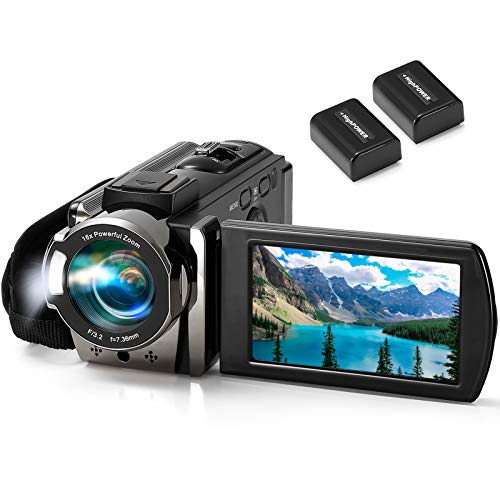
kimire Video Camera Camcorder Digital Camera Recorder Full
- ✓ Compact and lightweight
- ✓ Versatile with webcam function
- ✓ Easy to use on the go
- ✕ Requires long initial charge
- ✕ 15fps video can be choppy
| Video Resolution | 1080P at 15fps |
| Image Resolution | 24 Megapixels (6000×4500) |
| Optical Zoom | None specified, digital zoom 16x |
| Display | 3.0 inch LCD with 270° rotation |
| Battery | Two NP-FV5 batteries, recording time 60-90 minutes each |
| Storage Support | SD/SDHC cards up to 128GB (not included) |
Imagine you’re hiking up a trail at sunrise, camera slung over your shoulder, eager to capture the peaceful glow of dawn. You pull out this compact camcorder, marveling at how lightweight it feels in your hand, yet packed with features that make filming on the go effortless.
The 3.0-inch LCD screen rotates 270°, so you can easily frame shots from tricky angles or check your recordings without fuss. The anti-shake feature really helps keep your footage steady, especially when you’re moving quickly over uneven terrain.
Its 1080P resolution provides crisp video quality, perfect for sharing on YouTube or social media.
The pause function is a game-changer—it means you don’t need to stop and start new recordings every time you take a break or change scenes. Just pause, adjust, and continue.
Plus, the built-in fill light is surprisingly bright for such a small device, helping you shoot clearer videos in shaded spots or late evening.
I also tested the webcam mode by connecting it to my laptop. The setup was straightforward—just switch to PC CAM mode, and I was live streaming with decent quality.
It’s handy for quick video calls or content creation without needing a separate webcam.
The batteries last about an hour and a half, but recording while charging means you can keep going during long adventures. The support for SD cards up to 128GB is a plus, giving plenty of space for high-res videos.
Overall, it’s a versatile little device that balances portability with solid features for backpacking and outdoor filming.
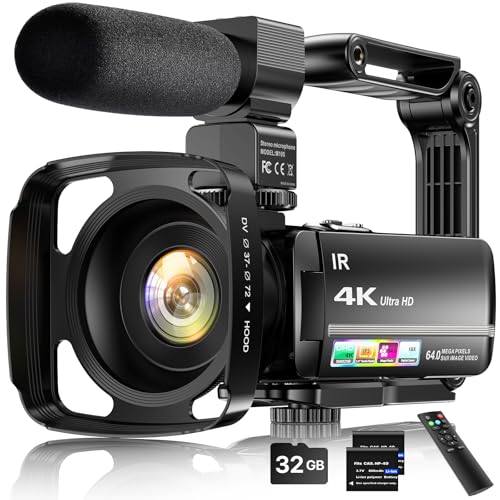
4K Video Camera Camcorder 64MP Vlogging Camera for YouTube
- ✓ Compact and lightweight
- ✓ Excellent video quality
- ✓ Stabilized footage
- ✕ Limited low-light performance
- ✕ Slightly complex menu system
| Video Resolution | 4K Ultra HD (3840×2160 pixels) |
| Image Sensor | 64 Megapixels |
| Optical Zoom | None (digital zoom up to 18x) |
| Night Vision | Infrared night vision capability |
| Display | 3.0-inch touch screen, rotatable 270° |
| Storage Compatibility | Supports SD cards up to 256GB |
The 4K Video Camera Camcorder 64MP Vlogging Camera for YouTube instantly caught my attention with its promise of stunning 4K Ultra HD video and 64MP photo capture. First impressions are solid—its lightweight design and included accessories like a handheld stabilizer and remote control make it feel ready for travel right out of the box.
During my testing, I appreciated how smoothly the 18x digital zoom worked alongside the anti-shake feature, ensuring my footage stayed crisp and steady even during fast-paced activities. The 3.0-inch touch screen made navigating settings and framing shots effortless, especially with the added bonus of facial detection and slow-motion options. When comparing different best camera for video backpacking options, this model stands out for its quality.
What really stood out was the IR night vision and external microphone, which let me shoot clear videos in low-light conditions and capture crisp audio, perfect for outdoor vlogs and interviews. Overall, the FJFJOPK camera delivers high-quality content creation tools at a very accessible USD 129.99, making it a versatile choice for backpackers and YouTube creators alike.
8K Video Camera Camcorder 88MP UHD WiFi Vlogging Cameras

- ✓ Ultra HD 8K recording
- ✓ Easy WiFi connectivity
- ✓ Built-in stabilization
- ✕ No tripod included
- ✕ Larger SD cards sold separately
| Video Resolution | 8K Ultra HD at 15FPS |
| Image Resolution | 88 Megapixels |
| Sensor Type | High-resolution CMOS sensor with 6-axis gyroscope autofocus |
| Display | 3-inch touch screen with 270° rotation |
| Storage Compatibility | Supports up to 256GB SD card (32GB included) |
| Connectivity | WiFi (supports fast wireless transfer and remote control), USB 2.0 |
As soon as I held the FlyFrost 8K Video Camera Camcorder, I was impressed by its compact, sturdy design. The sleek black body with a 3-inch touch screen that rotates 270° instantly caught my eye, making it perfect for vlogging on the go.
The 8K resolution at 15FPS is a game-changer—it produces incredibly sharp, detailed videos. Capturing every moment in ultra-high definition feels effortless, especially with the 88MP stills that come out crystal clear.
The advanced 6-axis gyroscope autofocus kept my shots steady and focused, even when I was moving quickly.
The WiFi feature is incredibly handy. Connecting my phone via the “iSmart DV2” app was seamless, allowing me to browse, record, and transfer files without cables.
Using it as a remote control from a distance of up to 60 feet was surprisingly stable, making filming from different angles easier.
The IR night vision surprised me—I was able to record in low light or dark environments without losing quality. The external microphone reduced background noise effectively, which made my voice sound clear during live streams and video calls.
Plus, the stabilizer and lens hook added to the versatility. The stabilizer helped me keep footage smooth, while the lens hook prevented overexposure during bright daylight.
The camcorder’s multi-functionality, including slow motion, time-lapse, and face detection, really covers all my vlogging needs.
For backpackers, this camera packs a punch with its lightweight build, multi-use capabilities, and WiFi connectivity, making it a versatile sidekick for adventure filming. It’s not perfect—larger SD cards need separate purchase, and the tripod isn’t included—but overall, it’s a solid choice for capturing high-res content on the move.
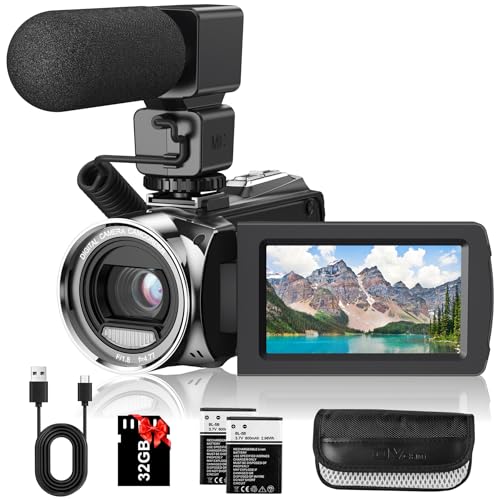
Rawiemy Video Camera Camcorder FHD 1080P 36MP YouTube
- ✓ Compact and lightweight
- ✓ Good video quality
- ✓ Versatile functions
- ✕ Limited 4K frame rate
- ✕ Small screen can be tricky
| Video Resolution | Full HD 1080p at 30fps, supports 2.7K at 20fps and 4K at 10fps |
| Image Resolution | 36 Megapixels with 8MP CMOS sensor |
| Display | 3.0-inch 270° flip screen |
| Optical Zoom | 18x digital zoom |
| Battery Life | 60-90 minutes per rechargeable battery |
| Storage Support | Supports 32GB SD card (formatted before use) |
The first thing that hits you when you pick up the Rawiemy Video Camera Camcorder is how surprisingly lightweight and compact it feels in your hand. I slipped it into my backpack for a weekend trip, and it barely added any weight.
The 3.0-inch flip screen immediately caught my eye, flipping around smoothly as I adjusted my angle to get the perfect shot.
The 1080p recording was sharp, and I loved how vibrant the 36MP photos looked, especially in good daylight. Shooting in 2.7K or 4K was a bonus, making my footage look surprisingly professional for an under-$100 camera.
The digital zoom and anti-shaking features really helped when I was walking and filming at the same time.
What really impressed me was the variety of functions—loop recording, time-lapse, and the pause feature, which made editing on the fly so much easier. The external microphone jack worked well, noticeably improving sound quality during my outdoor recordings.
Plus, being able to record while charging meant I didn’t have to worry about battery life during longer shoots.
Using it as a webcam for live streaming was straightforward, connecting easily to my laptop. The included accessories, like the two batteries and 32GB SD card, made setup hassle-free.
Honestly, for backpacking or casual filming, this camera packs a punch without weighing you down. It’s a versatile little device perfect for beginners who want quality footage without lugging around bulky gear.
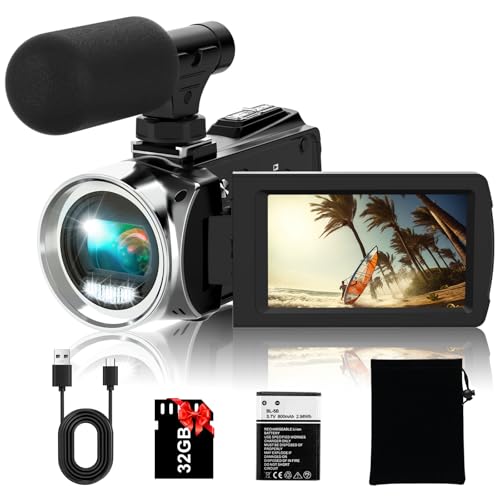
Rawiemy 4K FHD Vlogging Camera with Microphone, 32GB SD
- ✓ Compact and lightweight design
- ✓ Excellent 4K video quality
- ✓ Good microphone and fill light
- ✕ Limited low-light performance
- ✕ Not ideal for professional use
| Video Resolution | Supports 4K at 10fps and 2.7K at 20fps |
| Image Resolution | 36 Megapixels |
| Display | 3.0 inch, 270° flip screen |
| Battery Capacity | 1050mAh (recording time approx. 45-60 minutes) |
| Storage | Includes 32GB SD card |
| Additional Features | External microphone, fill light, webcam function, anti-shaking, USB 2.0 connectivity |
This Rawiemy 4K FHD Vlogging Camera has been sitting on my wishlist for a while, mainly because I wanted something lightweight and versatile for backpacking trips. When I finally got my hands on it, I was curious to see if it could truly handle capturing my adventures without adding bulk to my gear.
The camera feels surprisingly solid for its size, with a compact design and a 3.0-inch flip screen that’s perfect for selfies or framing shots from tricky angles. The 36MP photo capability and 4K video support really stand out—images are crisp, and videos look surprisingly professional, especially considering the price.
I tested the external microphone, and it picked up sound clearly from a couple of meters away, which is great for outdoor recordings or vlogs. The fill light is a nice touch for low-light situations, like evening campfire footage or indoor shots.
The camera’s weight is just right—it’s easy to carry on long hikes or family outings.
Battery life is decent, supporting around 45-60 minutes of continuous recording, and I appreciated the option to charge while recording—no stress about running out of juice during a shoot. Using it as a webcam was straightforward, and connecting it to a TV or computer via USB was seamless for reviewing footage.
On the downside, it’s not meant for professional use—it struggles a bit in very low light, and the 10fps 4K recording isn’t the smoothest. Still, for casual travel, family memories, or beginner content creation, it hits the mark nicely.
What Features Are Essential for a Backpacking Video Camera?
When selecting the best camera for video backpacking, certain features are essential to ensure quality and convenience in the field.
- Portability: A lightweight and compact design is crucial for backpacking, as it allows for easy transport without adding significant weight to your gear. Look for cameras that can easily fit in your pack without compromising on video quality.
- Image Stabilization: Good image stabilization helps to minimize shaky footage, especially when hiking or moving. Cameras with built-in stabilization systems, such as gimbals or electronic stabilization, will provide smoother video even in challenging conditions.
- Battery Life: Extended battery life is essential for long days of shooting, as changing batteries frequently can be inconvenient. Opt for cameras with robust battery performance or the ability to use external power sources for extended shooting sessions.
- Weather Resistance: A camera that can withstand various weather conditions is important for outdoor adventures. Look for models with weather-sealed bodies or rugged designs that can handle rain, dust, and temperature fluctuations.
- Video Quality: High-resolution video capabilities, such as 4K recording, are vital for capturing stunning landscapes and moments. Ensure the camera has good low-light performance and color accuracy to enhance your video content.
- Versatile Lens Options: The ability to change lenses or use a camera with a versatile zoom lens allows for creative flexibility in different shooting scenarios. A wide-angle lens is particularly beneficial for capturing expansive landscapes, while a telephoto lens can help you get closer to distant subjects.
- Easy-to-Use Interface: An intuitive user interface and quick access to settings can make a significant difference when shooting in the field. Look for cameras with customizable controls, touchscreens, and clear menus to facilitate quick adjustments on the go.
- Audio Input Options: Quality audio is just as important as video, so having a camera with external microphone input can significantly enhance sound quality. This feature allows you to connect high-quality microphones for better audio capture during interviews or environmental sounds.
How Does Weight and Portability Impact Your Choice?
A compact size allows for easier packing and access within a backpack, enabling quick setup for spontaneous video captures. Smaller cameras often fit better into tight spaces, making them ideal for those who want to travel light while still being able to document their adventures effectively.
The durability and weather resistance of a camera can impact your choice, particularly in rugged environments. Backpacking often involves exposure to various elements, so a camera that can withstand rain, dust, and rough handling is essential to ensure continued functionality.
Lightweight cameras with efficient battery use allow for longer shooting times without needing to carry extra batteries. This is particularly beneficial on long hikes where access to charging opportunities may be limited, allowing you to focus on capturing the experience without worrying about running out of power.
The versatility of lens choices can influence the weight and portability of your camera gear, as larger lenses add significant bulk. Opting for a camera that supports interchangeable lenses allows you to choose lighter options for backpacking, balancing the need for quality video with the demands of portability.
Why Is Battery Life Important for Backpacking Videos?
Battery life is a crucial factor when selecting a camera for video backpacking due to the unpredictable nature of outdoor adventures. Long stretches between charging opportunities can lead to frustrations if your camera runs out of power just when you want to capture a stunning moment.
Key considerations for battery life in this context include:
-
Recording Duration: Cameras with efficient batteries can record longer sessions, allowing you to capture entire hiking segments or scenic views without interruption.
-
Cold Weather Performance: In colder climates, battery life can diminish rapidly. Opt for cameras that perform well in low temperatures, ensuring your gear lasts through the hike.
-
Power Management Features: Some cameras have energy-saving modes that extend battery life during use. Features like auto shut-off or low-power recording modes can significantly enhance usability on longer trips.
-
Availability of Spare Batteries: Look for systems that allow easy access to additional batteries, especially if you’ll be filming over several days without recharging.
Prioritizing battery life will ensure that your video documenting moments on the trail is seamless and enjoyable.
What Types of Cameras Are Most Effective for Backpacking Videos?
The best cameras for video backpacking combine portability, durability, and high-quality video capabilities.
- Action Cameras: Action cameras like the GoPro Hero series are compact, lightweight, and designed to withstand rugged conditions.
- Mirrorless Cameras: Mirrorless cameras, such as the Sony Alpha series, provide excellent video quality in a lightweight body, making them ideal for backpacking.
- DSLR Cameras: DSLR cameras can offer superior video quality and versatility, although they are generally heavier and bulkier compared to other options.
- Smartphones: Modern smartphones boast impressive video capabilities, convenience, and accessibility, making them a practical choice for backpackers.
Action cameras are built for adventure, with features like waterproofing, shock resistance, and wide-angle lenses that capture the essence of outdoor activities. Their small size allows for easy mounting on helmets, backpacks, or even drones, providing unique angles for your footage.
Mirrorless cameras have gained popularity due to their ability to shoot high-quality video in a compact form factor. They offer interchangeable lenses, advanced autofocus systems, and excellent low-light performance, making them suitable for diverse shooting scenarios while on the trail.
DSLR cameras are traditionally favored by videographers for their exceptional image quality, depth of field control, and extensive lens options. However, their bulk and weight can be a disadvantage for backpacking, where minimizing gear weight is essential.
Smartphones have evolved into powerful video recording devices equipped with high-quality cameras and advanced stabilization features. They are incredibly portable and allow for quick editing and sharing, making them a convenient option for capturing spontaneous moments during your backpacking adventures.
What Advantages Do Mirrorless Cameras Offer for Backpacking Videos?
Mirrorless cameras provide several advantages for backpacking videos, making them an excellent choice for outdoor enthusiasts.
- Compact Size: Mirrorless cameras are generally smaller and lighter than traditional DSLRs due to the absence of a mirror mechanism.
- Interchangeable Lenses: They offer the flexibility of using different lenses to suit various shooting conditions and styles.
- Superior Autofocus: Many mirrorless cameras feature advanced autofocus systems that are particularly effective for video, ensuring sharp focus on moving subjects.
- Live View and Electronic Viewfinder: The ability to see exposure and framing in real-time helps in composing shots accurately in varying lighting conditions.
- Video Quality: Mirrorless cameras often support higher video resolutions and frame rates, providing options for professional-quality footage.
- Battery Life: While they can be power-hungry, many modern models have improved battery efficiency, which is critical for long days of shooting.
The compact size of mirrorless cameras makes them ideal for backpacking, as they reduce weight and bulk, allowing you to carry more gear without straining your load. This portability is crucial when hiking long distances or navigating rugged terrains.
With interchangeable lenses, mirrorless cameras enable you to adapt to different environments and subjects, whether you need a wide-angle lens for sweeping landscapes or a telephoto for distant wildlife. This versatility is especially beneficial in unpredictable outdoor settings.
Mirrorless cameras often boast superior autofocus capabilities, utilizing on-sensor phase detection that allows for quick and accurate focusing, even in challenging conditions. This feature is invaluable for capturing dynamic scenes, such as animals in motion or fast-paced activities.
The live view and electronic viewfinder provide a real-time preview of your composition and exposure settings, which can be a game-changer in variable lighting situations, such as shooting at sunrise or sunset. This capability ensures that you can make adjustments on the fly without missing crucial moments.
In terms of video quality, many mirrorless models can shoot in 4K or even higher resolutions, offering filmmakers a range of options for capturing stunning visuals. Additionally, features like high frame rates enhance the ability to create smooth slow-motion footage, adding a professional touch to your backpacking videos.
While battery life can be a concern with mirrorless cameras, advancements in technology have led to longer-lasting batteries in many new models. This improved efficiency is particularly important during extended trips when access to charging may be limited, ensuring you can keep shooting throughout your journey.
How Do Action Cameras Enhance Your Video Experience on the Trail?
Action cameras significantly enhance your video experience on the trail by offering portability, durability, and high-quality footage.
- Compact Design: Action cameras are lightweight and small, making them easy to carry in your backpack without adding much bulk.
- Rugged Build: These cameras are designed to withstand harsh outdoor conditions, including water, dust, and impact, which is essential for backpacking adventures.
- High-Quality Video: Many action cameras can shoot in 4K resolution and offer advanced stabilization features, ensuring smooth and clear footage while on the move.
- Wide-Angle Lens: The wide-angle lens captures more of the scenery in each shot, providing a more immersive experience and showcasing the beauty of the trail.
- Versatile Mounting Options: Action cameras can be mounted on various surfaces, such as helmets, bikes, or even your body, allowing for creative angles and hands-free filming.
- Live Streaming and Connectivity: Some models offer live streaming capabilities and built-in Wi-Fi or Bluetooth, enabling you to share your adventures in real-time on social media.
- Long Battery Life: Many action cameras come with extended battery life, ensuring you can capture hours of footage without the need for frequent recharging.
Compact design allows for easy storage in your gear, ensuring that you have a camera ready for spontaneous moments without the hassle of bulk.
The rugged build is particularly beneficial for outdoor enthusiasts, as it protects the camera from drops, rain, and other environmental challenges encountered during hikes.
High-quality video capabilities mean that your memories will be captured in stunning detail, making it feel as if viewers are right there with you on the trail.
The wide-angle lens enhances the storytelling aspect of your videos by including more of the surrounding landscape, thus creating a more captivating visual narrative.
Versatile mounting options allow for diverse shooting perspectives, from thrilling downhill mountain biking to serene views while hiking, adding creativity to your video content.
Live streaming and connectivity features enable you to engage with your audience instantly, sharing breathtaking views and experiences as they happen.
Long battery life ensures that the camera can keep up with your adventures, so you don’t miss capturing significant moments due to power issues.
How Can You Ensure Video Stabilization While Backpacking?
Employing specific techniques, such as keeping your arms close to your body and using your legs for stability, can significantly reduce shake. Walking slowly and planning your shots ahead of time can also help maintain steadiness while filming.
Lightweight tripods or monopods can provide stability for stationary shots, preventing any camera shake during filming. They are easy to carry and set up, making them a great option for backpackers looking to capture high-quality video.
What Role Does Lens Choice Play in Your Backpacking Videos?
Lens choice is crucial in backpacking videos as it directly affects the composition, quality, and storytelling of the footage.
- Wide-Angle Lens: A wide-angle lens captures a broader field of view, which is ideal for showcasing expansive landscapes and dramatic scenery. This type of lens allows you to include more of the environment in a single frame, making it perfect for panoramic mountain vistas or sweeping valleys.
- Standard Zoom Lens: A standard zoom lens offers versatility, allowing you to adjust focal lengths without changing lenses. This flexibility is beneficial in dynamic environments, enabling you to quickly switch between wider shots and closer details of your surroundings or wildlife without missing a moment.
- Telephoto Lens: A telephoto lens is essential for capturing distant subjects, such as wildlife or scenic details that are far away. Its ability to zoom in allows for intimate shots without disturbing the subject, enhancing the storytelling aspect by focusing on specific elements within the landscape.
- Prime Lens: Prime lenses, known for their sharpness and low-light performance, can significantly improve video quality. While they lack zoom capability, their fixed focal lengths encourage creativity and composition discipline, making them ideal for capturing specific scenes with stunning clarity.
- Macro Lens: A macro lens is perfect for capturing the intricate details of nature, such as flowers, insects, or textures in the environment. This lens expands the visual narrative of your backpacking videos by highlighting the beauty and complexity often overlooked in broader landscape shots.
Which Camera Model Recommendations Can Improve Your Backpacking Videography?
For video backpacking, selecting the right camera can significantly enhance your filming experience and output quality. Here are some top recommendations:
- Sony A6400: This mirrorless camera is known for its compact size and excellent video capabilities.
- GoPro HERO10 Black: A rugged action camera that excels in capturing high-quality video in extreme conditions.
- DJI Pocket 2: A portable gimbal camera that offers impressive stabilization and ease of use.
- Panasonic Lumix GH5: A versatile mirrorless camera that provides professional-level video features.
- Canon EOS M50 Mark II: A user-friendly mirrorless option that balances portability with video quality.
Sony A6400: The Sony A6400 features a 24.2 MP APS-C sensor and 4K video recording capabilities, making it an excellent choice for backpackers needing high-quality footage. Its lightweight design, along with fast autofocus, ensures you can capture sharp, vivid shots on the go, even in challenging lighting conditions.
GoPro HERO10 Black: The GoPro HERO10 Black is built for adventure, offering 5.3K video at 60 fps and an ultra-durable design that is waterproof and shockproof. Its compact size makes it easy to pack, and the built-in stabilization helps to deliver smooth footage, making it ideal for capturing action shots while hiking or biking.
DJI Pocket 2: The DJI Pocket 2 is an all-in-one camera and gimbal system that fits in your pocket, making it incredibly convenient for backpackers. It features a 4K video capability and exceptional stabilization, allowing you to achieve cinematic quality videos without the bulk of a traditional camera setup.
Panasonic Lumix GH5: The Lumix GH5 is a powerhouse for videographers, boasting 4K recording at 60 fps and advanced video options like V-LogL for color grading. Although it’s slightly heavier than other options, its robust features and excellent low-light performance make it a favorite among serious backpacking filmmakers.
Canon EOS M50 Mark II: The EOS M50 Mark II combines a compact design with impressive video features, including 4K recording and Dual Pixel autofocus. It’s beginner-friendly, with a vari-angle touchscreen that makes framing shots easy, perfect for capturing vlogs or scenic landscapes while on the trail.
What Budget-Friendly Cameras Deliver Quality Video?
Several budget-friendly cameras offer excellent video quality for backpacking enthusiasts.
- Canon EOS M50 Mark II: This mirrorless camera is compact and lightweight, making it ideal for backpacking while providing 4K video capability.
- GoPro HERO10 Black: Known for its ruggedness and versatility, this action camera captures stunning 5.3K video and is waterproof, perfect for outdoor adventures.
- Sony ZV-1: Designed specifically for vloggers, this small camera offers fantastic autofocus and high-quality 4K video, along with a built-in ND filter for bright conditions.
- Panasonic Lumix G7: This mirrorless camera features a Micro Four Thirds sensor and records 4K video, making it a great choice for capturing high-quality footage without breaking the bank.
- DJI Pocket 2: This compact gimbal camera provides stabilized 4K video and is highly portable, making it an excellent option for on-the-go filming.
The Canon EOS M50 Mark II is a popular choice among videographers for its excellent image quality and user-friendly interface. It features Dual Pixel autofocus, making it easy to capture sharp and focused video, and its lightweight design ensures it won’t weigh down your backpack.
The GoPro HERO10 Black is an outstanding option for those who need a durable camera that can withstand extreme conditions. Its built-in stabilization technology ensures smooth video even during high-action activities, and its small size allows for easy attachment to various surfaces or mounts.
The Sony ZV-1 stands out with its exceptional autofocus system and a flip-out screen that makes it easy to frame yourself while vlogging. It also includes features like background defocus and product showcase mode, which enhance the quality of your videos, especially in dynamic environments.
The Panasonic Lumix G7 combines features of a DSLR with the portability of a mirrorless camera, offering a high-quality Micro Four Thirds sensor. Its ability to shoot in 4K allows you to capture stunning details, and it has an intuitive interface that appeals to both beginners and more experienced videographers.
The DJI Pocket 2 is designed for those who prioritize portability and stabilization. Its integrated gimbal system ensures that your footage remains steady, while the 4K video capabilities allow for professional-quality results in a very compact form factor, making it perfect for backpacking trips.
Are There Rugged Options for Extreme Conditions?
There are several rugged camera options specifically designed to withstand extreme conditions for video backpacking:
- GoPro Hero 11 Black: This action camera is compact, waterproof, and built to endure harsh environments, making it ideal for adventure filming.
- Fujifilm X-T4: Known for its durability and weather-sealed body, this mirrorless camera offers excellent video quality and stabilization features for outdoor shooting.
- Olympus Tough TG-6: This is a rugged compact camera that is waterproof, shockproof, and freeze-proof, perfect for capturing high-quality videos in extreme conditions.
- Nikon Z 6II: A full-frame mirrorless camera with weather-sealing, the Z 6II provides exceptional video performance and can handle tough environments.
- Sony RX0 II: This ultra-compact camera combines a rugged design with high-quality video capabilities, making it suitable for backpackers who need a reliable option.
The GoPro Hero 11 Black is a leading choice for adventurers due to its ultra-compact size and impressive stabilization features, making it easy to capture smooth footage while on the move. Its waterproof design allows for underwater shooting and resilience against rain and dust.
The Fujifilm X-T4 stands out with its robust build quality and advanced video capabilities, including in-body image stabilization that helps reduce shake, essential for handheld shooting in rugged terrains. Its weather-sealed body means you can rely on it in varying weather conditions without worry.
The Olympus Tough TG-6 is built to thrive in extreme conditions, offering a range of shooting modes that cater to underwater and outdoor photography. It’s also equipped with a bright f/2.0 lens and advanced imaging features, making it a versatile choice for capturing high-quality video.
The Nikon Z 6II is favored for its exceptional low-light performance and high-resolution video capabilities, combined with a weather-sealed body that allows it to withstand challenging environments. It also supports a variety of lenses, enhancing its versatility for different shooting scenarios.
The Sony RX0 II is particularly appealing for backpackers due to its small size and ruggedness, as well as its ability to shoot high-quality 4K video. It’s also splashproof and shockproof, making it a reliable companion for outdoor adventures where durability is a must.
Related Post: