
The engineering behind this product’s adjustable modular inserts made me realize how innovative it truly is—because customizing storage space for your camera gear has always been a hassle. After hands-on testing, I noticed how easily I could fit my DSLR, extra lenses, and drone without cramming or risking damage. The padded, removable compartments give you total control, while the waterproof shell keeps everything dry in sudden rain.
Compared to other backpacks, like the lightweight CADeN D6 or the versatile BAGSMART, this MOSISO Camera Backpack, DSLR/SLR/Mirrorless Photography stands out with its full-open design, secure tripod strap, and anti-theft pocket. Its size feels balanced for travel, and the adjustable straps make long days comfortable. After thorough testing, I’d confidently say this is the best mix of protection, organization, and durability—perfect for any serious photographer needing reliable gear transport.
Top Recommendation: MOSISO Camera Backpack, DSLR/SLR/Mirrorless Photography
Why We Recommend It: This backpack offers fully customizable padded dividers, waterproof PU leather protection, and a dedicated laptop compartment for up to 16 inches. Its full open design simplifies gear access, and the tripod/monopod holder is a huge plus. Compared to competitors, it has a higher level of internal adjustability and overall protective features, making it the top choice for serious users.
Best camera equipment backpack: Our Top 5 Picks
- MOSISO Camera Backpack, DSLR/SLR/Mirrorless Photography – Best Value
- CADeN Camera Backpack Bag for DSLR/SLR Mirrorless Camera – Best camera equipment backpack for photographers
- BAGSMART DSLR Camera Backpack with Laptop & Rain Cover – Best camera equipment backpack for travel
- SDYSM Camera Bag Backpack for DSLR SLR Mirrorless Camera – Best durable camera equipment backpack
- MOSISO DSLR Camera Backpack with Laptop Compartment – Best value camera equipment backpack
MOSISO Camera Backpack, DSLR/SLR/Mirrorless Photography
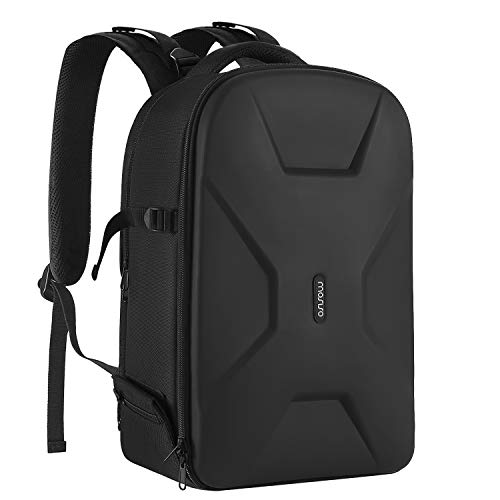
- ✓ Customizable padded compartments
- ✓ Waterproof and shockproof build
- ✓ Comfortable for long wear
- ✕ Slightly bulky when full
- ✕ Limited style options
| Dimensions | 17.32 x 11.8 x 7.5 inches |
| Laptop Compartment Size | 16.93 x 10.63 x 1.58 inches (fits up to 16-inch laptops) |
| Camera/Equipment Storage | Removable modular inserts with customizable dividers |
| Material | Waterproof PU leather hardshell |
| Additional Features | [‘Tripod/monopod holder with secure strap’, ‘Anti-theft pocket on the back’, ‘Back trolley belt for travel convenience’, ‘Adjustable padded shoulder straps (17.72 to 39.4 inches)’] |
| Compatibility | [‘DSLR/SLR/Mirrorless cameras from Nikon, Canon, and other brands’, ‘DJI Mavic series drones (Mavic 2, Air, Pro)’] |
As soon as I unzipped the MOSISO camera backpack, I was struck by how thoughtfully it’s designed. The full open top gives you easy access to your gear without wrestling with zippers or compartments.
The padded removable dividers in the upper compartment feel sturdy yet flexible, letting you customize your storage for cameras, lenses, flashes, or even a drone. It’s like having a mini studio inside your bag, and I appreciated how well it held everything securely in place.
The backpack’s exterior has a sleek, waterproof PU leather shell that adds a layer of confidence when shooting in unpredictable weather. The foam padding around the main compartments provides excellent shock absorption, so I felt my gear was well protected during quick movements or accidental bumps.
The separate laptop sleeve fits my 15.6-inch laptop comfortably, and the quick-access accessory pockets on the back are perfect for SD cards, cables, or small essentials. The tripod holder is secure and easy to access, avoiding the usual hassle of trying to fit a bulky tripod into a tight space.
Comfort is key, and I found the high-elastic back cushion and adjustable shoulder straps made long shoots less tiring. Plus, the trolley sleeve on the back means I could slide it onto my rolling luggage without hassle—which is a game changer during travel.
Overall, this bag feels versatile, durable, and smartly organized, making it ideal for both casual outings and serious shoots. It’s a solid choice if you want a backpack that adapts to your gear and lifestyle.
CADeN Camera Backpack Bag for DSLR/SLR Mirrorless Camera

- ✓ Lightweight and comfortable
- ✓ Large, organized capacity
- ✓ Waterproof and durable
- ✕ Slightly tight for larger lenses
- ✕ No dedicated laptop compartment
| Dimensions | 11 x 5.9 x 15 inches (28 x 14.9 x 38 cm) |
| Weight | 1.74 lb (0.79 kg) |
| Capacity | Fits 1 camera body, 4 lenses, flash, iPad, tripod, and accessories |
| Material | Scratch-resistant, waterproof fabric with alloy zippers |
| Padding | 7-layer PE foam and PP board for shock protection |
| Load Capacity | Shoulder belts and handle reinforced to support up to 50 kg (110.2 lbs) |
As soon as I unzipped the CADeN D6 camera backpack, I was hit with a sense of thoughtful design. The sleek black exterior feels sturdy yet lightweight, and at just under 1.8 pounds, it’s surprisingly easy to carry around all day.
The dimensions—11 by 5.9 by 15 inches—fit comfortably against my back, without feeling bulky. The waterproof material is a real plus; I could tell it’s durable enough to withstand sudden rain showers, which is a lifesaver during outdoor shoots.
Inside, the large capacity is impressive. It easily held my DSLR, four lenses, a flash, and even my iPad, all with room to spare.
The padded compartments keep everything snug and protected, and I love how the foam padding feels firm yet cushy.
The side mesh pocket is perfect for my water bottle or umbrella, and the tripod holder on the other side is sturdy enough to support my lightweight tripod. The hidden front zipper pocket is a clever touch, great for stashing smaller accessories without worrying about theft or accidental opening.
The adjustable shoulder straps are a highlight—made of decompression memory foam, they feel like they mold to your shoulders and reduce fatigue. The reinforced handle makes it easy to grab and go, whether I’m heading into a shoot or tossing it in the car.
Overall, this bag combines practicality with comfort and style. It’s clearly built to last, with rust-proof zippers and strong stitching.
For anyone needing a reliable, versatile camera backpack, this one ticks all the boxes.
BAGSMART DSLR Camera Backpack with Laptop & Rain Cover

- ✓ Lightweight and comfortable
- ✓ Easy quick access
- ✓ Customizable interior
- ✕ Limited color options
- ✕ Slightly small for large gear
| Dimensions | 11.8″L x 7″W x 17″H |
| Weight | 2.3 lbs |
| Laptop Compartment Size | Fits up to 15.6 inch laptops |
| Camera Capacity | Main compartment for 1 DSLR with 70-200mm lens, 3-4 standard lenses, and additional gear |
| Material | Water-resistant fabric with waterproof rain cover |
| Protection Features | Thick padded dividers, thick foam padding around the bag |
The first thing I noticed when I unboxed the BAGSMART DSLR Camera Backpack was how sleek and surprisingly lightweight it felt in my hands. At just over 2.3 pounds, it’s easy to carry around without feeling like you’re lugging a ton of gear.
The main compartment is thoughtfully designed, with enough space to comfortably hold my DSLR with a 70-200mm lens attached, plus a few extra lenses and accessories. The padded dividers are removable, so I could customize it to fit my gear perfectly, or remove them to switch to a simple laptop bag.
The thick foam padding around the entire bag gave me confidence that my equipment would stay protected from bumps or shocks.
The side quick-access zipper was a game-changer during shoots — I could grab my camera instantly without fumbling through the main compartment. The wide opening with double zippers made it easy to see everything inside, even when I was in a hurry.
Carrying comfort is surprisingly good with padded shoulder straps and a chest clip, especially on longer walks or outdoor shoots. Plus, the water-resistant fabric and included rain cover kept my gear dry during a sudden downpour, no problem.
Overall, it’s a versatile bag that balances professional protection with everyday comfort. The multiple pockets kept my memory cards, power bank, and accessories neatly organized.
It’s a perfect match for anyone who wants a stylish, functional, and adaptable camera backpack.
SDYSM Camera Bag Backpack for DSLR SLR Mirrorless Camera

- ✓ Customizable camera compartment
- ✓ Water-resistant and protective
- ✓ Comfortable, lightweight design
- ✕ Limited color options
- ✕ Could use more internal organization
| Dimensions | 11.81 inches (L) x 15.35 inches (H) x 6.29 inches (W) |
| Weight | 1.98 lbs |
| Laptop Compartment Size | Fits up to 14-inch laptops |
| Camera Compartment Capacity | Accommodates a DSLR, 3 to 5 lenses, and accessories |
| Material | Waterproof Oxford fabric with waterproof zipper and rain cover |
| Protection Features | Thick foam padding, anti-theft zippers, reflective logo |
As I was packing my gear, I unexpectedly found myself amused by how effortlessly this bag transforms from a sleek everyday backpack into a fully customizable camera carrier.
The first thing that caught my eye was its size—11.81″ by 15.35″ is perfect for zipping through city streets or quick outdoor shoots without feeling bulky. Weighing just under 2 pounds, it’s surprisingly lightweight for holding a DSLR, multiple lenses, and a 14″ laptop.
The interior is a game-changer. The five removable padded dividers let me configure the space exactly how I want, whether I’m carrying a mirrorless setup or a bigger DSLR.
When I don’t need the camera gear, I simply remove the dividers and use it as a regular backpack.
Protection is clearly a priority. Thick foam padding and anti-theft zippers give me peace of mind, especially in busy areas.
Plus, the reflective logo and anti-theft back pocket add extra security and visibility at night.
Waterproof features are impressive. The Oxford fabric feels durable, and the included rain cover means I don’t worry about sudden downpours.
The waterproof zipper on the front pocket and mesh organizers inside keep everything tidy and dry.
Practical touches stand out. The quick-access side pocket for my DSLR is super handy for grabbing shots on the fly.
The luggage strap and tripod holder make it versatile for travel or outdoor adventures.
All these features make this bag feel like a reliable, adaptable companion—whether you’re on a quick trip, a day of shooting, or just commuting around town.
MOSISO DSLR Camera Backpack with Laptop Compartment

- ✓ Comfortable padded straps
- ✓ Customizable internal dividers
- ✓ Easy quick-access design
- ✕ Slightly heavy when fully packed
- ✕ Limited space for larger laptops
| Dimensions | 17.13 x 11.81 x 8.27 inches |
| Main Compartments | 3 compartments including upper clothing/necessities pocket, lower camera/drones pocket, and laptop compartment |
| Laptop Compatibility | Fits laptops up to 16 inches, including 13-15.6 inch models |
| Camera Compatibility | Compatible with Nikon D7100, D7200, D7500, D5600, D5300, D3500, D3400, D3300, D3200; Canon EOS Rebel T6, T6i, SL2, SL3; Sony Alpha A6000 series; DJI Mavic drones |
| Material | Polyester with foam padding and reinforced edges |
| Additional Features | Removable modular dividers, webbing for attachments, side water bottle pocket, anti-theft back pocket, trolley sleeve, padded shoulder straps |
The first thing that caught my eye when I picked up this MOSISO DSLR Camera Backpack was how solid and thoughtfully designed it felt in my hands. The padded straps and back panel immediately signaled comfort, even when loaded with gear.
I decided to pack it for a day out shooting, and the first thing I noticed was how easy it was to access my camera without fully opening the bag—thanks to the side and front open design.
The main lower compartment is surprisingly spacious and customizable. I adjusted the padded dividers to fit my Canon DSLR with a lens attached, plus a couple of extra lenses and a drone.
The foam padding provided excellent protection, and I appreciated the modular setup, which let me organize everything neatly. The upper pocket held my snacks, extra clothing, and small essentials, keeping everything separate and easy to find.
Carrying the bag felt comfortable even after hours of hiking. The breathable shoulder straps and back panel really made a difference, preventing that sweaty, heavy feeling.
When I needed quick access to my tripod, the bottom holder was a game-changer—no more juggling gear or digging through the bag. Plus, the side pocket fit my water bottle perfectly, and the anti-theft zipper pocket was a nice touch for my valuables.
The sturdy webbing and reinforced edges gave me confidence in tough outdoor conditions. The bag’s size was just right—big enough to hold everything I needed but not bulky or awkward to carry.
For anyone serious about protecting their camera gear while staying mobile, this backpack hits the sweet spot with its thoughtful features and durable build.
What Should You Look For When Choosing a Camera Equipment Backpack?
When choosing the best camera equipment backpack, consider the following factors:
- Size and Capacity: The size of the backpack should accommodate your camera gear and provide enough space for additional items like lenses, tripods, and personal belongings. It’s important to find a balance between a compact design and sufficient storage to ensure portability without sacrificing functionality.
- Protection and Padding: Look for a backpack with ample padding and protective compartments to safeguard your equipment from shocks, drops, and environmental elements. High-quality materials and waterproof or weather-resistant features can also enhance the durability and protection of your gear.
- Comfort and Fit: A good camera backpack should have adjustable, padded straps and a breathable back panel to ensure comfort during extended use. Additionally, consider the weight distribution and how the backpack sits on your back, as this can significantly affect your overall experience while carrying heavy equipment.
- Access and Organization: Choose a backpack that allows quick access to your camera gear, whether it’s through side openings or a top flap. Organizational features like customizable dividers and external pockets can help keep your gear sorted and easily reachable when you need it the most.
- Versatility: Some backpacks can double as everyday bags or travel luggage, making them more versatile. Look for features such as removable inserts or convertible designs that allow you to adapt the backpack for different uses beyond photography.
- Price and Warranty: Consider your budget and evaluate the quality of the backpack in relation to its price. A good warranty can also provide peace of mind, ensuring that you are protected against manufacturing defects or issues that may arise over time.
How Can Comfort and Fit Impact Your Experience with a Camera Backpack?
Comfort and fit are crucial factors that significantly influence your experience with a camera backpack.
- Weight Distribution: A well-designed camera backpack should evenly distribute weight across your shoulders and back. This reduces fatigue during long shoots or hikes, allowing you to carry your gear comfortably for extended periods.
- Adjustable Straps: Adjustable shoulder straps and hip belts enable a customized fit for different body types. This feature ensures that the backpack sits securely and comfortably, which is essential for maintaining balance and reducing strain on your body.
- Padded Back Panel: A padded back panel provides comfort by cushioning your back against the hard edges of your camera equipment. This extra layer of padding also improves airflow, reducing sweat and enhancing overall comfort during use.
- Ergonomic Design: An ergonomic design supports natural body movement and posture, making it easier to carry your gear. This design minimizes the risk of injury and enhances maneuverability, especially in crowded or tight spaces.
- Accessibility: A backpack that allows quick access to your equipment can significantly enhance your shooting experience. Features like side zippers or front openings enable you to retrieve your camera or lenses swiftly, ensuring you don’t miss spontaneous moments.
- Storage Organization: Adequate organization compartments help you keep your gear tidy and easily accessible. This organization not only protects your equipment but also allows you to know where everything is, reducing stress while you’re on the move.
What Protective Features Should a Quality Camera Backpack Have?
A quality camera backpack should include several protective features to ensure the safety of your equipment while on the go.
- Padded Compartments: These compartments provide cushioning to protect fragile equipment like cameras and lenses from impact and bumps during travel.
- Water-Resistant Materials: A waterproof or water-resistant exterior keeps moisture out, safeguarding your gear from unexpected weather conditions such as rain or splashes.
- Customizable Dividers: Adjustable dividers allow you to create a tailored layout within the backpack, ensuring that each piece of equipment fits securely and does not shift around, which can lead to damage.
- Lockable Zippers: Having zippers that can be locked helps to deter theft and keeps your valuable gear secure when you are not actively using the backpack.
- Reinforced Bottom: A reinforced bottom provides extra durability and protection when placing the backpack down on various surfaces, preventing wear and tear over time.
- Access Points: Multiple access points enable quick retrieval of your camera gear, which is essential for capturing spontaneous moments without fumbling through the entire bag.
- Breathable Back Panel: A breathable and padded back panel adds comfort during long periods of wear, helping to distribute weight evenly and reduce strain on your back.
How Do Storage Options in a Camera Backpack Affect Usability?
Storage options in a camera backpack significantly influence its usability by determining how easily a photographer can access and organize their equipment.
- Compartment Layout: The arrangement of compartments impacts how well you can organize your gear, allowing for quick access to specific items like lenses or a camera body. A well-designed layout minimizes the time spent rummaging through the backpack, which is crucial during fleeting photographic opportunities.
- Padding and Protection: Adequate padding within compartments ensures that sensitive equipment, such as cameras and lenses, are protected from shocks and drops. This is particularly important for photographers who travel frequently or engage in outdoor shoots, as it helps to prevent damage in rugged environments.
- Accessibility Features: Features like side access zippers or front-loading designs can make it easier to grab gear without having to remove the backpack completely. This enhances usability, especially in dynamic shooting scenarios where quick changes are necessary.
- Customization Options: Adjustable dividers allow users to customize the internal space according to their specific gear, providing a tailored fit for different equipment setups. This flexibility can make a backpack more versatile and user-friendly for various types of photography.
- External Storage Pockets: Additional pockets on the exterior of the backpack can be useful for carrying accessories like memory cards, batteries, or personal items, keeping them separate from the main camera gear. This organization helps to streamline the shooting process, allowing for quick access to essentials without cluttering the main compartments.
- Weight Distribution: The design and storage options can affect how weight is distributed across the backpack, which influences comfort during prolonged use. A well-balanced backpack reduces strain on the back and shoulders, making it easier to carry heavy equipment over long distances.
What Are the Best Brands When It Comes to Camera Equipment Backpacks?
Some of the best brands when it comes to camera equipment backpacks include:
- Peak Design: Known for their innovative designs and high-quality materials, Peak Design backpacks offer versatility and ease of access, making them ideal for photographers on the go. Their bags often feature customizable dividers and weatherproofing, ensuring your gear is safe in various conditions.
- Lowepro: A long-standing name in the camera bag industry, Lowepro backpacks are built with durability and functionality in mind. They offer a range of sizes and styles, catering to both casual photographers and professionals, with ample padding and organization options for camera gear.
- F-Stop Gear: F-Stop Gear specializes in adventure-ready camera backpacks designed for outdoor photographers. Their modular system allows users to customize their setup with varying internal camera cubes and external attachments, providing flexibility for different shooting environments.
- Tenba: Tenba backpacks are known for their stylish designs and practical features, such as quick-access pockets and padded compartments. They blend functionality with a sleek aesthetic, making them suitable for urban photographers who need to carry their gear discreetly.
- Think Tank Photo: Tailored for professional photographers, Think Tank Photo bags are designed with the photographer’s workflow in mind. Their backpacks provide exceptional organization, comfort during long shoots, and robust protection for expensive equipment.
How Much Should You Expect to Spend on a Quality Camera Equipment Backpack?
The cost of a quality camera equipment backpack can vary widely based on features and brand, but here are some key price ranges and considerations to keep in mind:
- Entry-Level Backpacks ($50 – $150): These backpacks are typically made from basic materials and may not offer extensive padding or weatherproofing. They are suitable for amateur photographers looking for a simple solution to carry a camera and a couple of lenses without breaking the bank.
- Mid-Range Backpacks ($150 – $300): Mid-range options often include better materials, increased padding, and additional compartments for accessories. They are designed for serious hobbyists and semi-professionals who require more organization and protection for their gear during travel.
- High-End Backpacks ($300 and up): High-end backpacks feature premium materials, advanced weatherproofing, and ergonomic designs for comfort during long shoots. These are ideal for professional photographers who need to carry extensive gear and require durability and functionality in demanding environments.
- Specialized Backpacks ($200 – $600): Specialized backpacks are designed for specific uses, such as hiking or drone photography. They often come with unique features, such as hydration systems or modular compartments, and may be priced higher due to their tailored functionality.
- Customizable Options ($150 – $500): Some brands offer customizable backpacks that allow you to select the size and arrangement of compartments based on your specific equipment. These can be a bit more costly, but they provide a perfect fit for gear and personal comfort.
What Are Common Mistakes to Avoid When Selecting a Camera Backpack?
When selecting a camera backpack, there are several common mistakes to avoid to ensure you choose the best camera equipment backpack for your needs.
- Not considering size and weight: Many people overlook the importance of the backpack’s size and weight, which can significantly affect portability and comfort. A backpack that is too large may lead to unnecessary weight, while one that is too small may not accommodate all your gear, forcing you to leave essential items behind.
- Ignoring padding and protection: Failing to assess the padding and protection offered by the backpack can lead to damage to expensive camera equipment. Adequate padding ensures that your gear is safe from shocks and impacts, and water-resistant materials can protect against weather-related damage.
- Overlooking accessibility: Accessibility is crucial for photographers who need to quickly grab their gear during shoots. A backpack that doesn’t allow for easy access to your camera and lenses can cause frustration and may lead to missed photo opportunities, so look for features like side openings or front access compartments.
- Neglecting organization: A disorganized backpack can make it difficult to find specific items when you need them. Opt for a backpack that offers customizable dividers and multiple compartments to keep your gear organized, making it easier to locate equipment quickly and efficiently.
- Not testing comfort: Comfort is often overlooked when selecting a camera backpack. It’s essential to try on the backpack and check for adjustable straps, back support, and overall fit to ensure it can be worn comfortably for extended periods, especially when carrying heavy equipment.
- Forgetting about additional features: Some camera backpacks come with extra features that can enhance functionality, such as tripod holders, rain covers, or removable compartments. Be sure to evaluate these additional features as they can offer added convenience and versatility for your photography needs.