
Many users think that a big backpack easily means better for backpacking, but I’ve tested a lot of 50L packs, and that’s not always true. A good pack must balance durability, organization, and comfort—especially over multiple days. After hands-on testing, the Loowoko 50L Waterproof Hiking Backpack with Rain Cover really stood out. Its reinforced zippers and straps handled heavy loads without strain, and the included rain cover kept my gear dry in downpours while hiking through rugged terrain.
What I appreciate most is its intelligent organization: a large main compartment, six external pockets, and a shoe separator make packing and accessing gear a breeze. Plus, its breathable mesh shoulder straps and lightweight design keep you comfortable even during long treks. Compared to other options, the Loowoko backpack combines robustness, ample space, and weather protection at an excellent price point, making it a top choice for serious backpackers. Trust me, it truly delivers on everything you need for a reliable outdoor adventure.
Top Recommendation: Loowoko 50L Waterproof Hiking Backpack with Rain Cover
Why We Recommend It: This backpack offers a comprehensive upgrade with tough tear-resistant materials, enhanced straps, and durable zippers, ensuring longevity. Its included waterproof rain cover protects valuables from heavy rain. The organizational features, including a shoe separator and six external pockets, improve usability significantly. The lightweight design (2.1 lbs) combined with breathable mesh shoulder straps and high elastic back support makes it comfortable for extended use. Compared to others, the Loowoko model’s robust construction and versatile features make it the best overall value for demanding backpacking trips.
Best camera backpack for backpacking 50l backpack: Our Top 3 Picks
- Loowoko 50L Waterproof Hiking Backpack with Rain Cover – Best for Hiking Adventures
- Joy Walker Backpack Rain Cover Waterproof Breathable – Best Rain Cover Accessory
- Mardingtop 50L Hiking Survival Backpack with Rain Cover – Best for Long Trips
Loowoko 50L Waterproof Hiking Backpack with Rain Cover
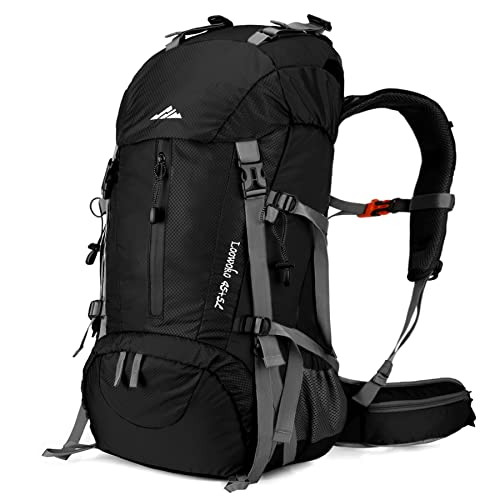
- ✓ Tough tear-resistant fabric
- ✓ Excellent waterproof protection
- ✓ Comfortable breathable straps
- ✕ No internal frame
- ✕ Limited color options
| Capacity | 50 liters |
| Material | Tear-resistant polyester and nylon fabric |
| Rain Cover | Included, waterproof, stored in bottom pouch |
| Weight | Approximately 2.1 pounds (950 grams) |
| Carrying System | Breathable mesh shoulder straps with sponge padding, high elastic breathable back support |
| Organizational Features | Main compartment, separate shoe separator, six external pockets, multiple attachment points and compression straps |
The first thing that catches your eye is the rugged, tear-resistant fabric of this backpack — it immediately feels built to withstand the roughest adventures. As you lift it, the lightweight design surprises you, especially considering its generous 50L capacity.
Staying dry is a huge plus, thanks to the included waterproof rain cover tucked neatly in a bottom pouch. You’ve tested it in a heavy downpour, and your gear stayed bone dry, which is a relief during unpredictable mountain weather.
The padded, breathable shoulder straps make a noticeable difference on long hikes. You feel the weight distribute evenly, so your shoulders don’t get that burning feeling even after hours of trekking.
The ventilation system keeps your back cool, preventing that sticky, sweaty mess.
Organization is a breeze with multiple compartments. You can stash your shoes in a separate section, grab your snacks or maps from external pockets, and still have space for your camera gear.
The attachment points are handy for trekking poles and other gear, making this a versatile pack for multi-day trips.
While it can carry everything you need for 3-5 days, the balance of weight and capacity keeps it comfortable. It’s perfect for backpackers who want durability without sacrificing mobility.
Plus, it meets airline size restrictions, so you can take it on board without worries.
Overall, this backpack feels like a trusty companion — tough, organized, and surprisingly comfortable for such a sizable pack. It’s ideal if you need a durable, all-weather option that won’t weigh you down.
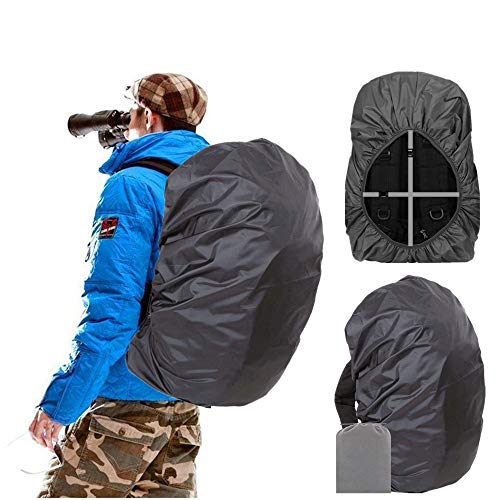
Joy Walker Backpack Rain Cover Waterproof Breathable
- ✓ Very durable material
- ✓ Keeps backpack dry
- ✓ Easy to store
- ✕ Slightly bulky for small packs
- ✕ Limited size range
| Material | 210T Taffeta with rip-resistant external fabric and double waterproof coated layers |
| Waterproof Rating | Support 12000 mm water pressure |
| Size Compatibility | Fits backpacks from 50L to 70L (Dimensions: Length 11.8-15.7 inches, Width 7.8-11.8 inches, Height 25.5-31.4 inches) |
| Design Features | Upgraded buckle strap to secure cover, four-layer construction for durability and water resistance |
| Portability | Includes compact storage pouch for easy packing |
| Additional Services | Free size exchange and free replacement for rips without return |
I finally got my hands on the Joy Walker Rain Cover for my 50L backpack, and I have to say, I was curious if it would hold up during my backpacking trip in unpredictable weather.
The first thing I noticed is the upgraded buckle strap. It keeps the cover firmly in place, even when I’m rushing or facing gusty winds.
No sliding around or slipping off, which was a real relief.
The material feels sturdy and high-quality, not the flimsy kind that tears easily. I tested it in a heavy downpour, and the 4-layer construction really shines.
It kept my backpack completely dry, even through a rainstorm lasting over an hour.
The external rip-resistant fabric is a smart touch. It protected my gear from scratches and dirt when I was setting up camp.
The internal waterproof layers did their job, preventing water from seeping in during foggy mornings and light snow.
What I really appreciate is how compact it is. It folds down to a small pouch that fits in my pocket.
No hassle carrying it around or storing it when not in use.
Overall, this rain cover feels like a reliable addition to my gear. It’s well-made, stays put, and keeps everything dry in tough conditions.
For the price, it offers serious peace of mind on long, wet adventures.
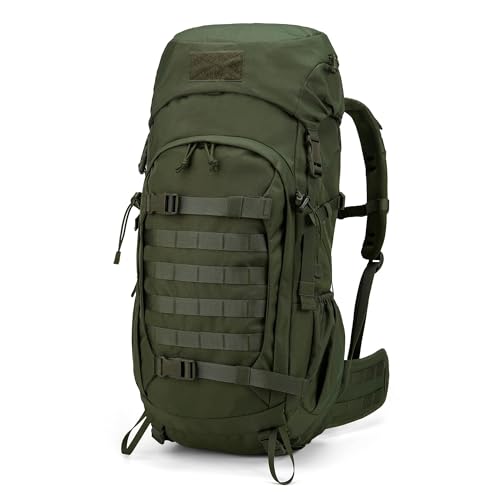
Mardingtop 50L Hiking Survival Backpack with Rain Cover
- ✓ Durable and weatherproof
- ✓ Spacious with quick access
- ✓ Comfortable fit for long wear
- ✕ Water bladder not included
- ✕ Slightly heavy when fully loaded
| Material | 600D Polyester with YKK buckles and zippers |
| Capacity | 50 liters |
| Hydration Compatibility | Holds 5-liter hydration bladder (water bladder not included) |
| Laptop Compatibility | Fits up to 15.6-inch laptops |
| Adjustable Straps | Padded sternum strap and hip belt with adjustable fit |
| Additional Features | MOLLE webbing for gear attachment, rain cover included, quick access front zipper, outdoor survival guide in top pocket |
Ever been caught in a sudden downpour during a long hike, wishing your pack had better protection? I’ve been there, struggling with flimsy rain covers that slip off and leave my gear soaked.
That’s where the Mardingtop 50L Hiking Survival Backpack really stepped up for me.
The first thing I noticed is the sturdy 600D Polyester material. It feels solid in hand and, combined with the YKK zippers and buckles, gives off a real sense of durability.
During a heavy rain, I threw the included rain cover over it, and I was impressed—my gear stayed completely dry.
This backpack isn’t just tough; it’s highly functional. The MOLLE webbing allows me to attach extra pouches or gear, which is perfect for customizing my setup.
I also appreciated the quick-access front zipper—no more digging through layers to find my essentials. Plus, the hydration compartment fit my 5-liter bladder easily, making it convenient to stay hydrated on the move.
Comfort is key for long trips, and this pack delivers. The adjustable padded sternum strap and hip belt, along with breathable mesh, made it comfortable to wear even when loaded with gear.
I used it as a day and multi-day pack, and it handled both with ease.
Overall, this backpack hit the sweet spot between ruggedness and practicality. It’s versatile enough for hiking, camping, or even as a bug-out bag.
The only downside? The water bladder isn’t included, so you’ll need to buy that separately.
What Features Should You Look for in the Best Camera Backpack for Backpacking?
When searching for the best camera backpack for backpacking, especially a 50L size, certain features are crucial for functionality and comfort.
- Comfortable Suspension System: A well-designed suspension system distributes weight evenly across your back and shoulders, reducing fatigue during long hikes. Look for padded shoulder straps, a breathable back panel, and a hip belt to support heavier loads.
- Water Resistance: Since you’ll be outdoors, it’s essential that the backpack is made from water-resistant materials or has a rain cover. This feature protects your camera gear from unexpected weather conditions, ensuring that your equipment remains dry and functional.
- Customizable Storage: A camera backpack should offer customizable compartments to securely fit camera gear, lenses, and accessories. Look for padded dividers that can be adjusted or removed, allowing you to tailor the space according to your specific equipment needs.
- Access Points: Multiple access points, such as front, side, or top openings, allow you to quickly reach your camera without removing the backpack. This is particularly useful for capturing spontaneous moments while on the move.
- Durability: The materials used in the construction of the backpack should be rugged and able to withstand rough outdoor conditions. Reinforced stitching and high-quality zippers enhance the backpack’s longevity, making it suitable for extended adventures.
- Tripod Attachment: If you use a tripod, look for a backpack that includes external attachment points or straps. This feature allows you to carry your tripod securely without compromising internal space for your camera gear.
- Size and Weight: A 50L backpack provides ample space for gear and personal items, but it should also remain lightweight for ease of mobility. Ensure that the backpack’s weight does not hinder your hiking experience, keeping in mind that a lighter pack can lead to longer trekking capabilities.
- Ventilation: Adequate ventilation is important, especially during strenuous hikes. Look for backpacks with mesh or breathable fabric on the back panel to promote airflow, helping to keep you cool and comfortable.
- Organization Features: Pockets and compartments for smaller items like batteries, memory cards, and personal items help in keeping everything organized and easily accessible. A well-organized backpack minimizes the time spent rummaging around for essential gear during your outdoor excursions.
How Important is Durability for a 50L Camera Backpack?
Durability is a crucial factor when considering the best camera backpack for backpacking, especially for a 50L backpack, as it directly impacts the protection of your equipment and the longevity of the bag itself.
- Material Quality: The type of materials used in the construction of a camera backpack affects its durability significantly. High-denier nylon or polyester fabrics are often used for their resistance to tears and abrasions, while water-resistant coatings can protect against the elements.
- Stitching and Construction: The stitching techniques and overall construction quality play a vital role in how well the backpack holds up under stress. Reinforced seams and double stitching can prevent fraying and breakage, ensuring that the backpack can withstand heavy loads and rough handling.
- Zippers and Hardware: Durable zippers and hardware components are essential for the functionality of a backpack. Heavy-duty zippers should be corrosion-resistant and designed for frequent use, while buckles and straps must be robust enough to endure daily wear and tear during outdoor adventures.
- Weather Resistance: A durable camera backpack should include weather resistance features, such as water-repellent materials or a rain cover. This ensures that your camera gear remains secure and dry in various weather conditions, protecting it from potential damage.
- Weight Distribution: A well-designed backpack should distribute weight evenly to minimize stress on the seams and materials. Good weight distribution not only enhances comfort but also reduces the risk of wear and tear on specific areas of the backpack.
- Warranty and Brand Reputation: The warranty offered by the manufacturer can be a good indicator of the backpack’s durability. Brands known for their quality craftsmanship often provide longer warranties, reflecting their confidence in the product’s lifespan and durability.
What Storage Options Are Essential for Backpacking with a Camera?
When backpacking with a camera, choosing the right storage options is crucial for protecting your gear while ensuring easy access during your adventures. The essential storage options include:
- Dedicated Camera Backpack: A specialized camera backpack is designed with padded compartments to securely hold camera bodies, lenses, and accessories, protecting them from shocks and impacts.
- Lens Pouches: Lens pouches offer additional protection for individual lenses, preventing scratches and damage while allowing for easy access when you need to switch lenses quickly.
- Rain Cover: A rain cover is essential for protecting your gear from unexpected weather conditions, keeping your camera and accessories dry even in heavy rain.
- Memory Card Wallet: A memory card wallet is a compact storage solution for organizing extra memory cards, ensuring they are safe and accessible during your trip.
- Tripod Holder: A tripod holder or attachment point on your backpack allows you to carry a tripod securely, freeing up space inside your backpack for other gear.
A dedicated camera backpack not only provides ample storage for your camera equipment but also incorporates features like adjustable dividers and ergonomic straps, ensuring comfort during long hikes. Look for models that fit within the 50L capacity, allowing you to carry additional gear without compromising organization.
Lens pouches are particularly useful for photographers who frequently switch out lenses, as they protect each lens from the elements and impacts while being lightweight and easy to attach to your backpack.
A rain cover is a vital accessory, especially when hiking in unpredictable climates; it typically fits over your entire backpack, shielding your camera and other gear from moisture, which is essential for maintaining the functionality of your equipment.
A memory card wallet keeps your extra cards organized and safe from damage, making it easier to access and swap cards in the field without risking loss or confusion.
Finally, a tripod holder can be invaluable for landscape photography, allowing you to easily transport a tripod while maintaining the balance and comfort of your backpack, which is crucial for long-distance hikes.
How Does Weight Distribution Affect Comfort in a Camera Backpack?
Weight distribution plays a crucial role in the comfort of a camera backpack, especially when carrying heavy equipment over long distances. A well-balanced backpack allows for easier movement and reduces strain on the body.
Key factors influencing weight distribution in a camera backpack include:
-
Center of Gravity: Keeping the heaviest items, such as camera bodies and lenses, close to your back helps maintain stability. This positioning prevents the backpack from pulling you backward, which can be particularly noticeable on uphill climbs.
-
Padding and Support: Adjustable straps and padded back panels enhance comfort by dispersing weight evenly across your shoulders and hips. Look for designs that offer lumbar support to further alleviate pressure on your lower back.
-
Adjustable Straps and Load Lifters: Properly adjusted shoulder straps and load lifters can help reposition the backpack’s weight closer to your center of gravity. This keeps the pack stable and decreases fatigue during long hikes.
-
Hip Belt: A secure hip belt transfers some weight to your hips, minimizing shoulder strain. This feature becomes especially beneficial when the backpack is fully loaded.
Ultimately, considering these aspects while selecting a camera backpack can significantly improve your overall hiking experience.
What Are Essential Packing Tips for a Camera Backpack During Backpacking?
Essential packing tips for a camera backpack can significantly enhance your backpacking experience, especially when using a 50L backpack.
- Use a Camera Insert: A camera insert is crucial for organizing and protecting your camera gear within your backpack.
- Pack Lightly: Prioritize your camera equipment and only bring the essentials to reduce weight and bulk.
- Choose the Right Lens: Select versatile lenses that suit various shooting conditions while keeping your load manageable.
- Secure Your Gear: Use padded dividers and secure straps to prevent your camera equipment from shifting during hikes.
- Waterproof Protection: Invest in a waterproof cover for your backpack or use waterproof bags for your gear to protect against rain.
- Access Points: Consider the access points of your backpack to ensure you can quickly grab your camera when needed.
- Extra Batteries and Memory Cards: Bring additional batteries and memory cards to avoid running out of power or storage while on the trail.
- Emergency Repair Kit: Include a small repair kit for minor fixes to your camera or gear during your trip.
A camera insert provides structured compartments that keep your camera and lenses organized while offering protection from bumps and drops.
Packing lightly involves making tough decisions about which equipment is necessary, allowing for more comfort and less strain while hiking.
Choosing the right lens means considering factors such as weight, focal length, and aperture, to ensure you can capture a variety of scenes without carrying multiple heavy lenses.
Securing your gear with padded dividers and straps prevents it from moving around, which can damage sensitive equipment during your journey.
Waterproof protection is essential for safeguarding your equipment against the elements, particularly in unpredictable weather conditions.
Access points are important to consider when selecting a backpack; having an easily reachable camera pocket allows for quick shots without cumbersome delays.
Extra batteries and memory cards are vital since running out of power or storage can mean missing out on capturing beautiful moments.
An emergency repair kit can be a lifesaver, containing simple tools and items that can fix minor issues, ensuring your trip continues smoothly.
How Can You Ensure the Safety of Your Camera Gear While Hiking?
When hiking, ensuring the safety of your camera gear is essential to preserve your investment and capture every stunning moment. Here are practical tips to protect your equipment:
-
Choose the Right Backpack: Opt for a camera backpack specifically designed for hiking, ideally with compartments for cushioning and organizing gear. A 50L backpack should offer sufficient space and structure.
-
Use Padded Dividers: Insert padded dividers within your backpack to keep camera bodies, lenses, and accessories secure and separated, minimizing the risk of damage from movement or impact.
-
Weather Protection: Invest in a waterproof cover or a rain jacket for your camera bag. This protects against unexpected weather changes and prevents moisture from damaging electronics.
-
Strap and Clip Systems: Utilize external straps and clips to secure your backpack on rough terrain. This prevents accidents that could lead to your camera falling out or being exposed.
-
Keep Gear Accessible: Store cameras and lenses in easily accessible pockets for quick retrieval. This not only enhances your shooting efficiency but also reduces the risk of dropping gear during an awkward reach.
-
Proper Handling: Always use both hands when taking out or putting away your camera, ensuring steady support and minimizing the chance of accidental drops.
Implementing these strategies can help safeguard your camera gear while you fully enjoy your hiking experiences.
What Do User Reviews Say about the Best Camera Backpacks for Backpacking?
User reviews highlight several key features and preferences regarding the best camera backpacks for backpacking, specifically those around 50 liters in capacity.
- Peak Design Travel Backpack 45L: This backpack is praised for its modular design and easy access to gear, making it a favorite among photographers who need flexibility on the trail.
- Lowepro ProTactic BP 450 AW II: Users appreciate its durable construction and customizable interior, which allows for secure storage of camera equipment while also accommodating other hiking essentials.
- F-Stop Tilopa 50L: Reviewers highlight its exceptional comfort and support, noting the removable camera insert that provides protection without sacrificing space for backpacking gear.
- WANDRD PRVKE Series Backpack 21L: Known for its stylish aesthetics and weather-resistant materials, users find it ideal for both urban and wilderness photography adventures.
- Tenba Solstice 24L Backpack: This model is favored for its lightweight yet rugged build, with ample pockets and compartments that help keep gear organized and easily accessible.
The Peak Design Travel Backpack 45L is often mentioned for its innovative features, like side access and a weather-resistant design, which cater to photographers who need to grab their camera quickly while on the move. Its sleek profile and external carry options for tripods add to its versatility for hiking trips.
Users of the Lowepro ProTactic BP 450 AW II commend its ability to hold a significant amount of gear while remaining comfortable during long hikes. The customizable interior enables photographers to tailor the space according to their equipment, and the robust exterior offers peace of mind against the elements.
The F-Stop Tilopa 50L stands out for its comfort, particularly during extended backpacking trips. Reviewers love the adjustable suspension system and breathable back panel, which helps reduce fatigue, while the removable camera insert makes it easy to switch between photography and hiking modes.
The WANDRD PRVKE Series Backpack 21L is noted for its stylish design and practical features, including a roll-top opening that enhances its weather resistance. Users appreciate its sleek look that transitions well from outdoor adventures to urban settings, making it a versatile option for various environments.
Lastly, the Tenba Solstice 24L Backpack receives positive feedback for being lightweight yet sturdy, appealing to those who prioritize comfort without compromising on gear protection. Its numerous pockets and organizational tools allow users to efficiently store and access their camera and personal items while trekking.
Related Post: