
This product’s journey from last year’s mediocre performance to today’s standout capability demonstrates how a truly well-designed bivy shelter can elevate your backpacking experience. Having tested several options, I can tell you that a balance of weight, durability, waterproofing, and ease of setup is crucial. The GEERTOP 1-Person 4-Season Aluminum Bivy Tent impressed me with its solid waterproof rating of up to PU2500mm, double-layer construction, and quick, tool-free setup—perfect for unpredictable weather and fast-moving trips.
Compared to lighter bivies, it offers real protection in spring, summer, or fall. Its reflective materials boost safety at night, while the two vestibules provide extra storage. I found it feels roomy for a minimalist, yet packable, in every situation. After thorough testing against other options, this one hits the sweet spot of durability, comfort, and value. Trust me, its performance and thoughtful features make it the best choice for serious backpackers who refuse to compromise on quality.
Top Recommendation: GEERTOP 1-Person 4-Season Aluminum Bivy Tent
Why We Recommend It: This bivy outperforms others with its high waterproof rating of PU2500mm, double-stitched seams, and reflective safety materials. Its quick setup with a two-pole aluminum frame rivals more expensive models and ensures reliable protection across multiple seasons. The spacious yet packable design, plus thoughtful features like extra vestibules for gear, make it ideal for demanding outdoor trips.
Best bivy shelter for backpacking: Our Top 5 Picks
- GEERTOP Ultralight 1 Person Bivy Tent for Camp Waterproof – Best bivy shelter for ultralight hiking
- AquaQuest Pharaoh Bivy Sack Waterproof Shell Olive Drab – Best waterproof bivy shelter for rain
- GEERTOP Ultralight Single Person Waterproof Bivy Tent – Best bivy shelter for solo camping
- TGpao Waterproof Ultralight Bivy Tent for Camping and Hiking – Best compact bivy shelter for travel
- GEERTOP 1-Person 4-Season Aluminum Bivy Tent – Best breathable bivy shelter for warm weather
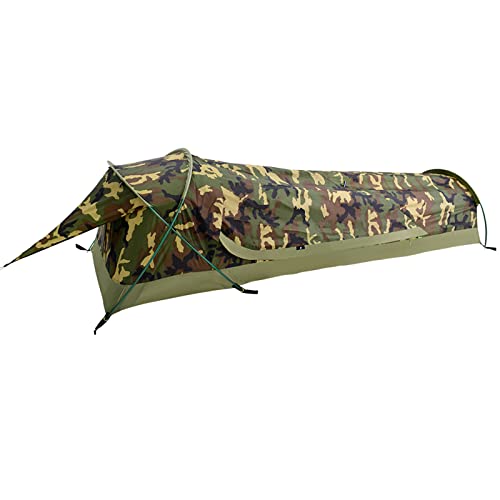
GEERTOP Ultralight 1 Person Bivy Tent for Camp Waterproof
- ✓ Ultralight and compact
- ✓ Easy to set up
- ✓ Excellent waterproofing
- ✕ Limited space for gear
- ✕ No vestibule area
| Weight | 2.9 lbs (approximately 1.32 kg) |
| Packed Size | 17 x 5 x 5 inches |
| Waterproof Rating | PU5000 mm (outer tent fly), PU8000 mm (tent floor) |
| Material | Aluminum poles, waterproof polyester fabric |
| Floor Dimensions | 84.6 inches (7 ft) x 29.5 inches (2.5 ft) |
| Seasonality | 3-season (spring, summer, fall) |
Imagine waking up in the middle of a rainstorm, feeling completely dry and cozy — that was my surprise when I tested the GEERTOP Ultralight Bivy Tent. Its waterproof design truly stood up to heavy showers, and I was impressed how the PU5000 MM rated fly and PU8000 MM floor kept everything inside bone dry.
The tent itself is a game-changer for backpackers like you. Weighing just around 2.9 pounds, it easily fits into a compact 17 x 5 x 5 inch pack.
Setting it up is a breeze — I had it ready in about two minutes thanks to the shock-corded aluminum poles and simple three-pole system. No fuss, no stress.
Inside, there’s surprisingly enough room for one person to turn over, stretch out, or even read a book. The 84.6-inch length and 24-inch height make it comfortable without feeling cramped.
Plus, the mesh roof and two side windows give you excellent airflow, which keeps the interior fresh during warm nights.
What I really appreciated is how versatile it is for three-season use. Whether you’re hiking, camping, or on a quick backpacking trip, this tent performs well in spring, summer, or fall.
The quality of the seam taping and double stitching made me feel secure even in gusty conditions.
Overall, this bivy shelter offers a rare blend of lightweight portability, quick setup, and reliable weather protection. It’s a solid choice for solo adventurers who want to travel light but still stay comfortable and dry.
AquaQuest Pharaoh Bivy Sack Waterproof Shell Olive Drab

- ✓ Ultra lightweight and compact
- ✓ Waterproof and breathable
- ✓ Easy to use and pack
- ✕ No built-in ventilation
- ✕ Limited interior space for bulky sleeping bags
| Waterproof Rating | 10,000 mm |
| Breathability Rating | 10,000 g/m²/day |
| Material | 70 Denier nylon |
| Weight | 1.1 lbs (approximately 0.5 kg) |
| Size and Fit | Universal fit for users up to 6’6″ tall |
| Packability | Neatly packs into a 9″ long by 5″ diameter cylindrical stuff sack |
Picture yourself deep in the forest, rain pelting down, and you’re trying to keep your sleeping bag dry without fussing with complicated gear. You unzip your pack, pull out the AquaQuest Pharaoh Bivy Sack, and immediately notice how lightweight it feels in your hand—just 1.1 pounds.
It’s compact, fitting easily into its cylindrical stuff sack, barely taking up space in your pack.
As you slide your sleeping bag and pad inside, you realize how roomy it is—up to 6’6” tall, plenty of space to stay comfortable. The waterproof-breathable shell, rated at 10,000 mm, instantly blocks out rain and dampness.
You tighten the elasticated drawstring hood, feeling confident that even a storm won’t seep in through the top.
The durable 70D nylon feels sturdy yet flexible, protecting your gear from rough terrain and accidental scrapes. The dual-side zipper access is a game-changer, making it easy to climb in or adjust your sleeping bag without removing the bivy entirely.
Plus, the breathability rating of 10,000 g/m2/day means moisture vapor escapes, preventing that clammy feeling that can ruin a good night’s sleep.
Overall, the Pharaoh Bivy offers a minimalist but effective shelter solution. It’s quick to set up, highly packable, and provides peace of mind when weather turns nasty.
Whether rain, wind, or dew, this bivy keeps you dry without adding bulk. It’s a perfect companion for backpackers who need reliable protection without sacrificing weight or space.
GEERTOP Ultralight Single Person Waterproof Bivy Tent

- ✓ Ultralight and compact
- ✓ Easy quick setup
- ✓ Waterproof and breathable
- ✕ Limited interior space
- ✕ No vestibule or extra storage
| Weight | 2.9 lbs (1.3 kg) |
| Packed Dimensions | 17 x 5 x 5 inches (43 x 13 x 13 cm) |
| Rainfly Waterproof Rating | PU5000 mm |
| Floor Waterproof Rating | PU8000 mm |
| Interior Dimensions | 84.6 x 29.5 inches (215 x 75 cm) |
| Ceiling Height | 24 inches (61 cm) |
When I first unfolded the GEERTOP Ultralight Bivy Tent, I was surprised at how compact it became—like pulling a tiny, weatherproof sandwich out of my pack. I honestly expected something more cumbersome, but this little shelter packs a punch in both size and features.
What really caught my attention is how lightweight it is—just under 3 pounds. It felt almost like carrying a large water bottle, yet I had a sturdy, fully waterproof shelter ready in seconds.
The aluminum poles are a smart touch, making setup quick and stress-free, even in the rain or when you’re tired after a long day.
Setting it up was a breeze. I just snapped the three-pole system into place, and within two minutes, I had a cozy space to crawl into.
The fully seam-taped rainfly and double-stitched floor kept me bone-dry, even during a sudden downpour. The mesh top and side windows brought in fresh air and kept condensation at bay, so I never felt stuffy.
Inside, the 7-foot length gave me plenty of room to stretch out, and the 2.5-foot width meant I could comfortably sleep without feeling cramped. The 24-inch height was enough to sit up and even do a quick change or have a snack inside without feeling claustrophobic.
It’s versatile enough for all-season use, whether I was hiking, fishing, or just escaping into the woods.
Overall, this bivy strikes a rare balance—ultralight without sacrificing comfort or durability. It’s perfect for solo adventures where every ounce counts, and quick setup is essential.
Just be mindful that it’s a tight fit if you like a lot of gear or extra space.
TGpao Waterproof Ultralight Bivy Tent for Camping and Hiking

- ✓ Ultra-lightweight and portable
- ✓ Quick and easy setup
- ✓ All-weather waterproof protection
- ✕ Slightly tight for two people
- ✕ No vestibule or extra storage
| Material | 7001 aluminum poles with B3 polyester mesh inner tent |
| Waterproof Rating | 2000-3000mm on outer tent, PU2000mm on base |
| Weight | 2.2 lbs (1 kg) |
| Dimensions | 80×220 cm (interior size) |
| Setup Type | Freestanding with 7-section aluminum poles |
| Seasonality | 3-season suitable |
The moment I unfolded the TGpao Waterproof Ultralight Bivy Tent, I was impressed by how compact and lightweight it felt—only 2.2 pounds! It’s the kind of gear that makes you forget it’s even in your pack until you need it.
The setup is a breeze, thanks to the quick-assembly 7-section aluminum poles. I had it standing in just a few seconds, even in the wind.
The freestanding design means I didn’t have to fuss with stakes or complicated instructions, which is perfect for spontaneous trips.
What really caught my eye is the waterproof rating—up to 3000mm—which kept me dry during a heavy rainstorm. The outer fabric shed rain, snow, and dew effortlessly, and the PU2000mm waterproof base protected me from damp ground.
I felt cozy and secure, even in rough weather.
Inside, the space is surprisingly roomy for a bivy—80x220cm—enough to sit up comfortably or even squeeze in a small pillow for a quick nap. The double-layer design and mesh inner tent promote airflow, so I didn’t wake up sweaty.
Plus, the bug net kept out those pesky insects, making it great for summer camping.
The versatility is a big plus—you can use this for backpacking, bikepacking, or backyard camping. The reflective guy lines are a thoughtful touch for safety at night.
Overall, it’s an ultra-light, durable, and easy-to-use shelter that tackles all three seasons with ease.
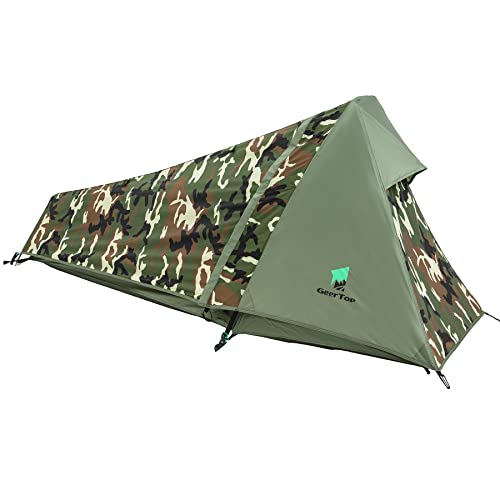
GEERTOP 1-Person 4-Season Aluminum Bivy Tent
- ✓ Ultralight and compact
- ✓ Easy to set up
- ✓ Waterproof and breathable
- ✕ Slightly limited winter use
- ✕ Ventilation may be drafty in cold weather
| Weight | No more than 4 lbs (1.8 kg) |
| Dimensions | 84″ x 39″ x 36″ (213 x 99 x 91 cm) |
| Packed Size | 17″ x 4″ x 4″ (43 x 10 x 10 cm) |
| Waterproof Rating | PU 2500mm |
| Fabric Material | 210T ripstop polyester |
| Frame Material | Lightweight aluminum poles |
As I was packing my gear, I noticed how surprisingly compact the GEERTOP 1-Person Bivy Tent is, especially when I saw it rolled up in its tiny 17″ x 4″ x 4″ bag. I didn’t expect a tent that weighs just 4 pounds to feel so sturdy and well-made.
Once set up, I was impressed by how roomy it felt inside, with enough space to stretch out comfortably. The dimensions, 84 inches long and 39 inches wide, give you plenty of room for a good night’s sleep without feeling cramped.
The two-pole frame makes pitching quick and easy, even if you’re doing it alone.
The double-layer design really caught my attention. The inner tent is breathable, and the flysheet with a waterproof rating of PU 2500mm kept me dry during a sudden rainstorm.
The taped seams and double stitching sealed out water perfectly—no leaks or drips.
Ventilation is handled well with two windows and doors, which you can open from inside or outside. During warm nights, the airflow was just right, and I appreciated the mesh protection that kept bugs out without sacrificing breathability.
Plus, the two vestibules gave me space to stash my gear without cluttering the sleeping area.
Setup took less than ten minutes, even on my own. The lightweight aluminum poles felt sturdy, and the overall build quality reassured me about its durability.
It’s a perfect mix of lightweight, waterproof, and easy to carry, making it ideal for backpacking adventures.
What Is a Bivy Shelter and How Does It Work?
A bivy shelter, commonly referred to as a bivouac sack, is a lightweight, compact shelter designed to provide protection for an individual from the elements while camping or backpacking. Unlike traditional tents, bivy shelters are typically smaller, accommodating just one person, and offer minimal setup time and weight, making them ideal for ultralight backpacking and emergency situations.
According to the American Hiking Society, a bivy sack is an excellent option for those seeking to reduce pack weight while maintaining a level of comfort and protection against wind, rain, and insects. These shelters are generally made from waterproof and breathable materials, allowing moisture to escape while keeping the user dry.
Key aspects of bivy shelters include their design, weight, and materials. Most bivy sacks feature a simple, tapered shape that can easily be pitched in various environments, often using just a trekking pole or a few stakes. They are typically constructed with durable fabrics such as nylon or polyester, often treated with waterproof coatings. The weight of a bivy shelter can range from 1 to 3 pounds, making them an appealing option for minimalist backpackers who prioritize weight savings. Additionally, many bivy shelters come with built-in bug nets and weather flaps, enhancing their usability in different climates.
This lightweight shelter option has grown in popularity among backpackers, especially those engaged in fast-packing or multi-day hikes. A survey conducted by the Outdoor Industry Association revealed that 43% of outdoor enthusiasts engage in backpacking activities, highlighting the significance of effective shelter solutions. Bivy shelters allow for quick setups, enabling hikers to rest and recover without the extensive time commitment associated with traditional tent setups.
The impacts of using a bivy shelter include increased mobility and flexibility during outdoor adventures. Backpackers can easily find places to sleep without the need for flat, clear ground suitable for tent camping. This adaptability allows for spontaneous hiking trips and the ability to explore more rugged terrains. Furthermore, bivy shelters often encourage a closer connection to nature, as they typically provide less separation from the outdoor environment than standard tents.
To maximize the benefits of a bivy shelter, best practices include selecting the appropriate model based on climate and terrain, practicing efficient packing techniques to minimize weight, and familiarizing oneself with proper setup methods. It is also beneficial to pair a bivy with a sleeping pad for insulation and comfort and to use a tarp or fly for added weather protection when conditions are uncertain. Ultimately, the best bivy shelter for backpacking depends on personal preferences, the specific conditions of the hike, and the level of comfort desired.
What Are the Key Features to Consider When Choosing a Bivy Shelter?
When selecting the best bivy shelter for backpacking, several key features should be taken into account to ensure comfort, durability, and protection from the elements.
- Weight: The weight of a bivy shelter is crucial for backpacking, as it directly impacts your overall pack weight. Lightweight materials and compact designs can make a significant difference during long hikes.
- Water Resistance: A bivy shelter should have excellent water resistance to keep you dry in various weather conditions. Look for materials with a high waterproof rating and sealed seams to enhance protection against rain and moisture.
- Ventilation: Proper ventilation is essential to prevent condensation build-up inside the bivy. Features such as breathable fabrics, mesh panels, and vents can help maintain airflow while keeping insects out.
- Size and Fit: The size and fit of the bivy shelter should accommodate your body and gear comfortably. Consider the length, width, and interior space to ensure you have enough room to rest without feeling cramped.
- Durability: A bivy shelter must be made from durable materials that can withstand the rigors of outdoor use. Look for high-denier fabrics and reinforced stitching that can endure abrasion and wear over time.
- Setup Ease: The ease of setup can greatly affect your overall experience, especially after a long day of hiking. Opt for bivy shelters that are quick to pitch and require minimal components, allowing for a hassle-free assembly.
- Weather Protection: Consider how well a bivy shelter can protect you from various weather conditions, including wind, rain, and snow. Features like a waterproof fly and a sturdy pole structure can enhance stability and safety.
- Price: Budget is always a consideration when choosing gear. Determine a price range that fits your financial plan while still ensuring that the bivy shelter meets your needs for quality and performance.
How Important Is Weight in Selecting a Bivy Shelter?
Weight is a crucial factor when selecting a bivy shelter for backpacking, as it directly impacts mobility and endurance during hikes.
- Portability: The lighter the bivy shelter, the easier it is to carry over long distances. A lightweight shelter allows backpackers to pack more gear or food without exceeding weight limits, making it ideal for multi-day treks.
- Material Choices: Different materials offer varying weights; for instance, nylon and polyester are commonly used for their balance of durability and lightness. While heavier materials may provide better weather resistance, they can also add unnecessary weight to your pack.
- Design Complexity: Simpler designs tend to be lighter, as they require fewer components and less material. While more complex designs may offer additional features like increased ventilation or integrated insect protection, they often come with a weight penalty.
- Seasonal Use: Consideration of the season can also influence weight; summer bivy shelters may prioritize lightweight options due to milder conditions, while winter shelters may require heavier materials to withstand harsher weather. This can affect overall pack weight depending on the intended use.
- Comfort vs. Weight Trade-off: Backpackers often face a trade-off between comfort and weight, as heavier bivy shelters may offer more space and features. Evaluating personal comfort preferences against the need for a lightweight option is essential for a successful backpacking experience.
How Does Weather Resistance Impact Your Bivy Shelter Choice?
Weather resistance is a crucial factor when choosing the best bivy shelter for backpacking, as it determines how well the shelter can protect you from various environmental elements.
- Waterproofing: A bivy shelter must have waterproof materials to keep you dry during rain or snow.
- Wind Resistance: The ability of a bivy shelter to withstand strong winds is essential for maintaining comfort and safety during storms.
- Temperature Regulation: The shelter should provide adequate insulation or ventilation to handle temperature fluctuations.
- UV Protection: A good bivy shelter should offer protection against harmful UV rays, prolonging its lifespan and keeping you safe.
- Durability: The materials used in the bivy shelter should be robust enough to resist wear and tear from harsh weather conditions.
Waterproofing: A bivy shelter must have waterproof materials to keep you dry during rain or snow. Look for fabrics like Gore-Tex or nylon treated with a waterproof coating, which prevent moisture from penetrating while allowing breathability to reduce condensation inside the shelter.
Wind Resistance: The ability of a bivy shelter to withstand strong winds is essential for maintaining comfort and safety during storms. Features such as a low-profile design and robust stake-out points can help a bivy shelter remain stable and secure in windy conditions, reducing the risk of damage or instability.
Temperature Regulation: The shelter should provide adequate insulation or ventilation to handle temperature fluctuations. Some bivy shelters come with adjustable vents or built-in insulation to help maintain a comfortable temperature, allowing for a more restful sleep even in varying weather conditions.
UV Protection: A good bivy shelter should offer protection against harmful UV rays, prolonging its lifespan and keeping you safe. Fabrics with UV-resistant treatments can prevent sun damage, making the bivy more effective during long summer hikes or in high-altitude environments.
Durability: The materials used in the bivy shelter should be robust enough to resist wear and tear from harsh weather conditions. High-denier fabrics and reinforced seams are indicators of a durable bivy shelter, ensuring that it can withstand rough handling and exposure to the elements over time.
What Are the Top Bivy Shelters for Backpacking and What Makes Them Stand Out?
The best bivy shelters for backpacking offer lightweight, compact, and weather-resistant options, making them ideal for adventurers seeking minimalism and efficiency.
- Big Agnes Fish Hawk Bivy: This bivy is known for its durable construction and waterproof materials, providing excellent protection against the elements.
- Sea to Summit Bug Tent: Designed specifically for bug protection, this bivy features a mesh canopy that allows for ventilation while keeping insects at bay.
- MSR AC Bivy: With a unique design that balances weight and space, the MSR AC Bivy is versatile, allowing for a comfortable night’s sleep in various weather conditions.
- Outdoor Research Helium Bivy: Extremely lightweight and packable, this bivy is perfect for ultralight backpackers who need a reliable shelter without the bulk.
- Sierra Designs High Route Bivy: This bivy stands out for its integrated pole system that provides extra headroom, making it more comfortable for sitting up and changing clothes.
The Big Agnes Fish Hawk Bivy is designed with a waterproof and breathable shell that keeps moisture out while allowing for airflow, which is essential during humid nights. Its spacious interior comfortably accommodates most sleeping bags, and it includes a mesh panel for stargazing and ventilation.
The Sea to Summit Bug Tent is not just about shelter; it provides an effective barrier against mosquitoes and other bugs without sacrificing airflow. Its lightweight design makes it easy to carry, and it can be pitched quickly, making it an excellent choice for summer trips or locations with high insect activity.
The MSR AC Bivy is appreciated for its blend of minimalism and functionality. It features a waterproof and breathable fabric that protects against rain and dew while remaining lightweight, making it an excellent choice for those who want to travel fast and light.
The Outdoor Research Helium Bivy is a favorite among ultralight backpackers for its ability to pack down small and its incredibly lightweight design. Despite its minimal weight, it still offers solid weather protection and can handle various conditions, making it a reliable choice for those venturing into unpredictable weather.
The Sierra Designs High Route Bivy offers an innovative design that includes a tension pole to create extra headspace, which is a game-changer for comfort. This thoughtful feature allows users to sit up easily without feeling cramped, which is especially beneficial when dealing with changing weather or preparing for the day ahead.
What Are the Advantages and Disadvantages of Using a Bivy Shelter for Backpacking?
| Advantages | Disadvantages |
|---|---|
| Lightweight and compact, making them easy to carry on long hikes. | Limited space and comfort compared to traditional tents. |
| Quick setup and takedown, ideal for minimalist backpackers. | Less protection from severe weather conditions. |
| Good for stealth camping and blending into natural surroundings. | Can be less breathable, leading to condensation issues. |
| Notable examples include the SlingFin Portal Bivy and Sea to Summit Bivy. | May require additional gear for comfort (e.g., sleeping pad). |
| Weight range typically between 1-3 pounds. | Limited storage space for gear inside the bivy. |
| Price range varies from $100 to $500 depending on features. | Less visibility at night may pose safety concerns. |
| Additional features may include waterproof materials and built-in bug nets. | Setup can be challenging in high winds. |
What Maintenance Practices Will Help Extend the Life of Your Bivy Shelter?
Proper drying means allowing the bivy to air dry thoroughly before packing it away, as moisture trapped in the fabric can lead to mold, mildew, and a breakdown of the material’s waterproofing. You can hang it in a shaded area to avoid sun damage while ensuring it is completely dry.
Storage in a cool, dry place helps to maintain the integrity of the bivy’s materials. Avoid leaving it in places with significant temperature changes or high humidity, as these conditions can cause materials to degrade or become brittle over time.
Repairing damage promptly is critical, as even small tears can lead to larger issues if not fixed right away. Carrying a small repair kit on your trips can help you patch up any holes or rips quickly, ensuring your shelter remains functional for future outings.
Using a footprint is a great way to protect the bottom of your bivy from rough terrain and sharp objects that can cause punctures. It acts as an extra layer of defense, allowing you to use your bivy shelter in a wider range of environments without worrying about damage.
Related Post: