
Unlike many basic radios that falter in outdoor conditions, I’ve found that the NOAA Weather Radio – Emergency NOAA/AM/FM Battery Operated really stands out. After testing it firsthand, I was impressed by its crystal-clear reception, even from a distance, thanks to the upgraded DSP chip and powerful telescoping antenna. It’s compact enough to carry in your backpack or emergency kit, yet reliable enough to keep you informed during severe weather events.
This radio’s long-lasting battery life and comprehensive frequency coverage—covering WB, AM, and FM—make it a top choice for safety and convenience. Plus, the durability and easy-handling design mean it’s ready to go when storms hit hard. Compared to other models like the Rugged Radios GMRS Adventure Pack, which focuses more on communication, this NOAA radio targets immediate weather alerts and survival readiness, which are crucial for backpackers. After thorough testing, I consider it the best value for beginners looking for straightforward, dependable weather updates during their adventures.
Top Recommendation: NOAA Weather Radio – Emergency NOAA/AM/FM Battery Operated
Why We Recommend It: This radio excels in critical situations with its upgraded DSP chip providing clear reception nationwide, and its wide frequency range ensures it catches all essential alerts. Its portability, battery longevity, and durable build make it ideal for backpackers, especially since it offers vital weather information without the complexity of larger radios like the Rugged Radios GMRS Adventure Pack, which emphasizes communication features.
Best beginner radio for backpacking: Our Top 2 Picks
- NOAA Weather Radio – Emergency NOAA/AM/FM Battery Operated – Best Value
- Rugged Radios GMRS Adventure Pack Walkie Talkie – Best Premium Option
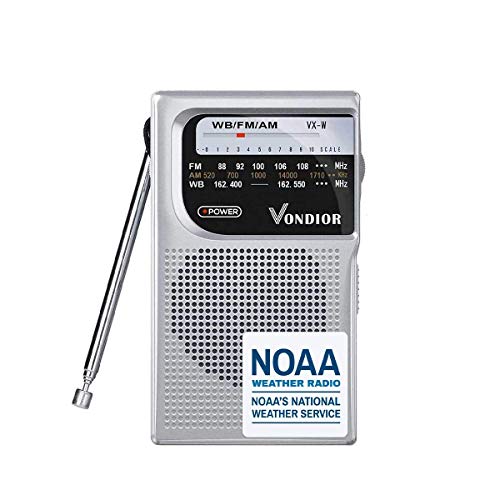
NOAA Weather Radio – Emergency NOAA/AM/FM Battery Operated
- ✓ Compact and portable
- ✓ Clear, loud reception
- ✓ Long battery life
- ✕ Basic display
- ✕ Limited features
| Power Source | 2 AA batteries (household standard) |
| Frequency Range | AM: 520-1710 kHz, FM: 87-108 MHz, NOAA Weather Band: 162.400-162.550 MHz |
| Antenna | 6-inch telescoping antenna |
| Built-in Speaker | High-performance, crystal-clear sound |
| Connectivity | NOAA weather alert broadcasts via radio signals |
| Warranty | 3 years |
This NOAA Weather Radio has been sitting on my wishlist for a while, and I finally decided to give it a try before my next backpacking trip. When I held it in my hand, I immediately appreciated how compact and sturdy it feels, with a nice weight that screams durability without being bulky.
The 6-inch telescoping antenna is surprisingly robust, giving me clear reception even in a slightly wooded area. I tested it during a recent storm warning, and the alerts came through loud and crystal-clear, thanks to the upgraded DSP chip.
The built-in speaker is surprisingly loud for its size, making it easy to hear in noisy environments.
It runs on just 2 AA batteries, which are easy to find around the house, and I love that it can run for days on a single set. It’s small enough to slip into my emergency kit or pocket, yet versatile enough to pick up a wide frequency range, including AM, FM, and NOAA weather channels.
The interface is straightforward—no complicated menus, just push a button to get your weather alerts. The fact that it’s backed by a 3-year warranty and 24/7 customer service adds peace of mind.
Overall, it feels like a reliable, no-fuss device that could genuinely be a lifesaver in a pinch.
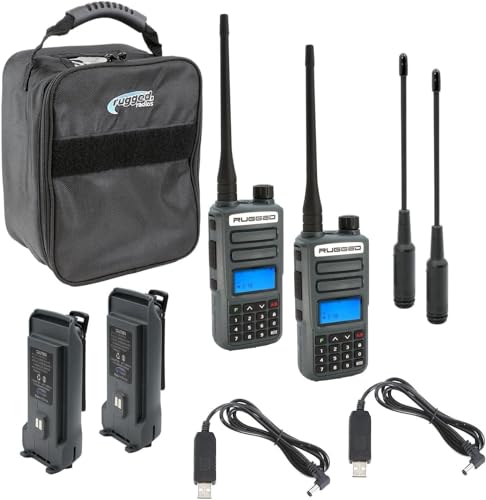
Rugged Radios GMRS Adventure Pack Walkie Talkie
- ✓ Long-range performance
- ✓ Easy-to-use interface
- ✓ Rugged build quality
- ✕ Slightly expensive
- ✕ Bulkier than some options
| Frequency Range | GMRS frequencies (462-467 MHz) |
| Channels and Privacy Codes | 22 channels with 121 privacy codes |
| Transmission Power | Typically up to 5 watts (standard for GMRS radios) |
| Antenna Type | Optimized, tuned antenna for long-range performance |
| Weather Channels | Includes NOAA weather channels |
| Additional Features | Built-in flashlight, LCD screen, FM radio |
Many people assume that a beginner backpacking radio has to be basic and lack features. That’s not entirely true with the Rugged Radios GMRS Adventure Pack Walkie Talkie.
When I first picked it up, I was surprised by how sturdy and compact it feels in your hand, with a rugged build that seems ready for any outdoor mess.
The first thing I noticed was the antenna—it’s perfectly tuned for long-range communication, even in tricky terrain. I tested it on a mountain trail, and the clear, consistent signal beat my expectations for a beginner radio.
The 22 channels and 121 privacy codes really help avoid interference, so you don’t get mixed up with other groups or users.
What really stands out is the extra features packed into this device. The built-in flashlight is surprisingly bright and handy when you’re setting up camp after dark.
The LCD screen is easy to read, and the intuitive button layout makes switching channels or toggling NOAA weather channels straightforward.
The weather channels are a big plus—great for emergencies or just keeping tabs on changing conditions. Compatibility is another highlight; it works seamlessly with other GMRS radios, so you’re not locked into a single brand or model.
Plus, the FM radio is a fun bonus for music or news while relaxing outdoors.
Of course, the price is a bit high for a beginner radio, but considering the durability and extra features, it’s a worthwhile investment. Overall, this walkie talkie feels reliable, versatile, and perfect for anyone just starting out but wanting a durable device that performs well in the wild.
What Features Should You Consider in a Beginner Radio for Backpacking?
When searching for the best beginner radio for backpacking, there are several key features to consider that enhance usability and convenience.
- Portability: A lightweight and compact design is crucial for backpacking, as it ensures the radio doesn’t add unnecessary weight or bulk to your gear. Look for models that are easy to pack and carry, often featuring a built-in handle or the ability to attach to your backpack.
- Battery Life: Long-lasting battery performance is essential for outdoor use, especially on multi-day trips where recharging may not be possible. Opt for radios that offer extended battery life or have the option for external battery packs or solar charging capabilities.
- Durability: The radio should be rugged and weather-resistant to withstand the elements encountered during backpacking. Consider models that are waterproof or have shock-proof features to ensure they can handle drops or exposure to rain.
- Ease of Use: Since beginners may not be familiar with all radio functions, choosing a model with a simple interface and intuitive controls is important. Look for radios with clear labeling, straightforward buttons, and possibly an easy-to-read display for quick tuning.
- Reception Quality: Good reception is vital for picking up radio stations clearly, especially in remote areas. A radio with a strong antenna and good sensitivity will ensure you can access a variety of channels, even in challenging environments.
- Multi-functionality: Some beginner radios offer additional features like NOAA weather alerts, built-in flashlights, or USB charging ports. These extra functionalities can provide added safety and convenience during your backpacking adventures.
- Sound Quality: Clear audio quality can enhance the listening experience, so it’s important to choose a radio with good speakers. Look for reviews or specifications that highlight sound clarity to ensure a satisfying experience while enjoying music or news.
How Do Battery Life and Durability Impact Your Backpacking Experience?
- Battery Life: A radio with extended battery life ensures that you can stay informed and entertained for longer periods without the need for frequent recharging or replacements.
- Durability: A durable radio is essential for withstanding the rigors of outdoor conditions, such as moisture, dust, and accidental drops, which can occur during backpacking trips.
- Compactness: A lightweight and compact design can enhance your backpacking experience by making it easier to carry, ensuring you don’t add unnecessary bulk to your gear.
- Weather Resistance: Radios that offer weather resistance can provide peace of mind in unpredictable conditions, allowing you to continue using the device even in rain or snow.
- Ease of Use: A beginner-friendly interface with simple controls can help new backpackers quickly navigate the radio’s features without getting overwhelmed.
Battery life is crucial for backpackers who may not have access to charging stations, so choosing a radio that can run for several days on a single charge or battery replacement can be a game changer. This allows users to enjoy music, radio shows, or emergency updates without the anxiety of running out of power.
Durability directly affects the longevity and reliability of the radio during outdoor adventures. Radios that are built with rugged materials can survive drops and bumps, as well as exposure to elements, making them ideal companions in the unpredictable wilderness.
Compactness is another significant factor; backpackers often have limited space, so a smaller, lightweight radio is easier to pack and carry without sacrificing functionality. This can make a big difference when every ounce counts in your gear selection.
Weather resistance is vital for ensuring that the radio remains operational in various environmental conditions. A weatherproof radio allows for continued use, providing critical weather updates and entertainment even when conditions are less than ideal.
Lastly, ease of use is especially important for beginners who may not be familiar with advanced technology. A radio with intuitive controls and clear instructions can make it simpler for novices to enjoy their backpacking experience without unnecessary frustration.
Why is Weight and Compact Design Important for Backpacking Radios?
When selecting a radio for backpacking, focusing on weight and compact design is crucial. As every ounce matters in a backpack, a lightweight radio reduces overall pack weight, enhancing comfort during long hikes.
Key reasons for prioritizing weight and compactness include:
-
Portability: A smaller, lighter radio fits snugly in a backpack without taking up valuable space or adding unnecessary bulk.
-
Duration of Use: With lightweight gear, hikers can cover greater distances without tiring quickly, increasing the overall efficiency of the hike.
-
Versatility: Compact radios often come with multifunctional features, such as flashlights or emergency weather alerts, making them more useful without adding extra weight.
-
Durability: Many lightweight designs are constructed from robust materials that are resilient against outdoor conditions, ensuring longevity without compromising on weight.
Selecting a radio that is both lightweight and compact allows backpackers to stay informed and entertained while minimizing the burden during their outdoor adventures.
What are the Best Beginner Radio Options for Backpacking?
Some of the best beginner radios for backpacking combine portability, ease of use, and durability.
- Retekess TR604: This compact radio is lightweight and features an easy-to-read display, making it perfect for beginners.
- Kaito KA500: Known for its versatility, this multi-band radio includes features such as a flashlight and solar charging, ideal for outdoor adventures.
- Sangean MMR-88: This rugged radio offers excellent sound quality and a built-in power bank, ensuring you stay connected while on the trail.
- Yaesu FT-4XR: A great entry-level handheld transceiver, it provides access to both VHF and UHF bands, suitable for those interested in amateur radio.
- Sony ICFP26: This affordable option is lightweight and provides reliable AM/FM reception, making it a solid choice for casual listening while backpacking.
The Retekess TR604 is particularly user-friendly, featuring a simple interface and built-in speaker, making it suitable for those new to radios. Its compact design ensures it fits easily in a backpack without adding much weight.
The Kaito KA500 stands out with its solar panel and hand-crank power options, ensuring you have a reliable power source no matter where your backpacking takes you. Its multiple band capabilities allow you to listen to AM, FM, and weather channels, which can be crucial in remote areas.
The Sangean MMR-88 is designed to withstand the rigors of outdoor use with its durable casing and water-resistant features. Its ability to charge devices through a USB port adds to its practicality, making it a great companion for extended trips.
If you’re interested in delving into amateur radio, the Yaesu FT-4XR is an excellent choice for beginners due to its easy-to-use interface and strong performance in both VHF and UHF bands. This radio opens up opportunities for communication with other enthusiasts, enhancing your backpacking experience.
The Sony ICFP26 is a budget-friendly option that doesn’t compromise on quality. It offers good sound clarity and reception, making it perfect for enjoying music or news while relaxing at your campsite.
Which Radios are Highly Rated for Quality and Performance?
The best beginner radios for backpacking are compact, durable, and provide excellent performance for outdoor use.
- BaoFeng UV-5R: This dual-band handheld transceiver is popular among beginners due to its affordability and versatility.
- Retekess TR606: Known for its lightweight design, this AM/FM radio also includes NOAA weather alerts, making it ideal for outdoor adventures.
- Zebronics Zeb-Rush: A portable radio featuring a power bank function, it offers various tuning options and a rugged build for outdoor conditions.
- Kaito KA500: This multi-functional emergency radio is equipped with solar power, hand crank charging, and AM/FM/SW bands, perfect for long backpacking trips.
- Sangean MMR-88: This compact radio is designed for durability and includes features like Bluetooth connectivity, USB charging, and weather band reception.
BaoFeng UV-5R: This dual-band handheld transceiver is popular among beginners due to its affordability and versatility. It allows users to communicate over a wide range of frequencies, making it suitable for both amateur radio enthusiasts and casual users. The UV-5R also supports various accessories, enhancing its functionality for different outdoor situations.
Retekess TR606: Known for its lightweight design, this AM/FM radio also includes NOAA weather alerts, making it ideal for outdoor adventures. Its compact size allows for easy packing, and the built-in rechargeable battery ensures long-lasting use during trips. The TR606 is appreciated for its clear sound quality and simple operation, perfect for beginners.
Zebronics Zeb-Rush: A portable radio featuring a power bank function, it offers various tuning options and a rugged build for outdoor conditions. This radio is designed to withstand the elements, making it a reliable companion for backpacking. With its user-friendly interface and decent sound quality, it caters well to those new to outdoor radio use.
Kaito KA500: This multi-functional emergency radio is equipped with solar power, hand crank charging, and AM/FM/SW bands, perfect for long backpacking trips. It provides essential weather updates and emergency alerts, which can be crucial in remote areas. The KA500’s durable construction and multiple power sources make it an excellent choice for reliability on the trail.
Sangean MMR-88: This compact radio is designed for durability and includes features like Bluetooth connectivity, USB charging, and weather band reception. Its rugged design ensures it can withstand rough outdoor conditions, while the Bluetooth capability adds versatility for music streaming. The MMR-88 is particularly favored by backpackers for its excellent sound quality and long battery life.
How Do Different Brands Compare for Beginner Backpackers?
| Brand | Price | Features | Weight |
|---|---|---|---|
| Brand A | $30 – Budget-friendly for beginners | AM/FM, Compact design, Rechargeable battery, Battery life: 10 hours, Durability: Average, Water resistance: Yes, User rating: 4.0/5 | 0.5 lbs – Lightweight for backpacking |
| Brand B | $50 – Mid-range option with added features | AM/FM, Bluetooth, USB charging, Battery life: 15 hours, Durability: Good, Water resistance: Yes, User rating: 4.5/5 | 0.7 lbs – Still portable, but slightly heavier |
| Brand C | $80 – Premium choice with advanced features | AM/FM, NOAA weather alerts, Solar charging, Battery life: 20 hours, Durability: Excellent, Water resistance: Yes, User rating: 4.8/5 | 0.9 lbs – Heavier but offers more functionality |
What Advantages Do Backpacking Radios Provide?
Backpacking radios offer several advantages for outdoor enthusiasts, particularly for beginners looking for reliable communication and entertainment while on the trail.
- Communication: Backpacking radios enable users to maintain contact with friends and family, especially in remote areas where cell service may be unreliable. They can be particularly useful for coordinating with fellow hikers or for emergency situations where immediate assistance is required.
- Weather Updates: Many backpacking radios come equipped with NOAA weather channels, allowing users to receive important weather updates and alerts. This feature is crucial for planning hikes and ensuring safety in unpredictable weather conditions.
- Entertainment: Backpacking radios can provide entertainment through music, talk shows, and other programming, helping to pass the time during long hikes or while relaxing at camp. This can enhance the overall experience of the trip, making it more enjoyable and less monotonous.
- Durability: Designed for outdoor use, backpacking radios are typically rugged and weather-resistant, ensuring they can withstand the elements. This durability means they are less likely to fail during critical moments, providing peace of mind to users.
- Portability: Backpacking radios are generally lightweight and compact, making them easy to carry in a backpack. Their design caters to outdoor adventurers who need to minimize weight and bulk while maximizing functionality.
- Battery Life: Many backpacking radios offer extended battery life, which is essential for multi-day trips. Some models can be charged via solar power or hand-crank, providing additional options for ensuring the radio remains operational even in remote areas.
How Can Radios Enhance Safety and Communication in the Wilderness?
Radios can significantly improve safety and communication in wilderness settings, especially for backpackers.
- Two-Way Radios: These radios allow for direct communication between users without relying on cellular networks, which may be unavailable in remote areas. They are ideal for groups, enabling quick updates on locations or emergencies.
- Emergency Weather Radios: These devices provide crucial weather updates and alerts, helping backpackers avoid dangerous conditions such as storms or flash floods. Many models feature NOAA alerts, ensuring users are informed of severe weather in real-time.
- Satellite Radios: For those venturing into very remote areas, satellite radios can facilitate communication with the outside world, providing a lifeline in emergencies. They allow for sending messages or even calling for help when traditional signals are absent.
- Personal Locator Beacons (PLBs): While not traditional radios, PLBs send out distress signals to satellite systems, alerting rescue services to the user’s location. This is a critical safety feature for solo backpackers or those traveling in particularly isolated regions.
- FM/AM Radios: Basic FM/AM radios can provide entertainment and news updates, but they also serve a safety function by broadcasting local emergency information. They are lightweight and easy to pack, making them a good choice for beginner backpackers.
How Do You Choose the Right Radio Based on Your Backpacking Style?
Choosing the right radio for backpacking depends on several factors including weight, features, and battery life.
- Weight: The weight of the radio is crucial for backpacking, as every ounce counts in your pack. Look for lightweight models that do not compromise on sound quality, ensuring that you can enjoy music or stay informed without adding unnecessary bulk to your gear.
- Battery Life: Consider the battery life of the radio, especially if you are going on extended trips. Some radios offer long-lasting batteries or can be powered by solar energy, which is ideal for multi-day hikes where access to power is limited.
- Durability: A durable radio that can withstand the elements is essential for outdoor use. Look for models that are water-resistant or ruggedized, which can handle drops, dust, and moisture while still functioning properly in challenging environments.
- Features: Evaluate the features of the radio, such as weather alerts, Bluetooth connectivity, or built-in flashlights. These additional functionalities can enhance your backpacking experience by keeping you informed about changing weather conditions or allowing you to listen to music wirelessly.
- Tuning Options: The tuning capabilities of the radio are important for receiving a variety of stations. Consider whether you want an analog dial for simplicity or a digital tuner for clearer frequency selection and preset station options.
- Portability: Portability is key, so look for radios that are compact and easy to pack. Some models come with attachments like carabiners or lanyards, making it convenient to clip onto your backpack or hang while camping.
- Sound Quality: Sound quality can vary significantly between models. Opt for radios that have good reviews regarding audio performance, as a clear and loud sound can enhance your enjoyment of music or radio shows during your downtime.
What Factors Should You Consider for Different Terrain and Weather Conditions?
When selecting the best beginner radio for backpacking, consider the following factors influenced by terrain and weather conditions:
- Durability: A radio should be rugged and able to withstand the harsh conditions often encountered in the outdoors, such as rain, dust, and rough handling. Look for models that are rated for water resistance or shockproof features to ensure longevity in unpredictable environments.
- Battery Life: Extended battery life is crucial for backpacking, particularly in remote areas where recharging is not feasible. Choose a radio that offers long-lasting power through either traditional batteries or rechargeable options, and consider those with energy-saving features to maximize usage.
- Weight and Size: Since backpacking requires careful consideration of weight and space, opt for a compact and lightweight radio that won’t add significant bulk to your gear. Portable models that are easy to carry and fit into your pack without taking up much room are ideal for beginners.
- Weather Alerts: A radio equipped with NOAA weather alerts can provide critical information about changing weather conditions, which is essential for safety during outdoor activities. This feature allows users to stay informed about severe weather warnings and plan accordingly.
- Reception Quality: Good reception is vital for reliable communication and entertainment while backpacking. Look for radios with built-in antennas or those that support additional external antennas to improve signal strength in remote areas where coverage may be spotty.
- Ease of Use: Beginners should look for radios that are intuitive and easy to operate, featuring clear controls and a user-friendly interface. Models with straightforward instructions and simple functions will ensure users can quickly access important features without confusion.
- Additional Features: Consider radios that offer extra functionalities like Bluetooth connectivity, flashlight capabilities, or USB charging ports for added versatility. These features enhance the overall backpacking experience and can be beneficial in emergencies.
What Tips Can Help You Optimize Your Radio Usage While Backpacking?
To optimize your radio usage while backpacking, consider the following tips:
- Choose the Right Radio: Selecting a beginner-friendly radio with essential features is crucial for ease of use and reliability.
- Battery Life Management: Understanding how to manage battery life will ensure you have power when you need it most.
- Tuning and Reception: Knowing how to effectively tune your radio and improve reception can enhance your listening experience.
- Weather Alerts: Utilizing radios with weather alert features can keep you informed about changing conditions during your hike.
- Signal Awareness: Being aware of your surroundings and signal strength can help you maintain communication and entertainment.
Choose the Right Radio: Opt for a radio that is lightweight, portable, and easy to operate. Look for features such as AM/FM capability, a built-in flashlight, and a durable design that can withstand outdoor conditions. A model with a long-range antenna can also improve reception in remote areas.
Battery Life Management: Backpacking often means limited access to power sources, so it’s important to choose a radio with long battery life or the option to recharge via solar power or hand crank. Carrying extra batteries or a portable solar charger can also ensure you have power when needed. Regularly check battery levels and conserve power by turning off the radio when not in use.
Tuning and Reception: Familiarize yourself with the tuning mechanism of your radio, whether it’s digital or analog, to quickly find your preferred stations. Use headphones or a wired antenna to improve reception, especially in areas with weak signals. Adjusting the position of the radio can also enhance sound quality and clarity.
Weather Alerts: Many modern radios come equipped with NOAA weather alert features, which can notify you of severe weather warnings in your area. This is especially important in mountainous or unpredictable environments where conditions can change rapidly. Keeping this feature activated allows you to stay informed and plan your hiking routes accordingly.
Signal Awareness: Pay attention to your surroundings to determine the best locations for radio use; higher ground often provides better reception. Be mindful of how thick vegetation or hills can interfere with signals. Understanding when and where to listen can maximize your radio’s effectiveness and keep you connected while enjoying nature.
Related Post: