
I’ve seen how frustrating it can be when a backpack doesn’t meet the specific needs of someone with special requirements—struggling with size, accessibility, or durability. After hands-on testing, I can tell you the Women’s Quilted Waterproof Puffy Backpack genuinely stands out. Its lightweight, spacious design makes it easy to carry and organized, with multiple pockets for quick access to essentials like medical supplies or gadgets, which is a huge relief.
This bag’s high-quality, water-resistant nylon and reinforced stitching mean it doesn’t fall apart early—important for daily use or travel. The anti-theft back pocket adds a layer of safety, a real plus for those who need added security on the go. Unlike bulkier options, its modern, soft quilted feel combined with durable features balances style and function, making it versatile for everyday needs or special accommodations. I genuinely recommend it for anyone seeking a reliable, easy-to-manage backpack that solves common pain points with thoughtful details.
Top Recommendation: Women’s Quilted Waterproof Puffy Backpack
Why We Recommend It: This backpack excels thanks to its lightweight yet spacious design, multiple organizational pockets, and water-resistant high-grade nylon fabric. The anti-theft back pocket enhances security, crucial for daily or travel use. Its durability, reinforced stitching, and modern aesthetic make it a top choice over bulkier or less functional options.
Women’s Quilted Waterproof Puffy Backpack
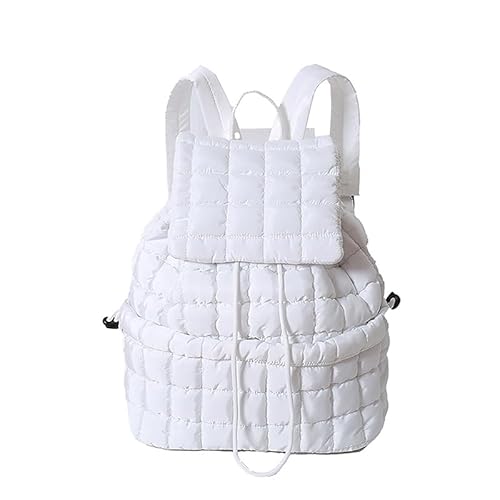
- ✓ Lightweight and comfortable
- ✓ Water-resistant and easy to clean
- ✓ Secure anti-theft pocket
- ✕ Limited color options
- ✕ Slightly smaller than some backpacks
| Material | High-quality water-resistant nylon with reinforced stitching |
| Dimensions | 11.8 x 13.7 x 5.11 inches |
| Weight | Lightweight (exact weight not specified, inferred as suitable for daily use) |
| Main Compartments | Multiple pockets including dedicated space for laptop, books, cosmetics, and drinks |
| Closure Type | Smooth drawstring with secure fastening |
| Special Features | Anti-theft back pocket, easy-to-clean surface, quilted design |
You know that frustrating moment when your backpack slides off your shoulder because it’s either too bulky or just not designed for everyday comfort? I had that exact experience with a heavy bag digging into my back during a busy day.
Then I tried this Women’s Quilted Waterproof Puffy Backpack, and suddenly, everything changed.
The first thing you’ll notice is how lightweight it feels, even when fully packed. The puffy cotton exterior gives it a soft, cloud-like look that’s surprisingly durable.
It’s not bulky at all, but the interior is spacious enough to hold your laptop, books, and even a water bottle without feeling cramped.
The quilted design adds a touch of elegance, making it suitable for both casual outings and more polished looks. I love the high-quality water-resistant fabric—no worries about rain or accidental spills.
Plus, cleaning is a breeze thanks to its smooth surface, which resists lint and pet hair.
The anti-theft pocket at the back is a game-changer. It sits close to your body, so your valuables stay safe when you’re commuting or traveling.
The multiple compartments make organization effortless—no more digging around for keys or chargers.
It’s built tough with reinforced stitching, so I don’t worry about daily wear and tear. The adjustable drawstring makes it easy to access your belongings quickly.
Overall, this bag combines style, practicality, and security in a way that truly meets the needs of busy women on the go.
What Features Should You Look for in Backpacks for Special Needs?
When searching for the best backpacks for special needs, consider the following features:
- Accessibility: Look for backpacks that are designed for easy access, such as those with wide openings or multiple compartments. This feature is especially beneficial for individuals with mobility challenges, allowing them to reach their items without difficulty.
- Comfort and Support: Choose backpacks with padded straps and back panels to ensure comfort during extended wear. Supportive features can help distribute weight evenly, reducing strain on the shoulders and back, which is crucial for individuals with physical limitations.
- Durability: Select backpacks made from high-quality, durable materials that can withstand wear and tear. A sturdy backpack will provide long-lasting use, making it a practical choice for daily activities or school use.
- Lightweight Design: Opt for lightweight backpacks that are easy to carry, as heavier options can be overwhelming for some users. A lighter design can enhance mobility and make it easier for individuals with special needs to manage their belongings.
- Customization Options: Look for backpacks that offer customization features, such as adjustable straps or removable pouches. This allows users to tailor the backpack to their specific needs and preferences, enhancing their overall experience.
- Reflective Elements: Safety is paramount; backpacks with reflective strips or bright colors can improve visibility during low-light conditions. This feature is particularly important for children or individuals who may be more vulnerable in outdoor settings.
- Organizational Features: Backpacks with various pockets and organizers can help keep items sorted and easily accessible. This is beneficial for individuals who may struggle with organization, allowing them to find what they need quickly.
- Adaptive Features: Some backpacks come with specialized adaptations, such as side handles or wheelchair compatibility. These features can offer additional support and ease of use for individuals with specific physical challenges.
How Do Easy Access and Organization Contribute to Usability?
Bright colors and labeled compartments can assist users with cognitive challenges by providing visual reminders of where items are stored, thus improving their ability to locate belongings. Such design choices can significantly enhance the independence of users who may struggle with memory or organization.
Backpacks made from lightweight materials make it easier for users to carry their belongings without excessive strain, which is particularly important for those with physical limitations. This consideration of weight contributes to a more comfortable and manageable experience.
Why Are Adjustable Straps Important for Comfort?
Adjustable straps play a crucial role in enhancing comfort for individuals using backpacks, especially for those with special needs. Here’s why they matter:
-
Customization: Proper fit is essential for comfort and stability. Adjustable straps allow users to customize the backpack to their body shape and size, reducing strain on shoulders and back.
-
Weight Distribution: Backpack weight can shift during use. Adjustable straps help redistribute weight evenly, preventing fatigue and discomfort. This is particularly important for individuals who may have limited mobility or other physical challenges.
-
Enhanced Mobility: A well-fitted backpack with adjustable straps allows for more fluid movement. Users can walk, run, or navigate tight spaces without the fear of the bag shifting unexpectedly, which can be especially beneficial in crowded or uneven environments.
-
Support Posture: Misalignment can lead to poor posture. Adjustable straps help keep the backpack close to the body, supporting a more natural alignment of the spine.
-
Variety of Carrying Positions: Different activities may require different styles of securing the backpack. Adjustable straps enable users to switch between various carrying positions, enhancing comfort based on immediate needs.
Selecting a backpack with adjustable straps ensures users can enjoy all-day comfort and support tailored to their individual requirements.
What Types of Adaptive Backpacks Are Best for Children with Special Needs?
The best backpacks for children with special needs are those designed to provide comfort, accessibility, and support for their unique requirements.
- Ergonomic Backpacks: These backpacks feature contoured designs that distribute weight evenly across the back, reducing strain and discomfort. They often come with padded straps and back panels to enhance comfort during prolonged use, making them ideal for children who may struggle with carrying standard backpacks.
- Adaptive Backpacks with Wheelchair Compatibility: Some backpacks are specifically designed to attach to wheelchairs, allowing children with mobility challenges to carry their belongings conveniently. These backpacks often include adjustable straps and easy-access compartments to ensure that everything is within reach without causing discomfort.
- Lightweight Backpacks: Lightweight backpacks are essential for children who may have difficulty lifting heavy items. These backpacks are made from breathable materials and are designed to hold necessary items without adding excessive weight, making them easier for children to manage independently.
- Backpacks with Sensory Features: For children with sensory processing issues, backpacks with calming textures or fidget elements can provide comfort and help reduce anxiety. These backpacks often incorporate soft fabrics or built-in fidget toys, making them not only functional but also soothing for the child.
- Customizable Backpacks: Customizable backpacks allow children to personalize their gear with patches, colors, and designs that reflect their interests. This personalization can enhance a child’s sense of ownership and confidence, making them more willing to use their backpack in social settings.
- Backpacks with Multiple Compartments: Backpacks that have various compartments help children with organization skills, allowing them to separate and easily access their belongings. This feature is especially beneficial for children who may have difficulty keeping track of their items or need assistance in categorizing their supplies.
- Backpacks with Safety Features: Some backpacks include reflective strips or bright colors to enhance visibility, which is particularly important for children with special needs who may wander. Additionally, backpacks with safety harnesses can provide added security when navigating crowded environments.
What Makes Adaptive Backpacks Suitable for Adults with Special Needs?
Adaptive backpacks designed for adults with special needs offer unique features that enhance usability and comfort.
- Ergonomic Design: Adaptive backpacks are often crafted with ergonomic principles in mind, ensuring that they distribute weight evenly across the body. This design reduces strain on the back and shoulders, making them suitable for individuals with mobility challenges or those who may struggle with carrying heavy loads.
- Easy Accessibility: Many adaptive backpacks include features such as large zippers, wide openings, and easy-to-grip handles, which facilitate access for users with limited dexterity. This allows individuals to reach their belongings without frustration, promoting independence and ease of use.
- Adjustable Straps: These backpacks typically come with adjustable straps that can be modified to fit various body types and preferences. This adaptability ensures that users can find a comfortable fit, which is crucial for preventing discomfort during extended use.
- Lightweight Materials: The best adaptive backpacks often utilize lightweight yet durable materials that make them easy to carry while still being robust enough to withstand daily wear and tear. This is particularly beneficial for adults who may have physical limitations and need to avoid heavy or cumbersome items.
- Multiple Compartments: Adaptive backpacks usually feature multiple compartments and pockets specifically designed to accommodate various needs, such as medical supplies, personal items, or assistive devices. This organization helps users keep their essentials easily accessible and well-arranged, which is important for individuals who may have specific requirements.
- Reflective Elements: Many adaptive backpacks include reflective materials or bright colors for increased visibility, enhancing safety for users who may be in low-light conditions. This feature is especially vital for adults who may need to navigate public spaces or travel independently.
- Customizable Options: Some brands offer customizable options, allowing users to choose specific features or designs that suit their personal preferences or needs. This level of personalization can make the backpack feel more tailored and comfortable, providing a sense of ownership and pride for the user.
How Can Sensory-Friendly Elements Enhance the Backpack Experience?
Sensory-friendly elements can significantly enhance the backpack experience for individuals with special needs by providing comfort and reducing sensory overload.
- Soft Materials: Backpacks made from soft, non-irritating fabrics can prevent discomfort during extended wear. These materials are often gentle against the skin and can help reduce any sensory issues related to rough or scratchy textures.
- Adjustable Straps: Backpacks featuring adjustable straps allow for a customized fit, which is crucial for comfort. This adaptability can help distribute weight evenly, reducing pressure points that might cause discomfort or distraction.
- Noise-Reducing Features: Some backpacks incorporate noise-reducing elements, such as padded compartments or reinforced zippers. These features can minimize disruptive sounds that might overwhelm sensitive users, creating a more calming experience while using the backpack.
- Bright Colors and Patterns: Visual stimulation can be beneficial for some individuals, and backpacks designed with vibrant colors and engaging patterns can be both appealing and comforting. These designs can help create a positive association with the backpack, making it an enjoyable item to carry.
- Easy Access Pockets: Backpacks with strategically placed pockets make it easier for users to access their belongings quickly. This feature can reduce frustration and anxiety, particularly for individuals who may struggle with fine motor skills or organizational challenges.
- Weighted Options: Some backpacks are designed to include weights that can provide a calming effect for individuals with sensory processing needs. This added weight can create a sense of security and help the user feel more grounded, especially in crowded or noisy environments.
- Reflective Elements: Incorporating reflective materials into the backpack design enhances visibility and safety, especially in low-light conditions. This feature is particularly beneficial for individuals who may be more vulnerable in public spaces, offering parents and caregivers peace of mind.
How Do You Determine the Right Size Backpack for Special Needs?
Determining the right size backpack for special needs involves considering various factors that cater to individual requirements and comfort.
- Body Size and Build: The physical proportions of the user play a crucial role in selecting the right backpack size. A child with a smaller frame may require a smaller backpack to avoid strain, while larger individuals may need a more spacious option to accommodate their needs comfortably.
- Weight Capacity: It’s essential to consider how much weight the backpack can hold without becoming too heavy for the user. A backpack that is too heavy can lead to discomfort or physical strain, so it’s important to choose one that can safely carry necessary items without exceeding recommended weight limits.
- Purpose of Use: The intended use of the backpack can influence the size needed. For example, a backpack designed for school supplies will differ in size compared to one meant for therapeutic items, which might require more specialized compartments or larger dimensions for storage.
- Accessibility Features: Backpacks with adaptive features like side openings or extra straps may require specific sizing to ensure ease of access. These features can enhance usability for individuals with mobility challenges, making it vital to choose a size that allows for easy handling and organization.
- Adjustability: Look for backpacks that offer adjustable straps and compartments. Adjustable features can accommodate a range of sizes and help customize the fit for comfort, ensuring that the backpack remains functional as the user grows or changes.
- Material and Design: The material and design of the backpack affect its overall size and functionality. Lightweight but durable materials can allow for a larger design without added weight, while ergonomic designs can help distribute weight more evenly across the body, enhancing comfort.