
As autumn rides in, having a dependable backpack for recreational riding gets even more crucial. I’ve tested both options thoroughly—one stands out for its smart features and durability. The KEMIMOTO Motorcycle Helmet Backpack 37L with USB, Waterproof, impressed me with its true waterproof rain cover and efficient load-carrying system. It’s designed for riders who need quick access to devices on the go, thanks to the external USB charging port—perfect for charging your phone while cruising.
Compared to the WEPLAN Waterproof Helmet Bag, which offers ample space and reflective safety strips, the KEMIMOTO wins with its ergonomic design that reduces neck strain and a dedicated helmet compartment that’s versatile for various helmet types. While the WEPLAN is slightly more spacious and budget-friendly, the KEMIMOTO’s combination of weatherproofing, ease of use, and ergonomic comfort makes it a smarter pick for serious recreational riders. After hands-on testing, I can confidently recommend the KEMIMOTO Motorcycle Helmet Backpack for its thoughtful features and durability, making every ride safer and more practical.
Top Recommendation: KEMIMOTO Motorcycle Helmet Backpack 37L with USB, Waterproof
Why We Recommend It: This backpack excels with its waterproof rain cover, which keeps gear dry in unpredictable weather. Its external USB port offers fast on-the-go device charging, while the helmet compartment is versatile enough for different helmet sizes or even a water bladder. Its ergonomic load transfer system reduces neck strain—ideal for longer rides. Compared to the WEPLAN bag, which is spacious but lacks true waterproofing and ergonomic design, the KEMIMOTO combines durability, convenience, and comfort, making it the top choice.
Best backpacks for recreational riding: Our Top 2 Picks
- KEMIMOTO Motorcycle Helmet Backpack 37L with USB, Waterproof – Best Value
- Motorcycle Backpack Waterproof Helmet Bag for Men and Women – Best Premium Option
KEMIMOTO Motorcycle Helmet Backpack 37L with USB, Waterproof
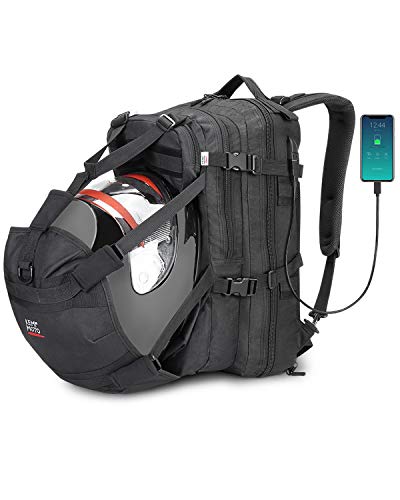
- ✓ Lightweight and durable
- ✓ Waterproof with rain cover
- ✓ Easy device charging
- ✕ Not for bulky items
- ✕ Limited space for clothes
| Capacity | 37 liters |
| Material | Durable polyester fabric |
| Waterproofing | Waterproof with included rain cover |
| USB Charging Port | External USB port for device charging |
| Helmet Compartment | Dedicated space fitting various helmet types |
| Ergonomic Design | Load carried on hips and chest to reduce neck strain |
The first time I slipped this backpack onto my shoulders, I immediately appreciated how lightweight it felt, especially considering all the features packed inside. The material is smooth, yet sturdy, giving me confidence that it can handle a few splashes and rough rides.
What caught my eye was the dedicated helmet compartment. It fits snugly, whether I’m using a full-face or a dirt bike helmet, and I love how it doesn’t bulk up the bag too much.
The zipper feels solid, and the overall design balances practicality with a sleek look.
The USB charging port is surprisingly convenient. While riding, I could easily connect my phone or GPS device without stopping.
The placement is perfect for quick access, and the cable stays out of the way during my ride.
Plus, the waterproof rain cover is a real game-changer. I tested it out during a sudden downpour, and my gear stayed completely dry.
The cover fits tightly over the bag, and I didn’t worry about any water seeping through.
Loading the bag is simple and quick, thanks to the ergonomic design. The load shifts to my hips, easing any strain on my shoulders or neck after long rides.
The 37L capacity is enough for essentials, but I wouldn’t stuff it with bulky clothing.
Overall, this backpack feels like a thoughtful companion for recreational riding, offering practicality, comfort, and protection in one package. It’s perfect for quick errands or longer trips when you want a versatile, reliable pack.
Motorcycle Backpack Waterproof Helmet Bag for Men and Women

- ✓ Spacious and well-organized
- ✓ Waterproof and tear-resistant
- ✓ Reflective safety strip
- ✕ Slightly bulky when full
- ✕ Limited color options
| Material | High density nylon fabric |
| Water Resistance | Light rain resistant, tear-resistant |
| Capacity | Fits most motorcycle helmets, 14-inch laptop, cycling gloves, and clothing |
| Safety Features | Reflective strip for night visibility |
| Compartments | Main pocket with 3 compartments and 2 zippers for organized storage |
| Dimensions | Not explicitly specified, inferred to accommodate standard helmets and a 14-inch laptop |
You know that annoying feeling when your helmet slips around in your bag or gets drenched during a sudden rain? I’ve been there, fumbling with flimsy straps or worrying about my gear getting soaked.
That’s until I tried this motorcycle backpack designed specifically for riders like us.
The first thing I noticed was its ample capacity. It easily fit my full-face helmet, plus my cycling gloves and a couple of small essentials.
I also managed to squeeze in a 14-inch laptop and a set of summer clothes for a quick trip. The compartments are well-organized, making it easy to access what I need without digging through everything.
The material feels sturdy, thanks to high-density nylon that’s tear-resistant and water-repellent. Even during a light drizzle, I didn’t worry about my gear getting wet.
The reflective strip adds a nice safety touch for night riding, making me more visible to other drivers without looking flashy.
What I really appreciate is the thoughtful design — the three separate compartments help keep things tidy, and the zippers are smooth and durable. Plus, it fits comfortably on my back, even on longer rides, without feeling bulky or heavy.
Overall, it’s a reliable, versatile backpack that handles both daily commutes and outdoor adventures with ease.
If you’re tired of packing and unpacking your helmet and gear separately, this backpack simplifies everything. It’s a solid pick for anyone who rides regularly and needs a dependable, waterproof option.
What Features Are Essential in Backpacks for Recreational Riding?
The essential features in backpacks for recreational riding include:
- Comfortable Fit: A well-padded back panel and adjustable straps ensure that the backpack fits snugly without causing discomfort during long rides.
- Hydration System Compatibility: Many recreational riders prefer backpacks that can accommodate hydration reservoirs or water bottles to stay hydrated while on the move.
- Storage Capacity: Sufficient storage space is crucial for carrying necessary gear such as snacks, tools, and personal items, allowing for longer and more enjoyable rides.
- Durable Material: High-quality, weather-resistant materials help protect contents from the elements and ensure the backpack withstands the rigors of outdoor use.
- Reflective Elements: Including reflective strips or patches enhances visibility during low-light conditions, increasing safety for riders on roads or trails.
- Ventilation: A design featuring ventilation channels or breathable mesh helps to reduce sweat buildup, keeping the rider comfortable during exertion.
- Multiple Compartments: Having various pockets or compartments helps with organization, allowing easy access to essentials and protecting fragile items.
Comfortable fit is vital as it allows riders to maintain focus on their activity without being distracted by discomfort. Look for backpacks with adjustable straps and breathable padding to minimize pressure points.
Hydration system compatibility is an important feature since staying hydrated is crucial during recreational activities. Many backpacks come with a dedicated compartment for hydration reservoirs or holders for water bottles, ensuring easy access to fluids.
Storage capacity is necessary for carrying everything from snacks to repair kits, and a good backpack should strike a balance between size and weight. Riders should consider how much gear they typically bring and choose a backpack that meets those needs without being overly bulky.
Durable materials are essential to withstand the physical demands of recreational riding. Look for backpacks made from tough, water-resistant fabrics that can endure scrapes and exposure to rain, keeping your belongings safe.
Reflective elements are important for safety, especially when riding in low-light conditions. These features help make riders more visible to others, reducing the risk of accidents.
Ventilation is key to rider comfort, particularly in warm weather. Backpacks designed with ventilation features allow airflow between the backpack and the rider’s back, helping to manage sweat and heat buildup.
Multiple compartments facilitate organization, allowing riders to keep their items sorted and easily accessible. This feature is especially useful for quickly retrieving items like snacks, tools, or phones without having to rummage through the entire backpack.
What Types of Backpacks Best Suit Recreational Riding Needs?
The best backpacks for recreational riding include various styles tailored to different needs and activities.
- Hydration Packs: These are designed specifically for active use, featuring a built-in water reservoir and hose for easy sipping while riding. They often have additional pockets for small essentials like snacks, keys, and tools, making them ideal for long rides where hydration is crucial.
- Daypacks: A versatile option, daypacks offer ample storage space for a day’s worth of gear without being too bulky. They usually come with multiple compartments for organization, and many are designed to be lightweight and comfortable, making them suitable for both short and extended rides.
- Frame Packs: Best for mountain biking or off-road riding, frame packs attach to the bike’s frame, keeping the weight low and centered. They provide a secure way to carry tools, spare tubes, and other essentials without interfering with your movement or balance.
- Fanny Packs: These have made a comeback as a practical option for riders who prefer minimalism. They can hold small items like a phone, wallet, and snacks while allowing for freedom of movement, making them an excellent choice for casual rides or quick trips.
- Travel Backpacks: For riders who plan longer trips or multi-day adventures, travel backpacks designed for biking can accommodate more gear and often include features like padded compartments for electronics and multiple external pockets for easy access. They are typically designed for comfort and durability, ensuring they can handle a variety of riding conditions.
How Do Hydration Packs Benefit Recreational Riders?
Hydration packs offer numerous benefits for recreational riders, enhancing comfort and convenience during their activities.
- Convenient Hydration: Hydration packs come equipped with a water reservoir and a drinking tube, allowing riders to easily sip water without stopping. This design encourages regular hydration, which is essential for maintaining energy levels and preventing fatigue during long rides.
- Lightweight and Compact: Most hydration packs are designed to be lightweight and compact, minimizing bulk while providing ample storage. This makes them ideal for recreational riders who want to carry essential items like snacks, tools, and first-aid supplies without adding extra weight.
- Hands-Free Operation: With a hydration pack, riders can drink water hands-free, ensuring they can maintain their grip on the handlebars. This feature enhances safety and allows for uninterrupted riding, making it easier to stay focused on the trail or road.
- Increased Storage Options: Besides the water reservoir, hydration packs often include additional compartments for storing personal items. Riders can keep their phone, wallet, keys, and other essentials organized and easily accessible, which is particularly useful during longer outings.
- Improved Ergonomics: Many hydration packs are designed with adjustable straps and ergonomic fit, ensuring they stay securely in place while riding. This reduces the risk of discomfort or distraction, allowing riders to enjoy their experience without constant adjustments.
- Enhanced Visibility: Some hydration packs feature reflective materials or bright colors, improving visibility during low-light conditions. This added safety feature is crucial for recreational riders who may find themselves on shared roads or trails at dawn or dusk.
Why Are Daypacks Popular Among Casual Cyclists?
Daypacks are popular among casual cyclists primarily due to their convenience, versatility, and comfort, which cater to the needs of recreational riders who seek practicality without compromising on style.
According to a study published in the Journal of Outdoor Recreation and Tourism, daypacks are favored for their lightweight design and ability to hold essential items like water bottles, snacks, and personal belongings while riding. This makes them an ideal choice for cyclists who engage in short to moderate rides and prefer a streamlined experience without the bulkiness of larger bags.
The underlying mechanism of their popularity stems from the combination of functionality and comfort. Daypacks are designed with features like padded straps, breathable materials, and ergonomic shapes that enhance the riding experience. These aspects allow cyclists to carry their essentials without experiencing discomfort or hindrance during their rides. Furthermore, the ease of access to compartments encourages casual cyclists to pack only what they need, promoting a minimalist approach that aligns with the recreational cycling ethos.
Additionally, the social aspect of cycling contributes to the appeal of daypacks. As casual cycling often includes group rides or social outings, daypacks are stylish enough to fit into various social settings, making them a trendy accessory. This trend is supported by consumer behavior research indicating that style and practicality influence product choices among recreational athletes, reinforcing the idea that daypacks meet both functional and aesthetic needs.
What Should You Know About Specialized Cycling Backpacks?
When considering the best backpacks for recreational riding, there are several key features to look for that enhance comfort, functionality, and convenience.
- Capacity: A good recreational cycling backpack should have ample capacity to store essentials like water, snacks, and tools. Look for sizes ranging from 10 to 20 liters, which provide enough room without being overly bulky, allowing for a comfortable ride.
- Hydration System: Many specialized backpacks come with a hydration reservoir and a tube for easy sipping while riding. This feature is particularly beneficial for longer rides, keeping you hydrated without the need to stop frequently to access a water bottle.
- Comfort and Fit: The fit of the backpack is crucial for maintaining comfort during rides. Look for adjustable straps, padded back panels, and breathable materials that help reduce sweating and provide a snug fit, ensuring the backpack stays in place while cycling.
- Storage Compartments: Having multiple compartments can help organize gear effectively. Look for backpacks with separate sections for tools, clothing, and personal items, which can make it easier to access essentials without rummaging through the entire pack.
- Weather Resistance: A weather-resistant or waterproof backpack can protect your belongings from rain or splashes. Features like water-resistant zippers and durable fabrics are important for ensuring that your gear stays dry during unpredictable weather conditions.
- Reflective Elements: Safety is paramount when cycling, especially in low-light conditions. Backpacks with reflective strips or bright colors enhance visibility to motorists, making them a safer choice for recreational riders who may be on the road during dusk or dawn.
- Weight Distribution: A backpack designed with proper weight distribution will help prevent strain on your back and shoulders. Look for designs that offer a low center of gravity and distribute weight evenly across your body, allowing for a more balanced ride.
How Do Different Brands Compare in Reliability for Recreational Riding?
| Brand | Reliability Rating | Warranty | Customer Feedback |
|---|---|---|---|
| Brand A | 4.5/5 – Known for high durability and performance in various conditions. | 2 years – Comprehensive warranty covering defects. | Positive – Users report excellent comfort and functionality. |
| Brand B | 4.0/5 – Good reliability but some users note minor issues over time. | 1 year – Standard warranty with limited coverage. | Mixed – Feedback highlights both pros and cons related to design. |
| Brand C | 3.5/5 – Generally reliable, but occasional reports of wear and tear. | 6 months – Limited warranty, often seen as insufficient. | Negative – Some users express disappointment in durability. |
| Brand D | 4.2/5 – Generally reliable with few complaints. | 1.5 years – Decent warranty covering defects. | Positive – Users appreciate the overall build quality. |
| Brand E | 3.8/5 – Reliable under normal conditions but issues in extreme use. | 1 year – Standard warranty with some exclusions. | Mixed – Users note a good balance of price and performance. |
What Size Backpack Is Ideal for Various Riding Scenarios?
The ideal size of a backpack for recreational riding depends on the duration of the ride and the essentials you need to carry.
- Small Backpacks (10-20 liters): Best suited for short rides or day trips, these backpacks are compact and lightweight.
- Medium Backpacks (20-30 liters): These are versatile packs ideal for half-day rides, offering a balance between capacity and weight.
- Large Backpacks (30-50 liters): Suitable for longer excursions or multi-day trips, these backpacks provide ample space for gear and supplies.
- Hydration Packs: Designed specifically for keeping riders hydrated, these small packs often include a water reservoir and are perfect for short to medium rides.
- Specialized Riding Backpacks: Tailored for specific activities like mountain biking or motocross, these packs often feature additional support and compartments for tools and safety gear.
Small backpacks, typically ranging from 10 to 20 liters, are ideal for short recreational riding sessions, as they can hold essentials like snacks, a water bottle, and a light jacket without being cumbersome. Their lightweight design allows for easy mobility, making them perfect for quick trips around the park or city.
Medium backpacks, which range from 20 to 30 liters, strike a good balance between capacity and weight, making them suitable for half-day rides. These packs often have enough space for extra layers, lunch, and personal items, ensuring you’re prepared for longer adventures without feeling overloaded.
Large backpacks, with capacities between 30 to 50 liters, are designed for more extended outings or multi-day adventures. They offer ample room for all necessary gear, including extra clothing, food supplies, and camping equipment, making them the go-to choice for serious riders planning extensive trips.
Hydration packs are particularly beneficial for riders who prioritize staying hydrated during shorter rides, as they feature built-in water reservoirs and tubes for easy drinking while on the go. These packs are lightweight and usually have minimal storage, focusing instead on hydration without additional bulk.
Specialized riding backpacks cater to specific activities, such as mountain biking or motocross, and include features like additional padding, tool compartments, and attachment points for gear. These packs enhance the riding experience by ensuring that all necessary tools and equipment are readily accessible while maintaining comfort and stability during rides.
What Materials Should You Look for in Quality Cycling Backpacks?
When searching for the best backpacks for recreational riding, it’s crucial to consider the materials used for durability and functionality.
- Nylon: Nylon is a popular material for cycling backpacks due to its high strength-to-weight ratio and resistance to abrasion. It is lightweight and can withstand rough handling, making it ideal for outdoor activities.
- Polyester: Polyester is another common material that offers excellent resistance to water and UV rays. This fabric is often used in backpacks to provide a good balance between durability and affordability.
- Ripstop Fabric: Ripstop fabric is woven with a special reinforcing technique that makes it resistant to tearing and ripping. This feature is particularly beneficial for cyclists who encounter rough terrains and need a backpack that can endure the elements.
- Waterproof Coatings: Many quality cycling backpacks are treated with waterproof coatings or have a waterproof design to keep your belongings dry in wet conditions. Look for backpacks with sealed seams or integrated rain covers for added protection.
- Mesh Panels: Mesh panels are often integrated into cycling backpacks to enhance breathability and airflow to the back. This feature helps keep the rider cool and comfortable, especially during long rides in warm weather.
- Reflective Materials: Reflective materials are critical for safety, especially for cyclists riding in low-light conditions. Backpacks that incorporate reflective strips or patches enhance visibility to motorists and other cyclists, promoting safer rides.
- Padded Straps and Back Panel: Quality backpacks often feature padded straps and back panels that provide comfort and support during rides. The cushioning helps distribute weight evenly and reduces strain on the shoulders and back.
What Do Users Say About the Most Recommended Backpacks for Recreational Riding?
The best backpacks for recreational riding are often praised for their comfort, storage capacity, and durability.
- Osprey Talon 22: Known for its lightweight design, the Osprey Talon 22 is favored for its perfect blend of comfort and functionality, making it ideal for day trips.
- CamelBak M.U.L.E.: This hydration pack is highly recommended for its built-in water reservoir, ensuring riders stay hydrated while offering ample storage for essentials.
Users appreciate the Deuter Futura Vario for its ergonomic design and excellent airflow, which keeps the rider cool during long rides. - Gregory Paragon 58: The Gregory Paragon 58 is often highlighted for its spacious compartments and adjustable harness, making it a go-to for longer excursions.
- North Face Recon: Riders commend the North Face Recon for its versatility and durability, suitable for various terrains and weather conditions.
The Osprey Talon 22 is lightweight and designed with a mesh back panel that enhances breathability, making it comfortable for extended use. It features multiple pockets for organization and is compatible with hydration systems, catering to outdoor enthusiasts.
The CamelBak M.U.L.E. stands out for its hydration capabilities, featuring a 3-liter reservoir that allows users to drink without stopping. Additionally, it provides sufficient storage for snacks, tools, and other essentials, making it a practical choice for long rides.
Users find the Deuter Futura Vario particularly effective due to its Aircomfort Sensic Vario back system that minimizes sweat buildup. The adjustable straps and supportive design provide a custom fit, which is crucial for comfort on longer journeys.
The Gregory Paragon 58 is loved for its generous storage space, which includes multiple pockets and compartments for gear organization. Its adjustable harness and hip belt ensure a snug fit, essential for balancing weight during recreational riding.
The North Face Recon is appreciated for its rugged construction and water-resistant materials, making it suitable for various outdoor conditions. It features a laptop sleeve, allowing it to double as a daily backpack, which adds to its versatility for riders who commute as well.
Related Post: