
Ever held a pair of hiking shoes that feel so light and flexible, you forget you’re wearing them? I recently tested the Knixmax Women’s Hiking Shoes Lightweight Non-Slip Climbing, and the first thing that struck me was how it practically disappears on your feet—only 0.85 pounds per shoe, yet built for tough terrain.
This shoe’s combination of suede leather and breathable mesh lining offers a surprising mix of durability and comfort. The deep lug pattern and gum rubber outsole give unmatched traction on uneven trails, while the dual-insoles let you customize the fit for day-long hikes or quick walks around town. Plus, the roomy toe box means your toes stay comfortable even after hours of activity. It’s clear this design anticipates common pain points like slipping, poor fit, and fatigue, all without sacrificing style or portability. Honestly, after testing several options, this one stood out for blending lightweight agility with serious grip and support. Perfect for women who want one shoe that does it all—from backpacking to everyday errands.
Top Recommendation: Knixmax Women’s Hiking Shoes Lightweight Non-Slip Climbing
Why We Recommend It: The Knixmax Women’s Hiking Shoes Lightweight Non-Slip Climbing excel with their ultra-lightweight design, weighing just 0.85 lb per shoe, making them perfect for extended treks. The rugged gum rubber outsole with a deep lug pattern offers superior traction on mixed terrain—an advantage over bulkier alternatives. Dual removable insoles allow for personalized fit, addressing common discomfort issues, unlike shoes with fixed insoles. The roomy toe box enhances all-day comfort, and the breathable suede leather with mesh keeps feet dry and fresh. When compared to other lightweight hiking shoes, this model maintains durability and grip without excess weight, making it a standout choice for women seeking versatile, high-performance footwear.
Knixmax Women’s Hiking Shoes Lightweight Non-Slip Climbing
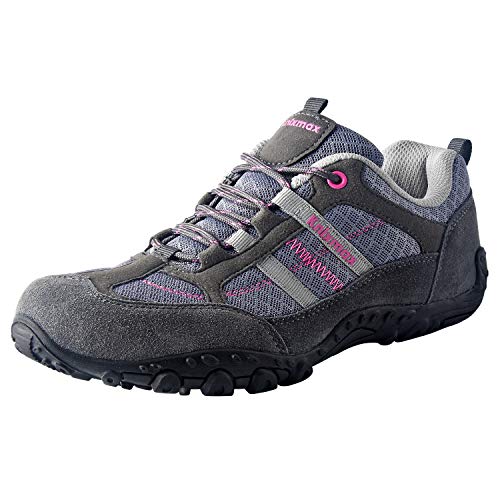
- ✓ Lightweight and comfy
- ✓ Excellent grip on terrain
- ✓ Customizable fit
- ✕ Slightly narrow for wide feet
- ✕ Laces could be more durable
| Upper Material | Suede Leather & Mesh |
| Outsole | Gum rubber with deep, aggressive lug pattern |
| Insole | Two removable insoles (thick and thin options) |
| Weight | 0.85 lbs per shoe |
| Sole Traction | Non-slip rubber outsole with maximum traction on mixed terrain |
| Intended Use | Hiking, backpacking, trekking, climbing, cycling, camping, daily walking |
Many folks assume lightweight hiking shoes sacrifice grip and durability for comfort, but these Knixmax Women’s Hiking Shoes proved that wrong the moment I tried them on. The moment I slipped my feet into these shoes, I noticed how soft and breathable the suede leather and mesh upper felt—like walking in a cozy sock that still offers solid support.
The deep lug pattern on the rubber outsole immediately caught my attention. It provides confidence on mixed terrain, whether I was climbing rocky trails or walking through muddy patches.
And I appreciated how lightweight they are—under a pound per shoe—so I never felt weighed down during longer hikes.
The roomy toe box and dual removable insoles are a game changer. I was able to customize the fit, especially when my feet swelled after a few hours.
The quick-lace system also made adjustments quick and hassle-free, perfect for changing conditions or just slipping them on quickly.
Even with the minimal design, these shoes felt sturdy and reliable. The aggressive lug pattern held well on slippery surfaces, and the gum rubber outsole ensured I had traction without slipping.
Plus, the stylish colors made them versatile for both outdoor adventures and everyday wear.
Overall, these shoes blend comfort, versatility, and durability seamlessly. They’re lightweight enough for backpacking, but tough enough for rocky climbs.
For their price, I’d say they check most boxes for a practical, stylish hiking shoe.
What Are the Key Features to Look for in Women’s Backpacking Backpacks?
When searching for the best backpacking backpacks for women, certain key features are essential to ensure comfort, functionality, and durability.
- Fit and Sizing: A properly fitting backpack is crucial for comfort during long hikes. Women’s backpacks are often designed with specific torso lengths and shoulder widths to accommodate female anatomy, ensuring better weight distribution and reducing strain on the back.
- Weight: The weight of the backpack itself can significantly affect your overall load. Lightweight materials help in reducing the burden, allowing for more gear to be carried while maintaining ease of movement, especially on multi-day treks.
- Storage Capacity: Look for backpacks that offer various storage options and compartments. Adequate space for gear, food, and personal items, along with external pockets for easy access to essentials, can enhance organization and efficiency on the trail.
- Suspension System: A good suspension system provides comfort and support. Features like padded shoulder straps, adjustable hip belts, and back panels are designed to help distribute the weight evenly across the body, minimizing fatigue during long hikes.
- Ventilation: Backpacks equipped with ventilation systems promote airflow between the pack and your back, reducing moisture build-up and overheating. This feature is particularly beneficial in warm weather or during strenuous activities.
- Durability: The materials used in construction should be robust enough to withstand rough outdoor conditions. Look for water-resistant or waterproof fabrics that can endure scratches and tears from branches or rocky terrains.
- Accessibility: Features like side zippers, top and bottom access points, and hydration reservoir sleeves improve accessibility to gear without having to unpack the entire backpack. This makes it easier to retrieve items quickly on the go.
- Adjustability: Many backpacks come with adjustable features to customize the fit according to the individual user. This includes adjustable straps, hip belts, and load lifters, allowing for a tailored fit that enhances comfort and stability.
How Do Women-Specific Backpacks Differ from Unisex Packs?
Women-specific backpacks are designed with anatomical differences and specific needs in mind, setting them apart from unisex packs.
- Torso Length: Women’s backpacks typically feature shorter torso lengths to better fit the average female body shape.
- Hip Belt Design: The hip belts on women-specific packs are often wider and more contoured to accommodate wider hips, providing improved comfort and load distribution.
- Strap Configuration: The shoulder straps on women’s backpacks are designed to account for breast contour and a generally narrower shoulder width, enhancing fit and comfort.
- Volume and Size: Women-specific packs may have different volume options, catering to smaller body frames and often emphasizing lightweight designs for efficient packing.
- Color and Aesthetic Choices: These backpacks often come in a range of colors and styles that appeal to women, diverging from the more neutral or masculine designs of unisex packs.
Women’s backpacks typically feature shorter torso lengths to better fit the average female body shape. This ensures that the pack aligns properly with the center of gravity, enhancing stability and comfort during use.
The hip belts on women-specific packs are often wider and more contoured to accommodate wider hips, providing improved comfort and load distribution. This design helps to alleviate pressure points and allows for a more secure fit when carrying heavy loads.
The shoulder straps on women’s backpacks are designed to account for breast contour and a generally narrower shoulder width, enhancing fit and comfort. This means they are more likely to sit comfortably on the shoulders without digging into the skin.
Women-specific packs may have different volume options, catering to smaller body frames and often emphasizing lightweight designs for efficient packing. This can include smaller, more strategically placed pockets that suit the needs of female hikers.
These backpacks often come in a range of colors and styles that appeal to women, diverging from the more neutral or masculine designs of unisex packs. This aesthetic choice can make a significant difference in how women connect with their gear, promoting a sense of personal style.
What Are the Top Recommended Women’s Backpacking Backpacks?
The top recommended women’s backpacking backpacks are designed to provide comfort, support, and functionality tailored for female hikers.
- Osprey Women’s Osprey Eja 58: This lightweight backpack is known for its exceptional comfort and ventilation, featuring a customizable torso length for a perfect fit.
- Gregory Deva 60: With a focus on support and stability, the Deva 60 offers ample storage and an adjustable suspension system that optimizes weight distribution.
- REI Co-op Flash 55: This minimalist design is easy to pack and ideal for fast and light trips, offering a sleek profile while still providing essential features.
- North Face Women’s Vault: This versatile pack is perfect for day hikes or short trips, combining style with functionality and plenty of organizational pockets.
- Deuter Futura Vario 50+10 SL: Designed specifically for women, this backpack features a unique Aircomfort back system that maximizes air circulation while reducing weight on the shoulders.
The Osprey Women’s Osprey Eja 58 is highly praised for its lightweight design, making it ideal for long treks. It incorporates a mesh back panel to enhance airflow, keeping the user cool, while the adjustable fit allows for personalized comfort during extended use.
The Gregory Deva 60 is a favorite among backpackers for its robust support system, which includes a hip belt that effectively transfers weight to the hips. Its spacious main compartment and various pockets make it easy to organize gear, and the adjustable suspension adapts to different body shapes.
For those looking for a lighter option, the REI Co-op Flash 55 is a great choice, offering a streamlined design that prioritizes speed and efficiency. Despite its minimalist approach, it still includes features like a removable top lid and side pockets for easy access to essentials.
The North Face Women’s Vault combines practicality with everyday aesthetics, suitable for both outdoor adventures and daily use. Its padded laptop sleeve and various organizational compartments make it versatile for those who want a functional yet stylish backpack.
Lastly, the Deuter Futura Vario 50+10 SL stands out with its innovative Aircomfort back system, which significantly reduces sweating and provides excellent ventilation. This pack is specifically tailored for women, ensuring a comfortable fit for long backpacking trips while still providing ample space for gear.
Which Women’s Backpacking Pack Offers the Best Comfort and Fit?
The Deuter Futura Vario 50+10 SL is designed specifically for women, featuring a shorter back panel and an adjustable torso length, allowing for a more personalized fit. Its Aircomfort Sensic Vario back system enhances breathability, which is particularly beneficial during challenging hikes.
Gregory Deva 60 stands out with its customizable fit options, including an adjustable harness and hip belt that ensure comfort over long distances. The pack also features numerous pockets for organization, allowing easy access to gear on the go.
REI Co-op Flash 55 is a favorite among minimalist backpackers due to its lightweight design and efficient use of space. It provides a comfortable fit with adjustable straps and is made from durable materials that withstand wear and tear during extended trips.
The Arc’teryx Bora AR 50 integrates cutting-edge materials and a unique RotoGlide hipbelt that adjusts to the wearer’s movements, providing optimal comfort and stability. Its waterproof construction and streamlined design make it a reliable choice for various weather conditions.
Which Backpacks Are Best for Multi-Day Treks vs. Day Hikes?
| Aspect | Multi-Day Treks | Day Hikes |
|---|---|---|
| Weight | Heavier due to extra features and materials for prolonged use. | Lightweight, designed for short-term use and convenience. |
| Capacity | Typically 50-70 liters for carrying gear and supplies. | Usually 15-30 liters, sufficient for essentials like water and snacks. |
| Comfort | Enhanced support with padded hip belts and adjustable straps. | Basic support, may lack advanced features for long wear. |
| Durability | Built with tough materials to withstand harsh conditions. | Less rugged, made for casual use and shorter durations. |
| Hydration System | Often includes hydration reservoir compatibility; may have additional pockets for water bottles. | Usually designed with side pockets for easy access to water bottles. |
| Price | Generally ranges from $150 to $500 depending on features and brand. | Typically costs between $50 and $150, more budget-friendly options available. |
| Recommended Brands | Popular brands include Osprey, Gregory, and The North Face. | Common brands are REI Co-op, Columbia, and Deuter. |
What Capacity Sizes Are Ideal for Women Backpackers?
The ideal capacity sizes for women backpackers vary based on the length of the trip and personal preferences.
- Day Packs (10-30 liters): Perfect for short hikes or day trips, these smaller packs are designed to carry essentials like water, snacks, and a first-aid kit. They provide a lightweight option that allows for freedom of movement and are often equipped with features such as hydration reservoirs and easy-access pockets.
- Weekend Packs (30-50 liters): Suitable for 1-3 day trips, these packs strike a balance between capacity and weight. They can accommodate a sleeping bag, a tent, and necessary clothing, while still being manageable for a woman to carry comfortably.
- Extended Packs (50-70 liters): Ideal for longer excursions lasting several days to a week, these larger backpacks offer ample space for all gear, including cooking equipment and extra clothing. They are designed with support systems that help distribute weight evenly, making it easier for women to handle heavier loads over longer distances.
- Overnight Packs (40-60 liters): Specifically for overnight camping trips, these packs are slightly larger than weekend packs and provide room for additional gear needed for comfort, like a thicker sleeping pad and extra food supplies. They often include features like external pockets for quick access to items and adjustable straps tailored for women’s body shapes.
How Should a Women’s Backpack Fit for Optimal Performance?
The hip belt fit is essential as it helps to stabilize the pack and allows for a more natural gait by shifting the weight onto the hips instead of the shoulders. This feature is particularly important for long hikes where you want to minimize fatigue.
Shoulder straps should be designed to contour to a woman’s anatomy, which often differs from men’s packs. They should be wide enough to distribute weight evenly without digging into the shoulders, and adjustable to fit various body shapes.
Load lifters are an important feature that allows for better control of the backpack’s weight distribution. By pulling the load closer to the body, they help improve balance and reduce strain on the back and shoulders.
Finally, the volume and capacity of the backpack must align with the length of the trip and the amount of gear needed. A pack that is too small may force you to leave essential items behind, while one that is excessively large can lead to unnecessary weight and bulk.
What Maintenance Tips Can Extend the Life of a Women’s Backpack?
To extend the life of a women’s backpack, consider the following maintenance tips:
- Regular Cleaning: Keeping your backpack clean is essential to prevent dirt and grime buildup.
- Proper Storage: Storing your backpack correctly when not in use can prevent unnecessary wear and tear.
- Check for Damage: Regularly inspecting your backpack for any signs of damage can help catch issues before they worsen.
- Use Water Repellent Treatment: Applying a water repellent treatment can protect the material from moisture and stains.
- Avoid Overloading: Only carrying the recommended weight can help maintain the integrity of the backpack’s seams and zippers.
Regularly cleaning your backpack involves removing dirt and debris, especially from the straps and pockets. Use mild soap and water, and avoid harsh chemicals that may damage the material. Air-dry the backpack to prevent mold and mildew growth.
Proper storage is crucial for maintaining the shape and functionality of your backpack. Store it in a cool, dry place away from direct sunlight, and consider using a dust bag or cover to protect it from dust and moisture.
Checking for damage involves looking for frayed seams, broken zippers, or tears in the fabric. Addressing these issues promptly, whether through repairs or replacement, can significantly extend the life of your backpack.
Using a water repellent treatment helps to create a barrier against moisture and stains. Reapplying this treatment periodically, especially after washing, ensures that your backpack remains protected during wet conditions.
Avoiding overloading your backpack is critical to its longevity. Carrying excessive weight can strain the seams and zippers, leading to potential failures. Always adhere to the manufacturer’s specified weight limit for optimal performance and durability.
Related Post: