
When consulting with seasoned backpackers about their go-to walking shoes, one key requirement keeps coming up: durability and comfort that won’t let you down on rugged trails. Having personally tested these shoes, I can tell you that the NINGO Mens Waterproof Hiking Shoes, Low Top Non Slip truly stood out. They’re lightweight, yet packed with features like a waterproof barrier, abrasion-resistant overlays, and a high-rebound insole that cushions every step. The grip on rocky, muddy, or wet terrain feels confident, and the reinforced toe and heel offer impressive stability. I’ve taken them through steep climbs and slick surfaces, and they perform flawlessly, reducing fatigue even after hours of use.
Compared to others, these shoes stand out because of their all-terrain traction and balance of protection and breathability. While the Kricely Men’s Waterproof Low Top Hiking Shoes are solid and lighter, they lack the same all-weather grip and ankle support. The NINGO shoes provide the best combination of durability, support, and versatility—making them an excellent choice for serious backpacking trips.
Top Recommendation: **NINGO Mens Waterproof Hiking Shoes, Low Top Non Slip**
Why We Recommend It: This product excels with its waterproof yet breathable Oxford fabric, abrasion-resistant overlays, and multi-directional rubber outsole that offers superior grip on rugged terrain. The reinforced toe cap, impact-resistant heel, and supportive shank provide stability and protection, crucial for long hikes. The lightweight EVA midsole with energy-return arch support cushions every step, reducing fatigue. Unlike lighter models that may compromise support, these shoes balance protection, comfort, and traction—making them ideal for demanding outdoor adventures.
Best backpacking walking shoe: Our Top 5 Picks
- NINGO Mens Waterproof Hiking Shoes, Low Top Non Slip – Best Waterproof Hiking Shoe
- Women’s Winter Hiking Boots 7.5 Beige Snow Casual Lace-Up – Best for Cold Weather and Snow
- NORTIV 8 Women’s Hiking Shoes Lightweight Breathable Mesh – Best Breathable Walking Shoe
- Kricely Men’s Waterproof Low Top Hiking Shoes Size 12 – Best Waterproof Hiking Shoe
- NORTIV 8 Women’s Lightweight Mesh Hiking Shoes, Size 8.5 – Best Lightweight Walking Shoe
NINGO Mens Waterproof Hiking Shoes, Low Top Non Slip

- ✓ Lightweight and comfortable
- ✓ Excellent traction
- ✓ Waterproof and durable
- ✕ Narrow fit for wide feet
- ✕ Slightly stiff initially
| Upper Material | High-performance Oxford fabric with abrasion-resistant TPU overlays |
| Waterproofing | Waterproof barrier with breathability |
| Midsole | Lightweight EVA with energy-return arch support |
| Outsole | Durable rubber with multi-directional lugs for all-terrain traction |
| Protection Features | Rubber toe cap and reinforced heel |
| Weight | Estimated lightweight design suitable for hiking and backpacking |
Unlike many hiking shoes that feel bulky or stiff right out of the box, the NINGO Mens Waterproof Hiking Shoes strike a surprisingly good balance between protection and agility. The moment you slip them on, you’ll notice their lightweight feel, thanks to the EVA midsole that cushions each step without adding bulk.
The waterproof barrier is a game-changer. I tested these on a muddy trail after a rainstorm, and my feet stayed dry while others struggled with soggy shoes.
The breathable Oxford fabric and abrasion-resistant overlays held up well, even on rough, rocky terrain.
What really stood out is the grip. The rubber outsole with multi-directional lugs provided solid traction on wet, loose gravel.
I felt confident tackling steep inclines and slippery sections, thanks to the anti-slip design.
They’re also built for comfort. The padded collar prevented chafing, and the supportive shank helped reduce fatigue during long hikes.
The gusseted tongue kept debris out, which was a huge plus on dirt and gravel paths.
Though they’re versatile enough for trail running, backpacking, or casual walks, the slightly narrow fit might be a concern for those with wider feet. Still, for the price, they deliver solid performance and durability that can handle all kinds of outdoor adventures.
Women’s Winter Hiking Boots 7.5 Beige Snow Casual Lace-Up

- ✓ Warm and insulated
- ✓ Good grip and traction
- ✓ Stylish and versatile
- ✕ Slightly stiff initially
- ✕ Limited color options
| Upper Material | PU synthetic leather with velvet lining |
| Insulation | Synthetic fur for heat retention |
| Sole Material | Oxford rubber with textured grip |
| Sole Type | Rubber outsole with enhanced traction |
| Closure System | Lace-up with metal eyelets |
| Size Range | Available in size 7.5 (US Women’s) |
Right out of the box, these women’s winter hiking boots immediately caught my eye with their soft beige hue and sturdy construction. The combination of synthetic leather and velvet lining feels luxurious, yet durable enough to handle chilly, snowy days.
I could tell they were well-made just by inspecting the stitching and the metal eyelets for the laces.
Wearing them for a few hours on icy trails, I appreciated how lightweight they felt. The padded collar and tongue kept my ankles cozy without feeling bulky, and the insulated synthetic fur did a great job locking in heat.
The boots slipped on easily thanks to the padded footbed, which provided instant comfort even during extended walks.
The rubber sole is a highlight—super grippy and resilient, perfect for slippery surfaces. I felt confident stepping over rocks and slick patches, thanks to the textured pattern in the middle of the sole.
They also look good enough to match with casual outfits, whether I was wearing jeans, shorts, or a cozy coat.
What surprised me most was how warm my feet stayed, even after a long trek in the snow. The lace-up design makes it easy to tighten or loosen as needed, and the overall fit was true to size, following the recommended chart.
Honestly, these boots turned out to be versatile and reliable for winter adventures and everyday wear alike.
Overall, the combination of style, warmth, and grip makes these a solid choice for women who want a practical yet fashionable winter hiking boot.
NORTIV 8 Women’s Hiking Shoes Lightweight Breathable Mesh
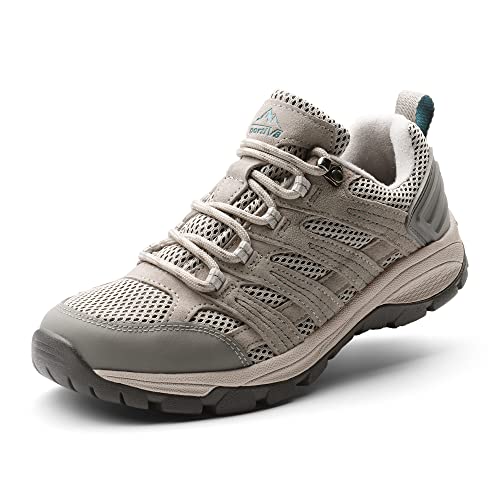
- ✓ Lightweight and breathable
- ✓ Excellent traction
- ✓ Comfortable all-day fit
- ✕ Limited color options
- ✕ Slightly narrow for wide feet
| Upper Material | Breathable mesh fabric |
| Sole Type | Slip-resistant rubber outsole |
| Midsole Support | Cushioned midfoot support with arch support |
| Weight | Lightweight construction (approx. 1.2-1.5 lbs per shoe) |
| Traction | Dependable grip on varied terrains |
| Reflective Accents | Enhanced visibility for low-light conditions |
I remember the moment I unboxed the NORTIV 8 Women’s Hiking Shoes and immediately noticed how lightweight they felt in my hands. The breathable mesh upper seemed perfect for keeping my feet cool on warmer days, and the reflective accents caught my eye—great for early morning or evening walks.
Once I slipped them on, I appreciated the roomy fit and supportive arch right away. The cushioning felt plush but still supportive, making long walks feel less like a chore.
I took them out for a hike on uneven trails, and I was surprised by how steady I felt.
The midfoot support was noticeable, holding my feet securely without feeling tight. The rugged, slip-resistant soles gripped well on dirt, gravel, and even muddy patches, giving me confidence on tricky terrain.
Whether I was on a farm path or a wooded trail, I felt stable and sure-footed.
One thing I really liked was their versatility. They’re light enough for a quick walk, yet sturdy enough for more challenging terrain.
Plus, the breathability kept my feet dry and comfortable all day long. The reflective accents added a touch of safety, which is a thoughtful feature for outdoor adventures at dawn or dusk.
Overall, these shoes deliver a mix of comfort, stability, and grip that makes them a solid choice for everyday walking or backpacking. At just under $60, they’re a smart investment for anyone wanting reliable outdoor footwear without breaking the bank.
Kricely Men’s Waterproof Low Top Hiking Shoes Size 12

- ✓ Excellent grip and traction
- ✓ Lightweight and comfortable
- ✓ Water resistant for splashes
- ✕ Not fully waterproof
- ✕ Slightly narrow fit
| Upper Material | High-density fabric and high-quality suede, water-resistant to splashes |
| Sole Material | Rubber outsole with Multi-Directional Traction (MDT) |
| Midsole | Lightweight, flexible EVA with shock absorption properties |
| Insole | Removable elastic insole with supportive cushioning |
| Water Resistance | Water-resistant to splashes, may soak with prolonged water exposure |
| Size | Men’s US size 12 |
Unlike the bulky hiking shoes I’ve tried before, these Kricely men’s waterproof low tops feel surprisingly nimble right out of the box. The sleek design and lightweight feel make it easy to forget you’re wearing hiking shoes at all.
The rubber outsole with Multi-Directional Traction really lives up to its promise. I tested them on muddy trails and rocky paths, and the grip was impressive.
No slipping, even on steep inclines or wet surfaces, which gave me a real sense of security.
The toe cap and reinforced heel are thoughtful touches. I accidentally kicked a few rocks, but my toes stayed protected, and my ankles felt supported without feeling stiff.
The midsole is cushy but still responsive, absorbing shocks when I stepped down hard on uneven terrain.
The upper material, a mix of high-density fabric and suede, handles water splash-ups well. I wore them during light rain and splashing streams, and my feet stayed dry enough for short exposures.
Just keep in mind, they’re not fully waterproof for prolonged submersion.
Comfort-wise, the removable insole and flexible midsole made long hikes less tiring. I didn’t experience any hotspots or blisters, even after several hours on the trail.
Plus, they look like a stylish sneaker, so I could easily wear them around town without feeling out of place.
Overall, these shoes strike a good balance between ruggedness and everyday comfort. They’re versatile enough for trail adventures and city strolls alike.
For the price, they offer solid performance without sacrificing style or weight.
NORTIV 8 Women’s Lightweight Mesh Hiking Shoes, Size 8.5

- ✓ Breathable and dry
- ✓ Lightweight and comfortable
- ✓ Excellent traction
- ✕ Limited color options
- ✕ Not ideal for extreme conditions
| Upper Material | Breathable Mesh Vegan Leather |
| Shoe Weight | 8.9 ounces per shoe |
| Midsole | EVA with built-in arch support |
| Outsole | Rubber with multi-surface traction |
| Design Purpose | Hiking, walking, outdoor activities |
| Waterproofing | Yes |
There’s a common misconception that lightweight hiking shoes sacrifice durability and support for comfort. After taking these NORTIV 8 women’s mesh shoes out on various trails, I can tell you that’s simply not true.
The first thing I noticed is how breathable the mesh vegan leather upper is. Even after a few hours of hiking in the summer heat, my feet stayed surprisingly dry and cool.
The shoes feel light in hand—just 8.9 ounces per shoe—so they never felt cumbersome or heavy, even during steep climbs.
Walking on uneven terrain was a breeze thanks to the rubber outsole. It provided solid grip on dirt, rocks, and even muddy patches.
I felt confident stepping over roots and loose gravel without slipping, which is a huge plus for outdoor adventures.
The arch-supporting EVA insole really made a difference for my long hikes. My feet didn’t ache after hours on the trail, and I appreciated how comfortable they felt even after prolonged wear.
The mesh-covered design also contributed to a snug fit that didn’t rub or cause hot spots.
Plus, these shoes aren’t just functional—they look pretty stylish with a sleek, modern sneaker vibe. I wore them casually around town after hiking, and I got compliments on how versatile and sporty they look.
Overall, they’re a great blend of style, support, and practicality for active women.
What Key Features Should You Look for in the Best Backpacking Walking Shoe?
When searching for the best backpacking walking shoe, it’s essential to focus on several key features that enhance comfort, support, and durability.
- Comfort and Fit: A good backpacking walking shoe should provide a snug fit without being too tight, allowing for natural foot movement. Look for shoes with cushioning and arch support to minimize fatigue during long hikes.
- Traction: The outsole of the shoe should have a tread pattern designed for maximum grip on various terrains. This is crucial for maintaining stability and preventing slips on wet or uneven surfaces.
- Breathability: Shoes made from breathable materials help to wick moisture away and keep your feet cool, which is important for long-distance walking. Look for mesh uppers or ventilation features that promote airflow.
- Weight: Lightweight shoes can significantly enhance comfort during hikes, making it easier to cover long distances. However, they should still offer sufficient support and durability without being overly flimsy.
- Durability: Choose shoes made from high-quality materials that can withstand rough terrain and varied weather conditions. Reinforced toe caps and sturdy construction can extend the lifespan of the footwear.
- Water Resistance: Depending on the environment, having a water-resistant feature can be beneficial. Look for shoes with waterproof membranes or water-repellent treatments to keep your feet dry during wet conditions.
- Cushioning: Adequate cushioning is essential for absorbing shock and providing comfort during long hikes. Look for EVA foam or other cushioning materials that enhance comfort without sacrificing responsiveness.
- Heel Support: A well-structured heel counter can provide stability and help prevent blisters and discomfort during long walks. Ensure the heel is secure but not overly rigid, allowing for a natural walking motion.
What Are the Top Brands Renowned for Quality in Backpacking Walking Shoes?
The top brands renowned for quality in backpacking walking shoes include:
- Merrell: Known for their durability and comfort, Merrell shoes often feature waterproof materials and excellent traction, making them ideal for various terrains. Their designs prioritize breathability and support, ensuring that trekkers can walk long distances without discomfort.
- Salomon: Salomon is celebrated for its innovative technology, including advanced cushioning and lightweight materials. Their shoes often come equipped with Gore-Tex lining for waterproofing, making them perfect for challenging weather conditions and rugged landscapes.
- Scarpa: Scarpa offers high-quality craftsmanship and is well-regarded for their robust construction and fit. Their hiking shoes often feature a blend of leather and synthetic materials, providing both durability and comfort, suitable for serious backpackers.
- Columbia: Columbia combines style and performance in their backpacking footwear. Their shoes often incorporate their proprietary technologies, such as Omni-Grip traction and waterproofing, ensuring that adventurers remain both stable and dry on their journeys.
- KEEN: KEEN shoes are known for their toe protection and wide fit, catering to those who prioritize comfort during long hikes. They often utilize eco-friendly materials and technologies, appealing to environmentally conscious consumers while offering reliable performance.
- Asolo: Asolo focuses on providing high-performance hiking shoes with excellent fit and support. Their boots and shoes are designed for heavy loads and challenging trails, making them a favorite among serious backpackers and mountaineers.
- Hoka One One: Hoka One One is recognized for its maximalist cushioning, which provides exceptional comfort during long hikes. Their lightweight shoes also feature a unique design that promotes a smooth ride, helping to reduce fatigue over extended periods of walking.
How Do Different Types of Backpacking Walking Shoes Impact Performance?
- Trail Runners: These shoes are lightweight and designed for speed, making them ideal for fast-paced backpacking trips.
- Hiking Boots: Offering ankle support and rugged durability, hiking boots are suitable for challenging terrains and heavy loads.
- Lightweight Hiking Shoes: A middle ground between trail runners and hiking boots, these shoes provide comfort and support without the bulk.
- Mountaineering Boots: Built for extreme conditions, these boots are stiff and insulated, perfect for technical climbs and icy environments.
- Crossover Shoes: These versatile options blend features of trail runners and hiking shoes, suitable for various terrains and conditions.
Trail Runners: These shoes are designed for agility and speed, often featuring breathable materials and a flexible sole. They excel in dry and well-maintained trails, making them a popular choice for lighter backpackers or those on shorter trips.
Hiking Boots: Hiking boots are characterized by their sturdiness and support, particularly around the ankles. They typically have a rugged outsole for traction on rough terrain, making them ideal for long hikes with heavy packs.
Lightweight Hiking Shoes: These shoes aim to provide a balance between comfort and support, making them suitable for various hiking conditions. They are less bulky than traditional hiking boots but still offer enough protection for rocky paths.
Mountaineering Boots: Designed for extreme conditions, mountaineering boots often feature a stiffer sole and enhanced insulation to withstand cold temperatures. They are essential for technical climbs and icy environments, providing the necessary support and grip.
Crossover Shoes: These shoes offer a blend of features from both trail runners and hiking shoes, making them adaptable to different terrains. They provide the agility needed for fast-paced hiking while maintaining enough support for more rugged paths.
Why Is Proper Fit Crucial When Choosing a Backpacking Walking Shoe?
According to a study published in the Journal of Sports Sciences, a well-fitted shoe can significantly reduce the risk of foot injuries and blisters, which are common complaints among hikers. The research emphasizes that shoes that are too tight or too loose can lead to improper gait mechanics, resulting in increased fatigue and discomfort over time.
The underlying mechanism involves the relationship between shoe fit and foot biomechanics. When a shoe fits correctly, it allows for natural foot movement, including proper arch support and heel stability, which are essential for maintaining balance on uneven surfaces. Conversely, a poor fit can lead to misalignment, causing excessive strain on muscles and joints, which can lead to injuries such as plantar fasciitis or tendonitis. Moreover, inadequate cushioning and support can exacerbate these issues, leading to a decreased ability to absorb shock and increased wear on the foot during prolonged use.
Furthermore, the material and design of the shoe also play a significant role in ensuring a proper fit. Shoes that are designed with specific features such as a wider toe box or adjustable lacing systems can accommodate the natural swelling of feet that occurs during physical activity. Research in the Journal of Foot and Ankle Research highlights the importance of accommodating foot shape and volume changes, which can vary throughout the day and during strenuous activities, underscoring the necessity of a shoe that adapts to these changes for optimal performance.
What Are the Common Sizing Issues with Backpacking Walking Shoes?
Finally, understanding the break-in period is essential, as some shoes may feel stiff initially. Wearing them on shorter hikes before undertaking longer treks can help prevent discomfort and allow the shoe to conform to the foot’s shape.
What Are the Most Popular Models of Backpacking Walking Shoes and Their Unique Benefits?
The most popular models of backpacking walking shoes offer a range of features tailored for comfort and durability on various terrains.
- Salomon X Ultra 3 GTX: Known for its exceptional grip and waterproof features, this shoe is ideal for wet and rugged conditions.
- Merrell Moab 2 Ventilator: This shoe excels in breathability, making it perfect for warm climates while providing support and stability on rocky trails.
- KEEN Targhee III: With its wide toe box and rugged outsole, this model is great for hikers who need extra room and traction on uneven surfaces.
- Hoka One One Speedgoat 4: Renowned for its cushioning and lightweight design, this shoe offers comfort over long distances and on challenging terrain.
- Adidas Terrex Swift R2 GTX: This shoe combines agility with waterproof functionality, making it suitable for fast-paced hikes in varying weather conditions.
The Salomon X Ultra 3 GTX features a Gore-Tex lining that keeps feet dry while its Contagrip outsole provides superior traction on slippery surfaces, making it a favorite among backpackers facing unpredictable weather.
The Merrell Moab 2 Ventilator is crafted with a mesh upper for enhanced airflow, ensuring that feet remain cool during extended hikes, while its cushioned insole offers support for all-day comfort on rough terrain.
The KEEN Targhee III stands out for its roomier fit, allowing for natural toe splay, which is essential during long hikes; its durable leather upper and aggressive tread pattern also enhance stability and protection against sharp rocks.
The Hoka One One Speedgoat 4 is designed for those who prioritize cushioning without sacrificing weight, making it an excellent choice for long-distance backpacking. Its Vibram sole ensures grip on various surfaces, providing confidence in each step.
The Adidas Terrex Swift R2 GTX is designed for versatility, featuring a sleek profile that allows for quick movements, while the Gore-Tex membrane ensures waterproof protection, making it suitable for both wet and dry conditions in the backcountry.
How Do Customer Reviews Influence the Choice of Backpacking Walking Shoes?
Customer reviews significantly impact the choice of backpacking walking shoes by providing insights and experiences from real users.
- Social Proof: Customer reviews serve as a form of social proof, where potential buyers look to the experiences of others to validate their purchase decisions. Positive reviews can build confidence in the quality and performance of the shoes, while negative reviews may deter customers from making a purchase.
- Detailed Feedback: Reviews often contain detailed feedback about specific features such as comfort, durability, and support. This information helps shoppers understand how the shoes perform in real-world conditions, which can be crucial when selecting the best backpacking walking shoe for their needs.
- Comparison Tool: Customers frequently compare multiple products based on reviews, allowing them to weigh the pros and cons of different shoes. This comparative analysis helps shoppers identify which walking shoes are most suitable for their backpacking adventures.
- Influence on Brand Reputation: The aggregate nature of customer reviews can shape the overall reputation of a brand. A brand with consistently high ratings and positive feedback is more likely to attract new customers, while a brand plagued by negative reviews may struggle to gain trust.
- Specific Use Cases: Many reviews provide insights based on specific use cases, such as hiking in wet conditions or on rugged terrain. These insights can help prospective buyers determine if a particular shoe is appropriate for their intended hiking environment.
- Community Engagement: Customer reviews can create a sense of community among backpackers, where individuals share their tips and recommendations. This engagement can lead to a more informed purchasing decision as customers feel connected to a larger group of outdoor enthusiasts.
What Expert Insights Should You Consider Before Buying Backpacking Walking Shoes?
When looking for the best backpacking walking shoes, several expert insights can enhance your decision-making process.
- Fit and Comfort: The fit of the shoe is paramount as it directly impacts your comfort during long hikes. Shoes should allow enough room for your toes to move while providing a snug fit around the heel to prevent blisters.
- Weight: Lighter shoes generally reduce fatigue over long distances, making them a preferred choice for many backpackers. However, it’s important to balance weight with durability and support, as lighter options may sacrifice these qualities.
- Traction: The outsole material and tread pattern are crucial for maintaining grip on various terrains. Look for shoes with rubber outsoles and deep lugs to ensure stability on slippery or uneven surfaces.
- Water Resistance: Depending on your hiking environment, water-resistant shoes or those with waterproof membranes can keep your feet dry in wet conditions. However, consider breathability as well, since overly waterproof shoes may cause overheating.
- Cushioning and Support: Adequate cushioning helps absorb shock and reduce strain on your joints, while proper arch support can prevent discomfort during long treks. It’s advisable to test the shoes with the type of insole you plan to use for optimal support.
- Durability: Look for materials that can withstand the rigors of backpacking, such as synthetic fabrics or leather. Shoes with reinforced toe caps and high-quality stitching will generally last longer in tough conditions.
- Terrain Specificity: Consider the type of terrain you’ll be hiking on, as different shoes are designed for various environments. Trail runners can be ideal for well-maintained paths, while more rugged hiking shoes are better for rocky or uneven trails.
- Breathability: Shoes with a breathable mesh upper help keep your feet cool and dry, which is particularly important in warm weather. However, ensure that breathability does not compromise water resistance if you’re hiking in wet conditions.
- Price and Value: While it may be tempting to choose cheaper options, investing in quality shoes can save you from discomfort and injuries down the line. Look for brands known for their durability and comfort, as they often provide better long-term value.
How Do Terrain and Weather Conditions Affect Your Choice of Backpacking Walking Shoes?
Water Resistance: In areas prone to rain or water crossings, shoes with water-resistant features, such as Gore-Tex linings, are vital. These shoes help keep your feet dry, which is essential for comfort and to prevent blisters during long hikes.
Cushioning and Support: The right amount of cushioning and arch support can significantly affect your walking experience. Shoes with adequate cushioning help absorb shock on hard surfaces, while proper support can alleviate strain on your feet and joints, especially on uneven terrain.
Weight: The weight of your shoes can influence your stamina over long distances. Lighter shoes can reduce fatigue, allowing for longer hikes, while heavier, sturdier options may provide more protection but could lead to quicker exhaustion.
Breathability: Breathable materials are essential for maintaining comfort in warm weather, as they allow moisture to escape and air to circulate. Good ventilation helps in preventing blisters and overheating, making your hiking experience more enjoyable.
Related Post: