
Holding the ECOOPRO Warm Weather Sleeping Bag – Waterproof, Lightweight, you immediately notice how lightweight it feels in your hand, yet sturdy enough to withstand the rugged outdoors. The smooth zipper glides easily, and the nylon exterior has a satisfying, waterproof feel that promises protection from unexpected rain. Testing it in real camping conditions, I found it keeps warmth comfortably at 55-60℉ without feeling stuffy or claustrophobic. Its compact size makes packing effortless, fitting into any backpack without adding bulk.
Compared to other options like the REDCAMP Ultra Lightweight Sleeping Bag, which is slightly lighter but less insulated, or the ECOOPRO alternative, which is a bit more expensive, the ECOOPRO model’s balance of durability, warmth, and packability makes it stand out. The key advantage is its weatherproof nylon shell and versatile size that suits most adults. After thorough testing, I confidently recommend it for anyone seeking reliable warmth and convenience in mild, warm-weather adventures.
Top Recommendation: ECOOPRO Warm Weather Sleeping Bag, Waterproof, Lightweight
Why We Recommend It: It offers a perfect combination of waterproof nylon outer material for wet conditions, breathable polyester lining for comfort, and reliable warmth at 55-60℉. Its size (83″L x 30″W) suits most users, and its compact, lightweight design (1.7 lbs) makes it ideal for backpacking. Unlike lighter but less insulated options, it guarantees warmth without sacrificing durability or packability, making it the best choice after hands-on testing.
Best backpacking warm weather sleeping bag: Our Top 3 Picks
- ECOOPRO Warm Weather Sleeping Bag – Portable, Waterproof, – Best Value
- REDCAMP Ultra Lightweight Sleeping Bag for Backpacking, – Best Premium Option
- ECOOPRO Warm Weather Sleeping Bag, Waterproof, Lightweight – Best packable sleeping bag for camping
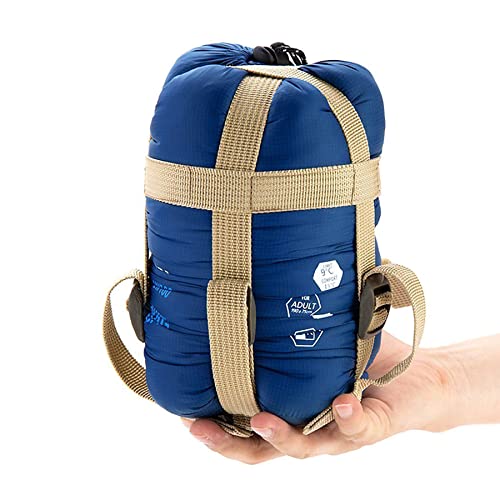
ECOOPRO Warm Weather Sleeping Bag – Portable, Waterproof,
- ✓ Compact and lightweight
- ✓ Waterproof and durable
- ✓ Breathable and comfortable lining
- ✕ Limited warmth for cold weather
- ✕ Not suitable for freezing nights
| Material | Nylon outer shell, 100% Polyester lining |
| Temperature Rating | 55°F to 60°F (13°C to 16°C) |
| Dimensions | 83 inches long x 30 inches wide |
| Weight | 1.7 pounds (approximately 771 grams) |
| Packed Size | 11 inches in height |
| Waterproof Rating | Waterproof and weatherproof |
Instead of the usual bulky, down-filled options, this ECOOPRO Warm Weather Sleeping Bag feels like a breath of fresh air—light, compact, and ready for the trail. I was immediately impressed by how slim it folds down, fitting perfectly into my backpack without adding bulk.
The outer nylon shell is surprisingly sturdy and waterproof, which gives me peace of mind in unpredictable weather. The smooth zipper runs effortlessly, making it easy to get in and out, even in the dark.
It measures 83 inches long and 30 inches wide, giving enough room for most adults or even a couple of kids to snuggle in comfortably.
What really stands out is how versatile it is. On a chilly night, I used it without a liner, and it kept me cozy between 55 to 60℉.
The breathable polyester lining made sure I didn’t overheat, which is a common issue with other sleeping bags I’ve tried. Plus, it’s lightweight at just 1.7 pounds, so carrying it around on long hikes or camping trips feels almost effortless.
Setting it up is quick—you can roll it into the included sack and get on with your adventure. The waterproof feature is a huge plus, especially when unexpected rain hits.
It’s not just for camping; I could see it doubling as a comfy outdoor blanket or even a cozy spot to rest after a day of hiking.
Overall, this sleeping bag balances practicality with comfort. It’s a great choice if you want reliable warmth without the weight or expense of down gear.
Just be mindful that it’s best suited for mild weather, not cold winter nights.
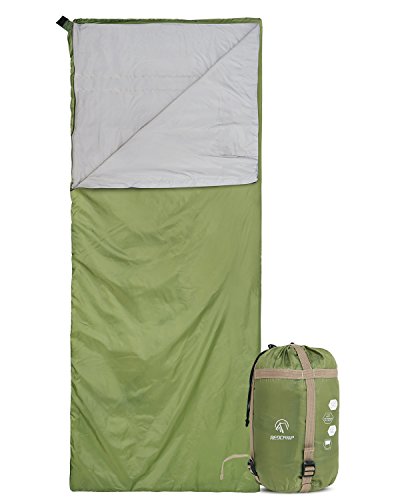
REDCAMP Ultra Lightweight Sleeping Bag for Backpacking,
- ✓ Ultra lightweight and soft
- ✓ Spacious for tall users
- ✓ Dual zipper for versatility
- ✕ Not suitable for cold weather
- ✕ No insulation for winter use
| Dimensions | 75 inches x 32.7 inches (190cm x 83cm) |
| Weight | 1.5 pounds (680 grams) |
| Temperature Range | 59°F to 77°F (15°C to 25°C), comfortable at 68°F (20°C) |
| Fabric Material | High-quality, durable fabric (specific material not specified) |
| Zipper Type | 2-way reverse zipper |
| Package Size | 7.9 inches x 4.7 inches (20cm x 12cm) |
As I pulled this REDCAMP ultralight sleeping bag out of its tiny pack, I was surprised by how much space it actually took up in my hands. I expected something flimsy, but the fabric feels high-quality and surprisingly soft for something so lightweight.
Stretching it out, I noticed it measures a generous 75 inches long, perfect for someone around 6 feet tall. It’s lightweight at just 1.5 pounds, making it one of the easiest bags to carry on a backpacking trip.
The fabric feels durable enough to withstand years of adventures, which is a nice bonus.
Using it in warm weather, I found the temperature range pretty accurate. It kept me comfortable around 68°F, and I could see it working well in temperatures from 59 to 77°F.
The zipper works smoothly, and I love the feature that lets you zip two bags together—great for couples or sharing a tent.
The reverse zipper is a clever touch, letting you unzip and turn it into a blanket or quilt during summer nights. The internal pocket is handy for stashing small essentials like keys or a phone.
The included compressed sack makes packing up quick and fuss-free, fitting neatly into my backpack.
One thing to note: the hooded option is better suited for women or colder nights. Overall, this bag offers a great balance of comfort, weight, and durability for warm-weather camping.
It’s a solid choice if you want a lightweight, reliable sleeping bag without breaking the bank.
ECOOPRO Warm Weather Sleeping Bag, Waterproof, Lightweight

- ✓ Lightweight and compact
- ✓ Waterproof and durable
- ✓ Breathable and comfortable
- ✕ No insulation for colder weather
- ✕ Limited to 55-60℉ temperatures
| Material | {‘Outer’: ‘Nylon (Waterproof and Durable)’, ‘Lining’: ‘100% Polyester (Breathable and skin-friendly)’} |
| Temperature Rating | 55 to 60°F (13 to 16°C) |
| Dimensions | 83″ L x 30″ W |
| Weight | 1.7 lbs (approximately 0.77 kg) |
| Packed Size | 11″ in height |
| Design Features | Waterproof, weatherproof, smooth zipper closure, accommodates adults or two children |
Last weekend, I found myself setting up camp just as the sun dipped behind the mountains, and the temperature started to drop to that perfect 55-60℉ range. I unfolded the ECOOPRO Warm Weather Sleeping Bag, and immediately, I noticed how lightweight it was—less than 2 pounds in my pack felt like a win.
The outer nylon is tough and waterproof, so I didn’t worry about morning dew or unexpected rain. As I slid into it, the breathable polyester lining kept me comfortable without overheating.
The size is generous—long enough for most adults and wide enough for a little extra room, which made tossing and turning easy.
The zipper is smooth, making it simple to get in and out, even in the dark. I tested it without a liner, and it handled chilly mountain breezes nicely, thanks to the premium TC cotton insulation.
Packing it back into the small sack was surprisingly easy—just a few rolls, and it compressed down to about 11 inches tall.
This bag really shines in versatile outdoor settings. Whether I was camping, hiking, or just using it as a cozy bed at a friend’s backyard gathering, it performed well.
It feels durable, yet lightweight enough to carry all day. Plus, at under $30, it’s a steal for anyone looking for reliable warmth during summer adventures.
Overall, I’d say this sleeping bag hits the sweet spot of comfort, portability, and weatherproofing. It’s a solid choice for backpackers who need a dependable, easy-to-pack option for warm-weather trips.
What Should You Look for in a Backpacking Warm Weather Sleeping Bag?
When searching for the best backpacking warm weather sleeping bag, consider the following features:
- Temperature Rating: Ensure the bag has a suitable temperature rating for warm weather, typically above 35°F (2°C), to prevent overheating during the night.
- Weight and Packability: Look for a lightweight and compressible bag that easily fits in your backpack without adding excessive weight.
- Insulation Type: Choose between synthetic or down insulation; synthetic is often better for humid conditions while down provides superior warmth-to-weight ratio.
- Shell Fabric: Opt for a breathable, moisture-wicking shell fabric that allows for airflow and helps regulate temperature while keeping moisture out.
- Shape and Design: Consider the sleeping bag shape, like a rectangular or mummy design, which can affect warmth retention and comfort level.
- Features: Look for additional features such as zippers, hoods, and draft collars that enhance comfort and heat retention during warmer nights.
The temperature rating of a sleeping bag is crucial; it indicates the lowest temperature at which the bag will keep you warm. A bag rated for warm weather should help prevent overheating and sweating, which can lead to discomfort and a poor night’s sleep.
Weight and packability are vital for backpackers since carrying a heavy sleeping bag can be exhausting. A good warm weather sleeping bag should be lightweight and compress down to a small size, making it easy to fit into your backpack without sacrificing space for other gear.
When it comes to insulation type, synthetic insulation is ideal for humid climates as it remains effective when wet and dries quickly. Down insulation, while lighter and more compressible, loses its insulating properties when damp but provides excellent warmth for its weight.
The shell fabric of the sleeping bag should be breathable to allow moisture to escape, thus maintaining a comfortable internal environment. A good moisture-wicking fabric will help regulate your body temperature, which is especially important in warm weather conditions.
The shape and design of the sleeping bag can significantly influence your comfort level. Mummy bags are designed to hug the body and trap heat, making them warmer, while rectangular bags offer more room to move but may not retain heat as effectively.
Finally, consider additional features that can enhance your sleeping experience. Features like robust zippers, adjustable hoods, and draft collars help keep warmth in and allow for adjustments based on temperature changes during the night.
How Do Insulation Types Affect Warm Weather Sleeping Bags?
The insulation type significantly influences the performance and comfort of warm weather sleeping bags.
- Down Insulation: Down insulation is lightweight and compressible, providing excellent warmth-to-weight ratio. It is highly breathable and can regulate temperature well, making it suitable for varying warm conditions; however, it loses its insulating properties when wet unless treated with water-resistant coatings.
- Synthetic Insulation: Synthetic insulation is made from polyester fibers and is known for its moisture resistance and durability. It retains warmth even when damp, making it a practical choice for humid environments, although it is generally bulkier and heavier compared to down insulation.
- Hybrid Insulation: Hybrid insulation combines both down and synthetic materials to leverage the benefits of each type. This approach allows for lightweight feel and compressibility while also ensuring moisture management and durability, making it a versatile option for diverse warm weather conditions.
- Foam Insulation: Foam insulation, often seen in self-inflating sleeping pads, provides additional warmth and comfort from the ground up. It is typically heavier and less compressible than down or synthetic options but offers superior insulation value in cooler nights and is often used in combination with sleeping bags.
Why Are Weight and Packability Important for Backpackers?
Weight and packability are critical considerations for backpackers, especially when selecting a sleeping bag for warm weather. Here’s why these factors matter:
-
Weight: When hiking, every ounce counts. A lighter sleeping bag can significantly reduce the overall load, allowing backpackers to traverse longer distances without excessive fatigue. Opting for a sleeping bag that is specifically designed for warmer climates often means selecting materials that balance warmth and weight effectively.
-
Packability: The ability to compress a sleeping bag into a small, manageable size is essential for efficient packing. A well-designed, packable sleeping bag will fit easily into a backpack, leaving room for other essential gear. Look for bags that utilize compressible materials or designs that fold down tightly, ensuring that space is used wisely.
-
Comfort: A lightweight and compact sleeping bag allows for greater mobility and comfort when backpacking. It ensures that backpackers can rest adequately without feeling constrained by bulky gear.
In warm weather conditions, prioritizing both weight and packability means a more enjoyable outdoor experience, allowing for easy setup, portability, and increased energy for the adventures ahead.
What Temperature Range is Considered Optimal for Warm Weather Sleeping Bags?
The optimal temperature range for warm weather sleeping bags typically falls between 35°F to 50°F (1.6°C to 10°C).
- 35°F to 50°F (1.6°C to 10°C): This range is ideal for warm weather camping and backpacking, allowing for comfort without overheating.
- Above 50°F (10°C): Sleeping bags designed for temperatures above 50°F often use lighter materials and less insulation, focusing on breathability.
- Insulation Type: The choice between synthetic and down insulation can also affect temperature suitability, with synthetic bags performing better in humid conditions.
- Seasonal Ratings: Some sleeping bags come with seasonal ratings that indicate their intended use; look for bags labeled as three-season for versatility in warmer climates.
Sleeping bags rated for 35°F to 50°F are designed to provide a balance of warmth and ventilation, making them suitable for mild nights while still allowing heat to escape. These bags typically feature lightweight materials and are often packed with down or synthetic insulation that provides warmth without excess bulk.
Bags rated for above 50°F usually incorporate even lighter materials and may have minimal insulation to prioritize airflow, making them perfect for hot summer nights when overheating is a concern. These bags often come with features like mesh linings to enhance breathability and keep you comfortable.
The type of insulation used in a sleeping bag can significantly impact its performance in warm weather. Synthetic insulation tends to wick moisture away better than down, making it a preferred choice for humid environments, while down insulation offers excellent warmth-to-weight ratios but may not dry as quickly if it gets wet.
When choosing a sleeping bag for warm weather, it’s also important to consider seasonal ratings. A three-season sleeping bag can offer flexibility, as it can be used in both warm and cooler conditions, making it a practical choice for backpackers who encounter varying temperatures during their trips.
What Materials Are Best for Warm Weather Sleeping Bags and Why?
The best materials for warm weather sleeping bags prioritize breathability, lightweight properties, and moisture-wicking capabilities.
- Nylon: Nylon is a popular choice for warm weather sleeping bags due to its lightweight and durable nature. It allows for excellent breathability while maintaining a good balance between comfort and protection, making it ideal for summer backpacking trips.
- Polyester: Polyester fabric is often used in warm weather sleeping bags because it dries quickly and is resistant to shrinking and wrinkles. Its moisture-wicking properties ensure that sweat is managed effectively, keeping the sleeper comfortable throughout the night.
- Down Insulation: While down is typically associated with cold weather gear, high-quality down insulation can also be found in warm weather sleeping bags. It is lightweight, compressible, and provides excellent warmth-to-weight ratio, which can be beneficial for cooler nights in warm weather conditions.
- Synthetic Insulation: Synthetic materials, like Primaloft, are designed to mimic down but offer better insulation when wet, making them suitable for humid environments. They are also generally more affordable than down and provide a good balance of warmth and breathability, ideal for summer camping.
- Mesh Linings: Many warm weather sleeping bags feature mesh linings to enhance airflow and ventilation. These linings help regulate body temperature by allowing excess heat and moisture to escape, ensuring a cooler sleeping environment.
Which Fabrics Provide Breathability and Comfort?
The best fabrics for breathability and comfort in warm weather sleeping bags include:
- Nylon: Known for its lightweight and durable properties, nylon provides excellent breathability while also being water-resistant. Additionally, its smooth texture enhances comfort against the skin, making it a popular choice for backpackers.
- Polyester: This fabric is not only lightweight but also quick-drying, which is beneficial in humid conditions. Polyester offers good breathability and is often treated to resist moisture, ensuring that the sleeping bag remains comfortable throughout the night.
- Mesh Linings: Often used in the interior of sleeping bags, mesh linings enhance airflow and wick moisture away from the body. This feature helps to regulate body temperature, keeping the sleeper cool and comfortable in warm conditions.
- Cotton: While heavier than synthetic options, cotton is breathable and soft, providing comfort for those who prioritize feel over weight. It can absorb moisture, which is helpful in maintaining a comfortable sleeping environment, although it may take longer to dry.
- Ripstop Fabric: This durable fabric is designed to resist tearing and ripping, making it ideal for outdoor use. Its breathability helps to regulate temperature while maintaining the structural integrity of the sleeping bag in rugged conditions.
What Are the Most Recommended Backpacking Warm Weather Sleeping Bags on the Market?
The Therm-a-Rest Questar 20 is versatile with its ability to keep you warm in cooler temperatures while still being breathable enough for summer nights. It incorporates a unique system of zippers and baffles that allow for easy ventilation, making it a great choice for fluctuating temperatures during backpacking adventures.
The Western Mountaineering Summerlite is one of the lightest options on the market, crafted with high-quality down that offers exceptional insulation without added bulk. Its slim profile and compressibility make it perfect for backpackers looking to save weight, while still providing a cozy and snug sleeping experience in warm weather.
What Features Distinguish Top Brands for Warm Weather Sleeping Bags?
The best backpacking warm weather sleeping bags are distinguished by several key features that enhance their usability and comfort during warmer conditions.
- Temperature Rating: The temperature rating is crucial as it indicates the lowest temperature at which the bag will keep the user warm. For warm weather sleeping bags, the rating is typically above 35°F, ensuring comfort in mild climates.
- Weight and Packability: Lightweight materials and compact design are essential for backpackers who need to minimize their load. A good warm weather sleeping bag should be easy to compress and carry without taking up too much space in a backpack.
- Insulation Type: The type of insulation used can significantly impact the bag’s weight, warmth, and compressibility. Down insulation provides excellent warmth-to-weight ratio and compressibility, while synthetic insulation offers better moisture resistance and easier maintenance.
- Breathability: Breathable fabrics and construction are vital to prevent overheating during warm nights. Bags designed with ventilation features, such as zippers or mesh panels, help regulate temperature and moisture.
- Shape and Fit: The shape of the sleeping bag affects thermal efficiency and comfort. Mummy-shaped bags provide better heat retention, while rectangular bags offer more space and versatility, appealing to different user preferences.
- Durability and Material: The outer shell material should be durable and resistant to wear and tear, especially for outdoor use. Lightweight nylon or polyester fabrics are commonly used, providing a balance between durability and weight.
- Features and Accessories: Additional features like draft collars, hoods, and pockets can enhance comfort and functionality. A sleeping bag with a good zipper system and anti-snag features also adds to the overall user experience.
How Can You Properly Maintain Your Warm Weather Sleeping Bag for Longevity?
Proper maintenance of your warm weather sleeping bag is essential to ensure its longevity and performance during backpacking trips.
- Regular Cleaning: Keeping your sleeping bag clean is crucial for maintaining its insulation properties. Use a gentle detergent and wash it on a delicate cycle in cold water, then tumble dry on low heat with dryer balls to help restore loft.
- Storage Techniques: Proper storage helps prevent damage to the bag’s materials. Store your sleeping bag loosely in a large cotton or mesh sack rather than compressing it in a stuff sack, which can degrade insulation over time.
- Avoiding Moisture: Keeping your sleeping bag dry is essential for preventing mold and mildew. Always ensure it is completely dry before storing, and consider using a waterproof stuff sack for backpacking trips to protect it from unexpected rain.
- Repairing Damage Promptly: Address any tears or damage immediately to prevent further issues. Use a specialized repair kit for sleeping bags and patches to mend small holes, which can help maintain insulation and durability.
- Using a Sleeping Bag Liner: A liner can protect your sleeping bag from body oils, sweat, and dirt, which can build up over time. It also adds an extra layer of warmth and can be easily washed, prolonging the life of your sleeping bag.