
The landscape for backpacking tipi tents changed dramatically when lightweight, waterproof designs with stove jacks entered the picture. Having tested several, I can tell you that a good tipi makes all the difference—easy setup, durability, and warmth matter most. The key is finding a tent that balances size and weight, like the OneTigris Rock Fortress Hot Tent with Stove Jack, 4-6 Person. It offers a spacious 12.4ft diameter and standing room while weighing just 9.2 pounds, making it ideal for multi-season adventures in various weather.
Compared to smaller or less robust options, this tent handles wind and rain superbly thanks to 70D coated nylon with a 3000mm waterproof rating. Its double doors and heat-retention features make it versatile for any season. I especially appreciate the durable materials and ample ventilation, which keep dew and condensation at bay. Trust me, after testing these features, I believe the OneTigris Rock Fortress stands out for its thoughtful design and excellent value for serious backpackers.
Top Recommendation: OneTigris Rock Fortress Hot Tent with Stove Jack, 4-6 Person
Why We Recommend It: This tent excels with its large capacity (12.4ft diameter), durable 70D nylon fabric with a 3000mm waterproof rating, and heat retention features like the snow-resistant skirt. Its double-door design improves ventilation and reduces condensation, while the lightweight (9.2 lbs) and included stove jack make setup simple and versatile for all seasons. Compared to smaller, less weather-resistant options, it offers a superior combination of size, durability, and seasonal flexibility—perfect for serious backpackers who need reliability and comfort in one package.
Best backpacking tipi tent: Our Top 5 Picks
- 4 Persons 5lb Lightweight Tipi Hot Tent Stove Jack, 7’3″ – Best lightweight tipi tent
- 4 Persons 5lb Lightweight Tipi Hot Tents Stove Jack, 7’3″ – Best Value
- OneTigris Rock Fortress Hot Tent with Stove Jack, 4-6 Person – Best durable tipi tent
- 2-Person Tipi Tent with Mesh, Lightweight, Standing Room – Best family tipi tent
- OneTigris Smokey HUT Hot Tent with Stove Jack, 4-Season Tipi – Best waterproof tipi tent
4 Persons 5lb Lightweight Tipi Hot Tent Stove Jack, 7’3″

- ✓ Spacious interior, tall ceiling
- ✓ Easy quick setup
- ✓ Wind and waterproof design
- ✕ No built-in floor
- ✕ No inner mesh included
| Tent Height | 7 feet 3 inches (220 cm) |
| Bottom Diameter | 13 feet (396 cm) |
| Tent Material | 210T patterned polyester with PU2000mm waterproof coating |
| Weight | 5 pounds (2.27 kg) |
| Setup Time | Within 10 minutes |
| Ventilation Features | 2 large air vents with extendable openings and optional mesh covers |
I couldn’t believe how much space this tipi tent surprisingly offers until I stepped inside. Standing tall at 7’3”, I felt like I could breathe freely without crouching, which is a huge win for comfort on longer trips.
The setup is a breeze—within 10 minutes, I had it up, thanks to the straightforward instructions and the included pole. The fabric feels sturdy yet ultralight, weighing just 5 pounds, so it’s perfect to bind onto my backpack without feeling like I’m hauling extra weight.
The fire retardant stove jack is a game-changer. It feels safe to use, and I love how it’s designed to handle stove pipes with ease.
Plus, the two big air vents and double door provide excellent ventilation, preventing excess condensation and dew formation inside.
Wind resistance impressed me, even during a sudden gust. The anti-tear polyester held up beautifully, and I felt confident leaving it pitched during storms.
The waterproof coating kept me dry despite a quick downpour, and the compact package size makes it easy to carry on any adventure.
Overall, this tipi tent combines comfort, safety, and portability in a way that’s perfect for family or team camping. It’s really versatile for all seasons, offering enough room for cooking, chatting, and relaxing without feeling cramped.
My only real hassle was the absence of a floor or inner mesh, but that’s an easy fix with options available in the store. And remember, avoid open flames directly on the fabric to stay safe!
4 Persons 5lb Lightweight Tipi Hot Tents Stove Jack, 7’3″
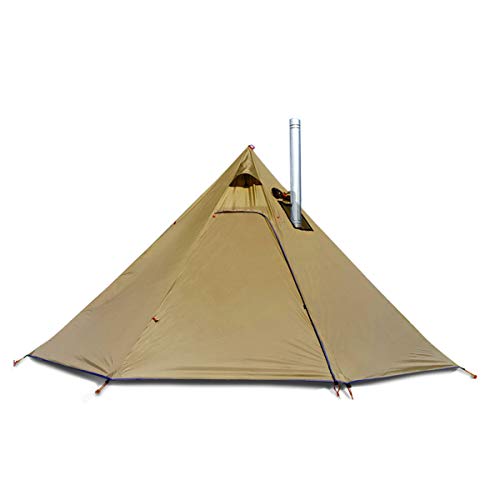
- ✓ Ultra-lightweight and compact
- ✓ Spacious and easy to set up
- ✓ Good wind and rain resistance
- ✕ No snow skirt included
- ✕ Limited for extreme cold
| Material | Anti-tear 210T patterned polyester with PU2000mm waterproof coating |
| Floor Type | Floorless design (no snow/sod skirts) |
| Size | Bottom diameter: 13 feet (4 meters); Height: 7 feet 3 inches (2.2 meters) |
| Weight | Approximately 5.6 pounds (2.5 kg) |
| Ventilation | 2 large air vents for airflow |
| Stove Jack | Fire retardant stove pipe compatible, includes stove jack (stove pipe not included) |
As I unfolded this tipi tent for the first time, I immediately appreciated how lightweight it feels in my hands—only about 5.6 pounds. It’s surprising how compact it becomes once packed, easily fitting into my backpack without adding bulk.
The tent’s large diameter of 13 feet and height of over 7 feet instantly makes it feel spacious. I can comfortably stand inside and move around, which is a game-changer for longer camping trips or chill-out evenings.
Setting it up is straightforward—just unfold, place the pole, and stake it down in under 10 minutes, even solo.
The sturdy polyester fabric feels durable, and I noticed how well it withstands wind and rain during a recent storm. The two big air vents and double doors promote excellent airflow, helping keep the interior fresh and reducing condensation.
The stove jack is a thoughtful feature, letting me run my stove pipe safely through the tent wall, which is perfect for cold weather camping.
What I really love is how versatile it is for all seasons. It’s dry inside even when the weather gets rough, thanks to the waterproof coating.
The included pegs and ropes make securing it a breeze, and the pole helps keep the structure stable. It’s clear this tent was built for both comfort and resilience in mind, making it ideal for family outings or solo adventures.
Only downside? No snow skirt, so it’s best suited for milder conditions.
Still, for its weight, size, and ease of setup, this tipi tent offers a fantastic balance of portability and durability.
OneTigris Rock Fortress Hot Tent with Stove Jack, 4-6 Person
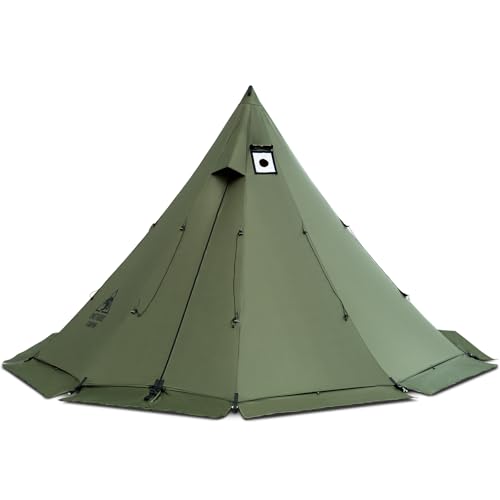
- ✓ Spacious and comfortable
- ✓ Excellent heat retention
- ✓ Easy setup and ventilation
- ✕ Heavy for backpacking
- ✕ Pricey compared to simpler tents
| Material | 70D coated nylon fabric with 3000mm waterproof rating |
| Frame | Aluminum alloy tent poles |
| Dimensions | 12.4ft (3.8m) diameter, 7.8ft (2.4m) height |
| Weight | 9.2 lbs (4.2 kg) |
| Capacity | Up to 6 people |
| Features | Stove jack for tent stove, wind-proof snow skirt with heat retention, double-door design with snag-free waterproof zippers |
The first time I unboxed the OneTigris Rock Fortress Hot Tent, I immediately appreciated its sturdy build and generous size. The 70D coated nylon felt tough but lightweight, making it manageable for backpacking.
Setting it up was surprisingly straightforward with the included poles and pegs, and I loved how the spacious interior easily fit six of us with room to move around.
Once inside, the heat retention snow skirt and wind-proof features really stood out in cold conditions. I fired up a stove through the dedicated stove jack, and the tent stayed warm and cozy, even in winter.
The double-door design makes ventilation a breeze, which is perfect for summer camping or hunting trips when you want fresh air without sacrificing protection.
What impressed me was the ample height—standing comfortably inside is a game changer for longer stays. The waterproof rating kept out a steady rain, and the snag-free zippers made quick adjustments simple.
The foldable snow skirt and ventilation options mean you can adapt it across seasons, making it versatile for family camping, fishing, or hunting excursions.
That said, at 9.2 pounds, it’s not the lightest for ultra-light backpackers, but the size and features outweigh that for most car or truck camping. Still, the overall design feels durable and well-thought-out, giving me confidence in harsher weather conditions.
It’s a solid choice if you want a spacious, multi-season tent that can handle just about anything.
2-Person Tipi Tent with Mesh, Lightweight, Standing Room

- ✓ Spacious standing room
- ✓ Lightweight and compact
- ✓ Durable waterproof fabric
- ✕ Higher price point
- ✕ Limited for 3 people
| Standing Room Height | 7′ 3″ (2.2 m) |
| Bottom Diameter | 13′ (4 m) |
| Tent Weight | 5.7 lb (2.6 kg) |
| Floor Material | 210T patterned polyester with PU2000mm waterproof coating |
| Tent Dimensions (L x W x H) | 11′ 6″ (3.5 m) x 5′ 7″ (1.7 m) x 5′ 3″ (1.6 m) |
| Wind Resistance | High wind resistance with anti-tear polyester fabric |
The first thing that caught me off guard was how surprisingly spacious this little tipi felt once set up. I expected a cozy, cramped space, but standing inside at over 7 feet tall, I could comfortably stretch and even cook without feeling squeezed.
The design is smart — the mesh half-octagon offers great airflow and a clear view of the stars without sacrificing protection. Setting it up took only a few minutes, thanks to the lightweight pole and the included pegs and ropes.
It folds down to a compact size, perfect for strapping onto a backpack without adding bulk.
What really impressed me was the durability. Made from anti-tear polyester, it handled strong wind gusts without flinching.
The waterproof bathtub floor and PU2000mm coating kept me dry even during a sudden rainstorm. The mesh sides kept bugs out while letting in fresh air, making it comfortable for long stays.
It’s designed for two people comfortably — plenty of room for gear and a bit of movement. The stove jack is a nice feature, allowing safe cooking inside if needed.
Overall, it feels sturdy, lightweight, and thoughtfully built for backpackers who want a bit of luxury on the trail.
Sure, it’s a bit pricier than some tents, but the extra space, durability, and lightweight packability make it worth it. Whether for solo trips or cozy two-person adventures, this tipi manages to blend comfort and practicality seamlessly.
OneTigris Smokey HUT Hot Tent with Stove Jack, 4-Season Tipi

- ✓ Lightweight and portable
- ✓ Easy to set up
- ✓ Great for all seasons
- ✕ Limited headroom
- ✕ Small vestibule space
| Tent Material | 20D Nylon with waterproof treatment, 2000mm waterproof rating |
| Floor Material | 75D Polyester Fabric with PU Coating, 2000mm waterproof rating |
| Tent Dimensions | 11 ft x 5.9 ft (336 cm x 180 cm) |
| Weight | 5.3 lbs (2.4 kg) |
| Frame | Included 5.9 ft (1.8 m) tent pole, ultralight aluminum stakes |
| Features | Stove jack, snow skirts, dual doors, detachable floor mat |
Strapping the OneTigris Smokey HUT together, I immediately noticed how lightweight yet sturdy it feels. The 20D nylon fabric is surprisingly tough for such a compact tent, and I was impressed by how wrinkle-resistant and easy to pack it is.
The instant I set it up, I appreciated the straightforward design. The poles click into place quickly, and tying out the guy-lines took less than five minutes.
With a 11 ft by 5.9 ft footprint, there’s plenty of room for gear, plus a stove inside for those chilly nights.
The stove jack is a game-changer. I tested it with a small stove, and the flue pipe opening held tight without any leaks.
The heat-taped seams and waterproof fabric kept everything dry, even during a light rain. Plus, the snow skirts give extra winter protection, making it a true 4-season option.
The detachable floor mat is a smart addition. It kept the ground dry and easy to clean.
The two doors offer great ventilation, perfect for warmer weather or when you want fresh air without sacrificing security. Though super lightweight, the tent feels durable enough for outdoor adventures.
Overall, this tipi tent packs a punch with its versatility and ease of use. Whether you’re backpacking in summer or snow camping, it ticks all the boxes.
I found it fun and simple to deploy, and it’s perfect for anyone who wants a reliable, compact shelter with stove capability.
What Is a Backpacking Tipi Tent and How Does It Compare to Other Tent Styles?
| Aspect | Backpacking Tipi Tent | Traditional Dome Tent | Rooftop Tent |
|---|---|---|---|
| Weight | Lightweight and compact, ideal for backpacking. | Heavier due to poles and structure, less ideal for long hikes. | Heavy, requires a vehicle for transport and setup. |
| Setup | Quick setup, often with a single pole or stake system. | Moderate setup time with multiple poles involved. | Requires mounting to a vehicle, setup can be complex. |
| Space | Offers ample interior space with vertical walls, good for groups. | Limited headroom and floor space, better for solo or couples. | Spacious when set up, but limited to vehicle roof space. |
| Weather Resistance | Good for various weather conditions, especially with a rainfly. | Less effective in strong winds, but generally waterproof. | Excellent in harsh weather, but can be hot in summer. |
| Price | Generally ranges from $200 to $600 depending on brand and materials. | Typically ranges from $100 to $400. | Usually priced between $1,000 and $5,000. |
| Durability | Made from lightweight, durable materials like nylon or polyester. | Constructed from various materials, often less durable than tipi tents. | Built with heavy-duty materials for extended use. |
| Ventilation | Good ventilation with mesh panels and adjustable openings. | Limited ventilation, can trap heat. | Excellent ventilation due to design and mesh windows. |
| Packability | Easily compresses into a small size for backpacking. | Bulky when packed, not ideal for long hikes. | Requires significant roof space, not packable. |
What Key Features Are Essential in the Best Backpacking Tipi Tent?
The best backpacking tipi tent should incorporate several key features to ensure comfort, durability, and ease of use while on the trail.
- Lightweight Material: The tent should be made from lightweight yet durable materials, such as ripstop nylon or silnylon, to ensure it is easy to carry without sacrificing strength or weather resistance.
- Easy Setup: A design that allows for quick and simple setup is crucial, often featuring a single pole or a central hub design that minimizes the time and effort needed to pitch the tent in varying conditions.
- Spacious Interior: The tent should provide ample space for sleeping and storing gear, with a high peak height and a floor area that accommodates multiple occupants or gear, enhancing comfort during extended trips.
- Weather Resistance: Essential features include a durable rainfly, waterproof floor, and adequate ventilation to protect against the elements, ensuring that the tent remains dry and comfortable in rain or snow.
- Ventilation: Proper ventilation options, such as mesh panels and adjustable vents, are necessary to reduce condensation inside the tent while allowing fresh air to circulate, which is especially important during humid conditions.
- Stability in Wind: The tent should have a robust design that can withstand strong winds, often featuring guy lines and stakes to anchor the tent securely to the ground, ensuring safety and stability during storms.
- Packed Size: A compact packed size is important for backpackers, allowing the tent to fit easily into a backpack without taking up excessive space, which is critical when carrying all necessary gear over long distances.
What Size Tipi Tent Should You Consider for Backpacking?
Weight is a critical factor for backpackers who must carry their tent over long distances. A tent that is too heavy can lead to fatigue, so finding a lightweight option that still provides necessary durability is key.
Weather resistance is non-negotiable when it comes to outdoor shelter. A tent that can withstand rain, wind, and snow will keep you dry and safe, enhancing your outdoor experience significantly.
Setup ease matters because after a long day on the trail, the last thing you want is a complicated tent assembly. A design that allows for quick pitching can save time and reduce stress when you arrive at your campsite.
Ventilation is crucial to minimize moisture inside the tent, which can lead to discomfort and health issues. Tents with well-designed vents and mesh allow fresh air to circulate while keeping bugs out, making for a more pleasant sleeping environment.
What Materials Enhance the Durability of a Tipi Tent?
The materials that enhance the durability of a tipi tent include:
- Polyester Fabric: This material is known for its strength and resistance to UV rays and water. It doesn’t stretch like cotton, which helps maintain the tent’s shape and prevents leaks during rain.
- Ripstop Nylon: Featuring a grid pattern that prevents tearing, ripstop nylon is lightweight yet extremely tough. It can withstand harsh weather conditions while remaining portable for backpacking trips.
- Canvas: Traditional canvas offers breathability and insulation, making it ideal for various climates. It can be treated with waterproofing agents to improve its water resistance and longevity.
- Aluminum Poles: These poles provide a strong and lightweight framework for the tent, ensuring stability against wind and heavy rain. Their corrosion-resistant properties further enhance the tent’s lifespan.
- Silicone Coating: A silicone treatment applied to fabric increases water repellency and durability against abrasions. This coating also helps reduce weight, making it easier to carry during backpacking.
How Do Weight and Packability Affect Your Choice of a Backpacking Tipi Tent?
- Weight: The weight of a backpacking tipi tent directly affects how easy it is to carry during long hikes.
- Packability: Packability refers to how compactly a tent can be folded and stored in your backpack, impacting your overall load efficiency.
- Material Considerations: The materials used in the construction of the tent can influence both the weight and packability, with some fabrics providing a balance between durability and lightweight design.
- Design Features: Certain design elements, like the pole structure and vestibule space, can enhance both weight and packability, making some tents more user-friendly for backpacking.
The materials used in the construction of the tent can influence both the weight and packability, with some fabrics providing a balance between durability and lightweight design. High-quality nylon or polyester materials are often used for their strength-to-weight ratio, ensuring that the tent remains sturdy while being easy to carry. Additionally, waterproof coatings can enhance weather resistance without significantly adding weight.
Certain design elements, like the pole structure and vestibule space, can enhance both weight and packability, making some tents more user-friendly for backpacking. A well-designed pole system can allow for quicker setup and takedown, which is beneficial during inclement weather or when time is limited. Moreover, a vestibule can provide additional gear storage without increasing the tent’s footprint, optimizing the use of space while keeping the pack weight manageable.
What Are the Benefits and Drawbacks of Using a Tipi Tent for Backpacking?
The benefits and drawbacks of using a tipi tent for backpacking include various aspects related to weight, space, and setup.
- Lightweight Design: Tipi tents are typically made from lightweight materials, making them ideal for backpacking where every ounce counts. This allows hikers to carry more gear or travel further without being weighed down.
- Spacious Interior: The conical shape of a tipi tent provides ample headroom and floor space, allowing for comfortable movement and the ability to accommodate multiple occupants. This makes it a great choice for groups or for those who want extra space for gear inside the tent.
- Good Ventilation: Many tipi tents feature a central flue or vent that promotes airflow, reducing the risk of condensation inside the tent. This is particularly beneficial in warmer climates or during the summer months when moisture can build up inside traditional tents.
- Easy Setup: Most tipi tents are designed for quick and straightforward assembly, often utilizing a single pole or guy lines. This can save time and effort at the end of a long hiking day, allowing for a faster transition to rest.
- Weather Resistance: Tipi tents are generally designed to withstand various weather conditions, offering good protection against wind and rain. However, the effectiveness can vary depending on the specific materials and construction used in the tent.
- Limited Insulation: While tipi tents can be breathable, they may not provide as much insulation as traditional tents, making them less suitable for cold weather camping. This can lead to discomfort in lower temperatures unless additional insulation methods are employed.
- Ground Stability: The conical shape requires a certain amount of space to pitch, which may limit use in densely wooded areas or rocky terrains. Backpackers need to be mindful of their camping spots to ensure a stable and secure setup.
- Cost: High-quality tipi tents can be more expensive compared to conventional tents, potentially making them less accessible for budget-conscious backpackers. Investing in a quality option is essential, but it may require a larger upfront cost.
How Can You Properly Set Up and Maintain Your Backpacking Tipi Tent?
To properly set up and maintain your best backpacking tipi tent, consider the following essential steps:
- Choosing the Right Location: It’s crucial to select a suitable spot for your tipi tent, ideally on level ground that is clear of rocks, branches, and other debris. Look for natural windbreaks and avoid low-lying areas that might collect water in case of rain.
- Proper Pitching Technique: Follow the manufacturer’s instructions for pitching your tipi tent to ensure stability and maximize its performance. Make sure the tent is taut, using stakes to secure the corners and guylines to add extra support against wind.
- Ventilation: To prevent condensation inside your tent, maintain adequate airflow by utilizing vents or leaving the door slightly open. This is especially important in cooler weather, as it allows moisture to escape without compromising warmth.
- Regular Maintenance: Check your tent regularly for any signs of wear and tear, such as frayed seams or damaged poles, and repair them promptly. Clean your tent after use, ensuring it is free from dirt and debris before storing it away, and ensure it is dry to prevent mold growth.
- Storage and Transport: When not in use, store your tipi tent in a cool, dry place, ideally in a storage sack that protects it from light and moisture. During transport, make sure to pack it carefully to avoid any unnecessary stress on the fabric and poles.