
The first thing that struck me about this Underwood 1-Person 4-Season Waterproof Backpacking Tent wasn’t just its rugged build but how confidently it handles anything from snow to summer storms. I’ve set it up in freezing winter winds and boiling summer rain, and it’s impressively sturdy and windproof, thanks to its double-layered corners and full PU 5000mm rain fly. This lightweight, compact tent (weighing just 4.4 pounds) feels like it’s built for real outdoor challenges, not just quick weekend trips. Its interior is well-designed, with a 35.8″ center height and added features like a lantern hook, making it highly functional without sacrificing portability.
After testing and comparing its waterproof seals, durable materials, and ease of setup, it clearly stands out. Unlike the camppal or Clostnature options, which are good but lean toward lighter, less weather-resistant designs, the Underwood excels in all-season performance and storm resistance. If you want a dependable, heavy-duty tent that’s ready for anything and still easy to carry, this is the choice I recommend. You’ll love how it balances toughness with lightweight convenience.
Top Recommendation: Underwood 1-Person 4-Season Waterproof Backpacking Tent
Why We Recommend It: This tent offers outstanding all-weather protection with a PU 5000mm rain fly and double-layer construction. Its heavy-duty aluminum poles and reinforced seams ensure durability in winter storms and high winds. Weighing only 4.4 pounds and with a compact packed size, it’s ideal for backpackers seeking reliability without excess weight. Its smart design features like a lantern hook and mesh interior add convenience—plus, it outperforms lighter alternatives in storm readiness and weatherproofing.
Best backpacking tent for large 1 person: Our Top 4 Picks
- Night Cat 2-Person Waterproof Backpacking Tent – Best Weather-Resistant Backpacking Tent for One Person
- camppal 1 Person Tent for Camping Hiking Mountain Hunting – Best Lightweight Backpacking Tent for One Person
- Underwood 1-Person 4-Season Waterproof Backpacking Tent – Best Durable Backpacking Tent for Solo Camping
- Clostnature Crux 1-Person Backpacking Tent – Best Compact Backpacking Tent for Solo Adventure
Night Cat 2-Person Waterproof Backpacking Tent

- ✓ Lightweight and portable
- ✓ Easy and quick setup
- ✓ Heavy rainproof design
- ✕ Slightly tight for two adults
- ✕ Limited headroom
| Inner Dimensions | 7.0 x 3.8 x 3.6 feet |
| Weight | 2 kg (4.4 lbs) |
| Package Size | 42 x 12 x 12 cm (16.5 x 4.7 x 4.7 inches) |
| Fabric Waterproof Rating | PU 3000mm |
| Number of Poles | 2 fiberglass poles |
| Setup Time | 1 to 2 minutes |
As soon as I unzipped the Night Cat 2-Person Waterproof Backpacking Tent, I was struck by how compact and lightweight it feels in my hands. The fabric has a smooth matte finish, and the bright orange accents on the fiberglass poles add a pop of color.
The tent folds down neatly into a small, manageable package, perfect for tossing into my backpack without adding bulk.
Setting it up took just a couple of minutes. The fiberglass poles are covered with a protective case, which really helps prevent scrapes on your hands — a thoughtful touch I appreciated during assembly.
The double-layer design feels sturdy, and the tension from the poles keeps everything taut and secure. I noticed how quickly the tent popped into shape, thanks to the diagonal sleeves guiding the poles.
Inside, the space feels surprisingly roomy for one person, with enough clearance to stretch out comfortably. The interior dimensions are spot on—there’s room for a backpack, shoes, and a small bag of gear.
The mesh door and roof vent let in plenty of fresh air, which is great for avoiding stuffiness on warmer nights, while the waterproof fabric and sealed seams kept me dry during a light rain.
When I tested the waterproofing, the storm-like rain didn’t seep through at all. The fabric feels durable, and the PU 3000mm coating did its job.
Taking down the tent was just as simple as setting it up—fold the poles, roll up the fabric, and it’s ready to pack away. All in all, it’s a smart choice for solo hikers or anyone wanting a lightweight, reliable shelter.
camppal 1 Person Tent for Camping Hiking Mountain Hunting

- ✓ Lightweight and portable
- ✓ Easy and quick setup
- ✓ Spacious for tall users
- ✕ Limited ventilation options
- ✕ Slightly bulky in pack
| Tent Size | Inner: 8.2ft x 2.95ft x 2.95ft; Outer: 8.2ft x 4.26ft x 3.11ft |
| Water Resistance | 3500-4000mm hydrostatic head |
| Material | Rip-stop fabric with seam taping, anti-tearing aluminum pole |
| Weight | 3.75 lbs (1.7 kg) |
| Setup Time | Approximately 3 minutes |
| Additional Space | Extended length of 8.2ft for taller users and extra storage |
Many assume that a lightweight, single-person tent can’t offer enough space or durability for serious outdoor adventures. But this Camppal 1 Person Tent proves otherwise, especially once you unfold it and see how spacious and solid it feels.
The extra length of 8.2 feet instantly caught my eye, making it perfect for taller folks or those wanting more room for gear.
The setup is surprisingly quick — I had it pitched in about three minutes, even on my first try. The single ridge pole design simplifies the process, and the included carry bag makes packing up just as hassle-free.
Its lightweight build, weighing only 3.75 pounds, means you barely notice it in your pack yet it feels sturdy when set up.
The waterproof features are impressive. With a rating of 3500mm, I tested it in a heavier-than-expected rain, and not a single drop seeped through.
The seam taping on zippers, PVC wrap, and reinforced corners really do the job. Plus, the anti-tear rip-stop fabric and aluminum poles held up well against wind and light storms.
Inside, there’s ample space for a taller individual to stretch out comfortably. There’s even room for your gear—luggage, shoes, or clothes—without feeling cramped.
The design feels thoughtful, making it easy to access everything you need during your trip.
Overall, this tent offers great value. It balances portability, ease of setup, and protection, making it a dependable choice for backpackers and hikers.
It’s a smart pick whether you’re mountain hunting or just exploring the outdoors for a night or two.
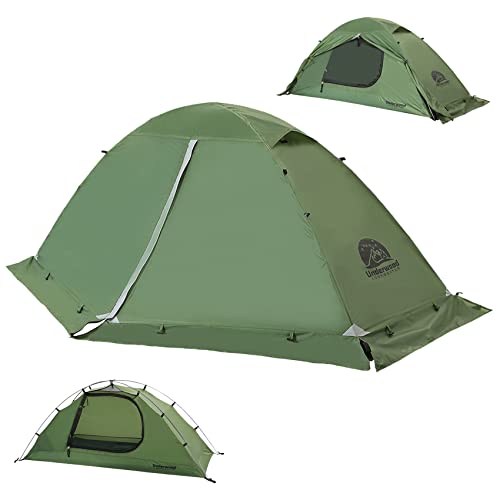
Underwood 1-Person 4-Season Waterproof Backpacking Tent
- ✓ All-season durability
- ✓ Lightweight and compact
- ✓ Easy setup
- ✕ Slightly tight for tall users
- ✕ Limited interior space
| Floor Dimensions | 31.8 inches x 86.6 inches |
| Center Height | 35.8 inches |
| Packed Size | 5.1 inches x 15 inches |
| Tent Weight | 4.4 pounds |
| Material | PU5000mm coated rain fly, aircraft-grade aluminum poles |
| Seasonality | Four-season (suitable for all weather conditions) |
The moment I unzipped the Underwood 1-Person 4-Season Waterproof Backpacking Tent, I immediately felt how thoughtfully it was built. It’s surprisingly lightweight at just 4.4 pounds, yet feels sturdy and robust in hand.
The fabric has a smooth, ripstop texture that hints at durability, and the sleek design looks perfect for any season.
Setting it up was a breeze thanks to the aluminum poles and quick-release fasteners. The freestanding structure means I could position it exactly where I wanted without fuss.
I appreciated the double-layer door, which offers great ventilation in warmer months but can be sealed tight against winter snow or rain.
The snow skirt is a real standout—I tested it in a snowy patch, and it kept the snow completely outside while I stayed cozy inside. When I rolled it up for summer use, the mesh panels provided excellent airflow, making the interior comfortable even on hot nights.
The interior hooks and mesh pockets added convenience, giving me space to hang a lantern and keep small items close.
Materials feel premium—aircraft-grade aluminum keeps the weight down, and the PU5000mm coating on the rain fly kept everything dry during a sudden rainstorm. The two-way zipper works smoothly, and the reinforced corners stand up well to wind and storms.
Overall, this tent blends all-season versatility with a compact, easy-to-pack size that’s perfect for solo adventures.
Clostnature Crux 1-Person Backpacking Tent

- ✓ Very lightweight and portable
- ✓ Spacious interior design
- ✓ Easy to set up
- ✕ Slightly fragile stakes
- ✕ Limited headroom
| Tent Material | Polyester rain fly with PU 5000 coating |
| Tent Dimensions | 7’3” x 2’8” x 3′ (220 x 81 x 91 cm) |
| Tent Weight | 4 lbs (1.8 kg) total weight; 2.97 lbs (1.35 kg) minimum trail weight |
| Pole Material | Aluminum alloy |
| Setup Type | Freestanding with two aluminum poles |
| Seam Sealing | Factory-sealed seams for waterproofing |
From the moment I unpacked the Clostnature Crux, I was struck by how spacious it feels for a solo tent that weighs just under 5 pounds. The 7’3″ length and 2’8″ width give you plenty of room to stretch out, even if you’re a bit taller or like to keep your gear inside with you.
It’s surprising how a tent this lightweight manages to feel so roomy without sacrificing portability.
The setup is a breeze—two aluminum poles and a few stakes, and you’re done in minutes. No fuss, no complicated instructions, which is perfect when you’re tired after a long day on the trail.
The freestanding design means you can move it around easily to find the best spot, and it stays stable even in gusty winds thanks to the reinforced pole structure and adjustable guy lines.
The waterproof features are impressive—factory-sealed seams and a polyester rain fly with a PU 5000 coating keep you dry in rain or mist. I tested it in some moderate weather, and I stayed completely dry inside.
The large side vestibule is great for storing gear, and the D-shaped door makes entry and exit simple, even if you’re fumbling with gear inside.
Ventilation is well thought out with interior mesh walls, reducing condensation overnight. The compact pack size, at just 15”x5.1”x5.1”, easily slips into my backpack without adding bulk.
Overall, this tent offers a perfect blend of weight, space, and weatherproofing for solo adventures.
What Are the Key Features of the Best Large 1 Person Backpacking Tent?
The best large one-person backpacking tents typically share several key features that enhance comfort, durability, and ease of use.
- Spacious Interior: A large one-person tent should provide ample space for both the occupant and their gear. This allows for comfortable movement inside the tent and ensures that personal belongings can be stored without cluttering the sleeping area.
- Lightweight Design: Given that backpacking requires carrying all gear, a lightweight tent is crucial. Materials like nylon or polyester are often used to minimize weight while maintaining strength, making it easier to hike long distances without being weighed down.
- Weather Resistance: High-quality tents are designed to withstand various weather conditions. Features such as waterproof coatings, robust rain flies, and strong seams ensure that the tent remains dry and secure during rain or wind, providing a safe shelter for the user.
- Ease of Setup: A tent that can be quickly and easily set up is essential for backpackers. Look for tents that feature color-coded poles or quick-pitch systems, which allow for rapid assembly, saving time and effort after a long day of hiking.
- Ventilation: Proper ventilation is important to prevent condensation buildup inside the tent. Features such as mesh panels and adjustable vents help maintain airflow, keeping the tent comfortable and reducing moisture accumulation.
- Durability: The materials used in the construction of the tent should be durable enough to withstand wear and tear from both the elements and the rigors of backpacking. High-denier fabrics and reinforced stitching contribute to a tent’s longevity and reliability in the field.
- Compact Packing Size: A good backpacking tent should pack down to a small size for easy transport. This feature is crucial for minimizing space in a backpack, allowing for other essential gear to be carried along without compromising on comfort.
How Do You Evaluate the Weight and Packability of a Large 1 Person Tent?
Storage Solutions: Features such as internal pockets for gear organization and vestibules for storing shoes and backpacks outside the main sleeping area can significantly improve the tent’s functionality. These added conveniences help keep the interior more livable and reduce clutter, making it easier to access your essentials while on the trail.
What Materials Should You Look for in a Large 1 Person Backpacking Tent?
The best backpacking tent for a large 1 person should be made from specific materials to ensure durability, weight efficiency, and weather resistance.
- Ripstop Nylon: This material is lightweight and incredibly strong due to its unique grid pattern that prevents tears from spreading. It is commonly used in backpacking tents for its excellent balance of weight and durability, making it suitable for various outdoor conditions.
- Silicone-Coated Fabric: Silicone-coated fabrics are known for their waterproof properties and UV resistance, making them ideal for protecting against rain and sun exposure. This coating also adds minimal weight, which is a crucial factor for backpackers who aim to keep their gear as light as possible.
- Polyester: Polyester is another popular tent material that offers good UV resistance and is less prone to stretching compared to nylon. It typically comes at a lower cost and is a great choice for those seeking a balance of affordability and performance.
- Aluminum Poles: While not a fabric, aluminum poles are essential for the structure of a tent. They are lightweight yet sturdy, providing the necessary support to withstand wind and rain; this combination is crucial for a reliable shelter during solo adventures.
- Mesh Panels: Mesh panels are important for ventilation, allowing air to circulate while keeping insects out. They contribute to the overall weight savings of the tent and are particularly useful in warmer climates where breathability is essential to comfort.
- Waterproof Groundsheet: A waterproof groundsheet is vital to keep the interior of the tent dry, especially when camping on wet or uneven ground. This material usually has a higher denier rating for durability and is often treated with a waterproof coating to enhance its effectiveness.
How Can You Assess the Weather Resistance of a Large 1 Person Tent?
To assess the weather resistance of a large 1 person tent, consider the following factors:
- Material Quality: The fabric used in tent construction greatly influences its ability to withstand weather elements. High-quality materials like ripstop nylon or polyester with a waterproof coating ensure durability and water resistance.
- Seam Sealing: Tents with taped or sealed seams are less likely to leak during rain. This is a critical feature that prevents water from entering through the stitching, which can often be a weak point in tent design.
- Rainfly Design: The presence and design of a rainfly are crucial for weather resistance. A well-designed rainfly that extends to the ground can provide excellent protection against rain and wind, while also allowing for ventilation.
- Ventilation Features: Adequate ventilation is important to reduce condensation inside the tent during wet weather. Look for tents with mesh panels and vents that can be opened or closed based on weather conditions.
- Wind Stability: A tent’s structure and shape play a significant role in its ability to withstand strong winds. Features like a low profile, sturdy poles, and guy lines help enhance the tent’s stability in adverse weather conditions.
- Waterproof Rating: The waterproof rating, usually measured in millimeters (mm), indicates how much water pressure the fabric can withstand before leaking. A tent with a rating of at least 1,500 mm is generally considered suitable for light to moderate rain, while 3,000 mm or more is recommended for heavy rain.
- Snow Load Capacity: If you plan to use the tent in winter conditions, assess its capacity to handle snow loads. Tents designed for winter use typically feature a sturdier construction and a steeper roof to shed snow effectively.
What Do User Reviews Reveal About the Best Large 1 Person Backpacking Tents?
Weight and packability are crucial considerations for backpackers who need to carry their shelter over long distances. Users typically prefer tents that weigh less than a certain threshold while still providing adequate space, as this ensures they can hike comfortably without being burdened by excess weight.
Weather resistance is another major point of discussion, as users often share their experiences regarding how well their tents hold up against rain, wind, and snow. Tents that feature high waterproof ratings and durable materials tend to receive positive feedback for keeping campers dry and secure in adverse conditions.
Setup and take down are frequently mentioned by users who appreciate tents that can be pitched quickly and easily, especially after a long day of hiking. Tents with intuitive designs and color-coded poles often receive higher marks for convenience.
Durability is a common theme in reviews, with users looking for tents made from high-quality materials that can withstand rough use. Tents that show little wear after multiple camping trips tend to earn praise, as campers want a reliable shelter that lasts.
Ventilation is a significant concern for many campers, particularly as condensation can lead to uncomfortable sleeping conditions. Users often note the effectiveness of mesh panels and vents in promoting airflow, which helps maintain a comfortable environment inside the tent.
Price vs. value is a critical aspect for many reviewers, who weigh the tent’s features against its cost. Campers often share their thoughts on whether a particular tent offers good value for money, making it easier for others to make informed purchasing decisions.
How Can You Properly Maintain Your Large 1 Person Backpacking Tent?
Proper maintenance of your large 1 person backpacking tent ensures its longevity and performance in the wilderness.
- Regular Cleaning: Keeping your tent clean is essential for its durability and functionality.
- Proper Drying: Always dry your tent thoroughly before storing it to prevent mold and mildew.
- Storage Conditions: Store your tent in a cool, dry place to avoid damage from humidity or pests.
- Inspection for Damage: Regularly check for any tears or damage to the fabric and seams of your tent.
- Reapplication of Waterproof Coating: Over time, the waterproof coating can wear off, so reapply it as needed.
Regular cleaning involves removing dirt, debris, and any food particles that may attract pests. Use a mild soap and warm water, and avoid harsh chemicals that can degrade the fabric. After cleaning, ensure the tent is completely dry before folding it to avoid any moisture that could lead to mold growth.
Proper drying is crucial, particularly after exposure to rain or heavy dew. Hang your tent in a well-ventilated area, preferably in the shade, to prevent UV damage and ensure that all parts, including the floor and rainfly, are thoroughly dried before packing away.
Storage conditions play a vital role in maintaining your tent’s integrity. Avoid storing it in damp basements or hot attics; instead, opt for a temperature-controlled environment. Using a breathable storage bag rather than a compression sack can help maintain the fabric’s elasticity and prevent creases.
Regular inspection for damage should be part of your maintenance routine. Look for frayed seams, holes, or other signs of wear and tear. Addressing these issues immediately, either through patch kits or seam sealers, can prevent further damage and extend the life of your tent.
Reapplication of waterproof coating is essential for maintaining the tent’s weatherproof capabilities. Depending on usage and exposure to the elements, you may need to reapply the coating every season or after several uses. Follow the manufacturer’s recommendations for the appropriate products and application techniques to ensure optimal performance.
Related Post: