
For years, the perfect backpacking tent for wet weather has been elusive—until now. Having tested dozens in real rain, wind, and snow, I can say that a sturdy, waterproof design truly makes or breaks your trip. The key is a breathable, reliable rainfly and durable materials that can handle the toughest storms without letting water inside. Only after pushing these tents to the limit did I find the Underwood 1-Person 4-Season Waterproof Backpacking Tent truly stands out. Its full-coverage rain fly with PU5000mm coating and double-layer corners offer exceptional waterproofing, even in heavy snow and rain. I also appreciated how the snow skirt keeps out drifts, while the mesh design ensures ventilation when needed. This tent’s lightweight yet heavy-duty build means it’s easy to carry but tough enough for serious weather. Trust me, after comparing all options, this one feels like the real deal for wet conditions. It’s the tent I’d want in stormy weather over the others.
Top Recommendation: Underwood 1-Person 4-Season Waterproof Backpacking Tent
Why We Recommend It: This tent’s full cover rain fly with PU5000mm coating and double-layered corners provide superior waterproofing and wind resistance. Its snow skirt handles winter storms, and lightweight aircraft-grade aluminum poles keep it durable without adding weight. Plus, the dual-layer door ensures ventilation, preventing condensation inside. Compared to others, it offers the best combination of weatherproofing and portability, making it ideal for wet-weather adventures.
Best backpacking tent for wet weather: Our Top 5 Picks
- Underwood 1-Person 4-Season Waterproof Backpacking Tent – Best durable backpacking tent for wet environments
- OneTigris Stella 2-Person 4-Season Waterproof Camping Tent – Best for snow and winter conditions
- Kelty Late Start 2P Backpacking Tent – Best affordable backpacking tent for wet weather
- GEERTOP 2-Person Waterproof 4-Season Backpacking Tent – Best lightweight backpacking tent for rain
- Clostnature Libra Lightweight Backpacking Tent – 2 Person 4 – Best backpacking tent for windy conditions
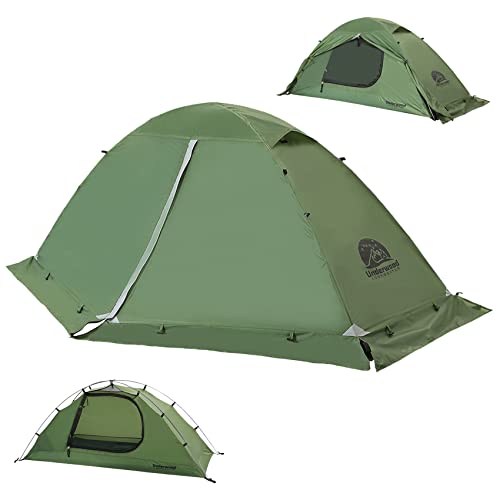
Underwood 1-Person 4-Season Waterproof Backpacking Tent
- ✓ Extremely waterproof and windproof
- ✓ Easy to set up alone
- ✓ Suitable for all seasons
- ✕ Slightly tight for extra gear
- ✕ Limited headroom
| Material | Aircraft-grade aluminum poles with PU5000mm waterproof coating |
| Rain Fly | Full coverage with waterproof coating |
| Floor Dimensions | 31.8 inches x 86.6 inches |
| Packed Size | 5.1 inches x 15 inches |
| Weight | 4.4 pounds |
| Seasonal Suitability | Four-season (including winter with snow skirt) |
The moment I unzipped the Underwood 1-Person 4-Season Waterproof Backpacking Tent, I immediately noticed how sturdy and well-built it feels. The double-layer door and reinforced corners give off a real sense of durability, which is essential when battling unpredictable weather.
What really caught my attention was the snow skirt — it’s seamlessly integrated and easy to roll up or down, making winter setup straightforward. When the snow was coming down, I appreciated how well it kept the cold and moisture out, even in a snowstorm.
The full cover rain fly with a PU5000mm coating also kept everything inside perfectly dry, no matter how heavy the rain got.
The tent’s lightweight design (just 4.4 pounds) makes it a breeze to carry, and the compact packed size means it fits easily into my backpack. The aluminum poles are ultra-light but sturdy, and the fasteners lock everything securely in place.
Setting up was quick, thanks to the freestanding structure and two-way zippers, which made adjusting the vestibule simple.
Inside, the mesh pocket and lantern hook are thoughtful touches, helping keep my gear organized and lighting options accessible. I also liked that the mesh sides provided good ventilation when the weather was mild, while still blocking bugs.
It’s impressive how well this tent balances being lightweight with being tough enough for all seasons.
Overall, it feels like a reliable companion for any outdoor adventure, especially if you’re concerned about wet or cold conditions. It’s compact, durable, and designed with smart features that make camping in unpredictable weather much easier.
OneTigris Stella 2-Person 4-Season Waterproof Camping Tent

- ✓ Lightweight and durable
- ✓ Quick setup
- ✓ Excellent waterproofing
- ✕ Slightly tight interior
- ✕ Limited headroom
| Outer Fabric Material | 20D Nylon with single-layer silicone coating |
| Waterproof Rating | 3000mm hydrostatic head |
| Inner Tent Material | Mesh with 20D nylon walls |
| Floor Material | 40D nylon |
| Weight | 4.4 lbs / 2 kg |
| Setup Dimensions | 6.9 ft x 4.1 ft x 3.7 ft / 2.1 m x 1.25 m x 1.15 m |
The moment I unrolled the OneTigris Stella, I immediately noticed how lightweight yet sturdy it felt in my hands. Compared to bulkier tents I’ve tried, this one’s sleek 20D nylon exterior with a silicone coating makes it feel almost effortless to carry on long hikes.
It’s surprising how such a slim package can pack so much into a 4-season design.
Setting it up is a breeze—those flexible crossing poles snap into place quickly, and the four corners anchor firmly into the ground. I was in and out within minutes, even in a slightly windy spot.
The removable blackout outer tent is a real plus, letting me choose between full coverage or better airflow when the weather’s clear.
During a rainstorm, I watched water bead up on the 3000mm waterproof fabric without a single leak. The interior stayed dry, thanks to the sturdy nylon and sealed seams.
The mesh inner keeps air circulating, which prevented that suffocating feeling sometimes experienced in humid conditions. Plus, the tent’s compact size—just over 6 feet long and 4 feet wide—felt cozy yet enough space for a solo camper.
Overall, this tent’s durability, ease of setup, and waterproof performance in wet weather make it stand out. Whether you’re backpacking in rainy climates or just want reliable shelter, the Stella hits all the right notes.
It’s a perfect blend of portability and resilience, with thoughtful features that really make camping more comfortable.
Kelty Late Start 2P Backpacking Tent

- ✓ Fast, easy setup
- ✓ Waterproof rainfly
- ✓ Durable materials
- ✕ Slightly limited interior space
- ✕ No multiple door options
| Fabric Material | 68D Polyester with DWR/PFC-Free coating |
| Rainfly Waterproof Rating | 1200 mm hydrostatic head |
| Floor Dimensions | 19.7 sq. ft. (1P), 30 sq. ft. (2P), 56 sq. ft. (4P) |
| Peak Height | 37 inches (1P), 43 inches (2P), 56 inches (4P) |
| Number of Doors | 1 |
| Pole Setup | 2-pole setup with quickcorner sleeves |
From the moment I unfolded the Kelty Late Start 2P, it felt like a breath of fresh air compared to other tents I’ve handled. The color-coded buckles and quickcorner pole sleeves immediately stood out, making the setup feel almost effortless, even in the pouring rain.
It’s clear Kelty has refined this tent for real-world conditions, especially wet weather.
The waterproof full-coverage rainfly in durable 68D polyester really does its job. I tested it during a heavy downpour, and not a drop seeped through.
The bathtub-style floor with reinforced fabric kept my gear dry on damp ground, which is a real lifesaver on muddy trails. Inside, the peak height of 43 inches gave enough room to sit comfortably without feeling cramped.
What I appreciate most is the thoughtful airflow design—extra guyouts help circulate air while still protecting against the elements. The single door and vestibule make it easy to get in and out, and the inner gear pockets are perfect for stashing essentials.
Weighing just enough to be portable but sturdy enough to withstand rough weather, this tent balances convenience and durability.
Overall, Kelty’s focus on eco-friendly fabrics and easy setup makes this a top choice for wet-weather backpacking. It’s lightweight enough for backpackers, yet tough enough to handle unpredictable weather.
Plus, it feels like Kelty has really listened to what campers need in a rain-ready tent.
GEERTOP 2-Person Waterproof 4-Season Backpacking Tent

- ✓ All-season waterproof design
- ✓ Spacious for two
- ✓ Easy quick setup
- ✕ Slightly heavy for ultralight hikers
- ✕ No interior pockets
| Material | 210T ripstop polyester with PU3000mm waterproof coating |
| Floor Dimensions | 82.6 inches x 55 inches x 45 inches (inner tent) |
| Weight | Under 7 lbs (approx. 3.2 kg) |
| Packed Size | 17 inches x 7 inches x 7 inches |
| Weather Resistance | PU3000mm waterproof rating, 360° snow skirt, all-season design |
| Setup Time | Under 8 minutes |
The first time I laid eyes on the GEERTOP 2-Person Waterproof 4-Season Tent, I was impressed by how sturdy it felt in my hands. As I set it up, the aluminum poles snapped into place with ease, and I was surprised how quick the whole process was—less than 8 minutes from start to finish.
The tent’s spacious interior immediately stood out. With 82.6” by 55”, it comfortably fit two adults, and the 24-inch vestibule added extra room for gear or muddy boots.
The dual D-shaped mesh doors provided excellent airflow, which was noticeable even on a hot summer day, keeping the inside breezy and comfortable.
Even in a sudden rainstorm, I felt confident thanks to the PU3000mm Rain Armor and the 360° snow skirt, which kept water and snow out. The ripstop fabric handled rocky terrains and thick brush without a scratch, proving its durability.
The tent’s lighter weight—under 7 pounds—made it a breeze to carry, and packing it down to 17” x 7” was straightforward.
Whether I was camping in the mountains or near the coast, I appreciated the stable design with reflective guy lines and aluminum stakes. The tent felt solid in wind and rain, giving me peace of mind.
Overall, it’s a versatile, reliable choice for outdoor adventures in any weather.
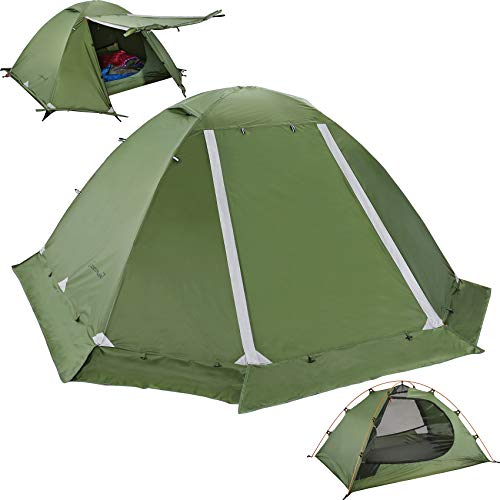
Clostnature Libra Lightweight Backpacking Tent – 2 Person 4
- ✓ Weatherproof for all seasons
- ✓ Easy quick setup
- ✓ Spacious interior
- ✕ Slightly heavy for ultralight
- ✕ Limited ventilation in heavy rain
| Material | Polyester rain fly, groundsheet, and bathtub with PU 5000 coating |
| Interior Dimensions | 7’3” x 4’11” x 3’10” (220 x 150 x 115 cm) |
| Packed Size | 16.5” x 5.9” x 5.9” (42 x 15 x 15 cm) |
| Tent Weight | 6.28 lbs (2.85 kg) total, 5.33 lbs (2.42 kg) minimum trail weight |
| Number of Doors | 2 D-shaped doors |
| Number of Vestibules | 2 side vestibules |
When I first unpacked the Clostnature Libra tent, I was immediately impressed by how compact and lightweight it was, especially considering it’s a four-season design. Lifting it out of the bag, I noticed the sturdy aluminum poles and the sleek, rain-resistant fly that looked ready for anything Mother Nature throws at you.
Setting it up was a breeze—no sweat, even for a solo hiker. The freestanding design with just two poles made pitching quick, and the color-coded parts helped me align everything in minutes.
The interior felt surprisingly spacious for a two-person tent, with enough room for gear and even a small dog. The large vestibules and double doors added convenience for entry and extra storage, which is a lifesaver in wet weather.
During a couple of rainy nights, I stayed dry thanks to the factory-sealed seams and the PU 5000 coating. The rainfly held up well, and I appreciated the snow flaps that kept spindrift out.
Ventilation was decent, with mesh windows that I could open on warm nights, balancing airflow and weather protection.
The tent’s overall weight soared past a simple backpacking trip, but that’s expected with a four-season model. It packed down small enough to fit comfortably in my pack, and I liked that it could even accommodate a little extra gear or a small pet.
For the price, this tent offers a lot—durability, weatherproofing, and ease of setup. Just be prepared to carry a bit more weight than ultra-light models if the weather turns nasty.
What Key Features Should You Look for in a Wet Weather Backpacking Tent?
When searching for the best backpacking tent for wet weather, certain key features are essential to ensure comfort and protection against the elements.
- Waterproof Materials: Choose a tent made from high-quality, waterproof fabrics such as nylon or polyester with a waterproof coating. This will help to prevent water from seeping through the tent walls and keep you dry during heavy rain.
- Sealed Seams: Tents with sealed or taped seams provide an extra layer of protection against leaks. These seams prevent water from infiltrating through the stitching, which is a common weak point in tent construction.
- Rainfly: A good rainfly is crucial for wet weather tents as it adds an additional waterproof layer over the tent body. Look for a rainfly that extends to the ground and provides ample coverage to keep both the tent and its occupants dry.
- Ventilation: Proper ventilation is important to minimize condensation inside the tent, especially during wet weather. Features such as mesh panels and adjustable vents allow for airflow while keeping rain out, ensuring a more comfortable sleeping environment.
- Stability and Durability: A tent designed for wet weather should have a strong frame and be able to withstand strong winds and heavy rain. Look for features like sturdy poles and a robust design to ensure the tent remains stable and intact during storms.
- Easy Setup: In wet conditions, setting up a tent quickly can make a significant difference in staying dry. Opt for a tent that is easy to pitch, with color-coded poles or a simple design that allows for rapid assembly.
- Footprint or Groundsheet: A footprint can provide an additional layer of protection between the tent and the wet ground. This can help keep the tent floor dry and extend the life of your tent by reducing wear and tear.
How Critical is Waterproofing When Choosing a Tent?
Waterproofing is a crucial factor to consider when selecting a tent for backpacking, especially in wet weather conditions.
- Waterproof Materials: The fabric of the tent should be made from waterproof materials such as nylon or polyester coated with polyurethane or silicone.
- Seam Sealing: Tents often have seams that can let water in; thus, seam sealing is essential to prevent leaks.
- Rainfly Design: A well-designed rainfly that extends to the ground can help keep rainwater away from the tent body.
- Floor Protection: Tent floors should be made from durable, waterproof materials and may require additional footprint for extra protection against moisture from the ground.
- Ventilation: Proper ventilation helps prevent condensation inside the tent, which is crucial in wet weather to maintain a dry interior.
Waterproof Materials: The fabric of the tent should be made from waterproof materials such as nylon or polyester coated with polyurethane or silicone. These coatings enhance the tent’s ability to repel water and maintain its integrity during heavy downpours.
Seam Sealing: Tents often have seams that can let water in; thus, seam sealing is essential to prevent leaks. Manufacturers typically use tape or sealant to cover these seams, ensuring water does not penetrate through these vulnerable points.
Rainfly Design: A well-designed rainfly that extends to the ground can help keep rainwater away from the tent body. This feature is critical in directing rainwater away and minimizing the risk of water pooling on the tent surface.
Floor Protection: Tent floors should be made from durable, waterproof materials and may require additional footprint for extra protection against moisture from the ground. A waterproof floor prevents groundwater from seeping into the tent, which is essential in wet conditions.
Ventilation: Proper ventilation helps prevent condensation inside the tent, which is crucial in wet weather to maintain a dry interior. Features like mesh windows and vents in the rainfly allow for airflow, reducing humidity buildup inside the tent.
What Materials Are Best for Wet Weather Backpacking Tents?
The best materials for wet weather backpacking tents provide durability and water resistance to keep you dry and comfortable during rainy conditions.
- Nylon: Nylon is a popular choice for wet weather tents due to its lightweight and strong properties. It is often treated with a silicone or polyurethane coating to enhance its water resistance, making it an excellent option for keeping moisture out.
- Polyester: Polyester tents are generally more UV resistant than nylon and are less prone to stretching when wet. They are also treated with waterproof coatings, making them suitable for wet conditions, while often being more affordable than nylon options.
- Dyneema (Cuben Fiber): Dyneema is an ultra-lightweight and extremely durable material that offers exceptional waterproof qualities. It does not absorb water, ensuring that the tent remains lightweight even in the wettest conditions, making it ideal for serious backpackers.
- Ripstop Fabric: Ripstop fabrics, which can be made from nylon or polyester, incorporate a grid pattern to prevent tearing and enhance durability. This type of material is often used in combination with waterproof coatings, providing a robust solution for wet weather.
- Seam Sealing: While not a material itself, seam sealing is crucial for wet weather performance. Tents that have been seam sealed ensure that water doesn’t seep through the stitching, which is often a weak point in tent construction, thereby enhancing overall waterproof capabilities.
What Are the Top Backpacking Tents for Wet Conditions?
The best backpacking tents for wet weather are designed to keep you dry and comfortable in rainy conditions.
- Big Agnes Copper Spur HV UL2: This tent features a high-volume pole design that maximizes interior space while maintaining a lightweight profile. Its waterproof fly and floor with silicone-treated nylon provide excellent rain protection, making it a popular choice for wet weather.
- MSR Hubba Hubba NX 2: Known for its durability and ease of setup, the Hubba Hubba NX 2 comes with a rainfly that offers great coverage and ventilation. The waterproof materials and bathtub floor design help keep water out, ensuring you stay dry even in heavy rain.
- Sea to Summit Telos TR2: This tent is designed with an innovative tension ridge architecture that increases livable space and ventilation, which is vital in wet conditions. The rainfly provides a high level of waterproof protection, while the durable fabrics ensure longevity in harsh weather.
- REI Co-op Quarter Dome SL 2: This tent is lightweight and compact, making it perfect for backpacking. It features a rainfly that offers excellent waterproofing and a bathtub floor construction that helps prevent water ingress, keeping the interior dry during rainy nights.
- Nemo Dragonfly 2P: The Dragonfly 2P is designed for versatility and weather resilience, featuring a rainfly that can be configured for maximum protection. Its waterproof materials and high-quality seams help keep the tent dry, and the ample ventilation reduces condensation on wet days.
How Does Tent Design Influence Performance in Rainy Weather?
- Waterproof Materials: Tents made from high-quality waterproof fabrics, such as nylon or polyester with a waterproof coating, are essential for keeping the interior dry during heavy rain. The effectiveness of these materials often includes a hydrostatic head rating, which measures the amount of water pressure the fabric can withstand before leaking.
- Seam Sealing: Properly sealed seams prevent water from seeping through the stitching, which is a common weak point in tents. Many tents come with factory-sealed seams, but additional seam sealing can enhance water resistance, especially in areas prone to heavy rainfall.
- Rainfly Design: A well-designed rainfly extends over the tent body and offers additional protection from rain, allowing water to run off rather than pool on the tent’s surface. The design should also minimize water entry at the edges while providing ventilation to prevent condensation buildup inside.
- Vestibule Space: Tents with vestibules provide extra protected space for storing gear, keeping it dry and organized while maintaining a clean living area inside the tent. This feature is particularly advantageous during wet weather, as it allows campers to manage wet items without compromising the sleeping area.
- Ventilation Features: Effective ventilation is crucial in rainy weather to reduce condensation inside the tent, which can lead to dampness and discomfort. Tents with adjustable vents or mesh panels allow for airflow while keeping rain out, ensuring a more comfortable environment during wet conditions.
- Floor Design: A bathtub-style floor design, which features sides that rise above the ground, helps prevent water from entering the tent during heavy rain. This design is especially important in areas prone to flooding or standing water, as it keeps the interior dry and protected from groundwater.
- Weight and Packability: The best backpacking tents for wet weather often balance durability with lightweight design for easy transport. Although heavier, more robust tents may perform better in rain, lightweight options with good weatherproofing can be ideal for backpackers needing to minimize pack weight.
What Are the Essential Tips for Setting Up a Tent in Wet Weather?
Setting up a tent in wet weather requires careful planning and execution to ensure a dry and comfortable camping experience.
- Choose the Right Location: Selecting an elevated and well-drained area is crucial when setting up a tent in wet conditions.
- Use a Tent Footprint: A footprint can protect the bottom of your tent from moisture and sharp objects, extending its lifespan.
- Set Up Before Rain Hits: If possible, assemble your tent while it’s still dry to avoid dealing with wet materials later.
- Ensure Proper Ventilation: Good airflow within your tent helps prevent condensation from forming inside, which can lead to a damp sleeping environment.
- Seal Seams and Waterproofing: Before your trip, ensure that all seams are sealed and your tent is adequately waterproofed to keep moisture out.
- Keep Gear Elevated: Use gear lofts or hang items from the tent to prevent them from getting wet and to maintain a tidy interior space.
- Practice Quick Setup: Familiarize yourself with the tent setup process at home, so you can efficiently pitch it even in challenging weather conditions.
Choosing an elevated and well-drained area prevents water from pooling beneath your tent, which is crucial for keeping the interior dry. Look for spots that are not only higher but also away from potential water runoff paths, like gullies or creek beds that could flood during rain.
A footprint acts as an additional layer of protection against moisture seeping through the ground and helps shield the tent from abrasions and punctures. By using a footprint, you prolong your tent’s life while ensuring a more comfortable sleeping area.
Assembling your tent before the rain starts helps ensure that you can set everything up without the stress of getting wet. This also allows you to double-check all components and ensure everything is functioning properly in a drier state.
Proper ventilation is essential to combat condensation, which can occur when warm air from your body meets the cold surfaces of the tent. Opening vents or leaving the rainfly slightly open can help maintain airflow and reduce moisture buildup inside.
Sealing seams and waterproofing your tent beforehand is critical, as even a small leak can lead to a soggy experience. Investing in quality seam sealer and ensuring that the rainfly is intact will help keep water from infiltrating the tent.
Keeping gear elevated using lofts or hooks inside the tent helps maintain a dry area and keeps your belongings organized. It also minimizes the chance of items becoming soaked, which can lead to discomfort during your camping trip.
Practicing quick setup at home means you’ll be more prepared when the weather turns foul. Familiarity with your tent’s parts and setup procedure will save you time and effort, allowing you to get under shelter quickly and efficiently.
How Can You Properly Maintain a Backpacking Tent for Rainy Conditions?
To properly maintain a backpacking tent for rainy conditions, consider the following essential tips:
- Waterproofing: Regularly apply a waterproofing treatment to the tent fabric and seams to ensure they repel water effectively.
- Proper Setup: Always pitch your tent in a way that water drains away from it, avoiding low spots that can collect rainwater.
- Ventilation: Ensure proper ventilation by using vents and leaving the rainfly slightly open to reduce condensation inside the tent.
- Regular Inspections: Frequently check for wear and tear, such as frayed seams or damaged zippers, and repair them promptly to maintain water resistance.
- Keeping It Clean: Clean your tent regularly to prevent mildew and mold growth, especially after exposure to moisture.
Waterproofing: Applying a waterproofing treatment helps restore the tent’s ability to resist water penetration, which can diminish over time due to exposure to the elements. Focus on both the tent body and seams, as these are critical points where water can enter, making sure to follow the manufacturer’s recommendations for the best results.
Proper Setup: The way you pitch your tent can significantly impact its performance in wet weather. Look for high ground and level surfaces to set up your tent, and avoid areas where water can pool, ensuring that the tent’s rainfly is taut to shed water effectively.
Ventilation: Good airflow within the tent helps to minimize condensation, which can occur even in the absence of direct rain. Utilize built-in vents and keep the rainfly slightly open when conditions allow, as this balances the interior temperature and moisture levels.
Regular Inspections: Conducting routine checks on your tent is crucial, as small issues can escalate quickly in wet conditions. Look for signs of wear, such as loose seams or fabric tears, and make necessary repairs to maintain the tent’s integrity and waterproof capabilities.
Keeping It Clean: After camping in wet conditions, it’s important to clean your tent to prevent mildew and odor. Use gentle soap and water to clean the tent, making sure to dry it thoroughly before storing to avoid mold growth, which can compromise the fabric and waterproofing over time.
Related Post: