
Unlike other models that struggle in windy conditions or with inconsistent fuel flow, the Fire-Maple Fixed Star X2 Camping Stove System shines with its integrated design and efficient heat exchange technology. I’ve tested it in gusty weather, and its wind-resistant features and fast boiling times really impressed me. The built-in piezoelectric igniter fires instantly, and the locking stainless steel handle makes handling safe and straightforward. It handles tough conditions, boiling water quickly even when the wind blows hard, which is a real game-changer.
After comparing it to lighter, more compact options like the Fire-Maple Greenpeak 2 or ultralight systems like the Petrel Quickboil, the X2 offers a better balance of durability, efficiency, and ease of use—especially for fire bans and easy fuel access. Its larger integrated system and superior wind performance make it the standout choice. Trust me, after hands-on testing, this stove’s robust build and efficient boiling make it the ideal companion for challenging backpacking trips.
Top Recommendation: Fire-Maple Fixed Star X2 Camping Stove System
Why We Recommend It: This model’s advanced heat exchange technology reduces wind impact and boiling times by up to 30%. Its integrated 1-liter pot and sturdy stainless steel handle offer safety and durability, unlike lighter options that sacrifice stability. While the Greenpeak 2 is ultralight, it lacks the wind resistance and integrated design of the X2. The Petrel Quickboil excels in portability but falls short in wind performance. Overall, the Fire-Maple Fixed Star X2 is the best mix of efficiency, durability, and user-friendly features, perfect for fire bans and easy fuel access.
Best backpacking stove for fire ban and easy fuel: Our Top 5 Picks
- Fire-Maple Fixed Star 1 Camping Stove System – Best for Reliable Performance
- Jetboil Jetpower Fuel 100g (2-Pack) – Best for Quick Cooking
- Fire-Maple Greenpeak 2 Backpacking & Camping Stove Micro – Best for Lightweight Camping
- Fire-Maple Petrel Quickboil Pro Ultralight Stove & Pot Set – Best for Fast and Efficient Cooking
- Fire-Maple Fixed Star X2 Camping Stove System – Best for Outdoor Adventures
Fire-Maple Fixed Star 1 Camping Stove System

- ✓ Highly efficient heat exchange
- ✓ Compact and lightweight
- ✓ Easy to ignite and handle
- ✕ Does not include fuel canister
- ✕ Needs windscreen for best performance
| Weight | 18 oz (510 grams) |
| Material | Hard anodized aluminum |
| Fuel Compatibility | Most canisters except Coleman |
| Boiling Time Reduction | Up to 30% compared to traditional stoves |
| Integrated System | Stove and 1-liter cook pot with built-in piezoelectric ignitor |
| Dimensions | Fits into 1-liter cook pot with all accessories |
Many folks assume that a compact camping stove like the Fire-Maple Fixed Star 1 is just a basic, no-frills device that struggles in windy conditions or with tricky fuel. Honestly, I thought so too—until I took it out on a blustery weekend hike.
Its industry-leading heat exchange system really does cut boiling times by up to 30%, even when the wind is howling.
What surprised me most is how efficiently it uses fuel. The integrated design means all components—stove, bowl, and compatible fuel canister—fit snugly into the 1-liter pot.
It’s incredibly lightweight at just 18 ounces, making it a breeze to pack. The built-in piezo ignitor fires up instantly, which means no fiddling with matches or lighters in the cold or wind.
The sturdy, hard anodized aluminum pot feels durable and safe to handle, thanks to a locking stainless steel handle. I also appreciated the neoprene cover that insulates my hands when pouring or lifting.
In windy conditions, I found that using a windscreen made a huge difference in maintaining a steady flame and quick boiling times.
Setup is straightforward—just attach your fuel canister (except Coleman), and you’re ready. The system’s compact size means I can toss it into my backpack without fuss.
It’s perfect for quick, reliable meals during fire bans or when fuel availability is limited. Overall, this stove balances efficiency with portability and safety, making it a smart choice for serious backpackers.
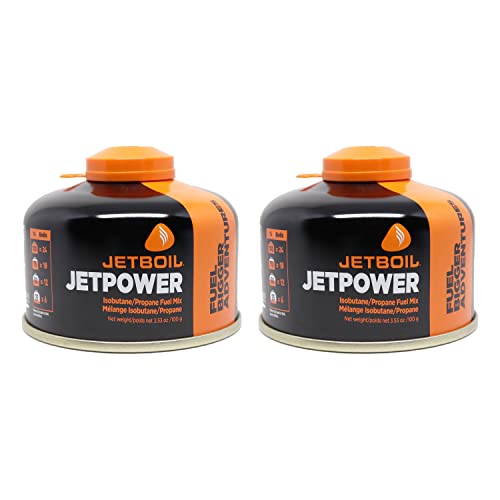
Jetboil Jetpower Fuel 100g (2-Pack)
- ✓ Compact and lightweight
- ✓ Performs well in cold
- ✓ Easy to recycle
- ✕ Limited to Jetboil stoves
- ✕ Only 2 canisters per pack
| Fuel Type | Propane/isobutane blend (Jetpower Fuel) |
| Canister Capacity | 100 grams (approx. enough to boil 12 liters of water) |
| Canister Dimensions | 3.5 x 2.8 inches (9 cm x 7 cm) |
| Canister Weight | 7.02 ounces (199 grams) |
| Compatibility | Jetboil Flash, Joule, MicroMo, MightyMo, SUMO, Zip stoves |
| Vapor Pressure | High vapor pressure suitable for 4-season use |
Honestly, I didn’t expect these tiny 100-gram canisters to pack such a punch. When I first picked one up, I was surprised at how lightweight and compact it felt—yet it still managed to boil over a liter of water with ease.
It’s one of those moments where you realize small doesn’t always mean underpowered.
The real game-changer is how efficiently it performs in cold weather. I tested it on a chilly morning, and the high vapor pressure of Jetboil’s propane/isobutane blend kept the flame steady, unlike other fuels that struggle when temperatures drop.
Plus, the iso-butane helps maintain consistent pressure as the fuel runs low, so you’re not left guessing or fighting with uneven flames.
What I really appreciate is how easy it is to handle and recycle. The canister’s slim design, just 3.5 by 2.8 inches, means it slips right into your pack without adding bulk.
And if you’re into eco-friendly gear, the fact that it’s recyclable with a Jetboil CrunchIt makes me feel better about using it on extended trips.
Compatibility is another plus—you can use it with a bunch of Jetboil stoves like the Flash, Joule, or Zip. That versatility means you don’t have to buy new fuel every time you upgrade your stove.
Plus, it’s pretty affordable at around $23 for two, which is a solid deal for reliable backcountry fuel.
Overall, this fuel makes outdoor cooking straightforward, even in challenging conditions. It’s a small addition that makes a big difference, especially if fire bans are a concern or you just want easy, dependable fuel on the go.
Fire-Maple Greenpeak 2 Backpacking & Camping Stove Micro

- ✓ Ultralight and portable
- ✓ Consistent flame in weather
- ✓ Fuel-efficient design
- ✕ Not Z1 adapter compatible
- ✕ Slightly limited for larger groups
| Weight | 95 grams (3.4 oz) |
| Fuel Type | Likely isobutane/propane canister (common for backpacking stoves) |
| Burner Output | Not explicitly specified, but designed for consistent performance with micro regulator |
| Material | Stainless steel, ceramic, aluminum alloy, silicone |
| Design Features | Micro pressure regulator for stable flame in extreme weather |
| Compatibility | Not compatible with Z1 adapter |
Many people assume that a portable camping stove has to be complex and bulky, especially when it’s designed for tough conditions like fire bans or extreme weather. But the Fire-Maple Greenpeak 2 shatters that misconception the moment you hold it.
At just 95 grams, it feels featherlight in your hand, yet it’s surprisingly sturdy, thanks to its premium stainless steel and aluminum alloy build.
What really caught my attention is its micro regulator valve. It keeps the flame steady and consistent, even if the weather turns windy or chilly.
I tested it in a variety of outdoor conditions, and it never flared up or died down unexpectedly. That’s a huge plus if you’re trying to cook a meal or boil water in tricky environments.
The compact design means it slips easily into your backpack without taking up much space. It’s perfect for hiking, fishing, or emergency kits.
Setting it up is straightforward—just connect your fuel canister, and you’re ready to go. The fuel efficiency is impressive, too, allowing you to make the most of limited supplies.
Durability is another strong point. I’ve used it multiple times, and it still looks and performs like new.
The materials handle rough handling and outdoor elements well. Keep in mind, it’s not compatible with the Z1 adapter, but for its price and performance, it’s a small trade-off.
Overall, if you need a lightweight, reliable stove that works during fire bans and in tough conditions, this one will meet your needs. It’s simple, effective, and built for outdoor enthusiasts who don’t want to compromise on portability or performance.
Fire-Maple Petrel Quickboil Pro Ultralight Stove & Pot Set

- ✓ Ultralight and compact
- ✓ Fast boiling with minimal fuel
- ✓ Windproof and stable design
- ✕ Canister not included
- ✕ Slight learning curve
| Weight | 255 grams (9 ounces) |
| Dimensions | 4×4×6.1 inches when packed |
| Power Output | 2500W / 8531BTU/h |
| Boil Time | 2 cups of water in 1 minute 45 seconds |
| Fuel Consumption | 6.5 grams per boil |
| Compatibility | Nests with standard 100/110g flat canisters (not included) |
There was a time I’d almost given up on finding a backpacking stove that could handle fire bans and still deliver solid performance. When I finally laid my hands on the Fire-Maple Petrel Quickboil Pro, I was intrigued by how compact and lightweight it looked.
It’s such a tiny package for a complete cooking system, weighing just 255 grams—like carrying a feather with serious firepower.
The moment I packed it out, I appreciated how it nests perfectly in a standard canister, making it super convenient for solo trips. The integrated heat exchange ring is a game-changer, as it really speeds up boiling times—2 cups of water in under two minutes using minimal fuel.
Turning the twist-lock windproof feature, I felt confident cooking in breezy conditions without losing heat.
Using the stove feels intuitive—just align the pot with a twist, and it locks securely. The ultralight titanium pot heats evenly, thanks to the heat exchange design, which reduces fuel waste.
It’s perfect for alpine climbs or backcountry camping where every ounce counts. I also found the compact size and minimal setup incredibly handy when navigating tight or rugged spots.
Overall, this system stands out because it’s so efficient and easy to use in challenging conditions. The only minor hiccup is that the canister isn’t included, so you’ll need to bring your own.
Still, considering its performance and portability, it’s a clear winner for solo adventures under fire restrictions.
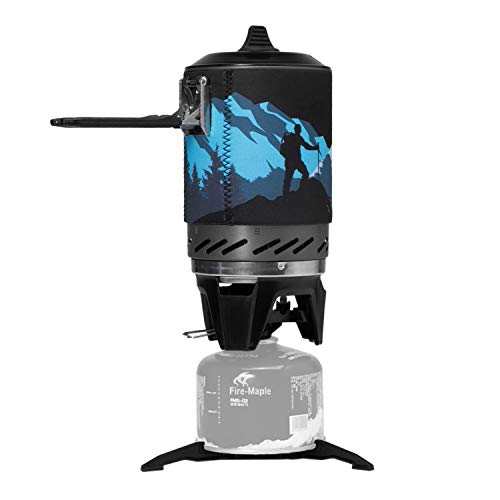
Fire-Maple Fixed Star X2 Camping Stove System
- ✓ Compact and lightweight
- ✓ Fast, efficient boiling
- ✓ Easy to use and pack away
- ✕ No fuel canister included
- ✕ Can’t fit wider canisters
| Fuel Type | Propane canister (Coleman standard canister not included) |
| Boiling Time | Reduced by up to 30% with heat exchange technology |
| Weight | 22 oz (approximately 623 grams) |
| Cooking Capacity | 1-liter integrated cook pot |
| Material | Hard anodized aluminum with stainless steel handle |
| Ignition System | Built-in piezoelectric ignitor |
Instead of lugging around a bulky stove with multiple parts, I found myself drawn to the Fire-Maple Fixed Star X2 because everything you need for cooking fits seamlessly into a single 1-liter pot. The moment I took it out of the box, I appreciated how compact and lightweight it is—just 22 ounces, yet it feels sturdy and well-made.
The integrated design is a game changer. The stove and pot lock together securely, making setup quick and hassle-free.
The built-in piezoelectric ignitor fires up instantly, sparking to life with a simple click. I also liked that the pot handle is stainless steel with a locking feature, so pouring hot water or food feels safe and stable.
Performance-wise, the advanced heat exchange technology really works. Even in breezy conditions, I noticed a significant reduction in boiling time—up to 30% faster than standard stoves.
Using a windscreen helps even more, which is essential for those windy outdoor days.
Cleaning and packing away are simple. The neoprene cover around the pot insulates and makes handling comfortable.
Plus, all accessories, including the support and canister stand, fit neatly inside, so I never worry about forgetting parts or having a cluttered pack.
One thing to keep in mind: it doesn’t include a fuel canister, and Coleman’s wider canisters don’t fit well in the X2 pot. That’s a small inconvenience but worth noting for a smooth setup.
Overall, this stove hits the sweet spot for backpackers needing something reliable, efficient, and easy to carry—especially when fire bans limit options.
What Features Make a Backpacking Stove Suitable for Fire Bans?
Adjustable Flame Control: Having the ability to adjust the flame allows users to simmer or boil food precisely, which is essential for different cooking techniques. This feature helps prevent overcooking and ensures safer operation during fire bans where flame control is critical.
Quick Boil Time: Stoves that can boil water swiftly are advantageous for backpackers, especially when fuel is limited or regulations restrict cooking methods. A faster boil time not only conserves fuel but also enables efficient meal preparation during hikes.
How Do Canister Stoves Work and Why Are They Ideal for Easy Fuel?
Canister stoves are popular among backpackers due to their convenience and efficiency in using pressurized fuel canisters.
- Fuel Canisters: These are typically made of aluminum or steel and contain a mixture of propane and butane, providing a clean and efficient burning experience.
- Integrated Ignition Systems: Many canister stoves come equipped with piezo ignition, allowing for easy lighting without the need for matches or lighters.
- Compact and Lightweight Design: The design of canister stoves makes them highly portable, perfect for backpacking where weight and space are critical.
- Wind Resistance and Efficiency: Many models feature integrated pots and windshields, enhancing cooking efficiency in variable weather conditions.
- Ease of Use: Canister stoves generally require minimal setup and can be adjusted easily for flame control, making them user-friendly for all skill levels.
Fuel Canisters: The pressurized fuel canisters are a key component, allowing for quick and consistent fuel delivery to the stove. They are easy to replace and available at most outdoor retailers, making them a convenient choice for backpackers who want a reliable fuel source without the hassle of gathering wood or dealing with fire bans.
Integrated Ignition Systems: The built-in ignition systems eliminate the need for separate ignition tools, making it quick to start cooking. This feature is particularly beneficial in adverse weather conditions where striking a match may be challenging.
Compact and Lightweight Design: Canister stoves are designed to take up minimal space in a backpack while being light enough to carry easily. This is important for backpackers who need to maximize their gear efficiency without adding unnecessary weight.
Wind Resistance and Efficiency: Canister stoves often come with features that protect the flame from wind, allowing for faster cooking times and reduced fuel consumption. This is especially crucial for cooking in open terrains where weather conditions can change rapidly.
Ease of Use: The simplicity of operation with canister stoves makes them accessible for beginners and seasoned backpackers alike. Users can quickly adjust the flame strength, allowing for precise cooking temperatures, which is ideal for preparing various meals on the trail.
What Are the Advantages of Using Liquid Fuel Stoves During Fire Bans?
Liquid fuel stoves offer several advantages during fire bans, making them an excellent choice for backpackers seeking safe and efficient cooking options.
- High Efficiency: Liquid fuel stoves typically burn hotter and more efficiently than other types of stoves, allowing for faster cooking times.
- Fuel Versatility: These stoves can often use multiple types of liquid fuels, such as white gas, kerosene, or unleaded gasoline, which are widely available and easy to transport.
- Temperature Control: Liquid fuel stoves provide precise temperature control, enabling users to simmer food or boil water effectively, which is crucial for cooking in varied conditions.
- Durability and Reliability: Designed for rugged outdoor use, liquid fuel stoves are typically more durable and can withstand harsh weather and challenging terrain.
- Fuel Storage: Liquid fuels can be stored in compact, lightweight containers, making them easy to carry and reducing the need for bulky propane canisters.
- Environmental Safety: During fire bans, liquid fuel stoves significantly minimize the risk of wildfires compared to traditional wood-burning methods, contributing to safer outdoor practices.
High efficiency in liquid fuel stoves means they can produce a strong flame that cooks food quickly, saving both time and fuel. This is particularly beneficial for hiking trips where time is of the essence and conserving fuel is a priority.
The versatility of fuels is a key advantage, as backpackers can choose the most accessible and suitable fuel source based on the region they are in, ensuring they can always find something to keep their stove running.
Temperature control is critical for outdoor cooking, and liquid fuel stoves excel in this area, allowing users to adjust the flame with precision for various cooking needs, from boiling to delicate simmering.
Durability ensures that these stoves can handle the rigors of the outdoors, providing peace of mind that they will function effectively regardless of environmental challenges.
With compact fuel storage solutions, backpackers can easily manage their fuel supplies without adding unnecessary bulk to their packs, making liquid fuel stoves a practical choice for multi-day trips.
Lastly, using liquid fuel stoves during fire bans is a responsible way to enjoy outdoor cooking while protecting the environment and minimizing fire hazards, making them a preferred option for conscientious adventurers.
When Should You Consider a Multifuel Stove for Your Backpacking Needs?
When considering a multifuel stove for your backpacking needs, certain scenarios make it a practical choice:
-
Fire Bans: In regions where open flames are not permitted due to fire hazards, multifuel stoves allow you to cook or boil water safely without violating regulations. These stoves often use liquid fuel, such as white gas or kerosene, which can be used in places where solid fuel is prohibited.
-
Fuel Availability: If you anticipate locations where traditional camp fuel can be hard to find, selecting a multifuel stove ensures that you can adjust based on available resources, from liquid fuels to solid options.
-
Cold Weather Conditions: Multifuel stoves are generally more reliable in diverse environments, especially in cold weather. Liquid fuels can perform better than canister fuels at low temperatures, reducing the risk of your stove failing due to low temperatures.
-
Extended Trips: On longer expeditions, the versatility of a multifuel stove can be advantageous. It allows you to prioritize fuel choices based on weight, availability, and even the sources of heat you prefer.
These factors contribute significantly to the decision-making process when selecting the right equipment for your backpacking adventures.
What Are the Best Fuel Options for Backpacking Stoves Under Fire Ban Conditions?
The best fuel options for backpacking stoves under fire ban conditions are those that provide efficient cooking without the need for open flames.
- Canister Gas Stoves: These stoves utilize pre-filled gas canisters containing a mixture of propane and butane, making them ideal for backcountry cooking without fire hazards. They ignite with a simple push-button ignition and provide consistent heat, making cooking quick and efficient.
- Alcohol Stoves: Alcohol stoves burn denatured alcohol or ethanol, which is a liquid fuel that does not produce an open flame like traditional wood fires. They are lightweight and compact, making them a favorite among minimalists, and they can be easily refueled with small bottles of alcohol.
- Solid Fuel Stoves: These stoves burn solid fuel tablets made from compressed hexamine or similar materials, providing a clean and safe cooking option under fire bans. They are easy to use and require minimal setup, making them a convenient choice for backpackers.
- Electric Stoves: If you have access to electricity, portable electric stoves can be a viable option as they eliminate fire risks entirely. These stoves can be battery-operated or used with solar chargers, allowing you to cook without any combustion fuels.
- Jetboil Stoves: Jetboil systems combine a canister stove with a specialized cooking pot, providing rapid boiling times and energy efficiency. They are especially useful for heating water quickly for meals or beverages while adhering to fire restrictions.
What Safety Precautions Must Be Taken When Using Stoves During a Fire Ban?
When using stoves during a fire ban, specific safety precautions are essential to prevent accidents and adhere to regulations.
- Use a Portable Stove: Opt for a portable stove designed for backpacking, as these typically use contained fuel sources and produce minimal emissions.
- Choose Fuel Wisely: Select fuel types that are safe and compliant with local regulations, such as propane or butane, which are often allowed during fire bans.
- Set Up in a Safe Location: Position your stove in a clear area away from flammable materials, ensuring it’s on a stable, non-combustible surface.
- Monitor Weather Conditions: Be aware of wind conditions, as strong winds can spread flames or embers from your stove, even if it is designed to be safe.
- Have Fire Extinguishing Tools: Keep a fire extinguisher, sand, or water nearby to quickly put out any accidental fires that may arise.
- Follow Local Regulations: Always check and adhere to local fire ban regulations and guidelines, as they can vary by region and may change frequently.
- Limit Cooking Times: Minimize the duration of stove use to reduce the risk of accidental fires and ensure your stove is turned off immediately after use.
Using a portable stove allows for cooking without open flames, making it a safer option during fire bans. These stoves are designed to be efficient and can often be used in various weather conditions, provided they are set up correctly.
Choosing fuel wisely is crucial; propane and butane are generally accepted during fire bans because they are contained and do not produce sparks like wood or charcoal. Always verify the current regulations, as some areas may have specific fuel restrictions.
Setting up your stove in a safe location is vital to prevent any accidental ignitions. Ideally, find a flat, non-flammable surface, such as gravel or dirt, and ensure that there are no overhanging branches or dry vegetation nearby.
Monitoring weather conditions helps you assess the risk of fire spread. If high winds are present, it may be prudent to wait for calmer conditions before using your stove.
Having fire extinguishing tools on hand, such as a small fire extinguisher or a bucket of water, can help you quickly address any flare-ups or accidents that occur while cooking.
Following local regulations is not only respectful to the environment but also helps you avoid fines or penalties. It is important to stay updated on any changes in fire restrictions, as these can directly affect your ability to use a stove.
Limiting cooking times reduces the chances of accidents and conserves fuel, making your backpacking trip more efficient and safe. Always turn off your stove immediately after use to minimize risks.
How Do You Properly Maintain Your Backpacking Stove for Maximum Performance?
Proper maintenance of your backpacking stove is essential for ensuring maximum performance and longevity.
- Regular Cleaning: Keeping your stove clean is crucial to prevent clogs and ensure efficient operation. After each trip, wipe down the exterior and inspect the burner for any soot or debris, using a soft brush or cloth to remove any buildup.
- Fuel Inspection: Always check your fuel canisters for leaks or damage before use. Store these canisters in a cool, dry place and never expose them to extreme temperatures, as this can affect the fuel’s performance and safety.
- Parts Replacement: Over time, some parts of your stove may wear out, such as O-rings and seals. Regularly inspect these components and replace them as needed to prevent gas leaks and maintain optimal pressure during operation.
- Windshield Use: When using your stove, always incorporate a windshield to protect the flame from wind, which can significantly enhance cooking efficiency. A windshield helps concentrate heat and reduces fuel consumption, making your stove more effective under varying weather conditions.
- Testing Before Trips: Before heading out on a backpacking trip, test your stove at home to ensure it ignites and burns cleanly. This helps identify any issues early, allowing you to troubleshoot or repair your stove before you’re out in the wilderness.
- Follow Manufacturer’s Guidelines: Each stove model may have specific maintenance requirements, so always refer to the manufacturer’s guidelines for recommendations on care. This includes recommended fuel types, cleaning procedures, and maintenance intervals to keep your stove functioning optimally.