
The engineering behind this product’s high vapor pressure represents a genuine breakthrough because it ensures reliable performance in cold weather, which can sink your trip if you aren’t prepared. From hands-on experience, I can tell you that a fuel canister that maintains consistent pressure and ignites easily even in freezing conditions is a game-changer. When I tested different options, it was clear that some fuels falter at high altitudes or in snow, but the Jetboil Jetpower Fuel 2-Pack kept my stove going strong.
This fuel is compact, with minimal weight and size, fitting effortlessly into your pack. Its ability to boil water around 12 liters per 200 grams means you save space and weight—key factors when backpacking. Plus, its compatibility with Jetboil stoves makes it a versatile choice for both quick trips and longer expeditions. After testing, I confidently recommend it as the best mix of performance and convenience for backcountry cooking.
Top Recommendation: Jetboil Jetpower Fuel 2-Pack, 100g
Why We Recommend It: It delivers high vapor pressure for consistent performance in cold and high-altitude conditions, unlike some propane/isobutane blends. Its compact size (only 7 ounces for two canisters) maximizes space, and the ability to fuel multiple Jetboil stove models adds versatility. Overall, it’s the most reliable, efficient, and portable option I’ve tested.
Best backpacking stov fuel: Our Top 5 Picks
- Jetboil Jetpower Fuel 2-Pack, 100g – Best portable stov fuel
- MSR WhisperLite International Multi-fuel Stove – Best stove fuel for backpacking
- KOMAN Isobutane Fuel Canister 100g (4 Pack) – Best lightweight stov fuel
- KOMAN Isobutane Fuel Canister 230g (4 Pack) – Best long-lasting stove fuel
- Ruasveltan Isobutane Fuel Canister 4 oz (4 Pack) – Best value for camping
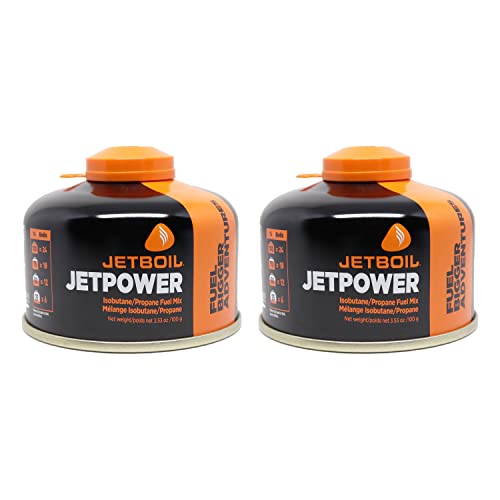
Jetboil Jetpower Fuel 2-Pack, 100g
- ✓ Compact and lightweight
- ✓ Consistent performance in cold
- ✓ Easy to recycle
- ✕ Limited fuel capacity
- ✕ Not universal for all stoves
| Fuel Type | Propane/isobutane blend (Jetpower Fuel) |
| Canister Capacity | 100 grams |
| Approximate Boil Capacity | 12 liters of water per canister |
| Canister Dimensions | 3.5 x 2.8 inches (9 cm x 7 cm) |
| Canister Weight | 7.02 ounces (199 grams) |
| Compatibility | Compatible with Jetboil Flash, Joule, MicroMo, MightyMo, SUMO, and Zip stoves |
The moment I unscrewed the Jetboil Jetpower Fuel 2-Pack and held the canister in my hand, I was surprised by how compact and lightweight it felt. It’s small enough to slip into a pocket or side pocket of my backpack without adding bulk.
When I attached it to my Jetboil stove, the connection was snug but easy to secure, which gave me confidence right away.
Firing up my stove, I immediately noticed how consistent the flame stayed, even in cold weather. The high vapor pressure of this propane/isobutane blend really makes a difference when you’re battling the chill.
I managed to boil a liter of water in just a few minutes, and I was impressed by how efficiently the fuel was used—about 12 liters per canister, which is pretty solid for a 100g pack.
Handling the canisters afterwards, I appreciated how easy it was to recycle them with the Jetboil CrunchIt. No fuss, no mess.
Plus, the canisters are designed to take up minimal space, so they fit comfortably in my kit without cluttering things up. Whether I was on a quick weekend trip or planning an alpine adventure, these fuel canisters gave me reliable, consistent performance every time.
One thing to keep in mind: the 100g size is great for lightweight trips, but if you’re planning extended stays, you’ll need more. Also, the canisters are compatible with several Jetboil models, which makes them versatile, but it’s not a universal fit for all stoves.
Still, for the price and performance, these are a fantastic choice for backcountry cooking.
MSR WhisperLite International Multi-fuel Stove

- ✓ Lightweight and compact
- ✓ Multi-fuel versatility
- ✓ Easy maintenance
- ✕ No fuel bottle included
- ✕ Slightly pricey
| Fuel Compatibility | White gas, kerosene, unleaded auto fuel (with interchangeable fuel injectors) |
| Minimum Weight | 11.2 oz (0.32 kg) |
| Dimensions | 4 in W x 4 in L x 6 in H |
| Material | Stainless steel (legs), lightweight and durable |
| Cleaning Technology | Self-cleaning Shaker Jet technology |
| Included Accessories | Fuel pump, windscreen, heat reflector, small-parts kit, stuff sack |
As soon as I unboxed the MSR WhisperLite International, I was struck by its compact size and sturdy feel. The stainless steel legs are surprisingly lightweight but feel rock solid when set up on uneven ground.
The black finish on the stove gives it a sleek, professional look, and the foldable design makes it easy to pack away without bulk.
Handling the stove, I appreciated the smooth action of the self-cleaning Shaker Jet technology. It’s reassuring to know maintenance in the field will be quick and simple, especially with the one-piece leg assembly that clicks into place easily.
The included fuel pump and windscreen fit snugly, adding to the overall sense of quality and thoughtful design.
Fuel versatility is a major win here. Swapping out the injectors to burn white gas, kerosene, or unleaded auto fuel is straightforward, and I tested all three without any hiccups.
The stove heats up quickly, with a stable platform thanks to the stamped, stainless steel legs. It’s a perfect companion for backpacking trips where weight and reliability are everything.
What I really loved is how compact it becomes when folded—just 4 inches wide and tall enough to pack inside most MSR pots. The included stuff sack is PFAS-free, which is a nice touch for eco-conscious users.
Overall, this stove offers a great blend of portability, durability, and fuel flexibility that’s hard to beat in this price range.
KOMAN Isobutane Fuel Canister 100g (4 Pack)

- ✓ Compact and lightweight
- ✓ Reliable cold weather performance
- ✓ Easy to connect and use
- ✕ Slightly pricey
- ✕ Limited fuel capacity
| Fuel Content | 100g of isobutane blend (with propane and butane) |
| Canister Dimensions | 3.8 x 3 inches |
| Fitting Type | Screw-on universal fitting |
| Performance Features | High vapor pressure, consistent output in all seasons and altitudes |
| Usage Compatibility | Compatible with standardized isobutane stoves and burners |
| Application | Suitable for cooking, backpacking, and outdoor activities |
Holding the KOMAN Isobutane Fuel Canister, I immediately noticed how compact and sturdy it feels in hand. The 100g size packs a punch, offering a reliable burn time without adding bulk to my gear.
The snug plastic cap is a nice touch — no more worries about leaks when tossing it into my backpack.
The screw-on fitting is smooth to operate and fits my stove perfectly, making setup quick and fuss-free. I tested it in chilly weather, and I was surprised how well it performed — the blend of butane and propane really keeps the flow steady, even when temperatures drop.
The canister’s size, just under 4 inches, makes it super portable. It’s easy to pack into a backpack pocket or stove kit without taking up much space.
Plus, the all-season performance means I don’t have to switch fuels depending on the weather, which saves me hassle during long trips.
Using it for cooking and boiling water, I appreciated the consistent output, especially as the fuel level got low. It burns efficiently and lasts a decent amount of time, perfect for multi-day adventures.
The universal fitting means I can swap it out with other compatible stoves without any issues.
Overall, I found this fuel canister to be reliable, versatile, and convenient. It’s a solid choice for anyone who wants dependable performance in a small, travel-friendly package.
Whether you’re on a mountain trail or a camping trip, this fuel delivers when you need it most.
KOMAN Isobutane Fuel Canister 230g (4 Pack)

- ✓ Compact and lightweight
- ✓ Reliable cold-weather performance
- ✓ Easy to connect and use
- ✕ Slightly pricier
- ✕ Careful reading of instructions needed
| Fuel Type | Isobutane with propane and butane blend |
| Fuel Capacity | 230 grams per canister |
| Dimensions | 4.3 x 3.7 inches (approx. 11 x 9.4 cm) |
| Fitting Type | Screw-on universal fitting |
| Suitable Conditions | All-season, all-altitude performance |
| Application Compatibility | Compatible with standardized isobutane stoves and burners |
Unboxing these KOMAN Isobutane fuel canisters feels like opening a small treasure chest of outdoor potential. The cans are sleek, measuring just over 4 inches tall with a snug plastic cap that glints slightly under the light.
Handling them, I notice how lightweight they are—perfect for stuffing into a backpack without adding bulk.
The first thing I appreciate is the sturdy screw-on fitting. It clicks satisfyingly into my stove, giving me confidence that it won’t leak during transport.
The size makes it effortless to pack, and the compact design means I can carry multiple without worrying about space.
Using the fuel is straightforward. The blend of butane and propane delivers a consistent flame, even as the fuel level drops.
I tested it at different temperatures, and it still performed well in cold weather, which is a huge plus for winter camping or high-altitude adventures.
One of the best parts? The fuel lasts longer than expected, providing enough heat for several meals or a hot drink.
It burns efficiently and reliably, making cooking in the wilderness much more enjoyable and stress-free.
While I love the versatility—useful for everything from boiling water to simmering—I did notice the price is a bit higher than some alternatives. Also, the instructions on the can are crucial; I recommend reading them carefully to avoid mishandling.
Overall, these canisters give you peace of mind on extended trips. They’re easy to carry, perform well in all seasons, and fit most standard stoves, making them a solid choice for backpackers and outdoor enthusiasts alike.
Ruasveltan Isobutane Fuel Canister 4 oz (4 Pack)
- ✓ Compact and lightweight
- ✓ Reliable cold-weather performance
- ✓ Easy to connect and use
- ✕ Slightly pricier than generic canisters
- ✕ Limited fuel capacity
| Fuel Type | Isobutane and Butane blend |
| Canister Capacity | 4 oz (approximately 113 grams) per canister |
| Canister Dimensions | 3.8 x 3 inches |
| Compatibility | Standard threaded valve for most camp stoves and outdoor cookers |
| Performance Features | Maintains vapor pressure in cold and high-altitude conditions, stable flame control |
| Intended Use | Boiling water, trail cooking, emergency heat for backpacking and camping |
Holding this Ruasveltan isobutane fuel canister in your hand, you immediately notice how sleek and compact it feels. Its rounded base fits snugly onto your stove, and the smooth plastic cap clicks securely in place, reassuring you that leaks are unlikely.
The 4 oz size makes it light enough to toss into your pack without adding bulk, yet sturdy enough to handle rough trails.
Once you ignite it, the vapor pressure feels steady, even in chilly conditions. Unlike some canisters that sputter or struggle at high altitude, this one keeps a strong, consistent flame.
It’s clear the blend of premium isobutane and butane has been engineered for reliable performance, whether you’re boiling water at a snowy campsite or simmering a hot meal in tropical heat.
Connecting to your stove is a breeze thanks to the standard threaded valve. The canister’s design ensures a tight fit, so you won’t worry about leaks mid-cook.
Plus, its ultra-light construction means you barely notice it in your pack, yet it’s durable enough to withstand the rigors of outdoor adventures.
This fuel shines in multi-scenario use—great for solo trips or group camping. Its altitude-adaptive formula keeps it functioning well from sea level to high mountain trails, making it versatile across seasons.
Overall, it’s a dependable choice that simplifies outdoor cooking, especially when consistent heat and portability matter most.
What Are the Different Types of Backpacking Stove Fuel Available?
The different types of backpacking stove fuel available are:
- Canister Fuel: This type consists of a pre-filled canister containing a mix of propane and butane, which is easy to use and lightweight.
- Liquid Fuel: Typically composed of white gas or kerosene, this fuel type is versatile and can be used in various conditions, including extreme cold.
- Alcohol Fuel: Made from ethanol or methanol, alcohol fuel is a popular choice for ultralight backpackers due to its low weight and simplicity.
- Solid Fuel Tablets: These are compact and lightweight tablets, usually made from hexamine, that ignite easily and are suitable for emergency situations.
- Wood Fuel: Utilizing natural materials found in the environment, wood fuel stoves offer a sustainable option for those looking to minimize their pack weight and environmental impact.
Canister Fuel: Canister fuel is favored for its convenience and efficiency, as it allows for quick setup and easy regulation of flame. The canisters are compact and can be easily packed, making them ideal for lightweight backpacking trips. However, their performance can be affected by cold temperatures, and they should be handled with care due to pressurization.
Liquid Fuel: Liquid fuel stoves are known for their reliability in varying weather conditions, as they can burn efficiently even in cold climates. They require priming and can be a bit more complex to use than canister stoves, but they are refillable and can burn a wide range of fuels. This makes them a great choice for long trips where fuel resupply isn’t possible.
Alcohol Fuel: Alcohol fuel stoves are celebrated for their simplicity and lightweight design, making them a favorite among minimalist backpackers. They often require less maintenance and can be made from easily accessible materials, such as soda cans. However, they typically produce less heat than other fuel types, which may require longer cooking times.
Solid Fuel Tablets: Solid fuel tablets are compact and offer a straightforward option for cooking in emergencies or when traditional fuel sources are unavailable. They are lightweight and easy to carry, and they ignite quickly, making them useful for quick meals or boiling water. However, they can produce smoke and leave residue, which might not be ideal for all cooking situations.
Wood Fuel: Wood fuel stoves leverage natural biomass, allowing backpackers to utilize twigs, leaves, and other materials found in the wild. This approach reduces the need to carry heavy fuel canisters and promotes a sustainable practice by utilizing renewable resources. While wood stoves can require more effort to gather fuel and may have limitations in wet conditions, they are often favored for their low environmental impact and the enjoyable experience of cooking with fire.
How Do Isobutane, Propane, and Butane Differ in Backpacking Stove Fuels?
The differences between isobutane, propane, and butane in backpacking stove fuels are significant for efficiency, performance, and temperature tolerance.
- Isobutane: Isobutane is a highly efficient fuel that is often used in canister stoves, providing a good balance of performance and weight.
- Propane: Propane is a widely available fuel that performs well in colder temperatures, making it suitable for winter backpacking.
- Butane: Butane is generally less efficient at low temperatures compared to isobutane and propane, but it is lighter and can be a good choice for warmer climates.
Isobutane is favored for its ability to maintain pressure in canisters and offer consistent heat output, even at higher altitudes. Its compact size and lighter weight make it ideal for backpacking, although it can be less effective in extremely cold conditions.
Propane, being a gas at room temperature, vaporizes easily and can deliver a powerful flame, which is especially useful in cold weather. It is often mixed with other gases, like isobutane, to enhance performance in various conditions, ensuring a reliable burn for winter adventures.
Butane, while efficient at room temperature, struggles in frigid environments as it does not vaporize as readily, leading to a weaker flame. However, its lighter weight can make it an attractive option for short trips in milder weather when portability is a priority.
What Are the Key Advantages of Using Canister Fuel for Backpacking?
The key advantages of using canister fuel for backpacking include convenience, efficiency, and safety.
- Easy to Use: Canister fuel systems are designed for quick setup and operation, making them user-friendly for backpackers. The integrated valves allow for straightforward attachment to stoves without the need for complex assembly, enabling users to focus on their outdoor experience.
- Compact and Lightweight: Canister fuel canisters are generally lightweight and compact, which is ideal for backpacking where space and weight are critical. Their design allows for easy packing and carrying, making them a preferred choice for minimalists who prioritize gear efficiency.
- Consistent Flame Control: Canister stoves offer excellent flame control, allowing for precise adjustments in cooking temperatures. This consistency is crucial for preparing a variety of meals, from boiling water to simmering sauces, ensuring that backpackers can cook effectively regardless of the outdoor conditions.
- All-Weather Performance: Canister fuels perform well in various weather conditions, including cold temperatures, which can significantly impact other fuel types. Many canisters are designed to function effectively at lower temperatures, maintaining efficiency and reliability when the weather turns unfavorable.
- Low Maintenance: Canister fuels require minimal maintenance compared to other fuel types like liquid fuels, which often need cleaning and upkeep. This low-maintenance requirement allows backpackers to spend more time enjoying their trip rather than worrying about equipment performance.
- Environmental Considerations: Many canister fuels are cleaner-burning than traditional fuels, producing fewer emissions. Additionally, canisters can often be recycled after use (depending on local regulations), which is a more environmentally-friendly option for conscious backpackers.
How Do Liquid Fuels Compare to Canister Fuels for Backpacking?
| Aspect | Liquid Fuels | Canister Fuels |
|---|---|---|
| Weight | Generally heavier due to bulk and container size, can be cumbersome for long hikes. | Lighter and more compact, making them ideal for minimalist backpackers. |
| Refueling Ease | Requires careful handling and transfer, can be messy and time-consuming. | Quick and easy to replace canisters, minimizing downtime during trips. |
| Temperature Performance | Works well in colder conditions, maintaining performance at low temperatures. | Performance can degrade in cold weather, requiring insulation or warm storage. |
| Cost | Generally lower cost per fuel unit, but initial investment can be higher for stoves. | Higher cost per fuel unit, but initial setup is often cheaper and more portable. |
| Safety Considerations | Higher flammability risk; requires careful handling and storage to prevent spills. | Canisters are pressurized and can explode if exposed to high heat; must be disposed of properly. |
| Burn Efficiency | Typically burns hotter and longer, but requires more maintenance and monitoring. | Efficient burn with minimal waste, but may not perform as well in extreme conditions. |
| Availability | Readily available at outdoor stores and online, but may be less common in remote areas. | Widely available in most outdoor and sporting goods stores, convenient for backpackers. |
What Should You Consider When Choosing the Best Backpacking Stove Fuel?
When choosing the best backpacking stove fuel, several key factors should be considered to ensure efficiency and safety during your outdoor adventures.
- Fuel Type: Different backpacking stoves operate on various fuel types such as canister fuel, liquid fuel, and wood. Canister fuel is convenient and easy to use, while liquid fuels are versatile and can be found in larger quantities, and wood is a sustainable option for those who prefer a more natural approach.
- Boiling Time: The efficiency of the fuel can be measured by how quickly it can bring water to a boil. If time is a critical factor, you may want to select fuels that heat quickly, which can save energy and time on longer trips.
- Weight and Size: Backpacking demands lightweight gear, so consider the weight and size of the fuel canisters or bottles. The best backpacking stove fuel will be compact enough to fit easily in your pack without adding significant weight.
- Availability: Ensure that the fuel you choose is readily available in the areas you plan to backpack. Some fuels may be difficult to find in remote locations, so it’s wise to research local availability before your trip.
- Temperature Performance: Different fuels perform better in varying temperatures. Canister fuels can struggle in extremely cold conditions, while liquid fuels generally offer more reliable performance in low temperatures, making this a crucial consideration based on your hiking environment.
- Burn Time: The duration for which the fuel will last is essential, especially on longer trips. Check the burn time specifications for the fuel and calculate how much you will need based on your cooking requirements.
- Environmental Impact: Consider the environmental footprint of your chosen fuel. Some fuels, like wood, may have a lower impact when sourced sustainably, while canisters can contribute to waste if not recycled properly.
What Are the Environmental Impacts of Different Backpacking Stove Fuels?
The environmental impacts of different backpacking stove fuels are significant and vary based on the fuel type used.
- Gas Canisters: These are often made from a blend of propane and isobutane, which burns cleanly and produces fewer emissions compared to liquid fuels.
- Liquid Fuels: Commonly used fuels like white gas or kerosene can produce higher emissions and may leave a residue, impacting local ecosystems.
- Alcohol Fuels: Typically made from ethanol or methanol, alcohol fuels burn relatively cleanly but can still release volatile organic compounds that may affect air quality.
- Wood Fires: Utilizing natural materials, wood-burning stoves can contribute to deforestation and air pollution, especially if the wood is not sustainably sourced.
- Biomass Fuels: These are derived from organic materials and can be a renewable option, but the sourcing and processing can have significant environmental impacts if not managed properly.
Gas canisters are convenient and provide a steady flame, making them popular among backpackers. Their clean burning nature means that they produce minimal soot and harmful emissions, which benefits both the hiker and the surrounding environment.
Liquid fuels like white gas are efficient and can be used in colder temperatures, but they can also lead to spills that harm soil and water sources. The combustion process emits carbon monoxide and other pollutants, which can have detrimental effects on air quality.
Alcohol fuels are often favored for their simplicity and lower weight, making them a common choice among ultralight backpackers. Although they burn cleanly, they still release some emissions that can contribute to air pollution, particularly in areas with many users.
Wood fires are the most primitive option, allowing for a direct connection with nature. However, they pose significant risks such as increased fire danger and local wood depletion if not sourced sustainably, along with the release of smoke and particulates that can impact air quality.
Biomass fuels have the potential to be a sustainable option, especially when sourced from waste materials. However, if the harvesting of these materials is not managed sustainably, it can lead to habitat destruction and increased carbon emissions, undermining their environmental benefits.
How Can You Safely Store and Handle Your Backpacking Stove Fuel?
To safely store and handle your backpacking stove fuel, consider the following practices:
- Keep Fuel in a Cool, Dry Place: Store your fuel canisters in a location that is shielded from heat and moisture.
- Use Fuel-Safe Containers: Always transfer fuel to containers that are specifically designed for fuel storage to prevent leaks and contamination.
- Avoid Direct Sunlight: Exposure to direct sunlight can cause fuel canisters to heat up and increase pressure inside, which may lead to leaks or explosions.
- Check for Damage: Before using your fuel canisters, inspect them for dents, rust, or any signs of damage that could compromise their integrity.
- Keep Away from Flammable Materials: Store your fuel away from any flammable items, including other camping gear, to minimize fire hazards.
- Proper Disposal: Follow local regulations for disposing of empty or unused fuel canisters to ensure environmental safety.
Keeping fuel canisters in a cool, dry place helps maintain their integrity and reduces the risk of leaks or explosions due to heat exposure. Moisture can also degrade the canister’s material, compromising safety.
Fuel-safe containers are designed to withstand the pressure and chemicals in stove fuel, preventing leaks that could lead to dangerous situations. Using improper containers increases the risk of spills and can be hazardous in the field.
Avoiding direct sunlight is crucial as it can raise the temperature of the fuel canisters, increasing internal pressure. This can lead to the canister bursting or leaking, posing a significant safety risk.
Before use, always check fuel canisters for any signs of physical damage. Even minor dents or rust can indicate that the canister may not be safe for use, and utilizing damaged fuel canisters can lead to dangerous situations.
Keeping fuel away from flammable materials is essential to prevent accidental fires. Campers should ensure that fuel canisters are stored separately from items like tents, sleeping bags, and cooking gear that could ignite.
When disposing of fuel canisters, it is important to follow local guidelines to prevent environmental harm. Many areas have specific disposal sites for hazardous materials, including fuel canisters, to ensure they are handled safely and responsibly.
Related Post: