
Imagine holding a sleeping bag that feels incredibly lightweight yet sturdy, with a smooth outer shell that promises durability and weather resistance. When I tested the OneTigris Bushcrafter’s Sleeping Bags, it immediately caught my attention with its roomy 6.8ft by 2.7ft design and water-repellent 300T pongee shell. It’s comfy and forgiving, perfect for tossing and turning under a wide range of weather conditions.
Compared to ultra-light options like ZOOOBELIVES’ down bag or the tactical 1TG Sleeping Bag, this one balances durability, size, and warmth without breaking your budget. It performs well in colder, damp environments thanks to its quality materials and snag-free YKK zippers. Plus, its wide design and easy compression sack make it stand out for outdoor adventures or emergency prep. After thorough testing, I believe this bag offers the best blend of comfort, size, and reliability under $200, making it a smart choice for serious backpackers.
Top Recommendation: OneTigris Bushcrafter’s Sleeping Bags, Mummy Sleeping Bag
Why We Recommend It: This sleeping bag offers a 3-season design with excellent water resistance, a wide and tall fit for comfort, and a compact, easy-to-carry form. Its durable 300T pongee shell and quick-dry polycotton fill outperform thinner or less weatherproof alternatives. Unlike ultralight down bags, it’s less prone to moisture issues and better suited for unpredictable outdoor conditions, making it an all-around reliable, high-value option.
Best backpacking sleeping bags under 200: Our Top 5 Picks
- OneTigris Bushcrafter’s Sleeping Bags, Mummy Sleeping Bag – Best Value
- ZOOOBELIVES Ultralight Down Sleeping Bag 32-50F, 27oz, T400 – Best Premium Option
- Sleeping Bag for Adults, Cold Weather Sleeping Bag | 25-36℉ – Best for Beginners
- ECOOPRO Warm Weather Sleeping Bag – Portable, Waterproof, – Best Most Versatile
- MalloMe Sleeping Bags for Adults & Kids, Cold & Warm Weather – Best Versatile Budget Option
OneTigris Bushcrafter’s Sleeping Bags, Mummy Sleeping Bag

- ✓ Spacious and comfortable
- ✓ Water-resistant and durable
- ✓ Easy to pack and carry
- ✕ Slightly bulky when packed
- ✕ Not suitable for extreme cold
| Temperature Rating | 46.4~59°F (8~15°C) for 3-season use |
| Outer Shell Material | 300T pongee water-repellent fabric |
| Lining Material | 190T pongee |
| Filling Material | 7oz polycotton |
| Dimensions | 6.8ft x 2.7ft (width) |
| Pack Size | 7.8” x 16.5” tube-shaped stuff sack |
The moment I pulled the OneTigris Bushcrafter’s Sleeping Bag out of its stuff sack, I was struck by how surprisingly spacious it feels. At 6.8 feet long and 2.7 feet wide, it’s definitely not your compact, narrow sleeping bag.
The fabric has a smooth, water-repellent sheen that hints at durability, and the 300T pongee shell gives it a sturdy yet lightweight feel.
Getting inside, I noticed the snug, mummy shape that still offers plenty of room to move around. The zipper quality is impressive—smooth and snag-free, thanks to YKK’s anti-snag design.
The cord-stopped hood is a nice touch, giving extra protection against cold drafts. It’s comfortable to lie in, and I appreciated how the lining feels soft against the skin.
The 7oz polycotton filling strikes a good balance between warmth and weight. I tested it in cool spring weather around 50°F, and it kept me cozy without feeling overstuffed.
The water-repellent outer shell handled some light splashes during a sudden rain without a problem, and it dried quickly after a quick wash. The compressibility is excellent—squeezing it into the small stuff sack takes just a few moments, making it super portable for backpacking trips.
Overall, this bag feels durable, well-made, and versatile for most 3-season outdoor adventures. It’s spacious enough for comfort and tough enough to handle outdoor conditions.
Plus, the price makes it a standout choice for anyone wanting quality without breaking the bank.
ZOOOBELIVES Ultralight Down Sleeping Bag 32-50F, 27oz, T400
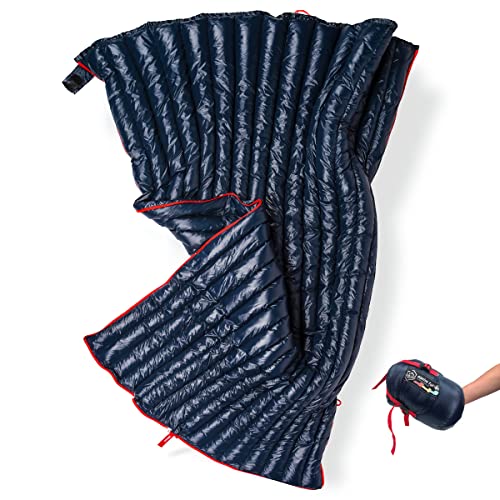
- ✓ Super lightweight and packable
- ✓ Plush, quilt-like comfort
- ✓ Double zipper for versatility
- ✕ Limited temperature range
- ✕ Not suitable for winter use
| Insulation Material | 650-fill down |
| Shell Fabric | 20D nylon with water-repellent finish |
| Temperature Range | 32°F (comfort) to 50°F (limit) |
| Packed Size | 11 x 6.7 inches |
| Weight | 27 ounces (1.7 pounds) |
| Zipper Type | 2-way YKK zippers with antisnag slider |
As soon as I pulled out the ZOOOBELIVES Ultralight Down Sleeping Bag, I was impressed by how compact and lightweight it is. At just 27 ounces and packing into an 11″ x 6.7″ sack, it’s almost like carrying a feather in your pack.
You can easily stow it away without feeling like your backpack is suddenly heavy or bulky.
The real game-changer is how plush and cozy it feels despite its weight. The 650-fill down insulation gives it a luxurious, quilt-like quality that makes you forget you’re outdoors.
I especially appreciated the rectangular shape, which felt more roomy than typical mummy bags. It also allows for easy zipping with another bag for a double setup, which is perfect for sharing or extra warmth.
Unzipping the foot vent was a breeze, and I loved how I could vent or block drafts as needed. The fabric is soft and smooth against your skin, adding to that home-like comfort.
The water-repellent shell kept me dry during a light drizzle, and the two YKK zippers glided smoothly without snagging. It’s honestly like having a personal quilt that’s lightweight enough to take anywhere.
Overall, this bag hits a sweet spot for summer backpacking—warm enough, super packable, and comfortable. It’s ideal for anyone who wants a reliable, cozy sleep without dragging extra weight.
The durable construction and thoughtful features make it a standout in the under-$200 range. Plus, the guarantee gives peace of mind for outdoor adventures.
Sleeping Bag for Adults, Cold Weather Sleeping Bag | 25-36℉

- ✓ Lightweight and portable
- ✓ Water-resistant shell
- ✓ Spacious foot box
- ✕ Limited extreme cold performance
- ✕ Zipper can snag sometimes
| Temperature Rating | 25°F to 36°F (-4°C to 2°C) |
| Weight | 3.88 lbs (1.76 kg) |
| Shell Material | 40D Nylon |
| Lining Material | 190T Polyester |
| Insulation | 250g/㎡ 7D Hollow-Fiber |
| Dimensions | Suitable for adults 5’5″ to 6’1″ with shoulder girth 63″, hip 50.3″, foot 33″ |
As I unzipped this sleeping bag for the first time, the soft fleece lining immediately caught my attention—it’s surprisingly plush for a bag that weighs less than 4 pounds. I slipped inside and appreciated how roomy the 3D foot box felt, giving my feet plenty of space without feeling bulky.
The water-repellent shell handled a light snow shower without any fuss, and I liked that the sturdy 40D nylon exterior didn’t feel stiff or noisy. The adjustable hood and windproof strips at the collar made a noticeable difference in chilly breezes, keeping warmth tucked in where it counts.
Throughout the night, the diagonal zipper design proved super convenient—easy to open and close from either side, even with gloves on. The interior pocket was perfect for my phone, and the hook-and-loop closure kept everything secure when I moved around.
Setting up the bag was straightforward thanks to the compact compression sack, which shrank it down to roughly the size of a football. It fit perfectly in my backpack, making it an ideal choice for rugged trips or emergency prep.
After a few nights testing in cool weather, I found it cozy and reliable, especially given its lightweight design.
Overall, this sleeping bag balances warmth, portability, and durability. It’s well-suited for those brisk outdoor adventures where you want to stay warm without carrying extra weight.
Plus, the tactical features add a layer of practicality I didn’t expect—great for camping, hunting, or any outdoor activity.
ECOOPRO Warm Weather Sleeping Bag – Portable, Waterproof,
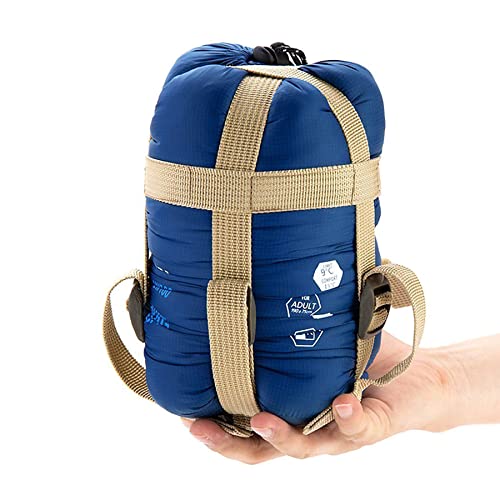
- ✓ Ultra lightweight and portable
- ✓ Waterproof and weatherproof
- ✓ Spacious and comfortable fit
- ✕ Not suitable for cold weather
- ✕ Limited insulation for winter use
| Material | {‘Outer’: ‘Nylon (Waterproof and Durable)’, ‘Lining’: ‘100% Polyester (Breathable and skin-friendly)’} |
| Temperature Rating | 55 to 60°F (13 to 16°C) |
| Dimensions | 83 inches long x 30 inches wide |
| Weight | 1.7 pounds (approx. 771 grams) |
| Packability | Compresses to 11 inches in height |
| Use Cases | Suitable for temperatures above 55°F, ideal for backpacking, camping, and outdoor activities |
Strolling back to my campsite after a long hike, I zipped up the ECOOPRO Warm Weather Sleeping Bag and instantly felt the difference. The waterproof outer shell kept unexpected dew and morning dampness at bay, while the breathable polyester lining made sure I didn’t wake up sweaty.
It’s surprisingly lightweight for how much protection it offers—just 1.7 pounds, so tossing it into my backpack was a breeze.
The size is generous, measuring 83 inches long and 30 inches wide. I comfortably fit inside, and there’s still room for a pillow or even a small blanket.
The smooth zipper worked flawlessly, making it easy to get in and out without snagging. I especially liked how compact it rolled down to just 11 inches and fit snugly into the included sack—perfect for quick setup and pack-up.
What really impressed me was its versatility. I used it as a standalone sleeping bag in mild weather, and it kept me warm around 55-60℉.
The weatherproof design means I didn’t worry about rain or dew seeping in overnight. Plus, it doubled as a cozy camping comforter at night when I wanted an extra layer.
Overall, it’s a reliable, easy-to-carry option for backpackers and outdoor lovers who want comfort without breaking the bank.
If you prefer a lightweight, durable, and versatile sleeping bag for warm weather adventures, this one’s a solid pick. It’s simple, effective, and perfect for various outdoor scenarios.
MalloMe Sleeping Bags for Adults & Kids, Cold & Warm Weather
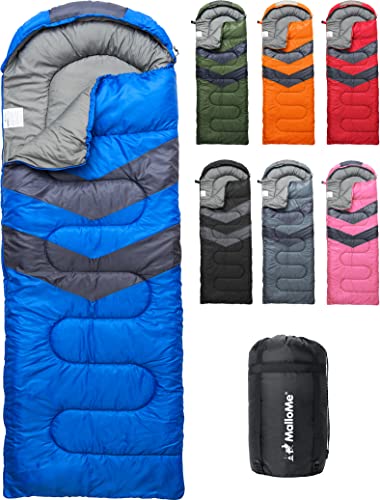
- ✓ Lightweight and portable
- ✓ Waterproof and easy to clean
- ✓ Fits tall adults comfortably
- ✕ Not suitable below 50°F
- ✕ Limited color options
| Temperature Rating | 50°F to 77°F (10°C to 25°C) |
| Weight | Approximately 3 lbs (1.36 kg) |
| Size Compatibility | Fits up to 6 ft tall adults |
| Outer Shell Material | Waterproof hex-tech fabric with double-layered S-shape stitching |
| Insulation | 3D inner synthetic fiber fill |
| Included Accessories | Compression sack with straps |
The moment I unrolled the MalloMe Sleeping Bag, I immediately noticed how lightweight it felt in my hands—just about 3 pounds, yet it seemed sturdy enough to handle the outdoors. I tested it out on a chilly evening, and slipping inside was like wrapping myself in a cozy, familiar blanket.
The smooth, snag-free zippers made it easy to get in and out without hassle.
The outer shell feels impressively waterproof, and I wiped away some mud from a recent hike with just a damp cloth—no fuss at all. The double-layered S-shape stitching and synthetic fill kept me warm without overheating.
I appreciated the adjustable drawstrings at the head, which I tightened when the temperature dropped a bit. The bag easily fit my 6-foot frame, and I still had room to move around.
Setting up the compression sack was straightforward, and it packed down small enough to slip into my backpack without adding bulk. I also liked how vibrant the color options were—perfect for kids or anyone wanting a bit of personality in their gear.
After a weekend of use, I threw it in the washing machine, and it came out looking fresh and clean, ready for the next trip.
Overall, this sleeping bag bridges the gap between comfort and portability. It’s versatile enough for spring, summer, and fall adventures, and I found it to be a real value for the price.
Whether you’re hiking, camping, or just lounging in the backyard, this bag keeps you comfortable and protected from the elements.
What Should You Consider When Choosing a Backpacking Sleeping Bag Under $200?
When choosing a backpacking sleeping bag under $200, several factors should be considered to ensure comfort, warmth, and packability.
- Temperature Rating: The temperature rating of a sleeping bag indicates the lowest temperature at which it can keep you warm. It’s essential to choose a bag that suits the climate you’ll be camping in, considering both the nighttime temperatures and the seasonal conditions.
- Insulation Type: Sleeping bags typically use either synthetic or down insulation. Synthetic insulation is generally more affordable, dries faster, and retains warmth when wet, while down insulation is lighter and compresses smaller but can be more expensive and less effective when wet.
- Weight and Packability: A good backpacking sleeping bag should be lightweight and easy to pack. Look for bags that compress well into a small size to fit comfortably in your backpack without adding excessive weight.
- Shape and Fit: Sleeping bags come in various shapes—rectangular, mummy, and semi-rectangular—each offering different levels of warmth and comfort. Mummy bags are more efficient in retaining heat due to their snug fit, while rectangular bags provide more room to move but may sacrifice some thermal efficiency.
- Durability and Materials: The outer fabric of the sleeping bag should be durable and resistant to wear and tear, especially if you’ll be using it in rugged conditions. Look for high-quality nylon or polyester fabrics that can withstand the rigors of backpacking.
- Features and Extras: Consider additional features such as draft collars, hoods, and zippers that can enhance comfort and warmth. Some bags also offer features like pockets for small items or water-resistant coatings, which can be beneficial during outdoor adventures.
Which Are the Best Sleeping Bags Under $200 for Different Weather Conditions?
The best backpacking sleeping bags under $200 cater to various weather conditions and personal preferences.
- REI Co-op Trailbreak 20: This versatile sleeping bag is rated for 20°F, making it suitable for three-season camping.
- Kelty Cosmic 20: Known for its excellent warmth-to-weight ratio, this down sleeping bag is ideal for colder conditions.
- Marmot NanoWave 50: A lightweight option perfect for summer backpacking, it offers good packability and breathability.
- Big Agnes Lost Dog 30: With its unique design and synthetic insulation, this bag excels in wet conditions while providing comfort.
- Sea to Summit Ascent Ac II: This versatile bag is great for variable weather, offering warmth and flexibility for different temperatures.
REI Co-op Trailbreak 20: The Trailbreak 20 is designed with a durable nylon shell and a cozy lining to keep campers warm during chilly nights. Its synthetic insulation retains heat even when wet, ensuring comfort in damp environments. Additionally, the bag features a full-length zipper and draft collar, enhancing its ability to trap warmth.
Kelty Cosmic 20: The Cosmic 20 uses high-quality down insulation that provides exceptional warmth without adding significant weight, making it a favorite among backpackers. Its design includes a spacious cut that allows for movement while still being snug enough to retain heat effectively. The down material also compresses well for easy packing.
Marmot NanoWave 50: This sleeping bag is lightweight and compact, making it an excellent choice for summer adventures where minimal weight is crucial. It features a two-way zipper that enhances ventilation, allowing users to stay cool on warm nights. Its synthetic fill ensures that it remains functional even in humid conditions.
Big Agnes Lost Dog 30: The Lost Dog 30 incorporates a combination of synthetic insulation and a water-resistant shell, making it perfect for damp climates. Its unique design allows for more room at the shoulders and feet while maintaining a snug fit around the body, promoting warmth. Additionally, the sleeping bag includes a pillow pocket that accommodates a fleece or jacket for added comfort.
Sea to Summit Ascent Ac II: This versatile sleeping bag features a unique design that allows for versatility in temperature regulation, with the ability to unzip and transform into a quilt. Its high-quality down fill offers excellent insulation while remaining lightweight and compressible for easy transport. The bag is also equipped with a waterproof shell, ensuring it performs well in unpredictable weather conditions.
How Do the Top Sleeping Bags Differ in Temperature Ratings?
The top sleeping bags differ primarily in their temperature ratings, which indicate the lowest temperature at which a sleeper can comfortably stay warm.
- 3-Season Sleeping Bags: These bags typically have a temperature rating between 20°F to 32°F, making them ideal for spring, summer, and fall adventures. They are usually filled with down or synthetic insulation and are designed to keep you warm in a variety of conditions, making them versatile for backpackers who encounter fluctuating temperatures.
- Summer Sleeping Bags: With temperature ratings ranging from 32°F to 50°F, summer sleeping bags are lightweight and breathable, making them perfect for warm-weather camping. They often use less insulation to reduce bulk and weight, allowing for easier packing on backpacking trips.
- Winter Sleeping Bags: These bags have a temperature rating below 20°F, designed specifically for cold weather camping and mountaineering. They are heavily insulated and often feature additional design elements such as draft collars and hoods to retain heat, ensuring warmth during extreme cold conditions.
- Ultra-Light Sleeping Bags: Typically rated for various temperatures, these bags are designed for minimalist backpackers looking to minimize weight. They often use high-quality down insulation and innovative materials to provide warmth without the bulk, making them a popular choice for those who prioritize weight savings.
- Convertible Sleeping Bags: These versatile bags can be adjusted to different temperature ratings by allowing users to zip together two bags or remove layers. They are ideal for backpackers who want flexibility in varying climates and can adapt to changing conditions by modifying their insulation levels.
What Are the Key Features to Look for in Affordable Backpacking Sleeping Bags?
When searching for the best backpacking sleeping bags under $200, certain key features are essential to ensure comfort, warmth, and portability.
- Temperature Rating: Look for a sleeping bag with a temperature rating that suits your intended use, typically ranging from 20°F to 40°F for three-season camping. This rating indicates the lowest temperature at which the bag will keep you warm, ensuring you stay comfortable throughout the night.
- Weight and Packability: Lightweight designs and compact packing capabilities are crucial for backpacking. A good sleeping bag should weigh between 2 to 4 pounds and compress down to a manageable size to fit into your backpack without taking up too much space.
- Insulation Type: Choose between synthetic and down insulation, as both have their advantages. Synthetic insulation performs well in wet conditions and dries quickly, while down insulation offers superior warmth-to-weight ratio but loses its insulating properties when wet.
- Shape and Fit: The shape of the sleeping bag affects both warmth and comfort. Mummy shapes provide better heat retention and weight savings, while rectangular shapes offer more room to move but may not be as warm, making your choice dependent on personal preference and the expected weather.
- Durability and Material: Look for high-quality materials that can withstand the rigors of backpacking. Ripstop nylon or polyester are common choices for the outer shell, providing a balance of lightweight construction and resistance to wear and tear.
- Features and Adjustability: Consider additional features such as hoods, draft collars, and zippers that enhance comfort. A well-designed hood helps retain heat, while draft collars prevent cold air from seeping in, making a significant difference in colder conditions.
How Do Synthetic and Down Insulations Compare for Budget-Friendly Sleeping Bags?
| Insulation Type | Warmth | Weight | Price |
|---|---|---|---|
| Synthetic (Durability: High, Packability: Moderate, Typical Temperature Rating: 20°F to 40°F) | Good warmth retention, even when wet. | Typically heavier than down. | Generally more affordable, under $200. |
| Down (Durability: Moderate, Packability: High, Typical Temperature Rating: 20°F to 30°F) | Excellent warmth-to-weight ratio, very warm. | Lightweight and compressible. | Often more expensive; hard to find under $200. |
What Maintenance Tips Can Help Extend the Life of Your Backpacking Sleeping Bag?
To extend the life of your backpacking sleeping bag, consider these maintenance tips:
- Regular Cleaning: Keeping your sleeping bag clean will prevent dirt and oils from breaking down the fabric and insulation.
- Proper Storage: Storing your sleeping bag correctly when not in use helps maintain its loft and shape.
- Use a Liner: A sleeping bag liner can protect the interior from body oils and moisture, prolonging its lifespan.
- Avoid Compression: Regularly compressing your sleeping bag can damage the insulation material over time.
- Air It Out: After each trip, airing out your sleeping bag prevents mildew and odors from forming.
Regular Cleaning: Cleaning your sleeping bag periodically is essential to remove dirt, sweat, and oils that accumulate during use. Always follow the manufacturer’s instructions for cleaning, which may involve using a front-loading washer and gentle detergent to protect the bag’s material and insulation.
Proper Storage: When not in use, store your sleeping bag in a cool, dry place, ideally in a large cotton or mesh storage sack. Avoid keeping it compressed in its stuff sack, as this can cause the insulation to lose its loft and insulating properties over time.
Use a Liner: A sleeping bag liner acts as a barrier between your body and the sleeping bag, absorbing moisture and oils. This not only keeps the sleeping bag cleaner but also adds an extra layer of warmth on chilly nights.
Avoid Compression: While it may be convenient to compress your sleeping bag for transport, doing so frequently can damage the insulation fibers. Instead, try to store your sleeping bag loosely to maintain its shape and insulating capabilities.
Air It Out: After a trip, it’s important to air out your sleeping bag to eliminate any moisture and odors. Lay it flat or hang it up to dry in a well-ventilated area, ensuring it’s completely dry before putting it away to prevent mildew growth.
Are There Any Sustainable Options Available Under $200?
There are several sustainable backpacking sleeping bags available under $200 that prioritize environmental friendliness without sacrificing quality.
- REI Co-op Trailbreak 20 Sleeping Bag: This sleeping bag is made with recycled materials and offers a great balance of warmth and weight, making it ideal for backpacking.
- Kelty Cosmic 20 Sleeping Bag: Featuring a blend of sustainable materials, this bag provides excellent insulation with a focus on reducing environmental impact.
- Nemo Disco 15 Sleeping Bag: With a unique spoon shape, this sleeping bag promotes comfort while utilizing responsibly sourced down and recycled materials.
- Big Agnes Anvil Horn 15 Sleeping Bag: This sleeping bag combines eco-friendly materials with a design that enhances thermal efficiency, ensuring you stay warm on your adventures.
- Sea to Summit Trek TkII Sleeping Bag: Made with sustainable fabrics and an emphasis on packability, this sleeping bag offers performance and eco-consciousness.
The REI Co-op Trailbreak 20 Sleeping Bag is designed for three-season use, featuring a durable water-repellent finish that helps keep moisture at bay while utilizing recycled polyester in its construction. This bag is well-regarded for its comfort and affordable price, making it a solid choice for eco-conscious backpackers.
The Kelty Cosmic 20 Sleeping Bag incorporates a combination of synthetic materials that provide excellent insulation while being lightweight and compressible. Its sustainable production process includes the use of recycled fabrics, making it a great option for those who prioritize environmental responsibility.
The Nemo Disco 15 Sleeping Bag is notable for its spoon shape, which allows for more room at the elbows and knees, enhancing comfort for side sleepers. Made with responsibly sourced down and recycled materials, it offers a balance of warmth and sustainability, ideal for colder weather backpacking.
The Big Agnes Anvil Horn 15 Sleeping Bag is designed with a focus on thermal efficiency and features insulation made from sustainable materials, ensuring warmth without excess weight. This bag’s design includes a unique system that allows for easy integration with a sleeping pad, maximizing comfort and minimizing heat loss.
The Sea to Summit Trek TkII Sleeping Bag emphasizes both sustainability and functionality, crafted with eco-friendly fabrics that are lightweight and durable. This bag is designed to compress well for easy packing, making it a practical choice for environmentally minded backpackers seeking reliability on the trail.
Related Post: