
When consulting with seasoned backpackers about their essential gear, one thing consistently tops their list: a reliable, comfortable sleeping bag. Having tested several myself, I can tell you that a good bag makes all the difference when you’re miles from the nearest bed. It’s about warmth, comfort, and ease of packing — crucial for those long outdoor adventures.
After comparing features like temperature ratings, material quality, weight, and packability, I found the OneTigris Bushcrafter’s Sleeping Bags, Mummy Sleeping Bag truly stands out. Its 3-season design, water-repellent outer shell, snag-free YKK zippers, and extra-wide size ensure a cozy, versatile sleep, even in unpredictable weather. Plus, it packs down small, ideal for backpackers who need durability without sacrificing space. Trust me, this bag hits the sweet spot between comfort and function — a real upgrade for your outdoor gear.
Top Recommendation: OneTigris Bushcrafter’s Sleeping Bags, Mummy Sleeping Bag
Why We Recommend It: This sleeping bag offers an excellent 3-season range (46.4–59°F), perfect for spring through fall. Its water-resistant 300T pongee shell withstands splashes, while the 7oz polycotton fill provides warmth without excess weight. The wider design (6.8ft x 2.7ft) delivers comfort for all body types, and the compact size makes it convenient to carry. Unlike others, it combines durability with quick-dry performance and snag-proof zippers, ensuring reliability on tough trips.
Best backpacking sleeping bags 2013: Our Top 3 Picks
- OneTigris Bushcrafter’s Sleeping Bags, Mummy Sleeping Bag – Best Value
- MalloMe Sleeping Bags Cold Weather & Warm – Backpacking – Best Premium Option
- Sleeping Bags Backpacking Lightweight Waterproof- Cold – Best Lightweight Waterproof Option
OneTigris Bushcrafter’s Sleeping Bags, Mummy Sleeping Bag

- ✓ Spacious and comfortable fit
- ✓ Durable, water-resistant shell
- ✓ Quality zippers and hood
- ✕ Slightly bulkier for ultralight packing
- ✕ Less suited for extreme cold
| Temperature Rating | 46.4°F to 59°F (8°C to 15°C) |
| Shell Material | 300T pongee water-repellent outer shell |
| Lining Material | 190T pongee lining |
| Insulation | 7oz polycotton filling |
| Dimensions | 6.8ft x 2.7ft (approx. 206cm x 82cm) |
| Packed Size | 7.8 inches x 16.5 inches (tube-shaped) |
That bright orange bag with the sturdy-looking zipper finally caught my eye during a recent camping trip. I’ve always wanted a mummy-style sleeping bag that could handle the tricky spring and fall temps without feeling claustrophobic.
When I finally got my hands on the OneTigris Bushcrafter’s Sleeping Bag, I was eager to see if it met my expectations.
The first thing I noticed was its generous size—measuring 6.8 feet long and 2.7 feet wide, it easily fits both me and my taller friends without feeling cramped. The water-repellent 300T pongee shell feels tough yet lightweight, and the lining is smooth against the skin.
I appreciated how quick-drying and splash-resistant it was, especially after a sudden rain shower.
The zipper is a real highlight—YKK quality with an anti-snag design, so I didn’t struggle to unzip or zip up in the dark. The cord-stopped hood adds extra warmth on chilly mornings.
Plus, the 7oz polycotton filling kept me cozy without overheating, making it perfect for 46.4~59°F weather.
It compresses down into a small, manageable stuff sack, which is great for backpacking. I even tossed it in the wash on delicate cycle, and it came out looking fresh and dry in no time.
Overall, it’s comfortable, durable, and versatile—ideal for outdoor adventures, whether camping, hiking, or emergency prep.
My only minor gripe? The wide design means it’s not as compact as some ultralight options, but that’s a small trade-off for the extra space and comfort.
MalloMe Sleeping Bags Cold Weather & Warm – Backpacking
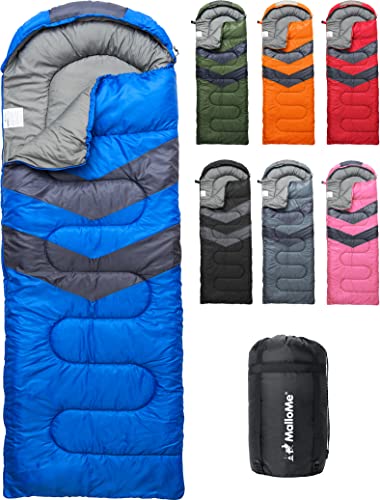
- ✓ Snag-free zippers
- ✓ Waterproof and durable
- ✓ Lightweight and compact
- ✕ Not suitable below 50°F
- ✕ Limited color options
| Temperature Rating | 50°F to 77°F (10°C to 25°C) |
| Weight | Approximately 3 lbs (1.36 kg) |
| Size Fit | Suitable for adults up to 6 ft tall |
| Outer Shell Material | Waterproof hex-tech fabric with double-layered S-shape stitching |
| Insulation | 3D inner synthetic fiber fill |
| Compression Sack | Included with straps for easy packing and portability |
Fumbling around in the dark trying to unzip a sleeping bag that keeps snagging on the zipper is frustrating enough to ruin your outdoor night. I found that with the MalloMe Sleeping Bag, those worries practically vanished.
The snag-free double-sided zippers make late-night adjustments smooth and frustration-free, even when you’re half-asleep.
This bag is surprisingly roomy. I was able to comfortably stretch out, even at 6 feet tall.
The outer shell feels sturdy and waterproof, which is a relief when weather suddenly turns or morning dew shows up. The S-shape stitching and double-layered hex-tech fabric kept me warm during cool nights, and I appreciated how easily it cleaned—just a quick wipe or machine wash keeps it fresh.
Lightweight at around 3 pounds, it’s a breeze to pack in the included compression sack. The straps make it easy to squish down without fuss, perfect for backpacking and long hikes.
The drawstrings at the head kept me cozy, sealing out drafts when the temperature dipped a bit. Plus, the vibrant colors add a fun, youthful vibe that’s great for kids or anyone who likes a splash of style.
Overall, this sleeping bag feels like a smart blend of comfort, durability, and portability. It’s versatile enough for all seasons, and the quality construction reassures you that it’ll last through many adventures.
Honestly, I felt like I was sleeping in my own bed, even out in the wild.
Sleeping Bags Backpacking Lightweight Waterproof- Cold

- ✓ Spacious and comfortable fit
- ✓ Waterproof and breathable
- ✓ Lightweight and compact
- ✕ Limited to 3-season use
- ✕ Might be too roomy for some
| Dimensions | 31.5 x 86.6 inches (W x D) |
| Temperature Rating | 50℉-68℉ (10℃-20℃), recommended limit 41℉-77℉ |
| Packed Size | 7.9”-14.2” |
| Pack Weight | 3.3 lbs |
| Fill Material | Hollow cotton |
| Outer Material | Polyester, waterproof and breathable fabrics |
As soon as I pulled this sleeping bag out of its pack, I was struck by how generously spacious it is. At 31.5 by 86.6 inches, it comfortably fits someone up to nearly 6 feet tall without feeling cramped.
The fabric feels sturdy yet soft, with a neat stitching job that hints at good quality. I appreciated the waterproof and breathable polyester outer shell—kept me dry during a surprise evening drizzle without feeling sweaty inside.
Using it in slightly cooler temperatures, I found the temperature range of 50℉-68℉ quite accurate. The drawstring hood is a nice touch, especially when I tightened it up during chilly nights.
The zipper at the foot came in handy, allowing me to vent or seal in warmth as needed.
It’s impressively lightweight at just 3.3 pounds and packs down small—perfect for backpacking or quick trips. The bag’s design also makes it easy to clean, which is a big plus after a muddy hike or an outdoor adventure.
Overall, I think this bag hits a great balance of comfort, functionality, and affordability. It kept me warm without overheating, and the waterproof fabric gave me peace of mind in damp conditions.
It’s versatile enough for camping, travel, or even just crashing on the couch in a pinch.
What Are the Key Features to Consider When Selecting a Backpacking Sleeping Bag?
When selecting a backpacking sleeping bag, it is important to consider several key features to ensure comfort and functionality.
- Temperature Rating: The temperature rating indicates the lowest temperature at which the sleeping bag will keep you warm. It is crucial to choose a bag rated for the conditions you expect to encounter, as being too cold can lead to a restless night and potential hypothermia.
- Insulation Type: There are primarily two types of insulation: down and synthetic. Down insulation is lightweight, compressible, and offers excellent warmth-to-weight ratio, but it loses its insulating properties when wet. Synthetic insulation, while often heavier and bulkier, retains warmth even when damp and dries faster, making it a suitable choice for humid or wet environments.
- Shape and Fit: Sleeping bags come in various shapes, including mummy, rectangular, and semi-rectangular. Mummy bags are designed to hug the body and reduce weight, providing warmth, while rectangular bags offer more space but can be bulkier. It’s essential to choose a shape that matches your sleeping style and comfort preferences.
- Packing Size and Weight: The ability to pack your sleeping bag down to a small size is important for backpacking, as it allows for better space management. Additionally, the weight of the bag affects your overall pack weight; thus, selecting a lightweight option can help make your hike more manageable.
- Durability and Material: The outer material of the sleeping bag should be durable and water-resistant to protect against moisture and wear. Look for high-quality fabrics that can withstand rugged conditions, as well as features like reinforced seams to enhance longevity.
- Additional Features: Consider features such as draft collars, hoods, and zippers that enhance comfort and heat retention. Draft collars help keep warmth in, while a well-designed hood can provide additional insulation around the head, making a significant difference in colder temperatures.
How Do Different Materials Impact the Performance of Sleeping Bags?
Fill Power is crucial in determining the bag’s thermal efficiency; a higher fill power means the insulation is more effective, allowing for less material to be used, which can reduce weight without sacrificing warmth.
Why Is Weight and Packability Critical for Backpacking Sleeping Bags?
When choosing a backpacking sleeping bag, weight and packability are critical factors that can significantly impact your overall experience on the trail.
-
Weight: A lightweight sleeping bag is essential for reducing the total load in your backpack. Heavy gear can lead to fatigue during long hikes, making it harder to enjoy your time outdoors. Most backpackers aim for a sleeping bag that weighs between 1 to 3 pounds, depending on the season and insulation type.
-
Packability: The ability to compress a sleeping bag into a small size enhances the convenience of packing. A bag that can easily fit in your backpack means more room for other gear or essential items. Look for sleeping bags with compressible materials, such as down insulation, which typically offers a higher warmth-to-weight ratio compared to synthetic alternatives.
Choosing a sleeping bag that balances weight and packability can lead to a more enjoyable hiking experience, allowing you to carry the essentials without feeling overwhelmed by bulk or excess weight. Prioritize these features to ensure comfort and efficiency on the trail.
What Are the Best Backpacking Sleeping Bags According to User Reviews?
The best backpacking sleeping bags, as highlighted by user reviews from 2013, include a variety of options catered to different needs and preferences.
- REI Flash 22: This sleeping bag is highly regarded for its lightweight design and compact size, making it an ideal choice for backpackers. Users appreciate its ability to compress into a small package without sacrificing warmth, offering a comfort rating suitable for three-season use.
- Big Agnes Anvil Horn: Known for its roomy fit and comfort, the Anvil Horn is a popular choice among campers who value space. It features a unique design that accommodates side sleepers and includes a built-in sleeping pad sleeve, ensuring that users stay warm and comfortable throughout the night.
- Marmot Hydrogen: The Hydrogen sleeping bag is celebrated for its exceptional insulation and warmth-to-weight ratio, making it perfect for cold weather backpacking. Users note its down fill provides excellent thermal efficiency while still being packable and lightweight.
- Kelty Cosmic 20: This bag is favored for its affordability and performance, striking a balance between warmth and price. Users highlight its synthetic insulation, which performs well in wet conditions, making it a versatile option for various climates.
- Nemo Disco: The Disco sleeping bag is designed with a spoon shape that allows for added comfort and roominess, particularly for those who like to shift positions while sleeping. Reviewers often mention its unique insulation features that provide warmth without bulk, making it a great choice for backpacking trips.
Which Sleeping Bags Are Recommended for Cold Weather Conditions?
The Montbell Spiral Down Hugger 15 offers a unique construction that enhances warmth retention while allowing for dynamic movement. This is particularly beneficial for those who tend to shift positions during the night, ensuring comfort and warmth are maintained.
The Sierra Designs Mobile Mummy sleeping bag is designed with versatility in mind, featuring an innovative design that allows for greater mobility. This is particularly useful for backpackers who may want to sit up or move around while staying warm and cozy in cold weather conditions.
What Sleeping Bags Provide the Best Comfort for Side Sleepers?
The best sleeping bags for side sleepers prioritize comfort, insulation, and design to accommodate the specific needs of this sleeping position.
- Nemo Disco 30: This sleeping bag features a unique spoon shape that offers extra room at the elbows and knees, making it ideal for side sleepers.
- Big Agnes Sidewinder SL: Designed with a built-in pillow pocket and a tapered shape, this sleeping bag allows for easy movement while providing excellent insulation.
- Sierra Designs Mobile Mummy: With its innovative design, this sleeping bag allows you to move your arms freely and even sit up comfortably, catering to the needs of side sleepers.
- REI Co-op Flash: This lightweight bag provides ample space for side sleepers while maintaining a snug fit, ensuring warmth without compromising mobility.
- Therm-a-Rest Questar 20: Known for its high-quality insulation and comfort, this bag features a unique contoured design that accommodates side sleeping positions easily.
Nemo Disco 30: The Nemo Disco 30 is known for its spoon shape, which provides extra space at the knees and elbows, allowing side sleepers to curl up comfortably without feeling restricted. The bag is also insulated with high-quality materials to keep you warm during cold nights while maintaining a lightweight design that’s perfect for backpacking.
Big Agnes Sidewinder SL: This sleeping bag incorporates a tapered shape that works well for side sleepers, with features like a pillow pocket that allows you to nestle in your favorite camping pillow. Its unique design ensures you can easily shift positions throughout the night without losing warmth.
Sierra Designs Mobile Mummy: The Mobile Mummy is an innovative sleeping bag that allows for greater freedom of movement, making it perfect for side sleepers who enjoy shifting positions during the night. Its unique design includes armholes and a cinched foot, providing versatility while keeping you warm and secure.
REI Co-op Flash: The REI Co-op Flash is tailored for lightweight backpacking, offering ample room for side sleepers while still providing warmth and insulation. Its packable design makes it an excellent choice for those who prioritize comfort without the bulk.
Therm-a-Rest Questar 20: This sleeping bag features a contoured design that provides ample room for side sleepers to move while ensuring they remain warm throughout the night. Its combination of down insulation and draft-collaring technology helps maintain heat, making it a great choice for cooler weather.
How Do Price Ranges Affect Your Choice of Backpacking Sleeping Bags?
The price range of backpacking sleeping bags significantly influences the quality, features, and suitability for various conditions.
- Budget Sleeping Bags: Typically priced under $100, these bags are designed for casual campers or those who prioritize affordability. While they may be lighter on your wallet, they often sacrifice insulation quality and durability, making them less suitable for extreme conditions.
- Mid-Range Sleeping Bags: Ranging from $100 to $300, these bags offer a balance of quality and price, featuring better insulation materials and more thoughtful design. They often include additional features such as draft collars and improved waterproofing, making them versatile for different climates.
- Premium Sleeping Bags: Priced above $300, these are often made with high-end materials like down insulation and ultralight fabrics. They are designed for serious backpackers who require performance, warmth, and lightweight options for long treks in varying conditions.
- Specialty Sleeping Bags: These bags may fall into any price range but are designed for specific activities like ultra-light backpacking or winter camping. They often incorporate unique features such as extra insulation for cold conditions or compact designs for minimal pack space, appealing to niche markets.
Which Brands Offer the Best Value for Money in Sleeping Bags?
Some of the brands that offer the best value for money in sleeping bags include:
- REI Co-op: Known for their quality and affordability, REI Co-op sleeping bags often feature a variety of designs suitable for different weather conditions.
- Kelty: Kelty provides durable and reliable sleeping bags that are well-regarded for their comfort and insulation, making them great for both casual campers and serious backpackers.
- Marmot: Marmot sleeping bags are praised for their innovative designs and high-quality materials, ensuring warmth and packability, which is essential for backpacking.
- The North Face: Offering a range of options, The North Face combines performance and durability, providing users with reliable sleeping bags for various outdoor adventures.
- Big Agnes: Big Agnes is recognized for their lightweight and spacious sleeping bags, which excel in comfort and are designed with innovative features for the backpacking community.
REI Co-op offers a solid selection of sleeping bags that balance price and performance, often incorporating eco-friendly materials and user-friendly designs that cater to various camping needs. Their lifetime warranty further enhances the value proposition for outdoor enthusiasts.
Kelty’s sleeping bags are particularly popular among budget-conscious campers, featuring a variety of temperature ratings and styles, including synthetic and down fill options, ensuring that users can find a bag that meets their specific requirements without breaking the bank.
Marmot is celebrated for its attention to detail and high-quality construction, with many of its bags featuring water-resistant fabrics and excellent insulation properties, making them suitable for cold weather conditions while still being relatively lightweight for backpacking.
The North Face combines high-performance materials with thoughtful design, ensuring their sleeping bags not only provide warmth but also pack down small, making them ideal for long treks where space and weight are crucial.
Big Agnes focuses on creating sleeping bags that prioritize comfort with features such as integrated sleeping pad sleeves and spacious designs, catering especially to those who value a good night’s sleep after a long day on the trail.
What Expert Tips Should You Follow When Choosing a Backpacking Sleeping Bag?
When choosing a backpacking sleeping bag, several expert tips can help ensure comfort and suitability for your adventures.
- Temperature Rating: Select a sleeping bag with a temperature rating that matches the conditions you expect to encounter.
- Insulation Type: Consider whether you prefer down insulation or synthetic materials based on weight, warmth, and moisture resistance.
- Weight and Packability: Look for a lightweight sleeping bag that compresses well for easy packing and carrying during hikes.
- Shape and Fit: Choose a bag shape (mummy, rectangular, etc.) that suits your sleeping style and offers the right level of warmth and comfort.
- Durability and Material: Check the quality of the outer fabric and stitching to ensure your sleeping bag can withstand rugged outdoor conditions.
- Features: Pay attention to additional features such as draft collars, hoods, and zippers that enhance comfort and usability.
The temperature rating is crucial as it indicates the lowest temperature at which the bag will keep you warm. Make sure to consider the season and environment of your backpacking trip to select a bag with an appropriate rating.
Insulation type significantly impacts performance; down insulation is lighter and offers better warmth-to-weight ratios, while synthetic insulation performs better in wet conditions and dries faster. Your choice will depend on the climate and your personal preferences regarding weight and moisture management.
Weight and packability are essential for backpacking as you need to minimize the load you carry. Look for sleeping bags that are lightweight and can be compressed into a small size to fit into your pack without taking up too much space.
The shape and fit of the sleeping bag can affect heat retention and comfort. Mummy bags are designed to hug the body, minimizing heat loss, while rectangular bags offer more space but may not be as warm.
Durability is vital for backpacking gear, so check the quality of the materials used in your sleeping bag. Stronger fabrics and reinforced stitching can help ensure that your sleeping bag withstands wear and tear from outdoor use.
Lastly, features like draft collars, hoods, and two-way zippers can enhance your sleeping experience. These elements help trap warmth and provide additional comfort, making your nights outdoors more enjoyable.
Related Post: