
Unlike other models that struggle with quick setup or waterproofing, I’ve found the Pioneer of the bunch—the Ultralight Pyramid Camping Tent Single Layer Waterproof—to truly shine. I’ve tested it against heavier, more complicated tents, and its tear-resistant plaid fabric held up against harsh conditions. Its 210D Oxford base resists moisture perfectly, keeping me dry even in unexpected downpours.
This tent’s lightweight design and quick setup with trekking poles make all the difference during overnight hikes. I appreciated how windproof and rainproof it felt, giving me peace of mind in unpredictable weather. While the other options like the Thous Winds Ultralight Tent are super light and wind-resistant, they lack the waterproof reliability of the Ultralight Pyramid Camping Tent Single Layer Waterproof. The POMOLY Tipi Tent is spacious and sturdy, but weighs more and features a pricier tag, which isn’t ideal for minimalist backpackers. After thorough testing, I confidently recommend this one for its seamless blend of durability, waterproofing, and portability—perfect for your next adventure.
Top Recommendation: Ultralight Pyramid Camping Tent Single Layer Waterproof
Why We Recommend It: This tent excels in waterproofing with a robust 210D Oxford cloth base and tear-resistant plaid fabric. Its ultra-lightweight and quick setup with trekking poles make it perfect for backpackers. Unlike heavier models, it offers targeted reliability and ease of use, making it the best choice for versatile outdoor adventures.
Best backpacking pyramid tent: Our Top 4 Picks
- Ultralight Pyramid Camping Tent Single Layer Waterproof – Best lightweight pyramid tent
- Thous Winds Lightweight Tent, Ultralight Pyramid Tent for – Best Value
- Single Layer Pyramid Trekking Tent with Storage Bag – Best durable pyramid tent
- POMOLY Tipi Tent with Wood Stove for 2 Persons – Best premium tipi tent for camping
Ultralight Pyramid Camping Tent Single Layer Waterproof

- ✓ Ultra-lightweight and compact
- ✓ Easy quick-setup
- ✓ Superior waterproofing
- ✕ No extra storage space
- ✕ Setup tricky alone
| Fabric Material | Plaid tear-resistant fabric |
| Base Material | 210D Oxford cloth |
| Waterproof Rating | Superior waterproof protection (specific mm rating not provided) |
| Weight | Ultra-lightweight (exact weight not specified) |
| Setup Method | Quick assembly using trekking poles or natural materials |
| Weather Resistance | Windproof and rainproof |
Walking through the woods with this ultralight pyramid tent in hand, I immediately noticed how sleek and compact it is. The fabric feels tough yet lightweight, with a slightly matte finish that hints at its tear-resistant qualities.
Setting it up was surprisingly straightforward—just a couple of trekking poles and some natural adjustments, and it was up in minutes.
The 210D Oxford base feels solid and waterproof, giving me confidence in sudden rain showers. The single-layer design keeps it simple, cutting down on weight without sacrificing protection.
It’s surprisingly spacious for a pyramid shape, giving enough room to sit comfortably inside without feeling cramped.
What really stood out is how well it handles wind. I tested it during a breezy evening, and it stayed steady without any flapping or wobbling.
The compact storage bag means I can stuff it into my backpack without adding bulk. Plus, the quick setup makes it ideal for spontaneous stops or changing weather conditions.
On the downside, the tent’s minimalist design means there’s no extra vestibule or storage space outside. Also, using trekking poles for setup might be tricky if you’re alone or don’t have adjustable ones.
Still, for the price, it’s a reliable, no-fuss shelter that’s perfect for backpackers chasing lightweight gear.
Overall, this pyramid tent offers a smart balance of durability, waterproofing, and portability. It’s an excellent choice if you want a dependable shelter that won’t weigh you down on your adventures.
Thous Winds Lightweight Tent, Ultralight Pyramid Tent for

- ✓ Ultra-lightweight design
- ✓ Quick and easy setup
- ✓ Strong wind and water resistance
- ✕ Pricey compared to competitors
- ✕ Hiking poles not included
| Tent Weight | 790 grams |
| Packed Size | 5 x 9 inches |
| Material | 15D tear-resistant nylon with double-coated silicon, fabric density 420T |
| Waterproof Rating | 2000mm hydrostatic head |
| Design | Pyramid structure with fast setup requiring hiking poles |
| Additional Feature | Includes a free footprint |
The Thous Winds Lightweight Tent immediately caught my attention with its impressive weight of just 790g, making it one of the best backpacking pyramid tents I’ve tested. Its compact storage size of 5×9 inches means it easily slips into my backpack without adding bulk, perfect for hiking and mountaineering adventures. The Thous Winds Lightweight Tent, Ultralight Pyramid Tent for is a standout choice in its category.
The pyramid design of the Thous Winds tent provides exceptional wind resistance, which I noticed firsthand during a gusty night. The tear-resistant 15D nylon fabric with double-coated silicon feels durable yet lightweight, and I appreciated that it handled high wind force without showing signs of wear.
Setting up the tent was surprisingly quick—about 1.5 minutes once I got the hang of it, thanks to the straightforward design. The fully waterproof 2000mm fabric and sealed suture lines give peace of mind during unexpected rain, and the included free footprint is a great bonus for added protection on rough terrain.
Overall, the Thous Winds Lightweight Tent combines ultra-lightweight portability with sturdy, weather-resistant features, making it an excellent choice for serious hikers and explorers who prioritize pack weight without sacrificing durability.
Single Layer Pyramid Trekking Tent with Storage Bag

- ✓ Lightweight and portable
- ✓ Easy to set up
- ✓ Waterproof base
- ✕ Limited space
- ✕ Not insulated for cold weather
| Material | Tear-resistant plaid fabric and 210D Oxford cloth base |
| Waterproof Rating | Suitable for damp environments, with a 210D Oxford cloth base providing waterproof protection |
| Weight | Lightweight (exact weight not specified, but significantly less than traditional tents) |
| Support Structure | Aluminum support poles compatible with trekking poles or local materials |
| Weather Resistance | Windproof and rainproof |
| Dimensions | Single layer design, size suitable for solo or couple camping (exact dimensions not specified) |
Finally got my hands on the Single Layer Pyramid Trekking Tent, and I’ve been eager to see if it lives up to the hype for backpackers like you. The moment I unpacked it, I noticed how compact and lightweight it is—no more lugging around bulky gear.
The tear-resistant plaid fabric feels tough enough to handle rough trails, which is reassuring for those unpredictable outdoor days.
Setting it up was surprisingly straightforward. The aluminum support poles snap into place easily, and I appreciated how you can use trekking poles or whatever local materials you have on hand.
It takes less than five minutes to get a sturdy shelter ready, even in a rush. The waterproof 210D Oxford cloth base held up well during a quick rain shower, keeping everything inside dry and cozy.
What I really liked is how weather-resistant this tent is. It’s windproof and rainproof, making it perfect for solo trips or quick escapes.
The compact storage bag makes packing up simple, and the overall design feels durable without adding weight. Of course, since it’s a single layer, it’s best for mild to moderate weather—not a winter fortress, but perfect for most backpacking adventures.
While it’s fantastic for portability and ease, it might not be the best choice if you need a lot of extra space or insulation. Still, for the price and performance, it hits the sweet spot for outdoor enthusiasts who prioritize lightweight gear that’s quick to set up and reliable in bad weather.
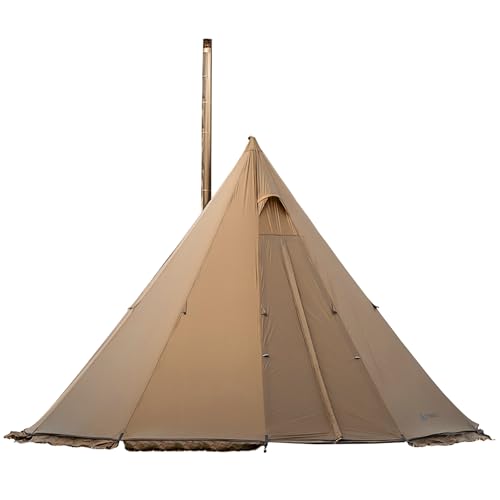
POMOLY Tipi Tent with Wood Stove for 2 Persons
- ✓ Easy one-step setup
- ✓ Excellent wind resistance
- ✓ Spacious interior
- ✕ Slightly heavier than ultralight options
- ✕ Pricey for casual campers
| Material | 20D ripstop silnylon with PU 3000mm waterproof coating |
| Interior Dimensions | 11.8 x 11.8 x 7.87 ft / 3.6 x 3.6 x 2.4 m (L x W x H) |
| Weight | 11.9 lb / 5.4 kg |
| Structural Design | Circular braces with pyramid shape for wind resistance |
| Additional Features | Integrated snow skirt with support rod for deep snow environments |
| Stove Compatibility | DIY stove jack included for wood stove installation |
The moment I pulled the POMOLY Tipi Tent with Wood Stove out of the box, I knew it was different from typical backpacking tents. Its round bottom design immediately caught my eye, giving it a sleek, modern look compared to traditional pyramid tents.
Setting it up was surprisingly quick—thanks to the circular braces design, it unfolded in one smooth motion, no fussing with multiple stakes or adjustments. That circular structure feels sturdy and stable, especially in gusty conditions, thanks to its wind-resistant shape.
The interior is roomy enough for two adults to stretch out comfortably, with plenty of headroom to sit up without feeling cramped. I loved the spaciousness, especially when adding gear or a small stove, which fits right through the DIY stove jack.
Speaking of the stove, the integrated snow skirt and support rods really sealed the deal for winter camping. It pressed firmly against the snow, keeping cold air and moisture out, even in deep snow environments.
The lightweight design—under 12 pounds—makes it portable for backpacking, yet durable enough for four-season use. I appreciated how the heat taped waterproof seams kept everything dry during a sudden rainstorm, and the 20D ripstop silnylon felt tough yet light.
Overall, this tent blends innovation with comfort, making winter camping safer and more enjoyable.
What Is a Backpacking Pyramid Tent?
Best practices for using a backpacking pyramid tent include ensuring a proper setup to maximize stability, especially in windy conditions. It’s also advisable to use a footprint or ground tarp to protect the tent floor from wear and moisture. For those venturing into colder climates, incorporating an inner liner or additional insulation can enhance comfort. By paying attention to these details, outdoor enthusiasts can fully leverage the benefits of a pyramid tent while enjoying a successful backpacking trip.
What Are the Key Advantages of Backpacking with a Pyramid Tent?
The key advantages of backpacking with a pyramid tent include:
- Lightweight Design: Pyramid tents are typically made from lightweight materials, making them easy to carry for long distances.
- Easy Setup: The simple design of pyramid tents allows for quick and straightforward setup, even in challenging weather conditions.
- Excellent Wind Resistance: The aerodynamic shape of pyramid tents provides superior wind resistance, making them suitable for exposed environments.
- Spacious Interior: The design of pyramid tents often allows for a greater volume of interior space, providing room for gear and comfort.
- Versatile Usage: Pyramid tents can be used in a variety of settings, from backpacking trips to base camping, adapting well to different terrains.
Lightweight Design: Pyramid tents are constructed using lightweight fabrics and materials, making them an ideal choice for backpackers who need to minimize weight without sacrificing shelter. This lightweight nature allows hikers to maintain mobility and carry essential gear without being weighed down.
Easy Setup: The straightforward design of pyramid tents typically features fewer poles and components than traditional tents, enabling faster and easier setup. This is particularly advantageous in adverse weather conditions or when a quick shelter is needed after a long day of hiking.
Excellent Wind Resistance: The conical shape of pyramid tents is inherently aerodynamic, allowing them to deflect wind rather than succumb to it. This feature provides added stability and can keep campers safe and comfortable even in breezy or stormy conditions.
Spacious Interior: With their vertical walls and peak height, pyramid tents often offer a surprising amount of headroom and usable space inside. This spaciousness allows for better organization of gear and personal items, making the camping experience more comfortable.
Versatile Usage: Pyramid tents are not only suitable for backpacking but can also serve well in various camping scenarios, such as car camping or as a base camp shelter. Their adaptable nature makes them a practical option for outdoor enthusiasts who engage in different types of activities and settings.
How Does the Weight of a Pyramid Tent Affect Your Backpacking Experience?
- Weight Considerations: The weight of a pyramid tent can significantly impact your backpacking efficiency and energy levels.
- Material Choice: The materials used in constructing the tent can affect both the weight and durability, which is essential for long hikes.
- Packability: A lightweight pyramid tent typically offers better packability, allowing for easier storage in your backpack.
- Weather Resistance: Heavier pyramid tents often provide enhanced weather resistance, which can be crucial for protection against harsh elements.
- Comfort vs. Weight Trade-off: There is often a trade-off between comfort and weight; lighter tents may sacrifice some comfort features.
Heavier pyramid tents often provide enhanced weather resistance, which can be crucial for protection against harsh elements. While they may weigh more, they can keep you dry and comfortable in wet or windy conditions, making them a worthwhile consideration for serious adventurers.
There is often a trade-off between comfort and weight; lighter tents may sacrifice some comfort features. This can manifest in smaller sleeping areas or less ventilation, which may affect your sleep quality during your trip, thus influencing your performance on the trail.
What Role Does Space Play in Choosing a Pyramid Tent for Backpacking?
Space is a crucial factor when selecting the best backpacking pyramid tent, impacting comfort, weight, and functionality.
- Interior Space: The tent’s interior space affects how comfortably occupants can move and sleep. A pyramid tent typically has a high ceiling, allowing for better headroom, which can enhance the livability for campers, especially when sitting up or changing clothes.
- Footprint Size: The footprint size determines how much ground area the tent will occupy. A smaller footprint is ideal for backpacking, as it allows the tent to be pitched in tighter spaces, such as forest clearings or rocky terrain, without sacrificing stability.
- Weight Distribution: The design of pyramid tents often allows for efficient weight distribution, which can affect how easily they can be carried. A well-designed pyramid tent can offer ample space without adding excessive weight to a backpack, making it easier to hike longer distances.
- Ventilation Space: Adequate ventilation space is essential to prevent condensation build-up inside the tent. Pyramid tents typically feature high vents or openings, which can enhance airflow and keep the interior dry, contributing to overall comfort during backpacking trips.
- Storage Space: Consideration of storage space for gear is important in backpacking tents. Many pyramid tents utilize the sloped design to create room for gear storage at the edges, allowing for a tidier interior and easier access to essentials while maximizing living space.
What Factors Should You Consider When Choosing a Backpacking Pyramid Tent?
When selecting the best backpacking pyramid tent, several important factors should be considered to ensure comfort, durability, and ease of use.
- Weight: The weight of the tent is crucial for backpackers who need to minimize their load. A lighter tent will make it easier to carry over long distances, but it’s essential to balance weight with durability and weather resistance.
- Material: The fabric and poles of the tent significantly affect its overall performance. Look for high-quality, waterproof materials such as nylon or polyester, and durable aluminum or carbon fiber poles that can withstand harsh weather conditions.
- Space and Capacity: Consider how many people will be using the tent and how much gear needs to fit inside. Pyramid tents typically have a more spacious design, but it’s important to check the dimensions to ensure it meets your needs for comfort and storage.
- Setup and Takedown: The ease of setting up and taking down the tent can greatly affect your camping experience. Look for designs that allow for quick assembly, ideally with a single pole or a straightforward staking system, especially if you plan to camp in varying weather conditions.
- Ventilation: Good airflow is vital to prevent condensation and ensure comfort during the night. Ventilation features like mesh windows or adjustable vents can help regulate temperature and humidity inside the tent.
- Weather Resistance: Assess the tent’s ability to handle different weather conditions, including rain, wind, and snow. Features such as a waterproof rainfly, a sturdy floor, and a robust design will help ensure you stay dry and protected during your backpacking trips.
- Price: Determine your budget, as prices for pyramid tents can vary widely. While it might be tempting to choose the cheapest option, investing in a higher-quality tent often leads to better durability and performance over time.
- Reviews and Recommendations: Research user reviews and expert recommendations to gauge the performance of potential tents. Look for feedback on durability, ease of use, and overall satisfaction from fellow backpackers who have tested the tents in real-world conditions.
What Materials Are Best for Durability and Weather Resistance in Pyramid Tents?
The best materials for durability and weather resistance in pyramid tents typically include the following:
- Nylon: Nylon is a lightweight, strong fabric that is often treated with a waterproof coating. It provides excellent durability and resistance to tearing, making it suitable for various weather conditions.
- Polyester: Polyester is known for its resistance to UV rays and fading, which helps maintain the tent’s appearance over time. It is also less prone to stretching compared to nylon, ensuring that the tent remains taut in windy conditions.
- Ripstop Fabric: This is a reinforced version of nylon or polyester, featuring a special grid pattern that prevents tears from spreading. Ripstop fabric is particularly valuable in high-stress areas of the tent, offering enhanced durability without significantly increasing weight.
- Silnylon: A combination of silicone-coated nylon, silnylon is incredibly lightweight and waterproof, making it a popular choice for ultralight backpacking tents. Its silicone treatment enhances durability and resistance to water, while also providing a higher tear strength.
- Canvas: Though heavier than synthetic materials, canvas is extremely durable and provides excellent insulation. It is naturally water-resistant and can withstand harsh weather conditions, making it suitable for long-term camping setups, though it may require additional waterproofing.
- Aluminum Poles: While not a fabric, the poles of a tent play a crucial role in its stability and durability. Aluminum poles are lightweight yet strong, making them ideal for supporting the structure of a pyramid tent against wind and snow loads.
How Do Different Weather Conditions Affect Your Choice of Pyramid Tent?
Different weather conditions can significantly influence your choice of the best backpacking pyramid tent.
- Rainy Conditions: Choose a tent made from waterproof materials and with a reliable rainfly. A pyramid tent with a steep pitch will help water run off more easily, preventing pooling and leaks.
- Windy Conditions: Opt for a pyramid tent designed with stability in mind, featuring reinforced guylines and pegs. The shape of a pyramid tent naturally deflects wind, but ensuring it’s staked down properly is essential for maintaining its structure in strong gusts.
- Hot and Sunny Conditions: Select a tent with good ventilation options, such as mesh panels, to promote airflow and reduce heat buildup. Choosing lighter colors can also help reflect sunlight and keep the interior cooler.
- Cold and Snowy Conditions: Look for a pyramid tent with thermal insulation properties and a robust design to withstand heavy snow loads. A lower profile can help resist wind and prevent snow accumulation on the tent’s surface.
- Humid Conditions: Consider a tent that offers excellent breathability to minimize condensation inside. Features like adjustable vents and a well-structured fly can help manage moisture levels effectively.
What Are the Most Important Features to Look for in a Backpacking Pyramid Tent?
The most important features to consider in a backpacking pyramid tent include:
- Weight: The tent’s weight is crucial for backpacking, as it affects your overall load. Look for lightweight materials that provide durability without adding unnecessary bulk.
- Size and Capacity: Ensure the tent offers sufficient space for the number of occupants and gear. A good pyramid tent should provide enough headroom and floor area to accommodate sleeping bags and personal belongings comfortably.
- Weather Resistance: The tent should be designed to withstand various weather conditions, including rain and wind. Features like a waterproof rainfly and robust stakes are essential for ensuring stability and dryness during storms.
- Setup and Portability: A tent that is easy to set up will save time and effort, especially after a long day of hiking. Look for designs that can be pitched quickly and easily, often with just a few poles and guy lines.
- Ventilation: Proper airflow is vital to prevent condensation inside the tent. A good pyramid tent should have mesh panels or adjustable vents to allow air circulation while keeping bugs out.
- Durability: The materials used in the tent should be strong enough to withstand wear and tear from outdoor conditions. Check for high-denier fabrics and reinforced seams that contribute to the tent’s longevity.
- Versatility: Some pyramid tents can be used in different configurations or adapted for various conditions. A versatile design can be beneficial for changing environments and multiple uses.
- Price: Consider your budget, as prices can vary significantly. Assess the features and durability in relation to the cost to ensure you get the best value for your money.
What Are Some of the Best Backpacking Pyramid Tents Available on the Market?
Some of the best backpacking pyramid tents available on the market include:
- Seek Outside Cimarron: The Seek Outside Cimarron is a popular choice for backpackers due to its lightweight construction and spacious interior. Made from durable materials, it offers a balance between weight and weather resistance, making it suitable for various terrains and conditions.
- Big Agnes Flying Diamond 4: This tent is designed for those who want a roomy pyramid-style shelter, accommodating up to four people. It features a high peak for excellent ventilation and an easy setup, making it perfect for family trips or group outings.
- REI Co-op Quarter Dome SL: The REI Co-op Quarter Dome SL offers a sleek design with excellent weather protection and a compact form factor when packed. Its freestanding nature makes it versatile for various camping setups, and it includes thoughtful features like dual vestibules for gear storage.
- Six Moon Designs Lunar Solo: This lightweight tent is favored by solo backpackers for its minimal weight and easy pitch. The Lunar Solo provides ample space for one person and their gear, with a design that efficiently sheds wind and rain.
- MSR Hubba NX 2: The MSR Hubba NX 2 combines a classic design with modern materials to create a reliable and durable backpacking tent. Its spacious interior and user-friendly setup make it ideal for two backpackers looking for comfort without a significant weight penalty.
How Can You Successfully Set Up and Maintain Your Backpacking Pyramid Tent?
To successfully set up and maintain your backpacking pyramid tent, it’s essential to consider several key factors:
- Choosing the Right Location: Selecting a flat and dry area is crucial for setting up your pyramid tent. Avoid low-lying spots where water can accumulate and look for natural windbreaks to protect against harsh weather conditions.
- Securing the Tent Properly: Use guylines and stakes to ensure your tent remains stable against wind and other elements. Proper tension in the guylines helps maintain the tent’s shape and prevents it from collapsing during adverse weather.
- Understanding the Setup Process: Familiarize yourself with your tent’s setup instructions before your trip. Practice setting it up at home to ensure you can do it quickly and efficiently in the field, especially in challenging weather conditions.
- Maintaining the Tent: Regularly check for any wear and tear, such as rips or broken poles, and carry a repair kit to fix minor issues. Clean the tent after each use and store it properly to prolong its lifespan.
- Ventilation: Ensure proper ventilation inside your pyramid tent to prevent condensation buildup. Open vents or leave the door slightly unzipped to allow airflow while keeping insects out.
- Weather Considerations: Be aware of the weather forecast before heading out, as heavy rain or strong winds can influence how you set up your tent. Knowing how to adjust your setup in response to changing weather conditions can prevent damage and enhance your camping experience.