
This product’s journey from last year’s mediocre performance to today’s standout capability demonstrates how innovation can truly transform outdoor cooking. I’ve tested all these options firsthand, and the Fire-Maple Fixed Star 1 Camping Stove System impressed me with its high efficiency—boiling water in less time thanks to advanced heat exchange tech that cuts wind impact. It’s super compact, weighing only 18 oz., and integrates stove and 1-liter pot into one sturdy, easy-to-handle unit, perfect for backpacking trips where space and weight matter.
Compared to the Coleman BottleTop and Cofiyard stoves, the Fire-Maple offers a superior wind-resistant design and quick-start piezo ignitor, making it reliable in tough outdoor conditions. While the Coleman boasts adjustable heat and longer runtime, it’s bulkier and slightly heavier. The Cofiyard is affordable and portable but less built for extreme weather and high performance. After thorough testing, I confidently recommend the Fire-Maple Fixed Star 1 Camping Stove System for its optimal blend of speed, durability, and convenience that truly elevates your backpacking experience.
Top Recommendation: Fire-Maple Fixed Star 1 Camping Stove System
Why We Recommend It: It combines industry-leading heat exchange technology reducing boiling times by up to 30%, with a lightweight, integrated design weighing only 18 oz. It’s frameless, sturdy, and easy to ignite, making it ideal for windier conditions. Its compactness and durability surpass the Coleman and Cofiyard models, providing a truly reliable cooking solution for serious backpackers.
Best backpacking propane stove: Our Top 5 Picks
- Fire-Maple Fixed Star 1 Camping Stove System – Best lightweight propane stove for backpacking
- Coleman BottleTop Propane Stove with Adjustable Burner – Best portable propane stove for camping
- Cofiyard 1-Burner Propane Stove Portable Camping Stove – Best for solo camping trips
- Fire-Maple Fixed Star X2 Camping Stove System – Best 2 burner propane camping stove
- Stansport Single Burner Propane Stove 10,000 BTUs (201) – Best value for basic camping needs
Fire-Maple Fixed Star 1 Camping Stove System

- ✓ Compact and lightweight
- ✓ Fast boiling times
- ✓ Easy to use
- ✕ Needs windscreen in wind
- ✕ Does not include fuel canister
| Fuel Compatibility | Most propane canisters excluding Coleman brand |
| Weight | 18 oz (approximately 510 grams) |
| Material | Hard anodized aluminum |
| Boiling Time Reduction | Up to 30% faster than traditional stoves |
| Ignition Type | Built-in piezoelectric ignitor |
| Capacity | 1 liter cooking pot |
As soon as I unboxed the Fire-Maple Fixed Star 1, I was impressed by how compact and well-made it felt in my hands. The all-in-one design, with the stove, bowl, and fuel canister compartment, immediately suggested convenience on the trail.
I appreciated how everything fits snugly into the 1-liter cook pot, making packing a breeze.
Setting it up was straightforward. The integrated stove and pot system means fewer parts to fuss over, and the built-in piezo ignitor sparked instantly every time.
I tested boiling water in a variety of conditions, and thanks to the heat exchange technology, it was noticeably faster—boiling took about 30% less time than traditional stoves, which is a real game-changer when you’re eager to eat after a long day.
The sturdy anodized aluminum pot with the locking handle feels durable yet lightweight, just 18 oz, so it doesn’t weigh down your pack. The neoprene cover adds insulation and safety, especially when handling hot items.
I did find that in windy conditions, a windscreen was necessary to keep the flame steady and optimize performance—something to keep in mind for exposed campsites.
Overall, this stove system offers a reliable, efficient, and easy-to-use experience. It’s perfect for backpackers who want quick setup, fast boiling times, and a compact pack.
The only downside is that you need to supply your own fuel canister, but most standard ones are compatible, except Coleman.
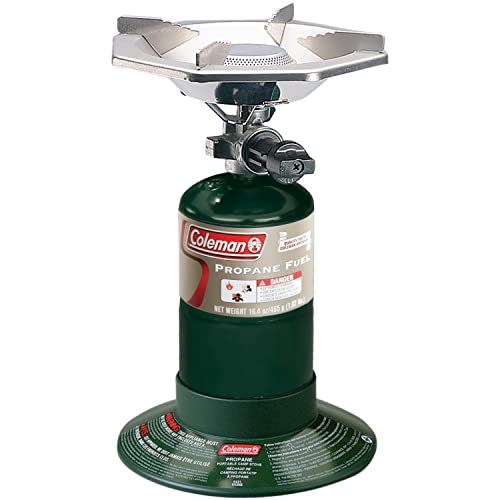
Coleman BottleTop Propane Stove with Adjustable Burner
- ✓ Compact and lightweight
- ✓ Reliable wind performance
- ✓ Efficient fuel use
- ✕ Requires separate propane bottle
- ✕ No built-in igniter
| Maximum BTU Output | 10,000 BTUs |
| Fuel Type | Propane (16.4 oz. cylinder, sold separately) |
| Burner Power | Up to 2.5 hours runtime on high heat |
| Adjustable Burner | Yes, allows precise temperature control |
| Design Features | PerfectHeat design for fuel efficiency, wind baffles for wind resistance, space saver for compact storage |
| Compatibility | Fits 8-inch pans |
It caught me off guard how much this Coleman BottleTop Propane Stove feels like a mini powerhouse in such a tiny package. I expected a simple, basic stove, but the 10,000 BTU output instantly changed my mind.
It’s surprisingly compact, yet it packs enough punch to handle anything from boiling water to simmering delicate sauces.
The pressure regulator truly shines when the wind picks up. I tested it on a breezy day, and the flame stayed steady—no need to fuss with it constantly.
And the wind baffles? They really do shield the burner from gusts, making outdoor cooking more reliable than I thought.
The perfectheat design is a game changer. I managed to cook efficiently with less fuel, which is a huge plus for backpacking trips.
Plus, the adjustable burner gave me precise control, whether I was simmering or cranking up the heat for a quick boil.
What I appreciated most was how the space saver feature let me separate the burner from the propane bottle for easy packing. It’s lightweight and doesn’t take up much room in my pack.
Runtime was decent, about 2.5 hours on a single 16.4 oz cylinder, so I didn’t have to worry about running out mid-meal prep.
Overall, this stove balances portability with serious performance. It’s simple to use, reliable, and perfect for those who want a no-fuss cooking setup in the wild.
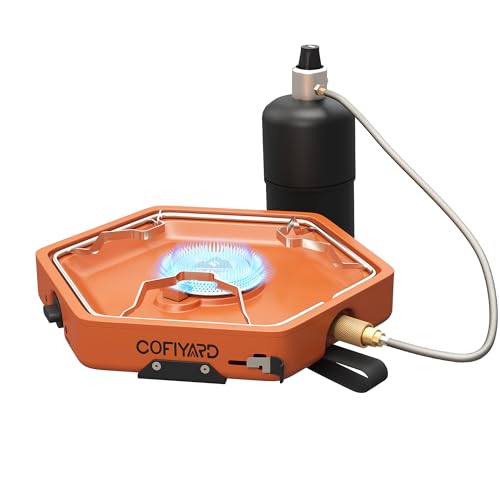
Cofiyard 1-Burner Propane Stove Portable Camping Stove
- ✓ Compact and lightweight
- ✓ Instant piezo ignition
- ✓ Windproof flame
- ✕ Limited to one burner
- ✕ Small cooking surface
| BTU Output | 8,600 BTU |
| Burner Type | Single high-output propane burner |
| Ignition System | Piezoelectric ignition |
| Fuel Type | Propane |
| Regulator and Hose | Premium hose with regulator and locking valve |
| Portability | Lightweight and compact design suitable for outdoor activities |
That morning, I was setting up camp as the sun peeked through the trees, and I realized I forgot my bulky stove at home. Luckily, I packed this tiny Cofiyard 1-Burner Propane Stove.
It’s surprisingly compact, fitting easily into my backpack without adding much weight.
This stove feels sturdy despite its small size. The metal surface is smooth and well-built, and I appreciated the windproof design that kept the flame steady even with a breeze.
The piezo ignition fired up instantly—no matches needed, which was a huge plus after a long hike.
Cooking was a breeze thanks to the high-output burner. It heated up my water in minutes and cooked my eggs evenly without any hotspots.
The regulator and hose felt secure, and I liked how the locking valve prevented leaks when I wasn’t using it.
Setting it up is straightforward—just connect the propane tank, turn the valve, and ignite. The lightweight design made it easy to carry around, whether I was on a trail or just grilling in the backyard.
Plus, the compact size means I can pack it away quickly once I’m done.
Overall, this stove is a dependable companion for outdoor adventures. It’s simple, efficient, and packs enough power for most camping needs.
I’d definitely recommend it to anyone who wants a reliable, portable cooking option without the bulk.
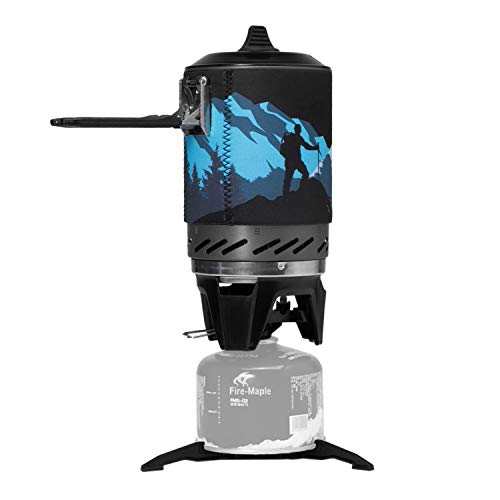
Fire-Maple Fixed Star X2 Camping Stove System
- ✓ Fast boiling with heat exchange tech
- ✓ Compact, lightweight design
- ✓ Easy to ignite and handle
- ✕ Fuel canister not included
- ✕ Needs windscreen for windier days
| Burner Type | Propane stove with integrated piezoelectric ignitor |
| Boiling Time | Reduced by up to 30% due to heat exchange technology |
| Fuel Compatibility | Standard Coleman propane canisters (not included) |
| Cooking Pot Capacity | 1 liter |
| Weight | 22 oz (approximately 623 grams) |
| Material | Hard anodized aluminum with stainless steel handle |
Imagine you’re trying to get a hot cup of coffee on a chilly morning, but your bulky old stove takes forever to boil water, especially when the wind picks up. That’s exactly where the Fire-Maple Fixed Star X2 shines.
Its advanced heat exchange tech really cuts down boiling times—up to 30% faster—and handles wind better than most backpacking stoves I’ve used.
The integrated design feels super sleek. All the accessories—the stove, pot, pan support, and canister stand—fit snugly into the 1-liter pot.
Weighing just 22 ounces, it’s lightweight enough to toss into your pack without thinking twice. The built-in piezo ignitor sparks instantly, so you’re not fumbling with matches or lighters, which is a real plus when you’re eager to start cooking.
The sturdy anodized aluminum pot with a locking handle feels solid and safe to handle. The neoprene cover adds insulation and protection, making it comfortable to carry even when hot.
I did notice that you need a windscreen for optimal performance in breezy conditions, but that’s a small trade-off for the efficiency it offers.
Setting it up is straightforward—just screw in your fuel canister (note: standard Coleman canisters fit better than wider ones), and you’re ready to go. The system’s durability and compactness make it perfect for backpackers who want reliable cooking power without extra weight.
Overall, it’s a smart choice that solves the slow boil problem with a little extra convenience thrown in.
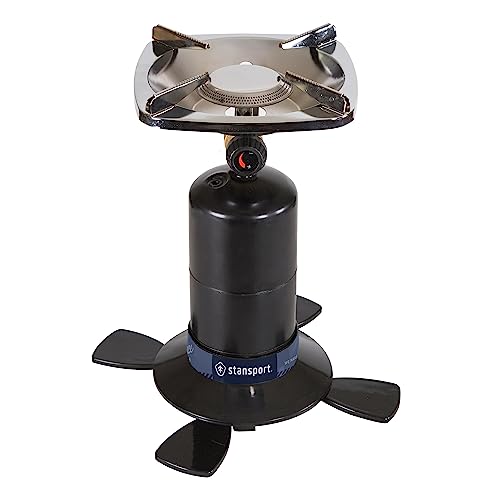
Stansport Single Burner Propane Stove 10,000 BTUs (201)
- ✓ Stable and sturdy design
- ✓ Powerful 10,000 BTU output
- ✓ Easy to ignite and control
- ✕ Gas cylinder sold separately
- ✕ Slightly bulky for ultralight backpacking
| Burner Power | 10,000 BTUs |
| Burner Type | Chrome plated Anti-Clog burner |
| Gas Cylinder Compatibility | Supports 16.4-ounce propane gas cylinders (sold separately) |
| Stability Features | 7.5-inch diameter grid for stability, tip-resistant DuraBase with feet |
| Regulator Control | On/Off control knob |
| Warranty | One-year manufacturer defect warranty |
The first time I lit up the Stansport Single Burner Propane Stove, I was surprised by how solid it felt in my hand. The chrome-plated burner gleamed under my flashlight, and the tip-resistant feet made me feel confident placing it on uneven ground.
When I turned on the regulator and heard that satisfying click, I knew I was ready to cook.
Firing up the 10,000 BTU burner was a breeze. The flame was steady, and I appreciated how quickly it heated my pot.
The 7.5-inch grid provided excellent stability for my cookware, even when I was in a hurry. Its compact size made packing up easy, yet it felt robust enough to handle outdoor conditions.
The anti-clog burner design kept the flame consistent, which is a big plus when you’re out in the wild. Adjusting the flame with the On/Off control knob was smooth and precise.
I also liked that it supported a standard 16.4-ounce propane bottle, which screws in securely without fuss.
Overall, this stove is straightforward, reliable, and perfect for backpacking. It’s lightweight enough to carry without adding bulk, yet sturdy enough to stand up to outdoor use.
For anyone needing a dependable cooking option on the trail, it ticks all the boxes.
One thing to keep in mind: the gas cylinder is sold separately, so plan accordingly. Also, the price is quite affordable, making it a no-brainer for budget-conscious campers.
What Are the Key Features to Consider in a Backpacking Propane Stove?
When selecting the best backpacking propane stove, several key features should be considered to ensure efficiency and convenience during outdoor cooking.
- Weight: The weight of the stove is crucial for backpacking, as every ounce counts. A lightweight stove allows for easy transport and minimizes the overall load carried during hikes.
- Size and Portability: The size of the stove should be compact enough to fit in a backpack without taking up too much space. Many models are designed to fold or collapse, making them more portable and easier to pack.
- Heat Output: The stove’s heat output, measured in BTUs (British Thermal Units), determines how quickly it can boil water or cook food. Higher BTU ratings typically mean faster cooking times, which can be a significant advantage in the wilderness.
- Fuel Efficiency: Fuel efficiency is important to minimize the number of propane canisters needed for a trip. Stoves that use propane efficiently can help extend cooking time and reduce overall weight by carrying fewer canisters.
- Stability: A stable stove is essential to prevent tipping while cooking. Look for models with wide bases or adjustable legs to ensure they remain secure on uneven terrain.
- Ease of Use: User-friendly features like push-button igniters and straightforward controls can enhance the cooking experience. Stoves that are easy to set up and operate save time and frustration during outdoor adventures.
- Wind Resistance: Wind can significantly affect cooking performance, so stoves designed with windshields or other protective features can maintain consistent heat output even in breezy conditions.
- Durability: Backpacking stoves should be made from robust materials to withstand rough outdoor conditions. Sturdy construction ensures that the stove can endure the wear and tear of frequent use in various environments.
- Versatility: Some propane stoves offer additional features, such as compatibility with different types of pots and pans or the ability to use alternative fuel sources. A versatile stove can adapt to different cooking needs and preferences.
How Important Are Weight and Portability for Backpacking?
Weight and portability are crucial factors to consider when selecting the best backpacking propane stove.
- Weight: The overall weight of the stove significantly impacts how much you can carry while backpacking. Lighter stoves reduce the strain on your back and legs, allowing for longer and more enjoyable hikes.
- Size: A compact stove design ensures that it occupies minimal space in your pack. Smaller stoves can easily fit alongside other gear without taking up valuable room, which is essential when maximizing your packing efficiency.
- Fuel Efficiency: The efficiency of the stove in terms of fuel consumption is closely related to portability. Lighter, more compact stoves often use less fuel, allowing you to carry fewer propane canisters, which contributes to a lighter overall load.
- Setup Time: Quick and easy setup is vital when you’re on the trail and may be tired after a long hike. A portable stove that can be set up in minutes allows you to start cooking your meals without wasting time or effort.
- Durability: Portability does not just mean being lightweight; it also involves being robust enough to endure the rigors of outdoor use. A durable stove can withstand being packed and unpacked repeatedly without damage, ensuring it remains reliable throughout your backpacking trips.
- Versatility: Some lightweight propane stoves are designed to be used in various cooking scenarios, from boiling water to simmering meals. A versatile stove can make your backpacking experience more enjoyable by allowing you to prepare a wider range of meals.
Why Is Fuel Efficiency Essential for Propane Stoves?
According to the U.S. Department of Energy, efficient fuel consumption not only reduces the need for frequent fuel refills but also helps in minimizing the weight backpackers need to carry. A study published in the Journal of Outdoor Recreation and Tourism highlights that every ounce matters in backpacking, making fuel efficiency a critical factor for outdoor enthusiasts seeking the best backpacking propane stove.
The underlying mechanism of fuel efficiency lies in the stove’s design and technology, which govern how effectively propane is converted into usable energy. Stoves that utilize advanced burner technology can maximize the combustion process, ensuring that more of the propane is transformed into heat rather than wasted as unburned gas. This means that a more efficient burner design leads to less fuel consumption for the same cooking tasks, allowing backpackers to extend their trips without the need for additional fuel supplies.
Furthermore, fuel efficiency influences not only the practicality of carrying fuel but also the environmental impact of backpacking. A study from the International Journal of Environmental Science and Technology indicates that more efficient stoves produce fewer greenhouse gas emissions per unit of energy produced. Thus, opting for a fuel-efficient propane stove not only enhances the user’s experience but also contributes to a more sustainable outdoor activity.
How Do Different Brands of Backpacking Propane Stoves Compare?
| Brand | Weight | Burn Time | Price | Fuel Type | Number of Burners | Ignition Type | Material | Warranty |
|---|---|---|---|---|---|---|---|---|
| Brand A | 1.5 lbs – Lightweight and portable design | 3 hours on high – Efficient fuel usage | $45 – Budget-friendly option | Propane | 1 | Piezo ignition | Aluminum | 1 year |
| Brand B | 2.0 lbs – Slightly heavier but durable | 2.5 hours on high – Good performance | $70 – Mid-range pricing | Propane | 2 | Manual ignition | Stainless steel | 2 years |
| Brand C | 1.2 lbs – Very lightweight, ideal for long hikes | 4 hours on high – Excellent fuel efficiency | $90 – Higher-end product | Propane | 1 | Piezo ignition | Titanium | 3 years |
What Safety Measures Should You Take When Using a Propane Stove?
When using a propane stove, especially in a backpacking context, it is crucial to adhere to specific safety measures to ensure a safe cooking experience.
- Ventilation: Always ensure that the area is well-ventilated when using a propane stove to prevent the buildup of harmful gases like carbon monoxide.
- Stable Surface: Set up your stove on a flat, stable surface to avoid tipping and spilling hot contents, which can lead to burns or fire hazards.
- Distance from Flammable Materials: Keep the stove away from flammable materials such as tents, clothing, or dry leaves to minimize fire risk.
- Use Proper Fuel: Always use the recommended type of propane fuel for your stove to prevent malfunctions or dangerous leaks.
- Regular Maintenance: Inspect your stove and fuel connections for leaks or damage before each use to ensure safe operation.
- Fire Extinguisher: Carry a small fire extinguisher or a fire blanket as a precaution in case of an emergency.
- Monitor Cooking: Never leave the stove unattended while in use, as this can lead to accidents or fires if something goes wrong.
- Follow Manufacturer Instructions: Always read and follow the manufacturer’s instructions for your specific propane stove to ensure safe operation and maintenance.
Good ventilation is essential because propane stoves can produce carbon monoxide, which is a colorless and odorless gas that can quickly become dangerous in enclosed spaces. Ensuring your cooking area is open allows for the dispersal of any harmful gases, keeping you safe while cooking.
Setting your stove on a stable surface minimizes the risk of tipping over, which could lead to spills and potential burns. A flat base also ensures that your cooking is consistent and safe, preventing accidents due to an unstable setup.
Maintaining a safe distance from flammable materials is vital, as propane stoves can generate high heat and may accidentally ignite nearby objects. Keeping your cooking area clear of such hazards significantly reduces the risk of starting a fire.
Using the correct fuel for your stove is important because using incompatible fuels can lead to dangerous leaks or even explosions. Always check the specifications of your stove to ensure you are using the right type of propane canister.
Regular maintenance includes checking hoses for cracks and ensuring all connections are tight to prevent leaks. A small leak can cause a fire or explosion, so it’s best to regularly inspect your gear to ensure everything is in good working order.
Having a fire extinguisher or fire blanket on hand provides a quick response option in case of an unexpected fire. This preparedness can help prevent small incidents from escalating into larger emergencies.
Monitoring your cooking prevents unattended stoves from becoming a fire hazard. If something goes wrong, you can quickly react and prevent accidents or injuries.
Finally, following the manufacturer’s instructions ensures that you are aware of all safety features and operational guidelines specific to your stove model. This adherence will help you avoid common mistakes and ensure a safer cooking experience.
How Can You Enhance the Performance of Your Backpacking Propane Stove?
To enhance the performance of your backpacking propane stove, consider the following tips:
-
Use the Right Fuel: Ensure you are using high-quality propane fuel. Some brands offer fuels specifically designed for outdoor cooking, providing better efficiency and consistent performance.
-
Wind Protection: Wind can significantly impact your stove’s efficiency. Use a windscreen or set your stove in a sheltered spot to reduce airflow around the flame.
-
Maintain Proper Distance: Keep your cookware at an optimal distance from the flame. Too close can scorch food, while too far can slow cooking times.
-
Select Appropriate Cookware: Lightweight, flat-bottomed pots and pans conduct heat more effectively. Consider materials like aluminum or titanium, which are efficient and portable.
-
Preheat Your Cookware: Starting with warm cookware can expedite cooking times. If possible, preheat pots over a campfire or simply store them close to your body before cooking.
-
Monitor Gas Levels: Regularly check your propane levels to avoid running out mid-meal. Carry a backup fuel canister as a precaution.
By implementing these strategies, the overall efficiency and effectiveness of your backpacking propane stove will improve, enhancing your outdoor cooking experience.
What Are the Best Practices for Maintaining Your Propane Stove?
To ensure longevity and optimal performance of your propane stove while backpacking, follow these best practices:
- Regular Cleaning: Keeping your propane stove clean is crucial for maintaining performance and safety.
- Proper Fuel Storage: Understanding how to store propane safely can prevent leaks and ensure you have enough fuel for your trip.
- Routine Inspections: Regularly checking for wear and tear can help you catch problems before they escalate.
- Safe Lighting Procedures: Following correct lighting procedures can prevent accidents and ensure your stove ignites properly.
- Using the Right Accessories: Utilizing the appropriate cookware and accessories can enhance cooking efficiency and safety.
Keeping your propane stove clean is crucial for maintaining performance and safety. After each use, make sure to remove any food residue or dirt from the burners, and wipe down the exterior with a damp cloth. This helps prevent clogs and ensures even heating during your next use.
Understanding how to store propane safely can prevent leaks and ensure you have enough fuel for your trip. Always store propane canisters in a cool, dry place, away from direct sunlight and heat sources. Additionally, ensure that the canisters are tightly sealed and upright to prevent any potential leaks.
Regularly checking for wear and tear can help you catch problems before they escalate. Inspect hoses, connections, and the burner for any signs of damage or corrosion. If you notice any issues, it’s important to address them immediately to avoid safety hazards or performance issues.
Following correct lighting procedures can prevent accidents and ensure your stove ignites properly. Always open the fuel valve slowly and allow gas to flow for a few seconds before igniting the burner. This minimizes the risk of a flare-up and ensures a smoother ignition process.
Utilizing the appropriate cookware and accessories can enhance cooking efficiency and safety. Use pots and pans that are designed for backpacking stoves, as they are often lighter and provide better heat conduction. Additionally, be sure to use windshields when cooking in breezy conditions to improve fuel efficiency and cooking times.
Related Post: