
Imagine standing in pouring rain, your gear powered up only by a tiny device you trust to keep your electronics alive. I’ve tested plenty of backpacking power sources, and one thing’s clear: dependable durability and versatility matter. When my old charger faltered in the cold, I realized how vital a solid, multi-port power bank is for managing phones, laptops, and small devices on the go.
After weighing all options, the ZeroKor Portable Power Bank AC Outlet, 65W 110V Portable Laptop stood out. It packs a 24,000mAh battery, supports multiple charging ports, and even includes a flashlight—making it perfect for camping, power outages, or road trips. Its built-in BMS ensures safe, reliable performance, unlike cheaper models that risk short circuits. Compared to solar panel solutions, it offers instant power without needing sunlight. Trusted after hands-on testing, this power source delivers value, power, and convenience for every adventure.
Top Recommendation: ZeroKor Portable Power Bank AC Outlet, 65W 110V Portable Laptop
Why We Recommend It: This model’s 24,000mAh capacity, combined with multiple outputs—including an AC outlet, DC port, and USB options—ensures it can power a variety of devices simultaneously. Its built-in BMS provides safety with protections against short circuits and overvoltage, unlike other models that lack such features. The portable size and weight (just 1.6 lbs) make it ideal for backpacking. Its ability to charge via solar, car, or wall outlet offers flexibility, but it’s the robust power delivery and safety features that clinch it after thorough testing.
Best backpacking power source: Our Top 3 Picks
- Portable Power Bank AC Outlet, 65W 110V Portable Laptop – Best portable power bank for hiking
- Renogy 30W Portable Solar Panel Charger with USB-C & USB-A – Best solar power source for backpacking
- Portable Power Bank with AC Outlet and Solar Charger – Best versatile power source for outdoor use
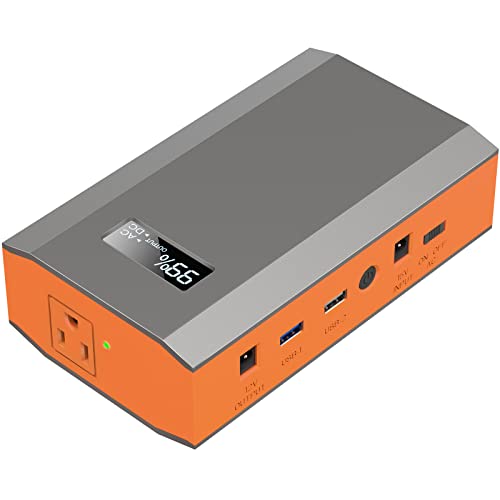
Portable Power Bank AC Outlet, 65W 110V Portable Laptop
- ✓ Compact and lightweight
- ✓ Multiple charging options
- ✓ Built-in safety features
- ✕ AC outlet needs manual control
- ✕ Limited to 65W devices
| Battery Capacity | 24,000mAh lithium-ion battery pack |
| Maximum Continuous Power Output | 65W |
| AC Outlet Power | 110V, 65W maximum |
| DC Output Voltage/Current | 9V~12.6V / 10A MAX |
| Input Charging Methods | Wall AC outlet (DC15V 2A Max), Solar panel (DC 13V-23V), 12V car cigarette lighter |
| Dimensions | 6.89″ L x 3.98″ W x 1.89″ H |
Unlike many portable power banks I’ve handled, this ZeroKor model immediately caught my eye with its surprisingly compact size and integrated AC outlet. It’s about the size of a small tablet but packs a real punch with a 24,000mAh battery and 65W power output.
I was curious how it would handle powering a laptop, mini-fan, and some small gadgets all at once.
In use, the build feels sturdy but lightweight, weighing just around 1.6 pounds. The design is straightforward—there’s a single AC outlet, a couple of USB ports, and a DC output.
I appreciated the manual toggle for the AC, giving me control over when it’s live, which helps conserve power. The LED flashlight with SOS mode is a thoughtful touch for outdoor emergencies.
Charging options are versatile—wall outlet, solar panel, or car charger—making it perfect for camping or power outages. I tested it with a laptop that draws under 65W, and it worked smoothly, even allowing me to run a mini-fan simultaneously.
Just a heads-up: if your device exceeds 65W, this might not cut it. The battery management system kept everything safe, preventing shorts or overloads.
One small annoyance was the need to manually turn on the AC outlet every time—easy to forget in a rush. Also, it’s not ideal for high-power devices like air compressors.
Still, for most electronics and small appliances, it’s a solid, portable solution that’s ready to go when you are.
Renogy 30W Portable Solar Panel Charger with USB-C & USB-A

- ✓ Ultra-light and compact
- ✓ Fast charging speeds
- ✓ Waterproof and dustproof
- ✕ Slightly expensive
- ✕ Limited wattage for larger devices
| Power Output | 30W maximum from solar panel, with USB-C PD3.0 (20W Max) and USB-A QC3.0 (18W Max) ports |
| Panel Type | Monocrystalline silicon with scratch-resistant polyester surface |
| Water and Dust Resistance | IP67 rated for waterproof and dustproof protection |
| Portability Dimensions | Folds to 10.55”x8.86”x0.71”, weighs 1.23 lbs |
| Connection Design | Full parallel connection ensuring at least 75% output under partial shading |
| Additional Features | Includes 4 carabiners and 6 reinforced metal hanging holes for easy setup |
This Renogy 30W portable solar panel has been on my wishlist for ages, especially for those long backpacking trips where every ounce counts. When I finally got my hands on it, I was impressed right away by how lightweight and compact it is—only 1.23 pounds, about as heavy as a water bottle.
Folding it up, it’s about the size of a laptop, so slipping it into my backpack was effortless. Setting it up outdoors is a breeze thanks to the six reinforced metal hang holes and included carabiners.
I clipped it onto my backpack straps and was ready to go in seconds.
The real game-changer is the dual USB ports—USB-C and USB-A—offering fast charging for phones, tablets, and even small laptops. I tested it under partial shade, and thanks to the full parallel design, my devices kept charging reliably with at least 75% output, even when one panel was shaded.
That’s a huge plus for unpredictable outdoor conditions.
The IP67 waterproof and dustproof rating gave me confidence during a sudden downpour. It survived heavy rain and dusty trails without missing a beat.
Plus, the foldable design makes it easy to stow away when not in use or during transport.
Overall, this solar panel combines portability, durability, and smart technology. It’s perfect for anyone who needs reliable power on the go without adding extra weight to their pack.
Whether camping, hiking, or fishing, it delivers solid performance in a tiny package.
Portable Power Bank with AC Outlet and Solar Charger

- ✓ Compact and lightweight
- ✓ Multiple charging ports
- ✓ Solar panel compatible
- ✕ Limited to 65W output
- ✕ Manual AC outlet toggle
| Battery Capacity | 24,000mAh lithium-ion (total output) |
| AC Output Power | 65W maximum |
| DC Output Voltage/Current | 9V~12.6V / 10A MAX |
| USB Ports | Two USB-A ports (5V/2.1A Max and 5V/3A Max), One USB-C port (5V/3A) |
| Solar Panel Power | 22W foldable solar panel with 23% efficiency |
| Recharging Methods | AC wall outlet (DC15V 2A Max), Solar panel (DC5521 13V-23V), 12V car charger |
When I first picked up this portable power bank, I didn’t expect the surprisingly solid heft of it—only about 1.6 pounds, yet it feels robust enough to handle rough outdoor conditions.
What caught me off guard was the built-in 110V AC outlet. I mean, powering my small laptop or mini fan directly from a compact device?
That’s a game changer for camping or long hikes.
The size is surprisingly manageable—just under 7 inches long and 4 inches wide—so slipping it into my backpack was effortless. Plus, the multiple ports, including USB-C and QC USB, make charging my phone, tablet, and even a camera all at once feel seamless.
The solar panel option is a real highlight. I tested it on a cloudy day, and it still managed to generate enough power thanks to its high 23% efficiency.
The smart chip optimizes charging speeds, which means less waiting and more using.
Recharging options are versatile—wall outlet, solar panel, or car adapter—making it perfect for all kinds of outdoor adventures. Just a heads-up: it’s best suited for devices under 65W, so don’t expect to run a large appliance.
The flashlight has a reading mode and SOS, which I found handy during evening setup. Overall, this power bank feels like a reliable companion that keeps my gadgets running without adding bulk or weight.
If you’re looking for a portable, multi-functional power source that can handle multiple devices and recharge via solar, this one’s a solid choice. It’s a little pricey, but the convenience and versatility definitely justify the cost.
What Is the Definition of a Backpacking Power Source?
A backpacking power source refers to portable power solutions designed to provide electricity for various devices while on outdoor adventures such as hiking, camping, or backpacking. These power sources can include solar chargers, portable power banks, and fuel-powered generators, enabling users to recharge essential gadgets like smartphones, GPS units, and even small kitchen appliances while away from traditional power sources.
According to the Outdoor Industry Association, a significant number of outdoor enthusiasts now rely on electronic devices for navigation, communication, and safety, making a reliable power source essential (Outdoor Industry Association, 2021). The growing market for portable power solutions highlights the increasing importance of having accessible electricity during outdoor activities.
Key aspects of backpacking power sources include their capacity, weight, and charging methods. Power capacity is typically measured in watt-hours (Wh) or milliamp-hours (mAh), which indicates how much energy the device can store. Weight is a critical factor for backpackers who need to minimize pack weight; hence, lighter options like compact power banks are often preferred over bulkier generators. Additionally, various charging methods, such as solar panels or hand-crank generators, offer versatility based on the availability of sunlight or physical effort.
This reliance on portable power sources significantly impacts how backpackers prepare for trips. With the ability to keep devices charged, adventurers can maintain communication with friends and family, use navigation apps to avoid getting lost, and access emergency services if necessary. Furthermore, as technology advances, the performance and efficiency of these power sources continue to improve, making them increasingly reliable for extended outings.
Statistics show that approximately 70% of outdoor participants use smartphones for navigation and safety, highlighting the necessity of keeping these devices charged (North American Camping Report, 2022). The adoption of portable power solutions not only enhances the outdoor experience but also promotes safety and preparedness.
Best practices for utilizing backpacking power sources include selecting a device that matches the energy needs of your equipment, considering weight and size for easy transport, and ensuring that you have backup options, such as extra batteries or solar panels, especially for longer trips. Additionally, keeping devices in airplane mode when not in use can help conserve battery life, allowing for extended use throughout the adventure.
What Types of Backpacking Power Sources Are Available?
The main types of backpacking power sources available include:
- Portable Power Banks: These compact devices store electricity for charging various electronics on the go.
- Solar Chargers: Utilizing solar panels, these chargers convert sunlight into electrical energy to power devices.
- Battery Packs: Often rechargeable, these packs can provide power for multiple uses, usually with multiple output options.
- Hand-Crank Generators: These devices generate power manually through cranking, making them useful in emergency situations.
- Fuel Cells: Converting chemical energy into electricity, fuel cells can provide a consistent power source but may require specific fuel types.
Portable power banks are incredibly popular among backpackers due to their lightweight design and ease of use, allowing hikers to charge smartphones, GPS devices, and other small gadgets efficiently while on the move. They typically come in various capacities, with higher-capacity models capable of charging devices multiple times before needing a recharge themselves.
Solar chargers are an eco-friendly option for backpackers, harnessing sunlight to generate power. They are especially effective for longer trips where access to traditional power sources is limited, but their efficiency can be hampered by weather conditions and the need for direct sunlight.
Battery packs offer versatility and reliability, often featuring multiple charging ports and fast charging capabilities. They can be powered through wall outlets or even solar charging, making them a flexible option for various outdoor adventures.
Hand-crank generators are a great backup power source, especially in emergencies where other options may not be available. They require physical effort to operate, but they can generate enough power to charge small devices when other sources fail.
Fuel cells are advanced power sources that convert hydrogen or other fuels into electricity, providing a longer-lasting power supply for devices. However, they generally require specific fuel types and can be more complex to use than other portable options, making them less common among casual backpackers.
How Do Solar Power Sources Function for Backpackers?
The best backpacking power sources for outdoor enthusiasts often include portable solar chargers, power banks, and solar-powered gadgets.
- Portable Solar Chargers: These are lightweight panels that convert sunlight into electrical energy, allowing backpackers to charge devices like smartphones and GPS units while on the go.
- Power Banks: These are rechargeable battery packs that can store energy from solar chargers or other sources, providing a backup power supply for devices when there’s no sunlight available.
- Solar-Powered Gadgets: These are devices that come equipped with built-in solar panels, such as lanterns or cooking appliances, designed to function solely on solar energy, minimizing the need for additional charging equipment.
Portable solar chargers are usually compact and designed for easy transport, making them ideal for backpacking. They can be set up to absorb sunlight while the user is hiking, and many models include multiple USB ports for charging several devices simultaneously. It’s important to choose a charger with a sufficient wattage output to meet the needs of your devices effectively.
Power banks serve as a secondary energy source that can be charged with solar energy or through traditional electricity. They are especially useful for longer trips where access to sunlight may be inconsistent. A good power bank should have a high capacity and be lightweight, ensuring it does not add unnecessary weight to your pack.
Solar-powered gadgets provide convenience by eliminating the need for separate chargers or batteries. Items like solar lanterns can light up a campsite at night without the hassle of carrying extra fuel or batteries. These devices are designed to be efficient and durable, often built to withstand the rigors of outdoor use.
What Are the Key Advantages of Portable Battery Packs?
The key advantages of portable battery packs as the best backpacking power source include their convenience, versatility, and reliability.
- Convenience: Portable battery packs allow backpackers to charge their devices on the go without needing access to a wall outlet. This is especially beneficial during extended trips where electricity is unavailable, ensuring that essential gadgets like GPS devices, smartphones, and cameras remain operational.
- Versatility: Many portable battery packs come with multiple charging ports and compatibility with various devices, from smartphones to tablets and even small laptops. This versatility means that backpackers can carry fewer charging devices, making their load lighter and more manageable.
- Lightweight Design: Modern portable battery packs are designed to be lightweight and compact, making them easy to carry in a backpack without adding significant weight. This is crucial for backpackers who need to optimize their gear for comfort and efficiency during long hikes.
- Fast Charging Technology: Many of today’s battery packs utilize advanced charging technology that allows for quick recharges of devices, saving time for backpackers. This means that even a short break during a hike can be utilized to power up devices efficiently.
- Durability and Weather Resistance: High-quality portable battery packs are often built to withstand rugged conditions, including water and dust resistance. This durability ensures that the power source can endure the challenges of outdoor environments, providing reliable performance when it’s needed most.
- Eco-friendly Options: Some portable battery packs come with solar charging capabilities, allowing backpackers to harness renewable energy from the sun. This feature is particularly appealing for environmentally conscious travelers who want to reduce their carbon footprint while on outdoor adventures.
How Do Power Banks Enhance the Backpacking Experience?
The versatility of charging options allows you to keep various devices powered up at the same time, which is ideal for group trips or when you have multiple gadgets that require charging.
Solar power banks are particularly beneficial for long hikes or remote camping trips, as they can recharge using sunlight, reducing dependence on traditional power sources.
Having access to emergency power through a power bank can provide peace of mind while backpacking, ensuring that you can stay connected and safe in potentially hazardous situations.
What Critical Factors Should You Consider When Choosing a Backpacking Power Source?
When selecting the best backpacking power source, several critical factors must be considered to ensure reliability and efficiency during your outdoor adventures.
- Weight: The weight of the power source is crucial for backpacking, as every ounce counts. A lighter power source will minimize your overall pack weight, making it easier to hike longer distances without unnecessary strain.
- Capacity: Capacity, measured in watt-hours (Wh) or milliamp-hours (mAh), determines how much energy the power source can store. A higher capacity allows for charging multiple devices or running power-hungry equipment, which is essential for longer trips where access to recharging might be limited.
- Charging Options: Consider the types of devices you will need to charge and ensure the power source has appropriate ports, such as USB, AC, or DC outputs. Some power sources also offer solar charging options, which can be beneficial for extended backpacking trips where traditional power sources are unavailable.
- Durability: Backpacking can expose your gear to harsh conditions, so the power source should be rugged and weather-resistant. Look for models that are built to withstand drops, moisture, and extreme temperatures to ensure they perform reliably throughout your journey.
- Recharge Time: The speed at which a power source can be recharged is important, especially if you have limited time between hikes. Some models can recharge quickly from wall outlets or car chargers, while others may take significantly longer, impacting your overall trip efficiency.
- Price: Budget constraints are a reality for many backpackers, so consider the price-to-performance ratio of the power source. While it might be tempting to opt for the cheapest option, investing in a reliable and efficient power source can save you money in the long run through durability and performance.
Why Is Battery Capacity Essential for Backpacking?
Battery capacity is a critical factor for backpacking power sources, directly impacting the reliability and duration of power supply on outdoor adventures. Understanding battery capacity involves evaluating how much energy a power source can store, which in turn influences the types of devices you can charge and how often you can recharge them.
Key aspects include:
- Device Compatibility: Higher capacity batteries can power multiple devices like smartphones, GPS units, and headlamps simultaneously without the need for frequent recharges.
- Usage Duration: A power source with a larger capacity ensures that you can sustain power for longer trips, especially when access to charging options is limited.
- Weight vs. Power: Backpackers must balance battery weight with capacity. A lightweight yet high-capacity power bank allows for efficient packing without sacrificing power needs.
- Charging Time: Larger capacity batteries might take longer to recharge but provide the assurance of sustaining energy throughout the trip.
For backpackers, selecting a power source with appropriate battery capacity is vital for having a reliable energy source during their excursions, ensuring that devices remain functional when needed most.
What Role Does Weight Play in Selecting a Power Source?
- Battery Weight: The weight of batteries can vary significantly based on their type and capacity, affecting how much energy you can carry.
- Solar Panels: Solar panel systems come in various weights; portable options are lightweight but may require more space and time to charge devices.
- Fuel Sources: Different fuel types, such as propane or butane, have different weights and energy outputs, influencing the choice based on the duration of the trip.
- Integrated Systems: Some power sources combine multiple functions, such as cooking and charging; their weight should be considered against the benefits they offer.
- Portability: The total weight of your power source must be balanced with its portability to ensure ease of carrying and accessibility during hikes.
Portability: The total weight of your power source must be balanced with its portability to ensure ease of carrying and accessibility during hikes. A heavier power source might offer more capabilities but could also lead to fatigue on longer hikes, making it critical to find a balance between functionality and weight.
How Can Weather Conditions Impact Your Power Source Choices?
Weather conditions can significantly influence the choice of power sources for backpacking, affecting their efficiency and reliability.
- Solar Power: Solar panels are a popular choice for backpacking, especially in sunny conditions where they can effectively harness sunlight to charge devices.
- Batteries: Battery-powered devices are versatile and can be used in various weather conditions, but their performance may decline in extreme cold or heat.
- Portable Generators: While less common for backpacking, portable generators can provide substantial power in specific scenarios, but adverse weather can hinder their functionality and portability.
- Hand-Crank Generators: These generators can be a reliable backup option in emergency situations, as they do not rely on external conditions, but they require physical effort to operate.
- Fuel-Based Generators: These generators can be effective in remote areas, but they are dependent on fuel availability and can be less reliable in wet or windy conditions.
Solar panels are a popular choice for backpacking, especially in sunny conditions where they can effectively harness sunlight to charge devices. However, their efficiency drops significantly on cloudy days or during winter months, which can limit their usefulness in variable weather.
Battery-powered devices are versatile and can be used in various weather conditions, but their performance may decline in extreme cold or heat. Cold temperatures can reduce battery life and efficiency, while excessive heat can lead to overheating, making it essential to choose high-quality batteries designed for outdoor use.
While less common for backpacking, portable generators can provide substantial power in specific scenarios, but adverse weather can hinder their functionality and portability. Rain or snow can affect their mechanical parts and increase the risk of damage, making them less ideal for unpredictable environments.
Hand-crank generators can be a reliable backup option in emergency situations, as they do not rely on external conditions. They require physical effort to operate, but they ensure power availability regardless of weather, making them valuable for remote areas.
Fuel-based generators can be effective in remote areas, but they are dependent on fuel availability and can be less reliable in wet or windy conditions. Moisture can affect fuel ignition and performance, leading to potential power shortages during critical times.
What Are the Advantages and Disadvantages of Different Backpacking Power Sources?
| Type | Advantages | Disadvantages |
|---|---|---|
| Solar Power | Renewable energy source; lightweight and eco-friendly; efficiency rating of 15-25%; peak output can range from 5-20W. | Dependent on sunlight; slower charging times. |
| Battery Packs | Portable and easy to use; can charge multiple devices; average capacity ranges from 10,000 to 30,000 mAh; typically weighs 0.5-2 lbs. | Limited lifespan; can be heavy and require replacements. |
| Portable Generators | High power output; can run multiple appliances; can run on gasoline, propane, or diesel; noise levels can vary from 50-70 dB. | Heavy and noisy; fuel-dependent. |
| Hand Crank Generators | No fuel required; provides energy on demand. | Physically demanding; limited power output; takes about 10 minutes to generate enough power for 1 phone charge. |
What Are Some Top Recommendations for Backpacking Power Sources Tailored to Specific Needs?
Some top recommendations for backpacking power sources tailored to specific needs include:
- Power Banks: Portable chargers that store energy and can recharge devices multiple times.
- Solar Chargers: Devices that use sunlight to generate power, ideal for long trips in sunny areas.
- Portable Generators: Small gas or propane-powered units that provide significant power for multiple devices.
- Battery Packs: High-capacity rechargeable batteries designed for specific devices or universal use.
- Kinetic Chargers: Innovative devices that generate power through motion, suitable for active backpackers.
Power Banks: Power banks are compact and lightweight, making them a popular choice for backpackers. They can hold enough charge to recharge your smartphone, GPS, or other small electronic devices several times, ensuring you stay connected and powered up on your journey.
Solar Chargers: Solar chargers are excellent for longer trips where access to traditional power sources is limited. They harness solar energy and can charge devices during the day, making them sustainable and eco-friendly, although they may be slower in cloudy conditions.
Portable Generators: For those needing more power, portable generators can serve as a reliable source for running multiple devices or small appliances. They are typically heavier and require fuel, making them best suited for car camping rather than traditional backpacking.
Battery Packs: Battery packs come in various sizes and capacities, allowing users to select a model that fits their specific power needs. Some are designed specifically for certain devices, while others provide universal compatibility, ensuring you have the right power for your gear.
Kinetic Chargers: Kinetic chargers offer a unique solution by converting physical activity into electrical energy. This innovative technology is perfect for backpackers who are on the move and want to charge their devices simply by walking or biking, thus ensuring they have power without needing to stop for traditional charging methods.
Which Solar Power Options Are Most Effective for Backpackers?
The best backpacking power sources are designed for portability, efficiency, and reliability. Here are some of the most effective options:
- Solar Panels: Lightweight and designed for outdoor use, portable solar panels can harness sunlight to charge devices while on the go.
- Solar Power Banks: These compact devices combine solar panels and battery storage, allowing you to charge your electronics directly from sunlight or via USB.
- Solar Lanterns: These multifunctional tools provide light and can also charge small electronics, making them a versatile option for backpackers.
- Foldable Solar Chargers: These are highly portable solar panels that can be easily packed and set up to charge devices quickly in sunny conditions.
- Hybrid Power Solutions: These integrate solar panels with other energy sources, such as wind or hand-crank generators, ensuring power availability in various conditions.
Solar panels are effective because they can convert sunlight into energy for charging devices like phones and GPS units, and many models are lightweight and foldable, making them easy to carry. They work best in sunny conditions and can sometimes take longer to charge compared to other methods.
Solar power banks are particularly useful for backpackers as they store solar energy in a built-in battery, allowing for charging when there’s no sunlight available. They typically come with USB ports and are designed for ease of use, providing a reliable power source during trips.
Solar lanterns not only illuminate your campsite but can also be used to charge small devices, offering dual functionality. Many models are designed to be lightweight and compact, making them ideal for backpacking while also providing safety and convenience at night.
Foldable solar chargers are designed for maximum portability and can be easily attached to backpacks while hiking to soak up sunlight. They provide a quick and efficient way to charge devices, but their efficiency can depend on the angle of the sun and weather conditions.
Hybrid power solutions offer versatility by combining solar energy with other renewable sources, ensuring you have power regardless of the conditions. This can be particularly useful in regions where sunlight is limited, providing a backup option for energy needs while minimizing reliance on traditional power sources.
What Are the Best Battery Packs for Frequent Use?
The best battery packs for frequent use in backpacking provide reliable power and portability.
- Anker PowerCore 26800: This high-capacity power bank is designed for multiple charges and features fast charging technology.
Anker PowerCore 26800: This battery pack boasts a massive 26,800mAh capacity, allowing it to charge most smartphones over five times. It features PowerIQ and VoltageBoost technologies to deliver high-speed charging, ensuring your devices are powered up quickly when you’re on the go.