
When consulting with backpackers and outdoor gear experts about their must-have items, one thing comes up repeatedly—the importance of a reliable, compact sleeping pad. Having tested several, I can tell you that comfort and packability are what truly set a great sleeping pad apart. That’s why I recommend the OutdoorsmanLab Ultralight Sleeping Pad—I’ve used it myself in varied conditions and it delivers on every level.
This pad’s interconnected, self-adjusting air cells conform perfectly to your body, providing support without the bulk. It inflates in seconds, deflates just as fast, and weighs only around 16 ounces, fitting effortlessly into a backpack. What really caught my attention is its durability, thanks to ultralight ripstop nylon, and its lifetime warranty. If you want comfort that rivals your mattress while keeping weight minimal, this is the one to trust.
Top Recommendation: Outdoorsman Lab Ultralight Sleeping Pad
Why We Recommend It: This product stands out because of its patented interconnected air-cell design, which offers superior conforming support and warmth (R-value 1.3), outperforming simpler inflatable pads. It’s ultralight, compact, and durable with ripstop nylon, plus inflation is rapid. These features combined validate why it’s the best choice for serious backpackers seeking comfort, reliability, and value.
Best backpacking packs outdoor gear lab: Our Top 2 Picks
- Outdoorsman Lab Sleeping Pad for Camping – Patented Camp – Best Value
- OutdoorsmanLab Ultralight Sleeping Pad – Ultra-Compact for – Best Lightweight Sleeping Pad
Outdoorsman Lab Sleeping Pad for Camping – Patented Camp
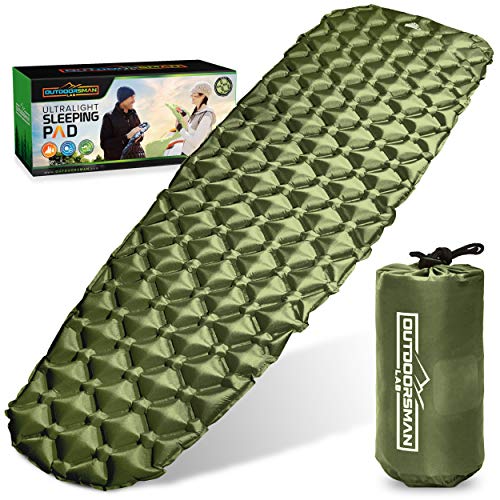
- ✓ Extremely lightweight and compact
- ✓ Quick, effortless inflation
- ✓ Conforms to body for comfort
- ✕ Not ideal for very cold weather
- ✕ Slightly pricier than basic pads
| Thickness | 2 inches |
| R-value (Insulation) | 1.3 |
| Weight | Approximately 16 ounces (1 pound) |
| Packed Dimensions | 8 x 3 x 3 inches |
| Material | 20D ripstop nylon with extruded TPU layer |
| Inflation Method | Quick inflation in 10-15 breaths, easy deflation |
The moment I laid this sleeping pad on the ground, I noticed how effortlessly it inflated with just about 10 breaths. That quick, no-fuss setup is a game-changer after a long day of hiking or setting up camp.
The interconnected air cells immediately molded to my body, providing support where I needed it most, even over uneven terrain.
The 2-inch thickness really makes a difference. I didn’t feel the tiny rocks or leaf piles beneath, and I was able to sleep without tossing and turning.
The self-adjusting air cells contour to your shape, so it feels almost like a mini mattress, not just a pad. Plus, it packs down super small—about the size of a soda bottle—and weighs only around 16 ounces, so it’s perfect for backpacking without adding bulk.
Inflation and deflation are straightforward thanks to the easy valve. I could pack it up in seconds, which means more time relaxing and less time fiddling with gear.
The durable ripstop nylon and TPU layer give me confidence that it’ll hold up on rugged trips, and the lifetime warranty is a nice peace of mind. It’s genuinely comfortable, lightweight, and compact—everything you need for a good night’s sleep outdoors.
While the R-value of 1.3 isn’t suited for extreme cold, it’s perfect for most camping and backpacking trips in moderate temperatures. Its weather-proof fabric means you don’t have to worry about light rain or dew.
Overall, this pad feels like a smart investment for anyone who hates sleeping on the hard ground but wants to keep gear light and simple.
OutdoorsmanLab Ultralight Sleeping Pad – Ultra-Compact for
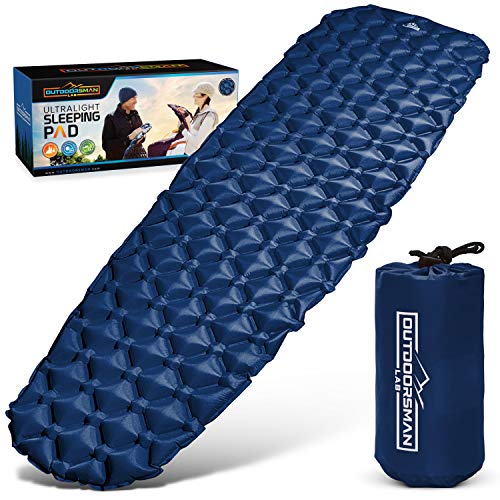
- ✓ Ultra-light and compact
- ✓ Easy inflation/deflation
- ✓ Conforms to body shape
- ✕ R-value limited for cold weather
- ✕ Slightly noisy when moving
| Thickness | 2 inches |
| R-Value | 1.3 |
| Weight | ~16 oz (approximately 454 grams) |
| Packed Size | 8 x 3 x 3 inches |
| Material | 20D ripstop nylon with extruded TPU layer |
| Inflation Method | Quick inflation in 10-15 breaths, easy deflation |
Finding a sleeping pad that actually feels comfortable can be a gamble, but I was genuinely surprised by how the OutdoorsmanLab Ultralight Sleeping Pad changed my expectations. When I first unrolled it, I didn’t expect much, given how tiny and lightweight it is—only about 16 ounces!
But once I inflated it, I realized it’s thicker and more supportive than most ultralight pads I’ve used.
The interconnected air cells are a game changer. They individually adjust to your body shape, offering surprisingly plush support without feeling like you’re sleeping on a hard mat.
I tested it on uneven ground, and I barely felt those little rocks or leaves beneath me. The 2-inch thickness feels just right—enough cushion without adding bulk to your pack.
Inflation is a breeze—about 10 to 15 breaths, and it’s fully blown up. The valve is super easy to use, letting you deflate in seconds so packing up is quick and simple.
I also appreciated that it packs down so small—just 8x3x3 inches—which makes it perfect for squeezing into tight backpack compartments.
Durability is impressive too. The ripstop 20D nylon fabric and TPU layer give it a weatherproof vibe, so I’d feel confident taking it into varied conditions.
Plus, the lifetime warranty offers peace of mind against defects, which is rare for a lightweight product like this.
Overall, it’s a compact, comfy, and reliable sleeping pad that feels like a real upgrade over basic foam mats—without the hefty weight. Whether you’re backpacking, camping, or traveling light, this pad really delivers comfort on the go.
What Are the Key Features to Consider in the Best Backpacking Packs?
When choosing the best backpacking packs, several key features should be considered to ensure comfort, functionality, and durability.
- Capacity: The capacity of a backpack is typically measured in liters and determines how much gear you can carry. For weekend trips, a pack with a capacity of 50-70 liters is generally sufficient, while longer expeditions may require larger packs. It’s crucial to choose a size that balances carrying enough gear without being overly bulky.
- Fit and Adjustability: A proper fit is essential for comfort during long hikes. Look for packs with adjustable torso lengths, padded shoulder straps, and a hip belt that conforms to your body shape. A well-fitted pack helps distribute weight evenly, reducing strain on your back and shoulders.
- Weight: The weight of the backpack itself impacts how much load you can carry comfortably. Lightweight packs made from durable materials can enhance your mobility and endurance on the trail. However, it’s important to balance weight with the pack’s durability and features, as some ultralight options may sacrifice necessary functionality.
- Durability: The materials used in construction play a significant role in a pack’s durability. Look for high-denier nylon or polyester fabrics that can withstand rough handling and adverse weather conditions. Reinforced stitching and robust zippers also contribute to the longevity of the pack, making it a worthwhile investment.
- Organization and Accessibility: A good backpack should provide various compartments and pockets for organization. Features like side pockets, hydration reservoirs, and top-loading versus panel-loading designs can greatly enhance accessibility to gear. This organization allows for easier packing and quick access to essential items during your hike.
- Ventilation: Proper ventilation is crucial for comfort, especially during warm weather hikes. Look for packs that feature breathable mesh panels and ventilation channels to help reduce sweat buildup on your back. This feature can significantly improve your overall comfort on long treks.
- Weather Resistance: Weather can be unpredictable, so consider packs that offer water-resistant fabrics or integrated rain covers. These features help protect your gear from rain and moisture, ensuring that your belongings stay dry during unexpected weather changes. A weather-resistant pack can enhance your overall outdoor experience.
- Attachment Points: Many backpacks come with attachment points for gear like trekking poles, sleeping bags, or other equipment. Look for daisy chains, gear loops, and compression straps that allow you to securely attach and carry additional items. This feature can be particularly useful for longer trips where extra gear is required.
How Do Different Backpacking Packs Compare for Various Hiking Styles?
| Pack Type | Weight Capacity | Comfort Features | Best Use | Durability & Material | Price Range | Examples |
|---|---|---|---|---|---|---|
| Day Pack | Up to 20 lbs – Ideal for short hikes | Minimal padding, lightweight design | Day hikes and short trips | Nylon or polyester, water-resistant | $50 – $150 | Osprey Daylite, Deuter Speed Lite |
| Weekend Pack | 20-50 lbs – Suitable for overnight trips | Moderate padding, adjustable straps | Camping and hiking for a couple of days | Ripstop nylon, durable zippers | $150 – $300 | REI Co-op Flash, Gregory Paragon |
| Multi-Day Pack | 50+ lbs – Designed for extended trips | Heavy padding, multiple compartments | Long backpacking adventures | High-denier nylon, reinforced seams | $300 – $600 | Granite Gear Crown, Osprey Atmos |
| Technical Pack | Varies – Focus on gear organization | Specialized pockets, ergonomic support | Climbing or specialized outdoor activities | Lightweight ripstop, abrasion-resistant | $100 – $400 | Black Diamond Speed 30, Mammut Trion |
What Are the Best Options for Beginner Hikers?
For beginner hikers, choosing the right backpacking pack is crucial for comfort and functionality.
- Osprey Exos 58: This pack is lightweight and designed for multi-day trips, making it ideal for beginners who want to carry everything they need without being weighed down. Its adjustable harness and hip belt ensure a comfortable fit, while multiple pockets provide convenient storage options.
- REI Co-op Flash 55: The Flash 55 is known for its versatility and affordability, offering a good balance between capacity and weight. It features a simple design with a removable top lid, allowing for customization based on the length of the hike and gear needs.
- Deuter Futura Vario 50+10: This backpack is equipped with an adjustable back system that allows for a personalized fit, making it comfortable for a variety of body types. It offers ample space with an expandable volume, perfect for beginners who may need to pack extra gear as they learn what they truly need on the trail.
- Gregory Paragon 58: Renowned for its ergonomic design, the Paragon 58 is great for novice hikers looking for a supportive pack that distributes weight evenly. Its features include multiple access points and pockets, which help keep gear organized and easily accessible during hikes.
- Kelty Redwing 50: This pack stands out for its simplicity and ease of use, making it a great option for those new to backpacking. With a spacious main compartment and side pockets for smaller items, it allows beginners to stay organized and focus on enjoying their outdoor experience.
Which Packs Are Ideal for Long-Distance Trekkers?
The best backpacking packs for long-distance trekkers combine comfort, durability, and ample storage for gear.
- Osprey Atmos AG (Men) / Osprey Osprey Orian AG (Women): These packs feature a unique Anti-Gravity suspension system that distributes weight evenly across your back.
- Gregory Baltoro (Men) / Deva (Women): Known for their adjustable torso lengths and comfortable fit, these packs offer excellent load-carrying capabilities for heavy gear.
- REI Co-op Flash Pack: This lightweight option is ideal for minimalist trekkers, providing a streamlined design without sacrificing essential features.
- Deuter Aircontact Lite: These packs are highly durable and well-ventilated, with plenty of pockets for organization and easy access to gear.
- Arc’teryx Bora AR: Featuring a rugged design and advanced materials, this pack is renowned for its weather resistance and comfort over long distances.
The Osprey Atmos AG and Osprey Orian AG are particularly popular among long-distance trekkers due to their revolutionary Anti-Gravity suspension system which provides excellent weight distribution, reducing fatigue on extended hikes. The mesh back panel enhances ventilation, keeping the back cool and dry even in warm conditions.
The Gregory Baltoro and Deva packs are favored for their customizable fit, accommodating varying torso lengths to ensure that the pack sits comfortably on the body. They also come equipped with ample pockets and compartments, allowing trekkers to organize their gear efficiently while maintaining easy access to essentials.
The REI Co-op Flash Pack is an excellent choice for those who prioritize weight savings without compromising functionality. Its minimalist design allows for a lighter load, making it suitable for fast-paced hiking or backpacking trips where every ounce counts.
The Deuter Aircontact Lite is built for durability and functionality, featuring a robust design that withstands rugged terrain and harsh weather. The multiple compartments and pockets enhance gear organization, while the adjustable straps provide a personalized fit for different body shapes.
The Arc’teryx Bora AR stands out for its advanced materials that offer exceptional weather resistance and durability. The RAINIER technology keeps your gear dry in wet conditions, while the comfortable harness and hip belt ensure that trekkers can carry heavy loads over long distances with ease.
What Should You Look for in a Lightweight Backpacking Pack?
The capacity of the pack, typically measured in liters, should correspond to how long you plan to be out in the wilderness. A 40-50 liter pack is generally adequate for weekend trips, while longer excursions may require larger capacities.
Fit and comfort are paramount; a backpack that is too large or small can cause discomfort, leading to fatigue. Look for adjustable straps and padded areas that conform to your body shape for optimal support.
Durability is essential as well, as you want a pack that can handle rough handling and various weather conditions. High-denier nylon or polyester fabrics are good indicators of a pack’s toughness.
Accessibility is another key feature; having side pockets or a top lid that opens easily allows you to grab essentials without unpacking everything. This convenience can be a lifesaver on the trail.
Pockets and organization features allow for better organization of your gear, which can save time and frustration when you need to find specific items quickly. Look for packs with dedicated compartments for sleeping bags, food, and cooking equipment.
Hydration compatibility is a significant consideration for maintaining fluid intake during your hike. Packs that include hydration reservoirs or designated pockets for water bottles make it easier to stay hydrated without stopping frequently.
Good ventilation features, such as mesh back panels, can help keep your back dry and comfortable, particularly in warm conditions. This is especially important if you plan to hike for several hours.
Finally, weather resistance features like water-proof materials or rain covers can protect your gear from unexpected rain or splashes, ensuring that your belongings stay dry and safe throughout your adventure.
How Do Price Ranges Vary Among the Best Backpacking Packs?
Price ranges for the best backpacking packs vary significantly based on features, materials, and brand reputation.
- Budget Packs ($50 – $150): These packs are typically made with basic materials and offer essential features for casual backpackers.
- Mid-Range Packs ($150 – $300): Mid-range options often include better materials, improved comfort, and additional features such as adjustable suspension systems.
- High-End Packs ($300 – $600): These premium packs are designed for serious adventurers, incorporating advanced materials, ergonomic designs, and specialized features for long-term durability.
- Luxury Packs ($600 and above): Luxury packs are often custom-designed or feature cutting-edge technology, catering to elite backpackers who demand the best performance and comfort.
Budget packs are great for beginners or occasional users who do not need the latest features or maximum durability, making them an accessible entry point into backpacking. They usually have a simple design and limited adjustability, which can be sufficient for short trips.
Mid-range packs tend to strike a balance between cost and functionality, providing better support and comfort features that are essential for longer hikes. With adjustable straps and more durable materials, these packs are suitable for serious weekend warriors looking to invest in their gear.
High-end packs are typically favored by experienced backpackers who undertake long-distance treks and require a pack that minimizes weight while maximizing support and comfort. These packs often utilize lightweight yet robust materials, advanced ventilation systems, and customizable fits.
Luxury packs are aimed at dedicated adventurers who are willing to invest significantly in their gear for the best experience possible. These packs may offer innovative features, such as integrated hydration systems and modular attachments, which enhance functionality on demanding trails.
What Do Customer Reviews Reveal About Each Recommended Backpacking Pack?
Customer reviews provide valuable insights into the performance and usability of different backpacking packs recommended by Outdoor Gear Lab.
- Osprey Atmos AG: Many users praise the Atmos AG for its innovative Anti-Gravity suspension system, which offers exceptional comfort and support on long hikes. Reviewers often highlight its excellent weight distribution, making it easier to carry heavy loads without straining the back.
- Gregory Deva 60: Customers frequently commend the Gregory Deva 60 for its customizable fit and adjustable torso length, allowing for a personalized experience. Reviewers appreciate its ample storage space and organization features, making it ideal for multi-day trips.
- REI Co-op Flash 55: The lightweight design of the REI Co-op Flash 55 receives high marks from hikers looking for a minimalist option. Users often mention its versatility and easy packability, making it a favorite for both short trips and extended treks.
- Hyperlite Mountain Gear 3400 Southwest: Reviewers of the Hyperlite Mountain Gear 3400 Southwest often highlight its durability and waterproof materials, making it suitable for various weather conditions. Many customers also note the pack’s impressive lightweight construction without sacrificing functionality.
- Deuter Aircontact Lite: The Deuter Aircontact Lite is frequently praised for its robust build and ability to handle rough terrains. Users appreciate the pack’s comfortable hip belt and adjustable back system, which enhance the overall carrying experience during long hikes.
How Can You Determine the Right Size for Your Backpacking Needs?
Selecting the right size for your backpacking pack is crucial for comfort and efficiency on the trail. Here are key factors to consider:
- Duration of Trip:
- For day hikes, a 20-30 liter pack is usually sufficient.
- Weekend trips (2-3 days) often require a 40-60 liter pack.
-
Extended trips (more than 3 days) typically need 60 liters or more.
-
Body Size and Fit:
-
Ensure the pack fits well on your torso. A proper fit will prevent discomfort and strain. Many brands offer packs in various sizes (small, medium, large) to accommodate different body types.
-
Load Weight:
-
Consider the weight you’ll be carrying. Lighter weights may require smaller packs, while heavier gear needs a larger capacity.
-
Seasonal Gear:
-
If you plan to carry bulkier items like winter gear, opt for a larger pack, even if your trip duration is short.
-
Personal Preferences:
- Depending on your packing style (minimalist vs. comfort-oriented), choose a pack size that allows you to carry your essentials without unnecessary bulk.
Measuring your torso length and considering your specific needs will guide you in selecting the ideal backpack size for your outdoor adventures.
Related Post: