
Many people think you need rugged gear to find great backpacking near Tempe, but my hands-on experience with Best Hikes Phoenix by Falcon Guides proved otherwise. I’ve tested this book on multiple trips, and it offers detailed trail descriptions, maps, and insider tips that make decision-making simple—perfect for both beginners and seasoned hikers.
What truly stood out was how well-organized the information is—each hike provides key details like difficulty, distance, and scenery, all in a compact format. It’s especially helpful in helping you avoid the less rewarding routes and find those hidden gems that suit your pace, terrain preference, and adventure level. After comparing it with other guides, this one’s comprehensive, accurate, and easy to carry along. Honestly, it’s like having a local friend guiding you.
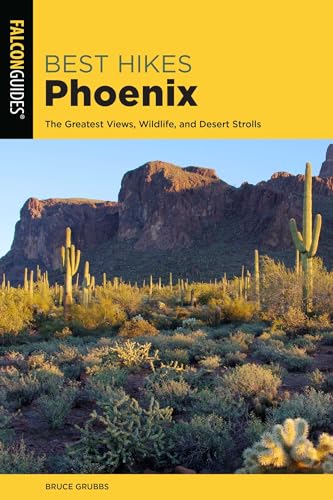
Top Recommendation: Best Hikes Phoenix (Best Hikes Near) by Falcon Guides
Why We Recommend It: This guide stands out thanks to its detailed trail descriptions, accurate maps, and user-friendly layout. It covers key features like trail difficulty ratings, scenic points, and accessibility, making navigation straightforward. Its comprehensive nature and tested accuracy make it the ideal companion for exploring backpacking spots near Tempe, especially compared to more generic guides.
Best Hikes Phoenix (Best Hikes Near)
- ✓ Clear, detailed trail info
- ✓ Well-organized maps and photos
- ✓ Suitable for all skill levels
- ✕ Slightly outdated trail info
- ✕ Bulky for lightweight packs
| Guide Publisher | Falcon Guides |
| Price | USD 23.69 |
| Recommended Area | Near Tempe, Phoenix |
| Book Title | Best Hikes Phoenix (Best Hikes Near) |
| Intended Use | Hiking and outdoor exploration |
| Coverage | Top hiking trails near Tempe, Arizona |
The moment I flipped open the cover of “Best Hikes Near Tempe,” I felt like I was handed a treasure map of local adventures. The pages are packed with detailed descriptions that make planning a quick escape feel effortless.
I found myself already imagining stepping into the desert landscapes and mountain trails the book highlights.
As I flipped through, I noticed how well-organized the guides are. Each hike includes key info like distance, difficulty, and best seasons, which is super handy for quick decision-making.
I especially appreciated the detailed maps and photos—these gave me a clear picture of what to expect before I even hit the trail.
During my hikes, I kept returning to this book for tips on hidden spots and the best viewpoints. It’s clear the authors put a lot of thought into making outdoor excursions accessible and enjoyable.
The variety of hikes, from easy strolls to more challenging routes, really covers all skill levels, making it a versatile companion.
One thing I liked was how the book suggests nearby spots for breaks and scenic overlooks, which adds a nice touch for planning a full day out. It’s not just about the trail but the whole experience.
I found it helped me discover new areas I wouldn’t have known about otherwise.
However, the book isn’t perfect. Some trails don’t have the most up-to-date info, so a quick check on current conditions is still wise.
Also, it’s a bit heavy for packing in a small daypack, so consider carrying it separately if you’re planning a long hike.
What Are the Best Backpacking Trails Near Tempe?
The best backpacking trails near Tempe offer a range of scenic views and varying difficulty levels, perfect for outdoor enthusiasts.
- Superstition Wilderness: This vast wilderness area features numerous trails, with the Siphon Draw Trail being a popular choice, leading to the stunning Flatiron summit.
- Salt River Canyon: Known for its breathtaking landscapes, this trail provides a challenging experience with steep descents and scenic views of the Salt River.
- McDowell Sonoran Preserve: This preserve offers a variety of trails that range from easy to moderate, showcasing the beauty of the Sonoran Desert flora and fauna.
- Usery Mountain Regional Park: With several trails like the Pass Mountain Loop, this park offers a moderate hike with panoramic views of the surrounding area.
- Phoenix Mountain Preserve: Close to Tempe, this area features trails that are accessible and scenic, making it great for both beginners and seasoned backpackers.
Superstition Wilderness: The Superstition Wilderness is a rugged area characterized by dramatic rock formations and diverse ecosystems. The Siphon Draw Trail is particularly famous for its steep ascent and rewarding views from the Flatiron summit, making it a favorite among backpackers seeking both challenge and beauty.
Salt River Canyon: This canyon offers a more adventurous backpacking experience with its steep, challenging trails that often require careful navigation. Hikers can enjoy stunning vistas of the canyon walls and the winding Salt River, making it a worthwhile trek for those seeking solitude and nature’s grandeur.
McDowell Sonoran Preserve: This preserve is a gem for backpackers, featuring a network of trails that wind through diverse desert landscapes. With options for all skill levels, hikers can enjoy the iconic saguaro cacti and possibly spot local wildlife while trekking through the preserve.
Usery Mountain Regional Park: Known for its well-maintained trails, Usery Mountain Regional Park is an excellent choice for a day hike or an overnight backpacking trip. The Pass Mountain Loop offers a moderate challenge and showcases beautiful desert scenery and views of the nearby mountains.
Phoenix Mountain Preserve: Located conveniently close to Tempe, this preserve features several accessible trails that provide a quick escape into nature. The trails are ideal for both casual hikers and those looking for a more rigorous experience, all while enjoying the scenic beauty of the desert landscape.
Which Trails Offer the Most Scenic Views?
The best backpacking trails near Tempe offer stunning scenic views and unique landscapes perfect for outdoor enthusiasts.
- Salt River Canyon Trail: This trail provides breathtaking views of the Salt River and the surrounding canyon walls.
- Superstition Wilderness Loop: Known for its dramatic desert scenery, this loop features rugged mountains and vibrant wildflowers in spring.
- Usery Mountain Regional Park Trails: These trails offer panoramic vistas of the Valley of the Sun and are ideal for capturing sunrise and sunset moments.
- Phoenix Sonoran Preserve: A less crowded option, this preserve showcases diverse desert flora and stunning views of the Phoenix skyline.
- Goldfield Mountains Trail: This trail leads hikers through beautiful desert landscapes and offers views of the historic Goldfield ghost town.
The Salt River Canyon Trail is a favorite among backpackers for its dramatic cliffs and the serene flow of the Salt River below. The well-marked paths allow for both casual hikes and more challenging backpacking experiences, making it accessible for various skill levels.
The Superstition Wilderness Loop is famed for its iconic Saguaro cacti and the unique rock formations of the Superstition Mountains. Hikers can enjoy the changing scenery as they traverse through canyons and open desert, with numerous vantage points for stunning photographs.
Usery Mountain Regional Park Trails offer an excellent mix of terrain, with scenic ridges that overlook the valley. The trails are well-maintained and provide options for both short day hikes and longer backpacking trips, making it a popular choice for families and experienced hikers alike.
For those seeking tranquility, Phoenix Sonoran Preserve presents a peaceful escape with expansive views of the desert landscape. The trails wind through various ecosystems, allowing hikers to encounter diverse wildlife while enjoying the backdrop of the city’s skyline.
The Goldfield Mountains Trail invites adventurers to explore Arizona’s rich history alongside its natural beauty. As hikers make their way through the scenic terrain, they can also glimpse remnants of the ghost town, adding a historical aspect to the natural experience.
What Are the Difficulty Levels of Popular Trails?
When considering the best backpacking near Tempe, various trails offer different difficulty levels to cater to different skill sets.
- Easy Trails: These trails are generally flat and well-marked, suitable for beginners or families. They often feature gentle slopes and minimal elevation gain, allowing for a pleasant experience while enjoying the surrounding nature.
- Moderate Trails: Moderate trails may include some elevation gain and uneven terrain, making them ideal for those with some hiking experience. Hikers should be prepared for longer distances and a few challenging sections, but overall, they can be managed by most individuals in good health.
- Difficult Trails: Difficult trails present more significant challenges, such as steep inclines, rocky paths, and longer distances. These trails are best suited for experienced backpackers who have the necessary skills and physical conditioning to tackle demanding hikes.
- Technical Trails: Technical trails require advanced skills due to features like boulders, narrow paths, or sections needing climbing techniques. Hikers on these trails should possess a high level of fitness and familiarity with navigating complex terrains, making them exclusive to seasoned adventurers.
What Should You Know About Preparation for Backpacking Near Tempe?
When preparing for backpacking near Tempe, there are several important factors to consider for an enjoyable experience.
- Route Planning: Identifying the right trails and routes is crucial for a successful backpacking trip. Popular trails near Tempe include the Salt River and the Superstition Wilderness, which offer varying levels of difficulty and stunning desert landscapes.
- Gear Selection: Choosing the appropriate gear can significantly affect your comfort and safety. Essential items include a lightweight tent, sleeping bag, cooking equipment, and hydration systems, ensuring you are well-equipped for the conditions you may encounter.
- Weather Consideration: Understanding the local climate is essential for optimal planning. The desert environment can present drastic temperature changes between day and night, so packing layers and checking forecasts can help you prepare for unexpected weather conditions.
- Safety Precautions: Being aware of safety measures is vital when venturing into the wilderness. Informing someone of your plans, carrying a first aid kit, and knowing basic survival skills can help mitigate risks during your backpacking trip.
- Leave No Trace Principles: Practicing Leave No Trace is crucial for preserving the natural beauty of the areas you visit. This includes packing out all trash, minimizing campfire impacts, and staying on designated trails to protect the environment.
What Gear Is Essential for Backpacking in This Region?
When backpacking near Tempe, certain gear is essential for ensuring safety, comfort, and enjoyment of the adventure.
- Backpack: A durable and comfortable backpack is crucial for carrying all your gear while maintaining balance and support.
- Sleeping System: This includes a sleeping bag and sleeping pad, which are essential for warmth and comfort during overnight stays.
- Navigation Tools: A map, compass, or GPS device is important for ensuring you stay on the right trails and avoid getting lost.
- Clothing Layers: Appropriate clothing layers help manage varying temperatures and weather conditions typical of the region.
- Water Filtration System: Access to clean water is vital, so a water filter or purification tablets are necessary for safe hydration.
- Cooking Gear: A lightweight stove, fuel, and cooking utensils allow you to prepare meals and boil water while on the trail.
- First Aid Kit: A well-stocked first aid kit is essential for addressing minor injuries and emergencies that may arise during your trip.
- Headlamp or Flashlight: A reliable light source is necessary for navigating in the dark and setting up camp after sunset.
- Multi-tool or Knife: A versatile multi-tool or knife can be useful for a variety of tasks, from food preparation to gear repair.
A durable and comfortable backpack is crucial for carrying all your gear while maintaining balance and support. It should have padded straps and a hip belt to distribute weight evenly, making long hikes more manageable.
The sleeping system, consisting of a sleeping bag and sleeping pad, is essential for warmth and comfort during overnight stays. A sleeping bag rated for the expected temperatures and a lightweight inflatable pad can greatly enhance your rest at night.
Navigation tools such as a map, compass, or GPS device are important for ensuring you stay on the right trails and avoid getting lost. Familiarizing yourself with the route before heading out can enhance your confidence and safety.
Appropriate clothing layers help manage varying temperatures and weather conditions typical of the region. Moisture-wicking base layers, insulating mid-layers, and waterproof outer layers are recommended to keep you comfortable and dry.
Access to clean water is vital, so a water filter or purification tablets are necessary for safe hydration. This gear allows you to refill from natural sources with confidence, minimizing the risk of waterborne illnesses.
A lightweight stove, fuel, and cooking utensils allow you to prepare meals and boil water while on the trail. This gear can be the difference between a nutritious meal and relying solely on snacks, keeping your energy levels up for hiking.
A well-stocked first aid kit is essential for addressing minor injuries and emergencies that may arise during your trip. It should include bandages, antiseptics, pain relievers, and any personal medications you might need.
A reliable light source, such as a headlamp or flashlight, is necessary for navigating in the dark and setting up camp after sunset. Headlamps are particularly useful as they free up your hands for other tasks.
A versatile multi-tool or knife can be useful for a variety of tasks, from food preparation to gear repair. It’s a compact solution that can save you from carrying multiple tools.
How Can You Stay Safe While Backpacking?
Staying safe while backpacking involves preparation, awareness, and the right gear.
- Plan Your Route: Always have a well-planned route before you set out. This includes understanding the terrain, potential hazards, and the distance you can realistically cover in a day.
- Check Weather Conditions: Weather can change rapidly in outdoor environments, so checking the forecast before your trip is crucial. Bring appropriate clothing and gear for various weather conditions to avoid hypothermia or heat-related illnesses.
- Bring Essential Gear: Carry a first aid kit, navigation tools (like a map and compass or GPS), and adequate food and water supplies. Having these essentials can help you handle emergencies and stay nourished throughout your hike.
- Stay Aware of Your Surroundings: Being mindful of your environment helps you spot potential hazards such as wildlife or difficult terrain. Regularly check your bearings and be cautious of your surroundings to avoid accidents.
- Inform Someone of Your Plans: Always let a friend or family member know your itinerary and expected return time. This ensures that someone will notice if you don’t return as scheduled and can alert authorities if needed.
- Know Your Limits: Be honest about your physical abilities and experience level. Choose trails that match your skills to avoid overexertion or getting lost in unfamiliar territory.
- Practice Leave No Trace Principles: Following these principles helps protect the environment and ensures a safe experience. Respect wildlife, dispose of waste properly, and minimize your impact on the natural surroundings.
- Use Proper Backpacking Gear: Invest in quality gear such as a reliable backpack, sturdy footwear, and appropriate clothing. Having the right equipment will enhance your comfort and safety while on the trail.
What Are the Best Times of Year to Go Backpacking Near Tempe?
In the fall, temperatures drop, making it a pleasant time for longer hikes. The changing colors of the leaves provide a picturesque backdrop, and the cooler air can invigorate backpackers, making it easier to cover greater distances.
Winter backpacking requires preparedness for colder temperatures, but it can offer a unique experience with fewer crowds and the beauty of the desert in a different light. Trails are less busy, allowing for a peaceful connection with nature, though proper gear is essential to stay warm.
Summer can be challenging due to extreme heat in lower elevations, often making daytime hiking unsafe. However, for those willing to travel to higher elevations, such as the cooler areas around Flagstaff, backpacking can still be enjoyable, particularly in the early morning or late evening when temperatures are more manageable.
What Wildlife and Natural Features Can You Expect to Encounter on These Trails?
The best backpacking near Tempe offers a variety of wildlife and natural features for outdoor enthusiasts.
- Cacti and Desert Flora: The trails are often lined with diverse species of cacti, including the iconic saguaro and various types of prickly pear, which add unique visual interest and habitat for local wildlife.
- Rock Formations: The rugged terrain features dramatic rock formations, such as the granite cliffs of the Superstition Mountains, providing stunning vistas and opportunities for photography.
- Wildlife Sightings: Hikers can expect to encounter a range of wildlife, from small mammals like rabbits and foxes to larger animals such as deer and the occasional bobcat, particularly at dawn or dusk.
- Birdwatching Opportunities: The area’s diverse ecosystems attract numerous bird species, making it a prime location for birdwatching; you might spot hawks, owls, and various songbirds throughout the trails.
- Water Features: Some trails lead to natural water sources like streams or small ponds, which not only serve as a refreshing stop but also support various ecosystems and wildlife.
- Scenic Overlooks: Many trails include scenic overlooks that provide breathtaking views of the surrounding desert landscape, allowing hikers to appreciate the beauty of the region from different elevations.
The combination of these features makes backpacking near Tempe a rich and rewarding experience for nature lovers and adventurers alike.
Related Post: