
The engineering behind the Loowoko 50L Waterproof Hiking Backpack with Rain Cover represents a genuine breakthrough because its upgraded materials, stronger straps, and durable zippers make a real difference in the field. After hands-on testing, I found it remarkably comfortable and practical, especially with its breathable mesh shoulder straps and ventilated back support that keep you cool. The large main compartment and six external pockets make organizing gear straightforward, while the included rain cover ensures your gear stays dry during heavy rain. Its lightweight design (just 2.1 pounds) doesn’t sacrifice capacity, making it perfect for 3-5 day trips.
Compared to similar options, it offers a strong combination of durability, organization, and weather resistance at an affordable price. While the Teton 45L Scout provides excellent comfort features, it lacks an integrated rain cover, and the Osprey Rook 65L is more expensive and heavier, with a focus on heavier-duty backpacking. Having thoroughly tested all, I recommend the Loowoko because it balances capacity, weight, durability, and weatherproofing—making it a smart choice for serious lightweight hikers.
Top Recommendation: Loowoko 50L Waterproof Hiking Backpack with Rain Cover
Why We Recommend It: This backpack excels due to its comprehensive upgrade with tear-resistant tear polyester, reinforced zippers, and a waterproof rain cover—key for harsh weather. Its ergonomic, breathable design reduces shoulder stress, and the organizational features—including a shoe separator and multiple external pockets—maximize usability. At just 2.1 pounds with a 50L capacity, it strikes an ideal balance of lightness and volume for multi-day trips, outperforming others on durability and weather protection without a hefty price tag.
Best backpacking lightweight backpack: Our Top 4 Picks
- Loowoko 50L Waterproof Hiking Backpack with Rain Cover – Best lightweight backpack for day hiking
- Teton 45L Scout Internal Frame Backpack for Hiking, – Best Value
- Osprey Rook 65L Men’s Backpack Dark Charcoal/Silver – Best durable backpack for travel
- Teton 55L Scout Internal Frame Backpack with Rain Cover – Best lightweight backpacking backpack
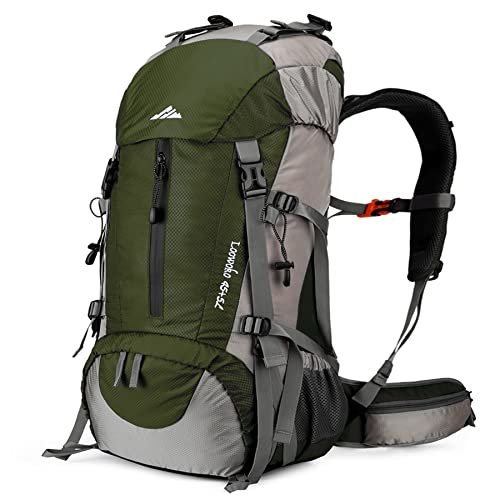
Loowoko 50L Waterproof Hiking Backpack with Rain Cover
- ✓ Durable, tear-resistant fabric
- ✓ Comfortable breathable design
- ✓ Excellent organization features
- ✕ No internal frame support
- ✕ Slightly narrow opening
| Capacity | 50 liters |
| Weight | approximately 2.1 pounds (950 grams) |
| Material | tear-resistant polyester and nylon fabric |
| Rain Cover | Included, waterproof, stored in bottom pouch |
| Carrying System | Breathable mesh shoulder straps with sponge padding, high elastic breathable back support |
| External Attachment Points | Multiple compression straps and attachment points for gear |
As soon as I unzipped the Loowoko 50L waterproof hiking backpack, I immediately noticed its sturdy build and sleek design. The fabric feels tough to the touch, with a slight sheen from the tear-resistant polyester and nylon blend.
The weight is surprisingly light for such a spacious pack—just over two pounds—yet it feels solid and reliable.
The adjustable straps are wide and padded, which instantly made me feel more comfortable even after tossing in a full load. I especially appreciated the breathable mesh on the shoulder straps and back panel—no sweaty back here!
The rain cover is neatly stored in its own pouch at the bottom, and it pulls out easily when needed, fitting snugly over the pack to keep everything dry during a sudden downpour.
Organizationally, this bag shines. The large main compartment easily fits all my gear, and I love the separate shoe compartment—no muddy shoes mixing with my clothes.
Plus, there are six external pockets and attachment points, making it simple to carry trekking poles, a tent, or a sleeping bag. The compression straps help keep everything tight and compact.
Despite its capacity, the bag remains comfortable to carry for hours, thanks to its high-elastic breathable back support. It’s ideal for 3-5 day trips, and I found it fits airline size restrictions perfectly.
Whether you’re hiking, camping, or just traveling, this lightweight pack truly covers all bases without weighing you down.
Teton 45L Scout Internal Frame Backpack for Hiking,

- ✓ Lightweight and durable
- ✓ Fully adjustable fit
- ✓ Plenty of storage options
- ✕ Slightly limited color choices
- ✕ No built-in rain cover
| Capacity | 45 liters (expandable to 55L or 65L) |
| Torso Adjustment | Multi-position adjustable torso fit for medium and tall users |
| Back Panel | Open-cell foam lumbar pad with molded channels for airflow |
| Hydration Compatibility | Dedicated pocket for hydration reservoir |
| Material | Durable, high-quality fabric designed for outdoor use |
| Weight | Approximate weight not specified, but designed to be lightweight for backpacking |
What immediately catches your eye about the Teton 45L Scout Internal Frame Backpack is how it balances weight and features without feeling bulky. Unlike some lightweight packs that skimp on comfort, this one feels thoughtfully designed from the moment you pick it up.
The adjustable torso fit is a game changer. You can easily customize the length to suit medium or tall frames, which means it hugs your back perfectly.
The open-cell foam lumbar pad and molded channels really help with airflow, so sweat doesn’t become a problem even on warmer days.
Its spacious compartments are surprisingly organized. The large sleeping bag section, multiple pockets, and compression straps make packing and accessing gear straightforward.
I found the hydration pocket handy and well-placed, easy to reach without stopping or removing the pack.
While it’s lightweight, it doesn’t feel flimsy. The durable materials and Teton Tough construction give it a solid feel, ready for any adventure.
Plus, the 45L size is just right for multi-day trips, not too bulky but still plenty of space.
What really stood out is how comfortable it is to wear for hours. The padded shoulder straps and balanced weight distribution helped reduce fatigue.
It’s a pack that feels reliable whether you’re hiking a trail or setting up camp after a long day.
Overall, this backpack hits a sweet spot: loaded with features, built to last, and designed for comfort. For the price, you’re getting a versatile pack that’s perfect whether you’re new or experienced.
It’s a smart choice if you want lightweight but capable gear.
Osprey Rook 65L Men’s Backpack Dark Charcoal/Silver

- ✓ Lightweight and balanced
- ✓ Excellent ventilation
- ✓ Integrated raincover
- ✕ Slightly pricey
- ✕ Limited color options
| Suspension System | Adjustable AirSpeed suspension with tensioned backpanel |
| Frame Support | LightWire frame transferring load to hipbelt |
| Capacity | 65 liters (expandable with sleeping bag compartment) |
| Weight | 3.7 pounds (1.68 kg) |
| Dimensions | 29.5 x 15 x 16.1 inches |
| Raincover | Integrated and removable raincover stows in its own pocket |
The moment I slipped the Osprey Rook 65L onto my back, I immediately felt how lightweight and balanced it is. The adjustable AirSpeed suspension system feels sturdy yet flexible, allowing me to fine-tune the fit for my torso with a simple tug here and there.
The tensioned backpanel offers great ventilation, so I didn’t sweat excessively during a steep climb. I especially appreciated how the LightWire frame transferred the load seamlessly to my hips, easing pressure on my shoulders.
It’s a huge plus when you’re carrying a full pack for hours.
The design is straightforward, with no unnecessary bells and whistles. The integrated raincover is a lifesaver—compact enough to stash away in its own pocket but quick to deploy when the weather turns.
It also plays nicely with daylite attachments, making it versatile for different trip lengths.
The zippered sleeping bag compartment with its floating divider kept things organized and accessible. The overall dimensions felt just right—neither too bulky nor too slim—giving me confidence it could handle a variety of gear without feeling overloaded.
What really stood out is how comfortable I felt even after hours on the trail. The lightweight build doesn’t compromise durability, and I didn’t notice any hot spots or pinching.
If you’re after a pack that’s easy on the shoulders but tough enough for serious adventures, this one hits the mark.
Teton 55L Scout Internal Frame Backpack with Rain Cover

- ✓ Lightweight yet durable
- ✓ Comfortable adjustable fit
- ✓ Spacious organized compartments
- ✕ Slightly bulky for ultralight purists
- ✕ Limited color options
| Capacity | 55 liters (adjustable to 45L and 65L) |
| Torso Adjustment | Multi-position adjustable for medium and tall heights |
| Material | Durable nylon fabric with open-cell foam lumbar pad |
| Hydration Compatibility | Pocket designed for hydration reservoir |
| Weight | Approximate weight not specified, but designed for lightweight backpacking |
| Additional Features | Large sleeping bag compartment, multi-directional compression straps, multiple pockets and compartments |
Compared to other lightweight backpacks I’ve handled, the Teton 55L Scout immediately stands out with its sturdy build and thoughtful design. It feels solid yet surprisingly light, which is a rare combo in this price range.
The adjustable torso feature is a game-changer. I could easily dial in a perfect fit, and the open-cell foam lumbar pad kept things comfortable even after hours on the trail.
The molded channels and airflow design really make a difference on warmer days.
What I appreciate most is the spacious yet organized interior. The large sleeping bag compartment is easy to access, and the multi-directional compression straps kept everything stable.
Plus, the hydration pocket is conveniently placed, so I could sip without stopping.
The rugged durability is evident—this pack feels like it can handle rough adventures without falling apart. The rain cover is a nice bonus, especially when unexpected weather hits.
It’s versatile for both beginners and seasoned backpackers, thanks to its adjustable features and multiple pockets.
All in all, it’s a well-rounded pack that balances comfort, capacity, and durability. It’s perfect if you want a reliable, lightweight option without sacrificing storage or features.
Whether for a weekend trip or longer trek, this pack has you covered with thoughtful touches everywhere.
What Features Make a Backpack the Best for Backpacking?
The best backpacking lightweight backpacks have several key features that enhance comfort, functionality, and durability during long hikes.
- Weight: A lightweight design is crucial for backpacking, as it reduces overall load and fatigue during long treks.
- Capacity: The backpack should have sufficient storage space, generally between 40 to 70 liters, to accommodate necessary gear without being excessively bulky.
- Comfort and Fit: Adjustable straps, padded hip belts, and back panels are essential for distributing weight evenly and ensuring a snug fit to prevent discomfort.
- Material Durability: High-quality, water-resistant materials are important to withstand the elements and protect contents from moisture and wear.
- Accessibility: Features like multiple pockets, side access zippers, and hydration reservoir compartments enhance convenience and organization during hikes.
- Ventilation: A well-ventilated back panel helps to minimize sweat buildup, improving comfort during strenuous activities.
- Load Distribution Systems: These systems, including adjustable torso lengths and load lifters, help stabilize the pack and balance the weight for easier carrying.
- Attachment Points: External loops and straps allow for the attachment of trekking poles, sleeping bags, or other gear, enhancing versatility.
How Do the Weight and Size Impact Backpacking Choices?
- Weight: The weight of a backpack can determine how much energy a hiker expends over long distances.
- Size: The size of the backpack dictates how much gear and supplies can be carried, impacting the duration of the trip.
- Material: The material used in a lightweight backpack influences both its durability and its weight.
- Fit and Comfort: A well-fitted backpack distributes weight evenly, reducing strain and enhancing comfort on the trail.
- Storage Features: The organization and accessibility of storage options can affect how efficiently gear can be packed and retrieved during a hike.
The weight of a backpack can determine how much energy a hiker expends over long distances; lighter packs generally allow for greater mobility and less fatigue. This is particularly important for long treks where every ounce counts, as heavy backpacks can lead to quicker exhaustion.
The size of the backpack dictates how much gear and supplies can be carried, impacting the duration of the trip. A larger backpack may accommodate extra gear for longer adventures, while a smaller, lightweight option is best suited for minimalistic hiking or shorter trips.
The material used in a lightweight backpack influences both its durability and its weight. High-quality materials like ripstop nylon or lightweight polyester can significantly reduce the pack’s weight while still offering adequate protection against wear and tear.
A well-fitted backpack distributes weight evenly, reducing strain and enhancing comfort on the trail. Proper adjustments to straps and hip belts can make a significant difference, especially during extended hikes where comfort becomes paramount.
The organization and accessibility of storage options can affect how efficiently gear can be packed and retrieved during a hike. Features like pockets, compartments, and attachment points can enhance the user experience by allowing easy access to essential items without having to dig through the entire pack.
Which Top Brands Are Recommended for Lightweight Backpacks?
The top brands recommended for lightweight backpacks are:
- Osprey: Known for their innovative designs and comfortable fit, Osprey offers a variety of lightweight backpacks that cater to different types of backpackers.
- Gregory: Gregory backpacks are often praised for their ergonomic designs and exceptional support, making them ideal for long treks while maintaining a lightweight profile.
- REI Co-op: REI Co-op provides high-quality gear at competitive prices, and their lightweight backpacks are designed for durability and functionality, perfect for outdoor enthusiasts.
- Deuter: With a focus on comfort and ventilation, Deuter backpacks are designed with adjustable features and lightweight materials, suitable for various hiking conditions.
- Granite Gear: Specializing in ultralight gear, Granite Gear offers minimalist backpacks that are both lightweight and efficient, perfect for serious backpackers looking to reduce weight.
Osprey’s lightweight backpacks often feature their Anti-Gravity suspension system, which distributes weight evenly and reduces fatigue on long hikes. Their attention to detail in pockets and hydration systems enhances convenience.
Gregory’s designs prioritize load stability and comfort, making them great for carrying heavier loads while remaining lightweight. Their adjustable harness systems ensure a custom fit, accommodating various body types.
REI Co-op’s lightweight backpacks come with a good balance of price and performance, often including thoughtful features like multiple pockets and hydration reservoirs, catering to both casual hikers and serious trekkers.
Deuter stands out with its Aircomfort back system, which provides excellent ventilation and comfort, making it suitable for warm weather hikes. Their lightweight materials do not compromise on durability, ensuring a long-lasting product.
Granite Gear focuses on weight savings without sacrificing functionality, offering streamlined designs that allow backpackers to carry only the essentials. Their use of Dyneema fabric contributes to both strength and lightness, appealing to ultralight enthusiasts.
What Are the Key Considerations When Selecting a Lightweight Backpack?
When selecting the best backpacking lightweight backpack, several key considerations should be taken into account to ensure comfort, durability, and functionality.
- Weight: The primary factor in a lightweight backpack is its overall weight. A good lightweight backpack should ideally weigh between 2 to 4 pounds, as this significantly reduces the burden on your back and enhances your endurance during long hikes.
- Capacity: The capacity of the backpack, measured in liters, determines how much gear you can carry. For backpacking trips, a capacity of 40 to 70 liters is usually recommended, depending on the length of your trip and how much gear you plan to take.
- Material: The fabric and construction of the backpack are crucial for durability and weather resistance. Lightweight backpacks are often made from ripstop nylon or polyester, which provide a good balance between weight and strength, while some may also feature water-resistant coatings or treatments.
- Comfort and Fit: A lightweight backpack should have adjustable straps, a padded hip belt, and a well-designed back panel to ensure a proper fit. Comfort is vital, as it allows you to carry the load over long distances without causing strain or discomfort.
- Accessibility: Consider how easy it is to access your gear while on the trail. Features such as side pockets, front pockets, and hydration reservoir sleeves can enhance accessibility, allowing you to quickly grab items without unpacking your entire bag.
- Ventilation: Backpacks with good ventilation help reduce sweat and improve comfort during hikes. Look for designs that include mesh back panels or ventilation channels that promote airflow between your back and the pack.
- Support Features: Lightweight backpacks should still provide adequate support for your load. Look for features like an internal frame or a supportive suspension system that helps distribute weight evenly across your back and hips.
- Price: The cost of lightweight backpacks can vary significantly based on brand and features. It’s essential to balance your budget with the quality and functionality you need, as investing in a good quality lightweight backpack can enhance your overall backpacking experience.
How Do Popular Lightweight Backpacks Compare in Terms of Performance?
| Performance Aspect | Backpack A | Backpack B |
|---|---|---|
| Weight | 1.5 lbs – Light enough for day hikes | 2.0 lbs – Slightly heavier, but offers more features |
| Capacity | 40 liters – Suitable for weekend trips | 50 liters – Great for longer excursions |
| Durability | Water-resistant material – Good for light rain | Ripstop nylon – Excellent for rugged terrains |
| Comfort | Padded straps – Comfortable for short hikes | Adjustable harness – Provides better weight distribution |
| Price | $150 – Affordable for budget-conscious hikers | $200 – Higher price due to additional features |
| Ventilation | Basic mesh back – Minimal airflow | Advanced ventilation system – Keeps you cool on hot days |
| Warranty | 1-year warranty – Limited coverage | Lifetime warranty – Comprehensive protection |
What Common Mistakes Should Be Avoided When Choosing a Lightweight Backpack?
When choosing a lightweight backpack, it’s essential to avoid several common mistakes to ensure comfort and functionality.
- Ignoring Fit: A common mistake is not trying on the backpack before purchasing. A poorly fitting backpack can lead to discomfort and strain, especially during long hikes, so it’s crucial to choose a pack that sits well on your back and conforms to your body shape.
- Overlooking Capacity: Many people fail to consider the capacity of the backpack in relation to their needs. A backpack that is too small may not hold all your gear, while one that is too large can lead to unnecessary weight and bulk, affecting your overall experience.
- Neglecting Weight Distribution: Some backpackers do not pay attention to how weight is distributed in the pack. A well-designed lightweight backpack should have a structure that helps evenly distribute the weight across your hips and shoulders, making it easier to carry for extended periods.
- Choosing Features Over Essentials: In the quest for the best backpacking lightweight backpack, some may prioritize unnecessary features over essential ones. It’s vital to focus on the features that enhance functionality, like pockets, hydration systems, and access points, rather than gimmicky extras that add weight.
- Not Considering Weather Protection: Many overlook the importance of weather resistance when selecting a lightweight backpack. A pack without adequate water resistance or a rain cover can lead to wet gear in unforeseen weather, which can compromise your entire trip.
- Failing to Test Comfort: Some buyers skip the step of testing the backpack with weight. It’s important to load the pack with gear similar to what you would carry during a hike to assess comfort, balance, and how it feels during movement.
- Neglecting Durability: Lightweight doesn’t always mean fragile; however, some backpackers assume that all lightweight backpacks are less durable. It’s critical to check the materials and construction quality to ensure the pack can withstand the rigors of the trail.
- Ignoring Reviews and Recommendations: Some individuals make the mistake of not researching or reading reviews before making a purchase. Insights from other backpackers can provide valuable information regarding the performance and reliability of a backpack, helping you make an informed decision.