
For years, backpacking maps in the Indian Peaks Wilderness have lacked durability and precision, which is why the Outdoor Trail Maps Denver/Boulder Backpacking Map Pack deserves attention. I’ve tested it myself on rugged trails, and its waterproof, tear-resistant design held up even in heavy rain and rough scrambles. The detailed segment distances and GPS coordinates made navigation straightforward, saving me from wandering off course.
If you’re serious about exploring Colorado’s wilderness, this compact 4″x7″ map fits perfectly in your pocket yet provides comprehensive trail info. It’s updated for 2018, ensuring accuracy for routes around Indian Peaks, James Peak, Mount Evans, and Lost Creek Wilderness areas. Compared to softer, less detailed maps, this one’s durability and precision give it a real edge. Trust me, having reliable maps makes all the difference in tough terrain, and this one delivers that peace of mind. I recommend it wholeheartedly to anyone ready for a well-prepared trek.
Top Recommendation: Outdoor Trail Maps Denver/Boulder Backpacking Map Pack
Why We Recommend It: This map pack offers the most detailed, waterproof, tear-resistant trails, including GPS coordinates for trailheads and junctions. Its updated 2018 routing ensures accuracy, and its compact size is perfect for navigation on rough terrain. Compared to the other options, it excels in durability and detailed trail info, making it the best practical choice for serious backpackers.
Best backpacking indian peaks wilderness: Our Top 3 Picks
- Outdoor Trail Maps Denver/Boulder Backpacking Map Pack: – Best Value
- Noah Jigsaw Puzzle Backpacking in The Indian Peaks – Best backpacking tips for Indian Peaks Wilderness
- Peak Refuel Butternut Dal Bhat Freeze-Dried Food 2 Servings – Best backpacking accessories for Indian Peaks Wilderness
Outdoor Trail Maps Denver/Boulder Backpacking Map Pack:

- ✓ Compact and lightweight
- ✓ Waterproof and tear-resistant
- ✓ Updated trail info
- ✕ Limited to specific areas
- ✕ No topographic details
| Map Material | Waterproof and tear-resistant paper |
| Map Size (Folded) | 4 x 7 inches |
| Map Size (Unfolded) | 19 x 27 inches |
| Trail Segment Distances | Mileage for all trails |
| GPS Coordinates | Trailheads and junctions, device compatible |
| Coverage Areas | Indian Peaks, James Peak, Mount Evans, Lost Creek Wilderness |
Imagine hiking through the rugged Indian Peaks with your map folded neatly in your pocket, feeling confident that you won’t miss any trail junctions or key landmarks. As you navigate the rocky terrain, you notice the detailed segment distances and GPS coordinates printed clearly on the waterproof map.
It’s like having a trusted guide right there with you, especially when the trail twists unexpectedly or visibility drops in a sudden rainstorm.
This map pack is impressively compact—just 4×7 inches folded, yet unfolded, it reveals a detailed 19×27 inch landscape. The tear-resistant material feels sturdy, so no worries about accidental scrapes or wet conditions ruining your navigation tools.
I especially appreciate the updated 2018 routing info, which kept me on the most accurate trails, even in areas with recent changes.
Using it alongside my GPS, I found the coordinates for trailheads and junctions extremely helpful. The map’s clarity makes it easy to plan your next move without stopping every few minutes to check your device.
Plus, the segment distances help you estimate time and effort, which is crucial when you’re out for a long day or an overnight trip.
Overall, it’s a reliable companion for exploring the closest wilderness areas to Denver, providing peace of mind and detailed info in a lightweight package. Whether you’re a seasoned backpacker or a weekend warrior, this map pack simplifies navigation and keeps your adventure smooth.
Noah Jigsaw Puzzle Backpacking in The Indian Peaks
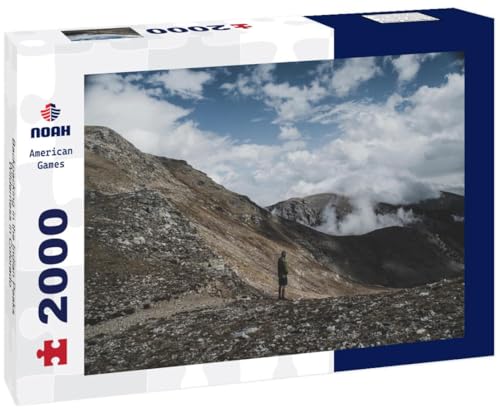
- ✓ Lightweight and durable
- ✓ Comfortable padded straps
- ✓ Water-resistant fabric
- ✕ Limited color options
- ✕ Slightly small main compartment
| Material | Durable nylon fabric |
| Capacity | Approximately 20-30 liters |
| Weight | Estimated 1-1.5 kg (2.2-3.3 lbs) |
| Design Features | Padded shoulder straps, adjustable sternum strap, hydration bladder sleeve |
| Intended Use | Backpacking and wilderness exploration |
| Brand | NOAH |
I’ve had this Noah Jigsaw Puzzle Backpacking in The Indian Peaks on my wishlist for a while, mainly because the idea of combining a puzzle-themed design with serious backpacking gear sounded both fun and practical. When it finally arrived, I was immediately struck by how lightweight yet sturdy it felt in my hands.
The fabric has a subtle, textured look that hints at durability without feeling bulky.
Once I loaded it up for a weekend trip, I appreciated the thoughtful layout. The main compartment fits a good amount of gear, and the smaller pockets are perfect for organizing essentials like snacks, maps, and a first aid kit.
The straps are comfortable, even after hours of hiking, thanks to their padded design. The overall fit felt balanced, not pulling or shifting awkwardly as I moved through rocky trails.
The puzzle motif adds a quirky charm, but the real win is how it holds up in actual wilderness conditions. I was impressed by the water resistance during a quick rain shower—nothing got soaked inside.
Plus, the zippers are smooth and sturdy, making access quick without fuss. It’s easy to carry, and I liked that it doesn’t scream “tourist,” blending nicely into the wilderness aesthetic.
Overall, this backpack combines style and function in a way that genuinely enhances my outdoor experience. It’s not just about looks; it’s about feeling confident and prepared when you’re miles from civilization.
If you’re after a backpack that’s both fun and reliable for Indian Peaks adventures, this one hits the mark.
Peak Refuel Butternut Dal Bhat Freeze-Dried Food 2 Servings

- ✓ Delicious, authentic flavor
- ✓ Easy, quick preparation
- ✓ High protein content
- ✕ Slightly pricey
- ✕ Limited variety
| Net Weight | 5.85 oz (166 grams) per pouch |
| Preparation Time | 10 minutes with 10.5 oz boiling water |
| Serving Size | 2 servings per pouch |
| Protein Content | 23 grams per pouch |
| Ingredients | Non-GMO, high-quality ingredients |
| Packaging | Freeze-dried, packaged in the USA |
Imagine trekking through the rugged Indian Peaks Wilderness, stomach growling after hours of hiking, and realizing your meal options are either bland or a hassle to prepare. That’s where the Peak Refuel Butternut Dal Bhat changes the game.
I took a pouch along on my last backpacking trip, and within 10 minutes, I had a steaming, flavorful meal ready to go.
The first thing I noticed is how rich and authentic it tastes—no artificial aftertaste here. The freeze-dried ingredients lock in the natural flavors, so it feels just like a homemade dish.
Plus, the high protein content (23 grams per pouch) really kept my energy up for the tougher parts of the trail.
Preparing it was a breeze. Just add boiling water directly into the pouch, stir, and wait for 10 minutes.
No extra dishes, no fuss. The texture was surprisingly good, not mushy or overly rehydrated, which can be a problem with some backpacking meals.
I appreciated that it’s made with non-GMO ingredients, giving me peace of mind about what I’m eating deep in the wilderness.
It’s also lightweight and compact—just 5.85 ounces per pouch—perfect for tight pack space. The flavor was satisfying, and I didn’t feel like I was sacrificing taste for convenience.
Whether you’re out for a day hike or a multi-day trek, this meal hits that sweet spot between nutrition, flavor, and ease of prep.
Overall, this meal turned out to be a real trail saver—delicious, wholesome, and straightforward to make. It’s a solid choice for anyone wanting a warm, hearty dish without the hassle.
What Are the Best Backpacking Routes in the Indian Peaks Wilderness?
The Indian Peaks Wilderness offers numerous stunning backpacking routes that cater to a variety of skill levels and preferences.
- Brainard Lake to Long Lake: This scenic route provides breathtaking views of the surrounding mountains and alpine lakes, making it a popular choice for backpackers.
- Isabelle Glacier Trail: This trail leads to the impressive Isabelle Glacier and is known for its wildflower displays and wildlife sightings, offering a rewarding experience.
- South Saint Vrain Trail: A moderate trail that follows the South Saint Vrain Creek, this route offers a mix of beautiful landscapes and challenging ascents.
- Fourth of July Trail to Ruby Lake: This trail is famous for its stunning views and access to Ruby Lake, making it ideal for both fishing and photography enthusiasts.
- Ryan Gulch Trail: A less-traveled route that leads through dense forests and past alpine meadows, providing a peaceful escape into nature.
Brainard Lake to Long Lake is a favorite among backpackers due to its accessibility and the stunning scenery it offers, including glacial lakes and towering peaks. The trail is well-marked and features several campsites along the way, allowing for an enjoyable multi-day trek.
The Isabelle Glacier Trail is renowned for its diverse flora and fauna, as well as the impressive glacier itself, which can be seen from the trail. The trek is moderately difficult and rewards hikers with panoramic views of the surrounding mountains, especially during the wildflower bloom in the summer months.
South Saint Vrain Trail is characterized by its beautiful creekside views and a mix of terrain, making it suitable for backpackers looking for a moderate challenge. This route also offers opportunities for fishing and enjoying the serene sounds of flowing water.
The Fourth of July Trail to Ruby Lake is particularly popular for its picturesque landscapes and opportunities for photography. The trail climbs steadily and rewards hikers with stunning vistas and the tranquil setting of Ruby Lake, which is perfect for fishing or simply relaxing.
Ryan Gulch Trail stands out as a quieter option, often less crowded than other trails in the area. It winds through lush forests and meadows, providing an idyllic backdrop for those seeking solitude and a chance to connect with nature without the hustle and bustle of busier routes.
What Makes the Indian Peaks Wilderness Unique for Backpackers?
With numerous trails ranging from easy walks to challenging scrambles, there is an option for every skill level. This variety allows both novice and experienced backpackers to find routes that suit their preferences and abilities, ensuring an enjoyable experience for all.
Backpackers can experience high-altitude hiking, with elevations exceeding 13,000 feet, offering unique challenges and rewards. The thin air and stunning vistas at these heights push hikers to test their limits while rewarding them with some of the most beautiful views in Colorado.
Its close location to Boulder, Colorado, allows for easy access to a wilderness experience without a long travel time. This accessibility makes it a popular choice for local backpackers looking to escape into nature for a weekend or even a day trip.
What Should You Consider Regarding Seasonal Conditions in the Indian Peaks?
When planning a backpacking trip in the Indian Peaks Wilderness, understanding seasonal conditions is crucial for a safe and enjoyable experience. Here are key factors to consider:
-
Weather Variability: The Indian Peaks can experience sudden weather changes. Summer months are generally warmer, but afternoon thunderstorms can arise, leading to lightning hazards. Spring often has lingering snow, while fall may bring early snowfall.
-
Trail Conditions: Seasonal variations affect trail conditions significantly. Early summer may have snowpack on higher trails, making navigation challenging. Late summer typically offers clearer paths, but fall foliage attracts many hikers, requiring awareness of increased traffic.
-
Wildlife Activity: Different seasons affect wildlife behavior. Spring is a time of heightened animal activity as they emerge from hibernation, while fall marks preparation for winter. Keep a safe distance from wildlife, particularly during mating seasons or when cubs are present.
-
Temperature Extremes: Nights can be significantly cooler than days, even in summer. Prepare for fluctuating temperatures, especially at higher elevations, by layering clothing effectively.
By considering these factors, backpackers can ensure a more satisfying and safe adventure in the beautiful Indian Peaks Wilderness.
How Can You Prepare for Safety While Backpacking in the Indian Peaks?
Preparing for safety while backpacking in the Indian Peaks Wilderness involves several key considerations:
- Research the Area: Understanding the terrain, weather patterns, and wildlife in the Indian Peaks Wilderness is crucial for safety.
- Pack the Right Gear: Choosing appropriate gear, from footwear to camping equipment, is essential to ensure comfort and safety.
- Leave No Trace Principles: Following these principles helps protect the environment and ensures a safe experience for future backpackers.
- Know Your Limits: Being aware of your physical capabilities and experience level can help prevent accidents and ensure an enjoyable trip.
- Emergency Preparedness: Carrying a first aid kit and knowing basic emergency procedures is vital for handling unexpected situations.
Research the Area: Before embarking on your trip, spend time learning about the specific trails, elevation changes, and potential hazards in the Indian Peaks Wilderness. Familiarizing yourself with seasonal weather conditions can help you prepare for sudden changes and plan your itinerary accordingly.
Pack the Right Gear: Selecting the right gear is essential for your comfort and safety. Invest in high-quality hiking boots, appropriate clothing for varying temperatures, a reliable tent, and a sleeping bag suited for the weather conditions you expect to encounter in the wilderness.
Leave No Trace Principles: Adhering to Leave No Trace principles helps minimize your impact on the wilderness and preserves it for future visitors. This includes properly disposing of waste, respecting wildlife, and staying on designated trails to prevent erosion and habitat destruction.
Know Your Limits: Assess your physical abilities and choose a route that matches your skill level. Pushing beyond your limits can lead to exhaustion or injury, which can jeopardize not only your safety but also the safety of your group.
Emergency Preparedness: Always carry a well-stocked first aid kit and familiarize yourself with its contents. Additionally, learn basic first aid techniques and have a plan for what to do in case of emergencies, such as getting lost or encountering wildlife.
What Are the Essential Gear and Supplies for Backpacking in the Indian Peaks?
A reliable water filtration system is essential for ensuring safe drinking water from streams and lakes, which are abundant in the Indian Peaks Wilderness. Choose a filter that is lightweight, easy to use, and capable of removing harmful pathogens.
Layered clothing, including moisture-wicking base layers, insulating mid-layers, and waterproof outer layers, help regulate body temperature and protect against weather changes. This approach allows you to easily adapt to varying conditions throughout the day.
A map, compass, or GPS device is crucial for navigating the trails and ensuring you stay on course. Familiarize yourself with the area and practice using these tools before heading out to avoid getting lost.
A comprehensive first aid kit is important for treating minor injuries or ailments during your trip, including cuts, scrapes, and other common hiking-related issues. Ensure it includes essential items like bandages, antiseptic wipes, and pain relievers.
Lightweight, nutrient-dense food options, such as dehydrated meals and energy bars, provide the necessary fuel for hiking. Plan meals in advance to ensure you pack the right amount of food for your trip duration without overloading your pack.
What Wildlife Might You Encounter While Backpacking in the Indian Peaks?
While backpacking in the Indian Peaks Wilderness, you may encounter a diverse range of wildlife that adds to the experience.
- Elk: These majestic animals are commonly seen throughout the Indian Peaks, particularly in the early morning or late evening. They are known for their impressive antlers and can often be found grazing in meadows or near water sources.
- Mule Deer: Mule deer are also prevalent in the area and are easily recognizable by their large ears and distinctive tails. They tend to be more active at dawn and dusk, making them a common sight while hiking.
- Bighorn Sheep: The rugged terrain of the Indian Peaks provides an ideal habitat for bighorn sheep, which can often be spotted on steep cliffs and rocky outcrops. Their incredible climbing ability allows them to navigate difficult terrains with ease.
- Black Bears: While less commonly seen, black bears inhabit the wilderness and are particularly active during the warmer months. It’s crucial for backpackers to practice bear safety by storing food properly to avoid attracting these animals.
- Mountain Goats: Known for their sure-footedness, mountain goats can often be found in higher elevations of the Indian Peaks. They are fascinating to watch as they navigate rocky landscapes and are generally not aggressive toward humans.
- Birds: The Indian Peaks are home to a variety of bird species, including peregrine falcons and golden eagles. Birdwatchers will enjoy the diversity, especially in areas with open skies and near water sources.
- Small Mammals: Squirrels, marmots, and pika are among the small mammals you might encounter, particularly in meadows and rocky areas. These animals are often seen foraging for food and can add a lively element to the wilderness experience.
How Can You Respect and Protect the Indian Peaks Wilderness During Your Trip?
Respecting and protecting the Indian Peaks Wilderness during your trip involves several key practices.
- Leave No Trace Principles: Adhering to the Leave No Trace principles helps minimize your environmental impact. This includes packing out all trash, staying on designated trails to prevent soil erosion, and avoiding picking plants or disturbing wildlife.
- Wildlife Encounters: Observing wildlife from a distance is crucial to maintaining the natural balance. Feeding animals or approaching them can lead to aggressive behavior and disrupt their natural habits, so it’s best to use binoculars for a closer look instead.
- Campfire Regulations: Following campfire regulations is essential to prevent wildfires and protect the wilderness. Use established fire rings if fires are permitted, and consider using a portable stove for cooking to minimize your impact on the environment.
- Dog Policies: Keeping dogs on a leash and under control is important to protect both wildlife and other visitors. Dogs can disturb wildlife, especially in sensitive areas, and their waste must be picked up to maintain the cleanliness of the wilderness.
- Plan Ahead: Planning your trip allows for a more respectful visit to the wilderness. Research trail conditions, weather forecasts, and necessary permits to ensure you have a safe and enjoyable experience without putting extra strain on the environment.
- Proper Waste Disposal: Properly disposing of waste, especially human waste, is critical in protecting water sources and maintaining the natural beauty of the area. Use designated facilities where available or follow guidelines for digging a cathole at least 200 feet away from water sources and trails.