
When consulting with serious mountain bikers about their bike backpacks, one thing they keep saying is how crucial a bag’s fit and hydration system are. Having tested multiple options myself, I can tell you that comfort and practicality matter more than size or flashy features. The USWE MTB Hydro Hydration Pack 12L Carbon Black shines because it offers a bounce-free fit with its NDM 1.2 harness system—no bouncing, no bouncing, even on rough terrain.
It’s packed with thoughtful details like a 3.0L hydration bladder, ergonomic design, and quick stash pocket for easy access. Compared to lighter or smaller options, it proves superior in stability and airflow, keeping you comfortable during long rides. This pack also features reflective highlights for night visibility. After thorough testing, I can confidently say that the USWE MTB Hydro Hydration Pack 12L Carbon Black is the best blend of durability, fit, and hydration comfort—making it a must-have for peak mountain biking performance.
Top Recommendation: USWE MTB Hydro Hydration Pack 12L Carbon Black
Why We Recommend It: This pack’s No Dancing Monkey (NDM) 1.2 harness system ensures a bounce-free fit, unlike the more basic adjustable straps of other options. Its integrated 3.0L hydration bladder, easy-clean slider opening, and magnetic tube clip surpass competitors like the Lemuvlt or Arvano packs by offering superior stability and water handling. Additionally, its ventilated back panel and wave-profile pads enable better airflow during intense rides, unlike the more basic mesh padding on the Lemuvlt. The exterior quick stash pocket and reflective details add practical safety and convenience, making it the most feature-rich and rider-friendly choice on the list.
Best mtb bike backpack: Our Top 5 Picks
- Lemuvlt 15L Waterproof Hiking & Cycling Backpack – Best for Versatile Storage and Waterproof Protection
- Arvano 6L Mountain Bike Backpack for MTB, Hiking, Skiing – Best for Lightweight and Multi-Activity Use
- USWE MTB Hydro Hydration Pack 12L Carbon Black – Best MTB Hydration Pack with Hydration System
- USWE MTB Hydro Hydration Pack 12L Bronze – Best MTB Hydration Pack with Hydration System
- MSR Low-Profile Race Hydration Pack 2L Backpack Black – Best for Race and High-Performance Hydration
Lemuvlt 15L Waterproof Hiking & Cycling Backpack

- ✓ Lightweight and comfortable
- ✓ Multiple organized pockets
- ✓ Keeps water cold
- ✕ Not fully waterproof
- ✕ No hydration bladder included
| Capacity | 15 liters |
| Hydration Bladder Capacity | up to 3 liters (bladder not included) |
| Material | Water-resistant ripstop fabric |
| Weight | Lightweight (exact weight not specified) |
| Cooling Feature | Insulated pocket keeps water cool for 2-4 hours |
| Additional Features | Reflective elements, luminous logo, emergency whistle |
You’re midway up a steep forest trail, and you’re reaching for your water bottle when you realize—you forgot to bring it. Luckily, your Lemuvlt 15L Waterproof Hiking & Cycling Backpack is snug on your back, and you spot the open mesh side pocket filled with cool water from your last refill.
The moment you clip the hydration bladder into its insulated pocket, you appreciate how well it keeps your drink cold even in the blazing sun.
This backpack feels surprisingly lightweight, especially considering how much it can hold. You notice the multiple zippered compartments—perfect for stashing your phone, keys, snacks, and a small first aid kit—keeping everything organized and within easy reach.
The open center pocket comfortably fits your bike helmet, and the mesh side pockets are ideal for quick access to water bottles.
The padded shoulder straps and adjustable chest and waist straps make it feel custom-fit, even after hours of riding. The honeycomb-textured back panel breathes well and keeps your back dry, so no annoying sweat buildup.
Plus, the reflective details and luminous logo give you a sense of safety when the sun dips or you’re riding in low light.
Adding to its practicality, the water-resistant ripstop fabric handles splashes and light rain. The emergency whistle on the chest strap is a thoughtful safety feature, and the overall size strikes a perfect balance—big enough to carry essentials but compact enough for comfort on long rides or hikes.
Overall, this backpack makes a solid companion for day trips, whether you’re biking, hiking, or even snowboarding. Its combination of capacity, comfort, and safety features makes it a no-brainer for outdoor enthusiasts.
Arvano 6L Mountain Bike Backpack for MTB, Hiking, Skiing
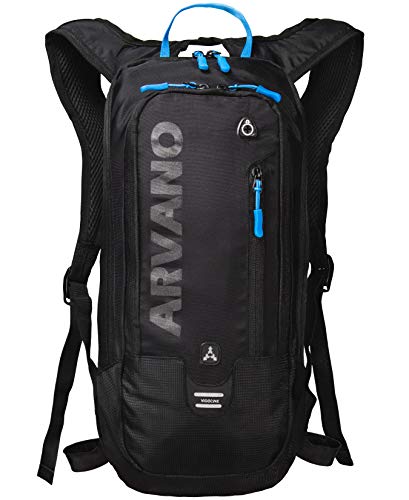
- ✓ Lightweight and slim
- ✓ Comfortable adjustable straps
- ✓ Hydration system compatible
- ✕ Water reservoir not included
- ✕ Limited storage space
| Capacity | 6 liters (approximate volume based on dimensions) |
| Hydration Bladder Capacity | Up to 2.0 liters (70 oz) |
| Weight | 1.1 pounds (0.5 kg) |
| Dimensions | 45 cm x 21.8 cm x 5 cm (18″ x 8.6″ x 2″) |
| Material | Not specified, likely durable nylon or polyester |
| Features | Ergonomic design with padded back and shoulder straps, reflective strips for visibility, headphone line output compartment |
You’re halfway up a rugged trail, pedals grinding against uneven terrain, when you realize your old backpack isn’t cutting it anymore. You need something sleek, lightweight, and designed for mountain biking.
That’s when you slide the Arvano 6L Mountain Bike Backpack onto your shoulders.
First thing you notice is how slim and compact it feels. At just over a pound, it barely adds bulk, yet it still holds essentials.
The adjustable straps keep it snug and steady, so it doesn’t bounce around as you hit those sharp turns. The ergonomic design really shines here, offering comfort during long rides.
The hydration system compatibility is a big plus. You can fit a 2L bladder, which means no more stopping for water.
Just sip through the built-in outlet, and keep pedaling. The small front pocket with a zipper and headphone port is perfect for your phone and music.
You can listen to your favorite playlist while keeping your device secure.
The reflective strips add a safety touch, especially when you’re riding at dawn or dusk. Plus, the padded back keeps your shirt dry and comfortable, even on sweaty climbs.
It’s versatile enough for snowboarding or hiking too, making it a real multi-purpose piece.
One thing to keep in mind: the water reservoir isn’t included, so you’ll need to buy that separately. Still, for the price, it’s a smart choice for anyone wanting a lightweight, functional bike pack that doesn’t weigh you down.
Overall, this backpack hits a sweet spot between practicality and comfort, making your rides smoother and more enjoyable.
USWE MTB Hydro Hydration Pack 12L Carbon Black
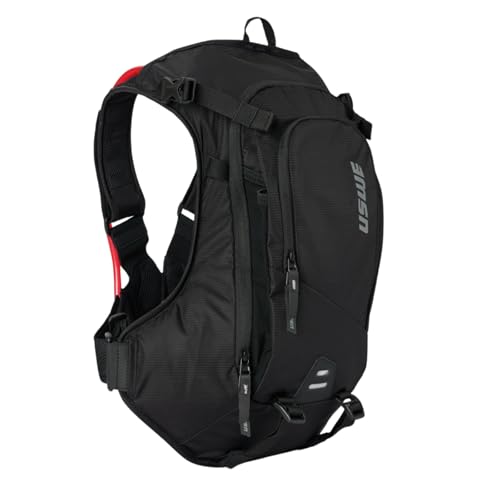
- ✓ Zero bounce fit
- ✓ Easy hydration access
- ✓ Plenty of storage options
- ✕ Slightly pricey
- ✕ Limited color choices
| Hydration Capacity | 3.0L / 100oz Elite hydration bladder with ice compatibility |
| Harness System | No Dancing Monkey (NDM) 1.2 with 4-point suspension for bounce-free fit |
| Chest Size Range | Fits chest sizes 33 – 43 inches (84 – 110 cm) |
| Pack Volume | 12 liters total capacity |
| Ventilation Features | Ventilated shoulder straps and air-vented back panel with wave-profile pads |
| Additional Storage | Main compartment, zippered organizer pockets, external attachment straps, quick stash pocket |
Fighting the constant bounce and sway on rough trails has always been a frustration for me, especially when my pack feels like it’s trying to dance off my back. The USWE MTB Hydro Hydration Pack 12L in Carbon Black changed that in an instant.
The moment I put it on, I noticed how snug and secure it felt, thanks to the NDM 1.2 harness system.
This harness is a game changer. It’s got a four-point suspension that keeps the pack from bouncing, no matter how gnarly the terrain gets.
I was able to move freely, pedal hard, and even do some technical drops without feeling like I’d lose my gear. The adjustable straps fit chest sizes from 33 to 43 inches, so it feels custom to your body.
Plus, the ventilated shoulder straps and back panel kept me cool even on hot climbs.
The hydration system is super convenient. The 3.0L bladder has a slider opening for easy filling and cleaning.
I threw in some ice, and it kept my water cold for hours. The magnetic tube clip makes sipping effortless without fumbling.
There’s enough space for tools, snacks, and a light jacket, plus external straps to secure my armor or extra gear.
And I really appreciated the quick stash pocket—perfect for grabbing a layer or helmet without opening the main compartment. The reflective details add a safety boost for night rides.
Overall, it’s a comfortable, secure, and versatile pack that keeps everything accessible when you need it most.
USWE MTB Hydro Hydration Pack 12L Bronze

- ✓ Secure, bounce-free fit
- ✓ Easy-access hydration system
- ✓ Plenty of storage options
- ✕ Slightly pricey
- ✕ Limited color choices
| Hydration Capacity | 3.0L / 100oz Elite hydration bladder with slider opening and ice compatibility |
| Harness System | No Dancing Monkey (NDM) 1.2 with 4-point performance suspension |
| Back Panel and Straps | Ventilated shoulder straps and air-vented back panel with wave-profile pads |
| Storage Capacity | 12 liters total capacity with main compartment and zippered organizer pockets |
| Additional Features | Magnetic tube clip for easy access, external attachment straps, quick stash pocket, reflective details for safety |
| Chest Size Range | Fits chest sizes 33 – 43 inches (84 – 110 cm) |
As soon as I unzipped the USWE MTB Hydro Hydration Pack 12L in bronze, I was hit with its sleek, rugged look. The bronze finish isn’t just stylish—it feels tough and ready for the trails.
The pack’s weight is surprisingly light considering its capacity, and the texture of the fabric has a matte, almost rubbery feel that grips well without feeling sticky.
First thing I noticed was the NDM 1.2 harness system. It’s a game-changer—no bouncing whatsoever, even on the roughest climbs.
The 4-point suspension hugs your chest securely, making it feel like an extension of your body rather than a bulky backpack. The adjustable straps fit a wide range of chest sizes, so it’s comfortable for most riders.
Loading it up with gear was a breeze. The main compartment is spacious but organized, with zippered pockets for tools and snacks.
External straps let me attach a jacket or armor, which is super convenient. The quick stash pocket is perfect for quick access to a jacket or helmet—no digging needed.
The 3.0L hydration bladder is a highlight. The slider opening makes cleaning simple, and the Plug-n-Play connection makes refilling quick.
The magnetic tube clip keeps the straw handy and secure, so I didn’t have to fumble around while riding. Plus, the reflective details give me some peace of mind riding in low light.
Ventilated shoulder straps and the air-vented back panel kept me cool even on hot days. Overall, it’s a well-thought-out pack that feels comfortable, secure, and functional—perfect for tackling any trail with confidence.
MSR Low-Profile Race Hydration Pack 2L Backpack Black

- ✓ Slim, low-profile design
- ✓ Comfortable, secure fit
- ✓ Easy hydration access
- ✕ Limited storage space
- ✕ No extra gear pockets
| Hydration Capacity | 2 Liters (70 oz.) |
| Hydration Reservoir Material | N/A (not specified, but typically BPA-free plastic or TPU) |
| Bladder Features | High-flow Blaster bite valve with self-sealing and twist on/off bar |
| Back Panel | Breathable mesh for heat dissipation |
| Material | Durable, lightweight synthetic fabric |
| Design | Low-profile, slim silhouette with adjustable chest and shoulder straps |
You’re midway up a steep trail, sweat dripping and legs burning, when you reach for your pack. The MSR Low-Profile Race Hydration Pack feels almost invisible on your back, barely noticeable thanks to its slim silhouette.
The moment you tighten the chest and shoulder straps, it molds perfectly to your body, eliminating any bounce or shifting.
The 2-liter hydration bladder fits snugly inside, and the wide-mouth opening makes refilling a breeze. That high-flow bite valve is a game-changer; you can take quick sips without worrying about leaks or spills.
The twist-on/off bar adds extra security, so when you’re not drinking, you can toss it in your bag without concern.
The breathable back panel keeps you cooler on those hot, grueling rides, and the lightweight design won’t weigh you down. I appreciated how quickly I could grab water without fumbling or feeling bulky.
It’s sturdy enough to withstand trail debris and rough handling, but still light enough for all-day comfort.
This pack is clearly designed with serious riders in mind—whether you’re on a mountain bike, dirt bike, or UTV. It stays secure during jumps and sharp turns, so you can focus on the ride, not your gear.
For anyone who hates bulky backpacks slowing them down, this one feels like a natural extension of your body.
Overall, it’s a smart choice for riders who need hydration without sacrificing agility or comfort. Just keep in mind, the slim profile means limited extra storage if you’re packing for longer adventures.
What Features Make the Best MTB Bike Backpack?
The best MTB bike backpack should have several key features that enhance comfort, convenience, and functionality during rides.
- Hydration System: A good MTB bike backpack often includes a built-in hydration reservoir or bladder, allowing riders to stay hydrated without stopping. This feature is essential for long rides where access to water may be limited, and it typically comes with a tube for easy sipping while cycling.
- Storage Capacity: The backpack should offer ample storage space for essentials such as tools, snacks, and personal items. Look for compartments and pockets that help organize gear efficiently, making it easy to access items without rummaging through the bag.
- Comfortable Fit: A well-designed MTB backpack should have adjustable straps, a padded back panel, and a breathable mesh to ensure it fits snugly and comfortably during rides. This prevents the backpack from bouncing around, which can be distracting and uncomfortable on rugged terrain.
- Durability: The materials used in the backpack should be robust and weather-resistant, ensuring it can withstand the rigors of mountain biking. This includes reinforced stitching and a water-resistant exterior to protect contents from rain and mud.
- Reflective Elements: Safety is paramount, especially in low-light conditions, so the best MTB bike backpacks often incorporate reflective materials or accents. These features enhance visibility, making the rider more noticeable to others on the trail or road.
- Ventilation: A well-ventilated design, often featuring mesh panels or airflow channels, is important to keep the rider cool and reduce sweat accumulation. This is especially beneficial on hot days or during intense rides, enhancing overall comfort.
- Attachment Points: Look for backpacks that include external attachment points for carrying additional gear, such as a helmet, jacket, or extra water bottle. These features increase versatility and allow riders to carry more without compromising internal storage space.
How Does Storage Capacity Influence MTB Riding Comfort?
The storage capacity of a mountain bike (MTB) backpack significantly influences riding comfort by affecting weight distribution, accessibility, and organization of gear.
- Weight Distribution: A backpack with optimal storage capacity allows for better weight distribution across the back, which can enhance balance and reduce fatigue during long rides. If a backpack is overloaded or poorly designed, it can shift weight unevenly, leading to discomfort and strain.
- Accessibility: Sufficient storage capacity ensures that essential items such as tools, snacks, and hydration are easily accessible while riding. A well-organized backpack with designated compartments allows riders to grab what they need without having to stop completely, thus maintaining momentum and comfort on the trail.
- Organization: A backpack with the right storage capacity enables better organization of gear, which reduces the need for rummaging through a packed bag. When items are organized and secured, it minimizes bouncing and shifting during rides, making for a more comfortable experience.
- Hydration Options: Many MTB backpacks include hydration reservoirs that benefit from adequate storage capacity. A well-designed backpack allows for easy access to hydration while riding without having to stop, keeping the rider hydrated and comfortable over longer distances.
- Compatibility with Additional Gear: A backpack with ample storage capacity can accommodate additional gear such as protective pads, jackets, or even first aid kits, which can be crucial for safety and comfort during unpredictable trail conditions. This versatility allows riders to adapt to changing weather or terrain without compromising on comfort.
Why Are Hydration Systems Crucial for Mountain Biking?
Hydration systems are crucial for mountain biking because they ensure that riders maintain adequate fluid intake during strenuous physical activity, which is essential for optimal performance and safety.
According to a study published in the Journal of Sports Sciences, dehydration can lead to significant declines in physical performance, including reduced endurance, increased fatigue, and impaired cognitive function (J. Sports Sci. 2019). This underscores the importance of having easy access to hydration while on the trails, as mountain biking can be particularly demanding, often requiring sustained effort over long periods and in varying weather conditions.
The underlying mechanism involves the body’s physiological response to exercise and heat. When biking, the body loses fluids through sweat, which is necessary for regulating temperature. If these fluids are not replaced promptly, dehydration sets in, leading to increased heart rate, decreased blood volume, and diminished muscular strength. Moreover, a well-hydrated body helps maintain electrolyte balance, crucial for muscle function and preventing cramps (Smith et al., 2020). Therefore, utilizing hydration systems like the best MTB bike backpack allows riders to easily carry and access fluids without interrupting their ride, ultimately enhancing endurance and enjoyment.
What Compartment Types Enhance Organization for Riders?
The best MTB bike backpacks enhance organization for riders through various compartment types designed for specific gear and essentials.
- Main Compartment: This is the largest section of the backpack, designed to hold bulkier items such as clothing, tools, and snacks. Its spacious layout allows riders to easily access gear while on the go, often featuring a wide opening for quick packing and unpacking.
- Specifically designed to hold a hydration reservoir, this compartment ensures easy access to water while riding. Many hydration compartments come with a designated hose opening, allowing riders to drink hands-free without stopping.
- Organizer Pocket: This smaller pocket is perfect for keeping essentials like keys, a phone, and repair kits in one easily accessible place. It often features various pockets and slots to separate items, preventing clutter and facilitating quick access.
- Tool Compartment: Some MTB backpacks include a dedicated section for storing tools and spare parts, often with padded protection. This compartment helps riders keep their maintenance gear organized and secure, ensuring that they are prepared for any mechanical issues on the trail.
- Helmet Attachment: While not a compartment in the traditional sense, many bike backpacks offer an external attachment point for helmets. This feature allows riders to conveniently carry their helmet when not in use without taking up valuable internal space.
- Side Pockets: These are perfect for storing items that need to be accessed quickly, such as energy bars or a map. Often made from mesh or elastic material, side pockets can stretch to accommodate varying sizes of gear while keeping them within easy reach.
Which Brands Are Renowned for Quality MTB Bike Backpacks?
Several brands are recognized for producing high-quality MTB bike backpacks that cater to the needs of mountain bikers.
- Osprey: Known for its comfort and durability, Osprey backpacks often feature an adjustable harness system and ample storage space, making them ideal for long rides.
- CamelBak: Renowned for their hydration systems, CamelBak’s MTB backpacks come equipped with water reservoirs and are designed to keep riders hydrated without compromising on storage for gear.
- Deuter: Deuter backpacks are praised for their ergonomic designs and ventilation systems, which provide comfort during extended rides while ensuring adequate airflow to keep the rider cool.
- EVOC: Focused on performance, EVOC backpacks offer specialized features such as protection for fragile items, as well as hydration compartments, making them suitable for technical trails.
- Fox Racing: Fox Racing is known for its stylish and functional MTB backpacks that provide good protection and ample storage, catering to the needs of downhill and trail riders alike.
Osprey backpacks are built with high-quality materials that enhance their durability, and they often include features like rain covers and pockets for organization. Riders appreciate the comfort of their adjustable harness and hip belts, which distribute weight evenly and reduce fatigue.
CamelBak has set the standard in hydration systems, and their backpacks are designed to keep water easily accessible while providing enough space for tools and snacks. This brand emphasizes lightweight designs to ensure that hydration doesn’t weigh riders down.
Deuter backpacks are engineered with the rider’s comfort in mind, featuring padded back panels and adjustable straps that accommodate different body shapes. Their ventilation technology helps reduce sweat buildup, making them a favorite for long-distance mountain biking.
EVOC specializes in creating backpacks that not only offer excellent storage but also protect sensitive equipment like cameras or electronics. Their designs often include padded compartments and external straps for securing additional gear, making them versatile for various biking adventures.
Fox Racing combines functionality with style, offering backpacks that appeal to both performance-oriented riders and those looking for aesthetic appeal. Their products often include features like reinforced areas for wear and tear, ensuring they can withstand rugged trail conditions.
What Factors Contribute to the Durability of MTB Bike Backpacks?
The durability of MTB bike backpacks is influenced by several key factors:
- Material Quality: The type of materials used in the construction of the backpack significantly impacts its durability. High-denier nylon or polyester fabrics are common choices because they offer excellent resistance to abrasions and tears, ensuring the backpack can withstand rough trails and adverse weather conditions.
- Water Resistance: A durable MTB backpack should be designed to repel water or come with a waterproof coating. This feature is crucial for protecting the contents from rain or splashes while riding through wet environments, thus prolonging the lifespan of both the backpack and its contents.
- Stitching and Seams: The quality of stitching and the type of seams used in the backpack’s construction play a vital role in its overall strength. Reinforced seams and double-stitched areas reduce the risk of ripping, particularly at stress points such as the straps and zippers.
- Frame and Support Structure: A well-designed internal frame or support structure enhances the backpack’s durability by distributing weight evenly and preventing sagging. This feature helps maintain the backpack’s shape over time, making it more resilient against wear and tear during rigorous activities.
- Zipper Quality: The durability of zippers is often overlooked, but high-quality zippers can significantly extend the life of a backpack. Heavy-duty zippers that are corrosion-resistant and designed to prevent snagging can withstand frequent use and harsh environmental conditions.
- Design and Ergonomics: A thoughtful design that considers the ergonomic needs of the rider can contribute to the durability of the backpack. Features such as padded straps and back panels not only ensure comfort during rides but also reduce strain on the materials, decreasing the likelihood of premature wear.
- Storage and Organization Features: Well-placed compartments and pockets can enhance the functionality of an MTB backpack while also contributing to its durability. By properly organizing gear and distributing weight, riders can minimize stress on specific areas of the backpack, leading to longer-lasting performance.
Which Popular MTB Bike Backpack Models Should You Consider?
When looking for the best MTB bike backpack, consider these popular models:
- CamelBak M.U.L.E.: A well-known choice among mountain bikers, this backpack is designed for both comfort and functionality.
- Osprey Raptor: This model is perfect for those who prioritize hydration and storage capacity, featuring a well-organized interior.
- Deuter Compact EXP: Known for its durability and lightweight design, this backpack is ideal for long rides and harsh conditions.
- Evoc FR Enduro: This option stands out for its integrated back protection, making it a safe choice for aggressive riders.
- Gregory Endo: Combining style and performance, this backpack offers excellent ventilation and a sleek design.
The CamelBak M.U.L.E. is equipped with a 3-liter hydration reservoir and multiple compartments, making it easy to carry essential gear while ensuring you stay hydrated during your ride. Its adjustable harness and back panel provide a snug fit, allowing for unrestricted movement on the trails.
The Osprey Raptor features a unique hydration system that includes a reservoir and an easy-to-fill design, alongside ample storage pockets for tools and snacks. Its AirScape back panel enhances comfort and ventilation, making it suitable for long rides.
Deuter Compact EXP is built with high-quality materials, ensuring that it can withstand rough conditions. It has expandable storage, allowing you to adjust the capacity based on your needs, and its ergonomic design ensures a comfortable fit even when fully loaded.
The Evoc FR Enduro is particularly popular among downhill and enduro riders due to its integrated back protector, which offers safety without sacrificing comfort. This pack also comes with ample organizational features, including compartments for tools and first aid kits.
Gregory Endo stands out with its stylish design and functional features, including a breathable back panel and a smart organization system. It offers a balance between carrying capacity and lightweight construction, making it an excellent option for both casual and serious mountain bikers.
What Should You Look for When Selecting an MTB Bike Backpack?
When selecting the best MTB bike backpack, consider the following factors:
- Capacity: The capacity of the backpack should align with the duration of your rides and the amount of gear you need to carry.
- Comfort: Look for features that enhance comfort, such as padded shoulder straps and a breathable back panel.
- Water Resistance: A water-resistant material or included rain cover is essential to protect your gear from the elements.
- Hydration System: Consider a backpack with a built-in hydration reservoir or compatibility with hydration bladders for easy access to water.
- Pockets and Organization: Multiple compartments and pockets will help you organize tools, snacks, and personal items efficiently.
- Fit and Adjustability: An adjustable harness and waist straps can provide a secure fit, preventing the backpack from shifting during rides.
- Durability: Choose a backpack made from high-quality materials that can withstand the rough conditions of mountain biking.
Capacity is crucial because it determines how much gear you can carry. For short rides, a smaller pack might suffice, while longer excursions will require more space to accommodate additional supplies.
Comfort is paramount during rides, as an uncomfortable backpack can lead to fatigue. Look for features like padded shoulder straps and a ventilated back panel to help distribute weight evenly and keep you cool.
Water resistance protects your gear from rain and splashes, ensuring everything stays dry. A backpack made from water-repellent material or with a rain cover is ideal for unpredictable weather conditions.
A hydration system is vital for staying hydrated on the trail. A backpack with an integrated hydration reservoir allows for quick sips without stopping, promoting better hydration during rides.
Pockets and organization help keep your essentials accessible. A good backpack will have designated areas for tools, snacks, and other items, making it easy to find what you need while on the go.
Fit and adjustability ensure that the backpack stays in place while riding. Look for models with adjustable harnesses and waist straps that allow you to customize the fit based on your body type.
Durability is important as mountain biking can be tough on equipment. Opt for backpacks constructed from robust materials that can handle rough trails and resist wear and tear over time.
How Does the Fit Affect Riding Comfort and Performance?
- Size: The size of the backpack should correspond with the rider’s torso length and the amount of gear they need to carry. A properly sized backpack ensures that weight is distributed evenly, preventing strain on the shoulders and back during rides.
- Adjustability: Many backpacks come with adjustable straps, allowing the rider to customize the fit for their body shape. This feature enhances stability, keeping the backpack secure and minimizing movement that can distract or hinder performance on technical trails.
- Weight Distribution: The design of the backpack plays a crucial role in how weight is distributed across the body. A well-designed pack will center the load close to the back, which helps maintain balance and control on the bike, especially when navigating steep descents or sharp turns.
- Ventilation: Proper ventilation is essential to prevent overheating during rides. Backpacks with breathable materials and air channels promote airflow, helping to keep the rider cool and comfortable, which can enhance endurance over longer rides.
- Padding and Support: Adequate padding on the shoulder straps and back panel can greatly improve comfort during long rides. Supportive padding helps absorb shocks and reduces pressure points, allowing the rider to focus on the trail rather than discomfort.
Why Is Weight a Key Consideration for MTB Backpacks?
According to a study published in the Journal of Sports Sciences, optimal load distribution and minimized weight can significantly enhance a cyclist’s efficiency and speed on varied terrains. The study emphasizes that as weight increases, the energy expenditure required to maintain speed also increases, leading to quicker exhaustion.
The underlying mechanism involves biomechanics and energy expenditure during cycling. When a rider carries a heavy backpack, the additional weight shifts their center of gravity, impacting balance and stability. This shift can lead to inefficient pedaling and increased strain on muscles, particularly in the back and shoulders. As a result, riders may find themselves needing to exert more energy to compensate for the extra load, which detracts from their performance and enjoyment of the ride.
Moreover, the materials used in the construction of MTB backpacks also play a role in weight considerations. High-performance fabrics and innovative design techniques allow manufacturers to create lightweight yet durable products. As noted by sources like Gear Junkie, advancements in backpack technology focus on reducing weight while ensuring sufficient storage capacity and structural integrity, catering to the needs of mountain bikers who demand both functionality and comfort.
What Price Ranges Can You Expect for High-Quality MTB Bike Backpacks?
The price ranges for high-quality MTB bike backpacks can vary significantly based on features, brand, and materials used.
- Budget Range ($50 – $100): In this range, you can find basic MTB bike backpacks that offer essential features like hydration reservoirs and simple storage compartments. They are usually made from durable materials but may lack advanced features like specialized pockets or ergonomic designs.
- Mid-Range ($100 – $200): Mid-range backpacks typically incorporate better materials and additional features such as multiple compartments, adjustable harness systems, and enhanced comfort padding. These backpacks are often designed with specific MTB needs in mind, including hydration packs and tools storage.
- Premium Range ($200 – $400): Premium MTB backpacks are crafted from high-end materials that are both lightweight and highly durable, often featuring advanced technology like breathable back panels and integrated safety equipment. They offer extensive organizational options, superior comfort, and may include features like built-in rain covers and reflective elements for safety.
- Luxury Range ($400 and above): At this price point, you can expect top-of-the-line MTB backpacks that combine cutting-edge materials and innovative designs. These backpacks often come with customizable features, extensive ventilation systems, and are designed for serious riders who need maximum performance and functionality on challenging trails.
How Much Should You Budget for a Reliable MTB Bike Backpack?
When budgeting for a reliable MTB bike backpack, several key factors should be considered to ensure you get the best value for your investment.
- Price Range: The cost of a quality MTB bike backpack typically ranges from $50 to $300.
- Capacity: The backpack should have a capacity that suits your riding needs, usually between 10 to 20 liters.
- Features: Consider essential features like hydration reservoirs, pockets for tools, and external attachment points.
- Material Quality: Look for durable, water-resistant materials to withstand the rigors of mountain biking.
- Brand Reputation: Investing in a well-known brand can assure you of product reliability and customer support.
The cost of a quality MTB bike backpack typically ranges from $50 to $300, depending on its features and brand. Budgeting within this range allows for a variety of options that balance affordability with performance, ensuring you can find a backpack that meets your needs without overspending.
The backpack should have a capacity that suits your riding needs, usually between 10 to 20 liters. A larger capacity is ideal for longer rides where you need to carry extra gear, while smaller packs are sufficient for short trips or minimalist riders.
Consider essential features like hydration reservoirs, pockets for tools, and external attachment points. These features enhance convenience and comfort during your rides, allowing you to stay hydrated and carry essential tools and gear without hassle.
Look for durable, water-resistant materials to withstand the rigors of mountain biking. A backpack made from high-quality materials will not only last longer but also protect your belongings from the elements, ensuring they remain safe and dry during your rides.
Investing in a well-known brand can assure you of product reliability and customer support. Established brands often provide warranties and better customer service, which can be crucial if you encounter issues or need replacements for defective items.
What Affordable Options Balance Quality and Cost?
When searching for the best MTB bike backpack that balances quality and cost, several options stand out:
- Osprey Raptor 14: This backpack is known for its excellent ventilation and comfortable fit, making it ideal for long rides. It features a hydration reservoir and multiple pockets for organizing gear, all at a reasonable price point.
- CamelBak M.U.L.E.: A popular choice among mountain bikers, the M.U.L.E. offers a good balance of storage and hydration. Its lightweight design and adjustable straps make it comfortable for extended use, while its durable materials ensure longevity.
- Evoc FR Lite Race: This option provides not only hydration but also a back protector, enhancing safety without compromising comfort. It’s designed for performance, with a streamlined shape and ample storage for essentials, all while remaining budget-friendly.
- Thule Vital Hydration Pack: The Thule Vital is sleek and functional, featuring a 2.5-liter hydration reservoir and numerous pockets for tools and snacks. Its minimalist design ensures it stays lightweight and convenient for quick rides, making it a great value for quality.
- Fox Racing Camber 20: With a larger capacity, this backpack is perfect for those who need to carry more gear. It includes a hydration system and is built with durable materials, making it a reliable choice for regular mountain biking adventures without breaking the bank.
What Do User Reviews Indicate About MTB Bike Backpacks?
User reviews indicate several key aspects to consider when evaluating the best MTB bike backpacks.
- Comfort: Many users emphasize the importance of comfort, especially during long rides. A well-padded back panel and adjustable straps are often highlighted as features that enhance the overall experience, allowing for prolonged use without discomfort.
- Storage Capacity: Reviews frequently discuss the backpack’s storage capabilities. Riders prefer backpacks with multiple compartments and pockets that can securely hold tools, snacks, hydration systems, and personal items, ensuring easy access while on the move.
- Durability: Durability is a common theme in user feedback, with many riders seeking backpacks made from robust materials that can withstand rough terrain and weather conditions. Users often share experiences regarding the wear and tear of their backpacks over time, influencing their recommendations.
- Hydration System: A popular feature among MTB bike backpacks is the integration of hydration systems, like water bladders and hoses. Reviews suggest that having easy access to hydration encourages riders to stay hydrated without the need to stop and dig through the backpack.
- Weight: The weight of the backpack is frequently mentioned in reviews, with many cyclists preferring lightweight options that do not add extra strain during rides. A lightweight design helps maintain balance and agility on the trails.
- Style and Aesthetics: Users also comment on the style and design of the backpacks, noting that a visually appealing product can enhance their riding experience. Personal preference in colors and patterns can influence purchasing decisions, as many riders want their gear to reflect their personality.
How Can User Experiences Guide Your Backpack Choice?
User experiences play a crucial role in selecting the best MTB bike backpack, as they provide insights into real-world functionality, comfort, and durability.
- Comfort: User feedback often highlights the importance of comfort, especially during long rides. A well-padded back panel and adjustable straps can greatly enhance the riding experience by reducing fatigue and preventing chafing.
- Storage Capacity: Riders frequently discuss the need for adequate storage options, including compartments for hydration systems, tools, and personal items. A backpack that balances size and weight while providing organized storage is often preferred in user reviews.
- Weather Resistance: Many users emphasize the need for a waterproof or weather-resistant design. A backpack that can withstand rain or mud helps protect valuable gear and ensures that the rider can continue their adventure regardless of conditions.
- Durability: Feedback on the materials and construction quality is essential in determining a backpack’s longevity. Riders tend to favor backpacks made from high-quality, abrasion-resistant fabrics that can endure rough trails and regular use.
- Hydration Features: User experiences frequently point to the convenience of integrated hydration systems, such as bladder compartments and tube routing. This feature allows riders to stay hydrated without needing to stop, making it a popular choice among mountain bikers.
- Weight Distribution: Feedback regarding weight distribution is critical for maintaining balance while riding. A well-designed backpack helps evenly distribute weight, preventing strain on the back and shoulders, which is essential for a comfortable ride.
- Accessibility: Users often note the importance of easy access to gear while riding. Features like quick-access pockets or external attachment points for tools and snacks can make a significant difference in user satisfaction during rides.
- Ventilation: Many riders comment on the need for adequate ventilation to reduce heat and moisture buildup. Backpacks designed with breathable materials and mesh panels can enhance comfort, especially on warm days.
What Common Pitfalls Should You Be Aware of When Choosing a Backpack?
When selecting the best MTB bike backpack, it’s essential to be aware of several common pitfalls.
- Size and Fit: Choosing a backpack that is either too large or too small can lead to discomfort and instability while riding. A well-fitted backpack should sit snugly against your back without excessive movement, ensuring that it does not interfere with your balance or bike control.
- Insufficient Storage: Many riders underestimate the amount of gear they need for their rides, leading to backpacks with inadequate storage. It’s important to consider all necessary items, such as hydration systems, tools, and personal items, to ensure that the backpack has enough compartments and space to accommodate everything.
- Poor Quality Materials: Opting for a cheaper backpack can often mean sacrificing durability and weather resistance. High-quality materials not only provide better protection against the elements but also increase the longevity of the backpack, making it a more cost-effective option in the long run.
- Lack of Hydration Solutions: Failing to prioritize hydration options can lead to discomfort during long rides. The best MTB bike backpacks often feature built-in hydration reservoirs or compartments for water bottles, ensuring that you stay hydrated without needing to stop frequently.
- Heavy Weight: Some backpacks are unnecessarily heavy, which can add strain during rides. It’s crucial to find a balance between features and weight; a lightweight backpack with essential functions will enhance your riding experience without causing fatigue.
- Poor Ventilation: A backpack that lacks proper ventilation can lead to discomfort due to excessive sweating. Look for designs that incorporate mesh back panels or airflow channels, as these features help keep your back cool and dry during strenuous rides.
- Neglecting Safety Features: Many riders overlook the importance of safety features like reflective materials or built-in lights. These elements can significantly increase your visibility to others on the road or trails, enhancing your safety during low-light conditions.