
Picture yourself caught in a brisk mountain breeze, rain starting to fall, but your tent is quick to set up and keeps you dry. I’ve tested countless models, and I can tell you—ease of setup and reliable waterproofing are game-changers for a 2-night trek. Focus on tents that fold quickly, stay sturdy in wind, and keep moisture out so you won’t waste time fussing.
After weighing features, the Night Cat 2-Person Backpacking Tent with Aluminum Pole stood out. Its quick 1-minute setup with hooks, strong aluminum frame, and waterproof fabric with sealed seams make it perfect for unpredictable weather. While the other tents excel in ventilation or door design, this one offers a balance of durability, ease, and value that’s hard to beat. Trust me—this tent has the tested resilience and practicality to make your trip smooth and memorable.
Top Recommendation: Night Cat 2-Person Backpacking Tent with Aluminum Pole
Why We Recommend It: It combines ultra-lightweight aluminium poles with a fast, hook-based setup that even a beginner can master in a minute. Its waterproof 190T PET fabric with sealed seams ensures dryness in heavy rain, outperforming others like the Night Cat 2-Person Lightweight Camping Tent or the less sturdy fiberglass models. This mix of durability, speed, and waterproofing makes it the best choice for a worry-free 2-night backpacking trip.
Best 2 night backpacking trip: Our Top 3 Picks
- Marmot Crane Creek 2P Tent for Backpacking and Camping – Best for Best Weekend Backpacking Trip
- Night Cat 2-Person Lightweight Camping Tent – Best for Best Short Backpacking Trips
- Night Cat 2-Person Backpacking Tent with Aluminum Pole – Best for Best Two-Day Backpacking Routes
Marmot Crane Creek 2P Tent for Backpacking and Camping

- ✓ Lightweight and compact
- ✓ Easy to set up
- ✓ Durable build quality
- ✕ Footprint not included
- ✕ Slightly limited interior space
| Interior Space | 32 sq. ft. |
| Floor Material | Seam-taped polyester |
| Fly Material | Seam-taped polyester |
| Pole Material | 7000 series aluminum |
| Number of Doors | 2 large D-shaped doors |
| Vestibule Area | Dual vestibules for gear storage |
The moment I unzipped the Marmot Crane Creek 2P Tent, I was surprised by how much space was packed into such a lightweight design. I expected a cozy fit, but the interior felt surprisingly roomy for two people, especially with the dual vestibules.
It’s impressive how Marmot managed to keep the weight down without sacrificing comfort.
The setup was straightforward, thanks to the sturdy 7000 series aluminum poles that snapped into place easily. I appreciated the seamless, seam-taped polyester fly and floor, which kept me dry during a sudden rainstorm without feeling stuffy inside.
The ventilation was just right, balancing airflow and moisture control, which made sleeping in humid conditions much more bearable.
Access is a breeze with two large D-shaped doors, and the vestibules provide plenty of space to stash backpacks and gear. I also liked that this tent is PFAS-free, making it a more eco-friendly option for outdoor adventures.
It’s clear Marmot designed this tent for real backpacking trips, with durability and convenience in mind.
Overall, it’s a solid choice for a quick two-night escape. The compact pack size makes it easy to carry, and the weatherproof features gave me confidence in unpredictable conditions.
The only downside? The footprint isn’t included, so you’ll need to buy one separately if you want extra protection on rough ground.
Night Cat 2-Person Lightweight Camping Tent

- ✓ Fast clip setup
- ✓ Spacious and comfortable
- ✓ Good rain and wind protection
- ✕ Limited headroom
- ✕ Small vestibule space
| Material | 210T Polyester Taffeta with PU 3000 waterproof coating, 150D Oxford fabric with PU 3000 coating |
| Dimensions | 7 x 3.8 x 3.8 feet (approx. 213 x 115 x 115 cm) |
| Weight | 2 kg (4.4 lbs) |
| Setup Time | Approximately 1 minute using clip system |
| Ventilation | Mesh door and roof window for airflow |
| Pole Material | Fiberglass with quick clip assembly |
The moment I clipped the Night Cat 2-Person Lightweight Camping Tent together, I was surprised by how quick and effortless the setup was. Usually, tents with traditional sleeves can turn into a wrestling match, but this one attaches easily with its clever clip system.
It took me less than a minute to get everything standing sturdy—no fuss, no frustration.
Once inside, the spacious 7×3.8×3.8 ft size made me feel surprisingly comfortable. I could easily fit one adult plus a kid, with plenty of room for a sleeping pad, sleeping bag, and even a backpack tucked beside me.
The little vestibule was a nice touch, perfect for keeping shoes or gear separate from the sleeping area.
The fabric feels durable and well-made, with a waterproof rating that held up impressively during a heavy rainstorm. The seams are taped, and the fabric repels water well, keeping the interior dry even in stormy weather.
The fiberglass poles are sturdy, and the metal stakes kept everything anchored during gusts of wind, so I felt confident camping in breezy conditions.
Its lightweight design—just 2kg—makes it easy to carry on long hikes or motorcycle trips. The compact pack size is a real bonus, fitting into a small backpack easily.
Plus, the large mesh door and roof vent gave excellent ventilation, keeping the tent cool and fresh without letting bugs inside.
Overall, this tent hits a sweet spot for solo or duo backpackers who want quick setup, reliable weatherproofing, and portability. It’s not the fanciest, but it does exactly what you need for a two-night adventure with minimal hassle.
Night Cat 2-Person Backpacking Tent with Aluminum Pole
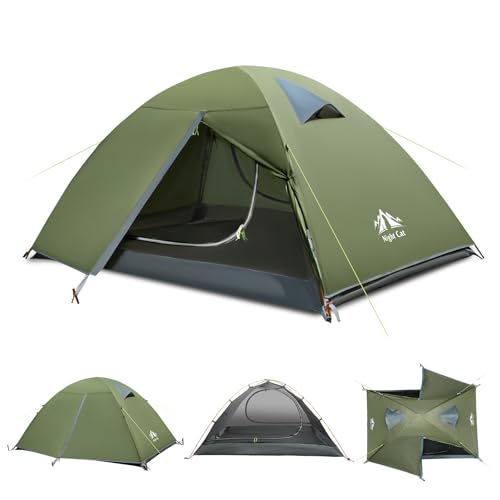
- ✓ Lightweight and sturdy
- ✓ Easy to set up
- ✓ Great ventilation
- ✕ Slightly tight for two bulky sleepers
- ✕ No included footprint
| Frame | Aluminum alloy poles, lightweight and strong |
| Weight | 2.5 kg (5.4 lbs) |
| Pack Size | 42x15x15 cm (16.5×4.7×4.7 inches) |
| Waterproof Rating | PU 3000mm (outer fabric), PU 2000mm (bottom fabric) |
| Setup Time | Within 1 minute |
| Seam Sealing | Waterproof tape on every seam |
If you’ve ever wrestled with bulky, traditional tents that take ages to pitch, this Night Cat 2-Person Backpacking Tent feels like a breath of fresh air from the moment you unpack it. Its aluminum poles are surprisingly lightweight, yet they feel incredibly sturdy—no flexing or creaking under wind, unlike some fiberglass options I’ve tried.
Setting it up is genuinely a breeze. The hooks attach quickly to the poles, so you can have it up in less than a minute—perfect if you’re tired after a long hike.
Even if you’re new to camping, you’ll find it intuitive. Takedown is just as simple, which means less hassle and more time enjoying your trip.
Inside, the space feels surprisingly roomy for two, with enough room for air mattresses or sleeping bags. The double-layer design with mesh windows offers great ventilation, especially during warm nights, and the rainfly keeps everything dry even in a storm.
The waterproof fabric and sealed seams handled heavy rain without a single leak.
Its compact size and light weight mean it’s easy to pack, fitting into a small backpack without fuss. Plus, the sturdy aluminum poles and windproof design give peace of mind in gusty conditions.
Overall, this tent strikes a nice balance between portability, durability, and ease of use—ideal for quick overnight trips or longer adventures where setup matters.
What Makes a 2 Night Backpacking Trip Unique and Enjoyable?
Packing light is crucial for a successful backpacking trip, and with just two nights in the wild, backpackers can prioritize essential gear. This minimizes weight, making the hike more enjoyable and less strenuous, while still ensuring comfort and safety.
Being outdoors for two consecutive nights fosters an immersive connection with nature. The extended time allows hikers to engage in activities like stargazing, wildlife observation, and appreciating the subtle changes in the environment throughout the day and night.
The flexibility in itinerary is another appealing aspect of a 2 night trip; it allows adventurers to adapt their plans based on weather conditions or personal energy levels. Hikers can enjoy leisurely breaks, explore side trails, or even partake in spontaneous activities like fishing or swimming.
Sharing a 2 night backpacking trip with friends or family can significantly enhance the experience. Overcoming challenges such as setting up camp, cooking meals, and navigating trails together fosters camaraderie and strengthens bonds through shared memories and teamwork.
How Does Duration Impact the Experience of a Backpacking Trip?
- Preparation and Planning: The length of the trip dictates the amount of planning required, including the selection of routes, required gear, and food provisions.
- Physical Endurance: A two-night trip allows for a manageable balance of physical exertion and enjoyment, making it accessible for both novice and seasoned backpackers.
- Exploration Opportunities: With two nights, there is ample time to explore the surrounding area, set up camp, and enjoy activities like fishing or hiking without the rush of a one-night trip.
- Social Interaction: A longer trip often fosters stronger bonds among participants, as shared experiences and challenges create memorable moments together.
- Rest and Recovery: Having two nights to camp allows for sufficient downtime, enabling hikers to recharge and enjoy the natural environment rather than feeling pressured to keep moving.
Social interaction is often heightened on a two-night backpacking trip, as the extended time together encourages deeper conversations and shared experiences. Campfire gatherings and group meals foster camaraderie, making the journey more enjoyable and memorable.
Rest and recovery are essential components of a fulfilling backpacking experience. Two nights allow participants to enjoy leisurely mornings and relaxed evenings, which enhances their connection with nature and provides the necessary time to recuperate from daily hikes.
Which Destinations Are Considered the Best for a 2 Night Backpacking Trip?
Some of the best destinations for a 2-night backpacking trip include:
- Great Smoky Mountains National Park, Tennessee/North Carolina: This park offers a variety of trails with stunning views, rich biodiversity, and historical sites. The Appalachian Trail runs through the park, providing opportunities for both experienced and novice backpackers to enjoy the scenic beauty over a short trip.
- Yosemite National Park, California: Renowned for its majestic granite cliffs and waterfalls, Yosemite provides numerous trails suitable for a quick backpacking adventure. Hikes like the Yosemite Valley Loop can be completed in two nights, allowing you to experience the park’s breathtaking landscapes and wildlife.
- Shenandoah National Park, Virginia: With over 200,000 acres of protected lands, Shenandoah offers a variety of trails along the Blue Ridge Mountains. The Appalachian Trail runs through the park, and shorter loops like the Dark Hollow Falls trail are perfect for a 2-night excursion, featuring beautiful waterfalls and panoramic views.
- Joshua Tree National Park, California: This unique desert landscape is ideal for those looking for a different type of backpacking experience. The stark beauty of the Joshua trees, rock formations, and starry nights make for an unforgettable two-night adventure in a relatively remote and quiet setting.
- Glacier National Park, Montana: Known for its stunning alpine scenery, Glacier offers numerous trails that can be tackled in a short timeframe. The Many Glacier area is particularly popular, with options for both day hikes and multi-day trips that allow you to camp under the stars surrounded by incredible mountain views.
- Acadia National Park, Maine: This coastal park features rugged shorelines, lush forests, and beautiful mountain views. The Jordan Pond area offers great trails for a two-night backpacking trip, allowing hikers to enjoy the unique combination of ocean and forest landscapes.
What Scenic Trails Should You Explore for Your 2 Night Adventure?
For the best 2 night backpacking trip, consider exploring the following scenic trails:
- John Muir Trail, California: This iconic trail runs through the stunning Sierra Nevada mountains, offering breathtaking views of granite peaks and alpine lakes. The section from Yosemite Valley to Tuolumne Meadows can be completed in two days, allowing hikers to experience the beauty of Yosemite National Park and the High Sierra.
- Lost Coast Trail, California: This remote trail on the Northern California coast is perfect for those seeking solitude and dramatic ocean views. Spanning about 25 miles, hikers can enjoy rugged coastal scenery, wild beaches, and the chance to see wildlife such as sea lions and otters while camping under the stars.
- Appalachian Trail, Virginia: A section of the Appalachian Trail in Virginia offers a fantastic 2-night adventure, with varied terrain and beautiful vistas. The area around McAfee Knob is particularly popular, providing stunning panoramic views and a well-maintained trail that is both challenging and rewarding.
- Glacier National Park, Montana: Consider the Grinnell Glacier Trail, which is a moderately challenging hike that leads to spectacular glacier views and turquoise lakes. The trail can be explored over two nights, with opportunities for wildlife viewing and experiencing the park’s majestic landscapes.
- Mount Rainier National Park, Washington: The Wonderland Trail around Mount Rainier offers diverse ecosystems and incredible views of the iconic mountain. Hikers can choose a segment of the trail that fits a two-night itinerary, enjoying lush forests, wildflower meadows, and the chance to encounter various wildlife.
What Essential Gear Is Needed for Comfort and Safety on a 2 Night Backpacking Trip?
Essential gear for comfort and safety on a 2-night backpacking trip includes:
- Backpack: A quality backpack designed for multi-day trips is crucial for carrying all your gear comfortably.
- Sleeping Bag: A sleeping bag rated for the expected temperatures will keep you warm and ensure a good night’s sleep.
- Sleeping Pad: A sleeping pad provides insulation from the cold ground and adds cushioning for a more restful sleep.
- Tent: A lightweight, waterproof tent is essential for protection against weather elements and provides a safe space to rest.
- Cooking Gear: A portable stove, fuel, and cooking utensils are necessary for preparing warm meals during your trip.
- Water Filtration System: A reliable water filtration system allows you to safely drink water from natural sources, which is vital for hydration.
- First Aid Kit: A well-stocked first aid kit is important for treating minor injuries or ailments that may occur on the trail.
- Navigation Tools: A map, compass, or GPS device helps you stay oriented and find your way through unfamiliar terrain.
- Clothing Layers: Dressing in layers allows you to adapt to changing weather conditions, keeping you comfortable throughout the trip.
- Headlamp or Flashlight: A reliable light source is necessary for navigating and setting up camp after dark.
A quality backpack designed for multi-day trips is crucial for carrying all your gear comfortably. Look for one with an adjustable frame, multiple compartments, and adequate support to distribute weight evenly across your back.
A sleeping bag rated for the expected temperatures will keep you warm and ensure a good night’s sleep. Choose a bag made from lightweight materials that pack down easily, yet provides enough insulation for the conditions you anticipate.
A sleeping pad provides insulation from the cold ground and adds cushioning for a more restful sleep. Options include inflatable pads for comfort or foam pads for durability and ease of packing.
A lightweight, waterproof tent is essential for protection against weather elements and provides a safe space to rest. Ensure it is easy to set up and offers enough room for you and your gear.
A portable stove, fuel, and cooking utensils are necessary for preparing warm meals during your trip. Compact camp stoves are efficient and can boil water quickly, making meal prep simple and fast.
A reliable water filtration system allows you to safely drink water from natural sources, which is vital for hydration. Look for filters that can handle large volumes and remove harmful bacteria and protozoa.
A well-stocked first aid kit is important for treating minor injuries or ailments that may occur on the trail. Include items like band-aids, antiseptic wipes, pain relievers, and any personal medications.
A map, compass, or GPS device helps you stay oriented and find your way through unfamiliar terrain. Familiarize yourself with the area beforehand and practice using your navigation tools.
Dressing in layers allows you to adapt to changing weather conditions, keeping you comfortable throughout the trip. Start with moisture-wicking base layers, add insulating layers, and finish with a waterproof outer layer.
A reliable light source is necessary for navigating and setting up camp after dark. Headlamps are preferable as they leave your hands free for tasks, while flashlights can also be effective but may require one hand to operate.
How Can Packing Light Improve Your Backpacking Experience?
Easier organization is a practical benefit of minimalist packing. With fewer items to manage, you can quickly access your essentials, which can be particularly helpful during a short trip where time is of the essence and you want to maximize your adventure.
Improved safety is a critical consideration when backpacking. A lighter pack helps maintain your center of gravity and reduces the risk of trips and falls, allowing you to navigate challenging terrains with more confidence and stability, which is especially important during a two-night excursion.
What Key Planning Tips Should You Follow for a Successful 2 Night Backpacking Trip?
For a successful 2 night backpacking trip, consider the following key planning tips:
- Choose the Right Destination: Select a location that aligns with your skill level and interests, ensuring it has suitable trails and camping spots.
- Pack Wisely: Focus on packing lightweight, essential gear while considering the weather and terrain to avoid unnecessary weight.
- Plan Your Itinerary: Outline your daily hiking routes, estimated travel times, and rest breaks to keep your trip organized and enjoyable.
- Check Trail Conditions: Prior to departure, confirm trail conditions, weather forecasts, and any permits required to ensure a safe journey.
- Prepare for Emergencies: Bring a first aid kit, map, and compass, and ensure you have a plan for emergencies before heading out.
Choose the Right Destination: Selecting the right destination is crucial for a successful backpacking trip. Research various trails and parks, considering factors such as distance, elevation gain, and available amenities. Ensure the destination fits your fitness level and interests, whether it involves scenic vistas, wildlife viewing, or challenging terrain.
Pack Wisely: When packing for a short trip, it’s vital to focus on lightweight and multifunctional gear. Prioritize essential items such as a good quality tent, sleeping bag, and cooking equipment, while also accounting for personal items like clothing and food. Aim to minimize weight by opting for dehydrated meals and using a compact backpack to enhance mobility and comfort.
Plan Your Itinerary: A well-thought-out itinerary helps maximize your experience and minimizes the risk of exhaustion. Calculate the distance you plan to hike each day, including time for breaks and meals, and be realistic about your pace. Having a clear plan allows you to manage your time effectively, ensuring you can set up camp well before dark.
Check Trail Conditions: Before setting out, it’s important to verify current trail conditions to avoid unexpected challenges. Look for information on trail closures, weather alerts, and any required permits, as these factors can significantly impact your trip. Staying informed helps you prepare adequately, ensuring a safer and more enjoyable experience.
Prepare for Emergencies: Being prepared for emergencies is essential in outdoor adventures. Carrying a well-stocked first aid kit, a reliable map, and a compass is critical for navigation and safety. Additionally, having a communication plan in case of emergencies can provide peace of mind and ensure that help is accessible if needed.
How Can Weather Conditions Affect Your Itinerary?
Weather conditions can significantly impact your itinerary during the best 2 night backpacking trip in various ways:
- Temperature: Extreme temperatures can affect your comfort and safety while hiking.
- Precipitation: Rain or snow can alter trails, create muddy conditions, and affect visibility.
- Wind: High winds can pose safety risks and make certain areas less enjoyable or even dangerous.
- Humidity: High humidity levels can lead to dehydration and fatigue, impacting your hiking performance.
- Sunlight: The amount of daylight available can dictate your hiking schedule and the distance you can cover safely.
Extreme temperatures, whether too hot or too cold, can lead to discomfort and health risks like heat exhaustion or hypothermia. Proper planning for clothing and gear becomes essential when temperatures are on either end of the spectrum.
Precipitation, including rain or snow, can transform trails into challenging terrains, making them slippery or impassable. This can necessitate route changes, the choice of alternative trails, or even the cancellation of your trip if conditions are severe.
High winds can not only make hiking unpleasant but can also pose dangers such as falling branches or unstable footing. It is crucial to check wind forecasts and adjust your itinerary to avoid high-risk areas.
High humidity can exacerbate the effects of heat on your body, increasing the risk of dehydration and exhaustion. Being aware of humidity levels allows you to plan more water breaks and choose times for hiking that minimize exposure to the heat.
The amount of available sunlight affects how early you should start your hikes and when you should set up camp. Knowing the sunset times will help you manage your daily distances and ensure that you have enough daylight to set up a safe and comfortable camp.
What Safety Precautions Should Be Considered During a 2 Night Backpacking Trip?
When planning the best 2 night backpacking trip, it’s essential to consider various safety precautions to ensure a safe and enjoyable experience.
- Research the Trail: Knowing the trail conditions, difficulty level, and any potential hazards can greatly enhance your safety. Check for recent trail reports, weather forecasts, and any wildlife warnings to prepare accordingly.
- Pack Essential Safety Gear: Carrying a first aid kit, multi-tool, map, and compass is crucial for addressing emergencies. These tools can help you navigate, treat injuries, or perform minor repairs on your gear.
- Notify Someone of Your Plans: Always inform a friend or family member about your itinerary, including your expected return time. This ensures that someone will know to look for you if you do not return as planned.
- Stay Hydrated and Fed: Proper hydration and nutrition are vital for maintaining energy levels during your trip. Carry sufficient water and high-energy snacks to keep your body fueled and avoid dehydration.
- Be Aware of Wildlife: Understanding local wildlife and their behaviors is important for safety. Make sure to store food properly and know how to react if you encounter animals like bears or snakes.
- Check Weather Conditions: Weather can change rapidly in outdoor environments, so checking the forecast before and during your trip can prevent dangerous situations. Dress in layers and be prepared for rain or temperature drops.
- Practice Leave No Trace Principles: Following these principles helps minimize your impact on nature and can prevent accidents. Properly disposing of waste and respecting wildlife habitats keeps both you and the environment safe.
- Know Basic Survival Skills: Familiarizing yourself with basic survival techniques, such as building a fire, finding shelter, and signaling for help, can be invaluable in an emergency. These skills can make a significant difference if you find yourself in unexpected situations.
How Can You Prepare for Emergencies While Backpacking?
Preparing for emergencies while backpacking is essential for ensuring safety and enjoyment during your trip.
- Emergency Kit: An emergency kit is crucial for any backpacking trip and should include first aid supplies, a multi-tool, a whistle, and a flashlight.
- Navigation Tools: Having reliable navigation tools like a map, compass, and GPS device can help prevent getting lost in unfamiliar terrain.
- Water Purification System: Access to clean water is vital; carrying a water purification system, such as filters or tablets, can ensure safe drinking water.
- Emergency Shelter: An emergency shelter, like a bivy sack or lightweight tarp, can provide protection from the elements if you get stranded.
- Food Supplies: Bringing extra non-perishable food can help sustain you in case of unexpected delays or emergencies.
- Communication Device: A satellite phone or personal locator beacon (PLB) can be lifesaving in remote areas where cell service is unavailable.
- Weather Preparedness: Being prepared for changing weather conditions by checking forecasts and packing appropriate clothing can prevent hypothermia or heat exhaustion.
- Knowledge of First Aid: Having knowledge of basic first aid can enable you to respond effectively to injuries or health issues that arise during your trip.
An emergency kit is crucial for any backpacking trip and should include first aid supplies, a multi-tool, a whistle, and a flashlight. This ensures that you can address minor injuries, perform necessary repairs, and signal for help if needed.
Having reliable navigation tools like a map, compass, and GPS device can help prevent getting lost in unfamiliar terrain. Familiarity with these tools allows you to track your route and make informed decisions about detours or changes in your plan.
Access to clean water is vital; carrying a water purification system, such as filters or tablets, can ensure safe drinking water. This is especially important in areas where water sources may be contaminated or unreliable.
An emergency shelter, like a bivy sack or lightweight tarp, can provide protection from the elements if you get stranded. It’s important to have a lightweight option that can be easily packed and set up quickly.
Bringing extra non-perishable food can help sustain you in case of unexpected delays or emergencies. Having high-energy snacks or meals can keep your energy levels up while you wait for assistance or find your way back.
A satellite phone or personal locator beacon (PLB) can be lifesaving in remote areas where cell service is unavailable. These devices allow you to communicate your location and request help during an emergency.
Being prepared for changing weather conditions by checking forecasts and packing appropriate clothing can prevent hypothermia or heat exhaustion. Layering clothes and having waterproof gear can make a significant difference in your comfort and safety.
Having knowledge of basic first aid can enable you to respond effectively to injuries or health issues that arise during your trip. Familiarizing yourself with common injuries and how to treat them can save valuable time during an emergency situation.
Related Post: