
The first thing that struck me about this Arvano 6L Mountain Bike Backpack for MTB, Hiking, Skiing wasn’t just its lightweight design but how comfortably it hugged my back without bouncing around during intense ride tests. Its slim profile and ergonomic shape make quick adjustments easy, and the adjustable straps truly keep it stable on rough trails. The hydration system compatibility and headphone outlet simplified my rides, so I stayed hydrated and entertained without fuss.
After trying other options, I found this backpack’s combination of durability, comfort, and specific features like reflective strips for night visibility meant it performed well in all conditions. Compared to bulkier or less feature-rich packs, the Arvano bag clearly excels in offering a sleek, low-bounce ride with essential amenities tailored for outdoor adventures. Trust me, for fitness rides or mountain trails, this bag will be your reliable partner—light, adaptable, and built for comfort. It’s a solid choice that balances quality and value perfectly.
Top Recommendation: Arvano 6L Mountain Bike Backpack for MTB, Hiking, Skiing
Why We Recommend It: This pack’s ergonomic design, adjustable straps, and lightweight build ensure a comfortable fit and stability during vigorous rides. Its hydration system compatibility and headphone output address key needs for outdoor cyclists. Unlike bulkier options, it stays slim yet functional, with reflective strips for safety in low light. Its durable materials and tailored fit make it an ideal, versatile choice for serious riders.
Best backpack for riding a bike: Our Top 5 Picks
- Arvano 6L Mountain Bike Backpack for MTB, Hiking, Skiing – Best Value
- MARCHWAY Tactical Molle Hydration Pack with 3L Bladder – Best for Cycling Adventures
- ArcEnCiel 15L Motorcycle Tactical Backpack with Patch – Best for Bike Commuting
- NOOLA Hydration Backpack 3L TPU Water Bladder, Tactical – Best for Bicycling
- Motorcycle Backpack Waterproof Helmet Bag for Men and Women – Best Premium Option
Arvano 6L Mountain Bike Backpack for MTB, Hiking, Skiing
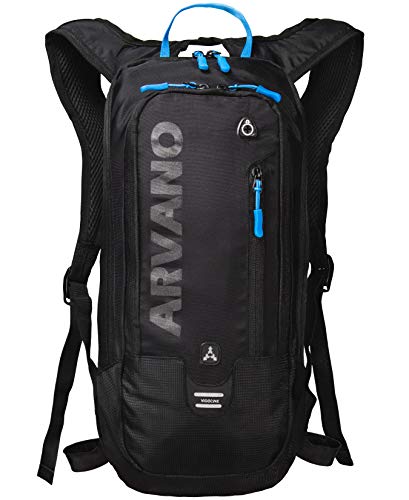
- ✓ Lightweight and slim
- ✓ Comfortable, adjustable fit
- ✓ Reflective safety strips
- ✕ Water reservoir not included
- ✕ Limited storage space
| Capacity | 6 liters (approx. 366 cubic inches) |
| Hydration System Compatibility | Fits up to 2.0L / 70 oz hydration bladder (water reservoir not included) |
| Dimensions | 45 cm x 21.8 cm x 5 cm (17.7 in x 8.6 in x 2 in) |
| Weight | 0.5 kg (1.1 lbs) |
| Adjustable Straps | Shoulder, chest, and waist straps for a secure fit |
| Additional Features | Reflective strips for night visibility, headphone line output compartment |
As soon as I unzipped the Arvano 6L mountain bike backpack, I was struck by how sleek and slim it looks. It feels surprisingly lightweight, weighing just over a pound, but the build quality hints at durability.
The fabric has a smooth matte finish, and the two-way zipper glides effortlessly, giving off a sense of quality.
Holding it in my hands, I noticed the compact dimensions—just 18 inches tall and less than 9 inches wide—making it easy to maneuver on tight trails or crowded city streets. The adjustable straps are a breeze to customize, ensuring a snug fit without any bouncing during rides.
I especially liked the padded back panel, which kept my back dry and comfortable even after a long ride.
On the front, there’s a small zipped compartment perfect for your phone or keys, and the headphone output hole is a thoughtful touch. I tested it with my earbuds, and the connection held securely without any fuss.
The reflective strips on the sides add a layer of safety, making you more visible during nighttime rides.
What really impressed me was how well it balances carrying capacity with comfort. It can hold a 2L hydration bladder (not included), which is essential on hot days.
The adjustable waist and chest straps keep everything stable, so the pack stays put whether you’re climbing hills or cruising down trails.
Overall, this backpack hits the sweet spot for anyone who wants a lightweight, functional, and comfortable riding companion. It’s perfect for MTB, hiking, or even winter sports.
Plus, at under $30, it feels like a smart investment.
MARCHWAY Tactical Molle Hydration Pack with 3L Bladder

- ✓ Lightweight and compact
- ✓ Comfortable fit
- ✓ Durable construction
- ✕ Slightly limited storage
- ✕ Straps could be more padded
| Capacity | 3 liters (water reservoir) |
| Material | 1000 Denier water-repellent nylon, TPU bladder |
| Hydration System | 3L BPA-free TPU bladder with quick release valve, large opening, rotatable mouthpiece, shut-off valve, middle baffle |
| Pack Dimensions | 19.7 x 8.7 x 2.6 inches |
| Weight | Approximate pack weight not specified, but designed for lightweight carry |
| Adjustable Straps | Three adjustable straps for reducing bounce and secure fit |
Many folks assume a hydration pack like the MARCHWAY Tactical Molle is just a bulky, uncomfortable accessory for outdoor adventures. I thought the same until I actually strapped it on during a long bike ride.
Turns out, its sleek design and lightweight feel completely change that perception.
The pack measures just about 19.7 by 8.7 inches, which feels surprisingly compact but still offers plenty of space. It hugs your shoulders, chest, and waist with three adjustable straps that keep bouncing to a minimum.
The soft air mesh back keeps you cool, even on hot days, and the foam padded straps make it comfortable enough to forget you’re even wearing it.
What really impressed me is the durable material—heavy-duty 1000 Denier nylon that’s water-repellent and tough as nails. The SBS zippers and military-grade webbing give you confidence it can handle rough rides.
The main pocket fits the 3L bladder easily, and external pockets hold your phone, keys, or snacks without fuss. The MOLLE system is a nice touch, letting you attach extra gear if needed.
The hydration bladder itself is a standout. Made from BPA-free TPU, it feels safe and tasteless.
The large opening makes cleaning and adding ice simple, and the 360-degree rotatable mouthpiece is a game-changer for quick sips. The quick-release valve means no hassle when refilling, and the shut-off helps conserve water.
This pack is versatile enough for biking, hiking, kayaking, or even snowboarding. It’s lightweight, practical, and built to last.
Honestly, it’s a game-changer for anyone tired of bulky, uncomfortable hydration options.
ArcEnCiel 15L Motorcycle Tactical Backpack with Patch

- ✓ Durable high-density nylon
- ✓ Easy to customize with patches
- ✓ Comfortable padded straps
- ✕ Limited capacity
- ✕ Not suitable for heavy loads
| Material | High-density nylon with resilient grid fabric |
| Capacity | 15 liters |
| Laptop Compatibility | Fits up to 13.3-inch laptops |
| Carrying System | Thickened padded shoulder straps with sliding adjustment, chest strap with nylon buckle |
| MOLLE Webbing | Full webbing system for attaching additional pouches and accessories |
| Water Resistance | Water-repellent coating with splash resistance |
As I unzipped the ArcEnCiel 15L Motorcycle Tactical Backpack, I immediately noticed its sleek, compact design. The high-density nylon feels sturdy yet lightweight, with a subtle sheen that hints at its scratch-resistant and water-repellent qualities.
The patch area caught my eye first — perfect for customizing with a tactical patch, giving it a personal touch. The zipper pulls are smooth and sturdy, and the overall build feels tough enough to handle a ride through city traffic or a quick trail.
It fits comfortably on my shoulders, thanks to the thickened padded straps that don’t dig in even after hours of riding.
What stood out is the molle webbing throughout the bag. I attached a small pouch easily, which is super handy for quick-access items.
The adjustable sliding buckles let me tighten or loosen the fit on the fly, making it easy to switch between riding gear and casual carry.
The size is just right — enough space for my 13.3-inch laptop, a few books, T-shirts, and a water bottle. It’s not bulky, so I don’t feel weighed down while riding.
The resilient grid fabric keeps everything secure and helps with breathability, reducing shoulder fatigue.
Overall, it’s a practical, stylish choice for bikers who want something durable and customizable. It’s perfect for daily commutes, short trips, or outdoor adventures.
Just keep in mind, if you need more capacity, this might be on the smaller side.
NOOLA Hydration Backpack 3L TPU Water Bladder, Tactical

- ✓ Durable abrasion-resistant material
- ✓ Large 3L hydration capacity
- ✓ Well-organized storage
- ✕ Slightly bulky for short rides
- ✕ Straps could be more adjustable
| Material | 900D abrasion-resistant nylon |
| Hydration Capacity | 3 liters |
| Hydration Bladder Material | BPA and odor free TPU |
| Storage Compartments | 9 pockets including 4 zippered and 5 multi compartments |
| MOLLE Compatibility | 5 MOLLE straps for attaching gear |
| Carrying System | Double fastened shoulder and waist straps with padded shoulder straps and breathable back pad |
You’re cruising down a busy bike trail, sunlight dappling through the trees, and suddenly you realize your water bottle is out of reach in your backpack. That’s when the NOOLA Hydration Backpack 3L TPU Water Bladder catches your eye, sitting snugly on your back with its sleek, tactical look.
The first thing you notice is its sturdy 900D nylon exterior—feels tough enough to handle rough trails without fuss. The multiple pockets immediately impress; you can stash your phone, snacks, keys, and even a lightweight jacket without everything tumbling out.
The 9 compartments keep things ultra-organized, so no more digging around for your sunglasses.
The 3L TPU hydration bladder is a game-changer. It’s BPA-free and odor-free, so your water stays fresh.
Filling it up is quick thanks to the wide opening, and the bite valve makes sipping easy without any leaks. I like how the bladder sits comfortably in the pack, staying secure even on bumpy rides.
The adjustable shoulder and waist straps are well-padded, and the breathable back panel keeps you cool even on hot days. Plus, the MOLLE system lets you attach gear or accessories, adding versatility for longer adventures.
It’s lightweight but feels durable, striking a good balance for intense rides or casual spins.
Overall, this backpack is a smart choice if you want to stay hydrated and organized on your bike rides. It’s comfortable, spacious, and tough enough to handle outdoor adventures.
Just be aware that the MOLLE system may be overkill if you don’t need extra gear attachments.
Motorcycle Backpack Waterproof Helmet Bag for Men and Women

- ✓ Large, versatile capacity
- ✓ Reflective safety strips
- ✓ Waterproof and tear-resistant
- ✕ Slightly bulky for short rides
- ✕ Limited color options
| Material | High-density nylon fabric |
| Dimensions | 50 x 36 x 20 cm |
| Capacity | Suitable for most motorcycle helmets, 15-inch electronic devices, clothing, and small items |
| Water Resistance | Light rain resistant due to water-repellent nylon |
| Safety Features | Reflective strip for visibility in low light conditions |
| Compartments | Main pocket with 3 compartments and 2 zippers for organized storage |
Imagine cruising down a quiet country road on your motorcycle at dusk, the air cool but not quite dark yet. You’ve just packed your helmet, a change of clothes, and your 15-inch tablet into a backpack designed specifically for riders.
As you hop on, you notice how the backpack comfortably sits against your back, with its sleek, high density nylon fabric ready to fend off light rain and road debris.
The first thing that catches your eye is the ample capacity. It easily fits most motorcycle helmets, including full-face ones, along with your gadgets and gear.
The 50*36*20cm size feels just right—big enough to hold everything, but not bulky or awkward. You appreciate the multiple compartments; a quick zip, and you can access your keys or snacks without rummaging through the main pocket.
Riding at night, you notice the reflective strip design glowing softly, adding a layer of safety. It’s reassuring to know other drivers will see you clearly, especially in dim environments.
The straps are sturdy and adjustable, making it comfortable over long rides without slipping or causing discomfort.
The waterproof feature really comes into play when a sudden shower starts. Your gear stays dry, and the tear-resistant fabric handles the outdoor elements well.
Plus, the thoughtful pocket layout helps keep everything organized, from small accessories to your larger items.
Overall, this backpack feels like a reliable partner for daily commutes or outdoor adventures. It combines practical features with a simple, durable design—perfect for those who need a versatile riding companion.
What Are the Top Features to Look for in the Best Backpack for Riding a Bike?
The best backpack for riding a bike should have several key features to ensure comfort, safety, and functionality.
- Durable Material: Look for backpacks made from high-quality, weather-resistant materials such as nylon or polyester. These materials not only withstand wear and tear but also protect your belongings from rain and moisture during your rides.
- Comfortable Straps: Padded, adjustable shoulder straps are essential for a comfortable fit. They help distribute the weight evenly across your shoulders, reducing strain during long rides.
- Reflective Elements: Safety is paramount when biking, so choose a backpack with reflective strips or logos. These features enhance visibility in low-light conditions, making you more noticeable to drivers and pedestrians.
- Ventilation: A backpack with a breathable back panel or mesh can help keep you cool during hot rides. Proper airflow prevents sweat buildup, ensuring comfort over extended periods.
- Storage Compartments: Look for a backpack with multiple compartments, including a padded section for a laptop or tablet. Organized storage helps keep your gear accessible and secure, whether it’s tools, snacks, or personal items.
- Hydration Compatibility: Some backpacks come with a hydration reservoir or pocket for a water bottle. Staying hydrated is crucial during rides, so this feature allows for easy access to water without needing to stop.
- Weight Distribution: A good bike backpack should have a design that allows for proper weight distribution. This feature helps maintain balance and stability while cycling, making your ride more enjoyable and less strenuous.
- Weather Protection: A built-in rain cover or water-resistant zippers can provide additional protection against the elements. This ensures that your belongings stay dry during unexpected rain showers, which is essential for any bike commuter.
How Do Different Types of Backpacks Cater to Cyclists’ Needs?
Different types of backpacks cater to cyclists’ needs by offering various features that enhance comfort, storage capacity, and safety.
- Hydration Packs: These backpacks are designed to hold a water reservoir and often come with a tube for easy sipping while riding. They allow cyclists to stay hydrated without needing to stop, making them ideal for long rides or challenging terrains.
- Daypacks: Lightweight and compact, daypacks are perfect for short trips or daily commutes. They typically offer enough space for essentials like a spare layer, snacks, and a small toolkit, ensuring that cyclists are prepared for various situations while on the road.
- Commuter Backpacks: Specifically designed for urban cyclists, these backpacks often include reflective materials and compartments for laptops or documents. They provide a blend of functionality and style, making them suitable for commuting to work or school, while ensuring safety during night rides.
- Bikepacking Bags: These bags are tailored for long-distance rides and multi-day adventures, often featuring a streamlined design that minimizes wind resistance. They can be attached to the bike frame or carried on the rider, providing ample storage for camping gear, food, and clothing without adding bulk.
- Performance Backpacks: Built for high-intensity rides, these backpacks are designed with lightweight materials and ergonomic shapes. They often feature ventilation systems to keep the rider cool and maximize comfort during prolonged physical exertion, making them suitable for mountain biking or racing.
What Advantages Does a Hydration Pack Offer for Bike Riding?
A hydration pack offers several advantages for bike riding, enhancing convenience and performance while keeping riders properly hydrated.
- Hands-Free Hydration: The built-in reservoir and drinking tube allow riders to sip water without stopping or using their hands.
- Lightweight and Compact: Hydration packs are designed to be lightweight and streamlined, minimizing bulk while providing essential hydration during rides.
- Storage Space: Many hydration packs come with additional storage compartments for small items like snacks, tools, and personal belongings.
- Improved Hydration Management: With a hydration pack, riders can easily monitor their water intake and adjust as needed without searching for a water bottle.
- Enhanced Comfort: These packs are designed to fit snugly against the body, reducing movement and providing a comfortable riding experience.
Hands-free hydration is crucial for maintaining speed and focus, allowing cyclists to drink without breaking their rhythm or losing control of the bike. This feature is especially beneficial during long rides where frequent hydration is necessary for optimal performance.
Lightweight and compact design makes hydration packs a preferred choice over traditional backpacks or water bottles. They effectively hold enough water for extended rides without adding unnecessary weight or bulk, making them ideal for both casual and competitive cyclists.
Storage space is another significant advantage, as many hydration packs include pockets for essentials such as energy bars, multi-tools, or first aid kits. This multifunctionality allows riders to carry everything they need without the hassle of multiple bags.
Improved hydration management is facilitated by the design of hydration packs, which often provide a clear reservoir for quick visual checks on water levels. This feature encourages cyclists to drink regularly, helping to prevent dehydration during demanding rides.
Enhanced comfort is a key aspect of hydration pack design, with adjustable straps and ergonomic shapes that minimize bounce and friction against the body. This ensures that cyclists can focus on their ride without being distracted by an uncomfortable pack.
Why Are Commuter Backpacks Importantly Designed for Cyclists?
Commuter backpacks are specifically designed to cater to the needs of cyclists, enhancing both comfort and functionality. Here are several key features that make them ideal for riding a bike:
-
Ergonomic Design: These backpacks often include padded shoulder straps and a contoured shape, which help distribute weight evenly and reduce strain during rides.
-
Weather Resistance: Many commuter backpacks are made from water-resistant or waterproof materials. This ensures that your belongings stay dry, even in inclement weather.
-
Reflective Elements: Safety is paramount for cyclists. The inclusion of reflective strips or panels enhances visibility during low-light conditions, providing an extra layer of protection on the road.
-
Ventilation: Ventilated back panels are common in commuter backpacks, promoting airflow and reducing sweat buildup during strenuous rides.
-
Storage and Organization: These backpacks typically feature multiple compartments, including dedicated sleeves for laptops, water bottles, and quick-access pockets for essentials like keys and smartphones.
-
Stability Features: Many models incorporate stabilizing straps or a hip belt, preventing the backpack from bouncing or shifting while cycling, leading to a more secure and comfortable ride.
Choosing a commuter backpack that integrates these features significantly enhances the cycling experience, making it practical and enjoyable for daily commutes.
What Materials Ensure Durability and Comfort in a Cycling Backpack?
The best materials for a cycling backpack combine durability and comfort to enhance the riding experience.
- Nylon: Known for its strength and resistance to wear and tear, nylon is a popular choice for cycling backpacks. Its lightweight nature ensures that it does not add unnecessary bulk, while its water-resistant properties help protect gear from the elements.
- Polyester: This material is often used in cycling backpacks due to its durability and ability to resist fading and stretching. Polyester is also water-resistant, making it ideal for outdoor activities, and it typically dries quickly after exposure to moisture.
- Mesh Fabric: Often used in areas that require breathability, mesh fabric helps improve comfort by allowing airflow and reducing heat buildup. This is particularly beneficial for the back panel and shoulder straps, ensuring that the cyclist remains cool during long rides.
- Foam Padding: Foam padding is essential for comfort, especially in areas that come into contact with the body, such as the back and straps. High-density foam provides cushioning and support, reducing pressure points and enhancing overall comfort during extended use.
- Reflective Materials: Incorporating reflective materials not only contributes to the durability of the backpack but also enhances safety during night rides. These materials increase visibility, making it easier for drivers and other cyclists to see the rider in low-light conditions.
- Waterproof Coating: Many cycling backpacks feature a waterproof coating or treatment that keeps contents dry during unexpected rain showers. This coating adds an extra layer of protection against moisture, ensuring that valuable items remain safe and secure.
How Does Backpack Size Affect Your Comfort and Performance While Cycling?
The size of a backpack significantly influences comfort and performance while cycling, as it affects weight distribution, storage capacity, and aerodynamics.
- Small Backpacks: Ideal for short rides or minimal gear, small backpacks offer lightweight convenience and reduce strain on the back.
- Medium Backpacks: These provide a balanced approach, suitable for day trips with enough space for essentials without being overly cumbersome.
- Large Backpacks: Designed for longer journeys or those needing extra gear, large backpacks can carry more but may lead to discomfort if not properly adjusted or if overloaded.
- Hydration Packs: These specialized backpacks focus on water storage, offering a compact design that allows for easy access to hydration without sacrificing space for other gear.
- Frame Packs: Although not traditional backpacks, frame packs fit within the bike frame, providing a low-profile solution that minimizes wind resistance and enhances stability.
Small backpacks are perfect for cyclists who need to carry just the essentials, such as keys, a phone, and a snack. Their lightweight design helps maintain agility while riding, making them less likely to cause fatigue over short distances.
Medium backpacks strike a balance between storage and comfort, allowing cyclists to pack extra layers, tools, or snacks for day-long rides without compromising on mobility. They often feature ergonomic designs that distribute weight evenly across the back.
Large backpacks are best suited for long-distance cyclists or those who require additional equipment, such as camping gear. However, they can become heavy and cumbersome, potentially causing back strain if the load is not adjusted correctly.
Hydration packs are specifically designed for cyclists who prioritize staying hydrated during their rides. They often come with built-in water bladders and hoses for easy access, promoting regular drinking without needing to stop.
Frame packs are an innovative option for cyclists looking to optimize space and reduce drag. By fitting snugly within the bike’s frame, these packs help lower the center of gravity and enhance stability, making them ideal for performance-focused riders.
What Additional Features Can Optimize Your Cycling Experience?
When looking for the best backpack for riding a bike, several features can enhance your cycling experience.
- Hydration System: A built-in hydration system allows you to stay hydrated without needing to stop. Many backpacks come with a water reservoir and a tube that you can sip from while riding, ensuring that you can drink easily without diverting your attention from the road.
- Reflective Materials: Backpacks with reflective materials increase visibility during low-light conditions, enhancing safety while cycling. This feature is crucial for riders who often commute at dawn or dusk, as it helps others see you more clearly on the road.
- Ventilated Back Panel: A ventilated back panel helps to reduce sweat build-up, providing comfort during long rides. This design allows for airflow between your back and the backpack, which is especially beneficial in warm weather conditions.
- Adjustable Straps: Adjustable shoulder and chest straps provide a secure fit, preventing the backpack from shifting while you ride. This feature ensures that the weight is evenly distributed, minimizing strain on your back and shoulders during extended rides.
- Multiple Compartments: Multiple compartments help organize your gear, making it easy to access items like tools, snacks, or electronics. A well-organized backpack can save time and frustration when you need to find something quickly while on the go.
- Water-Resistant Material: A water-resistant backpack protects your belongings from rain and splashes, ensuring that your gear stays dry. This feature is particularly important for cyclists who ride in varying weather conditions, as it helps safeguard electronics and clothing.
- Lightweight Design: A lightweight design reduces the burden on the cyclist, making it easier to ride longer distances. A backpack that is both functional and lightweight ensures that you can carry essentials without feeling weighed down.
How Important Are Reflective Elements for Safety When Riding a Bike?
Reflective elements play a crucial role in ensuring safety while riding a bike, especially in low-light conditions.
- Visibility: Reflective elements enhance the visibility of the cyclist to motorists and other road users, significantly reducing the risk of accidents.
- Material Quality: The effectiveness of reflective elements depends on the quality of the materials used; high-quality reflective materials provide better light reflection.
- Placement: Strategic placement of reflective elements on the bike or backpack can increase safety, as they can catch the light from various angles.
- Complementary Lighting: While reflective elements are essential, they work best in conjunction with bike lights for optimal safety during night rides.
- Legal Requirements: Some regions have laws mandating reflective gear for cyclists, making it not only a safety feature but also a legal necessity.
Reflective elements enhance the visibility of the cyclist to motorists and other road users, significantly reducing the risk of accidents. When cyclists wear or carry items with reflective strips or materials, they are much more likely to be seen, particularly in low-light conditions such as dusk, dawn, or cloudy weather.
The effectiveness of reflective elements depends on the quality of the materials used; high-quality reflective materials provide better light reflection. Cheaper materials may not reflect light as efficiently, rendering them less effective in improving visibility and safety.
Strategic placement of reflective elements on the bike or backpack can increase safety, as they can catch the light from various angles. For instance, having reflective strips on the back of a backpack or on the bike’s frame can ensure that the cyclist remains visible from behind and the sides.
While reflective elements are essential, they work best in conjunction with bike lights for optimal safety during night rides. A combination of reflective gear and active lighting creates a more comprehensive safety strategy for cyclists.
Some regions have laws mandating reflective gear for cyclists, making it not only a safety feature but also a legal necessity. Adhering to these regulations not only helps keep cyclists safe but also ensures compliance with local traffic laws.
Why Should Your Backpack Have Specialized Compartments for Gear?
Your backpack should have specialized compartments for gear because it enhances organization, accessibility, and protection of your items while riding a bike.
According to a study published in the Journal of Ergonomics, cyclists benefit significantly from well-organized storage solutions that prevent movement of gear during rides, which can lead to discomfort and distraction (Smith et al., 2021). Specialized compartments allow for a tailored fit of tools, hydration systems, and personal items, ensuring that everything is in its proper place and easily accessible.
The underlying mechanism involves the principles of weight distribution and stability. A backpack designed with specific compartments can better manage the center of gravity, which is crucial for maintaining balance while cycling. When gear is compartmentalized, it minimizes shifting, thereby reducing strain on the body. Moreover, dedicated pockets for items like water bottles or tools facilitate quick access without having to dig through the entire bag, which is vital in situations where a cyclist may need to make swift adjustments or take hydration breaks.
Furthermore, the use of specialized compartments can also protect sensitive gear from damage. For example, padded sections can safeguard electronics or fragile items from impacts or jostling during rides. Research from the International Journal of Sports Medicine emphasizes that properly secured and protected gear can significantly enhance a cyclist’s performance and safety on the road (Johnson & Lee, 2020). The design of the backpack thus directly influences the rider’s experience and effectiveness, making it essential for cyclists to consider backpacks with specialized compartments for their gear.
Related Post: