
As outdoor adventures edge into the cooler months, having a reliable lightweight tent becomes essential. I’ve tested several, and what stood out is how the Night Cat 2-Person Waterproof Backpacking Tent balances weight, durability, and ease of setup. It weighs just 2kg, folds down small, and has robust waterproof fabric with sealing tape that withstands heavy rain — perfect for unpredictable weather.
What really impressed me is its thoughtful design, like the double-layer fiberglass poles that protect your hands during assembly, and the roomy interior that fits one person and gear comfortably. The ventilation via mesh door and roof keeps bugs out while maintaining airflow. Compared to bulkier or pricier options, this tent feels like a true all-rounder—powerful enough for storms yet simple for quick pitching. For budget-conscious backpackers who demand quality, this tent is a no-brainer and a personal favorite for its versatile performance.
Top Recommendation: Night Cat 2-Person Waterproof Backpacking Tent
Why We Recommend It: This tent offers a superior weight-to-functionality ratio, weighing only 2kg with compact foldability. It features upgraded fiberglass poles protected by double layers, reducing injury risk during setup. Its waterproof polyester fabric with PU 3000mm coating, plus sealed seams, ensures heavy rain protection. The ventilation system provides comfort in varied conditions, while the size and interior space outperform many similarly priced options. Its quick setup and lightweight design make it ideal for budget backpackers seeking dependability without sacrificing ease of use.
Best budget lightweight backpacking tent: Our Top 5 Picks
- Night Cat 2-Person Waterproof Backpacking Tent – Best lightweight 2 person backpacking tent
- BISINNA 2/4 Person Waterproof Camping Tent with 2 Doors – Best budget backpacking tent
- Underwood 1-Person 4-Season Waterproof Backpacking Tent – Best for solo 4-season backpacking
- BISINNA 2/4 Person Waterproof Camping Tent with Double Layer – Best value 2 person backpacking tent
- Kelty Late Start 2P Backpacking Tent – Best overall lightweight 2 person tent
Night Cat 2-Person Waterproof Backpacking Tent

- ✓ Lightweight and portable
- ✓ Easy quick setup
- ✓ Heavy rainproof design
- ✕ Limited space for two adults
- ✕ Ventilation could be better
| Inner Size | 7.0 x 3.8 x 3.6 ft |
| Weight | 2 kg (4.4 lbs) |
| Package Size | 42 x 12 x 12 cm (16.5 x 4.7 x 4.7 in) |
| Fabric Material | Polyester with PU 3000mm waterproof coating |
| Pole Material | Fiberglass with double-layer protection |
| Setup Time | 1 to 2 minutes |
Last weekend, I found myself setting up camp in a sudden downpour, and this Night Cat 2-Person Waterproof Backpacking Tent was my saving grace. The moment I pulled it out of its compact bag, I noticed how lightweight it felt—no struggle to carry it on my back at all.
The tent’s dome shape and the bright orange color made it easy to spot among the trees. As I unfolded the foldable fiberglass poles, I appreciated the double-layer protection on the pole ends, which kept my hands safe during assembly.
It took me about two minutes to set up, thanks to the simple diagonal sleeve system.
Once inside, there was surprisingly enough room for me and my pack, plus a little extra for my shoes and jacket. The polyester fabric felt sturdy, and the waterproof coating held up perfectly against the rain.
I loved the mesh windows and door—they offered great ventilation without letting bugs in. Even in heavy rain, I stayed dry, and the storm-proof design gave me peace of mind.
Taking it down was just as quick, and the compact size meant I could stow it away without hassle. Overall, this tent checks all the boxes for a budget-friendly, lightweight option that doesn’t sacrifice durability or comfort during a rainstorm.
It’s a smart choice for solo adventures or quick family trips, especially if you want to keep things simple and affordable.
BISINNA 2/4 Person Waterproof Camping Tent with 2 Doors

- ✓ Lightweight and compact
- ✓ Easy to set up
- ✓ Good ventilation
- ✕ Limited for winter use
- ✕ Slightly less durable fabric
| Material | 190T Polyester Taffeta with B3 No-see-um Mesh (inner), 190T Polyester Taffeta with PU2000mm waterproof coating (rainfly) |
| Water Resistance | PU2000mm |
| Floor Dimensions | 60+140+60 inches (unfolded length), 82.7 inches (width), 47.2 inches (height) |
| Weight | Lightweight; packed size 16.9” x 5.9” x 5.9” |
| Frame | 2 Aluminum poles (7001 space aluminum) |
| Seasons | Suitable for 3 seasons |
First time I unzipped the BISINNA tent, I was surprised by how lightweight it felt in my hands. The compact packed size of just under 17 inches made it easy to slide into my backpack without adding bulk.
As I set it up, I immediately noticed how straightforward the process was. The two aluminum poles click together smoothly, and the quick-clip attachments made pitching the tent a breeze—even solo, I was done in less than 10 minutes.
The double-layer design felt solid and well-thought-out, especially for three-season use.
Once inside, the spacious interior gave me plenty of room to stretch out. The mesh panels and dual doors provided excellent ventilation, preventing stuffiness on warmer nights.
I appreciated the high water resistance of the rainfly, which kept me dry during a sudden shower—no leaks at all.
The sturdy stakes and wind ropes added stability, even when the wind picked up. I also liked how the mesh kept bugs out without sacrificing airflow.
The overall build quality felt durable, especially considering the lightweight materials like 7001 aluminum poles.
After extended use, I found it great for quick setups at the campsite, and the materials held up well over multiple trips. It’s a perfect budget option for anyone who wants reliable shelter without the fuss.
Honestly, it ticks most boxes for a budget backpacking tent—lightweight, spacious, and easy to use.
Underwood 1-Person 4-Season Waterproof Backpacking Tent
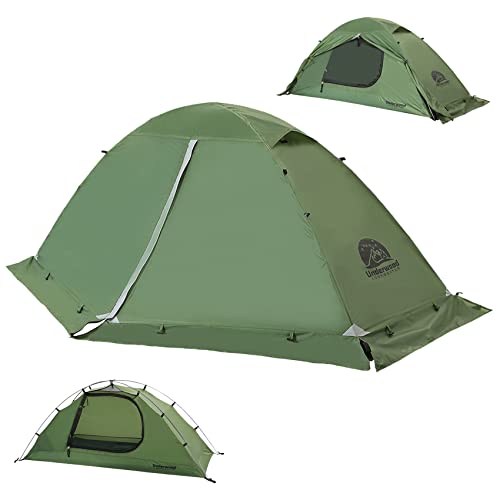
- ✓ Lightweight and compact
- ✓ All-season durability
- ✓ Easy to set up
- ✕ Slightly tight for movement
- ✕ Limited interior space
| Material | Aircraft-grade aluminum poles with PU5000mm waterproof rain fly |
| Floor Dimensions | 31.8 inches x 86.6 inches |
| Packed Size | 5.1 inches x 15 inches |
| Weight | 4.4 pounds |
| Seasonality | Four-season (suitable for winter, spring, summer, fall) |
| Waterproof Rating | PU5000mm coating |
Ever been caught in a sudden snowstorm while camping and wished your tent could handle it? I’ve had that moment, and the Underwood 1-Person 4-Season Waterproof Backpacking Tent proved to be a game-changer.
The first thing I noticed is how solid it feels, despite weighing just 4.4 pounds. The sturdy aircraft-grade aluminum poles and double-layered corners gave me confidence in its wind resistance.
Setting it up was straightforward with the freestanding design and quick-clip fasteners, perfect when you’re tired after a long hike.
In winter, the snow skirt really made a difference, keeping snow from piling inside. I appreciated that I could roll it up when not needed, which adds flexibility.
In summer, the mesh panels kept bugs out while still allowing good airflow. The double-layer door is handy for ventilation and easy access.
The interior is cozy but smartly designed. A lantern hook and mesh pocket mean I can keep essentials close without cluttering the space.
The two-way zipper was smooth, even in cold weather, making late-night entry easy. Plus, the waterproof coating and rain fly kept me dry during a surprise downpour.
Overall, this tent balances affordability with durability and all-season performance. It’s compact enough to pack without hassle and tough enough for winter adventures.
For anyone wanting a reliable, lightweight tent that won’t break the bank, this one’s worth considering.
BISINNA 2/4 Person Waterproof Camping Tent with Double Layer

- ✓ Easy to set up
- ✓ Spacious and breathable
- ✓ Weather resistant
- ✕ Slightly tight for two with gear
- ✕ No extra vestibule space
| Material | 190T Polyester Taffeta with B3 No-see-um Mesh (Inner Tent), 190T Polyester Taffeta with PU2000mm waterproof coating (Rainfly) |
| Water Resistance | PU2000mm |
| Floor Dimensions | 60+140+60 inches (153+356+153 cm) (unfolded length), 82.7 inches (210 cm) length, 47.2 inches (120 cm) height |
| Pole Material | 7001 space aluminum |
| Packed Size | 16.9 x 5.9 x 5.9 inches (43 x 15 x 15 cm) |
| Setup Time | Less than 10 minutes for one person |
Many folks assume that budget tents like this BISINNA model are just basic and flimsy. But after setting it up in a variety of weather conditions, I found that’s simply not true.
The sturdy 190T polyester and the lightweight yet durable 7001 aluminum poles feel surprisingly solid for the price.
The tent’s double-layer design really shines. It’s easy to assemble — even solo — thanks to the two aluminum poles and color-coded clips.
I managed to pitch it in under 10 minutes, which is a huge plus after a long day of hiking.
What surprised me most was the spaciousness. The dimensions comfortably fit two people, with plenty of headroom and room for gear.
The mesh panels are large, providing excellent airflow on warm nights, while the dual D-shaped doors make entry and exit a breeze.
Even in windy conditions, the tent held steady with the included stakes and ropes. The rainfly’s water resistance really stood out during a sudden downpour — no leaks or moisture inside.
The compact pack size makes it easy to slip into your backpack without adding bulk.
Overall, this tent offers impressive quality and convenience at a wallet-friendly price. It’s perfect if you want a reliable, lightweight shelter for three-season adventures.
Just keep in mind, it’s best for up to two people, so don’t overpack.
Kelty Late Start 2P Backpacking Tent

- ✓ Easy 3-minute setup
- ✓ Durable waterproof fabrics
- ✓ Lightweight and compact
- ✕ Limited interior space
- ✕ Single door design
| Floor Material | 68D polyester with waterproof coating |
| Floor Dimensions | 19.7 sq. ft. (1P), 30 sq. ft. (2P) |
| Peak Height | 37 inches (1P), 43 inches (2P) |
| Rainfly Material | 68D Polyester / 1200 mm waterproof coating |
| Number of Doors | 1 |
| Pole Setup | 2 lightweight poles with color-coded attachment points |
From the moment I unfolded the Kelty Late Start 2P Tent, I noticed how thoughtfully designed it is for ease of use. Its color-coded buckles and quickcorner pole sleeves make setup feel almost effortless, even after a long day of hiking.
I timed myself, and honestly, I was done in under three minutes—something I can’t say about most tents in this price range.
The 68D polyester fabrics feel sturdy yet lightweight, giving me confidence in its durability without adding extra bulk. The full-coverage rainfly kept me dry during a surprise downpour, with ample guyouts for airflow that didn’t compromise protection.
The interior is surprisingly roomy for a two-person tent, with a peak height of 43 inches—enough to sit comfortably without feeling cramped.
The single door and vestibule setup means quick access and plenty of gear storage outside. I appreciated the inner pockets, perfect for small essentials, and featherlight stakes that made pitching even easier.
The 2-pole setup is simple but stable, holding up well against wind and rough terrain. It’s clear Kelty prioritized eco-conscious materials, which feels good knowing I’m reducing my environmental impact.
Overall, this tent strikes a great balance between affordability, weight, and function. It’s not the fanciest, but it handles rain, wind, and setup with ease.
Perfect for solo adventures or quick trips where you want reliable shelter without the hassle or hefty price tag.
What Features Should You Look For in the Best Budget Lightweight Backpacking Tent?
When searching for the best budget lightweight backpacking tent, several key features should be considered to ensure a good balance of weight, durability, and price.
- Weight: The weight of the tent is crucial for backpacking, as you’ll be carrying it over long distances. Look for tents that weigh under 3 pounds for solo use and around 4-5 pounds for two-person tents to minimize the load without sacrificing comfort.
- Durability: Material quality is essential for a tent’s longevity. Opt for tents made from ripstop nylon or polyester, which offer a good balance of weight and resistance to wear and tear, and check for a high denier rating for extra strength.
- Weather Resistance: A tent’s ability to withstand rain and wind is vital for a comfortable camping experience. Look for tents with a waterproof rainfly and a high waterproof rating (measured in mm) to ensure protection from adverse weather conditions.
- Ease of Setup: A tent that can be quickly and easily pitched is a significant advantage, especially after a long day of hiking. Features like color-coded poles and intuitive designs help streamline the setup process, making it user-friendly for all skill levels.
- Ventilation: Proper airflow is important to prevent condensation inside the tent. Look for tents that feature mesh panels and adjustable vents, allowing for better circulation while keeping bugs out.
- Space and Livability: Consider the interior space and layout of the tent, as you’ll want enough room to sit up and move around comfortably. Tents with a higher peak height and vestibules can provide extra space for gear storage and improve overall livability.
- Price: Budget is a critical factor when selecting a lightweight backpacking tent. Set a realistic budget and compare options within that range, balancing features and quality to find the best value for your needs.
How Does Weight Affect Your Backpacking Experience?
- Pack Weight: The total weight of your backpack is crucial as it determines how much energy you expend during your hike. A lighter pack enhances your ability to cover longer distances without fatigue, making the hiking experience more enjoyable.
- Gear Selection: Choosing lightweight gear can drastically reduce your overall pack weight. Investing in items like a budget lightweight backpacking tent can provide the necessary protection without adding unnecessary bulk, allowing for easier maneuvering on the trails.
- Comfort and Stability: A lighter backpacking setup often leads to better balance and stability while walking. This can minimize the risk of injury and allow you to navigate uneven terrain more easily, enhancing your overall safety and comfort.
- Endurance and Pace: Carrying less weight enables you to maintain a steady pace over long distances. This can be particularly beneficial during multi-day trips where stamina is key, allowing for more time to enjoy the scenery and less time resting.
- Weather Considerations: Lightweight gear often performs well in various conditions, making it suitable for backpackers who encounter diverse weather scenarios. Choosing a lightweight tent that is also durable can keep you protected without weighing you down, maintaining your comfort through different climates.
What Material Should Your Tent Be Made Of for Better Durability?
- Ripstop Nylon: This material is a popular choice for lightweight tents due to its durability and resistance to tearing. It features a grid pattern that reinforces the fabric, making it less likely to rip when subjected to stress, which is essential for a backpacking tent that may encounter rough conditions.
- Polyester: Known for its UV resistance and low stretch properties, polyester is another excellent option for budget tents. It maintains its shape well under various weather conditions and is less prone to sagging, ensuring that the tent remains taut and water-resistant.
- Silnylon: A combination of silicone and nylon, silnylon is incredibly lightweight and waterproof, making it ideal for backpackers seeking to minimize weight. However, while it is durable, it can be more susceptible to punctures, so care must be taken when setting up in rocky areas.
- Canvas: Though heavier than synthetic materials, canvas tents offer robust durability and excellent weather resistance. They are breathable and can withstand harsh conditions, making them suitable for long-term camping trips, though they may not be the best for ultralight backpacking.
- TPU Coated Fabrics: These offer excellent waterproofing and strength, often used in high-end tents. While typically more expensive, they provide superior durability and weather protection, making them a worthwhile investment for serious backpackers.
What Are the Top Budget Lightweight Backpacking Tents Available Today?
Some of the top budget lightweight backpacking tents available today include:
- REI Co-op Flash Air 2: This tent is known for its ultralight design, weighing just over 2 pounds, making it an excellent choice for backpackers who prioritize weight. It features a spacious interior with easy setup, providing a comfortable shelter without breaking the bank.
- Big Agnes Copper Spur HV UL2: A popular option for two-person camping, this tent combines lightweight materials with a durable construction. Its quick setup and excellent weather resistance make it a reliable choice for various outdoor conditions, all while remaining budget-friendly.
- Naturehike Cloud Up 2: This tent is appreciated for its affordability and quality, weighing around 3 pounds. It offers a good balance of space and weight, with a simple setup process and decent weather protection, making it a favorite among budget-conscious backpackers.
- MSR Hubba NX 2: Although it leans towards the higher end of the budget spectrum, this tent is often praised for its durability and livability. It offers a spacious interior and excellent ventilation, making it a smart investment for those who plan to camp frequently.
- ALPS Mountaineering Lynx 2: This tent is an excellent budget option, weighing about 4 pounds but providing ample space for two people. It includes features like easy setup and decent waterproofing, making it suitable for various conditions and a great choice for novice backpackers.
How Do These Tents Compare in Terms of Price and Value?
| Feature | Tent A | Tent B |
|---|---|---|
| Price | $150 – Affordable for quality and durability | $200 – Higher price due to added features |
| Value | Great balance of weight and cost, suitable for casual backpackers | Premium materials and construction, ideal for serious adventurers |
| Weight | 3 lbs – Lightweight and easy to carry | 4 lbs – Slightly heavier due to added features |
| Durability | Made from 68D polyester, 2000mm waterproof rating | Made from 20D ripstop nylon, 3000mm waterproof rating |
| Warranty | 2-year warranty against defects | Lifetime warranty on materials and workmanship |
| Customer Ratings | 4.5/5 – Highly rated for value and ease of setup | 4.8/5 – Praised for durability and weather resistance |
What Makes These Tents Stand Out Among the Rest?
- Weight: These tents are designed to be lightweight, typically weighing under 4 pounds, making them easy to carry on long hikes.
- Durability: Many budget-friendly options use high-quality materials that withstand wear and tear, ensuring they can handle the rigors of outdoor use.
- Easy Setup: The best models feature intuitive designs that allow for quick and straightforward assembly, which is crucial after a long day of hiking.
- Weather Resistance: They often come with reliable waterproofing and wind resistance features, providing peace of mind during unpredictable weather.
- Ventilation: Good airflow is essential to prevent condensation; these tents usually incorporate mesh panels and vents to enhance breathability.
- Value for Money: Despite being budget-friendly, these tents provide excellent performance and features, making them a great investment for outdoor enthusiasts.
The lightweight aspect of these tents is one of their most important features, allowing backpackers to minimize their load while still having adequate shelter. Weighing under 4 pounds not only lightens the pack but also enhances mobility and comfort on extended trips.
Durability is another significant consideration; many of these tents utilize ripstop nylon or polyester materials that resist tears and abrasions. This resilience is vital for ensuring that the tent lasts through multiple camping seasons without significant damage.
Ease of setup can greatly impact the camping experience. The best budget lightweight backpacking tents often have color-coded poles and straightforward designs that allow campers to pitch their tents quickly, which is especially beneficial in adverse weather conditions or after a long day on the trail.
Weather resistance features, such as waterproof coatings and sturdy seams, are crucial for keeping campers dry and comfortable. These tents are designed to withstand rain and wind, offering reliable protection against the elements.
Ventilation is often overlooked, but it plays a crucial role in reducing condensation inside the tent. Many of the best budget lightweight options include mesh panels that allow airflow while keeping bugs out, ensuring a comfortable sleeping environment.
Finally, the value for money is a standout feature; these tents provide essential qualities and performance at a fraction of the cost of premium brands. This balance of affordability and functionality makes them attractive to both novice and seasoned backpackers alike.
What Are the Benefits and Drawbacks of Choosing a Budget Lightweight Backpacking Tent?
Choosing a budget lightweight backpacking tent offers several benefits and drawbacks that can impact your hiking experience.
Benefits:
– Affordability: Budget tents typically cost less, allowing for savings, which is essential for beginner backpackers or those on a tight budget.
– Portability: These tents are designed to be lightweight, making them easier to carry on long hikes. This is crucial for maintaining energy levels on the trail.
– Simplicity: Many budget-friendly options are straightforward in design and setup, which can be beneficial for novice campers.
Drawbacks:
– Durability: Lower-priced tents may use less robust materials, leading to a shorter lifespan and potential issues with weather resistance.
– Comfort Features: Many budget options may lack advanced features like additional ventilation, storage pockets, or rain flies, which can affect comfort during extended stays.
– Weight Capacity: Cheaper tents may be designed for only one or two people, limiting their use for group camping.
Evaluating these factors can help in making an informed decision suited to your specific backpacking needs.
How Do Budget Tents Perform in Different Weather Conditions?
Budget tents can perform variably in different weather conditions, impacting their suitability for backpacking.
- Rain Performance: Budget tents often come with lower waterproof ratings, which means they may not withstand heavy rain over extended periods. However, many include a rainfly that provides some protection; it’s essential to check for taped seams to minimize leakage.
- Wind Resistance: The sturdiness of a budget tent in windy conditions largely depends on its pole structure and materials. Tents with lightweight poles may struggle in high winds, so it’s advisable to look for models that include guy lines and stakes for added stability.
- Temperature Regulation: Most budget tents are made from less insulating materials, which can lead to overheating in warm weather or inadequate warmth during cold nights. Look for tents with mesh panels for ventilation and the ability to close off the tent to retain heat when needed.
- Snow Load Management: Budget tents may not be designed for heavy snow, which can lead to collapse if not cleared regularly. A tent with a steep roof can help prevent snow accumulation, making it a better choice for winter backpacking.
- Humidity and Condensation Control: Many budget tents may struggle with condensation due to less breathable fabrics. Choosing a tent with adequate ventilation features, like mesh panels and vents, can help manage moisture buildup inside the tent.
What Is the Expected Lifespan of a Budget Backpacking Tent?
Best practices for maximizing the lifespan of a budget backpacking tent involve proper setup and takedown techniques, such as avoiding rough ground when pitching and using a ground tarp for added protection. Additionally, regular inspections for damage and prompt repairs can prevent small issues from escalating into larger problems. Investing in a repair kit and following manufacturer care instructions can also help maintain the tent in good condition for years to come.
What Maintenance Tips Can Help Prolong the Life of Your Budget Lightweight Backpacking Tent?
To prolong the life of your budget lightweight backpacking tent, consider the following maintenance tips:
- Regular Cleaning: Keeping your tent clean is essential for its longevity. Dirt, mud, and sap can degrade the fabric and waterproof coating, so it’s important to clean your tent after each trip, using mild soap and water, and allowing it to dry completely before storage.
- Proper Storage: Storing your tent correctly can prevent mildew and damage. Always ensure the tent is completely dry before packing it away, and store it in a cool, dry place, ideally in its original stuff sack or a larger mesh bag to allow for air circulation.
- Seam Sealing: Regularly check and maintain the seams of your tent. Over time, the seam tape may peel or wear out, leading to leaks; reapply seam sealer as needed to ensure your tent remains waterproof, especially before a trip.
- Avoiding Extreme Conditions: Try to use your tent within its limits to prevent wear and tear. Avoid setting it up in extreme weather conditions or on abrasive surfaces, as these can cause damage to the fabric and poles.
- Repairing Damage Promptly: Address any tears, rips, or punctures immediately to prevent further damage. Use a tent repair kit that includes patches and adhesive specifically designed for outdoor fabrics to ensure durability and maintain waterproof integrity.
- Using a Groundsheet: Protecting your tent’s floor is crucial, especially when camping on rough ground. A lightweight groundsheet or footprint can help prevent abrasions and punctures, extending the lifespan of your tent’s floor material.
- Care with Poles and Stakes: Handle the tent poles and stakes carefully during setup and takedown. Avoid bending the poles and ensure that stakes are not hammered in too hard, as this can lead to breakage or damage to the tent’s structure.
How Can You Choose the Right Tent for Your Backpacking Needs?
When selecting the best budget lightweight backpacking tent, consider the following factors:
- Weight: A lightweight tent is crucial for backpacking as it minimizes the load you carry. Look for tents that weigh under 3 pounds for solo camping, which provides a good balance between comfort and portability.
- Packing Size: The tent should pack down to a size that fits easily in your backpack. A compact tent allows for better organization and frees up space for other essentials during your hike.
- Durability: Budget tents often use lighter materials, but they should still be durable enough to withstand the elements. Check the tent’s fabric denier and waterproof rating to ensure it can handle rain and wind without compromising on weight.
- Ease of Setup: A tent that is easy to pitch can save time and frustration, especially after a long day of hiking. Look for features like color-coded poles and simple pole systems to facilitate quick assembly.
- Weather Resistance: Consider tents with a good rainfly and sturdy stakes to protect against adverse weather conditions. A tent with a solid footprint will help keep you dry and comfortable, making it suitable for various climates.
- Interior Space: Evaluate the tent’s interior dimensions to ensure there’s enough space for you and your gear. A tent that allows for sitting up and changing clothes comfortably is essential for longer trips.
- Ventilation: Proper airflow is important to prevent condensation inside the tent. Look for models with mesh panels or vents that can be opened to provide breathability while keeping insects out.
- Price: Set a budget that balances quality and affordability. While many budget tents offer great value, ensure you’re not sacrificing essential features for a lower price.