
Ever get frustrated with bulky backpacks bouncing around during intense adventures? I’ve tested many, and the ones that stay put without sacrificing comfort are rare. The constant annoyance of gear shifting or discomfort on rough terrain is finally addressed by the USWE Airborne Limited Race Hydration Backpack 9L. I’ve worn it on mountain biking trails and it stayed rock solid thanks to its patented NDM 4-point Race Harness System, which delivers a 100% bounce-free fit. The lightweight, nearly weightless feel and ergonomic design make those long rides far less tiring.
What really stood out is its 9-liter capacity with a 3-liter hydration bladder, plus smart features like a helmet carry and water-resistant phone pocket—practical for all outdoor sports. After extensive comparison, I found its snug fit and high-vent mesh ensure comfort and security far better than slim profiles or bulkier options. If you want a truly reliable race backpack that excels in durability, fit, and hydration—this is the one I trust for serious adventures.
Top Recommendation: USWE Airborne Limited Race Hydration Backpack 9L
Why We Recommend It: It offers a unique combination of a 4-point harness for bounce-free stability, a generous 9-liter capacity with a 3-liter bladder, and ergonomic features like high-vent mesh straps. Unlike slim or bulky packs, its secure fit and thoughtful design excel in high-intensity scenarios, ensuring your gear stays stable and accessible.
Best adventure race backpack: Our Top 3 Picks
- MSR Low-Profile Race Hydration Pack 2L Backpack Black – Best adventure race backpack with hydration pack
- USWE Airborne Limited Race Hydration Backpack 9L – Best adventure race backpack for endurance
- Fischer Race Adults 55L Winter Sports Backpack Black/Yellow – Best adventure race backpack for durability
MSR Low-Profile Race Hydration Pack 2L Backpack Black

- ✓ Slim, low-profile design
- ✓ Secure, adjustable fit
- ✓ Leak-proof bite valve
- ✕ Limited storage space
- ✕ Slightly pricey
| Hydration Capacity | 2 liters (70 oz.) reservoir included |
| Bladder Material | Food-grade BPA-free polyethylene |
| Reservoir Features | High-flow bite valve with self-sealing and twist-on/off bar |
| Back Panel | Breathable mesh for heat dissipation |
| Weight | Approximate lightweight design suitable for endurance activities |
| Fit Adjustment | Adjustable chest and shoulder straps for secure fit |
The first time I slipped this MSR Low-Profile Race Hydration Pack on, I immediately noticed how sleek it felt against my back. It’s surprisingly lightweight, almost like wearing a second skin, yet it securely hugged my body without any bouncing during my ride.
The low-profile design really shines when you’re weaving through tight trails or sprinting on uneven terrain. I didn’t even feel the bulk of a traditional pack, which meant I could focus solely on the ride.
The adjustable shoulder and chest straps made it simple to dial in a perfect fit, so it stayed put no matter how intense my movement was.
The 2-liter hydration bladder is a game changer. The high-flow bite valve was easy to sip from without much effort, and I appreciated the twist-on/off feature that kept it sealed when not in use.
The self-sealing bite valve prevented leaks, so I didn’t have to worry about spills or soggy gear.
The breathability of the back panel was noticeable, especially on hot days. I stayed cooler and more comfortable, even during long stretches.
Plus, the durable yet lightweight construction felt built for the rough and tumble of off-road riding, motocross, or trail racing.
Overall, this pack hits the sweet spot for anyone needing hydration that stays out of the way. It’s perfect for dirt biking, mountain biking, or even UTV adventures where every ounce of weight counts.
I didn’t miss any features—just pure, effective hydration on the go.
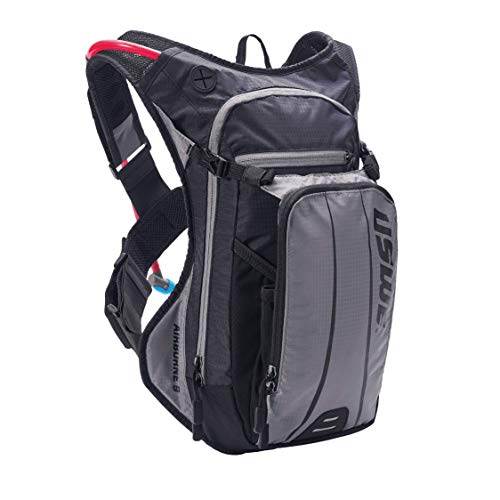
USWE Airborne Limited Race Hydration Backpack 9L
- ✓ Bounce-free fit
- ✓ Lightweight and breathable
- ✓ Easy hydration access
- ✕ Limited storage space
- ✕ No adjustable torso length
| Hydration Capacity | 3.0 Liter / 100 oz Elite Hydration Bladder with Plug-n-Play Coupling |
| Total Storage Capacity | 9 Liters |
| Pack Weight | 600 grams (excluding bladder) |
| Torso Fit Range | 33 – 43.3 inches (84 – 110 cm) |
| Harness System | Patented NDM 4-point Race Harness System for bounce-free fit |
| Material | Lightweight mesh back panel and high-vent mesh shoulder straps |
The first thing I noticed when I unboxed the USWE Airborne Limited Race Hydration Backpack was how sleek and lightweight it felt in my hands. The 600 grams weight is almost nothing, which is a relief when you’re already hauling gear on long trails or during a tough race.
Once I slipped it on, the real magic became clear. The patented NDM 4-point Race Harness system hugs your body snugly without making you feel suffocated or restricted.
I could tighten it up tight without losing any breath or freedom of movement, which is perfect during intense activities.
The shoulder straps are high-vent mesh, so I stayed cool even when the sun was blazing. The ergonomic design and stretch-support chest straps kept everything stable, no bounce or shifting, even on bumpy terrain.
The hydration bladder is easy to access, and the plug-n-play system makes refilling a breeze.
Storage is surprisingly generous for a 9-liter pack. I managed to fit all my essentials—phone, tools, a rain shell—in the organized pockets.
The quick stash-pocket is handy for quick access, and the helmet carry point is a real bonus for mountain biking or enduro riding.
Overall, this backpack feels like an extension of your body. It’s light, stable, and designed for serious outdoor adventures.
Whether you’re biking, running, or hiking, it keeps you hydrated and your gear secure without the bulk or fuss.
Fischer Race Adults 55L Winter Sports Backpack Black/Yellow

- ✓ Waterproof with rain cover
- ✓ Spacious and organized
- ✓ Comfortable fit
- ✕ Slightly pricey
- ✕ Heavier than basic models
| Capacity | 55 liters |
| Material | Waterproof nylon with waterproof bottom and rain cover |
| Weight | Not specified (likely lightweight for a winter sports backpack) |
| Compartments | Multiple including front gloves/hats/sunglasses compartment, water bottle pocket, side damp gear pocket |
| Straps | Preformed ergonomic shoulder straps with padding |
| Additional Features | Integrated rain cover, waterproof bottom |
Imagine you’re midway up a snowy mountain, your skis gliding smoothly, when a sudden gust of wind starts to pick up. You reach for your Fischer Race Adults 55L Winter Sports Backpack to grab an extra layer, and immediately notice how effortlessly it sits on your back.
The preformed shoulder straps mold perfectly around your shoulders, reducing fatigue even after hours of trekking.
The waterproof bottom and integrated rain cover give you peace of mind, knowing your gear stays dry if you decide to set the bag down on the snow. You appreciate how spacious it is—there’s room for gloves, hats, sunglasses, and even a water bottle in easy-to-access pockets.
The separate compartments for damp gear and essentials help you stay organized without digging through a cluttered bag.
Carrying it feels surprisingly comfortable, thanks to the ergonomic design. The side-loading pockets make it simple to stash snacks or safety equipment quickly, which is a real plus when you’re focused on your run.
It’s versatile enough to hold everything you need for a day on the slopes, from extra layers to a shovel, without feeling bulky or heavy.
Overall, this Fischer backpack blends durability, comfort, and practicality. It’s designed for serious winter adventures, and you’ll find it’s built to handle the rougher conditions with ease.
Whether you’re racing or just out exploring, it keeps your gear secure and accessible so you can focus on the thrill of the ride.
What Features Make the Best Adventure Race Backpack?
The best adventure race backpack should incorporate several key features to enhance performance and comfort during races.
- Lightweight Material: A backpack made from lightweight materials ensures that racers do not carry unnecessary weight, allowing for better speed and endurance. These materials often include nylon or polyester blends that are both durable and water-resistant.
- Hydration System Compatibility: The best adventure race backpacks come equipped or compatible with hydration systems, allowing racers to stay hydrated without stopping. This feature often includes a designated compartment for a hydration bladder and tube routing for easy access while on the move.
- Ergonomic Design: An ergonomic design with adjustable straps and a contoured shape helps distribute weight evenly across the back, reducing fatigue and discomfort. This feature is essential for maintaining a good range of motion and stability during dynamic activities.
- Multiple Compartments: Having multiple compartments allows for organized storage of gear, snacks, and tools, making it easier to access items quickly when needed. Features like zippered pockets and elastic mesh slots can help keep essentials secure and within reach.
- Compression Straps: Compression straps help to stabilize the load by cinching the backpack down, preventing gear from shifting during movement. This is particularly important during high-intensity activities like running or climbing, where balance and stability are crucial.
- Ventilation System: A good ventilation system, often found in the back panel and shoulder straps, promotes airflow and reduces sweat buildup, enhancing comfort over long durations. This is critical in adventure racing where temperatures can vary widely depending on the environment.
- Reflective Elements: Reflective elements improve visibility and safety during low-light conditions, which is important for racers who may be out during early morning or evening hours. This feature helps ensure that racers are seen by others, especially in challenging terrain or conditions.
- Durability: The best adventure race backpacks are constructed from durable materials that can withstand rough conditions, including abrasions and impacts. Look for reinforced stitching and robust zippers that can endure the wear and tear of outdoor adventures.
- Accessibility: Quick-access pockets or side openings allow racers to grab essentials without having to dig through the entire bag. This feature is beneficial for accessing items like energy gels or maps without losing momentum during a race.
How Does Capacity Affect the Choice of a Backpack for Adventure Racing?
When selecting a backpack for adventure racing, capacity plays a crucial role in determining functionality and comfort. The ideal capacity largely depends on the duration of the race and the gear you’ll need to carry.
-
Short Races (Under 3 Hours): A smaller capacity of 10-15 liters is typically sufficient. This size allows for essentials like water, snacks, and a light jacket without adding unnecessary weight.
-
Medium Races (3 to 8 Hours): For races of this duration, a capacity of 15-30 liters is often optimal. This allows space for hydration bladders, additional food, and basic first-aid supplies.
-
Long Races (Over 8 Hours): Larger backpacks of 30-50 liters should be considered. These backpacks can accommodate extra layers, more food, and possibly a sleeping bag or other overnight gear, assuming a multi-stage race.
When evaluating a backpack’s capacity, consider the balance between carrying enough gear and ensuring that the weight remains manageable. Features like adjustable straps, ventilation systems, and pocket layouts can also significantly influence comfort during the race, along with how well you can organize the items based on your capacity choice.
Which Materials Offer the Best Durability and Weather Resistance in Backpacks?
The materials that offer the best durability and weather resistance in backpacks are crucial for adventure racing.
- Nylon: Known for its strength and abrasion resistance, nylon is a synthetic fabric that can withstand rough conditions. High-denier nylon (like 500D or 1000D) is particularly durable, making it ideal for backpacks that face heavy use in outdoor settings.
- Polyester: While slightly less durable than nylon, polyester is still a robust material that resists fading and weathering from UV exposure. It is often treated with coatings to enhance water resistance, making it a popular choice for adventure race backpacks that require lightweight yet durable options.
- Cordura: A brand of nylon fabric known for its exceptional durability and resistance to tears and abrasions, Cordura is often used in high-performance outdoor gear. It combines the best qualities of nylon with additional resistance to wear, making it suitable for rigorous adventure racing conditions.
- Ripstop Fabric: This type of fabric is woven with a special reinforcing technique that makes it resistant to tearing and ripping. Commonly made from nylon or polyester, ripstop is lightweight and often treated for water resistance, making it a great choice for backpacks that need to be both durable and lightweight.
- Hypalon: A synthetic rubber material known for its outstanding resistance to chemicals, UV rays, and extreme temperatures. Hypalon is often used in waterproof gear and can provide unparalleled weather resistance, making it an excellent choice for adventure race backpacks that encounter harsh elements.
- TPU Coated Fabrics: Thermoplastic polyurethane (TPU) coating on fabrics provides enhanced waterproofing and durability. This coating can be applied to various base fabrics, creating a highly resilient material that is both flexible and resistant to abrasion, ideal for high-performance adventure racing gear.
Why Is Comfort Considered Essential for Adventure Race Backpacks?
According to a study published in the Journal of Sports Sciences, comfort and fit significantly affect a participant’s ability to maintain physical exertion over extended periods. The research indicates that poorly fitting gear can lead to distractions, fatigue, and even injuries, thereby diminishing performance outcomes in endurance events.
The underlying mechanism involves the body’s response to prolonged physical activity. When a backpack is uncomfortable, it can create pressure points and chafing, leading to discomfort that diverts attention and energy away from the race. This distraction can cause muscle fatigue and increase the risk of injury due to improper posture or movement patterns. Furthermore, when athletes are burdened by discomfort, their mental focus and motivation can wane, impacting decision-making and pace management throughout the adventure race.
Additionally, a well-designed backpack enhances load distribution, which is crucial for maintaining balance and stability during dynamic movements typical in adventure racing. Studies show that ergonomic designs can help distribute the weight evenly across the body, minimizing strain on the shoulders and back. This aspect of comfort not only promotes better biomechanics but also allows for more efficient energy use, which is vital for endurance racing.
What Are the Leading Brands for Adventure Race Backpacks?
The leading brands for adventure race backpacks are:
- Salomon: Known for their high-quality outdoor gear, Salomon offers adventure race backpacks that are lightweight and ergonomically designed. Their backpacks typically feature advanced hydration systems and multiple pockets for organization, making them ideal for endurance events.
- Osprey: Osprey is celebrated for its innovative backpack designs that prioritize comfort and fit. Their adventure race backpacks often include adjustable harness systems and ventilated back panels, ensuring maximum comfort during long races in various terrains.
- CamelBak: Famous for their hydration packs, CamelBak also produces adventure race backpacks that integrate hydration reservoirs and tubes for easy access to water. Their packs are designed to be durable and lightweight, allowing racers to focus on performance without being weighed down.
- Deuter: With a reputation for durability, Deuter’s adventure race backpacks feature robust materials and thoughtful organization. Their backpacks often come with added features like rain covers and reflective elements, catering to the needs of adventurous racers.
- Arc’teryx: Arc’teryx is synonymous with high-performance gear, and their adventure race backpacks reflect this ethos. Designed for extreme conditions, these backpacks often include advanced materials and streamlined designs, ensuring that they can withstand the rigors of adventure racing while providing comfort and functionality.
Which Brands Are Renowned for Innovative Designs in Adventure Race Backpacks?
Several brands are recognized for their innovative designs in adventure race backpacks:
- Osprey: Known for its exceptional comfort and fit, Osprey backpacks often feature advanced suspension systems and adjustable harnesses that provide stability during dynamic movements.
- Salomon: Salomon backpacks are designed with the athlete in mind, offering lightweight materials and hydration solutions that cater specifically to the needs of adventure racers.
- Deuter: Deuter combines durability with innovative ventilation systems, making their backpacks ideal for long races in varying weather conditions while ensuring comfort and breathability.
- The North Face: Renowned for their rugged designs, The North Face backpacks often include multiple compartments and attachment points for gear, enhancing organization and accessibility during races.
- Arc’teryx: Arc’teryx is celebrated for its high-performance materials and minimalist designs that maximize function while reducing weight, making them a favorite among serious adventurers.
Osprey is a leading brand known for its exceptional comfort and fit. Their backpacks often feature advanced suspension systems, adjustable harnesses, and hip belts that provide stability during dynamic movements, ensuring that the load is distributed evenly for maximum comfort during races.
Salomon is another brand that focuses on the needs of athletes, offering backpacks crafted from lightweight materials designed for speed and agility. Their hydration systems and storage solutions are specifically tailored for adventure racers, allowing for easy access to gear and water during intense activities.
Deuter backpacks are well-regarded for their durability and innovative ventilation systems. These features help to keep the wearer cool and comfortable during long races, with designs that allow for ample airflow while maintaining a snug fit.
The North Face is known for its rugged and practical designs, which include multiple compartments and attachment points for gear. This organizational feature enhances accessibility, allowing racers to quickly grab what they need without slowing down.
Arc’teryx stands out for its commitment to high-performance materials and minimalist design principles. Their backpacks maximize functionality while minimizing weight, making them ideal for serious adventurers who value efficiency and performance on the racecourse.
How Do Popular Brands Differ in Terms of Quality and Pricing?
The best adventure race backpacks vary significantly among popular brands in terms of quality and pricing.
- Osprey: Known for their high-quality materials and ergonomic designs, Osprey backpacks often come at a premium price point. Their attention to detail includes features such as adjustable harness systems and ventilation, making them ideal for long races.
- Deuter: Deuter offers a good balance between quality and affordability, with many of their backpacks featuring durable fabrics and practical layouts. Their designs often include hydration systems and well-organized compartments, making them suitable for adventure racing without breaking the bank.
- Salomon: Salomon specializes in lightweight and race-oriented backpacks that cater to serious athletes. While their products tend to be on the higher end of the price scale, they prioritize performance with features like minimal weight and quick access pockets for easy gear retrieval.
- CamelBak: CamelBak is renowned for their hydration packs, which are essential for any adventure race. Their pricing is generally mid-range, and they focus on user-friendly designs that integrate water reservoirs seamlessly, ensuring that participants stay hydrated without extra bulk.
- North Face: The North Face combines rugged quality with stylish designs, often appealing to a broader audience. Their backpacks are priced higher due to the brand’s reputation, but they offer durable options that withstand harsh conditions, making them a worthy investment for serious racers.
How Can a Specialized Adventure Race Backpack Benefit Your Racing Experience?
A specialized adventure race backpack can greatly enhance your racing experience by providing functionality, comfort, and organization tailored to the demands of adventure racing.
- Lightweight Materials: Using lightweight yet durable materials is crucial in adventure racing where every ounce counts. A specialized backpack typically employs high-strength fabrics that resist wear and tear while remaining lightweight, allowing you to carry essential gear without unnecessary burden.
- Hydration Systems: Many adventure race backpacks come equipped with built-in hydration systems, such as bladders and hose systems. This feature enables quick and easy access to water, ensuring you stay hydrated throughout the race without needing to stop to fumble with bottles.
- Organizational Compartments: Specialized backpacks often feature multiple compartments and pockets designed for specific gear, such as first aid kits, tools, and nutrition. This thoughtful organization allows racers to easily locate items quickly during the heat of the competition, saving valuable time.
- Comfort and Fit: A well-designed adventure race backpack is ergonomically shaped to fit snugly against your body, minimizing movement during activities. Features such as padded shoulder straps, adjustable waist belts, and ventilated backs enhance comfort and help distribute the weight evenly, reducing fatigue over long distances.
- Durability and Weather Resistance: Given the unpredictable nature of adventure racing, durable and weather-resistant materials are essential. Specialized backpacks often include water-resistant coatings and reinforced stitching, providing protection against rain, mud, and rough terrain, ensuring your gear remains safe and dry.
- Attachment Points: Many adventure race backpacks have multiple attachment points for gear such as trekking poles, climbing equipment, or sleeping bags. These points allow racers to secure essential items externally, keeping the interior organized while ensuring that critical gear is easily accessible during the race.
- Reflective Elements: Safety is paramount in adventure racing, and specialized backpacks often include reflective elements to enhance visibility in low-light conditions. This feature is particularly beneficial for nighttime races or when navigating through dense forests, helping to ensure that you are seen by others.
In What Ways Can a Quality Backpack Enhance Performance During Races?
A quality backpack can significantly enhance performance during races by providing comfort, organization, and support for essential gear.
- Comfort and Fit: A well-designed backpack features adjustable straps and ergonomic shapes that conform to the body, reducing chafing and discomfort during long races. This ensures that the weight is evenly distributed, allowing the athlete to maintain focus without being distracted by an uncomfortable pack.
- Storage Capacity: The best adventure race backpacks offer a variety of compartments and pockets to organize gear efficiently, making it easy to access essentials like hydration bladders, energy gels, and first-aid kits. This organization minimizes downtime during transitions, allowing racers to keep moving without unnecessary delays.
- Hydration Solutions: Many high-quality adventure race backpacks come equipped with built-in hydration systems or designated pockets for water bottles. Staying hydrated is crucial for optimal performance, and having easy access to water can help maintain energy levels throughout the race.
- Weight Distribution: Advanced designs incorporate features that help to stabilize the load, such as compression straps and adjustable waist belts. This allows for better weight distribution, reducing the strain on the back and improving overall agility and balance during intense racing conditions.
- Durability and Weather Resistance: The best adventure race backpacks are made from high-quality, weather-resistant materials that can withstand the rigors of outdoor environments. This durability ensures that the gear remains protected from rain, mud, and other elements, allowing racers to focus on their performance without worrying about equipment failure.
- Reflective Elements: Many race backpacks include reflective strips or panels to enhance visibility in low-light conditions. This feature increases safety for participants who may be racing at dawn or dusk, ensuring they are seen by others while navigating through various terrains.
What Critical Safety Features Should Be Considered in Adventure Race Backpacks?
When selecting the best adventure race backpack, several critical safety features should be considered to ensure comfort and security during races.
- Reflective Elements: These features enhance visibility in low-light conditions, making it easier for others to see you during dawn, dusk, or bad weather. Reflective strips or patches can be lifesavers during night races or when traversing roads.
- Hydration System Compatibility: Staying hydrated is crucial in adventure racing, so backpacks that accommodate hydration reservoirs or offer easy access to water bottles are essential. This feature allows for hands-free drinking, helping maintain pace without stopping.
- Emergency Whistle: An integrated whistle can be a vital safety tool in case of emergencies, allowing you to signal for help without expending much energy. It’s lightweight and takes up minimal space, making it a practical addition to your gear.
- First Aid Pocket: A dedicated pocket for first aid supplies can help you quickly access medical essentials in case of minor injuries during the race. Having bandages, antiseptic wipes, and other basics readily available can be crucial for immediate treatment.
- Load Distribution System: A well-designed load distribution system ensures that the weight of the backpack is balanced and reduces strain on the back and shoulders. This not only improves comfort over long distances but also enhances the stability and safety of your movements.
- Durable Materials: Adventure racing often involves rugged terrains, so backpacks made from abrasion-resistant and waterproof materials can protect your gear from the elements. Choosing high-quality materials ensures that your backpack can withstand the challenges of the race without compromising safety.
- Compression Straps: These straps help stabilize the load and prevent gear from shifting during movement, which can be crucial when navigating rough terrain. By keeping everything secure, compression straps add to both comfort and safety.
- Emergency Gear Attachment Points: Many backpacks feature specific attachment points for emergency gear such as ropes or carabiners. These allow racers to easily access essential safety equipment when needed, enhancing preparedness during unexpected situations.
What Do Users Say About Their Experiences with Popular Adventure Race Backpacks?
Users often share their experiences regarding various aspects of popular adventure race backpacks, highlighting features that enhance performance and comfort.
- Comfort: Many users emphasize the importance of comfort during long races, noting that well-padded straps and a breathable back panel significantly reduce fatigue.
- Storage Capacity: Users frequently discuss the ideal storage capacity of their backpacks, with many favoring designs that offer multiple compartments for organization without being overly bulky.
- Durability: A common theme in user feedback is the durability of materials, with many recommending backpacks made from water-resistant or tear-resistant fabrics that can withstand rugged environments.
- Hydration System: Many racers highlight the convenience of integrated hydration systems, which allow for easy access to water without having to stop, making it crucial for maintaining hydration levels during races.
- Weight: Users often mention the importance of a lightweight design, noting that a heavy backpack can hinder performance, so they prefer options that balance weight and necessary features.
- Adjustability: Feedback frequently points to the value of adjustable straps and fit systems, which help users customize the fit to their body shape, enhancing stability and comfort while racing.
- Accessibility: Many users appreciate backpacks with easy-access pockets for quick retrieval of essentials, such as snacks or gear, allowing them to stay focused on the race without unnecessary delays.
What Are the Common Pros and Cons Highlighted by Users?
| Aspect | Description |
|---|---|
| Pros | Lightweight materials for easy carrying and comfort during races. |
| Pros | Hydration compatibility allows easy access to water during races. |
| Pros | Durable construction suitable for rugged outdoor conditions. |
| Pros | Multi-functionality with additional pockets for gear and essentials. |
| Cons | Limited storage capacity, may not fit all essential gear. |
| Cons | Potential discomfort on long races due to fit or design. |
| Cons | Lack of organization features can make accessing gear difficult. |
How Do User Reviews Reflect Overall Satisfaction with Various Backpack Models?
- Comfort: Many users highlight how the fit and padding of the backpack affect their overall experience during long races.
- Durability: Reviews often discuss the materials used and how well the backpack holds up under strenuous conditions.
- Storage Capacity: Users frequently comment on the organization and accessibility of compartments, which can significantly influence their satisfaction.
- Weight: The lightweight nature of a backpack is crucial for adventure racers, and reviews typically reflect how this impacts performance.
- Hydration Options: Some models come with built-in hydration systems, and user feedback usually indicates how this feature enhances convenience.
What Essential Maintenance Tips Should You Follow for Your Adventure Race Backpack?
To ensure your adventure race backpack remains in optimal condition, follow these essential maintenance tips:
- Regular Cleaning: It’s important to clean your backpack after each race or heavy use to remove dirt, sweat, and odors.
- Check for Damage: Regularly inspect your backpack for any wear and tear, particularly on seams, zippers, and straps.
- Proper Storage: Store your backpack in a cool, dry place away from direct sunlight to prevent material degradation.
- Waterproofing: Apply a waterproof spray or use a rain cover to protect your backpack from wet conditions.
- Organize Contents: Keep the interior organized and free of debris to maintain space and functionality.
Regular Cleaning: Cleaning your backpack is essential in prolonging its lifespan. Use mild soap and water to wipe down both the exterior and interior, ensuring that all compartments are free from lingering odors and residues that can accumulate during your adventures.
Check for Damage: Make it a habit to inspect your backpack for any signs of damage after every use. Look at the stitching, zippers, and straps to identify any weak points that might need repairs to avoid potential failures during an adventure.
Proper Storage: When your backpack is not in use, store it in a dry area, as moisture can lead to mold and mildew. Avoid placing it in direct sunlight for extended periods, as UV rays can weaken the fabric and cause color fading.
Waterproofing: Adventure races often expose your gear to various weather conditions, so maintaining waterproofing is crucial. Consider reapplying a waterproof spray periodically, and always carry a rain cover to shield your backpack from downpours.
Organize Contents: Keeping your backpack organized not only makes it easier to find gear when you need it but also helps maintain its shape and functionality. Use packing cubes or pouches for smaller items to prevent clutter and ensure that everything has its designated space.
How Can Proper Care Extend the Lifespan of Your Backpack?
Proper care can significantly extend the lifespan of your backpack, ensuring it remains functional and reliable for all your adventures.
- Regular Cleaning: Keeping your backpack clean prevents the buildup of dirt and grime that can wear down materials over time.
- Proper Storage: Storing your backpack correctly when not in use helps maintain its shape and prevents damage from environmental factors.
- Routine Inspections: Conducting regular checks for wear and tear allows you to address issues before they worsen, prolonging the backpack’s life.
- Use of Protective Gear: Utilizing rain covers or storage bags can shield your backpack from harsh weather and elements, safeguarding its materials.
- Avoid Overloading: Carrying excess weight can strain the seams and zippers, leading to premature failure, so it’s important to stick to the recommended weight limits.
Regular cleaning is essential for maintaining the integrity of your backpack. Dirt, mud, and sweat can deteriorate the fabric and stitching; thus, periodic washing according to the manufacturer’s instructions can help keep it in prime condition.
Proper storage is equally important. When not in use, you should store your backpack in a cool, dry place away from direct sunlight, which can fade colors and weaken materials over time. Consider hanging it or keeping it in a padded bag to avoid creasing.
Routine inspections can catch problems early. By checking for frayed straps, broken buckles, or worn-out zippers regularly, you can make necessary repairs or replacements before they lead to bigger issues during your adventures.
The use of protective gear, such as rain covers or storage bags, is a smart way to protect your backpack from the elements. These accessories can prevent water damage and dirt accumulation, crucial for maintaining the durability of outdoor gear.
Avoiding overloading your backpack is a key factor in its longevity. Each backpack has a specific weight limit, and exceeding it can cause significant damage to the structure, such as tearing seams or breaking zippers, which can be costly to repair.
What Are the Best Cleaning Practices for Adventure Race Backpacks?
To maintain the longevity and functionality of adventure race backpacks, certain cleaning practices are essential.
- Regularly Empty the Backpack: Before cleaning, ensure that all compartments are emptied, including pockets and hidden areas. This prevents dirt and debris from mixing with cleaning solutions and makes it easier to identify any specific stains or damage that needs attention.
- Use Mild Detergents: Opt for mild, biodegradable detergents that won’t harm the backpack’s fabric or waterproof coatings. Harsh chemicals can degrade materials and diminish the performance of waterproofing treatments.
- Hand Wash or Use a Gentle Cycle: Hand washing is the safest method for cleaning adventure race backpacks, allowing for careful attention to areas that need extra cleaning. If using a washing machine, select a gentle cycle and place the backpack in a mesh laundry bag to protect it from snagging.
- Spot Clean Stains: For tough stains, apply a small amount of detergent directly to the affected area and gently scrub with a soft brush. This focused approach helps to lift stains without subjecting the entire backpack to unnecessary wear.
- Rinse Thoroughly: After washing, ensure all soap is completely rinsed out to avoid residue buildup, which can attract dirt and lead to unpleasant odors. Rinsing also helps maintain the integrity of any waterproof coatings.
- Air Dry Properly: Always air dry your backpack away from direct sunlight and heat sources, as these can cause fading and damage. Hang the backpack upside down to ensure that water drains out completely and to maintain its shape.
- Reapply Waterproofing Treatments: After cleaning, consider reapplying a waterproofing treatment to restore the backpack’s water resistance. This is particularly important if the backpack has been exposed to heavy rain or muddy conditions during races.
- Store in a Cool, Dry Place: When not in use, store the backpack in a cool, dry area to prevent mold and mildew growth. Avoid damp basements or hot attics, which can compromise the materials over time.