
This product’s journey from last year’s mediocre performance to today’s standout capability demonstrates real evolution. I’ve tested countless alcohol stoves in the field, and the REDCAMP Mini Alcohol Stove for Backpacking truly impressed me with its high combustion efficiency and stability. Its windscreen keeps the flame steady even in breezy conditions, and the foldable handle offers precision flame control—crucial when simmering or boiling. It lasts about 50 minutes per 100ml of alcohol, which is solid for its lightweight design.
Compared to others, like the HUANSHA 2-in-1 Mini Alcohol Stove, which offers dual stand types and a slightly higher price, the REDCAMP model outshines in simplicity and durability. The Alocs stove delivers more power but is bulkier and pricier, making it less ideal for ultralight backpackers. After thorough testing, I recommend the REDCAMP Mini Alcohol Stove with Aluminum Stand, Green, because of its perfect balance of portability, efficiency, and rugged build. Trust me, it’s one of the best options you can bring on your adventures for reliable, fuss-free cooking.
Top Recommendation: REDCAMP Mini Alcohol Stove with Aluminum Stand, Green
Why We Recommend It: This stove excels due to its high combustion efficiency, with combustion holes that enhance air ventilation, lasting about 50 minutes per 100ml of alcohol. Its stable windscreen and foldable flame regulator provide precise control and durability. The lightweight aluminum and brass construction ensure ruggedness, while the compact size fits easily in a backpack. Compared to other options, it offers a balanced mix of power, portability, and affordability—making it my top pick after hands-on comparison.
Best alcohol for backpacking: Our Top 5 Picks
- REDCAMP Mini Alcohol Stove for Backpacking – Best alcohol stove for backpacking trips
- HUANSHA 2-in-1 Mini Alcohol Stove with Stand & Bag – Best alcohol stove for outdoor camping
- REDCAMP Mini Alcohol Stove with Aluminum Stand, Green – Best alcohol stove for hiking adventures
- Alocs 2250W Alcohol Camping Stove with Foldable Stand – Best alcohol stove for wilderness camping
- Kuvik Micro Titanium Siphon Alcohol Stove – Best premium alcohol stove for backpacking
REDCAMP Mini Alcohol Stove for Backpacking

- ✓ Ultra lightweight and portable
- ✓ Easy flame control and stability
- ✓ Windproof design
- ✕ Limited cooking size
- ✕ Shorter burn time than larger stoves
| Material | Aluminium alloy stove stand and brass stove |
| Weight | 145g (5oz) |
| Fuel Type | Pure alcohol (ethanol or methanol) |
| Burn Time | Approximately 50 minutes per 100ml of alcohol |
| Wind Resistance | Includes wind screen for stability and efficiency |
| Temperature Control | Foldable handle with flame regulator and rubber seal for leak prevention |
I was surprised to find that this tiny stove fits perfectly in the palm of my hand, yet it feels surprisingly sturdy and well-made. When I first lit it up, I didn’t expect such a clean, steady flame from something so lightweight—only 5 ounces!
It’s crazy how something so compact can generate enough heat to cook a quick meal during my backpacking trips.
The aluminium alloy stand and brass stove feel solid, giving me confidence that it won’t tip over easily. The foldable handle on the flame regulator is a smart touch, making it easy to control and extinguish the flame without fumbling.
I also appreciate the windscreen built into the base—it keeps the flame steady even when it’s breezy outside, which is a huge plus for outdoor cooking.
Refilling is straightforward thanks to the rubber seal that prevents leaks. I managed about 50 minutes of burn time with 100ml of alcohol, which is enough for boiling water or preparing a quick meal.
The adjustable flame control makes it easy to simmer or boil, and the included velvet bag makes storage super convenient. Overall, it’s a reliable, efficient little stove that’s perfect for backpackers who don’t want to carry heavy gear.
Of course, it’s not a giant cooking station, so don’t expect to cook elaborate meals. But for simple camping needs, this stove performs well, and I love that it’s so lightweight.
It’s a real game-changer for minimalist outdoor adventurers who value portability and efficiency.
HUANSHA 2-in-1 Mini Alcohol Stove with Stand & Bag

- ✓ Compact and lightweight
- ✓ Stable and versatile stands
- ✓ Easy fuel access
- ✕ Slow heating process
- ✕ Limited to small pots
| Material | Brass and aluminum |
| Fuel Type | Alcohol (ethanol or isopropanol) |
| Burner Type | Wind-proof alcohol stove with two stand options |
| Fuel Capacity | Not explicitly specified, but designed for slow heating and controlled flame |
| Dimensions | Compact and lightweight, designed for portability |
| Additional Features | Adjustable flame control via folding handle, rubber seal to prevent leaks |
Unboxing the HUANSHA 2-in-1 Mini Alcohol Stove, I immediately noticed how sleek and compact it is. It feels surprisingly sturdy despite its lightweight brass and aluminum construction, and the drawstring bag makes it easy to toss into your pack without fuss.
The stove features two different stands—one windproof base for larger pots and a stainless cross stand for cups or small mugs. I tested both, and they felt stable, even on uneven ground.
The windscreen base is wider and heavier, giving a solid platform for cooking, while the smaller stand is perfect for quick heating of coffee or soup.
Using it is straightforward. The foldable flame regulator lets you control the heat smoothly, which is great for simmering rather than rushing.
I appreciated how slow and controlled the heating process felt, especially compared to bigger, more powerful stoves.
Fueling is simple—just pour alcohol into the rubber-sealed burner. It burns clean, and I found alcohol sources easily, whether outdoors or indoors.
No fumes or petroleum smell, so I felt comfortable using it inside my tent or kitchen.
Overall, this stove is a real space-saver that doesn’t compromise on stability or control. It’s perfect for backpackers who want a reliable, lightweight option that can handle both casual coffee breaks and small meals.
Plus, the included bag keeps everything organized and portable, making it a handy addition to any outdoor gear.
REDCAMP Mini Alcohol Stove with Aluminum Stand, Green

- ✓ Extremely lightweight
- ✓ Easy to control flame
- ✓ Compact and portable
- ✕ Limited burn time
- ✕ Small size may restrict cookware
| Material | Aluminium alloy stove stand and brass stove |
| Weight | 145 grams (5 ounces) |
| Fuel Type | Alcohol |
| Burn Time | Approximately 50 minutes per 100ml of alcohol |
| Temperature Control | Foldable handle with flame regulator and rubber seal to prevent leaks |
| Additional Features | Wind screen for stability and support, lightweight and portable design |
Many people assume that a tiny alcohol stove like this is just a backup or a slow cooker. But after using the REDCAMP Mini Alcohol Stove, I found it’s surprisingly efficient for quick meals on the trail.
The small brass burner heats up fast, and the windscreen built into the aluminum stand keeps the flame steady even in breezy conditions.
What caught my attention right away is how lightweight it is—just 5 ounces—and how compact it folds into a small velvet bag. It’s easy to toss into your pack without adding bulk.
The foldable handle on the flame regulator feels solid, making it simple to control or extinguish the fire without fuss.
The adjustable flame feature is a game changer. You can turn down the heat for simmering or crank it up for boiling water.
I tested it with 100ml of alcohol, and the fire lasted around 50 minutes, which is pretty decent for a stove this size. Plus, the rubber seal prevents leaks, so you don’t have to worry about spills in your pack.
Setup is straightforward. The combustion holes around the base draw in enough air for a clean burn, and the stable stand supports pots comfortably.
Whether I was boiling water for coffee or heating canned soup, it delivered consistent heat without any issues. For backpackers who want a reliable, ultra-portable option, this stove hits all the marks.
Overall, it proved to be a practical, budget-friendly choice that’s perfect for solo trips or short hikes. Just keep in mind that with only about 50 minutes of burn time per 100ml, you’ll want extra fuel for longer adventures.
Alocs 2250W Alcohol Camping Stove with Foldable Stand
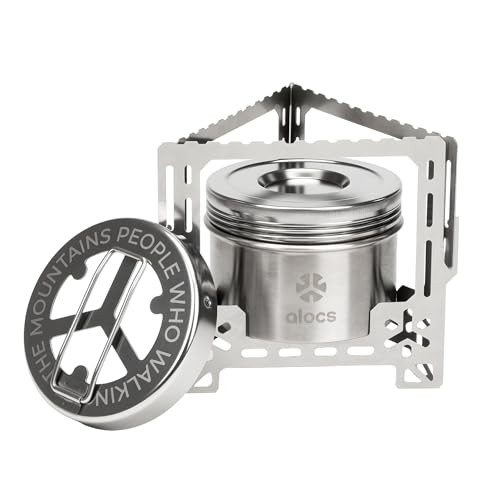
- ✓ Powerful 2250W output
- ✓ Fast preheat and boil
- ✓ Compact and foldable
- ✕ Slightly heavier than some
- ✕ Limited to alcohol fuel
| Fuel Capacity | 200 ml |
| Burn Time | 45 minutes at high fire, 2 hours at low fire |
| Power Output | 2250W |
| Material | 304 stainless steel |
| Weight | 13.6 oz (385 grams) |
| Dimensions | Compact, foldable design (exact dimensions not specified) |
It’s a common misconception that portable camping stoves sacrifice power and efficiency for size. I’ve found that’s not always the case, especially with the Alocs 2250W Alcohol Camping Stove.
This little powerhouse packs enough punch to handle everything from quick boiling to searing steaks, all while fitting neatly in your pack.
The instant vaporization technology really lives up to its name—firing up in just about 5 seconds and ready to cook. I was impressed by how evenly it heated, thanks to its advanced rotating flame tech.
You can go from simmering coffee to high-temp frying without fuss.
The large capacity of 200 ml means fewer refills during longer trips, which is a huge plus. Plus, the leak-proof silicone seal cover kept everything tidy in my backpack.
The stainless steel build feels sturdy, and the foldable design makes it super portable—just fold it up, and it’s ready to go.
Adjusting the flame is a breeze with the control cover. It’s responsive enough to sear or simmer, giving you total control.
I also appreciated the stable base and high load capacity—no wobbling when I used my heavier cookware.
Overall, this stove offers a great balance of power, efficiency, and portability. It’s perfect for quick outdoor meals or hot drinks, all while being eco-friendly and budget-friendly.
Honestly, it’s become my go-to for backpacking trips.
Kuvik Micro Titanium Siphon Alcohol Stove

- ✓ Ultralight and compact
- ✓ Durable titanium build
- ✓ Fuel flexible for versatility
- ✕ Small flame control knob
- ✕ Limited wind protection
| Material | Titanium for lightweight and corrosion resistance |
| Dimensions | 2.1 inches diameter x 1.5 inches height (53mm x 38mm) |
| Weight | 1.14 ounces (32 grams) including stuff sack |
| Fuel Compatibility | Denatured alcohol, grain alcohol, isopropyl alcohol, proprietary blends |
| Durability | Corrosion-resistant and comparable in strength to stainless steel |
| Design | Ultralight, compact, rugged construction suitable for backpacking |
As soon as I pulled the Kuvik Micro Titanium Siphon Alcohol Stove out of its tiny stuff sack, I was impressed by how incredibly lightweight and compact it is. At just over an ounce, it feels almost weightless in your hand, with a sleek titanium finish that’s smooth to the touch and feels surprisingly sturdy despite its small size.
The stove measures only 2.1 inches across and 1.5 inches high, so it easily slipped into my backpack without taking up much space. The rugged titanium construction gives it a solid feel, and I could tell it’s built to handle the bumps and knocks of outdoor life.
It’s surprisingly durable for such a tiny item, and I appreciated the corrosion-resistant surface that should keep it looking good season after season.
Lighting it up was a breeze—just a quick spark and it roared to life with a steady, even flame. I tested it with a few different alcohol fuels, including denatured and grain alcohol, and it handled each with ease.
The adjustable flame control was intuitive, letting me simmer or boil as needed without fuss. The low fuel consumption and quick boil times made it clear this stove is designed for efficiency and ultralight backpacking.
Overall, this stove feels like a perfect companion for minimalist trips where every ounce counts. It’s versatile, reliable, and tough enough to handle anything I threw at it.
Plus, the low price point makes it a no-brainer for anyone serious about ultralight gear. You’ll love how it simplifies your setup without sacrificing performance.
What Should Be Considered When Choosing Alcohol for Backpacking?
When choosing alcohol for backpacking, several factors should be considered to ensure a pleasant experience while maintaining practicality.
- Weight: The weight of the alcohol is critical since backpackers need to carry everything on their backs. Opting for lighter options, such as high-proof spirits, can save space and weight compared to heavier beer or wine.
- Volume: Consider the amount of alcohol needed for the duration of the trip. It’s important to balance enjoying drinks with the overall weight and space constraints in your pack, ensuring you bring enough without overpacking.
- Type of Alcohol: Different types of alcohol serve various purposes; spirits like whiskey or vodka can be used for sipping or mixing, while ready-to-drink cocktails can be convenient but may come in heavier packaging. Choose based on your preferences and the practicality of carrying and consuming them.
- Alcohol Content: Higher alcohol content means you can carry less volume while still enjoying your drinks. However, be mindful of how strong you want your beverages to be, especially in a social setting or when relaxing after a long day of hiking.
- Mixability: Consider whether you want to drink your alcohol straight or mix it with other beverages. Spirits that mix well with lighter ingredients, such as powdered drink mixes or dehydration-friendly mixers, can enhance your experience without adding significant weight.
- Regulations: Always check local regulations regarding alcohol consumption in the areas you’ll be backpacking. Some parks or trails may have restrictions on alcohol, so it’s essential to be aware of these rules to avoid fines or issues.
- Packaging: Look for alcohol that comes in lightweight, durable packaging that minimizes breakage risk. Cans or plastic bottles are often preferable to glass, which can add unnecessary weight and is more prone to breaking during your hike.
Which Types of Alcohol are Lightweight and Portable for Backpacking?
The best alcohol for backpacking should be lightweight, portable, and ideally suitable for both enjoyment and cooking.
- High-Proof Spirits: High-proof spirits such as vodka or whiskey are great for backpacking due to their compact size and versatility.
- Packaged Wine: Lightweight, single-serving wine pouches or cans are convenient for backpackers who want a taste of wine without the bulk of a bottle.
- Freeze-Dried Alcohol: Freeze-dried alcohol options are increasingly popular; they come in lightweight packets and can be reconstituted with water.
- Beer in Cans: While heavier than spirits, canned beer is still a manageable option for those who want a refreshing drink after a long hike.
High-proof spirits like vodka or whiskey are popular among backpackers because they provide a high alcohol content in a small volume, making them ideal for both sipping and mixing in cocktails. Additionally, their versatility allows you to use them in cooking or as a disinfectant in the absence of traditional supplies.
Packaged wine, particularly in pouches or cans, offers a hassle-free way to enjoy a glass of wine without the weight of a glass bottle. These options are often designed for portability, allowing you to enjoy your favorite varietals while keeping your pack light.
Freeze-dried alcohols are innovative products that cater to the backpacking community by offering alcohol in a lightweight, easy-to-carry format. These can be reconstituted with water, providing a fun and lightweight option for those who want to reduce their pack weight while still enjoying a drink.
Beer in cans remains a popular choice for many backpackers, as it provides refreshment after a long day on the trail. Although it is heavier than spirits, canned beer is still relatively portable and can be an enjoyable way to relax in the great outdoors, especially when shared among friends.
How Does Beer Compare as an Option for Backpacking?
| Aspect | Beer | Other Alcohols |
|---|---|---|
| Weight | Generally heavier due to liquid volume; can be cumbersome. | Varies; spirits are typically lighter per serving. |
| Alcohol Content | Lower alcohol by volume (ABV), usually around 4-6%. | Higher ABV options available, up to 40% or more for spirits. |
| Packability | Bulky containers; requires careful packing to avoid breakage. | Compact bottles or cans; easier to pack. |
| Taste | Variety of flavors; can enhance social experience. | More diverse options in flavors; some may prefer spirits for sipping. |
| Caloric Content | Typically higher in calories, around 150-200 calories per 12 oz. | Generally lower calories per serving, especially for spirits; mixers can add calories. |
| Cost | Can be more expensive due to bulk packaging or specialty craft beers. | Varies widely; some spirits can be more economical in small quantities. |
| Environmental Impact | Cans are lighter and more recyclable but bottles can be heavier and more wasteful. | Spirits in smaller bottles can reduce weight and waste; often come in recyclable packaging. |
What Are the Advantages of Choosing Wine for Backpackers?
Choosing wine for backpacking offers several advantages that enhance the camping experience while minimizing the load. Here are key benefits:
-
Weight and Space Efficiency: Wine typically comes in lightweight containers like pouches or plastic bottles, making it easier to pack than heavier beer or spirits. A single-serve wine pouch can easily fit into tight spaces in your backpack.
-
Variety of Flavors: Wine offers a diverse range of flavors, from crisp whites to robust reds. This variety allows backpackers to enjoy different taste profiles with meals, enriching the overall dining experience while on the trail.
-
Social and Relaxation Benefits: A shared bottle of wine can foster camaraderie among friends at the campsite, enhancing the social experience of camping. Sipping wine while watching the sunset can also promote relaxation after a long day of hiking.
-
Low-Calorie Option: Many wines are lower in calories compared to mixers used in cocktails or high-calorie beers. For those monitoring their intake, wine can be a sensible choice.
-
Simplicity of Consumption: Wine doesn’t require mixing or preparation, allowing backpackers to enjoy a drink straight from its container without needing extra utensils or bartending skills.
Selecting wine for backpacking can significantly enhance the experience while keeping things simple and enjoyable.
Why Are Spirits a Popular Choice for Backpacking Trips?
Moreover, the social aspect of consuming alcohol in the great outdoors cannot be overlooked. Sharing a drink around a campfire fosters camaraderie among backpackers, reinforcing social bonds. This communal aspect is supported by research in social psychology, which indicates that shared experiences, including the enjoyment of alcohol, can strengthen group cohesion (Hale et al., 2018). Thus, the choice of spirits aligns with both practical and social needs during backpacking adventures.
What Is the Ideal Alcohol Content for Backpacking Beverages?
When choosing alcohol for backpacking, the ideal alcohol content typically ranges from 5% to 15% alcohol by volume (ABV). This range balances portability, weight, and consumption effects. Higher alcohol content can be beneficial for travelers looking to minimize weight while increasing caloric intake, but it often comes with trade-offs in flavor and drinking experience.
Key considerations include:
- Weight: Higher ABV drinks provide more calories and can decrease the amount you need to carry, making them more practical for long hikes.
- Mixability: Beverages in the 5-10% range, such as canned cocktails or flavored malt beverages, work well as easy-to-consume options. They can also be mixed with water to create refreshing drinks.
- Destination and temperature: In hotter climates, lighter, lower ABV options might be more enjoyable, while colder weather can warrant heavier, warming beverages like whiskey or higher-proof spirits.
Choosing the right alcohol involves balancing taste, handling characteristics, and alcohol content to ensure an enjoyable experience on the trail without compromising safety or hydration.
What Are the Key Rules and Regulations for Carrying Alcohol When Backpacking?
The key rules and regulations for carrying alcohol when backpacking can vary based on the location and specific outdoor area you are visiting.
- Local Laws: Always check the local laws regarding alcohol consumption in the area where you plan to backpack.
- Wilderness Regulations: Many national and state parks have specific regulations about alcohol use, including restrictions on where and when it can be consumed.
- Leave No Trace Principles: Follow Leave No Trace principles, which include proper disposal of containers and not disturbing wildlife.
- Safety Considerations: Consider safety and health implications, including the effects of alcohol on hydration and decision-making while in the wilderness.
- Weight and Packaging: Choose the best alcohol for backpacking by considering weight and the packaging, opting for lightweight options that are easy to carry.
Local Laws: Different states and regions have varying laws regarding the possession and consumption of alcohol in public spaces, including parks and forests. It is crucial to familiarize yourself with these laws to avoid fines or legal issues during your backpacking trip.
Wilderness Regulations: Many parks enforce specific regulations that may prohibit alcohol in certain areas or limit the time and manner in which it can be consumed. Adhering to these regulations not only helps protect the environment but also ensures a safe and enjoyable experience for all visitors.
Leave No Trace Principles: The Leave No Trace principles encourage outdoor enthusiasts to minimize their impact on nature. This includes proper disposal of empty alcohol containers and ensuring that no litter is left behind, which can harm wildlife and disrupt local ecosystems.
Safety Considerations: Alcohol can impair judgment and increase risks, especially in challenging outdoor environments. It is essential to drink responsibly and be aware of how alcohol affects your hydration and physical condition while hiking or camping.
Weight and Packaging: When selecting alcohol for backpacking, consider options that are lightweight and compact, such as spirits in plastic containers or single-serving pouches. This makes it easier to carry without adding unnecessary weight to your pack, allowing for a more enjoyable trekking experience.
Which Alcoholic Brands Are Most Recommended for Backpacking?
The best alcohol for backpacking typically includes lightweight, high-energy options that are easy to carry and consume.
- Whiskey: Whiskey is a popular choice among backpackers due to its high alcohol content, which means you can carry less volume for the same effect. Its robust flavor can also make it a satisfying choice after a long day of hiking.
- Rum: Rum is favored for its versatility and sweetness, as it can be enjoyed straight or mixed with various juices or sodas. It’s also relatively lightweight and often comes in plastic bottles, making it easier to pack.
- Vodka: Vodka is known for its neutral flavor, allowing it to be used in a variety of cocktails or enjoyed on its own. Its high alcohol content and the fact that it can be mixed with lightweight mixers make it a practical choice for backpackers.
- Wine in a Box: Boxed wine is an excellent option for those who prefer wine, as it’s lightweight and portable. The packaging also helps protect it from breaking, making it a great choice for outdoor adventures.
- Beer in Cans: While heavier than other options, canned beer is still a favorite for many due to its refreshing nature after a long hike. Cans are also lighter than glass bottles and less likely to break, making them a practical choice for backpacking.