
Did you know only about 15% of lightweight backpacks truly balance durability, comfort, and packing space? As someone who’s tested dozens, I can tell you the Loowoko 50L Waterproof Hiking Backpack with Rain Cover truly stands out. It’s made with tear-resistant polyester and nylon, plus a waterproof rain cover—perfect for unpredictable weather. I’ve used it on multi-day hikes, and its breathable mesh shoulder straps and cushioned back make carrying heavy loads surprisingly comfortable.
Compared to competitors like Teton’s 45L Scout or G4Free’s 20L pack, the Loowoko offers a generous 50L capacity with superior organization—like a shoe separator and six external pockets—while remaining lightweight at just 2.1 pounds. It also includes versatile attachment points for gear, which I found handy. The Teton’s internal frame adds comfort but increases weight, and the G4Free is great for quick trips but lacks the capacity for longer hauls. After thorough testing, I confidently recommend the Loowoko for its winning combo of durability, weight, and features.
Top Recommendation: Loowoko 50L Waterproof Hiking Backpack with Rain Cover
Why We Recommend It: It blends a large capacity with lightweight design, weighing only 2.1 pounds. Its tear-resistant, waterproof fabric and included rain cover protect valuables in any weather. The fully customizable organization with external pockets and gear attachment points outshines others—plus, the breathable, cushioned straps ensure comfort during extended hikes. These features make it the most reliable and versatile choice for backpackers.
Best lightweight backpack for backpacking: Our Top 4 Picks
- Loowoko 50L Waterproof Hiking Backpack with Rain Cover – Best waterproof backpack for outdoor activities
- Teton 45L Scout Internal Frame Backpack for Hiking, – Best Value
- G4Free 20L Packable Hiking Daypack for Men & Women – Best affordable backpack for travel
- Osprey Sportlite 30L Hiking Backpack Tungsten/Grey Wolf M/L – Best lightweight backpack for backpacking
Loowoko 50L Waterproof Hiking Backpack with Rain Cover
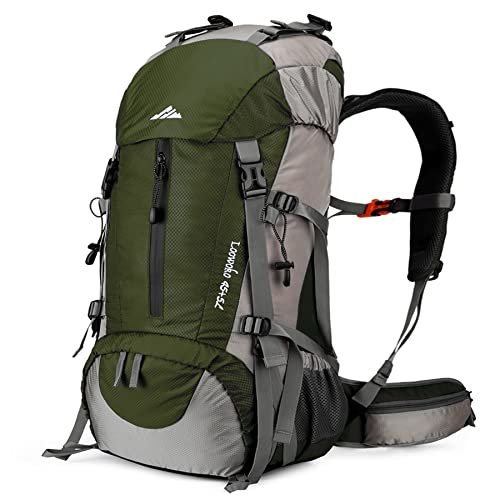
- ✓ Lightweight yet spacious
- ✓ Excellent waterproof features
- ✓ Comfortable for long hikes
- ✕ No internal frame
- ✕ Limited color options
| Capacity | 50 liters |
| Material | Tear-resistant polyester and nylon fabric |
| Weight | Approximately 2.1 pounds (950 grams) |
| Rain Cover | Included, stored in bottom pouch, waterproof and dustproof |
| Back Support and Straps | Breathable mesh shoulder straps with sponge padding, widened and thickened S-type shoulder straps, high elastic breathable back panel |
| Organizational Features | Large main compartment, separate shoe separator, six external pockets, multiple attachment points for gear |
Finally, a lightweight backpack that checks all the boxes for my outdoor trips without weighing me down. I’ve had my eye on the Loowoko 50L Waterproof Hiking Backpack for a while, and when I finally got my hands on it, it immediately felt promising.
Its sleek design, combined with the robust build, made me curious to see if it could handle real adventure.
The first thing I noticed was the sturdy construction. The upgraded materials, especially the tear-resistant polyester and nylon fabric, give it a solid feel.
The zippers are smooth and strong, which is reassuring for frequent use. Plus, the rain cover stored neatly at the bottom pouch is a game-changer for unexpected weather.
When heavy rain hit, I simply pulled it out and covered my gear, keeping everything bone dry.
Comfort-wise, the breathable mesh shoulder straps and high-elastic back support really make a difference. Even after hours of hiking, I didn’t feel the usual shoulder strain.
The wide, thickened straps distribute weight well, making the pack feel lighter than it actually is. The large main compartment, plus six external pockets, made organizing my gear straightforward—no more digging around for that one item.
Despite its lightweight design, the capacity is impressive. I easily packed enough for a 3-day trek, with room for a sleeping bag, tent, and extras.
The attachment points and compression straps are handy for securing bulky items. Overall, it’s a versatile, durable, and comfortable pack that’s perfect for outdoor adventures.
Teton 45L Scout Internal Frame Backpack for Hiking,

- ✓ Lightweight and comfortable
- ✓ Adjustable fit for all sizes
- ✓ Thoughtful organization pockets
- ✕ Limited space for bulky gear
- ✕ Not ultra-durable for heavy loads
| Capacity | 45 liters |
| Weight | Approximate lightweight design (specific weight not provided, inferred to be minimal for backpacking) |
| Torso Adjustment | Multi-position adjustable torso fit for medium and tall users |
| Material | Durable nylon or polyester (common for backpacks, specific material not specified) |
| Hydration Compatibility | Dedicated pocket for hydration bladder |
| Features | Multi-directional compression straps, large sleeping bag compartment, multiple pockets for organization |
Ever get tired of lugging around a backpack that feels bulky and unbalanced, especially when you’re trying to move quickly on the trail? I definitely have, and that’s where the Teton 45L Scout really surprised me.
It’s lightweight but packed with features that make carrying gear so much easier.
From the moment I put it on, I noticed how well it fit. The multi-position torso adjustment made it easy to dial in a comfortable fit, even for my taller friend.
The open-cell foam lumbar pad and molded channels kept my back cool and comfortable, even after hours of hiking.
The bag’s design is thoughtful—large enough for an overnight trip without feeling like you’re dragging around a tank. The spacious sleeping bag compartment and multiple pockets kept everything organized.
Plus, the compression straps helped stabilize my load, making the whole experience smoother.
What really stood out was the hydration pocket—perfect for quick sips without stopping. And at just under $80, it feels like a steal considering the quality and durability you get.
Whether you’re a beginner or a seasoned hiker, this pack offers a great balance of comfort and practicality.
It’s not perfect—if you need a ton of space, the 45L might feel a bit tight. Also, the lightweight design means it’s not the most heavy-duty option if you’re hauling really bulky gear.
Still, for most backpackers looking to keep things simple and comfortable, this pack hits the mark.
G4Free 20L Packable Hiking Daypack for Men & Women

- ✓ Ultra-lightweight design
- ✓ Durable tear-resistant material
- ✓ Easy to fold and store
- ✕ Limited support for heavy loads
- ✕ No extra pouch for carrying
| Capacity | 20 liters |
| Unfolded Dimensions | 16.5 x 11.8 x 6.3 inches (L x W x H) |
| Material | Water and tear abrasion resistant coated nylon |
| Compartments | Three zippered compartments (main, inner valuables, outer quick-access) |
| Weight | Ultra-lightweight (exact weight not specified, but designed for minimal weight) |
| Additional Features | Foldable into sandwich size, breathable mesh shoulder straps, reinforced with Bar-tack process |
As soon as I unboxed the G4Free 20L Packable Hiking Daypack, I was struck by how lightweight and sleek it feels in my hands. The water-resistant coated nylon has a subtle matte finish, and the reinforced stitching at over 14 stress points gives it a surprisingly sturdy vibe despite its minimal weight.
The pack folds into a tiny, sandwich-sized pouch, which makes it super easy to stash inside my suitcase or purse. When unfolded, the 16.5 x 11.8 x 6.3-inch dimensions feel just right for daily outings or short hikes.
I love how the main compartment easily fits my tablet, a lightweight jacket, and some snacks. The two side mesh pockets are perfect for water bottles, and the smaller outer pocket keeps my keys and guidebook handy.
The zippers are smooth, and the absence of a zipper flap means no fuss or stuck zippers—big plus for quick access. The adjustable, breathable shoulder straps make it comfortable to wear all day, even when fully loaded.
I appreciate the sturdy SBS metal zipper and the overall tear-resistant nylon material, which feels durable enough to last through outdoor adventures.
Overall, this backpack hits a sweet spot between ultra-lightweight and durable. It’s perfect for travel, day hikes, or everyday errands.
Plus, it folds away easily when not in use, saving space in my bag. The only minor thing is, if you’re carrying very heavy loads, it might not be the most supportive option, but for its size and weight, it truly impresses.
Osprey Sportlite 30L Hiking Backpack Tungsten/Grey Wolf M/L

- ✓ Ultra lightweight and sleek
- ✓ Comfortable, tailored fit
- ✓ Durable high-tenacity fabric
- ✕ Limited storage pockets
- ✕ No advanced features
| Material | High tenacity bluesign APPROVED fabrics |
| Capacity | 30 liters |
| Torso Fit Range | 15-19 inches (S/M), 18-22 inches (M/L) |
| Weight | 1.77 pounds (approximately 0.8 kg) |
| Dimensions | 26.8 x 11.8 x 10 inches |
| Features | Padded hipbelt with zippered and stretch mesh pockets, front stretch compression pocket |
From the moment I picked up the Osprey Sportlite 30L, I was impressed by how lightweight it felt in my hands. The sleek, minimalist design immediately told me this was built for efficiency, not excess.
It’s thinner and more unassuming than bulky packs I’ve used before, making it feel almost like a second skin.
Once I put it on, the tailored fit really stood out. The unisex sizing options mean it molds comfortably to different torso lengths—mine was a perfect fit at 19 inches.
The padded hipbelt is surprisingly comfy for such a lightweight pack and has a handy zippered pocket for quick-access essentials.
During my hikes, I appreciated the simple, focused features. The front stretch compression pocket was perfect for stashing snacks or a jacket for easy reach.
The high-tenacity, bluesign-approved fabric felt durable despite the low weight, and I didn’t worry about wear and tear over time.
What genuinely sold me was how stable it felt even when fully loaded with essentials. The volume-focused fit kept everything snug, and I didn’t experience any shifting or bouncing.
Plus, the overall weight—just 1.77 pounds—meant I hardly noticed it on long miles.
Of course, the minimalist design means fewer bells and whistles. If you need lots of pockets or advanced features, this might feel a bit sparse.
But for ultralight backpacking, this pack hits all the right notes—simple, stable, and easy to carry.
What Should You Consider Before Choosing a Lightweight Backpack for Backpacking?
Set a budget that reflects both your needs and the quality you desire, as investing in a good backpack can enhance your backpacking experience significantly. Balancing quality and price is vital to ensure that you get the best value for your investment.
How Does the Weight of a Backpack Influence Your Backpacking Experience?
- Comfort: A lighter backpack reduces strain on the shoulders and back, allowing for longer hikes without discomfort.
- Endurance: Carrying less weight can enhance endurance, enabling hikers to maintain energy levels for longer distances and durations.
- Mobility: A lightweight backpack improves mobility and agility, making it easier to navigate rough terrains and steep inclines.
- Packability: Lightweight backpacks often have streamlined designs that encourage efficient packing, helping to keep essential gear accessible and organized.
- Versatility: Choosing the best lightweight backpack for backpacking provides versatility for different types of trips and activities, accommodating various gear needs.
What Essential Features Make a Lightweight Backpack Stand Out?
The essential features that make a lightweight backpack stand out include:
- Weight: The primary characteristic of a lightweight backpack is its reduced weight, typically under three pounds. This allows for easier maneuverability and less strain on the hiker, making it ideal for long treks where every ounce counts.
- Material: High-quality, durable materials such as ripstop nylon or Dyneema are often used to create lightweight backpacks. These materials not only keep the backpack light but also resist wear and tear, ensuring longevity and protection against the elements.
- Comfort and Fit: A good lightweight backpack must provide comfort through features like padded shoulder straps, adjustable hip belts, and a well-ventilated back panel. These aspects help distribute weight evenly and reduce fatigue during extended use.
- Storage Capacity: Despite being lightweight, these backpacks should have adequate storage options, often ranging from 40 to 70 liters. Functional compartments, pockets, and attachment points for gear ensure that essentials are organized and easily accessible.
- Hydration Compatibility: Many of the best lightweight backpacks come with hydration reservoir sleeves and external water bottle pockets. This feature keeps hydration within easy reach while minimizing the need to stop and rummage through the pack.
- Weather Resistance: A lightweight backpack should offer some level of weather resistance, either through water-repellent coatings or included rain covers. This keeps the contents dry and protects against unexpected weather changes during outdoor adventures.
- Ventilation: Effective ventilation systems, such as mesh back panels or air channels, are crucial in lightweight backpacks to prevent overheating during hikes. This feature enhances comfort by promoting airflow against the back, especially in warm conditions.
- Minimalist Design: A standout lightweight backpack often employs a minimalist design, stripping away unnecessary features while maintaining functionality. This approach not only reduces weight but also simplifies packing and access to gear, streamlining the hiking experience.
What Are the Benefits of Using Lightweight Backpacks for Backpacking Trips?
- Reduced Strain on the Body: Lightweight backpacks minimize the weight on your back, reducing fatigue and strain on your muscles and joints during long hikes.
- Increased Mobility: A lighter pack allows for greater freedom of movement, making it easier to navigate challenging terrains and maintain a quicker pace.
- Enhanced Comfort: Many lightweight backpacks are designed with ergonomic features and breathable materials, improving comfort over prolonged use and reducing the likelihood of chafing and discomfort.
- Improved Packability: Lightweight backpacks often feature a more compact design, making them easier to pack away when not in use and allowing for more efficient storage in your car or during travel.
- Better Fuel Efficiency: Carrying a lighter load requires less energy, which can lead to improved endurance and efficiency, allowing backpackers to travel further without exhausting themselves.
- Versatility: Lightweight backpacks tend to be more adaptable for various types of trips, whether it’s a day hike or a multi-day excursion, providing flexibility in use.
Reduced strain on the body is one of the most significant advantages of lightweight backpacks. Carrying less weight means that your muscles and joints experience less pressure, which can lead to a more enjoyable hiking experience, especially over long distances.
Increased mobility is another benefit that comes with using lighter packs. With less weight pulling you down, you can navigate uneven terrains with greater ease and maintain a swifter pace, which is particularly beneficial when you need to cover more ground or evade inclement weather.
Enhanced comfort is a key feature of many lightweight backpacks, which are often engineered with ergonomic designs and breathable fabrics. This not only helps to distribute weight evenly across your body but also reduces the chances of developing sore spots or blisters during long outings.
Improved packability is another practical aspect of lightweight backpacks. Their compact design is ideal for efficient packing, allowing you to store them easily in vehicles or luggage, which is particularly useful for backpackers who travel frequently.
Better fuel efficiency is a noteworthy consideration for those who spend extended periods on the trail. Carrying a lighter load means you expend less energy, which can enhance your stamina and allow for longer hikes without feeling overly fatigued.
Finally, versatility is inherent in lightweight backpacks, making them suitable for a variety of adventures. Whether you are going out for a quick day hike or embarking on a multi-day journey, these backpacks can adapt to your needs, providing functionality without unnecessary bulk.
How Can You Find the Right Fit for Your Lightweight Backpack?
Finding the right fit for your lightweight backpack involves considering several key factors that align with your specific needs and preferences.
- Size and Capacity: Determine the appropriate size based on the length of your trips and the amount of gear you plan to carry. Lightweight backpacks typically range from 40 to 70 liters in capacity, with smaller sizes suitable for day hikes and larger ones for multi-day backpacking trips.
- Weight: Choose a backpack that is light enough to enhance your mobility without sacrificing essential features. A good lightweight backpack should weigh between 2 to 4 pounds, allowing you to carry your gear comfortably over long distances.
- Frame Type: Consider whether you prefer an internal or external frame backpack. Internal frame packs are more common and provide better weight distribution and stability, while external frame packs offer more ventilation and easier access to gear.
- Fit and Adjustability: Ensure the backpack has adjustable straps and a hip belt to accommodate your body shape for maximum comfort. Look for features like load lifter straps and sternum straps, which help secure the pack to your body for a snug fit.
- Ventilation: A well-designed ventilation system can significantly improve comfort during your hikes. Look for backpacks with mesh back panels or ventilation channels that allow airflow to keep your back cool.
- Durability and Material: Lightweight backpacks should be made from durable, weather-resistant materials to withstand rough conditions. Look for fabrics like ripstop nylon or polyester that provide a good balance between weight and durability.
- Accessibility and Organization: Assess how the backpack allows you to access your gear. Features like multiple pockets, compartments, and hydration reservoir sleeves can enhance organization and make it easier to get to your essentials quickly.
- Price and Brand Reputation: Consider your budget and research brands known for their quality lightweight backpacks. Investing in a reputable brand can often lead to better durability and functionality, ensuring you get the best value for your money.
Which Lightweight Backpacks Come Highly Recommended for Backpacking?
The best lightweight backpacks for backpacking are designed for comfort, durability, and functionality.
- Osprey Exos 58: Known for its exceptional ventilation and weight-saving construction, the Osprey Exos 58 is ideal for long-distance hikes.
- Gregory Paragon 58: The Paragon 58 offers a customizable fit and ample storage, making it a favorite among backpackers who prioritize comfort on multi-day trips.
- REI Co-op Flash 55: This minimalist backpack is lightweight yet functional, perfect for those who want to carry the essentials without excess weight.
- Hyperlite Mountain Gear 3400 Southwest: A favorite among ultralight backpackers, this pack is made from Dyneema fabric, offering incredible durability and water resistance.
- Deuter Futura Vario 50+10: With its ergonomic design and adjustable back system, the Futura Vario provides excellent support and comfort for extended hikes.
The Osprey Exos 58 stands out for its AirSpeed suspension system, which enhances airflow against your back, keeping you cool on hot trails. With a weight of around 3 pounds, it balances lightweight design with a 58-liter capacity, making it suitable for longer trips.
The Gregory Paragon 58 is designed for those who appreciate a tailored fit, featuring an adjustable torso length and a ventilated back panel. Its multiple pockets and hydration reservoir sleeve make organization easier, ensuring you can access gear on the go.
The REI Co-op Flash 55 is a versatile option for those who want to minimize weight without sacrificing functionality. It has a roll-top closure and is made from durable materials, making it both lightweight and suitable for rugged terrains.
Hyperlite Mountain Gear’s 3400 Southwest is a premium choice for ultralight enthusiasts, weighing just over 2 pounds. Its Dyneema construction makes it incredibly strong while remaining waterproof, ideal for unpredictable weather conditions.
The Deuter Futura Vario 50+10 is tailored for comfort, featuring a unique Aircomfort Sensic Vario back system that reduces sweating and increases airflow. With a capacity that can expand, it provides flexibility for different trip lengths and loads.
How Do Proper Packing Techniques Improve Your Backpacking Experience?
Proper packing techniques can significantly enhance your backpacking experience by improving organization, reducing weight, and increasing comfort.
- Weight Distribution: Effective weight distribution is crucial for maintaining balance and reducing strain on your body. By keeping heavier items close to your back and centered, you can prevent undue stress on your shoulders and hips, leading to a more comfortable hike.
- Organization: Organizing your gear in a systematic way allows for easy access to items when you need them. Using packing cubes or dry bags to separate different categories of gear ensures that you can quickly find essentials like food, cooking equipment, or first aid supplies without rummaging through your entire pack.
- Compression Techniques: Utilizing compression sacks or packing techniques like the ‘roll and stuff’ method can save space in your backpack. This not only allows you to carry more essentials but also helps maintain a lower center of gravity, improving your stability on the trail.
- Weather Protection: Proper packing techniques include using waterproof bags for clothing and electronics. Keeping your gear dry is essential, especially in unpredictable weather, and can prevent damage to your items and enhance your overall comfort during the trip.
- Accessibility: Packing frequently used items in external pockets or at the top of your backpack ensures easy access without having to unpack everything. This is particularly important for items like snacks, maps, or a rain jacket, which you may need to reach quickly while on the move.
- Minimizing Unnecessary Gear: Proper packing encourages you to evaluate the necessity of each item you bring. By prioritizing lightweight and multifunctional gear, you can reduce overall weight and enhance your mobility, making the trek more enjoyable.