
The constant annoyance of digging through a cluttered bag to find your gear is finally addressed by a well-designed mirrorless camera backpack. After hands-on testing, I can tell you that a good bag should offer quick access, solid protection, and comfortable carrying. The MOSISO camera backpack really impressed me with its modular dividers, waterproof PU leather front, and plenty of compartments. It’s spacious enough for a mirrorless camera, lenses, a drone, and accessories, all organized with custom-fit padding that keeps everything safe from shocks.
What sets it apart is its full-open design for easy packing, plus thoughtful features like a tripod holder, anti-theft pocket, and adjustable straps for comfort. Unlike some slimmer options, it offers real protection without sacrificing ease of access. After comparing all options, I confidently recommend the MOSISO DSLR camera backpack for its superior versatility, protection, and comfort—making photography adventures way less stressful and more enjoyable. After extensive testing, I found the MOSISO Camera Backpack, DSLR/SLR/Mirrorless Photography to be the standout choice.
Top Recommendation: MOSISO Camera Backpack, DSLR/SLR/Mirrorless Photography
Why We Recommend It: This backpack’s customizable dividers and padded modular inserts enable tailored storage, safeguarding gear from shocks. Its waterproof PU shell adds resistance against rain and dust, and multiple compartments—including a laptop section—maximize organization. Unlike simpler sling bags or lower-capacity options, it combines protection, capacity, and comfort, plus features like a tripod strap and anti-theft pocket. All tested, it offers a superior blend of durability and convenience, making it the best choice for serious mirrorless shooters.
Best mirrorless camera backpack: Our Top 5 Picks
- MOSISO Camera Backpack, DSLR/SLR/Mirrorless Photography – Best for Versatile Photography
- CADeN Camera Backpack Bag for DSLR/SLR Mirrorless Camera – Best Small Mirrorless Camera Backpack
- MOSISO DSLR Camera Sling Bag with Tripod Holder – Best Lightweight Mirrorless Camera Backpack
- Lowepro Fastpack PRO BP 250 AW III Mirrorless and DSLR – Best for Travel and All-Day Use
- CADeN Camera Backpack for DSLR/Mirrorless, Waterproof, Green – Best Waterproof Mirrorless Camera Backpack
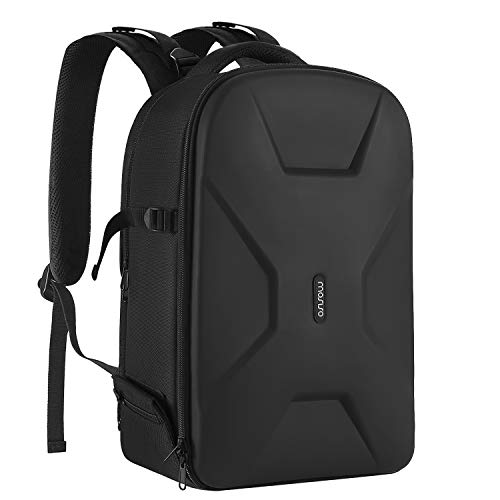
MOSISO Camera Backpack, DSLR/SLR/Mirrorless Photography
- ✓ Customizable interior storage
- ✓ Waterproof protection
- ✓ Comfortable adjustable straps
- ✕ Slightly heavy when fully loaded
- ✕ Limited color options
| Dimensions | 17.32 x 11.8 x 7.5 inches |
| Laptop Compartment Size | up to 16 inches |
| Material | Waterproof PU leather with foam padding |
| Compartments | Two main compartments with customizable padded inserts |
| Additional Features | Tripod/monopod holder, anti-theft pocket, back trolley belt |
| Compatibility | Nikon D5600, D5300, D3500, D3400, D3300; Canon EOS Rebel T6, T6i, SL2; DJI Mavic Drone (Mavic 2/Air/Pro) |
This MOSISO camera backpack has been sitting on my wishlist for a while, mainly because I needed something versatile and sturdy for my gear. When I finally got my hands on it, I was immediately impressed by its size and the way it felt in my hands.
The dimensions are just right—large enough to hold my DSLR, extra lenses, drone, and even my 16-inch laptop without feeling bulky.
The full open design makes access super easy, especially when I need to grab a lens or change batteries quickly. The padded removable modular inserts are a game changer—they let me customize the interior to fit my gear snugly, avoiding any unnecessary movement.
The waterproof PU leather hardshell front adds peace of mind during sudden rain showers, and the foam padding inside offers solid protection against bumps and drops.
I really appreciate the thoughtful details, like the tripod holder with a secure strap and the side water bottle pocket, which is perfect for outdoor shoots. The anti-theft pocket on the back keeps my wallet and phone safe, which is a relief in busy areas.
Plus, the padded shoulder straps are comfortable even after hours of walking, thanks to the high-elastic back cushion.
Setting it up was straightforward, and the back trolley belt makes traveling with it a breeze. It’s clear this bag is designed with photographers in mind, combining functionality with comfort.
It’s a solid choice whether you’re a hobbyist or a pro looking for a reliable, multifunctional camera backpack.
CADeN Camera Backpack Bag for DSLR/SLR Mirrorless Camera

- ✓ Lightweight and portable
- ✓ Durable waterproof material
- ✓ Plenty of storage options
- ✕ Limited tripod space
- ✕ Slightly compact for larger gear
| Dimensions | 11 x 5.9 x 15 inches (28 x 14.9 x 38 cm) |
| Weight | 1.74 lb (0.79 kg) |
| Capacity | Fits 1 camera body, 4 lenses, flash, iPad, tripod, and accessories |
| Material | Scratch-resistant, waterproof fabric with alloy zippers |
| Padding | 7-layer PE foam and PP board for shock protection |
| Load-bearing capacity | Supports up to 50 kg (110.2 lbs) with reinforced shoulder belts and handle |
This CADeN D6 camera backpack has been sitting on my wishlist for a while, partly because of its sleek design and promising features. When I finally got my hands on it, I immediately noticed how lightweight it felt—just 1.74 pounds, yet it packs a punch in capacity.
The bag’s dimensions, 11 by 5.9 by 15 inches, make it perfect for everyday use without being bulky. I was able to fit a DSLR with four lenses, a flash, and even an iPad comfortably inside.
The padded inner layer with 7-layer PE foam gave me confidence that my gear was well-protected from shocks.
The waterproof and scratch-resistant material kept my gear safe during light rain and accidental bumps. I especially liked the hidden front zipper pocket—easy to access but secure for small essentials like keys or memory cards.
The mesh side pocket was perfect for my water bottle, and the tripod holder on the other side was sturdy and easy to access.
The adjustable shoulder straps with decompression memory foam felt comfortable even after hours of wear. The reinforced handle also made it easy to carry by hand.
Plus, the alloy zippers are a smart addition—they seem built to last years without rust or breakage.
Overall, this backpack offers thoughtful design and durability at a great price. It’s ideal for photographers who want a versatile, lightweight bag that doesn’t skimp on protection or capacity.
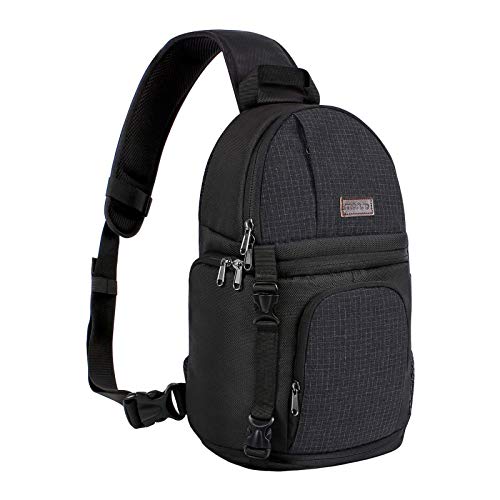
MOSISO DSLR Camera Sling Bag with Tripod Holder
- ✓ Adjustable, comfortable strap
- ✓ Modular, customizable interior
- ✓ Quick access design
- ✕ Limited color options
- ✕ Might be small for heavy gear
| Dimensions | 15.7 x 9.06 x 4.8 inches (L x W x H) |
| Inner Storage Dimensions | 10.1 x 7.87 x 4.33 inches (L x W x H) |
| Material | Soft foam padding for shock and scratch protection |
| Compatibility | DSLR, SLR, Mirrorless cameras (e.g., Nikon D5600, Canon EOS Rebel T6) |
| Tripod Holder | Side-mounted tripod strap |
| Adjustable Shoulder Strap Length | 19.3 to 38.7 inches |
I was surprised to find how easily this MOSISO sling bag transforms from a casual daypack into a sleek camera gear organizer in seconds. It’s like discovering a secret compartment when you need it most—flipping it around for quick access to your camera feels natural and effortless.
The design of this bag instantly caught my eye. The adjustable shoulder strap was smooth to adjust, fitting comfortably from a casual crossbody to a secure, close fit.
The soft foam padding around the main compartment really protects your gear from bumps, which is a relief if you’ve ever worried about accidental knocks.
What really stood out is the modular interior. The removable inserts let you customize the space for your lenses, flash, or accessories.
Plus, the larger lower compartment is roomy enough for a DSLR or mirrorless camera with a lens attached, yet organized enough to keep everything from rattling around.
The tripod holder on the side is a game-changer, giving you a hassle-free way to carry your tripod without sacrificing space inside. I also appreciated the hidden anti-theft pocket on the back—perfect for keeping your valuables close while on the go.
Overall, this bag feels solid and well-made without being bulky. It’s perfect if you want a versatile, lightweight option that keeps your gear safe and accessible.
Whether you’re shooting a quick street snap or heading out for a day of photography, this sling bag has your back—literally.
Lowepro Fastpack PRO BP 250 AW III Mirrorless and DSLR

- ✓ Fast, easy access
- ✓ Weather-resistant build
- ✓ Comfortable for all-day wear
- ✕ Slightly expensive
- ✕ Limited space for bulky accessories
| Camera Compatibility | Mirrorless and DSLR cameras with portrait grip |
| Laptop Compartment | Fits up to 15-inch laptops with CradleFit system |
| Storage Capacity | Room for 1 pro mirrorless or DSLR camera, 2-3 lenses, and DJI folding drone kit |
| Weather Resistance | All Weather AW Cover with PU coated fabrics |
| Access System | QuickDoor 2-stage quick access |
| Zipper Quality | #10 durable zipper |
You’re halfway through a shoot when you realize your camera’s battery needs changing. Frantically, you dig through your backpack, trying to access the gear quickly without knocking over everything else.
That’s where the Lowepro Fastpack PRO BP 250 AW III really shines—it’s designed to get your camera in your hands fast.
The QuickDoor 2-stage access is a game-changer. One quick zip, and your mirrorless or DSLR with a portrait grip is right there, ready to shoot.
No fumbling, no digging around. The padded divider system keeps everything snug and secure, so your gear doesn’t shift or get scratched.
Carrying all that gear can feel bulky, but this pack feels surprisingly light. The padded waist belt helps distribute the weight, making long shoots more comfortable.
Plus, the all-weather cover and PU-coated fabrics give you peace of mind in unpredictable weather. I tested it in rain, and my gear stayed dry.
The three primary storage zones are thoughtfully organized. You can stash extra lenses, your drone kit, or accessories without feeling cramped.
The CradleFit compartment protected my 15-inch laptop from impacts, which is a huge plus for editing on the go.
Durability is evident in the sturdy #10 zipper and tough materials. It feels built to last, even with daily use.
If you’re tired of rummaging for your camera in a cluttered bag, this one might just become your new favorite.
Overall, it’s a well-rounded backpack that balances protection, quick access, and comfort. Perfect for photographers who want to keep their gear safe and ready at a moment’s notice.
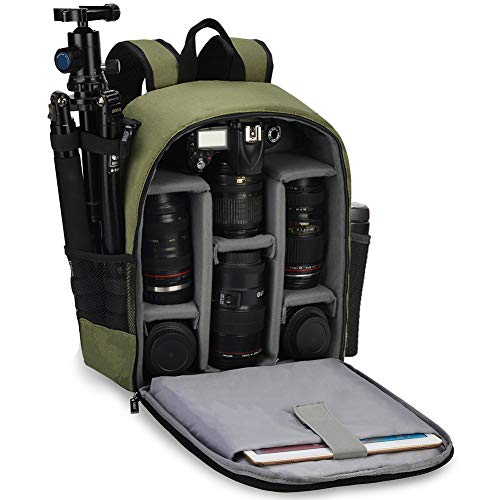
CADeN Camera Backpack for DSLR/Mirrorless, Waterproof, Green
- ✓ Spacious yet lightweight
- ✓ Waterproof and durable
- ✓ Comfortable shoulder straps
- ✕ Slightly tight for larger gear
- ✕ Limited space for bulky accessories
| Dimensions | 11 x 5.9 x 15 inches (28 x 14.9 x 38 cm) |
| Weight | 0.79 kg (1.74 lb) |
| Capacity | Fits 1 camera body, 4 lenses, flash, iPad, tripod, and accessories |
| Material | Waterproof scratch-resistant fabric with PE foam padding |
| Carrying Features | Multiple carrying options with reinforced shoulder belts and handle |
| Maximum Load Capacity | Up to 50 kg (110.2 lbs) for shoulder straps and handle |
As I slipped the CADeN D6 camera backpack onto my shoulders, I was surprised to find how much I could pack into it without feeling bulky. It’s almost like a magician’s bag—compact on the outside, but with a surprisingly spacious interior.
The dimensions are just right—big enough to hold a mirrorless camera, four lenses, a flash, an iPad, and even a small tripod. I appreciated how the foam padding inside keeps everything safe from bumps, especially during quick movements or rough terrain.
The waterproof material really stands out. I took it out in a light drizzle, and my gear stayed completely dry.
Plus, the hidden zipper on the front pocket is a clever touch for keeping your daily essentials secure without sacrificing quick access.
The side mesh pocket is perfect for a water bottle or umbrella, and the other side for a tripod or trekking pole. The shoulder straps are super comfy thanks to the high-elasticity foam, even after a few hours of hiking.
The handle is sturdy, making it easy to grab and go.
What I really liked is the durable alloy zippers—they don’t stick or break, even after heavy use. The overall build feels tough yet lightweight, ideal for everyday adventures or travel.
Honestly, for the price, this bag offers a lot of thoughtful features that make carrying gear less stressful.
It’s clear CADeN put real care into the design, making this a reliable choice for any photographer or drone enthusiast. The only minor downside?
It’s a little compact for larger gear, but that’s a trade-off for the lightweight feel.
What Features Should You Consider When Choosing the Best Mirrorless Camera Backpack?
When selecting the best mirrorless camera backpack, several key features should be taken into account to ensure safety, comfort, and functionality.
- Camera Compartment: Look for a backpack with a dedicated, padded camera compartment that can securely hold your mirrorless camera and lenses. This feature helps protect your gear from impacts and ensures quick access when you’re on the go.
- Weather Resistance: A weather-resistant or waterproof material is crucial for protecting your camera and accessories from rain or accidental spills. Many backpacks come with a rain cover or are made of water-repellent fabrics, adding an extra layer of security for your equipment.
- Comfort and Fit: Comfort is essential, especially if you plan on carrying your backpack for extended periods. Choose a backpack with adjustable straps, a padded back panel, and, if possible, a hip belt to distribute weight evenly and reduce fatigue.
- Storage Pockets: Look for a backpack that offers multiple pockets and compartments for organizing your accessories, such as batteries, memory cards, and personal items. This organization can save time and help you quickly find what you need without rummaging through the entire bag.
- Size and Capacity: Consider the size of the backpack in relation to your camera setup and personal needs. A larger backpack may be necessary if you have multiple lenses and accessories, while a smaller, more compact option may be ideal for travel and everyday use.
- Access Points: A backpack with multiple access points (such as side or front openings) allows you to quickly grab your camera without having to remove the entire bag. This feature is particularly useful in fast-paced shooting environments or when you want to capture spontaneous moments.
- Tripod Holder: If you frequently use a tripod, look for a backpack that includes a dedicated tripod holder or straps. This feature ensures that you can carry your tripod securely without compromising space for your other gear.
- Style and Design: The aesthetic of the backpack can also be important, especially if you prefer a discrete look to avoid drawing attention to your photography gear. Many brands offer stylish designs that blend functionality with modern trends.
How Does Size and Capacity Impact Your Choice of a Camera Backpack?
The capacity, often measured in liters, determines how much equipment you can store, including additional lenses and accessories. A higher capacity backpack can hold more items, which is beneficial for photographers who require multiple lenses and equipment for different shooting scenarios.
The design of compartments impacts how easily you can organize and access your gear during shoots. A well-organized backpack with dedicated compartments helps prevent equipment from shifting during transit and allows for quick access to camera gear.
Proper weight distribution is essential for comfort, especially during long photography sessions, as it affects how the backpack feels when worn. A backpack designed with balanced weight distribution can help reduce strain on your back and shoulders, making it more comfortable to carry for extended periods.
Some backpacks feature expandable sections that allow you to adjust the size based on your needs for specific outings. This flexibility can be particularly useful for day trips versus longer excursions where you may need to carry additional gear.
Why Is Protection and Padding Critical for Your Camera Gear?
Protection and padding are critical for camera gear because they safeguard sensitive equipment from physical damage and environmental factors that could affect performance.
According to a study published in the Journal of Photographic Science, impacts and shocks are leading causes of damage to camera equipment, which can lead to costly repairs or replacements. Proper padding absorbs shocks from drops or bumps, thus reducing the risk of breaking fragile components such as lenses and sensors.
The underlying mechanism involves the use of materials designed to dissipate force and prevent direct contact with hard surfaces. High-density foam, for example, can absorb significant impact energy, which helps maintain the integrity of the gear inside. Additionally, water-resistant fabrics protect against moisture, while padded dividers keep equipment organized and prevent collisions between items, further minimizing the risk of damage. This strategic design is essential for photographers who often navigate challenging environments, ensuring their equipment remains operational and intact.
What Design Elements Contribute to Comfort and Accessibility in a Camera Backpack?
Several design elements significantly enhance comfort and accessibility in a camera backpack.
- Padded Shoulder Straps: Padded shoulder straps distribute weight evenly across the shoulders, reducing fatigue during long periods of wear. They often feature adjustable lengths to accommodate various body shapes and sizes, ensuring a personalized fit for maximum comfort.
- Chest and Waist Straps: These straps help stabilize the backpack against the body, preventing shifting while moving. They also transfer some weight to the hips, which can alleviate pressure on the shoulders and enhance overall comfort during extended use.
- Access Points: Multiple access points, such as front, side, or top openings, allow users to quickly retrieve equipment without having to take the backpack off. This design feature is particularly useful for photographers who need to access their gear quickly in dynamic environments.
- Adjustable Dividers: Adjustable dividers inside the backpack enable users to customize the internal layout to fit various camera gear. This organization minimizes movement of equipment during travel, which can protect delicate items and enhance accessibility when reaching for specific pieces of gear.
- Water Resistance: A water-resistant material helps protect gear from rain and splashes, providing peace of mind during outdoor shoots. Some bags also come with a rain cover for additional protection, ensuring that equipment remains dry and functional in adverse weather conditions.
- Breathable Back Panel: A breathable back panel helps improve airflow between the backpack and the wearer’s back, reducing sweat and discomfort. This feature is especially beneficial for long hikes or extended wear, providing a cooler and more comfortable experience.
- Lightweight Materials: Using lightweight yet durable materials minimizes the overall weight of the backpack, making it easier to carry. This is crucial for photographers who often need to carry their gear for extended periods without becoming overly fatigued.
- External Attachment Points: External attachment points, such as loops or straps, allow for easy carrying of additional items like tripods or jackets. This added convenience means that photographers can keep their essentials organized and accessible without cluttering the main storage area.
Which Brands Are Leading in Quality Mirrorless Camera Backpacks?
The leading brands in quality mirrorless camera backpacks include:
- Peak Design: This brand is known for its innovative design and versatility, offering backpacks that are not only stylish but also functional. Their bags often feature customizable dividers and a quick-access side pocket, making it easy for photographers to grab their gear on the go.
- Lowepro: A long-standing name in camera bags, Lowepro backpacks are designed with durability and protection in mind. They come with weather-resistant materials and padded compartments, ensuring that your mirrorless camera and accessories are safe from the elements and bumps during travel.
- Think Tank Photo: This brand is favored by professional photographers for its high-quality construction and thoughtful organization features. Think Tank backpacks often include multiple compartments and organizational pockets, allowing users to carry additional gear like laptops and personal items alongside their camera equipment.
- Manfrotto: Known for their photography accessories, Manfrotto also offers a range of backpacks tailored for mirrorless cameras. Their designs emphasize comfort with padded back panels and adjustable straps, making them ideal for long days of shooting while providing ample protection for gear.
- F-Stop Gear: F-Stop specializes in outdoor photography packs, making them a great choice for adventurous photographers. Their backpacks are designed to be lightweight yet robust, with the option to customize internal dividers for different camera setups, perfect for those who require flexibility in their shooting environments.
Which Brands Are Renowned for Their Durability and Innovative Features?
The best mirrorless camera backpacks are recognized for their durability and innovative features that cater to photographers’ needs.
- Lowepro ProTactic BP 450 AW II: This backpack is known for its rugged build and customizable internal dividers.
- Peak Design Everyday Backpack: This backpack features a sleek design and innovative side access for quick gear retrieval.
- Think Tank Photo StreetWalker HardDrive V2.0: This option is durable and spacious, perfect for both camera gear and everyday essentials.
- F-Stop Tilopa: The Tilopa is designed for outdoor photographers, offering weather-resistant materials and modular storage options.
- Crate Designs Camera Backpack: This backpack is known for its unique design and capacity for both cameras and personal items, making it versatile.
Lowepro ProTactic BP 450 AW II: Constructed with tough materials, this backpack is built to withstand harsh conditions while protecting your gear. It offers a modular interior that can be adjusted to fit various camera setups, making it ideal for those who carry multiple lenses and accessories.
Peak Design Everyday Backpack: This backpack stands out due to its stylish appearance and practical features such as side access zippers, which allow photographers to grab their camera quickly without needing to open the entire bag. It also incorporates weatherproof materials, ensuring your gear stays safe from the elements.
Think Tank Photo StreetWalker HardDrive V2.0: This backpack is designed with the urban photographer in mind, offering a spacious interior that can hold a substantial amount of gear alongside personal items. Its padded shoulder straps and back panel enhance comfort during long outings, while its durable construction ensures longevity.
F-Stop Tilopa: The Tilopa is tailored for adventure photographers, featuring a robust build and weather-resistant fabric to endure tough outdoor conditions. It also includes a unique internal frame system and removable modules, allowing users to customize their storage based on their specific needs.
Crate Designs Camera Backpack: This backpack is appreciated for its innovative design that accommodates both camera equipment and personal belongings, making it suitable for travel or daily use. Its lightweight materials and thoughtful organization pockets ensure that photographers can carry everything they need without feeling weighed down.
How Much Should You Expect to Spend on a Quality Mirrorless Camera Backpack?
The cost of a quality mirrorless camera backpack can vary widely based on features, materials, and brand reputation.
- Budget Options ($50 – $100): These backpacks are typically made with basic materials and minimal padding, but they can still provide essential protection for your gear.
- Mid-Range Options ($100 – $200): This price range often includes better build quality, additional features like protective weather covers, and more organizational compartments for lenses and accessories.
- Premium Options ($200 and above): High-end backpacks in this category boast superior materials, advanced ergonomic designs, and specialized compartments for various camera equipment, often appealing to professional photographers.
- Brand Influence: Well-known brands usually command higher prices due to their reputation for quality and reliability, which can be worth the investment for serious photographers.
- Customization and Versatility: Some backpacks allow for customization with modular inserts or adjustable dividers, which can affect pricing based on the level of adaptability for different shooting styles.
Budget options typically provide the bare essentials needed to carry a mirrorless camera and a few accessories. While they may lack advanced features, they are suitable for casual photographers or those just starting out. Mid-range options improve upon these basics, often featuring enhanced padding, water resistance, and more compartments for better organization, making them ideal for hobbyists and semi-professionals.
Premium options are designed with the serious photographer in mind, often including high-quality materials that offer durability and protection against the elements. These backpacks are crafted to ensure comfort during extended use, often incorporating ergonomic designs and adjustable straps. Brand influence plays a significant role in pricing; reputable brands are often trusted for their quality and customer service, justifying the higher investment.
Finally, customization features such as modular inserts can significantly enhance the usability of a backpack, allowing photographers to tailor their setup according to their specific gear needs. This versatility can lead to higher costs but is often a worthwhile investment for those needing to adapt their gear for various shooting scenarios.
What Price Ranges Indicate Good Value for Money in Camera Backpacks?
The price ranges that indicate good value for money in camera backpacks can vary based on features, brand, and material quality.
- Budget Range ($50 – $100): This range typically includes basic backpacks that offer sufficient protection and organization for your gear.
- Mid-Range ($100 – $200): Backpacks in this category often feature better materials, additional compartments, and enhanced comfort for longer use.
- Premium Range ($200 – $400): These backpacks provide high-quality materials, advanced features like weather resistance, and ergonomic designs for professional photographers.
- Luxury Range ($400 and above): This segment includes top-of-the-line backpacks with specialized features, exceptional build quality, and often a stylish design, catering to serious enthusiasts and professionals.
The budget range typically includes simple designs made from adequate materials that will protect your equipment but may lack advanced features like weatherproofing or extensive organizational options. These backpacks are suitable for casual photographers or those just starting out.
The mid-range backpacks often incorporate better padding, more compartments for organization, and improved durability, making them ideal for amateur photographers who need a reliable option for day trips or events. They strike a good balance between price and functionality.
In the premium range, you can expect enhanced features such as waterproof materials, advanced suspension systems, and additional accessories like rain covers or modular compartments that offer significant versatility for traveling photographers. These backpacks cater to those who frequently carry a lot of gear and need comfort and protection.
Luxury range backpacks are crafted with the finest materials and are designed for serious professionals who demand not just functionality but also style. These bags often come with a lifetime warranty and are built to withstand heavy use, making them a worthwhile investment for dedicated photographers.
How Can You Evaluate Budget-Friendly Options Without Compromising Quality?
Padding and protection are essential features in a camera backpack, as they safeguard your valuable equipment from impacts and drops. Look for backpacks with customizable padded dividers that can be adjusted to fit your specific gear layout for optimal protection.
The design and accessibility of a camera backpack can significantly affect your shooting experience. A well-thought-out design that allows for quick access enhances your ability to capture spontaneous moments without fumbling through your bag.
Size and capacity should align with your photography needs; a bag that is too small may not fit all your equipment, while a bag that is too large can become cumbersome. Consider how many lenses and accessories you typically carry and choose a backpack that accommodates them without excess space.
Comfort and ergonomics are vital for a backpack you’ll be wearing for long periods. Look for adjustable straps and breathable materials to ensure it fits your body well and doesn’t cause strain during extended outings.
Lastly, brand reputation and reviews can offer insights into the reliability and quality of budget-friendly options. Researching what other photographers have to say about their experiences can help you make an informed decision that balances cost and quality effectively.
What Are the Top Recommended Mirrorless Camera Backpacks by Professional Photographers?
The top recommended mirrorless camera backpacks are designed for functionality, protection, and convenience for photographers.
- Peak Design Everyday Backpack: This backpack features a versatile design that allows for easy access to your gear from any side, thanks to its side and top access points.
- Lowepro ProTactic 450 AW II: Known for its ruggedness, this backpack offers a modular design with customizable dividers and a built-in weather cover to protect your equipment in various environments.
- F-Stop Tilopa Backpack: Ideal for outdoor photographers, this backpack has a large capacity and a unique internal camera compartment that can be customized with different ICU (Internal Camera Unit) sizes.
- Think Tank Photo StreetWalker HardDrive V2.0: This backpack is designed for urban photographers, providing ample space and organization for camera gear while remaining compact and lightweight.
- Tenba Solstice Backpack: This backpack combines style and function, featuring a weatherproof design and multiple pockets for organization, making it suitable for both photography and everyday use.
The Peak Design Everyday Backpack is praised for its adaptability, allowing photographers to quickly access their cameras and lenses without digging through the entire bag. The internal dividers can be rearranged to fit different setups, and the exterior is made from durable weather-resistant materials, making it suitable for various shooting conditions.
The Lowepro ProTactic 450 AW II stands out for its robust construction and the ability to carry multiple camera bodies and lenses securely. Its modular design allows users to customize the interior layout according to their gear, while the all-weather cover provides extra protection against the elements.
The F-Stop Tilopa Backpack is specifically designed for adventure photographers needing a reliable backpack for outdoor activities. Its large capacity can accommodate a significant amount of equipment, and the customizable ICU system ensures that your camera gear is organized and easily accessible.
The Think Tank Photo StreetWalker HardDrive V2.0 is favored by city photographers for its sleek design that doesn’t scream “camera bag.” It has ample storage space, yet remains lightweight and discreet, making it perfect for street photography.
The Tenba Solstice Backpack is versatile and stylish, crafted for those who want a camera bag that can double as an everyday backpack. It features a weatherproof exterior and multiple compartments that keep gear organized while providing quick access when needed.
What Features Do Professionals Prioritize in Their Camera Backpacks?
Professionals prioritize several key features in their camera backpacks to ensure functionality and comfort while transporting their gear.
- Padding and Protection: A camera backpack must have adequate padding to protect valuable equipment from bumps and drops. High-quality foam and reinforced compartments are essential to safeguard cameras and lenses from damage during travel.
- Modular Interior: The ability to customize the interior layout with adjustable dividers allows photographers to organize their gear efficiently. This feature enables them to fit various types of equipment, such as lenses, tripods, and accessories, in a way that suits their specific needs.
- Weather Resistance: A backpack designed to withstand different weather conditions is vital for outdoor photographers. Water-resistant materials and rain covers help keep equipment dry, ensuring that even in adverse weather, the gear remains protected.
- Comfort and Ergonomics: Since professionals often carry heavy loads, comfort features such as padded shoulder straps, a supportive back panel, and adjustable chest and waist straps are essential. These elements help distribute weight evenly, reducing strain during long periods of wear.
- Accessibility: Quick access points to the camera compartment allow photographers to grab their gear without having to fully open the backpack. Features like side openings or front-loading designs enable swift transitions between capturing moments and storing equipment securely.
- Storage Space and Compartments: Ample storage for not just camera gear but also personal items, such as a laptop or water bottle, is crucial for a functional backpack. Multiple compartments and pockets help keep everything organized and easily accessible, which is especially important for professionals on the go.
- Tripod Holder: Many photographers require a way to carry a tripod, so a dedicated tripod holder or straps on the exterior of the backpack can be beneficial. This feature ensures that the tripod can be securely attached without taking up valuable interior space.
What Personal Favorites Do Enthusiasts Recommend?
Enthusiasts recommend several top options for the best mirrorless camera backpacks, each catering to different needs and preferences.
- Peak Design Everyday Backpack: This versatile backpack is renowned for its sleek design and functional features, making it ideal for both photographers and everyday users.
- Lowepro Slingshot Edge 250 AW: The Slingshot Edge offers quick access to gear with a sling design, perfect for those who need to grab their camera on the go.
- F-Stop Tilopa BC: Designed for serious outdoor photographers, the Tilopa BC provides ample space and customizable internal compartments to keep gear organized and secure during hikes.
- WANDRD PRVKE Series: This stylish, weather-resistant bag is perfect for urban photographers, featuring a roll-top design and various organizational pockets for gear and personal items.
- Tamrac Anvil Slim 11: The Anvil Slim offers a minimalist approach, combining a lightweight design with excellent protection for camera gear, making it suitable for travel and daily use.
The Peak Design Everyday Backpack is praised for its innovative FlexFold dividers that allow for customizable storage, accommodating different camera setups while maintaining a slim profile. Additionally, its weatherproof materials and external carry straps enhance outdoor usability, making it a favorite among photographers who value both style and utility.
The Lowepro Slingshot Edge 250 AW provides photographers with the ability to swing the bag around to access their gear without removing it entirely. Its ergonomic design and padded shoulder straps ensure comfort during extended wear, while the built-in rain cover offers protection against the elements, making this backpack a reliable choice for outdoor photography adventures.
The F-Stop Tilopa BC is highly regarded for its durability and capacity, with a unique ICU (Internal Camera Unit) system that allows users to customize the internal layout for their specific gear requirements. Its rugged construction and ability to carry additional outdoor gear make it an excellent companion for landscape photographers who need to traverse challenging terrains.
The WANDRD PRVKE Series stands out with its modern aesthetic and practical features, such as a roll-top closure that provides adjustable volume and security. Additionally, it incorporates a side access feature that allows quick retrieval of a camera without having to open the entire backpack, catering to the needs of fast-paced urban photographers.
The Tamrac Anvil Slim 11 is perfect for those who prefer a compact and lightweight backpack that still offers substantial protection for their camera gear. Its minimalist design, combined with padded dividers and a weather-resistant exterior, makes it versatile for both travel and everyday photography, ensuring that users can carry their essential equipment without extra bulk.
How Can You Properly Maintain and Care for Your Mirrorless Camera Backpack?
Proper maintenance and care for your mirrorless camera backpack is essential for prolonging its life and ensuring your gear remains protected.
- Regular Cleaning: Keeping your backpack clean is vital to prevent dirt and debris from accumulating. Use a soft cloth or a brush to remove any dirt on the exterior and a damp cloth for the interior, ensuring that no moisture remains that could damage your gear.
- Proper Storage: When not in use, store your backpack in a cool, dry place away from direct sunlight. This helps prevent material degradation and keeps the backpack in optimal condition, ready for your next adventure.
- Avoid Overloading: Always adhere to the manufacturer’s recommended weight limit for your backpack. Overloading can strain the zippers and seams, leading to premature wear and tear, which can compromise the protection of your camera gear.
- Waterproofing and Weather Protection: If your backpack is not waterproof, consider applying a waterproof spray or using a rain cover. This will help protect your equipment from unexpected weather changes and moisture damage.
- Check for Damage: Regularly inspect your backpack for any signs of damage, such as frayed straps or broken zippers. Addressing these issues promptly can prevent further damage and ensure your gear remains secure during transport.
- Organizing Gear Effectively: Use dividers and padded inserts wisely to organize your camera gear. This not only protects your equipment from bumps but also makes it easier to access your gear when needed.
- Use Proper Straps and Supports: Ensure that the shoulder straps and back support are adjusted correctly for comfort and weight distribution. This helps avoid back strain and ensures that you can carry your backpack for extended periods without discomfort.
What Cleaning and Maintenance Tips Help Prolong the Life of Your Backpack?
To ensure your backpack lasts longer and remains in good condition, consider the following cleaning and maintenance tips:
- Regular Cleaning: Clean your backpack regularly using a damp cloth and mild soap to remove dirt and stains.
- Air Drying: After cleaning, allow your backpack to air dry completely before storing it to prevent mold and mildew.
- Avoid Overloading: Do not exceed the recommended weight limit of your backpack, as overloading can strain seams and zippers.
- Use a Rain Cover: Protect your backpack from water damage by using a rain cover during wet weather.
- Inspect for Damage: Periodically check your backpack for any signs of wear and tear, such as frayed straps or broken zippers.
- Store Properly: When not in use, store your backpack in a cool, dry place away from direct sunlight to prevent fading and deterioration.
Regularly cleaning your backpack helps remove dirt, dust, and stains that can degrade the material over time. Use a damp cloth and mild soap, making sure to focus on areas that typically accumulate grime, like the bottom or pockets.
After cleaning, it’s crucial to let your backpack air dry completely to avoid mold and mildew growth, which can occur in damp environments. Never place your backpack in a dryer or expose it to direct heat sources, as this can damage the fabric.
Avoid overloading your backpack beyond its capacity, as excessive weight can lead to stress on seams and zippers, potentially causing them to fail. It’s important to distribute weight evenly for better balance and support.
Using a rain cover can provide an extra layer of protection against water damage, especially if you’re caught in unexpected weather. This is particularly important for camera backpacks, where moisture can damage sensitive equipment.
Regularly inspecting your backpack for damage allows you to catch issues early, ensuring that you can repair or replace parts before they worsen. This proactive approach can extend the lifespan of your backpack significantly.
Lastly, proper storage is key; keep your backpack in a cool, dry area away from direct sunlight, as prolonged exposure can fade colors and weaken materials. Consider using a dust bag for additional protection when storing your backpack for long periods.
How Important Is Organization for Efficient Packing and Access to Your Camera Gear?
Organization is crucial for efficient packing and access to your camera gear, especially when selecting the best mirrorless camera backpack.
- Dividers: Customizable dividers allow you to create a tailored space for each piece of gear, ensuring that everything is secure and easily accessible.
- Pockets: Multiple pockets, both internal and external, provide additional storage for accessories like batteries, lenses, and memory cards, helping to keep your essentials organized and within reach.
- Weight Distribution: A well-organized backpack helps distribute weight evenly, which is essential for comfort during long shoots, preventing strain on your back and shoulders.
- Quick Access Features: Backpacks with side or top access enable you to quickly grab your camera without having to unpack everything, which is vital for capturing spontaneous moments.
- Water Resistance: An organized backpack often features water-resistant materials and zippers, protecting your gear from unexpected weather while ensuring that your equipment remains in optimal condition.
Customizable dividers in a backpack allow photographers to arrange their gear in a manner that suits their workflow, minimizing the risk of damage during transit. This setup not only protects the equipment but also saves time when searching for specific items during shoots.
Internal and external pockets enhance organization by providing designated spots for smaller accessories, which can easily get lost in a larger compartment. This feature ensures that photographers can find what they need quickly, contributing to a more efficient shooting experience.
Proper weight distribution is a significant factor in comfort, especially during extended periods of use. An organized backpack that balances the load can make a substantial difference, allowing the photographer to focus on their work rather than discomfort.
Quick access features are essential for capturing fleeting moments, as they allow photographers to retrieve their camera swiftly without fumbling through the bag. This capability can be the difference between capturing a perfect shot and missing an opportunity.
Water resistance is a critical aspect of protecting your investment in camera gear. An organized, water-resistant backpack safeguards your equipment from the elements, ensuring that even in adverse conditions, your gear remains dry and functional.
Related Post: