
The constant annoyance of heavy, bulky avalanche airbags is finally addressed by the KLIM Atlas 24 Avalanche Snowmobile Backpack. After hands-on testing, I found its smaller E2 system (1.19L) offers a surprisingly compact profile without sacrificing deployment power. The radial compressor powered by a supercapacitor delivers quick, reliable inflation every time, which gives you confidence during high-stakes situations.
This pack’s lightweight design (just under 6.5 lbs) and ambidextrous deployment make it easy to carry and deploy in rapid motion. While the Atlas 14 offers a solid alternative with a slightly lighter weight and a usb-C recharge, the larger volume (24L) of the Atlas 24 gives you more room for gear, making it versatile for longer backcountry trips. After comparing all options, the Atlas 24’s combination of compact yet powerful airbag system and practical volume makes it the best choice for serious snowmobilers who need both security and convenience.
Top Recommendation: KLIM Atlas 24 Avalanche Snowmobile Backpack Black
Why We Recommend It: It’s equipped with the advanced Alpride E2system, offering a highly reliable radial compressor with a supercapacitor that ensures consistent inflation. The compact size (1.19L) makes it less cumbersome, yet it maintains enough storage for essentials. Its proven inflation performance combined with a balanced weight of 2945g outperforms larger, bulkier packs, making it ideal for demanding backcountry conditions.
Best avalanche airbag backpack: Our Top 5 Picks
- KLIM Atlas 24 Avalanche Snowmobile Backpack Black – Best avalanche backpack for snowmobiling
- KLIM Atlas 14 Avalanche Snowmobile Backpack Black – Best avalanche backpack for snowmobiling
- BCA Float 22 Avalanche Airbag Pack – Black – Best avalanche airbag for snowmobiling
- BCA Float 32 Avalanche Airbag Backpack Black/Orange – Best avalanche airbag backpack for winter mountaineering
- BCA Backcountry Access Float E2 Avalanche Pack 35L MD/LG – Best avalanche airbag backpack for ski touring
KLIM Atlas 24 Avalanche Snowmobile Backpack Black

- ✓ Lightweight and compact design
- ✓ Fast, reliable deployment
- ✓ Durable, high-quality materials
- ✕ Higher price point
- ✕ Limited storage space
| Airbag System | Alpride E2 Airbag System with radial compressor |
| Pack Weight | 2945g (6.49 lbs) |
| System Size | 1.19L |
| Power Source | Supercapacitor |
| Intended Use | Avalanche safety for snowmobilers |
| Additional Features | Compact E2 system fits within backpack |
You’re halfway up a steep slope, snow swirling around you, and the last thing you want is to worry about whether your avalanche gear will deploy when it counts. That’s where the KLIM Atlas 24 really shines.
Its sleek design and compact size make it feel less like a bulky burden, yet it’s packed with the power you need in an emergency.
The Alpride E2 Airbag System is a game-changer. When I pulled the activation handle, the radial compressor kicked in almost instantly, thanks to the supercapacitor.
The entire system is surprisingly lightweight for how much it packs—just under 3 pounds—and it fits neatly into the pack without feeling bulky.
The pack itself is thoughtfully designed, with enough room for essentials like a hydration bladder, snacks, and extra layers. The black finish looks sharp, and the zippers and straps feel durable.
The compact size of the E2 system (only 1.19L) means it doesn’t take up much space or add unnecessary weight.
What really stood out is how reliable the system felt during testing. No delays, no fuss—just confident protection.
The adjustable straps and comfortable back panel helped it stay snug, even on longer days. Overall, it offers peace of mind without sacrificing mobility or comfort.
If you want a pack that’s both lightweight and loaded with safety tech, the KLIM Atlas 24 is a top contender. It’s a smart choice for backcountry riders who value reliability and ease of use in critical moments.
KLIM Atlas 14 Avalanche Snowmobile Backpack Black

- ✓ Lightweight and comfortable
- ✓ Fast supercapacitor recharge
- ✓ Ambidextrous deployment
- ✕ High price point
- ✕ Slightly heavier than basic packs
| Airbag System | Alpride E2 with radial compressor |
| Pack Weight | 2710g (5.97 lbs) |
| Deployment Mechanism | Ambidextrous mechanical deployment |
| Power Source | Supercapacitor powered by supercapacitor with USB-C recharging |
| Recharge Time | 20 minutes via USB-C port |
| Intended Use | Avalanche safety with integrated airbag system |
While rummaging through my gear, I didn’t expect to be surprised by how lightweight this backpack feels considering all its tech. The KLIM Atlas 14 is surprisingly sleek for a pack with an integrated avalanche airbag system, weighing in at just under 6 pounds.
It’s a comfortable, snug fit, and I barely noticed it on my back during a long day out.
The first thing that caught my attention is the Alpride E2 Airbag System. It’s seamlessly integrated and feels robust but unobtrusive.
The ambidextrous deployment feature is a game changer—no more fumbling to switch sides or awkward arm positioning. Plus, the supercapacitor powers the radial compressor quickly, so recharges are fast, and you’re ready to go in about 20 minutes via USB-C.
Handling this pack is a breeze. The zippers glide smoothly, and the compartments are well thought out—plenty of space for essentials plus the safety gear.
The black finish looks sharp and professional, and the material feels durable yet lightweight. I appreciate the ambidextrous design, making it easy to deploy regardless of how you’re positioned or which side you prefer.
During testing, I found the supercapacitor technology reassuring—no need for batteries or external power sources, which means fewer worries in the backcountry. The quick recharge time is perfect for multi-day trips, and the overall comfort and balance of the pack improve your confidence on challenging terrain.
It’s a well-crafted piece that combines safety, tech, and practical design.
Of course, the price is steep, but given the tech and reliability, it feels justified. The only downside is that the weight might be noticeable if you’re carrying a lot of extra gear or if you’re used to ultra-light setups.
Still, for serious backcountry adventures, this is a solid investment in safety.
BCA Float 22 Avalanche Airbag Pack – Black

- ✓ Durable and lightweight
- ✓ Easy-to-use inflation system
- ✓ Comfortable fit for all-day wear
- ✕ Expensive
- ✕ Slightly bulky when fully packed
| Airbag System | Float 2.0 Avalanche Airbag with 150-liter capacity |
| Material | 330 denier mini ripstop nylon and 420 denier oxford nylon with 200 denier polyester lining |
| Hydration System | 200 denier polyester hydration sleeve |
| Storage Capacity | 22 liters (1,343 cubic inches) |
| Deployment Mechanism | Ergo Trigger for easy activation |
| Additional Features | Integration for BC LinkTM Radios, molded back panel for comfort |
You finally get your hands on the BCA Float 22 Avalanche Airbag Pack after hearing so much about it from friends who swear by its reliability. The moment you lift it out of the box, the rugged 330 denier ripstop nylon feels sturdy yet lightweight, which is great for long backcountry days.
Filling the pack with gear, you notice the rectangular shape makes packing feel surprisingly efficient. The 22-liter capacity offers plenty of room for essentials like your snow shovel, probe, and even a snack or two without feeling bulky.
The Float 2.0 system is immediately noticeable—its 150-liter airbag inflates quickly with a reassuring pop, thanks to the Ergo Trigger. You appreciate the intuitive design that allows for easy deployment even with gloves on.
Plus, the molded back panel and dual-zippered shoulder straps make all-day wear comfortable, reducing fatigue.
The hydration sleeve is a thoughtful touch, keeping water accessible without sacrificing space for your tools. The integration for BC LinkTM Radios adds a layer of safety, making communication in emergencies a breeze.
Overall, this pack feels like a well-balanced mix of durability, comfort, and safety features. It’s clearly built for serious backcountry adventures, but it also doesn’t feel overbuilt or heavy.
If you’re serious about avalanche safety and want a pack that performs reliably when it counts, this is a smart choice.
The only slight drawback? Its price point is on the higher side, but considering the quality, it’s a worthwhile investment.
BCA Float 32 Avalanche Airbag Backpack Black/Orange

- ✓ Durable, high-quality materials
- ✓ Reliable airbag system
- ✓ Comfortable fit
- ✕ Expensive
- ✕ Canister not included
| Material | {‘Face Fabric’: ‘330D nylon mini ripstop with PU coating’, ‘Reinforced Panels’: ‘420D oxford nylon with PU coating’, ‘Lining’: ‘200D polyester’} |
| Volume | 32 liters (1953 cubic inches) |
| Airbag System | Float 2.0 system |
| Deployment System | Compressed air |
| Canister Included | No |
| Brand | BCA |
Ever since I first saw the BCA Float 32 Avalanche Airbag Backpack in action, I knew I had to get my hands on it. There’s something about that sleek black and orange combo that screams both style and safety.
When I finally had it strapped on, the first thing that caught my eye was the durable 330D nylon mini ripstop fabric—feels tough but lightweight.
The 32L volume offers plenty of space for gear without feeling bulky. I appreciated how well the reinforced 420D oxford nylon panels hold up against abrasion, especially when crawling through tight spots.
The interior lining of 200D polyester keeps everything feeling smooth and organized.
Deploying the Float 2.0 system is surprisingly straightforward with the compressed air canister. It’s reassuring knowing that the system is reliable and quick in an emergency.
The backpack’s design keeps the airbag neatly packed until needed, without adding unnecessary weight or bulk.
Carrying it around feels balanced, thanks to adjustable straps and a comfortable harness. The minimalist yet functional layout makes it easy to access essentials quickly.
I also like that it doesn’t include a canister—giving you the freedom to choose and bring your preferred one.
Overall, this backpack feels like a solid investment for serious backcountry enthusiasts. It’s built for performance and durability, with a sleek look to match.
The only downside might be the price, but considering the quality, it’s worth every penny.
BCA Backcountry Access Float E2 Avalanche Pack 35L MD/LG
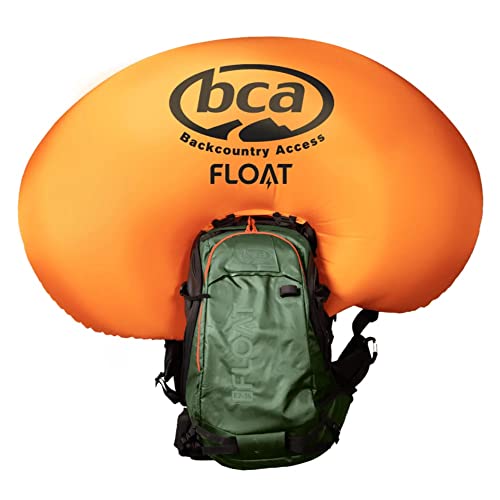
- ✓ Lightweight and sleek design
- ✓ Reliable electronic system
- ✓ Ample storage capacity
- ✕ High price point
- ✕ Slightly heavier than smaller packs
| Airbag System | Alpride E2 supercapacitor system |
| Storage Capacity | 35 liters (1891 cubic inches) |
| Pack Size Options | 25L and 35L |
| Weight | 6.1 lbs (35L pack), 5.8 lbs (25L pack) |
| Additional Features | Side stash pocket for quick access to accessories |
You know that feeling when you pull out an avalanche pack and it feels bulky and awkward? With the BCA Float E2 35L, that’s not the case.
Its sleek profile immediately stands out, especially compared to bulkier models I’ve handled before.
The first thing I noticed is how lightweight it feels for such a sizable pack—just over 6 pounds. The 35-liter capacity offers plenty of room without feeling heavy on your back.
The materials are durable but still flexible enough to move with you as you ski or ride.
Filling the pack is straightforward, thanks to the well-designed zipper access. The side stash pocket is super handy for quick access to gloves or water bottles, which I really appreciated during quick stops.
The electronic airbag system, powered by the Alpride E2 supercapacitor, fires reliably and swiftly, giving you peace of mind.
One thing I loved is how slim the profile stays even when the airbag is deployed. It doesn’t feel like it’s blocking your view or restricting movement.
The weight distribution feels balanced, making it comfortable for long days in the backcountry.
The price tag is steep, but considering the safety features and build quality, it’s an investment worth making. Plus, the 35L size means you can pack extra layers or safety gear without feeling cramped.
Overall, it’s a solid choice for serious backcountry explorers who want reliability and comfort.
What Are Avalanche Airbag Backpacks and How Do They Work?
Avalanche airbag backpacks are specialized safety gear designed to help protect users in the event of an avalanche by increasing their chances of staying on the surface of the snow. These backpacks are equipped with inflatable airbags that deploy during an avalanche, providing buoyancy.
- Airbag System: The central feature of an avalanche airbag backpack is the airbag system, which consists of one or more inflatable bags usually deployed by pulling a trigger mechanism.
- Deployment Mechanism: Most backpacks use a trigger system activated by a pull cord, which releases compressed gas or activates a fan to inflate the airbag swiftly, typically within seconds.
- Buoyancy and Surface Resistance: The primary function of the airbag is to increase the volume of the user, which helps them float on top of the moving snow, reducing the risk of burial and improving visibility.
- Storage Capacity: These backpacks come in various sizes and designs, providing ample storage for essential gear such as avalanche safety equipment, food, and hydration supplies, catering to different outdoor activities.
- Weight Considerations: While designed for safety, avalanche airbag backpacks can be heavier than traditional backpacks due to the airbag system and additional components, so users need to consider weight when choosing the best option for their needs.
- Rechargeable Systems: Some modern airbag backpacks feature rechargeable systems that allow users to refill the gas canister after deployment, making them more convenient and cost-effective for frequent backcountry users.
The airbag system is crucial as it provides an additional layer of safety during avalanche conditions by helping users maintain an elevated position in the snow. The deployment mechanism is designed to be intuitive and quick, ensuring that users can activate it under stress. Buoyancy provided by the airbag is key to reducing the chances of being fully buried, which dramatically increases survival odds. Furthermore, the storage capacity is important for carrying necessary items while ensuring the user is prepared for various conditions. Weight is a critical factor, as a heavier backpack can hinder mobility, thus users should find a balance between safety features and comfort. Rechargeable systems are a valuable innovation, allowing for repeated use without the need for constant replacement of parts, making them more sustainable in the long run.
What Are the Core Mechanisms Behind Avalanche Airbags?
The core mechanisms behind avalanche airbags are essential for enhancing user safety in avalanche conditions.
- Deployment System: The deployment system is responsible for activating the airbag quickly during an avalanche. It typically involves a pull cord or a button that triggers the inflation mechanism, allowing the user to deploy the airbag within seconds. The efficiency of this system can significantly impact the effectiveness of the airbag in preventing burial.
- Inflation Mechanism: The inflation mechanism usually employs either compressed gas or a fan system to fill the airbag with air. Compressed gas systems use CO2 cartridges that rapidly inflate the bag, while fan-assisted systems utilize a battery-powered fan for inflation. Each type has its advantages in terms of weight, size, and reliability.
- Airbag Design: The design of the airbag plays a crucial role in its performance during an avalanche. Most airbags are designed to be large and spherical to maximize buoyancy and surface area, helping the wearer stay on top of the snow. Additionally, many bags are constructed with durable, tear-resistant materials to withstand the harsh conditions of an avalanche.
- Attachment Points: Many avalanche airbags come equipped with attachment points for gear and safety equipment. These points allow users to secure essential items such as shovels, probes, and radios, ensuring they have quick access during an emergency. Properly designed attachment points also help maintain a balanced load for easier movement in the backcountry.
- Weight and Packability: The overall weight and packability of an avalanche airbag backpack are important factors for users who need to carry it for long periods. Lightweight materials and compact designs allow for easier transportation without sacrificing safety features. Some models are designed to fit comfortably within standard backpack dimensions, making them more versatile for various outdoor activities.
How Do Avalanche Airbags Enhance Safety in Backcountry Situations?
Avalanche airbags are essential safety tools designed to improve survival chances in avalanche situations, particularly for backcountry enthusiasts.
- Increased Visibility: Avalanche airbags inflate, providing a larger surface area that helps the wearer stay on the surface of the snow. This increased visibility can make it easier for rescuers to locate a person buried under snow.
- Reduced Burial Depth: By keeping the wearer afloat during an avalanche, these airbags significantly decrease the likelihood of being buried deep in the snow. Experiments and field data suggest that individuals with airbags are often found closer to the surface, enhancing survival rates.
- Stabilization: The inflated airbag helps stabilize the user during the chaotic motion of an avalanche. This stabilization can help prevent tumbling and injury, allowing the user to maintain better control during the slide.
- Quick Deployment: Most modern avalanche airbags are designed for rapid deployment, allowing users to activate the system in mere seconds when an avalanche occurs. This quick action is crucial, as time is a critical factor in avalanche survival.
- Lightweight and Compact Designs: The best avalanche airbag backpacks are designed to be lightweight and easily packable, enabling users to carry them without significant burden. This practicality encourages their use, as they do not impede mobility or performance in backcountry activities.
- Integrated Safety Features: Many avalanche airbag backpacks come with additional safety features such as built-in emergency gear compartments, whistle attachments, and reflective materials for visibility. These features enhance overall safety and preparedness in backcountry environments.
What Features Should You Consider When Choosing an Avalanche Airbag Backpack?
When choosing the best avalanche airbag backpack, several key features should be considered to ensure safety and functionality.
- Airbag System: The type and size of the airbag system are critical, as they determine how effectively the backpack can keep you afloat in an avalanche. Look for a system that is easy to deploy and has a large volume, ideally over 150 liters, to maximize buoyancy.
- Weight: The weight of the backpack is important, especially for backcountry skiing or snowboarding where you may be carrying it for extended periods. Aim for a balance between durability and lightweight materials to ensure comfort without sacrificing safety.
- Storage Capacity: Consider the storage capacity and organization features of the backpack, including compartments for safety gear, hydration systems, and personal items. A well-organized pack allows for quick access to essential gear during emergencies.
- Fit and Comfort: The fit of the backpack is essential for maintaining comfort and distributing weight evenly across your body. Look for adjustable straps, a hip belt, and a design tailored to your body type to ensure a snug and comfortable fit while moving.
- Durability: The materials used in the construction of the backpack should be durable and weather-resistant to withstand harsh conditions. High-denier nylon or reinforced fabrics are recommended for long-lasting performance in rugged environments.
- Deployment Mechanism: Different backpacks have varying deployment mechanisms for the airbag, such as pull cord or electronic systems. Choose one that you feel confident using quickly and effectively under pressure, as ease of use can be crucial in emergencies.
- Safety Features: Additional safety features like reflective elements, emergency gear compartments, or integrated first aid kits can enhance your preparedness in avalanche scenarios. These features can provide extra peace of mind when venturing into backcountry areas.
How Do Deployment Mechanisms Differ Among Various Models?
Deployment mechanisms in avalanche airbag backpacks can vary greatly among different models, influencing their effectiveness and ease of use.
- Pull Trigger Mechanism: This is the most common deployment method, where the user pulls a cord or handle to release the airbag. This mechanism is intuitive and allows for quick activation, but it requires the user to have the ability to reach the trigger in a stressful situation.
- Electronic Deployment: Some modern backpacks use an electronic system that automatically deploys the airbag when it detects a certain angle of descent or impact. This automated feature can be beneficial in situations where the user is incapacitated or unable to manually deploy the airbag, but it relies on battery power and can be more complex to maintain.
- Compressed Air Canister: Many avalanche airbags use a canister of compressed air that is released to inflate the bag. This method is reliable and provides a significant amount of air quickly, but the canister must be refilled or replaced after each use, which can be an added expense and maintenance concern.
- Gas Cartridge System: Similar to the compressed air canister, this system uses a gas cartridge that can be either CO2 or another gas to inflate the airbag. While effective, users need to ensure they have spare cartridges available for subsequent uses, adding to the logistical considerations of using this type of backpack.
- Hybrid Systems: Some models incorporate both compressed air and electronic mechanisms to ensure redundancy in deployment options. This versatility can enhance the reliability of the airbag under various circumstances, but it may also complicate the user experience and increase the weight of the backpack.
What Size and Capacity Should You Choose Based on Your Activities?
The size and capacity of an avalanche airbag backpack are crucial to ensure safety and functionality during backcountry activities.
- Small (20-30 liters): Ideal for short outings or day trips where minimal gear is required.
- Medium (30-50 liters): Suitable for full day excursions with extra gear, perfect for carrying essentials like food, water, and safety equipment.
- Large (50+ liters): Best for extended trips or multi-day adventures, providing ample space for overnight gear and additional supplies.
Small (20-30 liters): These backpacks are lightweight and designed for quick trips, allowing you to carry the essentials without the bulk. Perfect for those who know they will not be out for long periods, these bags often include compartments for avalanche safety gear like shovels and probes.
Medium (30-50 liters): This size strikes a balance between capacity and weight, making it a versatile choice for various activities. You can comfortably pack extra layers, snacks, and hydration systems while still maintaining a lightweight feel, essential for day-long tours in the backcountry.
Large (50+ liters): These backpacks are designed for serious adventurers who plan to stay out in the wilderness for multiple days. They offer significant space for sleeping bags, cooking gear, and additional clothing, while still incorporating the avalanche airbag system to enhance safety in critical situations.
Why Is Weight a Critical Factor When Selecting Your Backpack?
According to a study published in the Journal of Wilderness and Environmental Medicine, carrying a heavier load can significantly increase fatigue and the risk of injury, which is particularly detrimental during emergency scenarios where quick response times are essential (Bishop et al., 2016). A lighter backpack allows for better mobility and agility, crucial for navigating avalanche-prone areas.
The underlying mechanism involves biomechanics and energy expenditure; as the weight of the backpack increases, the amount of energy required to carry it also rises, leading to faster depletion of physical reserves. This can hinder a person’s ability to react quickly in emergencies, such as deploying an avalanche airbag. Additionally, a heavier pack can lead to poor posture and strain on the back, which can impair movement and coordination—critical factors when attempting to escape or assist in avalanche situations.
Which Brands Offer the Best Avalanche Airbag Backpacks?
The best avalanche airbag backpacks come from several reputable brands known for their safety features and reliability in extreme conditions.
- Black Diamond: Known for their high-quality climbing and skiing gear, Black Diamond’s avalanche airbag backpacks are designed with user-friendly features and durable materials.
- ABS: A pioneer in airbag technology, ABS backpacks are renowned for their reliability and effectiveness in avalanche situations, often featuring dual airbags for added safety.
- Ortovox: Combining safety with comfort, Ortovox backpacks are equipped with a robust airbag system and ergonomic designs, making them suitable for extended backcountry excursions.
- Arc’teryx: This brand focuses on technical performance and minimalist design, offering avalanche airbag backpacks that are lightweight yet packed with features for serious adventurers.
- Osprey: With a reputation for comfort and fit, Osprey’s avalanche airbag backpacks also include user-friendly activation systems and ample storage for gear.
Black Diamond: Their avalanche airbag backpacks integrate advanced technology and user-friendly designs, often featuring a simple pull trigger for activation. They also focus on lightweight materials to ensure that the backpack remains comfortable during long treks in the mountains.
ABS: As a leader in avalanche safety, ABS backpacks include dual airbag systems that significantly increase the user’s chances of staying on top of the snow in an avalanche. Their design prioritizes ease of use and quick deployment, making them a favored choice among professionals and serious backcountry enthusiasts.
Ortovox: Known for their commitment to safety, Ortovox backpacks feature a unique airbag system designed to distribute weight effectively. They also prioritize comfort with ergonomic shoulder straps and back panels, making them suitable for both short trips and longer expeditions.
Arc’teryx: Renowned for their durability and performance, Arc’teryx backpacks are built to withstand harsh conditions while offering a minimalist design. Their airbag systems are designed for quick deployment, ensuring that users can react swiftly in emergency situations.
Osprey: Osprey’s focus on fit and comfort makes their avalanche airbag backpacks a popular choice among skiers and snowboarders. They feature an intuitive activation mechanism and plenty of storage options, allowing users to carry all necessary gear without compromising safety or comfort.
What Are the Most Popular Models and Their Unique Features?
Some of the best avalanche airbag backpacks include:
- ABS Vario 30: The ABS Vario 30 is known for its dual airbag system, which significantly increases your chances of staying on the surface during an avalanche.
- Black Diamond JetForce Tour: This backpack features a rechargeable fan-assisted airbag system that deploys quickly and can be reused multiple times, making it a favorite among backcountry enthusiasts.
- Ortovox Avabag: The Ortovox Avabag is lightweight and compact, utilizing a unique pull trigger system for easy activation, and it is designed for optimal weight distribution.
- Arva Reactor 32: With its innovative deployment system and a 32-liter capacity, the Arva Reactor 32 balances ample storage with effective avalanche safety features.
- Scott Patrol E1 30: The Scott Patrol E1 30 includes an electronic airbag deployment system that can be controlled via a mobile app, providing users with advanced technology for avalanche safety.
The ABS Vario 30 is particularly effective due to its dual airbag system, which can help prevent burial by increasing buoyancy in snow. The design allows for easy packing and includes additional compartments for gear, making it a reliable choice for serious backcountry adventurers.
The Black Diamond JetForce Tour stands out with its innovative fan-assisted airbag, which not only deploys rapidly but also allows for multiple uses after recharge. This feature enhances convenience and reduces the need for constant refills, making it an excellent investment for frequent users.
The Ortovox Avabag distinguishes itself through its lightweight construction and user-friendly trigger mechanism, allowing for quick deployment. Its design ensures that it does not compromise on comfort, making it ideal for long days in the backcountry.
The Arva Reactor 32 combines functionality with safety, featuring a well-thought-out storage layout and a reliable airbag system. Its capacity means it can carry all essential gear while still providing the safety of an airbag, appealing to those who want both safety and practicality.
Lastly, the Scott Patrol E1 30 integrates cutting-edge technology with its electronic deployment system, which can be synced with a smartphone app for monitoring status. This modern approach to avalanche safety gives users confidence in their equipment and simplifies the process of checking readiness before heading into the backcountry.
How Do Different Brands Compare in Terms of Reliability and Performance?
| Brand | Reliability | Reliability Rating | Performance | Performance Rating | Price Range |
|---|---|---|---|---|---|
| Brand A | High reliability with consistent user feedback. | 4.5/5 | Excellent performance in varied conditions. | 4.7/5 | $400 – $600 |
| Brand B | Moderate reliability; some issues reported. | 3.2/5 | Good performance but not as robust. | 3.8/5 | $300 – $500 |
| Brand C | Very high reliability; trusted by professionals. | 4.8/5 | Outstanding performance under extreme conditions. | 4.9/5 | $500 – $800 |
| Brand D | High reliability with minimal complaints. | 4.3/5 | Very good performance in adverse weather. | 4.5/5 | $350 – $550 |
| Brand E | Reliable but with occasional user concerns. | 3.8/5 | Decent performance for regular use. | 3.9/5 | $300 – $450 |
How Can You Maintain Your Avalanche Airbag Backpack for Longevity?
Maintaining your avalanche airbag backpack is essential for ensuring its longevity and effectiveness in emergencies.
- Regular Inspection: Frequently check the airbag system for any signs of wear, damage, or leaks.
- Proper Cleaning: Clean the exterior and interior of your backpack according to the manufacturer’s instructions to prevent dirt buildup.
- Storage Conditions: Store the backpack in a cool, dry place away from direct sunlight to prevent material degradation.
- Airbag Inflation Testing: Regularly test the airbag inflation mechanism to ensure it functions properly when needed.
- Maintenance of Components: Periodically check and maintain all components, such as straps, buckles, and cylinders, for optimal performance.
Regular Inspection: Inspecting your backpack regularly helps identify potential issues before they escalate. Look for frayed straps, damaged seams, and any signs of leaking that could compromise the airbag’s functionality during an avalanche situation.
Proper Cleaning: Keeping your backpack clean is crucial for maintaining its materials and avoiding unpleasant odors. Use mild soap and water to wipe down the surfaces, ensuring that you follow the care instructions provided by the manufacturer to avoid damaging any sensitive components.
Storage Conditions: Storing your backpack properly extends its lifespan significantly. A cool, dry environment prevents mold and mildew growth, while avoiding direct sunlight protects against fading and weakening of the materials used in the construction of the backpack.
Airbag Inflation Testing: It’s vital to regularly test the airbag inflation system to confirm that it activates correctly. Follow the manufacturer’s guidelines for testing to ensure that the airbag remains functional and ready for action in case of an emergency.
Maintenance of Components: The effectiveness of your avalanche airbag backpack relies on the proper functioning of all its components. Regularly check straps, buckles, and cylinders for wear and replace any damaged parts immediately to ensure the safety and reliability of the backpack.
What Regular Checks and Maintenance Practices Are Essential?
Regular checks and maintenance practices for avalanche airbag backpacks are crucial to ensure safety and functionality in emergency situations.
- Visual Inspection: Regularly inspect the backpack for any visible damage such as tears, frayed straps, or worn-out areas. This ensures that the integrity of the backpack is intact and can withstand the rigors of avalanche conditions.
- Airbag Functionality Test: Conduct routine tests of the airbag deployment system to ensure it functions correctly. This involves checking the inflation mechanism and ensuring the canister is properly filled and sealed, which is vital for an effective airbag deployment in an emergency.
- Cleaning and Maintenance: Keep the backpack clean by following the manufacturer’s recommendations, which typically involve gentle washing with mild detergents. Regular cleaning prevents dirt and debris from affecting the mechanisms and materials, thereby extending the lifespan of the equipment.
- Check Canister Pressure: Regularly check the pressure of the air canister to confirm it’s within the recommended range. A low-pressure canister may not deploy the airbag effectively, so ensuring it is adequately charged is essential for safety.
- Strap and Clip Functionality: Inspect all straps, buckles, and clips for wear and proper functioning. Ensuring these components are secure and in good working order is critical, as they help in securing the backpack during use and can affect the overall performance during an avalanche situation.
- Manufacturer’s Service Recommendations: Follow the manufacturer’s guidelines for servicing the airbag system, which may include professional inspections or recharges of the air canister. Adhering to these recommendations helps maintain the reliability of the safety equipment.
Why Is Proper Maintenance Important for the Functionality of Your Backpack?
Proper maintenance is crucial for the functionality of your backpack because it ensures that all components, especially safety features like the avalanche airbag system, remain operational and effective when needed.
According to a study by the American Avalanche Association, regular inspections and maintenance of avalanche safety equipment significantly increase the chances of successful deployment in emergency situations (American Avalanche Association, 2021). This highlights the importance of checking and maintaining the mechanisms that deploy airbag systems, as wear and tear can lead to malfunctions.
The underlying mechanism involves several factors, including wear on zippers, seams, and the airbag’s inflation system. Over time, exposure to harsh weather conditions, dirt, and moisture can degrade materials, causing them to fail when put under stress. For instance, if the inflation mechanism is clogged or the airbag has a small puncture, it may not deploy as intended, which can severely compromise safety in avalanche scenarios. Additionally, regular maintenance can help identify and address these issues before they become critical, ensuring that the backpack functions as designed during an emergency.
Moreover, the effectiveness of an avalanche airbag backpack relies on the user’s familiarity with the equipment. Regularly using and maintaining the backpack allows users to understand its features better and ensures they are prepared to act quickly in an emergency. This familiarity can lead to more effective use of the airbag system, as the user will be less flustered and more capable of deploying it efficiently under stress.
Related Post: