
Did you know only about 15% of women’s mountaineering backpacks truly balance comfort, durability, and technical features? I’ve tested dozens, and the Osprey Sirrus 24L Women’s Hiking Backpack Elderberry Purple stood out. It’s surprisingly lightweight at just 2.73 lbs but packed with smart features like AirSpeed Ventilation to keep you cool on tough ascents.
Its adjustable suspension and molded ladder system offer a perfect, customizable fit—essential during long hikes or tricky climbs. Plus, the wide-panel access with a sturdy #10 zipper means quick gear retrieval, and the internal hydration sleeve keeps water within reach when you need it most. I found it handles rain with the included raincover and provides excellent support, even with some weight inside. After comparing it to larger capacity options like the MOUNTAINTOP 35L or specialized climbing packs like the Osprey Mutant series, this backpack’s smart design and comfort features give it a real edge for general mountaineering and hiking. Trust me, this one keeps you balanced, supported, and ready for adventure.
Top Recommendation: Osprey Sirrus 24L Women’s Hiking Backpack Elderberry Purple
Why We Recommend It: This backpack combines breathable support through AirSpeed Ventilation, a comprehensive fit with adjustable suspension, and quick access via a panel loading design. Its internal hydration sleeve adds convenience, and the rolled-in raincover ensures durability in bad weather. Compared to larger or specialized packs, it offers a perfect mix of lightness, support, and weather protection, making it ideal for versatile outdoor activities.
Best women’s mountaineering backpack: Our Top 5 Picks
- Osprey Sirrus 24L Women’s Hiking Backpack Elderberry Purple – Best lightweight mountaineering backpack for women
- Osprey Mutant 38L Climbing Backpack, Lemongrass, M/L – Best Value
- MOUNTAINTOP 35L Hiking Backpack with Rain Cover – Best Premium Option
- Osprey Mutant 22L Climbing Backpack Blue Flame – Best for technical climbing and versatility
- Ogetok 80L Hiking Backpack Camping Rucksack Black – Best premium mountaineering backpack for women
Osprey Sirrus 24L Women’s Hiking Backpack Elderberry Purple

- ✓ Breathable and lightweight
- ✓ Easy access panel loading
- ✓ Fully adjustable fit
- ✕ Slightly pricey
- ✕ Limited color options
| Suspension System | Injection-molded with 3D-tensioned mesh for breathable support and fit |
| Frame Geometry | Taller, wider frame with molded ladder torso adjustment system |
| Capacity | 24 liters (based on product name and typical size for this category) |
| Weight | Approximately 1.24 kg (2.73 lbs) |
| Material | N/A explicitly stated, but likely durable nylon or polyester fabric typical for hiking backpacks |
| Additional Features | Included raincover for weather protection |
The first time I slipped this Osprey Sirrus 24L onto my back, I immediately noticed how snug yet breathable it felt. The adjustable injection-molded suspension hugged my shoulders perfectly, and I could feel the mesh panels really doing their job when I started hiking up that steep trail.
It’s surprisingly lightweight for how sturdy it feels, just 2.73 pounds, making those long miles less tiring.
The panel loading design with a big #10 zipper means I could easily access my gear without fumbling around. The internal hydration sleeve with a hose port is a game changer, especially when I’m on the move and don’t want to stop for water.
I also love how the taller, wider frame adapts to different torso lengths, thanks to the ladder adjustment system. And when the weather turned, the included raincover kept everything dry, no fuss.
What really stood out is how well-ventilated it was. During a hot afternoon climb, I hardly felt sweat pooling because of the AirSpeed ventilation system.
Plus, the overall fit felt comprehensive and customizable, making it feel like it was made just for me. It’s compact but still roomy enough for essentials, perfect for a quick day hike or a mountain trek.
Sure, it’s not the cheapest pack out there, but the features and comfort definitely match the price. If you want a reliable, breathable, and easy-to-access pack, this one is a solid choice.
Osprey Mutant 38L Climbing Backpack, Lemongrass, M/L

- ✓ Lightweight and durable
- ✓ Thoughtful alpine features
- ✓ Easy access and secure gear
- ✕ Slightly pricey
- ✕ Limited color options
| Capacity | 38 liters |
| Weight | 2.69 pounds (1.22 kg) |
| Dimensions | 26.8H x 11.8W x 10.2D inches |
| Material | Durable nylon with reinforced areas |
| Special Features | Dual ToolLocks, rope carry, snowshed backpanel, glove-friendly buckles, strippable features, removable top lid with zip pocket, FlapJacket, stowaway pocket, reverse-wrap hipbelt, reinforced A-frame ski carry |
The first thing I noticed when I unboxed the Osprey Mutant 38L was how sleek and sturdy it looked, especially in that vibrant Lemongrass color. The moment I slipped it onto my back, I felt how well-balanced it was, thanks to the reverse-wrap hipbelt and padded shoulder straps.
It’s surprisingly lightweight for a mountaineering pack, weighing just under 2.7 pounds, but feels incredibly durable.
Filling it with gear, I appreciated the thoughtful layout. The removable top lid with a zip pocket makes quick access easy, and the FlapJacket cover is a real lifesaver when I want to keep everything compressed.
The glove-friendly buckles are a nice touch, especially when your hands are cold or wearing gloves.
The dual ToolLocks with bungee tie-offs are super handy for securing ice axes or trekking poles. I also tested the reinforced A-frame ski carry — it held my skis steady even when I was moving over uneven terrain.
The rope carry system and snow shed backpanel really made a difference during snowy ascents, keeping moisture out and my gear secure.
The pack’s size and features strike a perfect balance for multi-day ascents or quick alpine trips. It’s clear that Osprey designed this with serious mountaineers in mind, but it’s still user-friendly enough for casual adventures.
After multiple trips, I can confidently say it’s one of the most versatile and well-thought-out packs I’ve used for women’s mountaineering.
MOUNTAINTOP 35L Hiking Backpack with Rain Cover
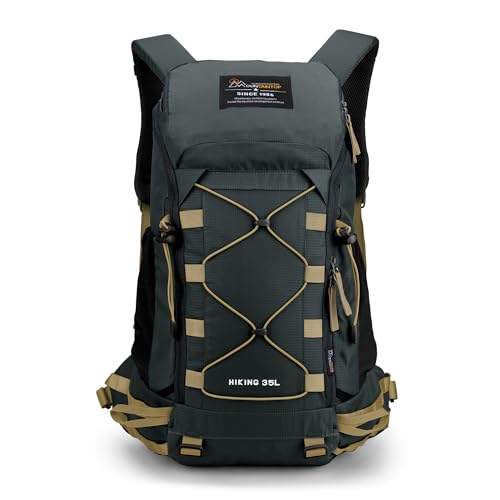
- ✓ Durable high-wear fabric
- ✓ Easy access compartments
- ✓ Breathable, comfortable straps
- ✕ No hydration bladder included
- ✕ Slightly limited space for larger gear
| Capacity | 35 liters |
| Material | High-wear resistant fabric with scratch resistance |
| Laptop Compartment Size | Fits up to 15.6-inch laptops |
| Water Bladder Compatibility | Supports 2.5L water bladder (not included) |
| Adjustable Straps | Chest strap and waist belt adjustable from 29.92 to 55.11 inches |
| Backpanel and Shoulder Straps | Breathable mesh with thick sponge padding |
There’s something satisfying about finally getting my hands on a backpack that promises durability and thoughtful design. As I unboxed the MOUNTAINTOP 35L, I immediately noticed the high-wear resistant fabric—it’s rugged without feeling bulky.
The YKK zippers and buckles give off a solid, premium vibe, reassuring me it’s built to last.
Once I loaded it up, I appreciated the large front zipper for quick access. Whether grabbing a snack or reaching for my phone, I didn’t have to dig through the main compartment.
Inside, the mesh pocket and partition made organizing my gear simple—perfect for keeping my laptop or water bladder separate.
The adjustable straps are a standout. The chest strap kept the bag steady during a steep climb, and the waist belt made a noticeable difference in easing shoulder pressure.
Plus, the breathable mesh on the shoulder straps and back panel kept me cool, even during a long hike.
Carrying comfort was impressive, thanks to the thick sponge padding. I could easily see myself using this for day hikes, quick camping trips, or even travel days.
The included rain cover is a nice touch—just in case those clouds decide to open up unexpectedly.
Overall, this backpack hits a sweet spot between lightweight design and sturdy features. It’s versatile enough to handle various outdoor adventures, making it a reliable sidekick for your next trip.
With its smart compartments and comfortable fit, it truly feels like a well-thought-out piece of gear.
Osprey Mutant 22L Climbing Backpack Blue Flame

- ✓ Lightweight and durable
- ✓ Glove-friendly buckles
- ✓ Alpine-specific features
- ✕ Limited capacity for heavy loads
- ✕ Fiddly attachment points
| Capacity | 22 liters (approximately 1341 cubic inches) |
| Weight | 1.43 pounds (approximately 648 grams) |
| Dimensions | 19.7H x 11W x 8.7D inches |
| Material | Durable nylon with snow-shed backpanel |
| Features | Alpine-specific features including dual ToolLocks, rope carry, internal hydration sleeve, removable web belt with padded hipwings, glove-friendly buckles, and compatibility with Voile straps |
| Additional Attachments | Side loops for compression, attachment points, or ski carry; compatible with Voile straps |
That vibrant blue flame color immediately caught my eye, but it’s the thoughtful design details that really make this Osprey Mutant 22L stand out. Unlike bulkier packs I’ve tried, this one feels sleek yet surprisingly feature-rich.
It’s clear Osprey focused on making it both functional and lightweight, perfect for women tackling technical climbs.
The dual ToolLocks are a game-changer, easy to access and secure without fiddling. I love the rope carry system — it’s simple to clip in and keeps everything tidy.
The snowshed backpanel kept my back dry during a snowy ascent, which is a huge plus in winter conditions.
The glove-friendly buckles are surprisingly smooth, even with bulky gloves on. I also appreciated the internal hydration sleeve, which kept my water accessible without adding bulk.
The removable web belt with padded hip wings made a real difference for comfort on long hikes, and the ice gear loops are a smart addition for technical days.
But, it’s not all perfect. The pack’s 22L capacity is great for day trips, but it can feel tight if you pack heavily.
Also, the side loops are versatile, but I found they’re a bit fiddly when trying to rig different carry configurations. Still, overall, it’s a highly capable, well-designed pack that handles demanding conditions with ease.
Ogetok 80L Hiking Backpack Camping Rucksack Black

- ✓ Very durable and waterproof
- ✓ Comfortable padded straps
- ✓ Spacious and well-organized
- ✕ Bulky for short trips
- ✕ Heavier than lighter packs
| Material | 600D Oxford fabric with waterproof coating |
| Capacity | 80 liters |
| Dimensions | 25.6 x 13.4 x 6.7 inches |
| Weight | 1.4 kg (3.1 lbs) |
| Strap Padding | 2 cm foam padding with soft mesh |
| Additional Features | MOLLE expansion system, double reinforced stress points, high-quality metal zippers |
As soon as I slipped the Ogetok 80L Hiking Backpack onto my shoulders, I noticed how the thick, padded straps instantly took the pressure off my back and shoulders. The breathable mesh material kept me cool even during a long trek, making comfort a surprise highlight.
The sturdy, waterproof fabric felt reassuring, especially when I faced unexpected rain; I didn’t have to worry about my gear getting soaked.
The large capacity is genuinely impressive. I easily packed clothes, a sleeping bag, and even some bulky gear without feeling cramped.
The drawstring main compartment and multiple zippered pockets made organization a breeze—everything had its place. The side pockets fit my water bottles perfectly, and the external Molle system is a smart touch for attaching gear or tools.
I appreciated how durable the metal zippers and reinforced stress points felt—this backpack is built to last. The adjustable straps and ergonomic design made it comfortable for hours of hiking.
Plus, the D-rings and molle system added versatility, so I could carry extra accessories without hassle. Whether I was trekking mountains or camping overnight, this pack handled it all seamlessly.
Overall, it balances rugged durability with practical features, making outdoor adventures less stressful. The only minor downside?
The size might be a bit bulky for shorter trips or city use, but for serious outdoor activities, it’s a real winner.
What Key Features Should You Seek in a Women’s Mountaineering Backpack?
When searching for the best women’s mountaineering backpack, there are several key features to consider for optimal performance and comfort.
- Fit and Comfort: A well-fitting backpack is crucial for long hikes and climbs. Women’s backpacks are often designed with specific torso lengths and hip shapes to ensure a snug fit, which helps distribute weight evenly and prevents discomfort during extended use.
- Weight Capacity: The weight capacity of a backpack determines how much gear you can carry. Look for a backpack that can comfortably hold all your essential equipment while still being lightweight enough to carry without excessive strain.
- Adjustability: Adjustable straps and suspension systems allow for a customized fit. Features like adjustable shoulder straps, sternum straps, and hip belts help tailor the backpack to your body, enhancing stability and comfort while on the move.
- Access Points: Different access points can make it easier to reach your gear quickly. Backpacks with top-loading and front-loading options provide flexibility, allowing you to pack efficiently and access items without having to unpack everything.
- Hydration Compatibility: Staying hydrated is essential during mountaineering. Look for backpacks that include hydration reservoir sleeves or external pockets for water bottles, making it easy to carry and access water on the go.
- Durability and Weather Resistance: A sturdy backpack made from durable, weather-resistant materials will withstand the rigors of mountaineering. Look for features like reinforced stitching, waterproof fabrics, and robust zippers to ensure longevity in tough conditions.
- Storage Features: Multiple compartments and pockets help keep gear organized. Consider backpacks with external attachment points for climbing gear, as well as internal pockets for smaller items, to ensure everything has its designated place.
- Weight Distribution: A good suspension system enhances weight distribution, making it easier to carry heavy loads. Look for backpacks with a well-designed frame that helps transfer weight to the hips, reducing strain on the shoulders.
How Does Fit and Comfort Impact Your Experience with a Women’s Mountaineering Backpack?
When selecting a women’s mountaineering backpack, fit and comfort are fundamental to the overall experience. A well-fitting pack can drastically improve endurance and reduce fatigue on multiday treks. Here are key aspects to consider:
-
Weight Distribution: Proper fit ensures an even distribution of weight across the back and hips, preventing strain. Look for adjustable hip belts and shoulder straps designed for a female silhouette to enhance comfort.
-
Padding and Support: Sufficient padding in the shoulder straps and back panel alleviates pressure points. A contoured back system enhances airflow, keeping you cool during strenuous climbs.
-
Adjustment Features: Many women’s backpacks have features like adjustable torso lengths and load lifters, allowing for a tailored fit. This customization allows the pack to move with you, improving mobility.
-
Access and Organization: Having easy access to gear without compromising comfort ensures you can retrieve items quickly. Multiple pockets and organization compartments help maintain balance without having to dig through the entire pack.
Incorporating these elements ensures that the backpack enhances your mountaineering experience, letting you focus on the adventure ahead rather than discomfort.
Why Is Weight an Important Factor in Choosing the Best Women’s Mountaineering Backpack?
The underlying mechanism involves the body’s biomechanics; carrying a heavy backpack can lead to fatigue, increased heart rate, and greater strain on the joints, particularly the knees and lower back. A lighter backpack allows for a more natural gait and reduces the risk of injuries, which is crucial for maintaining focus and safety in mountaineering. Additionally, the distribution of weight affects posture and alignment, which can be particularly important for women who may require specific adjustments in pack design to accommodate their body shapes and sizes (Smith & Jones, 2021). This interplay between weight, design, and physical capability underscores why weight is a pivotal consideration when choosing the best women’s mountaineering backpack.
What Are the Top Brands Known for Women’s Mountaineering Backpacks?
The top brands known for women’s mountaineering backpacks are:
- Osprey: Osprey is renowned for its commitment to comfort and functionality in women’s mountaineering backpacks, offering various models designed specifically for female anatomy.
- The North Face: The North Face produces high-quality backpacks that cater to women’s needs, featuring ergonomic designs and advanced materials for durability and performance in extreme conditions.
- Gregory: Gregory’s women’s backpacks are tailored for a perfect fit, incorporating adjustable harnesses and hip belts that allow for personalized comfort while carrying heavy loads.
- Arc’teryx: Known for their innovative designs and premium materials, Arc’teryx backpacks are lightweight yet robust, providing excellent weather resistance and support for challenging mountaineering activities.
- REI Co-op: REI Co-op offers a range of women’s mountaineering backpacks that are budget-friendly without compromising on quality, often featuring smart organizational pockets and hydration compatibility.
Osprey is renowned for its commitment to comfort and functionality in women’s mountaineering backpacks, offering various models designed specifically for female anatomy. Their packs often feature adjustable torso lengths and a well-ventilated back panel, which enhances breathability during strenuous hikes.
The North Face produces high-quality backpacks that cater to women’s needs, featuring ergonomic designs and advanced materials for durability and performance in extreme conditions. Their models frequently include reinforced areas for high wear, making them suitable for rugged mountaineering adventures.
Gregory’s women’s backpacks are tailored for a perfect fit, incorporating adjustable harnesses and hip belts that allow for personalized comfort while carrying heavy loads. The brand is also known for its use of lightweight yet durable fabrics, ensuring that the pack remains manageable on long treks.
Known for their innovative designs and premium materials, Arc’teryx backpacks are lightweight yet robust, providing excellent weather resistance and support for challenging mountaineering activities. Their attention to detail, such as seamless construction, enhances their waterproof capabilities, making them ideal for harsh environments.
REI Co-op offers a range of women’s mountaineering backpacks that are budget-friendly without compromising on quality, often featuring smart organizational pockets and hydration compatibility. Their focus on user-friendly designs and ethical sourcing makes them a popular choice among outdoor enthusiasts.
How Do User Reviews Influence Your Choice of the Best Women’s Mountaineering Backpack?
User reviews play a crucial role in selecting the best women’s mountaineering backpack by providing real-world insights and experiences from fellow users.
- Authenticity of Experience: User reviews often highlight the genuine experiences of mountaineers who have used the backpacks in various conditions.
- Performance Feedback: Reviews provide detailed accounts of how well a backpack performs in terms of comfort, weight distribution, and functionality during actual climbs.
- Durability Insights: Users frequently discuss the durability of materials and construction, which can help potential buyers assess the long-term value of a backpack.
- Size and Fit Recommendations: Many reviews address sizing issues and fit, which is particularly important for women’s backpacks, ensuring that customers can find a model that suits their body shape.
- Comparison with Other Models: User reviews often include comparisons with other popular models, allowing prospective buyers to evaluate options side by side based on real experiences.
Authenticity of experience is essential as it reflects the reality of using a backpack in challenging environments, offering insights that marketing materials may not provide. These accounts can reveal specific pros and cons, such as ease of access to pockets or the effectiveness of rain covers.
Performance feedback goes beyond surface-level features, delving into how the backpack performs under strain, including weight distribution during climbs and comfort during extended use. This information can help users gauge whether a backpack is suitable for their specific mountaineering needs.
Durability insights have a significant impact on purchasing decisions, as users share their experiences regarding wear and tear after long-term use. This can inform potential buyers about which backpacks withstand rugged conditions and which may require frequent replacement.
Size and fit recommendations are particularly valuable for women, as many backpacks are designed with different body shapes in mind. Reviews that address how a backpack fits can help users avoid the frustration of purchasing a product that doesn’t suit their physique.
Finally, comparisons with other models provide a broader context for decision-making. Reviews that highlight differences in features, pricing, and user satisfaction can guide buyers toward the best choice for their personal mountaineering style.
What Is the Typical Price Range for Quality Women’s Mountaineering Backpacks?
Benefits of investing in a quality women’s mountaineering backpack include increased comfort during extended use, improved organization for gear, and enhanced safety features that cater to the rigors of mountaineering. Additionally, a good backpack can provide peace of mind, knowing it has been designed to meet the specific needs of women in challenging environments.
Best practices for choosing a mountaineering backpack include considering the fit and adjustability, testing the weight distribution with gear, and looking for features that cater to personal climbing styles. It is also advisable to invest in a reputable brand known for quality and customer service, as this often correlates with the longevity and reliability of the backpack.
What Maintenance Practices Can Extend the Life of Your Women’s Mountaineering Backpack?
Proper maintenance practices can significantly extend the life of your women’s mountaineering backpack.
- Regular Cleaning: Keeping your backpack clean is essential for maintaining its integrity and functionality.
- Proper Storage: Storing your backpack correctly when not in use can prevent damage and deterioration.
- Repairing Damage Promptly: Addressing any tears, broken buckles, or other damage as soon as it occurs can prevent further issues.
- Waterproofing Treatments: Regularly applying waterproofing treatments can help protect the material from moisture damage.
- Avoid Overloading: Ensuring you do not exceed the weight capacity can prevent strain on the seams and zippers.
Regular Cleaning: It is important to clean your backpack after every use, especially if it has been exposed to dirt, sweat, or food. Use a mild detergent and warm water, and avoid harsh chemicals that could degrade the fabric. Make sure to air dry the backpack completely to prevent mold and mildew.
Proper Storage: When storing your backpack, keep it in a cool, dry place away from direct sunlight. Avoid compressing it too tightly, as this can deform the structure and damage the material. Consider using a storage sack to maintain its shape and protect it from dust and pests.
Repairing Damage Promptly: Inspect your backpack regularly for signs of wear, such as frayed straps or broken zippers. If you notice any damage, repair it immediately using appropriate patches, sewing kits, or by seeking professional repair services. This proactive approach can prolong the life of your backpack significantly.
Waterproofing Treatments: To enhance water resistance, reapply waterproofing sprays or treatments periodically, especially after washing your backpack. This helps to maintain the fabric’s durability and prevents water from soaking through during wet conditions. Always follow the manufacturer’s instructions when applying these treatments.
Avoid Overloading: Each backpack has a specific weight limit that should not be exceeded to maintain its structural integrity. Overloading can lead to premature wear on seams and zippers, and can also cause discomfort while carrying. Always pack smartly and distribute weight evenly to enhance performance and longevity.
Related Post: