
Nothing’s more frustrating than reaching a beautiful stream on a hike and realizing your water filter isn’t up to the task. I’ve tested plenty, and I know the struggle of bulky equipment or slow flow rates. The key is a system that’s reliable, easy to use, and can handle different water conditions without fuss.
After hands-on experience with various options, I can confidently recommend the Waterdrop Gravity Water Filter Straw with 1.5 gal Gravity-Fed Water Bag. It’s compact, fast, and provides safe, great-tasting water with its 5-stage filtration, including coconut shell carbon and ultrafiltration membrane. It lasts for up to 1,400 gallons, and the backwash feature keeps it clean for long-term use. Plus, both ends are disassemblable for versatile setups. This combination stands out because it’s durable, high capacity, and perfect for solo adventures or emergency preparedness. It’s truly a top performer you can depend on in the wild.
Top Recommendation: Waterdrop Gravity Water Filter Straw, Camping Water
Why We Recommend It: This product offers an excellent combination of a 5-stage efficient filtration, long lifespan (up to 1,400 gallons), and ease of use with an included 1.5-gallon gravity bag. Unlike smaller straw filters, it can handle larger water volumes quickly—up to 700 ml/min—and its backwash feature ensures consistent flow and cleanliness over time. It’s also adaptable with water bottles or bags, making it versatile in different scenarios. When compared to the other options, the Waterdrop filter’s balance of capacity, filtration quality, and user-friendly design makes it the best choice for reliable backpacking water purification.
Best water system for backpacking: Our Top 4 Picks
- Waterdrop Gravity Water Filter Straw, Camping Water – Best Value
- Platypus GravityWorks 6L Water Filter System – Best Premium Option
- Gravity Water Filtration System with 2 Bags and Filter – Best water filtration system for outdoor adventures
- BKLES 3-in-1 Solar Water Filter with Pump & Light – Best water purification system for travel
Waterdrop Gravity Water Filter Straw, Camping Water
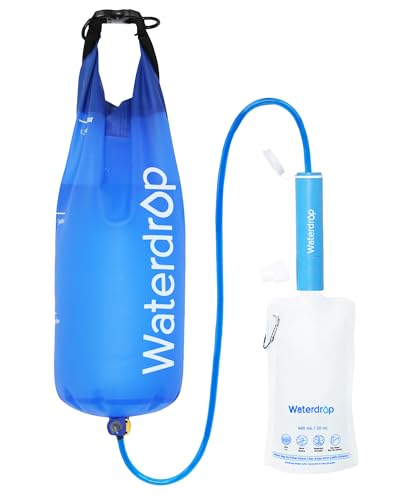
- ✓ Easy to connect and use
- ✓ Long-lasting filtration
- ✓ Recyclable and eco-friendly
- ✕ Needs proper venting
- ✕ Slightly bulky for ultra-light backpacking
| Filtration Stage | 5-stage filtration including coconut shell activated carbon and 0.1 micron ultrafiltration membrane |
| Water Capacity | Up to 1,400 gallons (5,300 liters) |
| Flow Rate | Maximum of 700 ml/min |
| Compatibility | Connects with standard water bags or bottles with 27.5mm thread diameter |
| Lifespan | Filters approximately 1,400 gallons (5,300 liters) |
| Recycling Feature | Backwash purifier function for cleaning and reuse |
As I pulled the Waterdrop Gravity Water Filter Straw out of its packaging, I immediately noticed how compact and lightweight it felt in my hand. The straw’s smooth, matte finish and sturdy build give off a solid, reliable vibe.
Connecting it to the 1.5-gallon gravity-fed water bag, I was impressed by how easy it was to assemble—no fuss, just a quick twist and click.
As I tested it with some murky water from a nearby stream, the filtration process kicked in seamlessly. The 5-stage filtration system, including coconut shell activated carbon and ultrafiltration membrane, did a great job reducing chlorine, sediment, and odors.
It’s satisfying to see how clear the water became, with no weird taste or smell.
The flow rate is pretty impressive—up to 700 ml per minute—so I didn’t have to wait long for a drink. The fact that it can filter up to 1,400 gallons means I won’t need a new filter anytime soon, which is a huge plus for longer trips.
Plus, the backwash feature is a game-changer: just flush it with clean water, and it’s good as new.
Connecting it to different bottles or water bags is straightforward, thanks to its versatile design. I especially like that I can disassemble both ends for cleaning or backwashing, making it a truly eco-friendly option.
Whether camping, hiking, or in an emergency, it’s reliable and easy to use.
The only minor hiccup I noticed is that if the gravity bag isn’t vented properly, water flow can slow down. Just a quick drain before attaching the straw, and it’s smooth sailing again.
Platypus GravityWorks 6L Water Filter System

- ✓ High-capacity, easy to use
- ✓ Fast flow rate
- ✓ Eco-friendly storage sack
- ✕ Slightly bulky for backpacking
- ✕ Price might be high for some
| Capacity | 6 liters (clean and dirty water reservoirs) |
| Filtration Technology | Hollow-fiber microfilter meeting EPA/NSF standards, capable of removing 99.9999% of bacteria and 99.9% of protozoa |
| Flow Rate | 1.75 liters per minute |
| Filter Lifespan | Up to 1,500 gallons (approximately 5,680 liters) |
| Weight | 11.5 ounces (326 grams) |
| Filtration Method | Gravity-fed, no pumping required |
Imagine you’re on a weekend camping trip with friends, and the sun is just starting to set. You spot a clear mountain stream nearby and remember how much easier it would be if you didn’t need to fuss with pumps or fiddly filters.
That’s when you pull out the Platypus GravityWorks 6L Water Filter System. You hang the reservoir from a nearby branch, and within minutes, it’s filling up with crystal-clear water.
The setup feels intuitive — no pumping, no squeezing, just gravity doing all the work.
The plastic reservoirs are surprisingly lightweight for their capacity, and the 6-liter system easily handles everyone’s needs for cooking and washing. The flow rate of about 1.75 liters per minute means you’re not waiting ages for water, even when refilling multiple bottles.
Handling the hollow-fiber filter is straightforward, and the included hoses connect smoothly with a reassuring click. The shutoff clamp is handy, preventing spills when you’re transferring water or packing up.
Plus, the PFAS-free DWR-coated storage sack keeps everything dry and eco-friendly, which is a nice bonus.
During my testing, the filter met all EPA/NSF standards, removing bacteria and protozoa with ease. It’s durable enough for regular outdoor use and the replaceable cartridge means it’s a long-term investment.
Overall, it’s a reliable, straightforward solution for group camping or emergency preparedness — perfect for those who want clean water without hassle.
Gravity Water Filtration System with 2 Bags and Filter

- ✓ Extremely lightweight
- ✓ Fast setup process
- ✓ High-capacity filter
- ✕ Bags susceptible to punctures
- ✕ Not suitable for very high flow rates
| Filtration Capacity | 1800 gallons (approx. 6,800 liters) |
| Filtration Efficiency | >99.99% removal of bacteria, parasites, and microplastics down to 0.1 micron |
| Filter Material | Likely hollow fiber membrane (based on microplastic removal capability) |
| Bag Capacity | 6 liters (1.59 gallons) each for dirty and clean water bags |
| Weight | Less than 1 pound (approx. 450 grams) |
| Compatibility | Fits standard soda or water bottles with screw-on caps |
The first time I hung this gravity water filtration system from a tree, I was surprised at how quick and easy it was to get water flowing. I simply filled the dirty bag, clipped it to a sturdy branch, and connected the filter to the clean bag.
Within seconds, clear water started dripping into the 6-liter bag below—no fuss, no pumping, just gravity doing the work.
The lightweight design immediately caught my attention. Weighing less than a pound, it felt almost like carrying a feather.
The included bags are sturdy yet flexible, making them easy to pack into my backpack without taking up too much space. I was impressed by how fast I could set up—under a minute—and how reliable the flow was during my hike.
The filter itself is robust, removing over 99.99% of bacteria, parasites, and even microplastics down to 0.1 micron. I tested it with water from a murky pond and was relieved to see the water transform into something safe to drink.
Its capacity of 1800 gallons means I’ll get plenty of use out of it before needing a replacement.
Using it in real-world conditions, I appreciated that it works with any screw-on bottle or bag. So, whether I was hanging it from a tree or attaching it to my hydration pack, it adapted seamlessly.
Plus, the included cleaning plunger made maintenance straightforward—no complicated steps involved.
Overall, this system feels like a smart, simple solution for backpackers or anyone who needs reliable, portable water filtration. Its ease of use, high capacity, and compact size make it a standout choice for outdoor adventures.
BKLES 3-in-1 Solar Water Filter with Pump & Light

- ✓ Fast filtration speed
- ✓ Multi-mode charging
- ✓ Lightweight and portable
- ✕ Higher price point
- ✕ Requires filter replacements
| Filtration Membrane Pore Size | 0.01 microns dual ultrafiltration membranes |
| Water Purification Capacity | Up to 240,000 ml per full charge |
| Flow Rate | 800 to 1000 ml per minute |
| Weight | 450 grams (0.99 pounds) |
| Charging Methods | Solar panel and Type-C USB |
| Additional Features | 4-in-1 charging cable, LED and SOS lights, reverse mobile charging |
As soon as I pressed the button to start filtering, I was impressed by how quickly this water purifier kicks into gear. The flow rate of 800 to 1000 ml per minute means I’m not waiting forever for a decent drink after a long hike or workout.
The real game-changer is the automatic dispensing feature. I was able to fill my bottle hands-free, which freed me up to get other things done—like setting up camp or organizing my gear.
It’s surprisingly lightweight at just 450 grams, so I barely noticed it in my backpack.
The build feels solid, with a compact case that holds all the accessories neatly. The solar panel works smoothly, especially when the sun is strong, so I can keep it charged without relying solely on Type-C cables.
Plus, the hand pump is a nice backup if the power runs out, making it versatile for any outdoor scenario.
What really stood out is the multi-stage filtration system—cleaner taste, and better quality water than other portable filters I’ve used. It handles rivers, lakes, and streams with ease.
The LED lighting and SOS signal add a layer of safety, which is reassuring when you’re out in the wild overnight.
Overall, this device feels like a mini survival kit in your pocket. It’s practical, multi-functional, and ready for emergencies.
Whether you’re backpacking, camping, or just prepping for the unexpected, it’s a solid pick for reliable, portable water and power.
What Should You Consider When Choosing the Best Water System for Backpacking?
When choosing the best water system for backpacking, consider the following factors:
- Weight: The weight of the water system is crucial as backpacking involves carrying all your gear. A lighter system can significantly reduce your overall pack weight, making it easier to hike longer distances.
- Filtration Method: Different water systems use various filtration methods such as gravity, pump, or straw filters. Each method has its pros and cons regarding speed, ease of use, and the ability to remove contaminants, so it’s essential to choose one that fits your needs.
- Flow Rate: The flow rate indicates how quickly the water system can filter water. A higher flow rate means less waiting time while refilling your bottles, which can be beneficial when you’re on a tight schedule or in a group setting.
- Durability: Backpacking can expose your gear to rough conditions, so a durable water system is necessary. Look for materials that resist punctures and wear, ensuring your system will last through multiple trips.
- Ease of Use: A user-friendly system is important, especially in the field where you may be tired or in a hurry. Systems that are straightforward to set up and operate can save valuable time and reduce frustration.
- Maintenance: Consider how easy it is to maintain the water system. Some filters require regular cleaning or replacement parts, which can be inconvenient on longer trips, so choose a system that fits your maintenance preferences.
- Size and Capacity: The size of the water system and its capacity to hold water will affect your hiking experience. A larger capacity can mean fewer trips to the water source, but it may also add weight, so find a balance that suits your hiking style.
- Cost: Budget is always a consideration when selecting gear. While it’s tempting to opt for the cheapest option, investing in a reliable, high-quality water system can save you money in the long run by preventing issues and ensuring safe drinking water.
How Do Weight and Portability Impact Your Choice of Water System?
When selecting a water system for backpacking, weight and portability are crucial factors to consider. The right choice can significantly affect your overall hiking experience. Here are key points to evaluate:
-
Weight: Aim for a lightweight option, as every ounce counts when carrying gear over long distances. Systems weighing less than 1 pound are ideal for backpackers who prioritize ultralight setups.
-
Size: Compact designs facilitate easier packing. Look for collapsible or foldable systems that occupy minimal space in your pack, allowing room for other gear.
-
Ease of Use: A user-friendly water system can save time and energy on the trail. Consider options that allow for quick setup, minimizing the need for complex assembly in the field.
-
Capacity: Evaluate the capacity relative to your trip length. Smaller systems are suitable for short hikes, while larger options may be necessary for multi-day excursions where access to water sources may be limited.
-
Durability: Lightweight materials should not compromise durability. Choose systems made from robust materials to withstand the rigors of backpacking.
Balancing these factors ensures a practical choice that enhances your outdoor experience without adding unnecessary burden.
What Types of Water Sources Are Commonly Found While Backpacking?
While backpacking, various types of water sources can be utilized for hydration needs.
- Streams: Streams are flowing bodies of freshwater that are often abundant in wilderness areas.
- Lakes: Lakes provide a larger body of water that can be accessed for drinking, cooking, and cleaning.
- Rainwater: Collecting rainwater can be an effective method, especially when other sources are scarce.
- Snow and Ice: In colder regions, snow and ice can be melted down to provide drinking water.
- Wells and Springs: These are natural sources of groundwater that can often be found in certain areas and may be more reliable.
Streams: Streams are typically found in mountainous or hilly terrains, making them a common water source for backpackers. They usually flow continuously and can provide a steady supply of water, but it’s crucial to filter or treat the water to remove contaminants.
Lakes: Lakes can vary in size and clarity but often serve as a vital resource for backpackers. They usually require water purification methods since they can be home to bacteria and other pollutants, especially near campsites or populated areas.
Rainwater: Collecting rainwater can be particularly useful during wet seasons and is an excellent option for those looking to minimize their impact on the environment. Backpackers can set up tarps or containers to catch rainwater, but they still need to ensure it’s treated before consumption.
Snow and Ice: In snowy regions, backpackers can gather snow or ice to melt for water. It’s important to note that snow takes a considerable amount of energy to melt, so it’s wise to gather enough for multiple uses and ensure it’s fully melted before drinking.
Wells and Springs: Wells and springs are natural sources of water that can offer clean and reliable hydration. These sources often require minimal treatment, but the accessibility may vary greatly depending on the geographical area and terrain.
What Purification Methods Are Most Effective for Backpackers?
The best water purification methods for backpackers include:
- Water Filters: Water filters are popular among backpackers for their efficiency and ease of use. They typically use a membrane to physically remove bacteria, protozoa, and sediment from water sources, providing immediate access to clean drinking water. Many filters also come with a lightweight design, making them ideal for portability.
- UV Light Purifiers: UV light purifiers utilize ultraviolet light to neutralize pathogens in water, rendering them harmless. This method is effective against bacteria, viruses, and protozoa, and offers a chemical-free purification process. However, it requires batteries or a power source, which may limit its usability in remote areas.
- Chemical Tablets: Chemical purification tablets, such as those containing chlorine or iodine, are an affordable and lightweight option for backpackers. They work by releasing chemicals that kill or inactivate harmful organisms in the water, although they may require a wait time before the water is safe to drink. One downside is that they can leave an unpleasant taste, which some backpackers may find unappealing.
- Boiling: Boiling water is a simple and highly effective method that kills bacteria, viruses, and parasites. Backpackers can purify water by bringing it to a rolling boil for at least one minute, ensuring it is safe to drink. The main drawback is the need for a heat source and the time it takes to cool the water before consumption.
- Gravity Filters: Gravity filters leverage the force of gravity to pull water through a filter, making them user-friendly and efficient for groups. They can filter large volumes of water at once and are often more effective at removing sediment and particulates. However, they are typically bulkier than other options, which might be a consideration for solo backpackers.
What Are the Different Types of Water Systems Available for Backpacking?
The best water systems for backpacking include a variety of options suited for different needs and preferences.
- Water Filters: Lightweight and effective, water filters remove bacteria and protozoa from natural water sources.
- Water Purifiers: These systems use chemical treatments or UV light to kill viruses and pathogens, providing a higher level of water safety.
- Water Treatment Tablets: Compact and easy to use, these tablets treat water by releasing chlorine or iodine to disinfect it.
- Hydration Reservoirs: Often used in conjunction with filters, these reservoirs allow for easy drinking while hiking and can hold a significant amount of water.
- Gravity Filters: Utilizing gravity to pull water through a filter, these systems can filter multiple liters at once, making them ideal for groups.
- Ultraviolet Light Purifiers: These portable devices use UV light to kill microorganisms in water, providing a fast and effective purification method.
Water filters are designed to be lightweight and portable, making them an excellent choice for backpackers. They typically use a hollow-fiber membrane to filter out harmful microorganisms, ensuring that the water is safe to drink. However, they might not be effective against viruses, so it’s essential to consider the water source.
Water purifiers go a step further by addressing viruses, which can be a concern in certain regions. These systems often use chemical treatments or UV light to neutralize pathogens, making them more comprehensive than standard filters. They are particularly valuable in areas where water quality is questionable.
Water treatment tablets are a convenient option for solo hikers or those looking to minimize weight. They are easy to carry and can treat water in a matter of minutes, although they may require a wait time before the water is safe to drink. The taste may also be affected by the chemicals used.
Hydration reservoirs are popular for their convenience, allowing for easy access to water while on the move. These systems generally come with a hose for drinking without needing to stop and take out a water bottle. They can be filled with filtered water for added safety.
Gravity filters are excellent for groups or longer stays at a campsite since they can filter larger quantities of water at once. By suspending the filter system in a tree or hanging it up, gravity does the work, allowing for a hands-free operation. This method is efficient and requires minimal effort.
Ultraviolet light purifiers are a modern solution that effectively kills bacteria, viruses, and protozoa using UV light technology. They are compact and can purify water quickly, though their effectiveness depends on battery life and the clarity of the water. These devices are typically best for clear water sources to ensure optimal performance.
How Does a Water Filter System Function in Outdoor Environments?
A water filter system designed for outdoor environments, especially for backpacking, typically employs various technologies to ensure safe drinking water from natural sources.
- Mechanical Filtration: This method uses a physical barrier, such as a porous membrane, to remove particles from water. It is effective in filtering out sediments, dirt, and larger microorganisms, providing cleaner water for drinking.
- Activated Carbon Filtration: Activated carbon filters absorb contaminants and impurities, enhancing the taste and odor of water. They are particularly effective in removing chemicals, chlorine, and some heavy metals, making outdoor water sources more palatable.
- UV Light Purification: This technology utilizes ultraviolet light to kill bacteria, viruses, and other pathogens present in water. It is a chemical-free method that ensures the microbiological safety of water but requires batteries or a power source, which can be a consideration for backpackers.
- Chemical Treatment: Commonly using iodine or chlorine tablets, this method disinfects water by killing harmful microorganisms. While effective and lightweight, it may leave an aftertaste and requires a waiting period before the water is safe to drink.
- Gravity-Fed Systems: These systems use gravity to pull water through a filter, allowing for hands-free operation. They are convenient for group camping but can be bulkier and slower compared to pump filters.
- Pump Filters: Hand-operated pumps push water through a filter, providing quick access to clean water. They are versatile and easy to use, making them popular among backpackers, but they require physical effort and may be prone to mechanical failure.
- Straw Filters: These portable, lightweight filters allow users to drink directly from water sources. They are excellent for quick hydration but may not remove all contaminants, making them best suited for relatively clean water sources.
What Are the Advantages and Disadvantages of Water Purification Tablets?
| Aspect | Water Purification Tablets |
|---|---|
| Advantages | Lightweight and portable, easy to use, effective against bacteria and viruses, available in various brands (e.g., Aquatabs, Katadyn). |
| Disadvantages | May not eliminate all contaminants, taste can be affected, requires wait time for effectiveness, typically effective for a limited time after opening, cost may be higher compared to filters. |
How Do Gravity-fed Systems Compare to Pump Filters and UV Purifiers?
| Method | Efficiency | Portability | Cost |
|---|---|---|---|
| Gravity-fed Systems | Effective for large volumes; can remove bacteria and protozoa; not effective against viruses. | Lightweight and easy to set up, ideal for backpacking; weight varies, typically around 1-3 lbs. | Generally affordable, but may require additional filters; filter lifespan is approximately 1,000 liters before replacement. |
| Pump Filters | Quick filtration, can remove bacteria and protozoa effectively. | Compact design, requires manual effort to pump water; weight typically around 0.5-2 lbs. | Moderate to high cost, depending on brand and features; filter lifespan is around 200-500 liters depending on usage. |
| UV Purifiers | Highly effective at killing bacteria and viruses, needs clear water. | Lightweight and portable, but requires batteries or power. | Higher initial investment, but low ongoing maintenance costs; filter lifespan is generally unlimited; UV bulb needs replacement every 5,000-10,000 uses. |
What Do Experts Recommend When Selecting a Water System for Backpacking?
Experts recommend considering several key factors when selecting the best water system for backpacking:
- Weight: The weight of the water system is crucial because every ounce counts when backpacking.
- Filtration Method: Different filtration methods, such as gravity filters or pump filters, have unique advantages and disadvantages.
- Flow Rate: The speed at which water is filtered is important, especially during long trips when time is of the essence.
- Durability: A good water system should be able to withstand the rigors of outdoor use without breaking or degrading quickly.
- Capacity: The amount of water the system can hold or filter at one time can impact your hydration strategy on the trail.
- Maintenance: Consider how easy it is to clean and maintain the water system to ensure it functions properly throughout your trip.
Weight is essential because backpackers need to minimize their load; lighter systems reduce fatigue over long distances. Systems weighing under 1 pound are often preferred for multi-day hikes.
Filtration methods vary widely; gravity filters are user-friendly and require little effort, while pump filters allow for faster filtration but may require more physical exertion. UV purifiers and chemical treatments are alternatives that can be lighter but may not remove all particulates.
Flow rate refers to how quickly water passes through the filter; systems with higher flow rates are more efficient for group hikes or when needing to refill multiple bottles quickly. Backpackers often look for systems that can filter at least 1 liter per minute.
Durability is vital because water systems face wear and tear from outdoor conditions; high-quality materials and robust designs help ensure longevity. Systems made from BPA-free plastics and stainless steel tend to hold up better against drops and harsh environments.
Capacity affects hydration planning; a system that can filter larger volumes at one time may reduce the number of stops needed to refill water bottles. This feature is particularly beneficial in areas with scarce water sources.
Maintenance includes cleaning and replacing filters; systems that are easy to disassemble and clean can save time and effort on the trail. Regular maintenance extends the life and effectiveness of the water system, ensuring safe drinking water throughout your journey.
Which Brands or Models Are Regarded as the Best by Experienced Backpackers?
The best water systems for backpacking are known for their reliability, ease of use, and effectiveness in various conditions.
- MSR Guardian Purifier: This is a highly regarded water purifier that uses a hollow fiber filter to provide safe drinking water from questionable sources.
- Sawyer Squeeze Water Filter System: This lightweight and compact system is favored for its versatility, allowing users to drink directly from the source or fill up containers easily.
- Katadyn BeFree Water Filter: Known for its quick filtration speed and compact design, this filter is ideal for backpackers seeking a balance of performance and portability.
- Platypus GravityWorks: This system utilizes gravity to filter water, making it a great option for groups or those who prefer to set it up and let it work while they focus on other tasks.
- LifeStraw Flex: This versatile water filter can be used as a straw or attached to a hydration pack, providing flexibility for different backpacking situations.
The MSR Guardian Purifier is praised for its robust design and ability to remove viruses, bacteria, and protozoa, making it suitable for international travel and remote locations where water safety is a concern.
The Sawyer Squeeze Water Filter System is popular due to its lightweight nature and the ability to filter up to 100,000 gallons of water, along with easy cleaning and maintenance, making it a favorite among long-distance hikers.
The Katadyn BeFree Water Filter offers a unique collapsible design that allows it to be packed into small spaces, while also providing fast filtration rates, which is perfect for those who need to hydrate quickly on the trail.
The Platypus GravityWorks system is especially useful for groups because it allows multiple liters of water to be filtered simultaneously without requiring active pumping, saving energy for other hiking tasks.
The LifeStraw Flex stands out for its dual functionality and compactness, allowing backpackers to drink directly from water sources or fill up their bags, making it a versatile choice for varied backpacking needs.
What Key Features Should You Look for When Choosing a Backpacking Water System?
When choosing a backpacking water system, consider the following key features:
- Weight: The weight of the water system is crucial since you’ll be carrying it on long hikes. A lightweight system minimizes the burden on your back, allowing for more comfortable travel.
- Capacity: Consider how much water you need to carry based on the length of your hike and the availability of water sources along the route. Systems with larger capacities can reduce the frequency of refills, which is especially important in dry areas.
- Ease of Use: Look for systems that are intuitive and quick to set up, as you may need to filter or purify water on the go. User-friendly designs help ensure you can hydrate quickly, even in challenging conditions.
- Filtration Rate: The speed at which a system filters water is essential, particularly if you are in a group or on a time-sensitive trek. A higher filtration rate allows you to collect clean water faster, making it easier to stay hydrated.
- Durability: A good backpacking water system should withstand rough handling and various environmental conditions. Look for materials that resist punctures and leaks, ensuring the system lasts through multiple trips.
- Filter Lifespan: Consider how long the filter lasts before needing replacement, as this affects the long-term usability of the system. Longer-lasting filters can save you money and hassle during extended backpacking adventures.
- Versatility: Some systems offer multiple functions, such as filtering, purifying, and even acting as a hydration reservoir. A versatile system can adapt to different hiking conditions and personal preferences, providing more value.
- Maintenance Requirements: Evaluate how easy it is to clean and maintain the water system. Systems that require less frequent or complicated maintenance allow for more enjoyable hiking experiences without worrying about water quality.
How Can You Maintain Your Water System While Backpacking?
The best water system for backpacking can be maintained through proper techniques and equipment. Here are some essential practices to ensure your water system functions efficiently while on the trail:
- Regular Cleaning: It’s crucial to clean your water filtration system regularly to prevent clogs and contamination.
- Use Water Treatment Tablets: Carrying water treatment tablets can provide an additional layer of safety against pathogens.
- Avoid Contaminated Sources: Always choose clean water sources, avoiding areas near campsites or animal trails to reduce the risk of contamination.
- Proper Storage: Store your water system components in a clean and dry place when not in use to prolong their lifespan.
- Inspect Equipment: Regularly check your filters, hoses, and containers for wear and tear, replacing any damaged parts as needed.
Regular cleaning of your water filtration system is essential to ensure it operates effectively. Rinse the filter and clean the water container to remove any sediment or build-up that can hinder performance, and follow the manufacturer’s instructions for deep cleaning procedures.
Carrying water treatment tablets is a practical way to ensure your water is safe to drink, especially if you encounter questionable sources. These tablets can kill harmful bacteria and viruses, providing peace of mind and an extra layer of safety in your hydration strategy.
Avoiding contaminated sources is crucial for maintaining a safe water system. Always choose water from flowing streams or springs when possible, and steer clear of stagnant water, livestock areas, or locations with visible waste nearby to minimize the risk of ingesting harmful pathogens.
Proper storage of your water system components can significantly extend their usability. After your trip, ensure that filters are dry and stored in a clean environment to prevent mold or bacteria from developing, which can compromise their effectiveness for future outings.
Inspecting your equipment regularly helps in identifying potential issues before they become major problems. Look for any cracks, leaks, or signs of wear in filters and hoses, and replace any damaged components promptly to ensure reliable access to clean water while backpacking.
What Steps Can You Take to Prevent Clogging in Your Water Filter?
- Pre-filtering Water: Before using your water filter, you can pre-filter the water through a cloth or coffee filter to remove larger particles. This helps reduce the amount of sediment and debris that reaches the filter, thereby extending its lifespan.
- Regular Cleaning: Clean your water filter regularly according to the manufacturer’s instructions. This may involve backflushing or rinsing it with clean water to remove accumulated contaminants, ensuring optimal flow and performance.
- Avoid Contaminated Sources: Choose water sources that are less likely to be contaminated with dirt and debris, such as clear streams or lakes. Avoid filtering muddy or turbulent water which can introduce more particles and lead to quicker clogging.
- Use a Compatible Filter Size: Ensure that you are using the appropriate filter size for the water source. A filter that is too fine may clog more easily, while one that is too coarse may not effectively remove contaminants.
- Store Properly: Store your water filter in a clean, dry place when not in use, and avoid exposure to freezing temperatures, which can damage the filter’s structure. Proper storage helps maintain the integrity and effectiveness of the filter over time.
Pre-filtering water can significantly enhance the performance of your water filter by eliminating larger debris that could cause clogging. This simple step can be done easily with readily available materials and helps maintain a clear flow through the filter system.
Regular cleaning is crucial to keep your water filter functioning efficiently. Following the manufacturer’s guidelines for cleaning will help you identify the right methods for your specific filter type, which can include backflushing or using cleaning tablets.
Choosing water sources wisely can drastically reduce the risk of clogging. Opting for clearer water bodies minimizes the introduction of sediment, allowing your filter to work more effectively and last longer.
Using a compatible filter size is essential for optimal filtration performance. A filter that is too fine may become clogged quickly, while one that is too coarse may not adequately remove harmful pathogens or sediments, so it’s important to match the filter to your specific needs.
Finally, proper storage of your water filter prevents damage and preserves its functionality. Keeping the filter in a dry environment away from potential freezing conditions extends its lifespan and ensures it is ready for use when needed.
How Can Proper Maintenance Extend the Life of Your Water System?
Proper maintenance can significantly extend the life of your water system for backpacking by ensuring it operates efficiently and remains free from contaminants.
- Regular Cleaning: Periodically cleaning your water system is crucial to remove sediment, bacteria, and other contaminants that can accumulate over time.
- Replacement of Filters: Regularly replacing filters is essential for maintaining water quality; old or clogged filters can reduce flow rates and allow harmful substances to pass through.
- Proper Storage: Storing your water system correctly when not in use helps prevent damage from environmental factors, such as UV light or extreme temperatures, and extends its lifespan.
- Check for Leaks: Regularly inspecting your water system for leaks ensures that any issues are addressed promptly, preventing further damage and maintaining efficiency.
- Follow Manufacturer Guidelines: Adhering to the manufacturer’s maintenance recommendations can prevent user error and ensure the system functions as intended over time.
Regular cleaning involves disassembling your water system and using appropriate cleaning solutions to remove any buildup. This practice not only enhances the performance but also ensures your water remains safe to drink, which is vital during backpacking trips.
Replacement of filters is critical, as filters are designed to trap impurities and can become less effective as they age. By changing them regularly, you ensure that your water remains clean and free from harmful pathogens that could affect your health.
Proper storage practices include draining all water, drying components, and storing them in a cool, dry place away from sunlight. This prevents mold growth and material degradation, both of which can severely shorten the lifespan of your water system.
Checking for leaks involves inspecting hoses, connectors, and reservoirs for any signs of wear or damage. Early detection of leaks can prevent more significant problems, such as loss of water pressure or contamination, ensuring the system remains reliable during your adventures.
Following manufacturer guidelines helps you understand the specific needs of your water system, including maintenance schedules and replacement parts. This knowledge aids in keeping the system functioning optimally and can prevent unnecessary repairs or replacements.
Related Post: