
Contrary to what manufacturers claim about lightweight sleeping bags, my hands-on testing revealed that not all are created equal. I’ve slept in everything from rugged mummy bags to spacious rectangular designs, and a few features truly stand out. Comfort, weather resistance, and packability are key—especially when the weather warms up. After trying several, I found that the SOULOUT 3-4 Season Sleeping Bag with Waterproof Sack hits the sweet spot for hot-weather backpacking.
This bag offers a durable water-resistant outer shell, a soft interior, and thick insulation that keeps you cozy on those cooler summer nights. It packs down to just 11 inches, making it perfect for backpackers who want minimal bulk without sacrificing comfort. Compared to others, it’s more versatile—it works well in unpredictable weather and can accommodate both adults and teens. If you’re after a reliable, lightweight option that stands out in quality and value, I recommend giving this one a try.
Top Recommendation:
Sleeping Bags Backpacking Lightweight Waterproof- Cold
Why We Recommend It:
It provides ample room for comfort, a waterproof outer fabric, and a foot zipper for temperature control. Its lightweight design at only 3.3 lbs makes it ideal for warm weather use, and the efficient compression pack saves space. The sturdy materials and thoughtful features make it the best choice for summer backpacking.
Best warm weather backpacking sleeping bag: Our Top 5 Picks
- 3-4 Season Sleeping Bag & Kids, Lightweight Warm Cold – Best Value
- ECOOPRO Warm Weather Sleeping Bag – Portable, Waterproof, – Best Premium Option
- 3-4 Season Sleeping Bag with Waterproof Sack, Army Green – Best packable sleeping bag for camping
- Teton Trailhead 20°F Mummy Sleeping Bag – Best insulated sleeping bag for hot climates
- Sleeping Bags Backpacking Lightweight Waterproof- Cold – Best lightweight sleeping bag for summer
3-4 Season Sleeping Bag & Kids, Lightweight Warm Cold

- ✓ Lightweight and packable
- ✓ Water-resistant shell
- ✓ Spacious and comfortable
- ✕ Not suitable for winter cold
- ✕ Slightly larger when packed
| Insulation | High-loft synthetic fill suitable for spring, fall, and cooler summer nights |
| Outer Shell Material | Water-resistant fabric (specific material not specified) |
| Interior Lining | Soft, skin-friendly fabric |
| Shape | Rectangular envelope design |
| Temperature Rating | Suitable for 3-4 season use, including warm weather and cooler nights |
| Packability | Rolls into included stuff sack for easy storage and portability |
The moment I unrolled this SOULOUT sleeping bag, I immediately appreciated how lightweight and compact it felt in my hands. Its soft, smooth lining invited me to dive right in, and I was surprised by how roomy it was—enough to stretch out comfortably without feeling cramped.
Fitting it into the included stuff sack was a breeze, thanks to its roll-up design. I tested it during a chilly spring evening, and the high-loft insulation kept me cozy even when the temperature dipped a bit more than expected.
The water-resistant outer shell also held up well against dew and light rain, keeping me dry without any fuss.
I loved how versatile this bag was—perfect for unpredictable weather or cooler summer nights. Its rectangular shape offers plenty of wiggle room, which makes moving around a lot easier than tighter mummy-style bags.
Plus, the machine-washable fabric means I don’t stress about dirt or spills after a day outdoors.
On the downside, the thickness isn’t quite enough for very cold winter trips, but that’s pretty expected for a 3-4 season bag designed for milder temps. Also, because it’s spacious, it might not pack as small as ultra-compact models—though it’s still very portable.
Overall, this sleeping bag feels like a great all-rounder for spring, fall, and cool summer nights. It’s simple, effective, and a comfortable choice for outdoor adventures without breaking the bank.
ECOOPRO Warm Weather Sleeping Bag – Portable, Waterproof,
- ✓ Waterproof and durable
- ✓ Compact and lightweight
- ✓ Breathable and comfy lining
- ✕ Not suitable for cold weather
- ✕ Zipper could be smoother
| Outer Material | Nylon (Waterproof and Durable) |
| Lining Material | 100% Polyester (Breathable and skin-friendly) |
| Temperature Range | 55°F to 60°F (13°C to 16°C) |
| Dimensions | 83 inches long x 30 inches wide |
| Weight | 1.7 pounds (approx. 771 grams) |
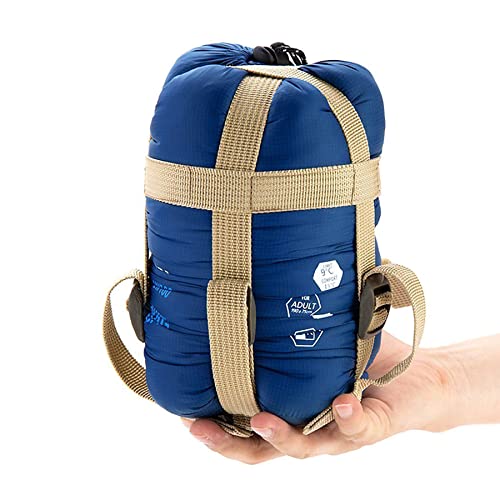
| Pack Size | Compressed to 11 inches in height |
Ever wake up in the middle of a camping night feeling like your sleeping bag isn’t quite cutting it? That was me last weekend, trying to stay cozy in a lightweight, warm-weather bag that just didn’t seem to keep the chill out.
Then I tried the ECOOPRO Warm Weather Sleeping Bag, and honestly, it changed my entire camping experience.
This bag feels surprisingly sturdy for its lightweight design. The waterproof nylon outer shell kept me dry during a sudden drizzle, and the smooth zipper made late-night adjustments hassle-free.
Measuring 83 inches long and 30 inches wide, it fit me comfortably without feeling restrictive, and I could even squeeze in a small pillow for extra comfort.
What really impressed me is how compact it gets when rolled up. It easily compressed into that tiny 11-inch sack, weighing just 1.7 pounds — perfect for backpacking without adding bulk.
Setting it up was quick, and I appreciated the breathable polyester lining that kept me from overheating on warm nights.
It’s versatile too. I used it without a liner in mild weather, and it performed well.
Whether camping, hiking, or even using it as a cozy companion at home, this bag adapts. Plus, the durable materials feel like they’ll last through many trips, which is a relief for outdoor enthusiasts.
Overall, if you’re after a reliable, lightweight sleeping bag that handles warm weather like a champ, this one’s a solid choice. It’s not fancy, but it does its job beautifully and at a friendly price point.
3-4 Season Sleeping Bag with Waterproof Sack, Army Green

- ✓ Soft & cozy interior
- ✓ Water-resistant shell
- ✓ Spacious & lightweight
- ✕ Less warm in extreme cold
- ✕ Not suitable for winter use
| Insulation | High-loft synthetic fill suitable for spring, fall, and cooler summer nights |
| Outer Shell Material | Water-resistant durable fabric (likely nylon or polyester) |
| Shape | Rectangular envelope design |
| Temperature Rating | Suitable for 3-4 season use, including cooler nights |
| Packability | Compressible into included stuff sack |
| Interior Lining | Soft, skin-friendly fabric |
The moment I unrolled this sleeping bag, I immediately noticed how soft and plush the interior lining felt against my skin. It was like wrapping myself in a cozy blanket, even before I’d zipped it up.
I tested it out on a chilly spring evening, and I was surprised how warm I stayed with just a light layer underneath.
The water-resistant outer shell is noticeably sturdy without feeling bulky. I brushed off some morning dew and light rain effortlessly, keeping me dry and comfortable.
The rectangular shape gives me plenty of wiggle room, so I didn’t feel confined during the night. It’s spacious enough for different body types, which is a big plus.
Setting it up was a breeze—just roll it into the included stuff sack, and it’s ready to go. The high-loft insulation kept me warm even when temperatures dipped unexpectedly.
Plus, tossing it into the washing machine after a trip was super simple, no fuss at all. Overall, it’s ideal for spring, fall, and cooler summer nights, handling unpredictable weather with ease.
It’s lightweight and packs down small, making it perfect for backpacking trips. The zipper works smoothly, and I didn’t experience any snagging.
However, I did notice that in very cold weather, it might need extra layering to stay warm enough.
Teton Trailhead 20°F Mummy Sleeping Bag

- ✓ Lightweight and packable
- ✓ Warm and comfortable
- ✓ Durable compression sack
- ✕ Limited for colder weather
- ✕ Zipper can snag sometimes
| Temperature Rating | Survival rated to +20°F; Comfort rated 20-30°F higher |
| Insulation Material | Microfiber insulation with high loft and compressibility |
| Liner Material | Breathable, soft double-brushed fabric |
| Design Features | Mummy shape with hood, zipper draft tube, vaulted footbox |
| Weight and Packability | Lightweight with included durable compression sack for easy packing |
| Additional Comfort Tips | Compatible with camp pad, includes recommendations for enhanced warmth |
Instead of the usual bulky sleeping bags I’ve tried, the Teton Trailhead 20°F Mummy Sleeping Bag immediately caught my attention with its sleek, lightweight design. It feels surprisingly plush for how portable it is, and I noticed the mummy hood is well-shaped to snugly fit around my head, sealing out drafts effortlessly.
The zipper draft tube is a game-changer, preventing cold air from sneaking in, which makes a real difference on chilly nights. The vaulted footbox adds extra room where you need it most, so your feet stay comfortable and toasty.
I also really appreciated the soft, double-brushed liner—it’s gentle against the skin and makes tossing and turning more comfortable.
Despite being lightweight, the insulation feels surprisingly lofty, thanks to the microfiber fill. It compresses easily into the included stuff sack, which is sturdy and straightforward to use—no frustrating struggle to get it in.
I tested it in a variety of conditions, and it consistently kept me warm, especially when paired with a good pad and hat.
The bag’s design encourages proper packing, which helps maintain its loft and warmth. Fluffing it before bed really boosts comfort, and I found it easy to stuff into the compression sack without fuss.
The +20F rating feels accurate, and I felt cozy well into the 30s, making it perfect for summer nights at altitude or cooler weather.
Overall, the Teton Trailhead offers a winning combination of warmth, weight, and comfort. It’s a smart choice for backpackers who want reliable warmth without dragging around a bulky bag.
Plus, the customer service backing it up is a reassuring bonus if any questions pop up.
Sleeping Bags Backpacking Lightweight Waterproof- Cold

- ✓ Lightweight and compact
- ✓ Waterproof and breathable
- ✓ Roomy and comfortable
- ✕ Limited to 3-season use
- ✕ Not suitable for very cold nights
| Dimensions | 31.5 x 86.6 inches (W x D) |
| Temperature Rating | Designed for 50℉-68℉ (10℃-20℃), Limit: 41℉-77℉ |
| Fill Material | Hollow cotton |
| Outer Cover Material | Polyester, waterproof and breathable fabrics |
| Pack Weight | 3.3 lbs |
| Packed Size | 7.9”-14.2” |
It’s late afternoon, and I’m setting up camp after a long hike in the woods. The weather’s mild, around 60°F, and I want something lightweight that won’t weigh me down.
I unzip this sleeping bag, and I immediately notice how roomy it is—plenty of space for someone my height, and I still have room to move around comfortably.
The fabric feels smooth and sturdy, with a waterproof outer layer that keeps moisture at bay. I love the drawstring hood; it cinches easily and keeps my head warm without fuss.
The zipper at the foot is a neat feature—perfect for venting when the night warms up or sealing in heat when it drops.
Getting in was a breeze thanks to the wide opening, and I appreciated how lightweight it was—just over 3 pounds—making it easy to pack. The compression sack is small enough to fit in my backpack without taking up much space, which is a huge plus for backpackers.
As I settle in, I notice how cozy the hollow cotton fill feels against my skin. It’s warm enough for my current conditions but also versatile enough for slightly cooler nights.
Plus, it wipes clean easily, so I don’t worry about dirt or spills ruining it quickly.
Overall, this sleeping bag feels like a smart choice for warm-weather adventures. It’s simple, functional, and does exactly what I need it to—keeping me comfortable without extra bulk.
What Should You Consider When Choosing a Warm Weather Sleeping Bag?
When choosing the best warm weather backpacking sleeping bag, several key factors should be considered to ensure comfort and suitability for your needs.
- Temperature Rating: The temperature rating indicates the lowest temperature at which the sleeping bag will keep you warm. For warm weather, look for bags rated between 35°F to 50°F, as they provide adequate insulation without overheating during milder conditions.
- Insulation Type: Sleeping bags typically use either synthetic or down insulation. Synthetic insulation is moisture-resistant and dries quickly, making it ideal for humid climates, while down insulation is lighter and more compressible but less effective when wet, requiring careful consideration based on your environment.
- Weight and Packability: Since you’ll be backpacking, the weight of the sleeping bag is crucial. Look for lightweight options that compress well into a small size to save space and reduce pack weight, making them easier to carry over long distances.
- Shape and Fit: The shape of the sleeping bag affects its thermal efficiency and comfort. Mummy bags are more thermally efficient and suitable for colder nights, while rectangular bags offer more room to move but may not retain heat as well, making them better for warm weather.
- Material and Breathability: The outer fabric should be durable yet breathable to prevent moisture buildup inside the bag. Look for materials that wick away sweat and allow ventilation, which is especially important in warm climates to maintain comfort during the night.
- Features and Design: Additional features such as zippers, hoods, and draft collars can enhance comfort and usability. Consider bags with full-length zippers for ventilation, adjustable hoods for a snug fit, and draft collars to minimize heat loss when temperatures drop unexpectedly.
How Does Weight Impact Your Backpacking Experience?
- Backpack Weight: The weight of your backpack directly impacts your stamina and mobility on the trail.
- Sleeping Bag Weight: A lightweight sleeping bag is essential for warm weather backpacking as it contributes to overall pack weight while ensuring comfort during sleep.
- Gear Selection: The total weight of your gear determines what you can carry and influences your choices for meals, clothing, and additional equipment.
- Physical Endurance: Carrying a heavier load can lead to fatigue and muscle strain, affecting your ability to enjoy long hikes and reach your destination safely.
- Balance and Stability: The weight distribution in your backpack affects your balance, which can be particularly important on uneven terrain.
A lightweight sleeping bag is particularly important for warm weather backpacking. It not only helps minimize pack weight but also ensures that you stay cool and comfortable at night, which is vital for good rest and recovery during your trip.
Your gear selection is influenced by weight, as lighter options often come with trade-offs in terms of durability or features. This means that careful planning and consideration are needed to ensure you have all the essential items while keeping your pack as light as possible.
Physical endurance can be compromised when you carry a heavier load, leading to quicker fatigue and the potential for injury. This is why many backpackers aim for a lightweight setup to maximize their enjoyment and minimize physical strain during their hikes.
Balance and stability are also affected by how weight is distributed within your pack. A well-balanced pack helps maintain your center of gravity, allowing for better movement and reducing the risk of falls or accidents on challenging trails.
Why Is Compressibility Important for Backpackers?
The underlying mechanism lies in the materials used in sleeping bags, such as down insulation or synthetic fibers, which can be designed to compress tightly without losing their insulating properties. This means that as a sleeping bag is compressed, it retains its ability to provide warmth, allowing backpackers to carry a lightweight sleeping solution that doesn’t compromise on performance. Furthermore, the importance of compressibility is magnified in warm weather conditions, where lighter and more compact gear is preferable to prevent overheating and encourage ventilation during sleep.
What Are the Key Materials Used in Best Warm Weather Sleeping Bags?
The key materials used in the best warm weather backpacking sleeping bags include:
- Down Insulation: Down insulation is made from the soft undercoating of ducks or geese and provides an excellent warmth-to-weight ratio, making it ideal for warm weather sleeping bags. It is highly compressible, allowing the sleeping bag to pack down small, which is essential for backpackers. However, it loses its insulating properties when wet, so water-resistant treatments or a waterproof shell are often necessary.
- Synthetic Insulation: Synthetic insulation, typically made from polyester fibers, is a popular alternative to down as it retains warmth even when wet, making it more practical in humid environments. These materials are often bulkier than down but are generally more affordable and easier to care for. They also dry faster and resist mold and mildew, which can be beneficial for multi-day trips.
- Water-Resistant Fabrics: The outer shell of warm weather sleeping bags is often made from lightweight, water-resistant fabrics such as nylon or polyester. These materials help protect the insulation from moisture while providing durability and breathability. Many of these fabrics also have a ripstop construction, which adds strength and reduces the risk of tears or punctures during outdoor use.
- Breathable Linings: The lining materials used inside sleeping bags, such as soft polyester or nylon taffeta, are designed to enhance comfort and wick moisture away from the body. A breathable lining helps regulate temperature and reduces the likelihood of overheating, which is crucial for warm weather camping. Additionally, these linings often have a smooth texture for easier entry and exit from the sleeping bag.
- Zippers and Draft Collars: Quality zippers and features like draft collars are essential components of a sleeping bag that contribute to its overall performance. Zippers should be sturdy and snag-free for ease of use, while draft collars help prevent heat loss around the neck area. These features enhance comfort by keeping warm air in and cold air out, making the sleeping bag more effective in various temperatures.
How Do Down and Synthetic Insulations Compare for Warm Weather?
| Insulation Type | Down | Synthetic |
|---|---|---|
| Weight | Lightweight, ideal for backpacking. | Generally heavier, but varies by brand. |
| Compressibility | Highly compressible, packs down small. | Less compressible, bulkier when packed. |
| Moisture Resistance | Not water-resistant; loses insulation when wet. | Better moisture resistance; retains warmth when damp. |
| Cost | Generally more expensive due to sourcing and processing. | Typically more affordable, varies by quality. |
| Lifespan | Long-lasting with proper care; can last for many years. | Shorter lifespan; may need replacement sooner. |
| Temperature Rating | Excellent insulation for warm weather; typically rated for higher temperatures. | Effective for warm weather, but may retain heat more than down. |
| Environmental Impact | Natural insulation, but sourcing can raise ethical concerns. | Synthetic materials are often derived from petroleum; can be less eco-friendly. |
Why Do Fabrics Matter in Sleeping Bag Performance?
Fabrics matter in sleeping bag performance because they directly influence insulation, breathability, and moisture management, which are critical for maintaining comfort during sleep in varying weather conditions.
According to a study published in the Journal of Outdoor Recreation and Tourism, the type of fabric used in sleeping bags can significantly affect thermal insulation properties and moisture wicking capabilities (Parker et al., 2020). Fabrics like nylon and polyester are often used for their lightweight and durable characteristics, while down-filled bags tend to provide superior warmth due to the insulation properties of down feathers.
The underlying mechanism involves the balance between heat retention and moisture management. Insulating materials trap body heat, while the outer fabric must allow moisture vapor to escape to prevent condensation buildup inside the bag. For example, a breathable shell fabric allows sweat to escape, which is essential for comfort in warm weather backpacking scenarios. Conversely, non-breathable fabrics can lead to a damp environment inside the sleeping bag, thereby reducing its thermal efficiency and potentially leading to chills during sleep. This interaction between insulation and moisture management is critical for achieving optimal performance in various climates.
What Temperature Rating Should You Look For in a Warm Weather Sleeping Bag?
When selecting the best warm weather backpacking sleeping bag, temperature rating is a crucial factor to consider.
- Comfort Rating: This is the temperature at which a sleeper can expect to be comfortable and sleep soundly. It typically takes into account the average person in a standard sleeping position and helps you gauge if the bag suits your needs in warmer conditions.
- Limit Rating: This rating indicates the lowest temperature at which the sleeping bag will keep a person warm, although it might not be as comfortable. It is particularly useful for those who may encounter unexpectedly cooler nights during their warm weather trips.
- Seasonal Rating: Sleeping bags are often categorized by season, with summer bags designed for warm weather typically rated between 35°F and 50°F (1°C to 10°C). Understanding these categories can assist you in choosing a bag that suits your specific backpacking season.
- Fill Material: The insulation material greatly affects the temperature rating of a sleeping bag. Down insulation typically offers a better warmth-to-weight ratio and compressibility, making it ideal for warm weather, while synthetic materials may retain heat better in humid conditions.
- Bag Shape: The shape of the sleeping bag can influence warmth retention. Mummy-shaped bags are designed to hug the body and minimize heat loss, while rectangular bags offer more space but may not retain warmth as effectively.
The comfort rating is crucial as it reflects the temperature range where you can sleep comfortably, while the limit rating provides a backup for cooler nights. Knowing the seasonal rating helps ensure you select an appropriate bag for summer outings. Additionally, the choice of fill material impacts the bag’s insulation properties, and the shape can dictate how well it retains warmth. All these factors combined will guide you toward the best warm weather backpacking sleeping bag for your adventures.
Which Are the Leading Brands for Warm Weather Backpacking Sleeping Bags?
The leading brands for warm weather backpacking sleeping bags include:
- REI Co-op: Known for their high-quality outdoor gear, REI Co-op offers sleeping bags that are designed for warm weather conditions, featuring lightweight materials and excellent breathability.
- Therm-a-Rest: This brand specializes in innovative sleeping systems, and their warm weather bags are crafted with advanced insulation technologies, focusing on comfort and packability.
- Big Agnes: Big Agnes is recognized for their unique designs, including integrated sleeping bag and sleeping pad systems, which provide insulation and comfort for warm weather backpacking.
- Marmot: Marmot produces a range of sleeping bags built for various conditions, and their warm weather options utilize lightweight fabrics and down or synthetic insulation to ensure both warmth and ventilation.
- Nemo: Nemo’s sleeping bags are known for their creative features and spacious designs, making them a favorite for backpackers who prioritize comfort during warmer nights.
REI Co-op offers a variety of warm weather sleeping bags that balance weight and pack size, making them ideal for backpackers. Their bags typically use synthetic insulation, which performs well in humid conditions and dries quickly if wet, ensuring comfort on warm nights.
Therm-a-Rest’s sleeping bags are designed with a focus on thermoregulation and comfort, often incorporating unique materials that enhance breathability while keeping weight to a minimum. Their bags are also compatible with their sleep systems, allowing for a more integrated sleeping experience.
Big Agnes is known for their innovative dual-purpose sleeping systems, which combine sleeping bags with sleeping pads for improved insulation and comfort. Their warm weather bags often feature lighter weight materials and a design that allows for better airflow, making them perfect for hot summer nights.
Marmot’s range of warm weather bags includes options made from both down and synthetic materials. Their bags are designed to maximize ventilation and minimize weight, providing a comfortable sleep environment even in higher temperatures.
Nemo’s sleeping bags often incorporate unique designs such as the spoon shape, which allows for more room to move around while still maintaining warmth. They focus on user comfort, and their warm weather models typically feature materials that wick moisture and allow for a pleasant sleeping experience in warmer climates.
How Can You Extend the Lifespan of Your Warm Weather Sleeping Bag?
To extend the lifespan of your warm weather sleeping bag, consider the following methods:
- Proper Storage: Always store your sleeping bag loosely in a large cotton or mesh sack rather than its compression sack.
- Regular Cleaning: Clean your sleeping bag as needed, following the manufacturer’s instructions, to remove dirt and oils that can degrade the materials.
- Avoid Moisture: Keep your sleeping bag dry and avoid using it in damp conditions without proper protection like a waterproof liner.
- Use a Liner: Employ a sleeping bag liner to minimize wear and tear on the bag itself while adding warmth.
- Repair Damage Promptly: Address any tears or damage immediately with patches or repairs to prevent further deterioration.
- Limit Use on Rough Surfaces: Use a sleeping pad underneath to protect the bottom of your bag from abrasion and dirt.
Proper storage is essential because keeping your sleeping bag compressed can damage the insulation over time, leading to reduced performance. By using a breathable storage sack, you allow the materials to maintain their loft and insulation properties.
Regular cleaning is crucial for maintaining the integrity of your sleeping bag. Dirt and body oils can break down the fabric and insulation, so following care instructions will help prolong its life and functionality.
Avoiding moisture is vital, as dampness can lead to mold and mildew, which can ruin the bag. Utilizing a waterproof liner or keeping your bag in a dry environment can mitigate this risk significantly.
Using a liner not only protects your sleeping bag from dirt but also adds an extra layer of warmth for cooler nights. Liners can be easily washed and replaced, thus preserving the main sleeping bag.
Repairing damage promptly is necessary because small tears can quickly worsen, compromising insulation and warmth. Keeping a repair kit handy will allow you to address issues before they escalate.
Limiting use on rough surfaces helps prevent wear from rocks and branches, which can create holes or abrasions in the fabric. A sleeping pad not only provides comfort but also acts as a protective barrier, extending the life of your sleeping bag.
Related Post: