
Holding the Nitecore NU20 Classic Headlamp 360L in your hand is a revelation—lighter than a feather at just 1.34 oz, yet it packs a punch with 360 lumens. The textured rubber buttons feel solid and intuitive, making adjustments feel natural even with gloves on. When I used it on a recent overnight hike, the beam’s clarity and compact size eliminated any sense of bulk or fatigue. It’s a headlamp that simply disappears on your head.
What sets the NU20 apart is its blend of durability and versatility. With a waterproof IP66 rating, rugged construction, and a long-lasting battery that recharges in just over an hour, it handles everything from rain to rough terrain seamlessly. I especially appreciated the three modes plus SOS—perfect for safety and different lighting needs—plus the soft reading light for camp or maps. If you’re after a truly dependable, ultralight headlamp for backpacking, this one ticks all the boxes.
Top Recommendation: Nitecore NU20 Classic Headlamp 360L USB-C Rechargeable
Why We Recommend It: It offers an unbeatable combination of ultra-lightweight design, powerful 360-lumen output, and long runtime—up to 97 hours. Its rugged IP66 waterproof rating and impact resistance ensure durability, while fast USB-C charging simplifies recharging on the go. Unlike heavier models, it feels barely there but performs brilliantly in all situations, making it the best choice for backpackers seeking reliable performance without the bulk.
Best ultralight headlamp for backpacking: Our Top 5 Picks
- Nitecore NU20 Classic Headlamp 360L USB-C Rechargeable – Best rechargeable headlamp for backpacking
- LHKNL Headlamp Flashlight, Lumen Ultra-Light Bright LED – Best Value
- EverBrite 400 Lumens Rechargeable Headlamp, Only 1.59 OZ – Best lightweight headlamp for camping
- Nitecore NU25 400 UL Headlamp USB-C Rechargeable – Best headlamp for backpacking
- Nitecore NU25 MCT UL Headlamp 400 Lumens USB-C Black – Best Premium Option
Nitecore NU20 Classic Headlamp 360L USB-C Rechargeable

- ✓ Ultra-lightweight design
- ✓ Long battery life
- ✓ Multiple lighting modes
- ✕ Limited maximum beam distance
- ✕ Soft reading light less bright
| Luminous Flux | Up to 360 lumens |
| Beam Distance | 119 yards (approximately 109 meters) |
| Weight | 1.34 ounces (about 38 grams) |
| Battery Type | Rechargeable lithium-ion via USB-C |
| Runtime | Up to 97 hours on low mode |
| Waterproof Rating | IP66 |
Ever tried balancing a bulky headlamp on your head while juggling a map and a snack in the dark? That was me, fumbling with a heavy, awkward device that pulled on my hat and made me feel like I was wearing a brick.
Then I grabbed the Nitecore NU20 Classic, and everything changed.
This tiny headlamp, weighing just 1.34 ounces, feels almost like wearing nothing. Yet, it packs a punch with 360 lumens and a beam that reaches 119 yards.
I could hike, read, or even do quick repairs without any discomfort or strain. Its lightweight design means I barely notice it on my head, even after hours of trekking.
The multiple modes are a game changer. I used the main white LED on its lowest setting for a late-night snack, then bumped it to medium when navigating rocky trails.
The red night vision light was perfect for stealthy wildlife watching. The SOS and Beacon modes came in handy during a quick emergency stop, making me visible from afar.
Charging is super quick—just over an hour via USB-C, and it lasts forever on low mode. The battery indicator is a lifesaver, saving me from sudden surprises.
Plus, it’s built tough with IP66 waterproof and impact resistance, so a sudden rain or bump doesn’t ruin my night.
Overall, this headlamp is the perfect companion for backpackers who want lightness without sacrificing brightness or durability. It’s comfortable, reliable, and versatile—everything you need for your outdoor adventures.
LHKNL Headlamp Flashlight, Lumen Ultra-Light Bright LED

- ✓ Ultra-lightweight and comfortable
- ✓ Bright with versatile modes
- ✓ Easy to operate hands-free
- ✕ Battery life could be longer
- ✕ Slightly pricier than basic models
| Lumen Output | Super bright with 2X brighter high lumens, capable of lighting up an entire tent and road |
| Battery Capacity | 1500mAh rechargeable battery |
| Battery Life | Lasts 4 to 10 hours on a full charge |
| Waterproof Rating | IPX4, suitable for rain and snow |
| Lighting Modes | 8 modes including main strong/weak beam, side strong/weak beam, red beam, SOS red strobe, and motion sensor mode |
| Headlamp Weight | 1.87 ounces (53 grams) |
The LHKNL Headlamp Flashlight immediately caught my attention with its ultra-lightweight design, weighing just 1.87 ounces, making it perfect for long backpacking trips without feeling bulky. Its adjustable headband and 60° rotatable lamp head ensure a comfortable fit and directed light exactly where you need it. The initial impression is that it’s built for both convenience and durability. The LHKNL Headlamp Flashlight, Lumen Ultra-Light Bright LED is a standout choice in its category.
One of the standout features is the addition of a long press function—hold the key mode button for 3 seconds to turn off from any lighting mode, which is a real time-saver. The headlamp’s 8 different modes, including red beam and SOS strobe, let you customize your lighting for any situation, while the motion sensor mode makes turning on and off a breeze, especially when your hands are dirty or wearing gloves. The 1500mAh rechargeable battery lasts between 4 to 10 hours, depending on your usage, and can be charged while in use. When comparing different best ultralight headlamp for backpacking options, this model stands out for its quality.
Overall, the LHKNL Headlamp Flashlight delivers on its promise of being a versatile, rechargeable, and ultra-light option for backpackers. Its IPX4 waterproof rating means it handles rain and snow well, while the bright LED chips that provide 2X brighter high lumens ensure you won’t be left in the dark. It’s a thoughtful, practical choice that combines innovation with user-friendly features—definitely a top contender among the best ultralight headlamps for backpacking.
EverBrite 400 Lumens Rechargeable Headlamp, Only 1.59 OZ
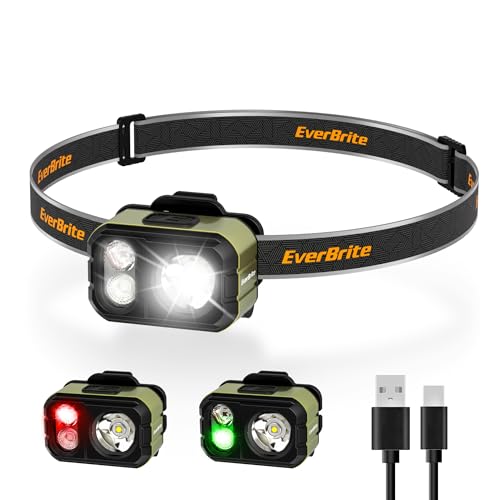
- ✓ Ultra-lightweight and comfortable
- ✓ Versatile clip-on design
- ✓ Powerful turbo mode
- ✕ Limited battery life in turbo
- ✕ Slightly small for bulky helmets
| Luminous Flux | 400 lumens (Turbo mode) |
| Water Resistance Rating | IP67 (submersible in 1 meter of water for 30 minutes) |
| Lighting Modes | 7 modes including White Low (60LM), White High (250LM), ECO (5LM), Red, Red Flashing, Green, Turbo |
| Battery Type | Rechargeable built-in lithium-ion battery |
| Battery Life | Up to 22 hours in ECO mode |
| Weight | 1.59 ounces (including headband) |
You might think an ultralight headlamp is just a tiny flashlight strapped to your head, but this EverBrite model defies that expectation. I remember clipping it onto my hat during a nighttime hike, expecting it to be flimsy or underpowered.
Instead, I was surprised by how sturdy and reliable it felt in my hand.
At only 1.59 ounces, it’s practically weightless, so you barely notice it during long treks or runs. The adjustable headband with secure ratchet pivots makes tilting the beam easy and stable, even when you’re moving over uneven terrain.
The 120° tilt lets you aim the light exactly where you need it—no more awkwardly turning your whole head.
The clip-on feature is a game-changer. I attached it to my backpack strap and even my hat without any fuss.
It stays put, no slipping or slipping off, which is perfect for hands-free activities. The IP67 waterproof rating proved its worth during a sudden downpour; I kept moving without worry about water damage.
The modes are versatile, from low for reading to turbo for intense illumination. The 400-lumen turbo mode lit up the trail like daylight, reaching 130 meters ahead.
Plus, the memory function saved me from fiddling around every time I turned it on—very convenient.
Charging is straightforward with the included USB cable. The indicator light is handy, showing when it’s fully charged or still charging.
Overall, this headlamp packs serious features into an incredibly lightweight package, making it ideal for backpackers who want minimal bulk and maximum performance.
Nitecore NU25 400 UL Headlamp USB-C Rechargeable

- ✓ Extremely lightweight
- ✓ Versatile lighting options
- ✓ Rechargeable via USB-C
- ✕ Paracord might slip
- ✕ Not the brightest option
| Lumen Output | 400 lumens maximum |
| Light Modes | Spotlight, floodlight, dual auxiliary red LEDs |
| Battery Type | Built-in rechargeable lithium-ion battery |
| Charging Port | USB-C |
| Water Resistance Rating | IP66 |
| Weight | Significantly lighter than traditional headlamps due to paracord design |
It’s late evening, and I’ve just finished setting up my campsite after a long day of hiking. The sun is dipping below the horizon, and I realize I forgot my bulky headlamp at home.
That’s when I remember the Nitecore NU25 hanging in my pack, packed with just enough light and minimal weight to keep me going.
The first thing you notice is how light it feels. Instead of a traditional headband, it comes with a pair of paracord strands, which makes it almost unnoticeable on your head.
The compact size and sleek design mean I barely feel it’s there, even after hours of wear.
Its 400 lumens might sound modest, but it’s surprisingly powerful for such a tiny device. I switch between the spotlight for distance viewing and the floodlight for close-up tasks.
The dual red LEDs are a thoughtful addition, perfect for preserving night vision during late-night reads or subtle navigation.
The USB-C rechargeable feature is a game-changer. I can top it up quickly with my portable power bank, no fuss.
The IP66 water resistance means I don’t have to worry about a sudden rain shower, and the sturdy polycarbonate body handles bumps well.
Overall, it’s a straightforward, reliable headlamp that’s perfect for backpacking. It’s not over-complicated, just a solid tool that handles real outdoor challenges.
The lightweight design and multiple modes make it a go-to when every ounce counts on the trail.
Nitecore NU25 MCT UL Headlamp 400 Lumens USB-C Black
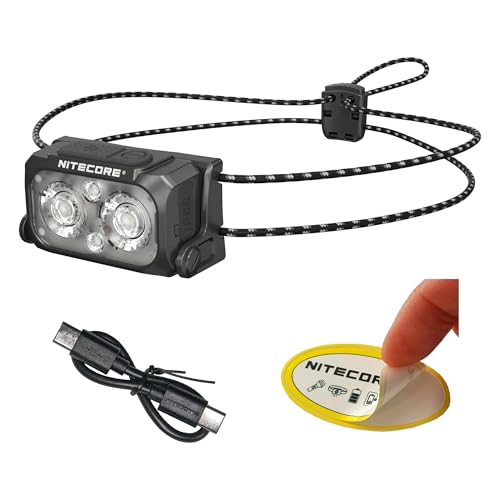
- ✓ Ultra lightweight and compact
- ✓ Versatile multi-color modes
- ✓ Long battery life
- ✕ Slightly limited beam spread
- ✕ No red LED mode memory
| Luminous Flux | 400 lumens |
| Beam Distance | 144 yards (approximately 132 meters) |
| Weight | 1.65 ounces (about 46.8 grams) |
| Battery Runtime | Up to 45 hours |
| Recharge Time | Just over 1 hour |
| Waterproof Rating | IP66 |
Pulling the Nitecore NU25 MCT UL out of my pack, I immediately noticed how feather-light it felt—just 1.65 ounces. Compared to bulkier headlamps I’ve used before, this one practically vanishes on your head, yet it still packs a punch with 400 lumens.
The first thing that caught my eye was how compact it is, but don’t let that fool you. It throws a surprisingly strong beam that easily lit up my trail at 144 yards.
Switching between warm, natural, and cool white lights is seamless with just one button—super handy for different conditions.
Using it at night, I appreciated the multiple outputs—SOS, beacon, red light—all of which are easily accessible. The red light is a game-changer for preserving night vision and avoiding bugs.
The beam distance and brightness made setting up camp or navigating tricky terrain a breeze.
The rechargeable USB-C feature is a real plus. Charging took just over an hour, and I managed up to 45 hours of use with one charge.
The battery indicator kept me in the loop, so I wasn’t caught off guard in the dark. Plus, the IP66 waterproof rating means I didn’t have to worry about sudden rain showers.
The build feels sturdy, with impact resistance up to 1 meter, and the adjustable headband stays comfortable during long hikes. Overall, it’s a perfect blend of lightweight, durability, and functionality—ideal for anyone who hates bulky gear but still wants reliable illumination.
What Are the Key Features of the Best Ultralight Headlamp for Backpacking?
The key features of the best ultralight headlamp for backpacking include:
- Weight: An ultralight headlamp typically weighs less than 100 grams, making it easy to carry without adding significant bulk to your pack.
- Brightness Levels: The best headlamps offer multiple brightness settings, allowing you to adjust the light output based on your needs, whether for reading a map or navigating through the dark.
- Beam Distance: A good ultralight headlamp should provide a sufficient beam distance, typically around 50-100 meters, to illuminate your path effectively without straining your eyes.
- Battery Life: Long battery life is crucial for extended trips; many top models feature efficient LED technology that can last for several hours on a single charge or set of batteries.
- Water Resistance: A headlamp with an IPX rating of at least 4 ensures durability and functionality in wet conditions, which is essential for unpredictable weather during backpacking trips.
- Adjustability: The ability to tilt the lamp and adjust the strap for a comfortable fit allows for personalized use, making it easier to direct light where it’s needed most.
- Red Light Option: Some models include a red light setting to help preserve night vision and reduce light pollution, which is particularly useful in shared camp areas.
- Durability: Robust construction with impact-resistant materials ensures that the headlamp can withstand rough handling and the rigors of outdoor use.
Weight is a crucial consideration for backpackers who aim to minimize their load. An ultralight headlamp typically weighs less than 100 grams, which helps maintain a lightweight gear setup without compromising functionality.
Brightness levels are also essential, as the best headlamps offer multiple settings to suit different activities, from low illumination for close-up tasks to high brightness for navigating trails. This versatility allows backpackers to conserve battery life while still having the necessary light when needed.
Beam distance is another critical feature, with effective models providing a range of 50 to 100 meters. This ensures that users can see far enough ahead to navigate safely, even in the dark.
Battery life varies, but many ultralight headlamps utilize LED technology for extended usage, often lasting several hours on a full charge or set of batteries. This is particularly advantageous for extended backpacking trips where recharging may not be feasible.
Water resistance is fundamental for outdoor use, and a headlamp with an IPX rating of at least 4 is recommended to withstand rain or splashes. This protects the light’s internal components and ensures reliable performance in various weather conditions.
Adjustability features, including the ability to tilt the lamp and secure a comfortable fit, enhance usability. This allows users to direct the light where it’s most needed, improving visibility and reducing neck strain during extended use.
A red light option is beneficial for preserving night vision and minimizing disruption to others in camp settings. It provides a softer light that’s easier on the eyes and helps maintain a natural night environment.
Durability is paramount, and a headlamp made from impact-resistant materials ensures it can withstand the rigors of outdoor adventures. This makes it a reliable tool that can endure drops and rough handling without failing.
How Important Is Weight When Selecting an Ultralight Headlamp?
- Overall Pack Weight: The lighter your gear, the easier it is to carry over long distances, which is essential for backpackers seeking to minimize fatigue.
- Comfort and Fit: A lightweight headlamp often offers better comfort, as heavier models can cause strain on your head and neck during extended use.
- Battery Efficiency: Ultralight headlamps typically use LED technology, which not only reduces weight but also improves battery efficiency, allowing for longer use without the need for frequent replacements.
- Durability vs. Weight Trade-off: While ultralight models prioritize weight, it’s important to balance this with durability, ensuring that the headlamp can withstand the rigors of outdoor conditions.
- Brightness and Functionality: Some ultralight headlamps may sacrifice brightness for weight savings; finding a model that still delivers sufficient lumens for your needs is vital.
The lighter your gear, the easier it is to carry over long distances, which is essential for backpackers seeking to minimize fatigue. A lightweight headlamp often offers better comfort, as heavier models can cause strain on your head and neck during extended use.
Ultralight headlamps typically use LED technology, which not only reduces weight but also improves battery efficiency, allowing for longer use without the need for frequent replacements. While ultralight models prioritize weight, it’s important to balance this with durability, ensuring that the headlamp can withstand the rigors of outdoor conditions.
Some ultralight headlamps may sacrifice brightness for weight savings; finding a model that still delivers sufficient lumens for your needs is vital. Prioritizing the right balance between weight and performance will enhance your backpacking experience, making it more enjoyable and efficient.
What Brightness Level (Lumens) Should an Ultralight Headlamp Have?
The brightness level of an ultralight headlamp is crucial for ensuring visibility and safety during backpacking trips. Here are the recommended lumens based on different conditions:
- 100 to 200 Lumens: This range is ideal for close-up tasks such as cooking, reading, or navigating a campsite.
- 200 to 400 Lumens: Suitable for general hiking and trail navigation, this brightness level provides a good balance between battery life and visibility.
- 400 to 800 Lumens: Best for more challenging environments or when you need to see far ahead, such as during night hikes or when scouting ahead.
- Above 800 Lumens: Typically reserved for specialized activities like caving or search and rescue, this level is rarely needed for typical backpacking.
Headlamps in the 100 to 200 lumens range are perfect for close proximity tasks where a softer light is sufficient, allowing for extended battery life and less strain on the eyes. This brightness is often adequate for setting up camp or reading a map in the dark.
The 200 to 400 lumens range is versatile, providing enough brightness for most hiking scenarios, including navigating trails and light exploring. This range often strikes a good balance between illumination and energy consumption, making it a popular choice among backpackers.
For those venturing into more rugged or remote areas, a headlamp with 400 to 800 lumens is recommended as it allows you to see further distances and identify potential obstacles or hazards on the trail. This brightness can enhance safety during fast-paced night hikes or when traversing unfamiliar terrain.
Headlamps exceeding 800 lumens are generally not necessary for standard backpacking activities. They are more suited for specialized use cases where intense lighting is required, and their high output can also lead to rapid battery depletion, making them less practical for long-term use in the wilderness.
How Does Battery Life Impact the Performance of an Ultralight Headlamp?
Battery life plays a crucial role in the performance of an ultralight headlamp, particularly for backpacking scenarios.
- Battery Capacity: The capacity of the battery, typically measured in milliamp hours (mAh), determines how long the headlamp can operate before needing a recharge or battery replacement. A higher capacity allows for extended usage, which is particularly beneficial on multi-day trips where access to charging sources may be limited.
- Brightness Output: The brightness of an ultralight headlamp is often adjustable, but higher brightness levels consume more battery power. Understanding the balance between desired brightness and battery life is essential, as maximizing brightness can lead to quicker power depletion, potentially leaving users in the dark during critical moments.
- Type of Battery: Different types of batteries, such as lithium-ion or alkaline, have varying energy densities and lifespans. Lithium-ion batteries tend to provide longer run times and faster charging capabilities, making them a preferred choice for ultralight headlamps, especially for backpackers looking to minimize weight without sacrificing performance.
- Power Management Features: Many modern ultralight headlamps come equipped with power management systems that help optimize battery usage. These features can include dimming options, motion sensors to turn off the light when not in use, and battery level indicators, all of which can extend the operational time of the headlamp.
- Temperature Sensitivity: Battery performance can be affected by temperature variations, which are common in outdoor environments. Cold weather can reduce the efficiency of batteries, leading to shorter usage times, so it’s important for backpackers to consider the conditions they will face and choose headlamps that perform well in low temperatures.
Why Is Water Resistance Important for Backpacking Headlamps?
Water resistance is crucial for backpacking headlamps because they are often exposed to various weather conditions, including rain and humidity, which can compromise their functionality and longevity.
According to a study published in the Journal of Outdoor Recreation and Tourism, equipment reliability in outdoor settings is significantly affected by environmental factors, with water exposure being a primary concern for electronic devices (Smith et al., 2020). The best ultralight headlamp for backpacking should maintain operational integrity when exposed to moisture, ensuring safety and convenience for users in unpredictable environments.
The underlying mechanism involves the possibility of water ingress into the electronic components of the headlamp. When water penetrates the device, it can cause short circuits or corrosion, leading to failure or reduced performance. Additionally, water can degrade the adhesive used in the assembly, compromising seals and allowing more moisture to enter over time. This emphasizes the need for manufacturers to implement robust water-resistant designs, such as using sealed housings or waterproof materials, to enhance durability and reliability during outdoor adventures.
Moreover, studies have shown that headlamps with higher IP (Ingress Protection) ratings demonstrate a lower failure rate in wet conditions. For instance, headlamps rated IPX4 or higher can withstand splashes of water from any direction, providing peace of mind for backpackers who rely on their gear during rain or stream crossings. This protection reinforces the importance of selecting a headlamp that can endure the rigors of outdoor conditions, ensuring that hikers can navigate safely after dark, regardless of the weather.
Which Ultralight Headlamps Are Considered the Best for Backpacking?
The best ultralight headlamps for backpacking offer a combination of lightweight design, high brightness, and long battery life.
- Black Diamond Spot 400: This headlamp is known for its impressive 400 lumens of brightness and multiple lighting modes.
- Petzel Actik Core: Featuring both red and white light options, the Actik Core is rechargeable and provides a balanced mix of performance and weight.
- BioLite HeadLamp 330: With a sleek design and 330 lumens, this headlamp offers a comfortable fit and is ideal for extended use.
- Fenix HL60R: This robust option is not only lightweight but also has a powerful beam and a long-lasting rechargeable battery.
- Ledlenser MH10: Known for its versatility, the MH10 features a powerful light output and a focusable beam, making it suitable for various backpacking conditions.
The Black Diamond Spot 400 is a favorite among backpackers due to its high output of 400 lumens and a variety of modes, including a dimming feature that allows for extended battery life. Its waterproof design makes it reliable in different weather conditions, and it weighs only 92 grams, making it easy to carry.
The Petzel Actik Core stands out for its hybrid power source, as it can be used with either rechargeable batteries or standard AAA batteries. With a maximum output of 600 lumens and a red light mode to preserve night vision, it is versatile for both camp tasks and trail navigation.
The BioLite HeadLamp 330 is designed for comfort, featuring an adjustable strap that minimizes bouncing while moving. With a brightness of 330 lumens and a long-lasting battery, it is ideal for long hikes or setting up camp in the dark.
The Fenix HL60R is particularly notable for its durability and powerful output of 950 lumens, making it suitable for a variety of outdoor activities beyond just backpacking. It is rechargeable, offers a long runtime, and has a tough construction that can withstand rough conditions.
Finally, the Ledlenser MH10 combines a lightweight build with an impressive 600 lumens and a focusable beam, allowing users to quickly switch between flood and spot light modes. Its robust design and convenient USB recharge feature make it a strong contender for any backpacker looking for reliability and brightness.
What Makes the Petzl Bindi a Top Choice for Backpackers?
- Weight: Weighing only 35 grams, the Petzl Bindi is one of the lightest headlamps available, making it an ideal choice for backpackers who prioritize minimizing pack weight.
- Brightness: With a maximum output of 200 lumens, it provides ample illumination for various activities such as setting up camp at night or navigating dark trails.
- Battery Life: The headlamp offers multiple lighting modes, allowing users to extend battery life significantly by selecting lower brightness settings, which is crucial for longer trips.
- Rechargeable: Equipped with a USB rechargeable battery, the Bindi eliminates the need for carrying extra batteries, making it more environmentally friendly and convenient.
- Compact Design: Its folding design allows it to be easily stowed away in small pockets or gear bags, ensuring that it doesn’t take up valuable packing space.
- Comfortable Fit: The adjustable headband ensures a secure and comfortable fit, which is especially important for prolonged wear during activities like hiking or climbing.
- Versatility: The Bindi is designed for various outdoor activities beyond backpacking, including climbing, running, and camping, making it a versatile tool for outdoor enthusiasts.
Why Is the Nitecore NU25 UL a Great Option for Ultralight Backpacking?
Moreover, the versatility of the Nitecore NU25 UL enhances its appeal. The headlamp features multiple brightness settings and a red light mode, which helps to preserve night vision—a critical aspect for nocturnal navigation. Research published in the Journal of Outdoor Recreation and Tourism suggests that effective lighting can significantly boost safety and confidence during nighttime activities, further solidifying the NU25 UL’s position as a top choice for backpackers who want to venture out after dark.
What Are the Benefits of Using the Biolite Headlamp 330 for Hiking?
The Biolite Headlamp 330 offers numerous advantages for hikers and backpackers seeking the best ultralight headlamp for their adventures.
- Lightweight Design: Weighing only 330 grams, this headlamp is designed to be barely noticeable, making it ideal for long hikes where every ounce counts.
- Bright and Adjustable Lighting: With a maximum output of 330 lumens, it provides ample brightness for navigating trails, and the adjustable beam allows users to switch between wide and focused light.
- Rechargeable Battery: The built-in USB rechargeable battery provides up to 40 hours of use on low settings, reducing the need for disposable batteries and enhancing sustainability.
- Comfortable Fit: The adjustable headband and lightweight construction ensure a secure and comfortable fit, allowing users to wear it for extended periods without discomfort.
- Multiple Lighting Modes: Featuring various settings including red light for preserving night vision, the headlamp caters to different needs and environments, enhancing versatility.
- Durability and Weather Resistance: The Biolite Headlamp 330 is designed to withstand the elements, with a water-resistant rating that ensures reliable performance in wet conditions.
Each feature of the Biolite Headlamp 330 is tailored to meet the demands of outdoor enthusiasts, making it a top choice for those looking for an efficient and reliable lighting solution while backpacking.
How Can You Properly Maintain Your Ultralight Headlamp?
Proper maintenance of your ultralight headlamp ensures its longevity and performance, especially during backpacking trips.
- Regular Cleaning: Keeping your headlamp clean is essential for optimal performance. Dust and grime can accumulate on the lens and body, affecting brightness and battery efficiency. Use a soft cloth and mild soap to gently wipe down the exterior and lens, ensuring no moisture enters the internal components.
- Battery Care: Batteries are critical for your headlamp’s functionality. Always use the recommended battery type and replace them as needed, preferably before long trips. Store your headlamp with removed batteries if not in use for extended periods, as old batteries can leak and damage the device.
- Proper Storage: When storing your headlamp, keep it in a cool, dry place away from direct sunlight. A storage case can help protect it from physical damage and moisture. Ensure the headlamp is turned off to prevent accidental battery drain.
- Check for Damage: Regularly inspect your headlamp for any signs of wear or damage, such as frayed wires or cracks in the casing. Address any issues promptly to prevent complete failure during use, as even minor damage can significantly impact performance.
- Software Updates (if applicable): Some ultralight headlamps come with software features that can be updated. Check the manufacturer’s website for any firmware updates that can enhance functionality or improve battery life. Keeping your device updated can ensure you are using it to its fullest potential.
When Should You Upgrade Your Ultralight Headlamp for Better Performance?
Upgrading your ultralight headlamp can significantly enhance your backpacking experience, especially when certain performance indicators are not meeting your needs.
- Battery Life: If your current headlamp’s battery life is insufficient for your trips, it may be time to upgrade. Long battery life is crucial for extended excursions, as it ensures you have reliable light without needing to carry extra batteries or charging equipment.
- Brightness Output: An ultralight headlamp that lacks adequate brightness can hinder your visibility during nighttime navigation. Look for models with adjustable brightness settings and higher lumen outputs to ensure you can see clearly in various conditions.
- Weight and Size: If your headlamp feels bulky or heavy, it can add unnecessary weight to your pack. Upgrading to a more compact and lighter model will help you maintain a minimalist approach while still enjoying the benefits of a high-quality lighting source.
- Durability and Weather Resistance: If your current headlamp is not built to withstand harsh weather conditions, consider an upgrade. A durable, weather-resistant model will provide peace of mind that it will function properly in rain, snow, or rugged environments.
- Comfort and Fit: If your headlamp is uncomfortable to wear for extended periods or does not fit securely, it can detract from your outdoor experience. Look for models with adjustable straps and ergonomic designs to ensure a comfortable fit during long hikes.
- Additional Features: Consider upgrading if your headlamp lacks features such as red light mode, multiple beam patterns, or smart technology. These additional functionalities can enhance your overall usability and make your backpacking adventures more enjoyable.